The First Year of a Belgian Malinois’s Growth
Bringing home a Belgian Malinois puppy is an incredibly exciting time, full of dreams of future adventures and accomplishments. But let's be realistic for a moment: that first year is also an absolute rollercoaster, a frantic sprint of growth, boundless energy, and constant learning, both for the pup and for you. This comprehensive guide will walk you through the monumental changes and critical decisions you'll face as your tiny land shark transforms into a powerful, athletic adolescent, helping you navigate their physical and mental development with confidence and care.
The Whirlwind of Early Puppyhood: From Tiny Terror to Teenage Tornado
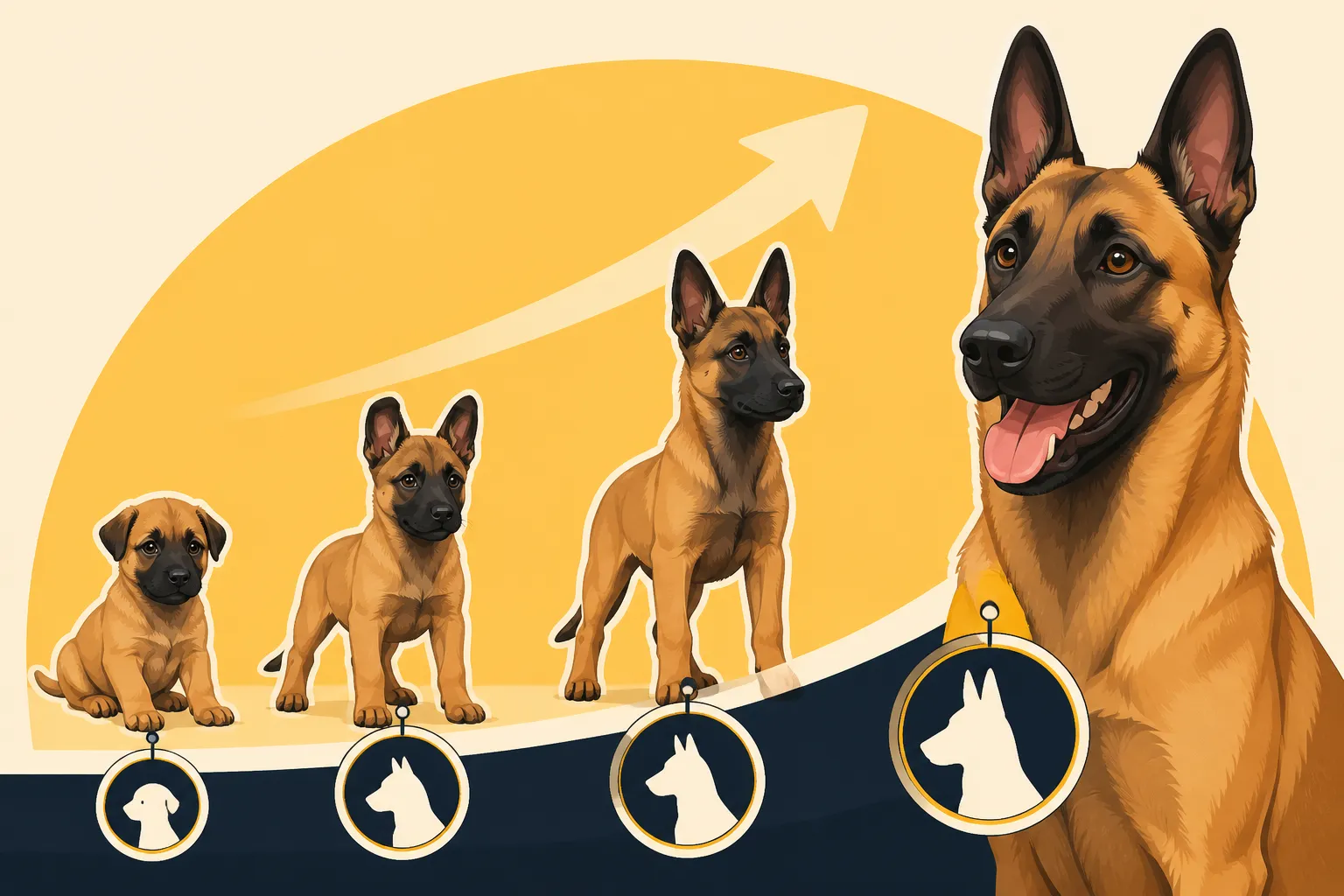
The first year of a Belgian Malinois's life isn't just a period of growth; it's a metamorphosis. You'll witness incredible changes almost daily, from the wobbly, sleepy bundle of fluff you bring home to the gangly, awkward teenager, and finally, to the sleeker, more coordinated young adult. Understanding these phases is crucial for providing the right environment, nutrition, and training, ensuring your Malinois grows up sound in both body and mind.
Weeks 8-12: The Land Shark Phase and Rapid Weight Gain
Those first few weeks with your Malinois puppy are an absolute blur. You've brought home this adorable, energetic fluffball, and almost immediately, you realize they come equipped with an alarming number of tiny, razor-sharp teeth. This is what many Malinois owners lovingly, or perhaps frantically, refer to as the "land shark phase." Every piece of clothing, every hand, every ankle becomes a target for exploration and teething relief. It's a natural behavior, but it's incredibly important to manage it correctly from day one. Redirecting their biting onto appropriate chew toys, teaching bite inhibition, and ensuring they have plenty of outlets for their oral fixations are paramount. You can find a huge variety of durable puppy chew toys on platforms like Amazon, so stock up!
Beyond the biting, these initial weeks are characterized by astonishingly rapid physical growth. Your puppy will seem to gain weight and grow taller overnight. They are literally absorbing nutrients and transforming at an incredible rate. Their metabolism is a furnace, burning through calories to fuel this intense development. During this time, they're not just growing outwards; their bones, muscles, and internal organs are maturing at an accelerated pace. Proper nutrition is critical to support this without overstressing their delicate, forming joints.
Simultaneously, these weeks are also about laying the absolute foundation for their future. House training, crate training, and early socialization are happening at full speed. Your puppy is a sponge, soaking up every experience. Gentle introduction to new sights, sounds, people, and safe, vaccinated dogs is vital to build a confident, well-adjusted adult. Don't underestimate the impact of these early experiences; they shape your Malinois's perception of the world for years to come.
Months 3-6: Lengthening Limbs and Testing Boundaries
As your Malinois puppy moves into the 3-6 month range, you'll notice a distinct change in their physique. The cute, chunky puppy look starts to give way to a more gangly, awkward phase. Their legs seem to stretch out disproportionately, making them look a bit like a spider-dog on stilts. This is a common growth spurt period where height increases rapidly. Their coordination might take a temporary hit, leading to some comical tumbles and misjudged jumps. This rapid lengthening of bones means their growth plates are wide open and incredibly vulnerable. High-impact activities or intense, forced exercise during this time can set them up for joint problems later in life, so it's essential to exercise extreme caution.
Mentally, this period often marks the beginning of boundary-testing. What they happily did last week, they might suddenly question or ignore. Their confidence is growing, and they're starting to assert their independence. This isn't defiance for the sake of it; it's a natural part of their development as they figure out their place in the world. Consistency in training, clear communication, and positive reinforcement are your best tools. You might start to think about things like The Age a Belgian Malinois Puppy Starts Training to channel that burgeoning intelligence.
The biting might lessen in intensity as their adult teeth start to come in, but the need to chew often remains, if not intensifies. They're exploring their environment with their mouths, and this can lead to destructive chewing if not properly managed. Providing a rotation of appropriate, durable chews and redirecting any inappropriate chewing is key. Think about puzzle toys that dispense kibble to keep their busy minds engaged, especially when you can't actively supervise them.
Month 6-12: Adolescent Awkwardness and Mental Development
Welcome to adolescence, where your Malinois puppy is rapidly transforming into a powerful young dog, but often with the decision-making skills of a toddler. Physically, they'll continue to grow, primarily filling out in terms of muscle mass and depth of chest, though much of their height will be gained by 8-10 months. They might still have a slightly lanky appearance, but they'll start to look more like the adult Malinois you expect. This is a period of significant weight gain as they transition from raw growth to solidifying their frame. However, it's easy to mistake this filling out for needing more food, leading to an overweight youngster, which is detrimental to their developing joints.
Mentally, this can be one of the most challenging phases. Hormonal changes are in full swing, and they might experience what feels like a complete regression in training. Your perfectly trained "sit" might suddenly become an optional suggestion, and their recall, once reliable, might now be tested by every squirrel and leaf. This is not uncommon and is a direct result of their brains undergoing significant rewiring. Patience, consistency, and doubling down on your training efforts are crucial. This is the time to proof commands in increasingly distracting environments and truly solidify your bond and leadership. The Adolescent Malinois That Tests Everything is a very real experience for many Malinois owners.
While their physical growth might slow slightly, their mental energy is still sky-high. If anything, it increases. They need complex tasks, problem-solving, and structured work to truly tire them out. Simply letting them run in the yard won't cut it. This is a great time to introduce them to more complex obedience exercises, nose work, or even the foundational aspects of bite sports if that's a path you're exploring. Engaging their minds is just as important as exercising their bodies to ensure they develop into a balanced, well-behaved adult.
Fueling the Dynamo: Nutrition for Optimal Growth
The incredible energy and rapid growth of a Belgian Malinois puppy demand a carefully considered approach to nutrition. It's not just about how much they eat, but what they eat, and how that food supports the development of their bones, muscles, and organs without placing undue stress on their system. Getting it right in the first year can significantly impact their long-term health and soundness.
Puppy Formulas: The Right Building Blocks (and Why Not Too Much)
When it comes to feeding your Malinois puppy, choosing the right formula is paramount. You need a high-quality, complete, and balanced diet specifically formulated for large breed puppies. Why large breed? Because these formulas are designed to promote a slower, more controlled growth rate, which is critical for breeds prone to hip and elbow dysplasia, like the Malinois. They typically have a slightly lower calorie density and, crucially, carefully balanced calcium and phosphorus levels. Excessive calcium, often found in regular puppy foods or through supplements, can be incredibly detrimental to a large breed puppy's developing skeletal system, leading to bone deformities.
Look for a formula that lists a quality animal protein source as the first ingredient, and ideally, avoids excessive fillers. Brands like Orijen, Purina Pro Plan Large Breed Puppy, or Royal Canin Large Breed Puppy are often recommended by breeders and veterinarians. Don't be tempted by marketing claims of "extra protein" or "super growth formulas"; for a Malinois, slow and steady wins the race. Your goal is robust, even growth, not maximum size achieved as quickly as possible.
Remember, this isn't just about weight gain; it's about the quality of that growth. Strong, healthy bones and connective tissues are built over time with the right nutritional support, not rushed by overfeeding or inappropriate supplements. Consulting with your breeder and veterinarian about their recommended puppy food brand and specific formula is always a wise first step.
Feeding Schedules and Portion Control
Establishing a consistent feeding schedule is important for digestion, house training, and managing your puppy's energy levels. For young puppies (8-12 weeks), three to four meals a day are usually appropriate. As they grow, you can transition to two or three meals a day by around 4-6 months, and most adult Malinois do well on two meals a day. Sticking to a schedule helps regulate their metabolism and gives you a predictable routine for potty breaks.
Portion control is absolutely critical, even if the bag tells you to feed more. The feeding guidelines on commercial dog food bags are just that – guidelines. They are often calculated for average activity levels and might not account for your specific puppy's metabolism, individual growth rate, or the environmental factors they face. It's easy to unintentionally overfeed a Malinois puppy because they're always hungry and burning so much energy. However, even a slightly overweight puppy places additional stress on their rapidly developing joints, increasing the risk of orthopedic issues down the line.
Instead of strictly following the bag, use the guidelines as a starting point and adjust based on your puppy's body condition. You should be able to easily feel, but not necessarily see, their ribs when you run your hand along their side. They should have a visible waist when viewed from above and a nice abdominal tuck from the side. If you're unsure, ask your vet or an experienced Malinois mentor to help you assess their condition. Consider platforms like Chewy or Ollie for automated delivery, ensuring you never run out of your chosen food. They also offer tools to help calculate appropriate portions based on age and weight, though still use your eyes and hands for final adjustments.
Supplements: When Are They Truly Necessary?
In the world of dog ownership, especially with a high-performance breed like the Belgian Malinois, there's a constant stream of information (and misinformation) about supplements. For a growing Malinois puppy, however, the general rule of thumb is: less is often more. If you are feeding a high-quality, complete, and balanced large breed puppy food, your puppy should be getting all the nutrients they need for optimal growth. Adding extra vitamins, minerals, or other supplements without veterinary guidance can actually do more harm than good.
For instance, as mentioned earlier, adding extra calcium can disrupt the delicate calcium-phosphorus balance and lead to serious skeletal abnormalities. Even seemingly innocuous supplements like multivitamins can throw off nutrient ratios if your puppy's food is already fortified. The goal during growth is to avoid anything that encourages too fast of growth or imbalances in bone development.
Some owners consider joint supplements, such as glucosamine and chondroitin, for large breed puppies. While these can be beneficial for adult dogs with existing joint issues or as a preventative measure in very high-impact working dogs, there's limited scientific evidence to support their routine use in young, healthy puppies on appropriate diets. In some cases, starting them too early might even interfere with the body's natural production. Always discuss any potential supplements with your veterinarian. They can help you weigh the pros and cons, assess your individual puppy's needs, and recommend appropriate, high-quality products if truly necessary. When in doubt, stick to a premium diet and focus on proper exercise and weight management first.
Navigating Exercise: Protecting Growing Joints
A Belgian Malinois puppy is a whirlwind of energy, and it's natural to want to burn that off with long walks and intense play. However, during their first year, their bones, joints, and ligaments are still developing and are incredibly vulnerable to injury. Over-exercising a young Malinois can lead to serious, lifelong orthopedic problems. Striking the right balance between providing enough mental and physical stimulation and protecting their growing bodies is one of the biggest challenges for new Malinois owners.
Gentle Play in Early Weeks: Controlled Fun is Key
In those early weeks, from 8 to about 16 weeks, your Malinois puppy's exercise should be largely self-directed and low-impact. Think short, supervised play sessions in a safe, enclosed area with soft footing. This means no forced running, no long hikes, and definitely no jumping off furniture or down stairs. Puppy zoomies around the living room are fine, as long as the puppy initiates them and can stop when they're tired. Controlled play with appropriate, vaccinated puppies of a similar size and play style can be beneficial for socialization and physical development, but again, always supervised and for short durations.
Leash training should begin early, but it's more about teaching them to walk nicely beside you and get accustomed to the collar and leash, rather than covering long distances. A 5-10 minute stroll around the block a couple of times a day is ample. The focus here is on exploration, sniffing, and getting used to the world around them at a gentle pace. Their bones are soft, and their growth plates, located at the ends of long bones, are still open and prone to damage from repetitive impact or sudden twists. A torn cruciate in a young dog, for instance, can be devastating, and often stems from inappropriate exercise too early on.
Mental stimulation is often more tiring and beneficial for a young Malinois than physical exertion. Short training sessions, puzzle toys, and new experiences will tire their minds far more effectively than an hour of running. Remember, you're building a foundation for a lifetime of activity, and that foundation needs to be strong and sound, not rushed.
Structured Activity for Adolescents: Building Strength Safely
As your Malinois moves into the adolescent phase (roughly 4-12 months), their energy levels will continue to surge, and you can gradually introduce more structured activity. However, the emphasis should still be on building strength and endurance safely, not pushing limits. Avoid high-impact activities like repetitive jumping, hard stops and starts, or long-distance running on hard surfaces. Activities like retrieving a ball for 20 minutes straight are often too much; instead, break it up into shorter sessions with breaks, or intersperse it with obedience training.
Good choices for this age include brisk walks on varied, soft terrain (like grass or dirt trails), swimming (which is excellent low-impact exercise), and short, controlled sessions of basic obedience training that incorporate movement. Think about exercises that build body awareness and core strength without heavy impact. For example, walking over cavaletti poles or doing gentle hill repeats can build muscle while minimizing joint stress. This is also a good time to introduce them to the concept of a flirt pole, which can channel their prey drive effectively in short, controlled bursts, allowing you to manage the intensity.
Always be mindful of your Malinois's individual development. Some dogs mature physically faster than others. Pay close attention to their gait, enthusiasm, and recovery after exercise. If they seem stiff or tired, they've done too much. The goal is consistent, moderate activity that gradually builds their fitness without compromising their still-developing skeletal system. Thinking about The Age a Belgian Malinois Can Start Jumping Walls highlights the need for caution – it's definitely not in their first year.
Recognizing Signs of Over-exertion or Injury
One of the most important skills a Malinois owner needs to develop, especially during the first year, is the ability to recognize signs of over-exertion or injury. Malinois are stoic and driven; they often push themselves past their limits, sometimes to their own detriment, especially when engaging in something they love. They might not always cry out or limp dramatically, especially in the moment.
Watch for subtle changes. Stiffness after activity, a reluctance to play, changes in gait (even a slight unevenness), or a shifting lameness can all be red flags. A Malinois puppy might exhibit The Shifting Limp in a Six Month Malinois, which can indicate growing pains or more serious underlying orthopedic issues. Lethargy, loss of appetite, or an unwillingness to get up are also clear indicators that something isn't right. Overheating is another concern, especially in warmer weather, as Malinois will often push through discomfort. Keep a close eye on their panting, gum color, and overall demeanor.
If you suspect an injury or over-exertion, err on the side of caution. Rest is often the first step, but if symptoms persist for more than a day or worsen, a veterinary visit is essential. Early diagnosis and intervention are critical for many orthopedic conditions, potentially saving your dog from a lifetime of pain or costly surgeries. Never ignore a limp or a change in your puppy's movement, even if it seems minor. Your vigilance now can prevent major issues later.
Body Condition: The Lean, Mean, Malinois Machine
A Belgian Malinois is built for athleticism, speed, and endurance. They are meant to be lean, muscular, and agile. Maintaining the correct body condition throughout their first year, and indeed their entire life, is paramount for their health, performance, and longevity. It's easy for owners, especially those new to the breed, to misinterpret the ideal Malinois physique, often thinking a slightly heavier dog is a healthier one. This couldn't be further from the truth.
Keeping Them Lean: Why a "Chubby" Malinois Puppy is a Red Flag
One of the biggest mistakes an owner can make during a Malinois puppy's first year is allowing them to become overweight. While a cute, roly-poly puppy might seem endearing, for a Malinois, it's a serious health concern. Every extra pound of weight places increased stress on their rapidly developing bones and joints. This additional load can exacerbate or even trigger orthopedic conditions like hip and elbow dysplasia, which can be crippling for a working dog. Even if your puppy has excellent genetics, carrying too much weight during growth can negatively impact the formation and stability of their joints.
Beyond joint health, being overweight can affect their overall development. It can lead to a slower metabolism, decreased stamina, and an increased risk of other health issues later in life, such as diabetes or heart problems. A Malinois is meant to be a finely tuned athlete, and a "chubby" puppy is an athlete being held back. You'll hear experienced Malinois handlers talk about keeping their dogs "ribby" or "on the lean side," and this isn't about starvation; it's about optimizing their physical condition for peak performance and health.
It's a common struggle to resist those pleading puppy eyes, especially when they finish their meal quickly and look for more. But remember, you're doing them a disservice by overfeeding. Instead, focus on providing mental enrichment and plenty of appropriate, controlled exercise to satisfy their drive, rather than filling their belly.
Regular Weigh-Ins and Body Score Checks
To ensure your Malinois is growing at an appropriate rate and maintaining an ideal body condition, regular weigh-ins and body condition score (BCS) checks are essential. For young puppies, weekly weigh-ins can be helpful to track their growth curve. As they get a bit older, monthly checks are usually sufficient. Keep a log of their weight to identify any sudden drops or spikes that might indicate a problem.
However, weight alone doesn't tell the whole story. Body condition scoring is a more accurate way to assess their fat reserves and muscle mass. You're looking for a score of 4 or 5 on a 9-point scale (or a 2 or 3 on a 5-point scale). Here’s how to do a quick BCS check:
- Ribs: You should be able to easily feel your dog's ribs when you run your hands along their side, much like feeling the knuckles on your hand. You shouldn't see them prominently, but feeling them distinctively is key.
- Waist: When viewed from above, your Malinois should have a distinct waistline that tapers in from the rib cage to the hips.
- Abdominal Tuck: When viewed from the side, their abdomen should tuck up, not hang low or be flat.
If you're unsure how to accurately body score your dog, ask your veterinarian or breeder for a demonstration. They can show you what an ideal lean Malinois looks and feels like. Adjust their food intake based on these assessments, not just the bag guidelines. If they're too thin, increase food slightly; if they're too round, decrease it. Consistency in these checks will ensure your Malinois grows up strong and healthy.
Understanding Typical Weight and Height Ranges
It's natural to wonder if your Malinois puppy is hitting all the "right" numbers during their first year. While there are breed standards and general ranges, remember that every dog is an individual, and growth rates can vary. However, understanding the typical ranges can help you assess if your puppy is generally on track.
Belgian Malinois are a medium-large breed, known for their athletic, lean build. They are not meant to be massive or heavy-boned.
Here's a general overview of typical adult ranges, which your puppy will be growing into during their first year:
| Feature | Male Belgian Malinois | Female Belgian Malinois |
|---|---|---|
| Height | 24-26 inches (at shoulder) | 22-24 inches (at shoulder) |
| Weight | 60-80 pounds | 40-60 pounds |
It's common for males to be on the higher end of both height and weight compared to females. During the first year, your puppy will reach most of their adult height by 8-10 months, but they will continue to fill out and gain muscle mass until they are closer to 18-24 months old. A male Malinois will likely hit around The Sixty to Eighty Pounds a Male Malinois Carries and a female The Forty to Sixty Pounds a Female Malinois Carries by the time they are fully mature.
Don't fixate on trying to make your Malinois the biggest in the litter or the heaviest in the club. Focusing on these metrics can lead to overfeeding and pushing growth too quickly, which, as we've discussed, is detrimental. Instead, aim for a healthy, balanced growth curve that prioritizes soundness and athleticism over sheer size. A slightly smaller, lean, and agile Malinois will almost always be healthier and more functional than an oversized or overweight one. Consult with your breeder or a veterinarian who understands working breeds for personalized guidance on your puppy's growth.
Developmental Milestones Beyond the Physical
While their physical growth is undeniably impressive, the first year of a Belgian Malinois's life is equally critical for their mental and emotional development. This is when their core personality is formed, their understanding of the world is shaped, and their foundation for future training and work is laid. Neglecting these aspects can lead to behavioral challenges that are far more difficult to correct than a misstep in physical care.
Critical Socialization Periods: Building a Confident Canine
The first year contains crucial socialization windows that directly impact whether your Malinois grows up to be confident and well-adjusted or fearful and reactive. The most critical period is generally considered to be up to 16 weeks of age, but socialization should continue throughout their first year and beyond. This isn't just about exposing them to other dogs; it's about carefully introducing them to a wide variety of sights, sounds, smells, textures, people (of all ages and appearances), and environments.
Think about it: car rides, vacuum cleaners, people wearing hats, kids on bikes, different types of flooring, bustling street sounds, strangers petting them (appropriately), and even just being calm in a busy cafe. Each positive exposure helps build their resilience and confidence. The goal is not to overwhelm them but to provide controlled, positive experiences that teach them the world is generally a safe and interesting place. A well-socialized Malinois is less likely to develop fear-based aggression or anxiety later in life. Socializing a Belgian Malinois Puppy Safely involves thoughtful, curated experiences, not just throwing them into a dog park.
However, balance is key. While broad exposure is good, over-socialization (allowing them to greet every dog or person) can lead to a dog that's over-stimulated, pushy, or struggles with focus. For a Malinois, teaching them neutrality – to observe without needing to interact – is just as important as positive exposure. This balance sets the stage for a dog that is confident in many situations but still highly focused on you.
Tackling Nipping and Chewing: Channeling Malinois Drive
As we've already touched upon, the "land shark phase" of Malinois puppyhood is intense. Those needle-sharp puppy teeth are used to explore the world, relieve teething discomfort, and communicate. It’s absolutely vital to address nipping and chewing behaviors consistently and patiently from day one. Ignoring it or hoping they'll grow out of it can lead to bigger problems with bite inhibition later.
The first step is redirection. Whenever those sharp teeth come towards skin or inappropriate objects, immediately interrupt (a firm "eep!" or "no!") and redirect them to an appropriate chew toy. Praise them when they chew on the toy. Provide a wide variety of safe, durable chew toys. You might find that your Malinois has strong preferences for certain textures or shapes. Explore options on sites like Amazon, from KONGs and Nylabones to durable rubber toys. Rotate toys to keep things interesting.
Teaching bite inhibition is also critical. This means teaching them how hard they can bite. If they bite too hard during play, let out a yelp (like a littermate would), end playtime for a few minutes, and disengage. They quickly learn that hard bites stop the fun. This process helps them learn to control the force of their bite, which is invaluable for a dog with a powerful bite drive. This will help you survive The Shark Phase Every Malinois Puppy Goes Through without losing too much skin or sanity.
The Adolescent "Regression": Pushing Boundaries
Just when you think you've got this Malinois thing figured out, around 6-18 months, many owners experience the adolescent "regression." This is a period where your once-obedient puppy suddenly seems to forget all their training. Commands they knew perfectly are ignored, house manners go out the window, and their energy levels seem to quadruple. It can be incredibly frustrating and demoralizing.
This isn't necessarily defiance, though it can feel like it. It's largely due to ongoing brain development and hormonal surges. Their adolescent brains are undergoing significant restructuring, similar to human teenagers. They're more distractible, their impulse control is lower, and they're naturally wired to explore and push boundaries. This is also when their inherent protection and guarding instincts may start to emerge more prominently, as they become more aware of their territory and their people.
The key to navigating this phase is unwavering consistency, patience, and increased structure. Don't give up on training; instead, double down. Go back to basics if you need to, practicing commands in less distracting environments before gradually increasing the challenge. Proofing your commands in a variety of settings is paramount. Your Malinois needs to learn that "sit" means "sit" whether you're in the living room or at the park with squirrels present. This is a critical time for building focus and reinforcing your leadership. Understand that The Adolescent Malinois That Tests Everything is a normal, albeit challenging, part of their journey. Seek guidance from an experienced trainer if you feel overwhelmed; their expertise can be invaluable in guiding you through this intense period.
Health Considerations in the First Year
The first year of a Belgian Malinois's life is a critical window for their overall health, laying the groundwork for a lifetime of well-being. Beyond nutrition and exercise, there are crucial health considerations that every Malinois owner needs to be aware of, from routine preventative care to early screening for breed-specific conditions. Being proactive in these areas can prevent serious problems down the line.
Vaccinations and Parasite Prevention: Protecting a Young Immune System
One of the first and most important health considerations for a new Malinois puppy is establishing a robust vaccination and parasite prevention program. Puppies are born with some immunity from their mothers, but this wanes over the first few weeks, leaving them vulnerable to serious infectious diseases. A series of core vaccinations (distemper, parvovirus, adenovirus, parainfluenza) is typically given every 3-4 weeks until the puppy is 16 weeks old. After that, a rabies vaccination is required by law. Depending on your region and your dog's lifestyle, your vet might also recommend non-core vaccines like Leptospirosis, Lyme disease, or kennel cough. It’s important to understand What a Malinois Puppy's Vaccine Series Costs and factor this into your initial budget.
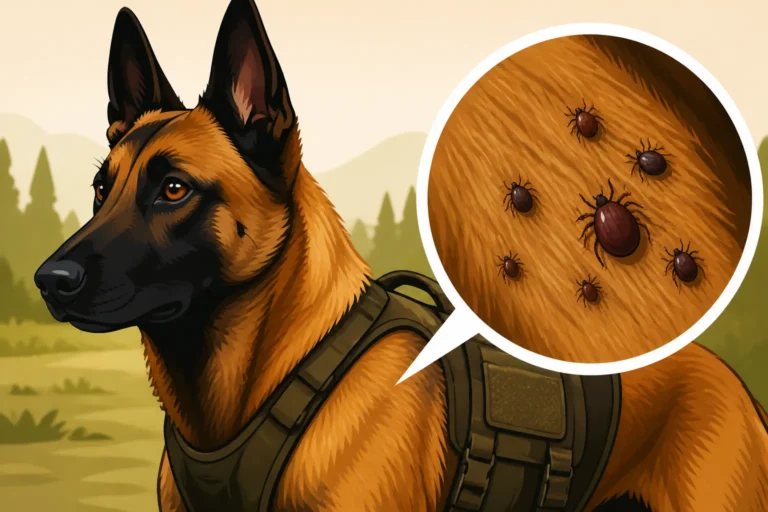
Parasite prevention is equally vital. Puppies are often born with intestinal worms, so a series of deworming treatments is usually started by the breeder and continued by your vet. Beyond internal parasites, year-round prevention for fleas, ticks, and heartworm is non-negotiable, especially for an active breed like the Malinois that spends a lot of time outdoors. Ticks can transmit serious diseases, and heartworm is a potentially fatal disease spread by mosquitoes.
Your veterinarian will tailor a specific vaccination and parasite prevention schedule based on your puppy's age, local disease prevalence, and your lifestyle. Sticking to this schedule is crucial for protecting your Malinois's developing immune system and ensuring they can safely explore the world without succumbing to preventable illnesses.
Spay/Neuter Timing: Impact on Growth and Development
The decision of when, or if, to spay or neuter your Belgian Malinois is one that generates a lot of discussion and can have significant implications for their long-term health, particularly concerning their physical development. Historically, early spay/neuter (around 6 months of age) was standard practice, but recent research, particularly in large and giant breeds, suggests that delaying the procedure might be beneficial for joint health.
The sex hormones (estrogen and testosterone) play a crucial role in the closure of growth plates in long bones. When a dog is spayed or neutered before these growth plates have naturally closed, it can delay their closure, leading to longer limbs and a different bone structure. This altered structure can potentially increase the risk of certain orthopedic conditions, such as hip and elbow dysplasia, cranial cruciate ligament (CCL) tears, and even some cancers. For an athletic breed like the Malinois, which puts immense strain on its joints, this is a significant consideration. Whether Spay Timing Changes a Malinois's Joints is a question many owners grapple with.
There are, of course, other factors to consider, including behavioral aspects, population control, and the risk of certain cancers (e.g., mammary tumors in intact females, testicular cancer in intact males). Each dog is an individual, and the "best" timing can vary. It's a complex decision that should be made in consultation with your veterinarian and potentially your breeder. Discuss the pros and cons of early versus delayed spay/neuter, considering your Malinois's genetics, lifestyle, and your specific circumstances. Some owners opt for alternatives like vasectomies or ovarian-sparing spays to retain hormonal benefits while preventing reproduction.
Early Screening for Genetic Conditions
Responsible breeders take proactive steps to screen their breeding dogs for known genetic conditions. As a puppy buyer, understanding these screenings and their importance for your Malinois's first year is vital. While a puppy is too young for final certifications, preliminary screenings can offer early insights.
For Belgian Malinois, orthopedic conditions like hip and elbow dysplasia are a primary concern. While final certifications (OFA or PennHIP) aren't typically done until dogs are 12-24 months old, some vets can do preliminary x-rays around 4-6 months to give an early indication of joint laxity or signs of developing dysplasia. While not definitive, this can be helpful for management decisions, especially regarding exercise intensity. You might hear breeders refer to things like Screening a Belgian Malinois Puppy for Hip Laxity.
Beyond orthopedics, Malinois can be prone to certain eye diseases, such as progressive retinal atrophy (PRA) and cataracts. Many breeders will have their breeding dogs undergo regular eye examinations by a board-certified veterinary ophthalmologist (CERF/OFA Eye Certification). While puppies aren't typically affected this young, knowing the parents' status is important. Additionally, genetic tests are available for conditions like Spongy Degeneration with Cerebellar Ataxia (SDCA1 and SDCA2), which cause neurological issues. Reputable breeders will test their breeding stock for these conditions, ensuring their puppies are not "affected." Knowing the genetic status of your puppy's parents provides valuable peace of mind.
This first year is not just about physical growth; it's about setting up a lifetime of good health. Be diligent with your preventative care, ask questions, and partner with your veterinarian to make informed decisions for your developing Malinois.
Setting the Stage for a Lifetime: Beyond the First Birthday
Congratulations! You’ve navigated the whirlwind of your Belgian Malinois's first year. They’ve grown from a tiny, sharp-toothed bundle of energy into a powerful, albeit sometimes still goofy, young adult. But the journey doesn't end here. The first birthday marks a transition, not a finish line. The foundations you’ve so carefully laid will now support a lifetime of companionship, work, and shared adventures. This period is about refining, solidifying, and continuing to nurture the magnificent dog your Malinois is becoming.
Continued Training and Mental Engagement
Just because your Malinois has turned one doesn't mean training stops – in fact, for this breed, it's often just beginning to truly blossom. Their minds are still developing, their focus is improving, and their capacity for complex learning is expanding. Moving beyond basic obedience into more advanced training is crucial to keep them engaged and prevent boredom, which, for a Malinois, often leads to destructive or unwanted behaviors.
Consider enrolling in advanced obedience classes, exploring dog sports like agility, scent work, dock diving, or even venturing into protection sports if you have the right mentorship and club. Activities like Whether IGP Suits a Belgian Malinois or Whether a Belgian Malinois Can Trial in French Ring are excellent outlets for their intense drive and intelligence. The key is to provide new challenges and opportunities for them to use their brains and bodies in a structured, productive way. They thrive on having a job, and if you don't provide one, they'll invent their own, which you likely won't appreciate!
Continued mental engagement also involves providing puzzle toys, enrichment activities, and varied training sessions that keep them thinking. This isn't about constant formal training but integrating mental challenges into their daily lives. A Malinois who is mentally stimulated is generally a calmer, more satisfied companion, even when resting.
Maintaining Optimal Health and Condition
As your Malinois transitions into adulthood, maintaining the optimal health and lean body condition you worked so hard to establish in their first year becomes an ongoing commitment. Their caloric needs may shift slightly as their rapid growth phases subside, requiring adjustments to their diet. It's important to continue monitoring their body condition regularly and adjusting food portions accordingly. Many owners transition their Malinois to a high-quality adult performance food, especially if they are involved in demanding sports or work.
Regular veterinary check-ups remain essential. Annual wellness exams allow your vet to monitor their overall health, discuss any emerging concerns, and ensure their vaccinations and parasite prevention are up to date. Don't forget the importance of things like The Bloodwork a Working Malinois Should Have Annually to catch any underlying issues early. Dental care also becomes increasingly important as they age, especially for working dogs who use their mouths extensively in bite work.
Consistent, appropriate exercise also transitions from protecting growth plates to maintaining muscle tone, joint flexibility, and cardiovascular health. While they can now handle more intense activity, it's still important to avoid over-exertion and monitor for any signs of discomfort or injury. A sound Malinois is a happy Malinois, and maintaining their physical well-being is a lifelong responsibility.
Understanding the Long-Term Commitment
Bringing a Belgian Malinois into your life is a significant commitment, and while the first year feels intense, it's really just the beginning. These incredible dogs have an average lifespan of The Fourteen to Sixteen Years a Belgian Malinois Lives, meaning you're signing up for well over a decade of dedicated ownership. They will continue to demand mental and physical engagement, consistent training, and unwavering companionship.
A Malinois doesn't just "grow up" and become an easy, low-maintenance pet. Their intensity, intelligence, and drive are inherent traits that require continuous management and channeling throughout their lives. They bond deeply with their owners and thrive on being an integral part of their family's activities. Understanding this long-term commitment, from the financial costs to the daily time investment, is crucial for both your well-being and theirs.
The joy and fulfillment of owning a well-trained, well-adjusted Belgian Malinois are immense. They are fiercely loyal, incredibly intelligent, and capable of astonishing feats. But they are not for the faint of heart, and their incredible potential is only realized through consistent dedication, understanding, and love. The first year is your crash course; the rest of their lives is the advanced degree, offering endless opportunities for growth, both for your Malinois and for you.
Disclaimer
This article is for general informational purposes only and does not constitute professional advice. Laws, prices and regulations vary by location and change over time. Consult a qualified professional for guidance on your specific situation.