The Adolescent Malinois That Tests Everything
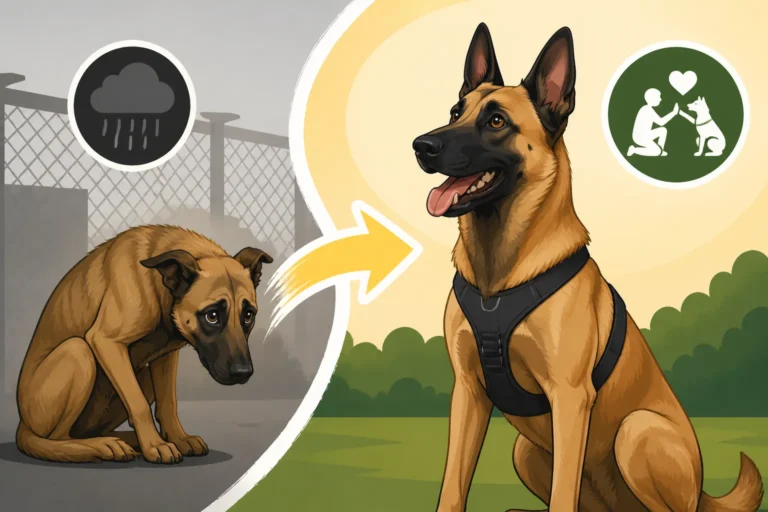
You’ve brought home that adorable, high-energy Belgian Malinois puppy, survived the "shark phase" where everything was a chew toy, and now, just when you thought you had a handle on things, your sweet, attentive dog has transformed into a rebellious teenager. This guide is here to commiserate with your frustrations and provide actionable strategies to navigate the challenging but crucial adolescent period with your Belgian Malinois, helping you understand and manage the relentless boundary testing that often accompanies it.
Understanding Adolescence in Malinois: The "Terrible Teens" are Real
If you're wondering if you're alone in feeling like your Malinois has suddenly forgotten everything you taught them and developed a mind of their own, rest assured, you are not. Canine adolescence is a real, well-documented developmental phase, and with a breed as intelligent and driven as the Belgian Malinois, it can feel particularly intense. This isn't just a phase of "bad behavior"; it's a critical period of physical and mental maturation, much like human teenagers.
The Biological Underpinnings of Teenage Dogdom
Around 6 months of age, and sometimes earlier for smaller breeds or later for larger ones, dogs begin to enter adolescence. For a Belgian Malinois, this phase typically kicks off between 6-12 months and can last until 18-30 months, sometimes even longer. Biologically, this is when they reach sexual maturity, even if they aren't fully grown physically. Their bodies are flooded with hormones, leading to changes in behavior, increased independence, and a drive to explore and challenge their environment. While your Malinois might look like an adult, their brain is still very much a work in progress, often making impulsive decisions and testing boundaries. It's a time when many of the behaviors you thought were "fixed" can suddenly unravel.
Why Malinois Adolescence Hits Differently
For a breed like the Belgian Malinois, bred for intense work, high drive, and sharp intelligence, adolescence often manifests with an extra layer of challenge. Their inherent traits, which make them exceptional working dogs, can amplify the typical teenage behaviors. That intense drive that was adorable in a puppy chasing a ball might now translate into an uncontrollable chase reflex towards squirrels or cars, despite previous recall training. Their problem-solving intelligence, which once helped them learn commands quickly, might now be applied to figuring out how to open gates or counter-surf. They have more physical power, more stamina, and a stronger will than when they were puppies, making their "tests" more impactful and demanding on the handler. It’s why many experienced owners will tell you that the Malinois isn't truly mature until well past two years of age.
The Shifting Hormonal Landscape
The hormonal surges during adolescence play a huge role in the behavioral shifts you observe. For intact males, rising testosterone can lead to increased marking, sniffing, and a stronger desire to roam and interact with other dogs, sometimes defensively. They might challenge other male dogs or become more interested in female dogs. For intact females, their first heat cycles bring a host of hormonal changes, making them potentially more distractible, anxious, or even irritable. Even if your Malinois is spayed or neutered, they still experience a "social puberty" as their body develops, which means they're still going through many of the psychological and social developments typical of adolescence. These hormones influence everything from their attention span to their reactivity and their perceived need to assert themselves in their environment.
Common Testing Behaviors You'll Encounter
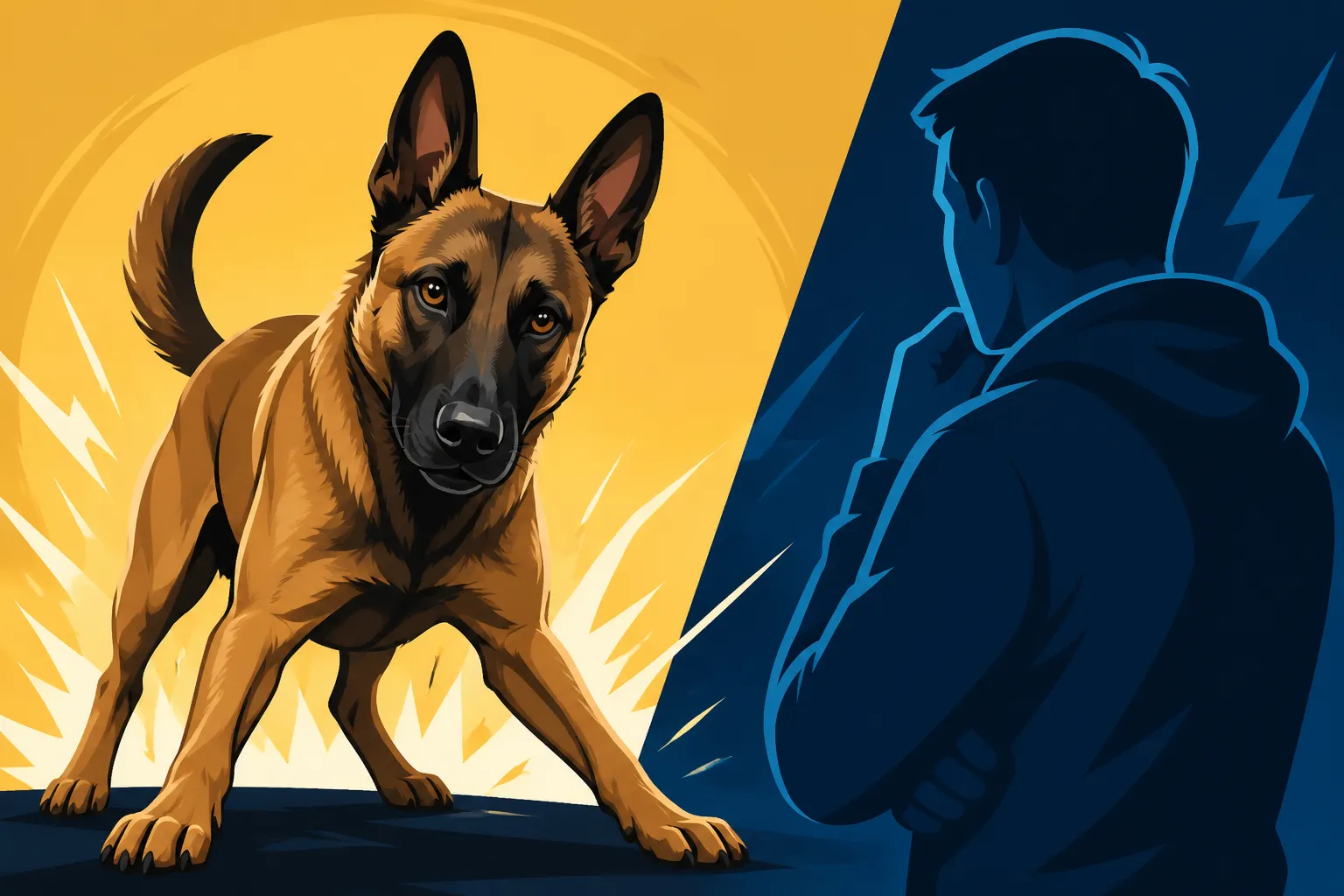
The adolescent Malinois isn't just being difficult for the sake of it; they are literally testing the world around them, trying to figure out where they fit and what the rules really are. This often means pushing boundaries they once respected, and it can be incredibly frustrating for owners who have diligently laid a solid foundation.
Selective Hearing and Recalling "Off"
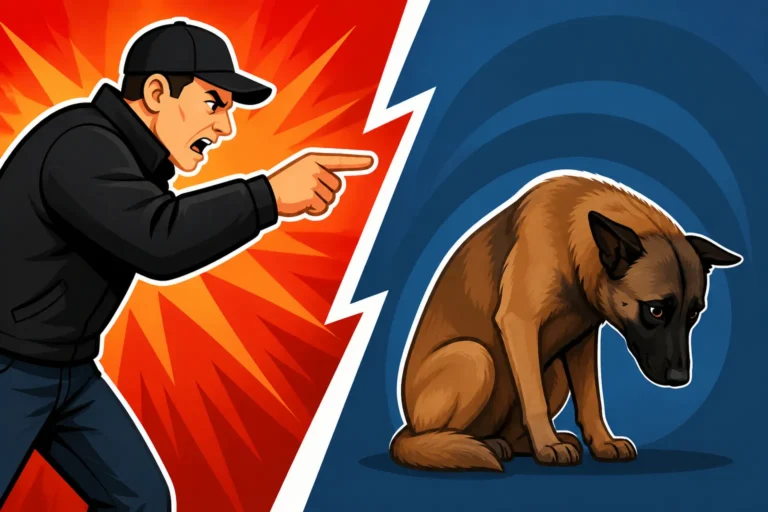
Perhaps the most common and infuriating adolescent behavior is the sudden onset of "selective hearing." Your Malinois, who once had a rock-solid recall in any environment, might now look at you with a blank stare, or worse, ignore you completely when called, especially if there's an exciting distraction. This isn't necessarily defiance; it's often a combination of increased independence, hormonal distractions, and a developing brain that prioritizes novel stimuli over your voice. You might call their name, they might even glance at you, and then, poof, they're off investigating that interesting smell or another dog. It's as if their previous training evaporated overnight. This can be especially dangerous if they decide to Recalling a Belgian Malinois Off a Moving Target, putting them at risk in busy areas.
Pushing Boundaries with Chewing and Destruction
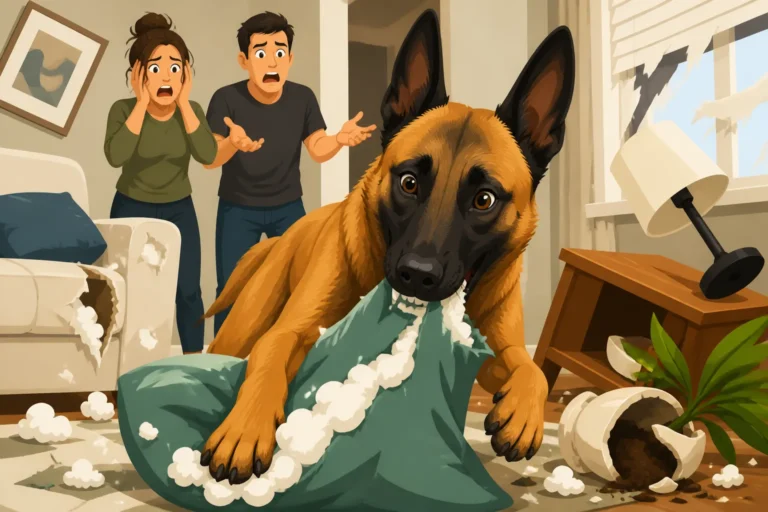
Remember that destructive puppy phase? Well, it often makes a strong comeback during adolescence, sometimes with even more power and ingenuity. Your Malinois now has adult teeth, stronger jaws, and a greater ability to reach things. What was once mild puppy mouthing can now escalate to serious chewing on furniture, digging up the yard, or systematically dismantling their toys. They might try to What a Malinois Destroys in One Unsupervised Hour, turning a quiet afternoon into a disaster zone. This behavior can stem from boredom, anxiety, excess energy, or simply a re-exploration of their environment and what they can get away with. It's their way of interacting with their world, and without proper direction, that interaction can be highly destructive.
Increased Reactivity and Resource Guarding
Adolescence can also bring about changes in how your Malinois interacts with other dogs, people, and objects. They might suddenly become reactive on leash, barking and lunging at dogs they previously ignored. This can be due to a lack of social confidence as they mature, an increase in territoriality, or simply an over-arousal that they haven't learned to manage. Similarly, resource guarding, which might have been a minor issue with a puppy, can become more pronounced. They might guard their food bowl, favorite toy, or even their space from other pets or family members. These behaviors are often driven by insecurity or a perceived need to protect valuable resources, and if not addressed promptly, they can become deeply ingrained and more challenging to modify later on.
Effective Management Strategies for Sanity
When your adolescent Malinois is testing every nerve, the first and most crucial step is to implement robust management strategies. This isn't a substitute for training, but it's the scaffolding that supports your training efforts and prevents undesirable behaviors from becoming ingrained habits. Without good management, you're constantly playing defense, and both you and your dog will become frustrated.
Crate Training and Confinement Protocols
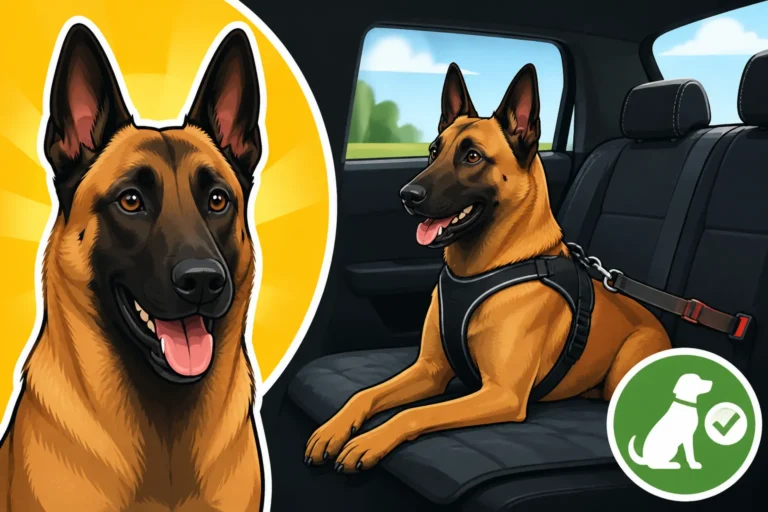
If your Malinois is not already an expert at crate training, now is the time to reinforce it with conviction. A crate is not a punishment; it's a safe den for your dog, and a critical management tool for you. When you cannot actively supervise your adolescent Malinois, they should be in their crate. This prevents them from practicing destructive behaviors, chewing on inappropriate items, or developing separation anxiety habits. Ensure the crate is appropriately sized – large enough for them to stand, turn around, and lie down comfortably, but not so large that they can soil one end and sleep in the other. Consider a durable, crash-tested vehicle crate if your Malinois also travels with you frequently. For brief periods when you need more space but still need confinement, a dog-proofed room or an exercise pen can also be incredibly useful. Always make the crate a positive experience, with favorite toys and treats.
Environment Management to Prevent Rehearsal
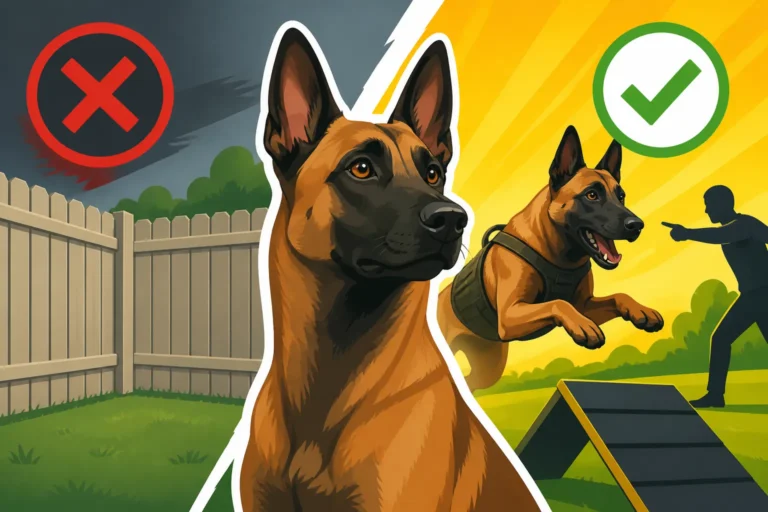
Preventing your Malinois from practicing unwanted behaviors is half the battle. This means taking an eagle-eyed look at your home and yard and thinking like a Malinois. If they're prone to counter-surfing, make sure nothing is left on the counters. If they chew furniture, restrict access to those areas or cover them temporarily. Secure trash cans, put away shoes, and ensure any valuable or dangerous items are out of reach. In the yard, reinforce fences and close gates securely – a Malinois is adept at finding weaknesses. If your dog is reactive to passing dogs or people from the window, consider blocking their view with window film or baby gates to keep them further from the window. Every time your dog successfully performs an undesirable behavior (like jumping on a guest, stealing food, or darting out an open door), they are rehearsing and strengthening that behavior. Good environmental management reduces these opportunities significantly.
Structured Exercise and Mental Stimulation
An adolescent Malinois is a powerhouse of energy, both physical and mental. Simply letting them run in the yard won't cut it. They need structured, directed exercise that tires both their body and their mind. Think about activities like long, brisk walks or runs on a leash, fetching a ball or Flirt Poles and a Belgian Malinois's Drive in a safe, enclosed area, or engaging in canine sports like agility or dock diving. Beyond physical exertion, mental stimulation is paramount. Puzzle toys, KONGs stuffed with frozen treats, scent work games, and short, frequent training sessions can be incredibly draining for their active minds. Remember, a tired Malinois is a well-behaved Malinois. Structured activities are also fantastic for Building Engagement With a Belgian Malinois, reinforcing your bond and their focus on you. Don't underestimate the power of regular, varied activities to help channel that adolescent drive productively.
Training Through the "Teenage" Phase: Consistency is Key
Adolescence is not the time to back off training; it's the time to double down on it. It’s a period where consistency, patience, and clear communication become more critical than ever. Think of it as reinforcing the foundations you built, but with higher stakes and a more distractible student.
Doubling Down on Foundation Obedience
Every basic command you taught your puppy needs to be practiced and proofed repeatedly during adolescence, especially in increasingly distracting environments. "Sit," "stay," "down," "come," and "leave it" are your lifelines. Practice these commands not just in your quiet living room, but in the park, on a busy street, and around other dogs. Your Malinois needs to learn that these commands are non-negotiable, regardless of what exciting things are happening around them. Use a long line (a lightweight rope up to 30 feet) to practice recall in open spaces, giving you a safety net when their "selective hearing" kicks in. Long Line Work With a Malinois in Open Ground is invaluable for building reliable recall before you ever consider letting them off-leash. This phase is about reinforcing compliance and making good choices a habit.
Utilizing High-Value Reinforcement and Motivation
During adolescence, a plain piece of kibble might not cut it as a reward when there's a squirrel or another dog nearby. You need to pull out the big guns: high-value treats like cooked chicken, cheese, or hot dogs, and super exciting toys that your Malinois absolutely loves. Find what truly motivates your dog and use it strategically. For a Malinois, often it's a specific tug toy or ball. When they successfully perform a command in a distracting environment, make the reward a jackpot: multiple treats, enthusiastic praise, and a short game of tug. This teaches them that listening to you, even when there are tempting distractions, leads to incredible rewards. Remember, the goal is to make you more interesting and rewarding than anything else in the environment.
Introducing New Challenges Thoughtfully
While reinforcing basics is key, adolescence is also a fantastic time to introduce new training challenges and sports. This provides an outlet for their abundant energy and intelligence and further strengthens your bond. Consider starting Scent Detection With a Belgian Malinois, basic agility, or even formal obedience classes. These activities channel their drive into productive, structured work, which is exactly what a Malinois needs. However, introduce new challenges thoughtfully. Don't throw them into an overwhelming situation if they're struggling with basic focus. Build up gradually, setting them up for success. For example, if you're introducing a new piece of equipment for Jump Walls for a Malinois in a Home Yard, start with very low heights and build confidence slowly, ensuring they are physically mature enough for the demands.
Maintaining the Bond During Challenging Times
It's easy to feel frustrated and even angry with an adolescent Malinois who seems to be doing everything wrong. However, it's during these challenging times that maintaining a positive relationship with your dog is most critical. A strong bond, built on trust and mutual respect, will be your greatest asset in navigating this phase successfully.
Patience, Consistency, and Understanding
These three words are the pillars of surviving Malinois adolescence. Patience means understanding that your dog isn't trying to be difficult; their brain is literally undergoing significant changes. Consistency means that everyone in the household needs to be on the same page with rules, commands, and expectations. If one person allows counter-surfing and another corrects it, your Malinois will learn to test boundaries with the inconsistent person. Understanding means recognizing your dog's breed-specific needs and working with them, not against them. A Malinois is not designed to lie around all day; they need a job, and if you don't provide one, they will find their own, which may not align with your preferences. Remember that this phase will pass, and the effort you put in now will pay dividends for years to come.
Celebrating Small Wins and Progress
When you're knee-deep in adolescent chaos, it can feel like you're making no progress at all. That's why it's crucial to acknowledge and celebrate every small win. Did your Malinois come when called, even if it was delayed? Great! Did they walk past another dog without a reaction? Fantastic! Did they settle in their crate for an hour without a peep? High five! These small successes build momentum and remind you that your hard work is paying off. Keep a training journal if it helps you track progress over weeks and months. Sometimes, looking back at where you started can be incredibly motivating. Never forget that your Malinois thrives on your approval and positive reinforcement, even when they're testing your limits.
Building Confidence Through Collaborative Activities
Engaging in activities that require teamwork can significantly strengthen your bond and build your Malinois's confidence. This could be anything from formal obedience training, where you work together to achieve goals, to informal games of fetch or tug. Focus on activities where you are a team, and your Malinois learns to rely on your guidance and leadership. Regular training sessions, even short ones, are excellent for this. Consider exploring positive reinforcement-based training resources, such as those offered by BAXTER & Bella, which emphasize building a strong foundation and a positive relationship. A confident dog is less likely to exhibit reactive or insecure behaviors. For example, a Malinois that shuts down under correction might benefit from more positive reinforcement-based approaches to build their self-assurance.
When to Seek Professional Guidance
While adolescence is a normal phase, some behaviors can escalate beyond what a typical owner can or should handle on their own. Knowing when to reach out for professional help is a sign of responsible ownership, not failure.
Recognizing Red Flags and Escalating Issues
If your adolescent Malinois is exhibiting behaviors that are dangerous, persistent despite consistent training, or causing significant stress to your household, it's time to seek professional intervention. Red flags include:
- Aggression: Any displays of aggression towards people (growling, snapping, biting) or other animals that go beyond typical adolescent play.
- Severe Reactivity: On-leash reactivity that is uncontrollable, or reactivity that prevents you from taking your dog out.
- Extreme Destruction: Damage to property that is extensive, dangerous (e.g., chewing electrical cords), or indicates severe anxiety.
- Unmanageable Anxiety: Constant pacing, panting, vocalization, or inability to settle even after exercise.
- Fear Issues: Development of intense fears that limit your dog's ability to function in daily life.
- Regression Beyond Normal: A complete loss of all learned behaviors that cannot be recovered with renewed effort.
These are not "normal" adolescent behaviors and require a professional eye.
The Value of a Certified Professional Trainer
A good certified professional dog trainer can be an invaluable resource. They can assess your Malinois's behavior, identify the root causes of issues, and help you develop a tailored training plan. Look for trainers who use positive reinforcement and modern, ethical training methods. They should focus on teaching you how to communicate effectively with your dog and empower you to be a better handler. A trainer can provide objective feedback, spot subtle cues you might be missing, and offer strategies for specific challenges like improving recall in high-distraction environments or managing leash reactivity. Before committing, ask about their certifications, experience with high-drive breeds like Malinois, and their training philosophy. For example, some trainers might recommend tools like e-collars for specific situations, and understanding E-Collar Timing on a Belgian Malinois properly requires professional guidance to avoid misuse.
Considering Behaviorists for Severe Challenges
For more severe or complex behavioral issues, particularly those involving aggression, intense fear, or obsessive-compulsive behaviors, a veterinary behaviorist (a veterinarian with specialized training in animal behavior) or a certified applied animal behaviorist (CAAB) is the appropriate professional. They can rule out any underlying medical conditions contributing to the behavior, and if needed, prescribe medication in conjunction with a behavior modification plan. These professionals have a deeper understanding of the neurological and physiological aspects of behavior and can offer interventions that go beyond standard training techniques. Don't hesitate to consult with your regular veterinarian first, as they can often refer you to a qualified behaviorist in your area if they believe it's warranted.
Navigating the Malinois Teenage Years: A Comparative Overview
To help you visualize some of the typical adolescent challenges and how to approach them, here's a brief comparison of common scenarios:
| Behavior Challenge | Typical Adolescent Manifestation | Recommended Approach |
|---|---|---|
| Recall Failure | Ignoring "come" when distracted by another dog, squirrel, or scent. | Intensive recall practice on a long line in varied environments. Use extremely high-value treats and toys. Reward every successful recall, no matter how delayed. Practice "check-ins" where they get a treat for looking at you. |
| Destructive Chewing | Chewing furniture, shoes, or digging in the yard. | Crate when unsupervised. Provide appropriate, durable chew toys (e.g., KONG, Nylabone, bully sticks). Ensure sufficient structured exercise and mental stimulation. Manage environment by removing temptations. Consider enrichment toys available on platforms like Amazon. |
| Leash Reactivity | Barking, lunging, or growling at other dogs/people on walks. | Work with a professional trainer. Create distance from triggers. Use positive reinforcement for calm behavior when triggers are present. Practice "look at that" or "engage-disengage" games. Ensure proper leash handling (e.g., no retractable leashes). |
| Boundary Pushing | Jumping on guests, counter-surfing, darting out doors. | Consistent rules from everyone in the household. Practice "place" or "stay" for visitors. Use gates to block access. Practice "wait" at doors. Enroll in advanced obedience classes. |
| Over-Excitement/Nipping | Jumpy behavior, hard nipping during play, inability to settle. | Teach an "off switch" through calm place work. Practice impulse control games. Manage arousal levels during play. Redirect nipping onto appropriate toys. Ensure structured downtime. |
Remember, every Malinois is an individual, and the intensity and specific manifestations of these behaviors can vary. However, the underlying principles of patience, consistency, and a proactive approach remain universal. The teenage years can feel relentless, but by understanding what your Malinois is going through and providing consistent, structured guidance, you'll help them mature into the incredible adult companion they're destined to be.
Disclaimer
This article is for general informational purposes only and does not constitute professional advice. Laws, prices and regulations vary by location and change over time. Consult a qualified professional for guidance on your specific situation.