The Household a Belgian Malinois Wrecks
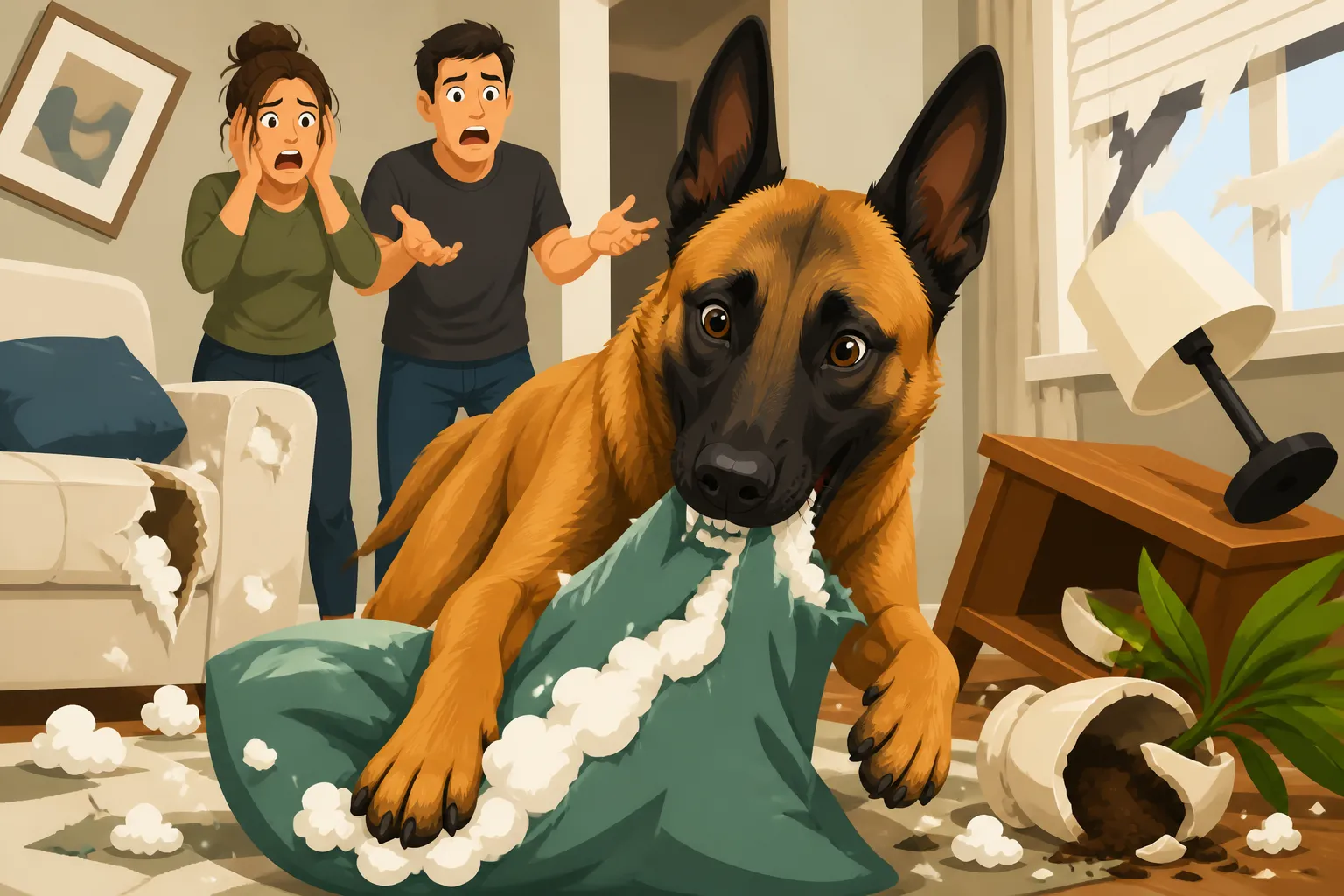
It’s a scenario many Belgian Malinois owners know all too well: you leave for an hour, imagining your dog peacefully napping, only to return to a scene of utter domestic chaos. Shredded cushions, gnawed table legs, an excavated houseplant, or even a hole in the wall. This isn't your Malinois being spiteful; it's a desperate cry for appropriate outlets for their boundless energy and intense intellect. This guide will explore the common reasons behind a Malinois's destructive tendencies and, more importantly, offer realistic, actionable strategies to protect your home and nurture a well-adjusted companion.
The Root Cause: Unmet Needs and Intense Drive
Let's be brutally honest: a Belgian Malinois is not your average pet dog. They weren't bred to be couch potatoes. They were developed for demanding, high-stakes work, requiring incredible stamina, intelligence, and a relentless drive. When these inherent needs aren't met, that incredible energy doesn't just dissipate; it finds its own, often destructive, avenues for expression. Understanding this fundamental truth is the first step in addressing the havoc they can wreak.
The Problem of Insufficient Exercise
When we talk about "exercise" for a Malinois, we're not just talking about a casual stroll around the block. That’s barely a warm-up for these dogs. Their bodies are built for endurance, for running miles, for jumping, for intense bursts of speed and agility. An under-exercised Malinois is like a coiled spring, and eventually, that spring will release its tension, often onto your furniture, walls, or anything else within reach. They need to run, chase, and engage their powerful muscles daily, often for Two Hours and a Job a Belgian Malinois Demands Daily.
A quick 20-minute walk on a leash, while nice, simply doesn’t cut it. Imagine a marathon runner being told a brisk walk is sufficient. Their bodies would ache, their minds would be restless, and they’d likely find other ways to expel that pent-up physical energy. For a Malinois, this often translates into frantic pacing, obsessive behaviors, or, you guessed it, tearing apart your home. They need activities that genuinely challenge their physical limits, helping them burn off that incredible engine they carry.
The Mental Stimulation Deficit
Beyond physical exertion, a Malinois possesses a formidable brain that needs constant engagement. These are problem-solvers, strategists, and highly intelligent working dogs. If their minds aren't stimulated with challenging tasks, puzzles, and consistent training, they'll invent their own "jobs." And often, these jobs involve disassembling your belongings. Boredom is a Malinois's worst enemy, and it quickly leads to destructive innovation.
Think about it: if you’re a brilliant engineer with nothing to design, you might start taking apart household appliances just to see how they work. A Malinois is similar. They need to learn, to figure things out, to process commands, and to feel like they have a purpose. Without this mental engagement, they become restless, frustrated, and will seek out activities to fill that void, often at the expense of your home décor. This is why mere physical exercise, while essential, is often not enough without coupling it with solid mental work like The Mental Work That Finally Tires a Malinois Out.
Common Targets of Destruction: What Will They Attack?
A Malinois doesn’t discriminate much when it comes to destruction, but there are definitely patterns in what they tend to target. Understanding these common victims of their vigorous "redecoration" can help you Malinois-proof your home more effectively.
Furniture and Fixtures
Your couches, chairs, coffee tables, and even doorframes are often prime targets for a Malinois with pent-up energy. They might start by gnawing on a table leg, progress to shredding upholstery, or even digging into cushions. This isn't maliciousness; it’s an instinctual chewing behavior, a way to relieve stress, boredom, or simply to satisfy a powerful urge to mouth and deconstruct. The texture, the chew-ability, and the accessibility of these items make them irresistible.
Imagine a young Malinois puppy, going through The Shark Phase Every Malinois Puppy Goes Through, but now they’re a powerful adult. That urge to explore the world with their mouth doesn’t vanish; it just gains force. A leather couch might offer a satisfying tear, a wooden chair leg a perfect gnawing surface. Even seemingly solid objects can fall victim to their powerful jaws and determined nature. It's often a direct symptom of under-stimulation, where the dog views these items as giant, static chew toys to be conquered.
Walls, Doors, and Flooring
Perhaps one of the most disheartening forms of destruction is when a Malinois starts attacking the very structure of your home. Chewing through drywall, scratching at doors until they're splintered, or digging up carpet can be incredibly frustrating and costly to repair. This kind of behavior often signals a higher level of anxiety, frustration, or separation distress, especially if it occurs when they are left alone. The urgency to escape or alleviate intense emotional states can drive them to incredible lengths.
This isn't just a casual chew; this is often a dog trying to get out, trying to relieve extreme stress, or engaging in obsessive behaviors that offer a perverse form of self-soothing. A Malinois might scratch incessantly at a door, trying to follow you, or dig at the base of a wall out of sheer anxiety. This type of damage highlights the critical need for not just physical and mental exercise, but also careful management of their environment and emotional state, especially when they are The Hours a Malinois Tolerates Being Alone.
Personal Belongings and Valuables
No item is truly safe from a determined Malinois. Shoes, remote controls, children's toys, books, and even eyeglasses can become victims. These items often carry your scent, making them appealing, and their varied textures provide novel chewing experiences. Leaving such items within reach is practically an invitation for a Malinois to investigate them with their mouth.
It’s easy to get angry when your favorite pair of sneakers or your new smart device is reduced to a pile of plastic and rubber. But from the Malinois’s perspective, it’s just another interesting object to interact with. They don’t understand monetary value or sentimental attachment. They see an object, perhaps one that smells like their beloved human, and their instinct is to explore it, chew it, or carry it. This underlines the importance of diligent "Malinois-proofing" where anything not bolted down or specifically intended as a chew toy needs to be securely put away.
Preventative Measures and Environmental Management
Protecting your home from a high-drive Belgian Malinois requires a proactive and strategic approach. It's less about punishment and more about setting them up for success by managing their environment and providing appropriate outlets for their natural behaviors.
Crate Training as a Safe Haven
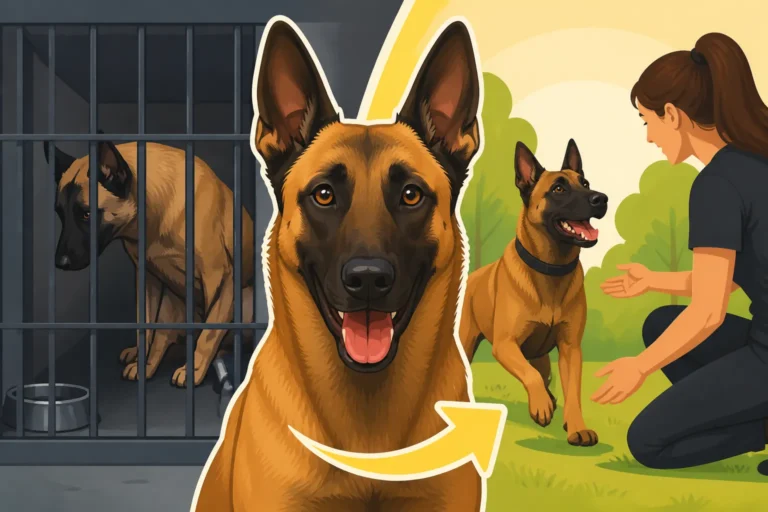
Crate training isn't cruel; for a Malinois, it's an invaluable tool that provides a secure, personal den and prevents destructive behavior when you can't actively supervise. A properly introduced and comfortable crate becomes their safe space, a place where they can relax without the opportunity to get into trouble. When you’re at work, running errands, or simply can’t have eyes on your dog, a crate is the best defense against a ruined home.
The key is positive association. The crate should never be used for punishment. Fill it with comfy bedding, a durable chew toy, and perhaps a puzzle feeder to make it an inviting retreat. Introduce it gradually, with plenty of praise and treats. A Malinois, with its strong denning instinct, can learn to love their crate. It gives them a sense of security and gives you peace of mind, knowing they aren't destroying your couch while you're out. For more on this, consider Crate Work With a Malinois Puppy That Screams.
Malinois-Proofing Your Home
Beyond the crate, your entire living space needs to be viewed through the lens of a powerful, curious, and often destructive canine. This means removing temptations and securing anything that could be damaged or swallowed. Think like your Malinois: what would you want to chew, dig, or tear if you were bored?
Here’s a practical table of items to secure versus what to provide:
| Item Type | Malinois-Proofing Strategy | Recommended Alternatives |
|---|---|---|
| Furniture | Move valuable pieces to secure rooms or cover with durable throws; use bitter apple spray sparingly if needed. | Durable, Nylabone-style chews; Kongs filled with frozen treats. |
| Cords/Wires | Hide behind furniture, use cord protectors/conduits. | Interactive puzzle toys, long-lasting chews. |
| Shoes/Clothes | Store in closed closets, high shelves, or sealed bins. | Tug toys made from fire hose material, durable rubber retrieving toys (check Amazon for these). |
| Books/Magazines | Keep on high shelves or in closed cabinets. | Snuffle mats for scent work, treat-dispensing toys. |
| Plants | Place out of reach or remove toxic plants from the home. | Safe chew roots, antlers (supervised). |
| Trash Cans | Use heavy, lidded cans that cannot be tipped or opened. | Lick mats, West Paw brand Zogoflex toys. |
| Doors/Walls | Consider temporary barriers or baby gates for restricted access to certain rooms. Invest in harder wood trim if replacing. | Access to appropriate chew items in a designated "destruction-free" zone. |
| Valuables | Keep everything you don't want destroyed out of reach. | A variety of engaging toys rotated regularly to maintain novelty. |
This systematic approach minimizes opportunities for destruction and helps redirect their urges toward appropriate items.
Providing Appropriate Chew Outlets
A Malinois needs to chew. It’s a natural, healthy behavior that cleans teeth, strengthens jaws, and relieves stress. The problem arises when they don't have suitable items to chew on. Investing in a variety of durable, Malinois-proof chew toys is non-negotiable. Rotate them regularly to keep them interesting and appealing.
Look for toys made from tough rubber, reinforced nylon, or those specifically marketed for aggressive chewers. Frozen Kongs stuffed with peanut butter, yogurt, or wet food can keep them occupied for extended periods. Puzzle toys that dispense kibble also engage their minds while providing an appropriate chewing experience. Remember, a cheap plush toy will last about two minutes with a Malinois; you need industrial-strength options available readily from places like Amazon. Always supervise new toys to ensure they are safe and don’t pose a choking hazard once they start breaking down.
Training Strategies to Build Impulse Control and Self-Regulation
Beyond managing the environment, fundamental training is crucial for teaching your Malinois how to behave appropriately in the home. This isn't just about obedience; it's about building an "off switch" and teaching them self-control.
Foundational Obedience and Impulse Control
Basic obedience commands like "sit," "stay," "down," and "leave it" are not just party tricks; they are vital tools for building impulse control. A Malinois that understands and respects these commands is better equipped to resist the urge to chew your coffee table. Consistent, daily practice in various environments reinforces these behaviors and strengthens your bond.
"Leave it" is particularly powerful for preventing destruction. Practice it with low-value items first, gradually increasing the difficulty. This teaches your dog that ignoring temptations often leads to a more rewarding outcome (a treat, a proper chew toy, or praise). Incorporating these commands into their daily routine, even during playtime, helps to Building an Off Switch Into a Belgian Malinois. Programs like BAXTER & Bella offer excellent online resources for foundational obedience, which is paramount for these intelligent dogs.
Channeling Drive into Appropriate Activities
A Malinois's intense prey drive and energy need a productive outlet. Instead of trying to suppress these instincts, learn to channel them into structured activities. Bite work, scent detection, agility, or even advanced obedience can provide the mental and physical challenge they crave, exhausting them in a healthy way. This helps prevent them from channeling that drive into destroying your home.
For instance, Channeling a Belgian Malinois's Prey Drive Into a Tug can provide an incredible outlet. Instead of tearing apart a pillow, they can tear into a sturdy bite rag or tug toy. Scent work, where they have to find hidden treats or toys, engages their powerful nose and problem-solving abilities, offering significant mental fatigue. Agility training not only builds physical prowess but also demands intense focus and cooperation, which are vital for a well-behaved home dog.
The Importance of a "Place" Command
Teaching your Malinois a strong "place" command is a game-changer for household management. "Place" means going to a designated spot (a mat, a bed, their crate) and staying there until released. This provides a clear boundary and a way to manage their energy during times when you need them to be calm, such as during meal prep, when guests arrive, or when you simply need a quiet moment.
A solid "place" command allows you to control their proximity to tempting objects and prevents them from wandering off to find trouble. It teaches them to settle, even amidst activity, which is a crucial skill for such a high-drive breed. Start with short durations and gradually increase the time and distractions. A Malinois that can calmly "place" is a much easier dog to live with in the home environment, offering both dog and owner a much-needed break. Building a Malinois's Place Command is an investment that pays dividends daily.
Addressing the Underlying Anxiety or Frustration
Sometimes, destructive behavior goes beyond simple boredom or unmet exercise needs. It can be a symptom of deeper emotional issues like separation anxiety or general frustration, which require a more nuanced approach.
Recognizing Signs of Separation Anxiety
If destruction primarily occurs when you leave the house and includes behaviors like scratching at doors, vocalization, house-soiling, or intense chewing on exit points, your Malinois might be suffering from separation anxiety. This isn't just "being naughty"; it's a panic response, and it's incredibly distressing for the dog. Addressing separation anxiety requires patience, desensitization, and sometimes professional intervention.
It can be heartbreaking to come home to a devastated house and an anxious dog, and it's easy to misinterpret their behavior as spite. However, a Malinois truly suffering from separation anxiety is not trying to punish you; they are genuinely in distress. They need a structured program that gradually teaches them to tolerate being alone, starting with very short absences and slowly building up. This might involve counter-conditioning, leaving them with highly engaging, long-lasting chews (like a frozen Kong) right before you leave, and avoiding dramatic departures and arrivals. For severe cases, consulting a certified professional dog behaviorist is crucial.
Managing Frustration and Over-Arousal
Belgian Malinois are often highly reactive and can become easily over-aroused, especially if they are constantly revved up without proper mechanisms to settle. Frustration can build when they can't access something they want (like a toy or person) or if their environment is too chaotic without opportunities to disengage. This pent-up frustration can then be released in destructive ways.
Teaching your Malinois to calm down and self-regulate is vital. This involves rewarding calm behavior, providing quiet time, and structured downtime. Avoid constantly pushing their drive without an "off switch." Practicing relaxation protocols, rewarding them for lying calmly on their bed, and ensuring they get enough quality sleep can help. Sometimes, a Malinois needs to learn that sometimes the most exciting thing they can do is nothing at all. This helps manage the intense energy that can manifest as a Malinois that never stops moving.
The Role of Professional Guidance
If you’ve tried various strategies and your Malinois continues to be destructive, don't hesitate to seek professional help. A qualified dog trainer or behaviorist can assess your specific situation, identify underlying causes, and develop a tailored plan. They can offer insights into your dog's individual drives and help you implement effective training and management techniques.
There's no shame in admitting you need help, especially with a breed as demanding as a Malinois. A professional can provide invaluable guidance, whether it’s refining your training techniques, addressing severe anxiety, or simply offering a fresh perspective on managing your dog's intense needs. Remember, a well-adjusted Malinois is a joy, but it takes consistent, informed effort to get there.
Disclaimer
This article is for general informational purposes only and does not constitute professional advice. Laws, prices and regulations vary by location and change over time. Consult a qualified professional for guidance on your specific situation.