The Hours a Malinois Tolerates Being Alone
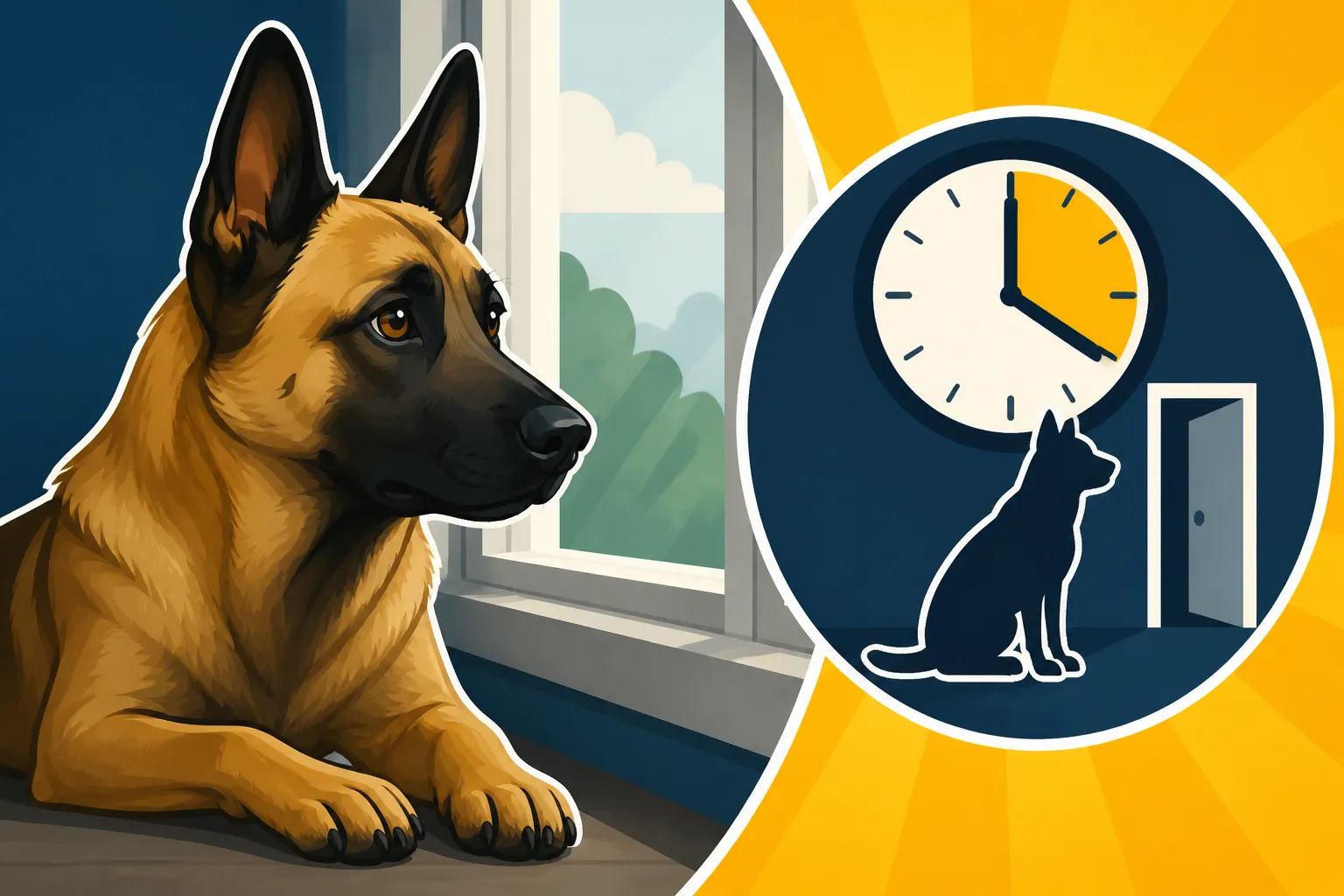
It's a common, heartbreaking scenario for so many dedicated Belgian Malinois owners: you need to leave the house, even for a short time, and your high-drive companion immediately transforms into a bundle of frantic energy, pacing, barking, or even worse, becoming destructive. The feeling of guilt and frustration is immense, and it often leaves you wondering if your Malinois will ever truly be okay when left alone. This guide is here to offer a realistic look at why this breed often struggles with solitude and to equip you with the deep understanding and actionable strategies needed to help your Malinois build confidence and genuinely tolerate being by themselves.
The Deep-Rooted Reasons Your Malinois Struggles with Alone Time
Let's be brutally honest: the Belgian Malinois was not bred to be a couch potato or a solitary backyard ornament. They were developed to be intensely involved, highly intelligent working partners, whether herding sheep or, more commonly today, excelling in demanding protection sports or police and military roles. This inherent drive, intelligence, and need for purpose mean that simply leaving them to their own devices can be a recipe for disaster and distress. It’s not just a personality quirk; it’s baked into their genetic makeup.
The Breed's Innate Need for Engagement
Imagine a dog bred for centuries to be constantly "on," scanning for threats, responding to commands, or moving livestock with precision and speed. That's your Malinois. This breed possesses an extraordinary level of cognitive ability and physical stamina, traits that make them exceptional at their jobs but can be a huge challenge in a typical pet home. Their minds are always working, always seeking input, always needing a task. When that input or task is suddenly removed, and they're left in an empty house, their natural inclination is not to relax, but to find something to do.
This can manifest in a myriad of ways, from incessant barking at every leaf that blows past the window to systematically dismantling your furniture. They aren't doing it out of spite; they are doing it because their powerful brains and bodies demand an outlet. The concept of "doing nothing" is often utterly foreign and deeply unsettling to a Malinois unless it has been meticulously taught. Ignoring this fundamental aspect of their being is often the first, unintentional misstep many owners make. Without purposeful direction, they will create their own "job," and that job is rarely one you'll appreciate.
Distinguishing Separation Anxiety from Simple Boredom
It's crucial to understand that not every distressed whimper or chewed shoe indicates full-blown separation anxiety, though for a Malinois, boredom can quickly escalate into something far more serious. True separation anxiety is a panic disorder. Dogs with separation anxiety exhibit extreme distress behaviors (like frantic attempts to escape, excessive drooling, self-mutilation, or intense vocalizations) specifically tied to being left alone or separated from their primary attachment figure. These behaviors often start before you even leave, as they pick up on your pre-departure cues.
On the other hand, simple boredom in a Malinois can look remarkably similar because their threshold for boredom is so low. A bored Malinois, especially a young one, will often resort to destructive chewing, digging, or excessive barking because they lack appropriate mental or physical outlets. The key difference lies in the intensity and motivation. A bored Malinois might eventually settle if it finds a suitable, challenging chew toy, whereas an anxious Malinois is truly in a state of panic, and no toy will truly comfort them. Knowing the difference dictates your approach; addressing boredom is about providing enrichment, while true separation anxiety requires a more comprehensive, often veterinary-guided, behavioral modification plan. A Malinois That Screams Rather Than Settles can be a clear sign of true anxiety.
The Consequences of Insufficient Mental and Physical Fulfillment
An unfulfilled Malinois is a ticking time bomb. It’s not just about letting them run around in the yard for an hour; it’s about engaging their sharp minds and powerful bodies in meaningful ways. If they aren’t getting enough structured exercise, challenging training sessions, or dedicated mental work, their energy simply doesn't dissipate. When you then try to leave them alone, all that pent-up drive and intelligence has nowhere to go. This can lead to a cascade of undesirable behaviors.
Imagine a highly intelligent person locked in a room with nothing to do. They might start talking to themselves, pacing, or even trying to break out. A Malinois is no different. They might dismantle crates, chew through drywall, or develop obsessive behaviors like spinning or tail chasing. This isn't naughtiness; it's a desperate plea for engagement and relief from an overload of unmet needs. Addressing these needs before you even think about leaving them alone is foundational to teaching them to be comfortable in your absence. Without it, you're essentially asking a high-performance athlete to sit still indefinitely without any prior warm-up or cool-down.
Building a Strong Foundation for Independent Living
The idea of leaving your Belgian Malinois home alone for eight hours might seem impossible, and for many, it absolutely is without the right preparation. However, with consistent, thoughtful training, you can significantly increase their tolerance for solitude. This isn't about ignoring their needs; it's about teaching them how to cope in a healthy, independent way, starting with structure and safety.
Structured Training and a Predictable Routine
Malinois thrive on routine and clear expectations. A predictable schedule helps them understand what's coming next, which dramatically reduces anxiety. Before you even consider leaving them alone, establish a consistent daily rhythm that includes dedicated training sessions, structured exercise, and specific times for feeding and potty breaks. For instance, if you know you need to leave for work at 8 AM, ensure your Malinois has a demanding exercise session (like an hour of fetching, running, or focused obedience work) and a solid mental workout (puzzle toys, scent work) beforehand.
After this intense engagement, a quiet cool-down period is essential. This helps transition them from "work mode" to "rest mode." When they understand that a period of high activity is always followed by a period of calm rest, they are much more likely to settle. This predictability builds trust and reduces the mental load of constantly trying to anticipate what you want from them. A chaotic schedule creates a chaotic dog, especially one as sensitive and intelligent as a Malinois. Consistency isn't just helpful; it's non-negotiable for their emotional well-being.
Crate Training as a Safe Haven
For many Malinois, a well-implemented crate training program is the absolute bedrock of successful alone time. It provides a den-like, secure space where they feel safe and where destructive behaviors are naturally curtailed. A crate should never be used as a punishment; instead, it should be introduced as a positive, comfortable place associated with good things. Start by feeding meals in the crate, offering high-value chews like a durable Kong stuffed with frozen peanut butter, or using a favorite, indestructible blanket. What a Chew Proof Malinois Bed Costs can be a consideration here, as they often make short work of less durable items.
The key is gradual introduction. Start with very short periods, even just a few minutes, while you are still in the room. Slowly increase the duration, then move to leaving the room, and finally, leaving the house. Always return before your Malinois becomes distressed, reinforcing the idea that you always come back. For a Malinois that initially screams or whines in the crate, consistent, calm repetition is vital. Never let them out while they are vocalizing, as this teaches them that barking works. The goal is for them to view their crate not as a prison, but as their personal, safe retreat – a place where they can truly relax and unwind, much like their ancestors might have curled up in a den. Crate Work With a Malinois Puppy That Screams is a common hurdle, but one that can be overcome with patience.
Pre-Departure Mental Stimulation
Before you step out the door, even for a quick errand, provide your Malinois with a challenging mental task. Physical exercise alone, while crucial, often isn't enough to satisfy their intense mental drive. Think about puzzle toys that dispense treats, snuffle mats for their kibble, or even a short, engaging scent work session. The idea is to engage their brain in a problem-solving activity that requires focus and effort, leaving them mentally tired and more inclined to settle.
A classic example is a KONG toy stuffed with something delicious and then frozen. It takes a significant amount of time and effort for your Malinois to empty it, providing a constructive outlet for their oral fixation and problem-solving skills. Companies like BAXTER & Bella often recommend incorporating such enrichment activities into your daily routine. This kind of mental exertion is surprisingly effective at producing a calm, satiated state. Just like a person feels ready for a break after a demanding cognitive task, your Malinois will be more prepared to rest once their brain has had a good "workout." The Mental Work That Finally Tires a Malinois Out isn't just a luxury; it's a necessity.
Gradual Desensitization to Your Departure Cues
Many Malinois become anxious the moment they recognize your pre-departure routine: you grab your keys, put on your coat, pick up your bag. They learn these cues predict your absence. To combat this, you need to desensitize them to these triggers. Start practicing your routine without actually leaving. Pick up your keys, walk to the door, open it, then close it and go sit back down. Repeat this multiple times a day, varying the order and duration.
You can also leave for very short periods – literally seconds – and then return. Build up the time incrementally. Leave for five minutes, then return. Then ten, then twenty. This teaches your Malinois that your departure cues don't always mean a long absence, and that you will come back. It’s about breaking the association between your routine and their panic. This process requires immense patience and consistency, but it’s critical for building a Malinois's confidence that they can handle brief periods alone, which can eventually extend to longer ones. If you constantly rush out the door, your Malinois will always be anticipating the worst.
Addressing Common Alone Time Challenges
Even with the best preparation, living with a Belgian Malinois means you’re likely to encounter specific challenges when it comes to alone time. These issues, while frustrating, are often direct indicators of unmet needs or insufficient training and can be systematically addressed with the right strategies.
Destructive Chewing and Escaping
A Malinois that chews through furniture or attempts to escape its enclosure is not being "bad"; it's often experiencing either intense boredom or profound anxiety. For boredom, the solution lies in appropriate outlets. Invest in a variety of durable, stimulating chew toys. Online retailers like Amazon offer an extensive selection of heavy-duty, Malinois-proof options specifically designed for powerful chewers. Rotate these toys to keep them novel and engaging. A bone, a tough rubber toy, or a treat-dispensing puzzle can occupy them for a significant period.
If the destruction or escape attempts are frantic, showing signs of panic (like injury to themselves, or damaging the crate itself), this leans more towards anxiety. In such cases, management is key: a robust, securely bolted crate or a "Malinois-proofed" room where they cannot harm themselves or destroy property is essential. Ensure the space offers no leverage points for escape. Consider a double-door crate with additional clips or zip ties for extra security. Address the underlying anxiety through desensitization and counter-conditioning, as mentioned earlier. Remember, What a Malinois Destroys in One Unsupervised Hour can be truly astonishing, so prevention is always better than damage control.
Excessive Barking and Howling
A Malinois's bark is formidable, and excessive vocalization when left alone can quickly lead to neighbor complaints. This behavior, like destruction, can stem from boredom, anxiety, or even a desire for attention. If your Malinois barks at every sound or movement outside, it might be due to a lack of mental stimulation, causing them to hyper-focus on external stimuli. In this case, providing a "quiet space" away from windows, using white noise, or providing engaging toys can redirect their focus.
If the barking is a continuous, distressed howl that only stops when you return, it's more indicative of separation anxiety. Avoid punishing barking; this only adds to their stress. Instead, focus on building their confidence in your absence. Record your Malinois to understand the pattern of their barking. Does it start immediately? Does it taper off? Does it only occur when a particular external trigger happens? This information is vital for crafting a targeted training plan. You might need to return to very short absences, rewarding quiet behavior, and gradually increasing the time. For some, even a baby monitor can help you time your returns perfectly, coming back just before the barking begins to prevent it from spiraling.
Potty Accidents Indoors
Potty accidents when left alone can be incredibly frustrating, especially if your Malinois is otherwise house-trained. First, rule out any medical issues with your veterinarian. Urinary tract infections or other health problems can cause a sudden loss of bladder control. Once medically cleared, consider the timing and frequency of their potty breaks. A Malinois with a high metabolism might need to relieve themselves more frequently than other breeds. Ensure they have ample opportunity to empty their bladder and bowels immediately before you leave.
If accidents still occur, especially in a dog known to be clean, it could be a sign of extreme stress or anxiety. During panic, some dogs lose control of their bladder or bowels. This isn't a deliberate act but a physiological response to overwhelming fear. Again, this points back to the need to address the underlying anxiety through desensitization and creating a truly safe, comfortable space (like a crate) where they feel secure enough not to be distressed to that extent. Re-evaluating their diet and hydration might also be useful, as some foods can increase urgency.
Knowing When to Call in the Cavalry: Professional Help
While many alone-time challenges can be addressed with consistent training and management, there are times when the situation escalates beyond what a typical owner can handle. For a breed as intense as the Belgian Malinois, recognizing these red flags and knowing when to seek professional intervention is not a failure but a responsible and vital step.
Persistent or Severe Distress
If your Malinois exhibits persistent, severe signs of distress despite your best efforts – such as causing significant self-harm (chewing on paws until raw, breaking teeth on crates), destroying substantial property, or sustained, inconsolable vocalization that alarms neighbors – it's time to bring in the professionals. This isn't just "a naughty dog"; this is a dog in genuine panic, and their welfare is at risk. Waiting too long can entrench the behavior, making it harder to modify.
A certified professional dog trainer, particularly one specializing in separation anxiety, can offer invaluable guidance. They can help you accurately diagnose the root cause of the behavior, differentiate between genuine separation anxiety and extreme boredom, and develop a tailored behavior modification plan. Sometimes, a veterinary behaviorist might be necessary. These are veterinarians with advanced training in animal behavior, who can prescribe medication to help manage anxiety in conjunction with behavioral therapy. Remember, medication is not a "magic pill" but a tool to lower anxiety enough for the dog to be receptive to training. Anesthesia Protocols for a Lean Belgian Malinois highlights the importance of professional medical advice when dealing with this breed, and the same applies to behavioral health.
Signs Your Malinois Is Overwhelmed and Not Coping
Beyond the obvious destructive behaviors, there are more subtle signs that your Malinois is not coping well with alone time. These can include:
- Excessive pacing or circling: A repetitive, seemingly aimless movement that suggests agitation.
- Hyper-salivation: Drooling heavily, often without any obvious cause like food.
- Shaking or trembling: Even when the environment is not cold or frightening.
- Inappropriate urination or defecation: As discussed, this can be a panic response.
- Loss of appetite or refusal to take treats: If your Malinois, usually a food monster, won't touch a high-value treat you leave, they are likely too stressed to eat.
- Obsessive self-grooming: Licking paws or flanks excessively, sometimes leading to hot spots.
- Refusal to settle even when you are home: The anxiety about being left alone can carry over, making them clingy and unable to relax even in your presence.
If you observe these signs consistently, especially if they worsen over time or after attempts at home-based training, it indicates that your Malinois's emotional well-being is compromised. It’s a call to action, reminding you that this intelligent, sensitive breed needs specialized support when facing such a profound challenge. They are not simply being stubborn; they are genuinely struggling, and you, as their dedicated handler, have the responsibility to help them navigate this difficult emotional landscape. The Handler Experience a Belgian Malinois Needs often involves understanding these nuances.
Guide to Malinois Alone Time Preparedness
| Factor | Poor Preparation (High Risk) | Good Preparation (Lower Risk) |
|---|---|---|
| Pre-Departure | Minimal exercise, no mental work, rushed exit | Intense exercise, challenging puzzle toy, calm departure |
| Environment | Uncrated, free roam of house, access to windows/destruction | Securely crated or confined to safe, dog-proof room, distraction-free |
| Duration | Immediately left for long periods (4+ hours) | Gradually increased time, starting with minutes |
| Routine | Inconsistent schedule, unpredictable departures | Predictable daily rhythm, clear expectations |
| Mental State | Anxious, bored, under-stimulated | Relaxed, mentally tired, provided with constructive outlets |
| Intervention | Ignoring problem, punishing destructive behavior | Early detection of distress, positive reinforcement, professional help if needed |
Ultimately, successfully teaching a Belgian Malinois to tolerate being alone is a journey of understanding, patience, and consistent effort. It's about recognizing their unique needs as a high-drive working breed and proactively building a life for them that includes both intense engagement and structured periods of rest and independence. It's never about magically making them "calm down" but about empowering them with the coping skills they need to feel secure, even when you're not right by their side.
Disclaimer
This article is for general informational purposes only and does not constitute professional advice. Laws, prices and regulations vary by location and change over time. Consult a qualified professional for guidance on your specific situation.