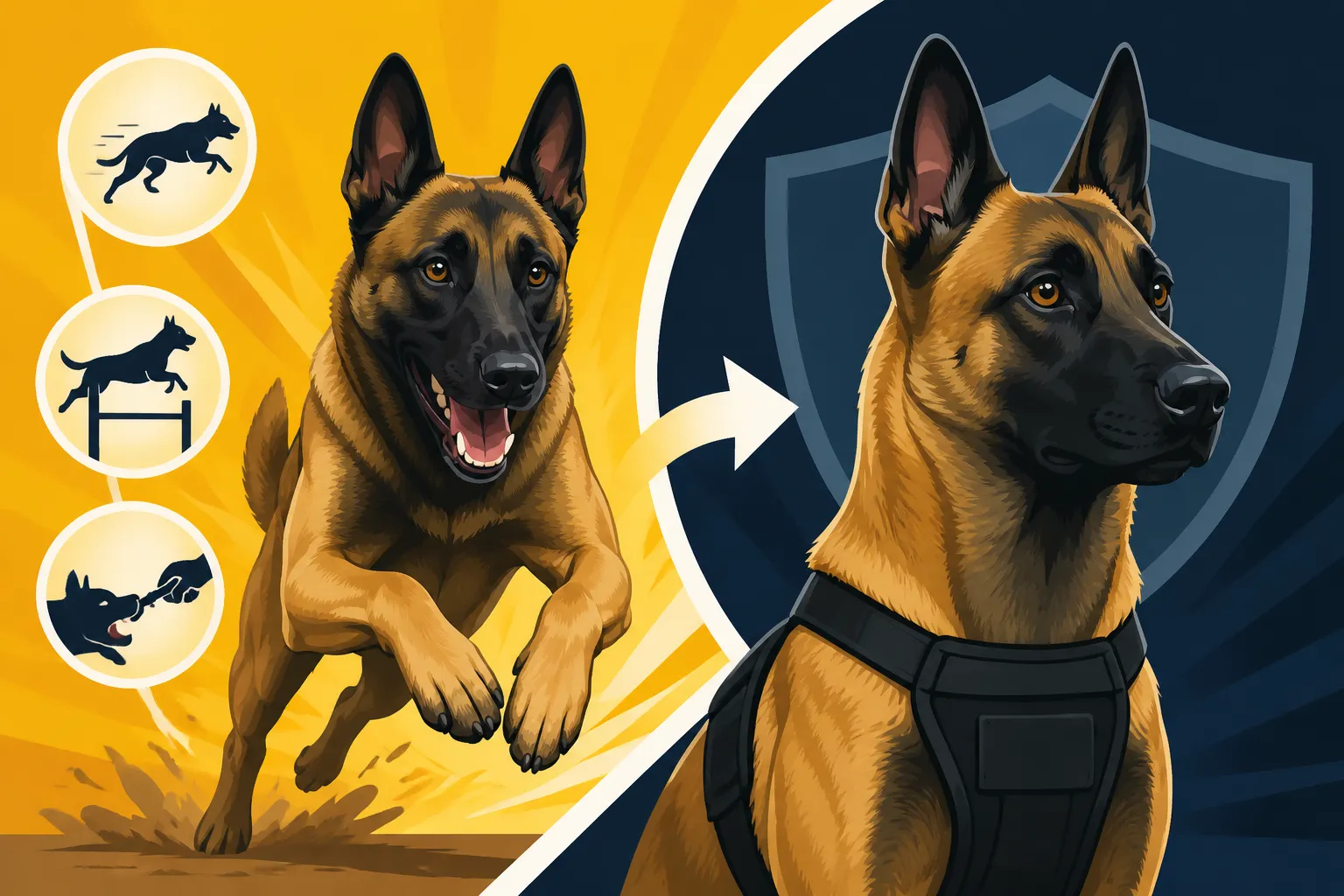
Exercise a Belgian Malinois Needs Before Work
It’s a common scenario for Belgian Malinois owners: you’ve got a training session or a working engagement coming up, and your high-octane dog is already bouncing off the walls. You might think, "Great, they're ready to go!" But just like a human athlete, a Malinois needs a proper warm-up before diving into demanding physical or mental work. Simply letting them run wild isn't enough; it can even be counterproductive or lead to injury. This guide will walk you through the essential exercise your Belgian Malinois needs to be physically primed and mentally focused before any serious work.
The Critical Role of Pre-Work Warm-Ups for Your Belgian Malinois
When we talk about "exercise" before work for a Malinois, we're not talking about exhausting them. That's a mistake many well-meaning owners make, thinking if the dog is tired, they'll be calmer and more focused. For a Malinois, however, being truly tired often means being less sharp, slower to react, and more prone to errors or even injury. What we're aiming for is a warm-up—a strategic period of physical and mental activation that prepares their body and mind for the specific tasks ahead. Think of it as hitting the "on" switch in a controlled, deliberate manner.
Bridging the Gap Between Rest and Readiness
Your Malinois might wake up with a surge of energy, but their muscles aren't yet elastic, their joints aren't fully lubricated, and their nervous system isn't in peak communication with their body. Jumping straight into high-impact activities like biting a sleeve, scaling a wall, or making sharp turns in agility can put undue stress on cold tissues. A structured warm-up gradually increases blood flow to muscles, tendons, and ligaments, making them more pliable and resilient. This drastically reduces the risk of strains, pulls, and other musculoskeletal injuries that can sideline a working dog. Just as you wouldn't sprint without stretching, your Malinois shouldn't be asked to perform without this vital preparation.
Moreover, a proper warm-up isn't just about the big muscle groups. It’s about getting the smaller, stabilizing muscles engaged and ready, too. For a breed known for its explosive power and agility, every component of their physical structure needs to be communicating efficiently. Without this, your dog is operating at less than optimal capacity and potentially setting themselves up for a minor tweak that can turn into a chronic issue. This foundational readiness is what allows them to perform complex movements fluidly and powerfully. For more on ensuring their physical health, consider reading The Checkup Schedule a Sport Malinois Should Keep.
The Mental Focus Advantage
Beyond the physical, a pre-work warm-up is crucial for mental preparation. A Malinois is a dog of intense drive and focus, but that focus isn't always immediately directed to the task at hand. They might be distracted by the environment, other dogs, or even lingering thoughts of the squirrel they saw on the way to the training field. A targeted warm-up helps to channel their immense energy and drive into a state of readiness and concentration. It’s about shifting their brain from general environmental awareness to task-specific engagement.
This mental engagement can involve short bursts of obedience, focused play with a favorite toy, or even just a calm walk around the working area to acclimate and assess. These activities signal to your Malinois that "work mode" is being activated. They help establish a connection between you and your dog, reminding them that you are the focal point and the source of direction. This psychological shift is just as important as the physical one, as a mentally checked-out Malinois, no matter how physically capable, will not perform at their best. Building engagement is key, and you can explore more about this in Building Engagement With a Belgian Malinois.
Designing the Perfect Pre-Work Routine: Specificity is Key
The "perfect" pre-work routine isn't a one-size-fits-all formula. It needs to be tailored to the specific type of "work" your Malinois is about to do. A warm-up for a high-impact bite work session will look different from one for a scent detection trial or a precision obedience routine. The goal is always to prime the relevant systems without inducing fatigue. This specificity ensures that your dog is neither underprepared nor overexerted for the demands that are about to be placed on them.
Physical Warm-Ups for High-Impact Activities
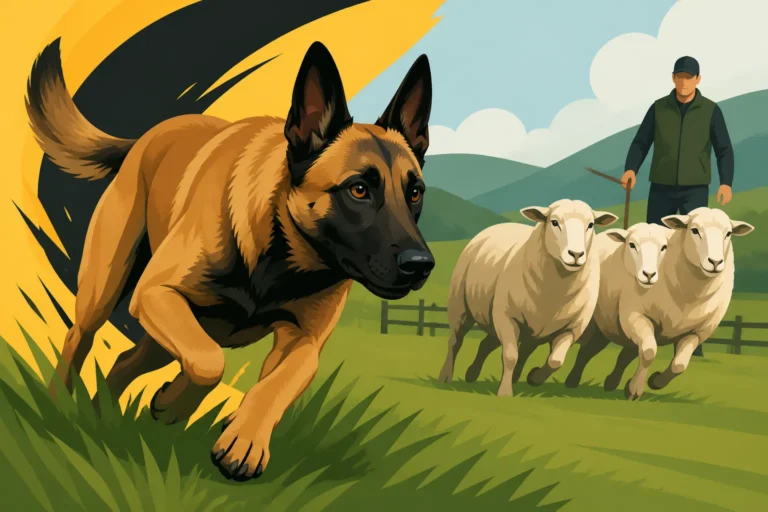
If your Malinois is about to engage in activities like bite work, agility, or competitive obedience that involve explosive movements, jumping, or sustained exertion, the warm-up should prioritize dynamic physical preparation. This means movements that mimic, in a low-intensity way, the actions they'll soon perform. Start with a brisk, leashed walk for 5-10 minutes to get the blood flowing and gently elevate their heart rate. This is far more effective than just letting them zoom around aimlessly.
Follow the walk with some controlled, dynamic stretches and light exercises. Think about small, controlled retrieves of a soft ball, focusing on short bursts of speed rather than long, tiring runs. Figure-eights, weaving through cones, or short jumps over low obstacles can also be beneficial, ensuring that their joints are moving through their full range of motion. Activities like playing with a flirt pole, easily found on platforms like Amazon, can engage their prey drive and build quick, agile movements without over-stressing their body. These aren't meant to be exhaustive; they are merely to wake up the muscles and neural pathways. Remember, we’re aiming for preparation, not exhaustion, to prevent injuries like those discussed in Muscle Strains in a Belgian Malinois.
Mental Stimulation for Focus-Driven Tasks
For tasks that require intense concentration, problem-solving, or sustained calm focus, such as scent detection, tracking, or precise obedience drills, the warm-up shifts slightly. While some physical activation is still important for general readiness, the emphasis here is on mental engagement and calming focus. A short, leashed walk is still a great start, allowing the dog to void and observe the environment in a controlled manner. This helps them process external stimuli before needing to ignore them.
After the physical component, transition to mental activation. This could involve a short session of basic obedience cues they know perfectly, like "sit," "down," and "stay," performed with high value rewards and praise. The goal is to get them thinking, responding, and connecting with you. Short scent games, like finding a hidden treat in easy sight, can also bridge the gap into more serious detection work. For detection or tracking, you might even do a very short, easy track or search with a familiar scent before moving on to the actual work. The aim is to get their brain "online" and ready to interpret subtle cues and maintain concentration. This is also where techniques to Building an Off Switch Into a Belgian Malinois can be practiced in miniature, promoting calm focus.
Timing and Duration: Striking the Balance for Peak Performance
The biggest challenge in pre-work exercise is finding that "Goldilocks zone" – not too much, not too little, but just right. Overdoing it can leave your Malinois fatigued before the real work even begins, while underdoing it can leave them unprepared and at higher risk of injury or mental disengagement. The optimal timing and duration will depend on your individual dog, the intensity of the upcoming work, and even environmental factors like temperature.
The Goldilocks Zone of Pre-Work Exercise
Generally, a pre-work warm-up should last anywhere from 10 to 20 minutes. For an extremely high-drive Malinois, it might lean closer to 20 minutes to adequately channel their initial burst of energy. For a dog that's already relatively calm, 10-15 minutes might suffice. The key is monitoring your dog's state throughout. You want to see them become more supple, more responsive, and more settled in their focus, without showing any signs of breathlessness or lagging enthusiasm.
The timing relative to the actual "work" is also important. Ideally, the warm-up should conclude within 5-10 minutes of starting the main activity. This keeps their muscles warm and their mind engaged. If there's a significant delay after the warm-up, you might need a brief "re-activation" with a few quick engagement exercises to bring them back up to readiness. Remember, this isn't about running them ragged; it's about intelligent preparation. The Year a Malinois Starts Working Shorter Sessions is a good read for understanding how these needs change over a dog's life.
Recognizing the Signs of Optimal Readiness vs. Fatigue
Learning to read your Malinois is paramount. An optimally warmed-up Malinois will be eager, alert, and responsive. Their body language will be fluid, their tail probably wagging with anticipation, and their eyes locked onto you or the upcoming task. They should move freely and without stiffness. There's a tangible shift from scattered energy to directed energy.
Conversely, watch out for signs of fatigue or over-stimulation. If your dog is panting heavily, slowing down, or showing signs of losing interest, you've likely done too much. If they're still exhibiting unfocused, frantic energy, they might need a few more minutes of controlled activity to channel that drive. Signs of stress, like excessive drooling, yawning, or compulsive behaviors, can also indicate they're not in the ideal mental state. Always err on the side of slightly less rather than slightly more during warm-ups, as you can always add a quick burst of activity, but you can't easily undo fatigue. It's a delicate balance that comes with practice and keen observation.
Tools and Techniques for Effective Pre-Work Activation
Having the right tools and a clear strategy can make your pre-work routine much more effective. It's not just about what you do, but how you do it, and what you use to facilitate that readiness. A few simple items and thoughtful handling can make all the difference in preparing your Malinois for their best performance.
Engaging Toys and Short Bursts of Activity
Your Malinois's favorite high-value toy is an excellent tool for pre-work activation. A bite tug or a durable rubber ball can be used for short sessions of controlled play, focusing on retrieving, tugging, and releasing on command. This taps into their natural prey drive and builds excitement in a structured way. For example, a few short rounds of controlled tug, ensuring they "out" (release the toy) on command, reinforces control even in high drive. This is far superior to simply throwing a ball for extended periods, which can lead to over-excitement or physical exhaustion before the real work begins. Companies like BAXTER & Bella often discuss these types of engagement strategies in their training resources, emphasizing controlled play.
These short bursts of activity should be punctuated by moments of calm. Ask for a "sit" or "down" in between retrieves or tugging sessions, rewarding the calm behavior. This teaches your Malinois to toggle between high drive and settled focus, a crucial skill for any working dog. Varying the type of toy can also be beneficial, depending on what aspect of their drive you want to activate. A soft retrieve dummy might be great for scent work warm-ups, while a tougher bite toy is better for prepping for protection sports. Tug Rules for a Belgian Malinois has more great ideas for using play effectively.
The Environment and Handler's Role
Beyond the physical exercises and toys, the environment and your role as the handler are pivotal. Arrive at your training location a little early to allow your Malinois to settle in and process the new surroundings without pressure. A short, sniffing walk on a loose leash can help them acclimate. Observe their body language: are they scanning frantically, or are they checking things out calmly? Your calm, confident demeanor can profoundly influence their state of mind.
Your interaction during this warm-up period should be focused and positive. Use clear, consistent commands and reward generously for compliance and engagement. This reinforces your leadership and establishes the expectation for the upcoming work. Remember, your Malinois feeds off your energy, so if you're stressed or scattered, they will be too. Creating a consistent pre-work ritual also helps, as dogs thrive on routine. This might involve the same sequence of exercises, the same type of praise, or even putting on a specific training collar or harness that signals "work time." This ritual helps them mentally transition into their working role, ensuring they are as prepared and focused as possible for whatever challenge lies ahead.
| Activity Type | Purpose | Examples of Activities | Duration & Intensity |
|---|---|---|---|
| General Physical | Increase blood flow, warm muscles, elevate heart rate | Brisk, leashed walk; light trotting; gentle sniffing exploration | 5-10 minutes, low |
| Dynamic Warm-Up | Increase range of motion, activate specific muscle groups | Short, controlled retrieves; figure-eights; weaving; low jumps; flirt pole play | 5-7 minutes, moderate |
| Mental Activation | Channel focus, engage brain, reinforce handler connection | Known obedience cues (sit, stay, down); short scent games; focused tug/retrieve play | 5-8 minutes, moderate |
| Cool-down (post-work) | Gradual heart rate decrease, muscle relaxation | Slow, relaxed walk; gentle massage; water break | 5-10 minutes, low |
Disclaimer
This article is for general informational purposes only and does not constitute professional advice. Laws, prices and regulations vary by location and change over time. Consult a qualified professional for guidance on your specific situation.