Stopping a Malinois From Charging the Front Door
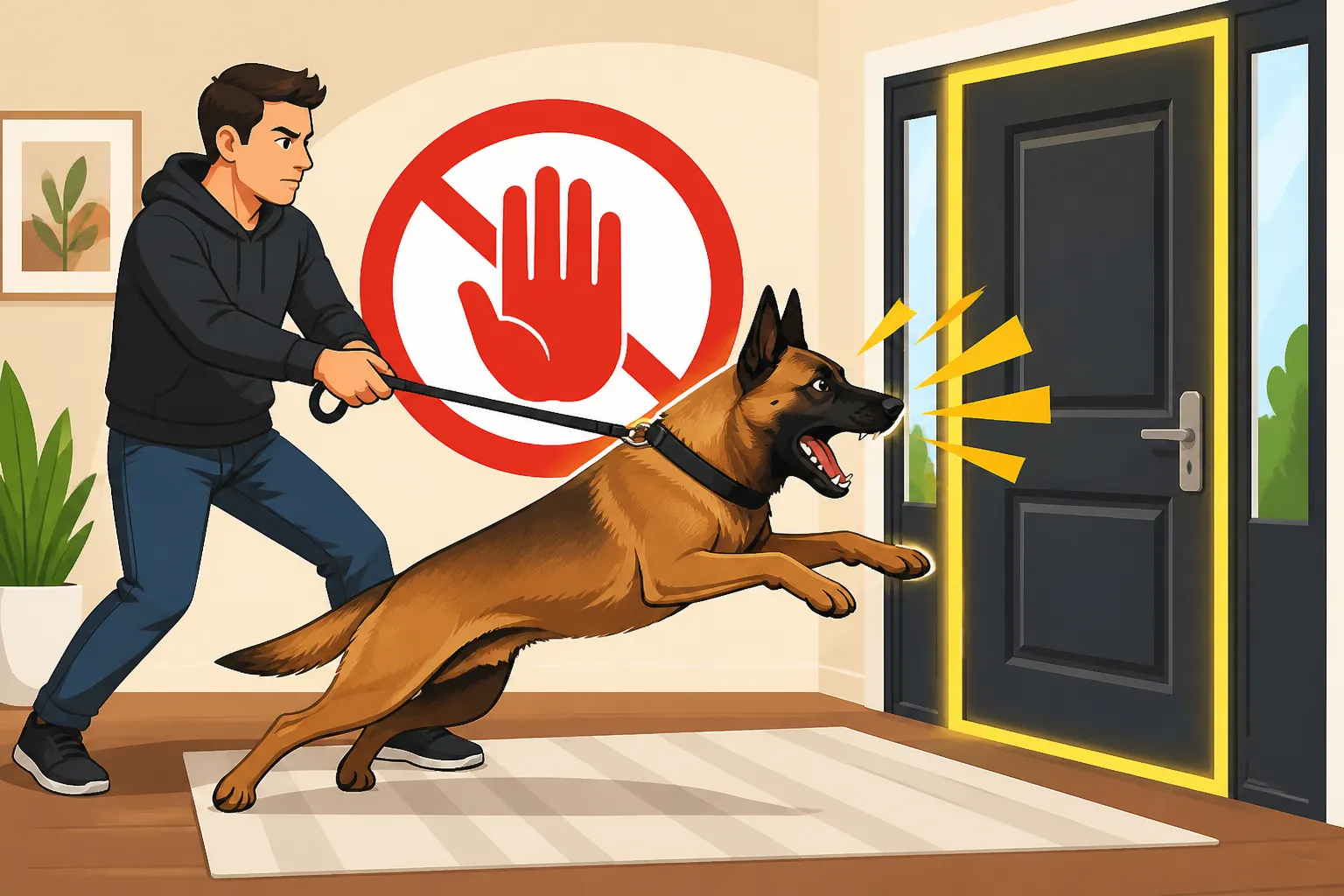
There’s almost nothing more frustrating, or frankly, terrifying, than having your Belgian Malinois explode into a frenzy at the sound of the doorbell or a knock at the front door. One moment you’re in a calm household, the next, it’s a blur of teeth, barking, and powerful lunges, often resulting in an embarrassing or even dangerous encounter for guests, delivery people, or even yourself. This guide is here to walk you through the real reasons behind this chaotic behavior and provide practical, step-by-step strategies to teach your Malinois impeccable door manners, bringing peace back to your entryway.
Understanding Why Your Malinois Charges the Front Door
It’s easy to dismiss a Malinois charging the front door as just "being excited," but the reality is often far more complex and rooted in a combination of instinct, learned behavior, and a lack of clear leadership. This isn't just a minor annoyance; it's a profound display of unchecked drive and impulse that can escalate if not properly addressed.
The Instinctual Drives at Play
Belgian Malinois are intensely driven dogs, bred for protection, herding, and high-level police and military work. These aren't casual traits; they're deeply ingrained instincts that manifest in powerful ways, especially when stimulated by novel events like someone approaching their perceived territory.
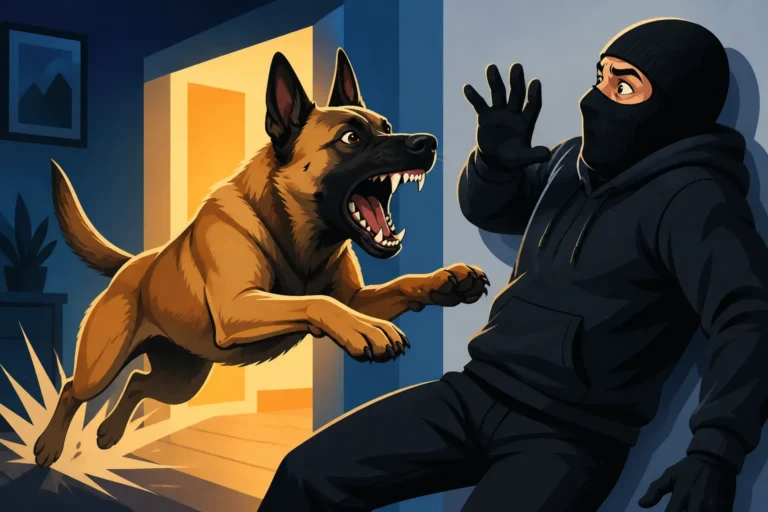
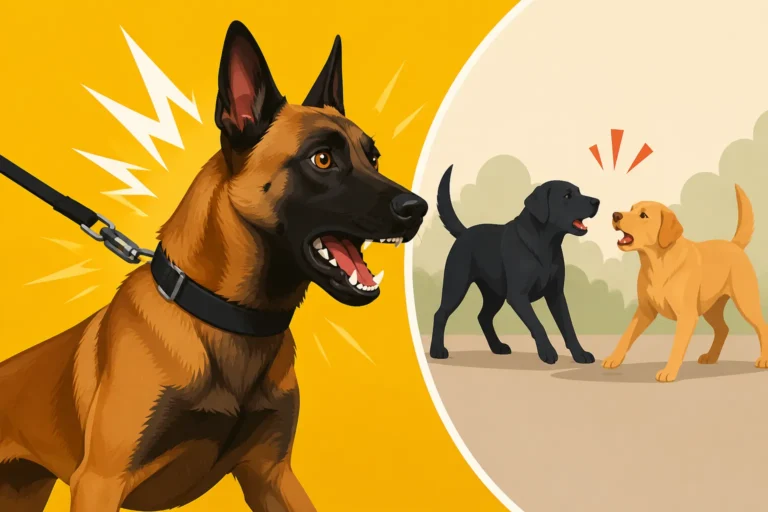
Firstly, there's the territorial drive. Your Malinois views your home, and by extension, the front door, as their domain. Any approach by an "outsider" can trigger a protective response. They might not be trying to harm anyone, but they are certainly trying to announce their presence and deter perceived intruders. This instinct is often coupled with a strong guarding inclination, where they feel it's their job to sound the alarm and confront any perceived threat. Secondly, the prey drive in a Malinois is exceptionally high. While a visitor isn't typically "prey," the sudden movement, the anticipation, and the high-energy interaction can tap into this drive, turning a calm dog into a missile. The mail carrier, the delivery driver, or even a friend jogging up the path can become a fast-moving target that triggers their chase and grab instincts, which is why they often try to physically engage with the person or the item they are holding. They might be trying to "herd" the stranger away or simply investigate with a level of intensity that is overwhelming.
Learned Behaviors and Reinforcement
Beyond instinct, a significant part of door charging is learned behavior. Our reactions, often unintentional, can reinforce the very behavior we want to stop. Think about it: when your Malinois barks and lunges, what do you usually do? You likely rush to the door, grab their collar, yell at them, or push them away.
From your Malinois's perspective, this sudden burst of attention, even if negative, is still attention. They’ve successfully pulled you into their drama. If they manage to get to the door, even for a second, and bark at the person outside, and that person then leaves (which they eventually will, whether they deliver a package or just ring the bell and move on), the Malinois receives a huge reward: "I barked, I lunged, and the 'intruder' retreated!" This creates a powerful self-reinforcing loop. Many owners also inadvertently reward this behavior by only giving their dog attention or a "job" at the door. If the only time your Malinois gets to be actively engaged by you with a high-energy interaction is when someone is at the door, they will quickly learn to associate that external stimulus with their reward. It's crucial to understand that even trying to physically block them or soothe them in the moment can, paradoxically, feed into their heightened state.
Lack of Impulse Control and Clear Boundaries
Ultimately, door charging often boils down to a fundamental lack of impulse control and clearly defined boundaries. A Malinois needs to understand that you are in charge of the front door, not them. They need to learn that their job is not to manage visitors, but to defer to your direction.
This breed thrives on structure and clear expectations. If those aren't consistently provided, especially in high-arousal situations like door greetings, they will take on the role themselves. Impulse control isn't something they're born with; it's meticulously taught through consistent training and management. Without it, they simply react to every stimulus, and the front door, with its constant stream of unexpected sights and sounds, becomes one of the biggest triggers. Many owners make the mistake of not starting this training early enough or not applying it universally across all household entrances, which leads to confusion for the dog. The Structure a Belgian Malinois Needs Every Day really comes into play here, as a chaotic environment without consistent rules will exacerbate door charging.
Foundational Training for Impeccable Door Manners
Before you can effectively stop the door charging behavior, you need to lay a strong foundation of obedience and impulse control. This isn't about quick fixes; it's about building a reliable dog that understands and respects boundaries, even in high-stimulation environments.
Establishing a Reliable "Place" Command
The "Place" command is absolutely non-negotiable for a Belgian Malinois struggling with door manners. This command teaches your dog to go to a designated spot (like a dog bed or mat) and stay there until released, regardless of distractions. It provides a clear alternative behavior to charging the door and gives them a job during potentially exciting times.
Start by teaching "Place" in a low-distraction environment. Lure your Malinois onto the designated spot, reward them lavishly for stepping on it, and gradually increase the duration they must stay. Use a high-value treat and verbal praise. Once they reliably stay for several minutes, introduce minor distractions, like you walking around the room. Gradually increase the distance you move away, the duration of the stay, and the level of distraction. The goal is for them to hold their "Place" even when the doorbell rings or there's a knock. Remember, consistency is key, and every time you practice, you're building a stronger foundation. This command is a cornerstone of teaching your Malinois to truly settle down, which can be a lifelong endeavor for such an energetic breed. Building a Malinois's Place Command offers further detailed steps on how to achieve this.
Mastering "Sit," "Stay," and "Down" with Distractions
While "Place" is excellent, solid "Sit," "Stay," and "Down" commands are also essential, particularly when practiced with increasing levels of distraction. Your Malinois needs to be able to hold these positions not just in your living room, but when there are exciting things happening.
Start practicing these commands near the front door, but without any actual visitors initially. Ask for a "Sit" or "Down" a few feet from the door. Reward immediately for compliance. Then, practice opening the door slightly, closing it, and rewarding for maintaining the position. Gradually increase the challenge by having someone walk past outside or jingle a set of keys. The key is to reward the calm and correct behavior before the dog has a chance to react impulsively. If your Malinois breaks position, calmly reset them without punishment and try again. This teaches them that the reward comes from staying calm, not from reacting. This consistent reinforcement of calm behavior under increasingly challenging circumstances is how you build true impulse control.
Cultivating an "Off Switch" and General Impulse Control
Belgian Malinois are notorious for their high drive and constant "on" switch. Teaching an "Off Switch Into a Belgian Malinois" is crucial for managing their energy, especially around triggers like the front door. This involves deliberate training that encourages relaxation and disengagement.
Games like "It's Your Choice" (where they have to wait patiently for a treat or toy) or "Red Light, Green Light" (where they have to stop on command) are fantastic for building general impulse control. Structured play, where you initiate and end the game, and your Malinois has to release a toy on command, also helps. Many trainers recommend activities that demand mental focus and precision, rather than just physical exhaustion. For example, a reliable "Out" command for dropping a toy is vital. The more opportunities you create throughout the day for your Malinois to practice waiting, deferring, and calming down, the better they will be at extending that self-control to the front door situation. Programs like BAXTER & Bella often incorporate these types of foundational impulse control exercises, which can be invaluable for new owners or those looking for structured guidance. Remember, a Malinois needs mental work just as much, if not more, than physical exercise to be truly tired and well-behaved.
Specific Strategies for Door Charging Prevention
Once your Malinois has a solid foundation in basic obedience and impulse control, you can start implementing specific strategies to tackle the door charging head-on. This often involves a multi-pronged approach combining management, desensitization, and consistent training.
Management: Controlling the Environment
Effective management is your first line of defense. This isn't training, but it prevents the undesirable behavior from happening, thus stopping it from being reinforced. It buys you time to implement your training plan.
Consider using physical barriers. A baby gate across the hallway leading to the front door, or even keeping your Malinois in a crate when you anticipate visitors, can be incredibly effective. Make sure the gate is sturdy enough to withstand a powerful Malinois, or that the crate is a secure, crash-tested model if you’re concerned about durability. When the doorbell rings, and your Malinois is safely behind a gate or in their crate, they cannot practice the unwanted behavior. This breaks the cycle of reinforcement. Furthermore, having them on a leash, even in the house, especially during anticipated high-trigger times like package delivery windows, gives you immediate physical control. You can find robust leashes and gates suitable for a strong Belgian Malinois easily on Amazon. Remember, the goal of management is not to punish, but to prevent the behavior and keep everyone safe while you train.
Desensitization and Counter-Conditioning
This strategy involves gradually exposing your Malinois to the triggers (doorbell, knocking, people approaching) at a low intensity, pairing them with positive experiences, and slowly increasing the intensity. This changes their emotional response from excitement/anxiety to calm anticipation.
Start with the doorbell sound played softly on your phone from another room. The moment you play the sound, immediately give your Malinois a high-value treat. Repeat this many times. The sound should predict treats, not a chaotic door opening. Gradually increase the volume and proximity. Do the same with knocking. Next, have a friend or family member stand outside and lightly tap on the door, then immediately reward your Malinois before they react. The moment they show even a slight calm response (like looking at you instead of the door), reward them. If they react, the stimulus was too strong, and you need to dial it back. You're teaching them that the arrival of a "stranger" means good things happen when they are calm, not when they are frantic. This process takes patience, but it reconditions their emotional response to the trigger.
Structured Doorway Drills
Once your Malinois is doing well with desensitization, you can move to structured drills using the "Place" command and your helper. This is where you practice the actual scenario in a controlled environment.
Here’s a step-by-step approach:
- Place and Prepare: Have your Malinois on their "Place" a safe distance from the door. Your helper approaches, knocks or rings the bell.
- Reward Calm: If your Malinois stays on "Place" and remains calm, go to them and reward them lavishly with treats and praise before you even open the door.
- Controlled Opening: Still with your Malinois on "Place," slowly open the door. If they hold position, continue to praise. If they break, immediately close the door, reset them on "Place," and repeat. The door only opens for calm behavior.
- Gradual Interaction: Once they reliably hold "Place" with the door open, have your helper step just inside the threshold. If your Malinois maintains calm, reward. Only after consistent success can you gradually allow a polite, controlled greeting, after you release them from "Place." This might look like you greeting your guest, then bringing your Malinois over on a leash for a calm "meet and greet."
Table: Management Tools vs. Training Techniques for Door Charging
| Category | Management Tools (Prevention) | Training Techniques (Behavior Change) |
|---|---|---|
| Objective | To prevent undesirable behavior and ensure safety. | To teach alternative, desirable behaviors and change emotional response. |
| Approach | Physical barriers, leashes, structured routines. | Positive reinforcement, desensitization, classical conditioning. |
| Examples | Baby gates, secure crates, indoor leash, tethering spot. | "Place" command, "Sit/Stay/Down" with distractions, "Leave It." |
| Strategic scheduling of arrivals/departures. | Pairing doorbell with high-value treats (desensitization). | |
| Immediate Impact | Stops the behavior in the moment, provides handler control. | Builds new neural pathways and associations over time. |
| Long-Term Goal | Buys time for training, reduces reinforcement of bad habits. | Creates a dog that chooses calm behavior independently. |
| Usage | Essential during training phase and for unpredictable events. | Ongoing, consistent practice is required for reliable results. |
It's vital that you never rush this process. Each step must be mastered before moving to the next.
Utilizing Training Collars and Tools (with Caution)
For a powerful and highly driven breed like the Malinois, certain training tools, when used correctly by an experienced handler, can be invaluable. This includes flat buckle collars, slip leads, prong collars, and electronic collars.
A solid, well-fitting flat buckle collar or slip lead can give you better control than a standard harness that allows your Malinois to pull into their full body weight. For dogs with extreme door charging issues, a prong collar (used correctly under professional guidance) can provide a more immediate and clear communication of "no" without causing harm. It's crucial that any correction from a prong collar is fair, timely, and immediately followed by showing the dog the correct behavior. Electronic collars are another tool that can be incredibly effective for long-distance communication and reinforcing commands like "Place" or "Stay" when you're not right next to your dog, especially with a breed prone to strong predatory instincts. However, these tools require advanced knowledge and precision. If you're considering an e-collar, it is highly recommended to seek guidance from a professional trainer experienced with working line dogs, such as those that might be recommended by BAXTER & Bella’s advanced training resources or found through a quick search for reputable trainers on Amazon. Used improperly, these tools can cause fear or aggression, so they are not for beginners. Conditioning a Belgian Malinois to an E-Collar should be thoroughly understood before considering this tool.
Maintaining Consistency and Troubleshooting Common Challenges
Training a Belgian Malinois is rarely a straight line to success. There will be setbacks, moments of frustration, and times when you feel like you're starting all over again. Consistency and a realistic approach are your best allies.
The Power of Household Consistency
One of the biggest pitfalls in training a Malinois, especially with something as pervasive as door manners, is inconsistency across the household. Every single person who interacts with your dog must be on the same page, every single time.
If one family member lets the dog jump on guests, or another allows them to barge past the threshold, your Malinois will quickly learn that the rules are fluid and applicable only sometimes. This breed thrives on predictability and clear structure. Sit down with everyone in your home and establish the exact protocol for handling the front door: where the dog goes, what command is given, and what rewards are used. Post reminders if necessary. This might mean guests have to wait outside for an extra moment while your Malinois is settled, or that the dog wears a house leash when visitors are expected. It's not about being harsh; it's about being unequivocally clear. Without this united front, your Malinois will continue to test boundaries, making your efforts much harder. The Structure a Belgian Malinois Needs Every Day truly underscores how critical a consistent routine is for this breed.
Troubleshooting Setbacks and Escalations
Despite your best efforts, your Malinois might have a bad day, or a particularly exciting stimulus might trigger a relapse. Don't get discouraged; view it as an opportunity to refine your training.
If your Malinois breaks "Place" or charges the door, calmly and immediately intervene. Close the door, leash them, or guide them back to their "Place" without scolding or yelling. Your calm demeanor communicates that you are still in control. The moment your Malinois is back in position and calm, reward them. Sometimes, the stimulus was simply too high. Reassess and dial back the intensity. Maybe the next time, the helper only walks by the house without knocking, or you only practice with the doorbell sound from a further distance. Also, consider the general state of your Malinois. Are they getting enough mental and physical stimulation? An under-exercised or under-stimulated Malinois will have a much harder time controlling their impulses. Two Hours and a Job a Belgian Malinois Demands Daily highlights the significant daily commitment required to keep this breed fulfilled, which directly impacts their general behavior and ability to self-regulate.
Knowing When to Seek Professional Help
While this guide provides comprehensive strategies, there are times when professional help is not just beneficial, but necessary. Belgian Malinois are powerful dogs, and their door charging can pose a real safety risk if left unmanaged or poorly trained.
If you're feeling overwhelmed, frustrated, or if your Malinois’s behavior is escalating despite consistent training, don't hesitate to reach out to a professional dog trainer specializing in working breeds. Look for trainers who use balanced methods and have extensive experience with Malinois or similar high-drive dogs. They can observe your specific situation, identify subtle triggers you might be missing, and provide hands-on guidance. Sometimes, an outside perspective and expert intervention are exactly what’s needed to break through a plateau. There are also online resources, like those offered by BAXTER & Bella, that provide structured programs and one-on-one coaching, which can be an excellent resource for complex behavioral issues. Investing in professional guidance is an investment in your dog's future, your peace of mind, and the safety of everyone who encounters your front door. The Handler Experience a Belgian Malinois Needs is something many owners underestimate, and a professional can bridge that experience gap.
By understanding the root causes, committing to foundational training, implementing specific prevention strategies, and maintaining unwavering consistency, you can teach your Belgian Malinois to be a calm, well-mannered greeter at the front door. It’s a journey that requires patience and dedication, but the reward of a peaceful home and a reliable canine companion is well worth the effort.
Disclaimer
This article is for general informational purposes only and does not constitute professional advice. Laws, prices and regulations vary by location and change over time. Consult a qualified professional for guidance on your specific situation.