A Malinois That Fixates on Passing Vehicles
It can be incredibly frustrating, and honestly, a bit embarrassing, when your otherwise brilliant Belgian Malinois transforms into a snarling, lunging, barking maniac at the sight of every car, bicycle, or even a jogging stroller passing by. This intense fixation isn't just a nuisance; it's a safety hazard and a huge source of stress for both you and your dog. This comprehensive guide will help you understand why your Malinois acts this way and provide actionable strategies to manage and retrain this challenging behavior, turning those stressful walks into something much more manageable.
Understanding the Root of the Fixation in a Belgian Malinois
When your Belgian Malinois fixates on passing vehicles, it’s not typically out of malice or a desire to be disobedient. This behavior is deeply rooted in the breed's genetic makeup and high-drive nature. Understanding these underlying causes is the first step toward effective management and training.
The Power of Prey Drive
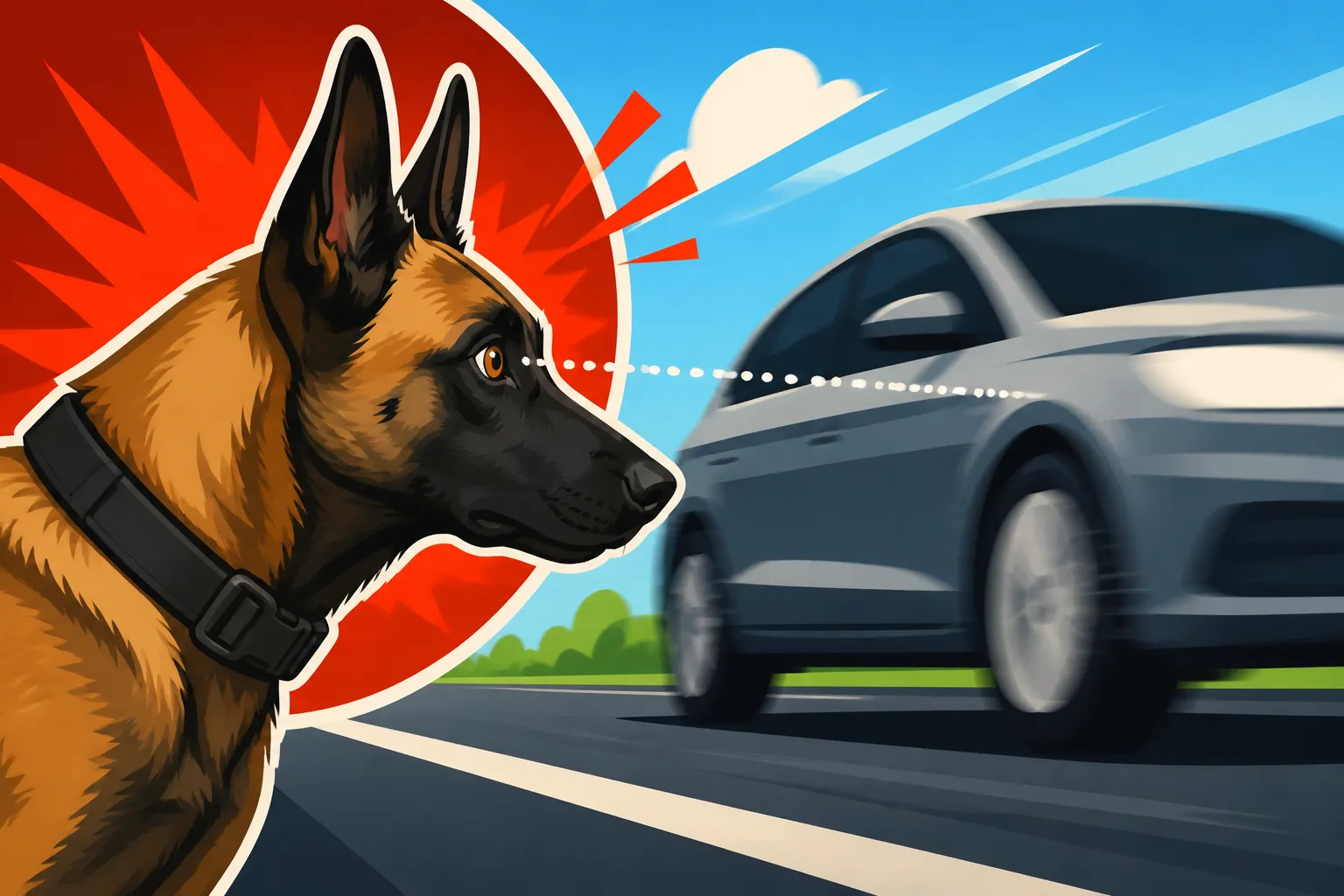
Belgian Malinois were originally bred as herding dogs, but their lineage also includes strong protection and working dog traits. A core component of these traits is an incredibly heightened prey drive. Think about it: a car rushing past, a bicycle whizzing by, or even a person jogging can mimic the movement of prey animals. This isn't just a flicker of interest; it's a hardwired instinct that kicks in like a switch. Your Malinois's brain sees that movement and interprets it as something to chase, capture, or, at the very least, confront. This isn't a choice for them in that moment; it's an automatic, powerful response that can feel almost impossible to interrupt.
For a Malinois, the thrill of the chase, even if it's just the idea of it, is incredibly strong. They lock onto the target, their body language shifts, and they might become deaf to your commands because their entire being is focused on that moving object. It's a primal urge, and it’s why a casual stroll can turn into a battle of wills in a split second. This intense focus is what makes them exceptional working dogs, but it can be a nightmare in a suburban environment. You might notice this same intensity when they spot a squirrel or a bird, only magnified when the "prey" is much larger and faster.
Environmental Overstimulation and Lack of Outlet
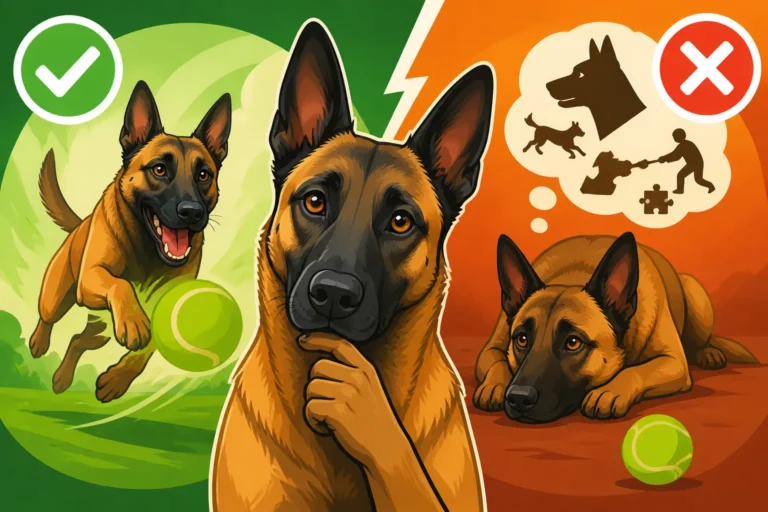
Another significant factor is environmental overstimulation combined with an insufficient outlet for their immense energy and intelligence. A Malinois isn't built to be a couch potato, even if they enjoy snuggles after a hard day's work. They need a job, a purpose, and vigorous physical and mental exercise every single day. If they aren't getting enough appropriate outlets, that boundless energy and intense drive have to go somewhere. Often, it manifests as unwanted behaviors, and fixating on vehicles is a classic example.
Imagine a highly intelligent, powerful engine constantly running, but with nowhere to go. That's an under-exercised, under-stimulated Malinois. They become hyper-vigilant, constantly scanning their environment for anything to engage with. A passing car becomes an exciting, albeit inappropriate, outlet for that pent-up energy and drive. It's a self-reinforcing cycle: the burst of energy and adrenaline they get from lunging feels satisfying in the short term, even if it's stressful for you. This is why Two Hours and a Job a Belgian Malinois Demands Daily is not an exaggeration – it's a foundational requirement. Without proper mental stimulation and physical exertion, their world becomes a stage for these dramatic, reactive displays.
Genetic Predisposition and Lack of Early Socialization
While prey drive is inherent, the intensity and manifestation of vehicle fixation can also be influenced by genetics and early experiences. Some lines of Malinois are simply "harder" or have more intense environmental awareness, making them more prone to this kind of reactivity. A responsible breeder will often work to temper these extremes while maintaining drive, but individual dogs can still present challenges.
Furthermore, a lack of appropriate, positive socialization during the critical puppy period can exacerbate these tendencies. If a Malinois puppy isn't properly introduced to a variety of sights, sounds, and moving objects in a controlled, positive way, they can develop anxieties or over-reactions to novel stimuli. Instead of learning to calmly observe, they might learn to react defensively or aggressively. It's not about letting them run wild in a dog park; it’s about careful, positive exposure. Even if your Malinois received early socialization, a negative experience or simply reaching maturity can sometimes trigger or worsen these fixations. This is why careful Socializing a Belgian Malinois Puppy Safely is so vital for future well-being.
Immediate Management and Safety Strategies
Dealing with a Malinois that fixates on passing vehicles requires a multi-pronged approach that starts with immediate management to ensure safety and prevent the behavior from becoming more ingrained. This isn't training yet, but it creates the space for training to begin.
Creating Distance and Minimizing Exposure
The absolute first step is to manage the environment. You cannot train a dog effectively when they are constantly pushed "over threshold," meaning they are too aroused or stressed to learn. If walking on a busy street leads to constant meltdowns, stop walking on busy streets. It sounds simple, but many owners try to "power through," which only makes the problem worse.
Seek out quiet routes, walking trails, or even an empty parking lot during off-peak hours. The goal is to reduce the number of triggers your Malinois encounters. If a car comes into view, immediately increase distance. Cross the street, step behind a bush, or turn around. The further away you are from the trigger, the more likely your dog will remain under threshold and be able to hear you. This might mean temporarily adjusting your exercise routine, perhaps relying more on a secure, private yard for vigorous play or using a long line in a very open field where vehicles are truly distant. Remember, every time your Malinois practices the unwanted behavior, it becomes stronger. Minimizing opportunities for practice is crucial.
Choosing the Right Equipment for Control
The right equipment isn't a magic bullet, but it can make a world of difference in managing a strong, driven Malinois. A flat buckle collar and a retractable leash are simply not adequate for a dog with this kind of drive and strength.
- Fixed-Length Leashes: Opt for a strong, 6-foot nylon or leather leash. This gives you consistent control and prevents sudden jerks from being amplified.
- Front-Clip Harnesses or Head Halters: A front-clip harness can help redirect your dog's momentum when they lunge, turning them sideways instead of allowing them to pull forward with full force. Brands available on Amazon offer a wide range of these. Some Malinois do very well with a head halter (like a Halti or Gentle Leader), which gives you control over their head and therefore their line of sight and body direction. However, these require careful introduction to ensure your dog accepts them positively.
- Muzzles: If your Malinois's reactivity involves snapping or biting, or if you are concerned about their safety or the safety of others, muzzle training is a responsible step. A well-fitted basket muzzle allows panting and drinking but prevents bites. Muzzle Conditioning Before a Malinois Ever Needs One is a wise investment of time, as it turns the muzzle into a neutral or positive tool rather than a punishment.
Always ensure the equipment fits correctly and is comfortable for your dog. Incorrectly fitted gear can cause discomfort, chafing, and even make behavior worse.
Developing an Emergency U-Turn or "Scatter" Command
Sometimes, despite your best efforts, a trigger appears unexpectedly close. Having an emergency escape plan is vital.
- Emergency U-Turn: Teach your Malinois a sharp "U-turn" command. This involves luring them rapidly to turn 180 degrees and move away from the trigger, often with a highly valued treat or toy. Practice this in low-distraction environments first, making it a fun, rewarding game. The moment you see a potential trigger, even if it's still far away, cue the U-turn and swiftly move in the opposite direction.
- Scatter Command: This involves tossing a handful of high-value treats (think cooked chicken, cheese, or hot dogs) on the ground when a trigger appears. The idea is to get your Malinois to momentarily disengage from the trigger and focus on sniffing and eating the treats. This can break their fixation and give you a precious few seconds to increase distance. Again, practice this when there are no triggers present to build positive associations.
These strategies are about buying time and keeping your Malinois from practicing the unwanted behavior, not about "fixing" the underlying drive. They are crucial for maintaining safety and preventing escalation while you work on more structured training. A Belgian Malinois That Pulls Toward Every Distraction can benefit greatly from these tactical maneuvers.
Training Protocols to Reroute Intense Drive
Once you've got solid management strategies in place, you can start working on actually retraining your Malinois. This isn't about eliminating their drive—that’s impossible and undesirable for this breed—but about channeling it into appropriate responses.
Building Bulletproof Engagement and Focus
A Malinois that fixates on vehicles is often a Malinois whose focus is externalized rather than centered on you. The first, and arguably most important, step in retraining is to build an incredibly strong foundation of engagement. Your dog needs to want to pay attention to you more than anything else in the environment.
- High-Value Rewards: For a Malinois, generic kibble probably won't cut it when a car is whizzing by. You need high-value treats—think boiled chicken, cheese, hot dogs, or a favorite squeaky toy that only comes out for training. These rewards need to be more exciting than the passing vehicle.
- "Watch Me" or "Look": Teach a reliable "Watch Me" or "Look" command in low-distraction environments. Hold a treat near your nose, say "Watch Me," and reward the instant your dog makes eye contact. Gradually increase duration and add mild distractions. This command is your lifeline to pull their attention back to you when a trigger approaches.
- Pattern Games: Play games that encourage checking in with you. For example, walk a few steps, stop, ask for eye contact, reward, and then continue. Or, practice quick turns and changes of pace, rewarding your Malinois for staying with you. The more your Malinois finds value in engaging with you, the less appealing those external distractions will be. Resources like BAXTER & Bella offer online courses that can guide you through building robust engagement from the ground up, providing structured lessons you can follow. This foundational work is key to Building Engagement With a Belgian Malinois.
Desensitization and Counter-Conditioning (LAT Method)
This is where you systematically change your Malinois's emotional response to passing vehicles. Instead of reacting with intense fixation, you want them to feel neutral or even positive. The "Look at That" (LAT) method is an excellent approach.
- Find the "Threshold Distance": Start by finding a distance where your Malinois notices the vehicles but doesn't react. They might prick their ears or turn their head, but they shouldn't be lunging, barking, or heavily fixating. This might be across a wide field or even from inside a car parked far from a road.
- Mark and Reward: The moment your Malinois notices a vehicle and looks at it, say "Yes!" (or click your clicker) and immediately give them a high-value treat. The timing is crucial: you're rewarding them for looking at the trigger, not for reacting to it.
- Repeat and Move Closer: Repeat this process. Vehicle appears, dog looks, you mark and reward. The goal is to create a positive association: "Car = delicious treat." After many successful repetitions at a comfortable distance, you can very, very gradually decrease the distance to the road or increase the intensity of the traffic.
This process takes time, consistency, and patience. You are literally rewiring your dog's brain. Always end on a positive note. If your Malinois starts to react, you've gotten too close or pushed too fast. Move back to an easier distance. This systematic exposure and rewarding calm observation is critical.
Redirecting Drive with an Appropriate Outlet
Since your Malinois has an abundance of drive, simply trying to suppress it isn't effective. You need to redirect it into acceptable channels.
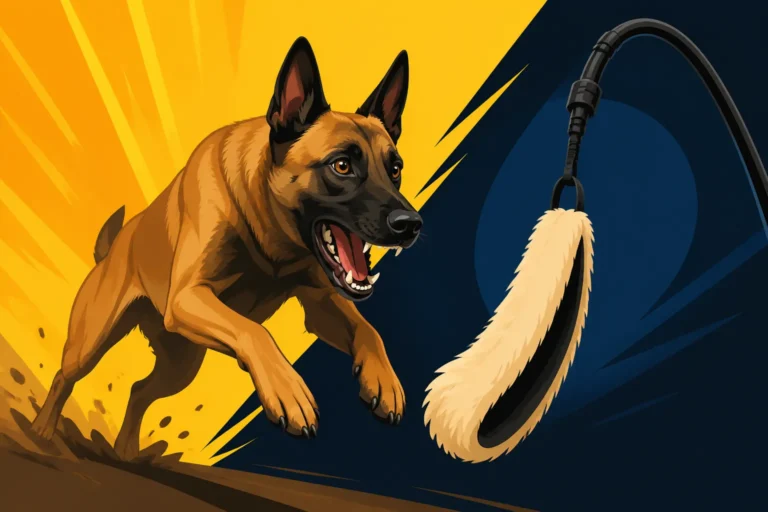
- Tug Work: A powerful game of tug can be an amazing outlet for prey drive and a fantastic reward. Teach a clear "Out" command and rules for engagement. When your Malinois spots a vehicle and successfully disengages or looks back at you, a quick, intense game of tug can be a phenomenal reward. This channels that desire to "capture" into an appropriate play object. Channeling a Belgian Malinois's Prey Drive Into a Tug is a skill every Malinois owner needs.
- Fetch or Ball Work: For ball-obsessed Malinois, a well-timed throw of a favorite ball (after they've ignored a trigger) can also work wonders. Just be careful not to overdo ball play, as it can sometimes intensify prey drive if not balanced with other forms of training.
- Scent Work or Puzzle Games: Mental exercise can be just as tiring, if not more so, than physical exercise for a Malinois. Incorporate regular scent games, puzzle toys, or even structured obedience sessions. A dog whose brain is engaged throughout the day is often less prone to finding inappropriate outlets for their energy. The Mental Work That Finally Tires a Malinois Out isn't always about miles; it's often about problem-solving.
Consistency is key. Every time you train, you are reinforcing the desired behaviors. Think of it as a dance: you lead, you observe, and you respond in a way that helps your Malinois understand what you want.
When to Seek Professional Help
While these strategies are powerful, some Malinois with severe fixation issues might require more intensive intervention. Knowing when to call in a professional can save you a lot of heartache and accelerate your progress.
Recognizing the Limits of DIY Training
You might be a dedicated owner, watching all the YouTube videos and reading all the articles, but sometimes the complexity of the behavior or the intensity of your Malinois's drive can simply be too much for a solo handler. If you've been consistently applying management and training techniques for several weeks or months and aren't seeing significant improvement, or if the behavior is actually worsening, it's a clear sign that you need expert guidance.
Signs you might be at your DIY limit include:
- Your Malinois is consistently over threshold despite your best efforts to create distance.
- The reactivity is escalating in intensity (more barking, more lunging, faster onset).
- You feel overwhelmed, frustrated, or even fearful during walks.
- You're worried about potential safety risks to people, other dogs, or your own Malinois.
- The behavior is bleeding into other areas of your dog's life, such as reactivity to other moving objects or people.
It’s crucial to understand that asking for help isn't a failure; it's a responsible step in ensuring your Malinois gets the best possible support. A professional can offer fresh eyes, pinpoint subtle body language cues you might be missing, and design a truly tailored training plan.
Finding a Qualified Professional Trainer or Behaviorist
Not all dog trainers are created equal, especially when it comes to high-drive, complex breeds like the Belgian Malinois and specific issues like vehicle fixation. Look for professionals with specific experience in working with reactive dogs and working breeds.
Here’s what to look for:
- Certified Professional Dog Trainer (CPDT-KA) or Certified Behavior Consultant Canine (CBCC-KA): These certifications indicate a level of knowledge and adherence to ethical, science-based training methods.
- Force-Free or LIMA (Least Intrusive, Minimally Aversive) Philosophy: Avoid trainers who rely on harsh corrections, alpha rolls, or other outdated, punitive methods. These can suppress behavior temporarily but often increase fear, anxiety, and aggression in the long run, especially with a sensitive yet driven Malinois.
- Experience with Working Breeds: A trainer who understands the unique drive and needs of a Malinois will be far more effective than one who primarily works with calmer companion breeds. They’ll understand that you’re not trying to extinguish drive, but rather redirect it.
- Positive Reinforcement Focus: A good trainer will help you motivate your Malinois with rewards and help them want to offer the correct behaviors.
- In-Person Consultations: While online resources are helpful, an in-person assessment is usually critical for behavioral issues. They can observe your dog in the triggering environment.
Ask for references, watch them work with other dogs, and don't hesitate to interview a few trainers before committing. A good professional will involve you every step of the way, teaching you how to work with your dog. They might introduce advanced concepts, like specific e-collar protocols, but always within a positive reinforcement framework and with careful timing. For example, E-Collar Timing on a Belgian Malinois is a nuanced skill best learned under expert supervision.
Exploring Advanced Training Modalities
A professional might suggest exploring advanced training modalities that harness your Malinois's natural talents. Since vehicle fixation often stems from high prey drive, redirecting that drive into a structured sport can be incredibly effective.
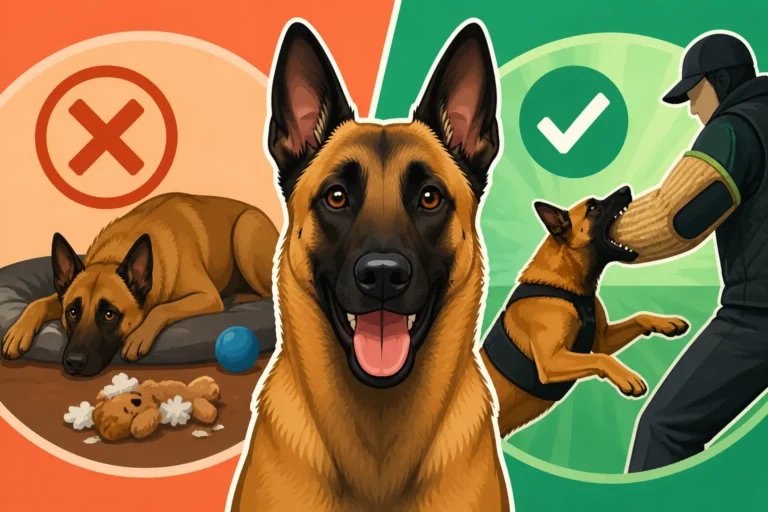
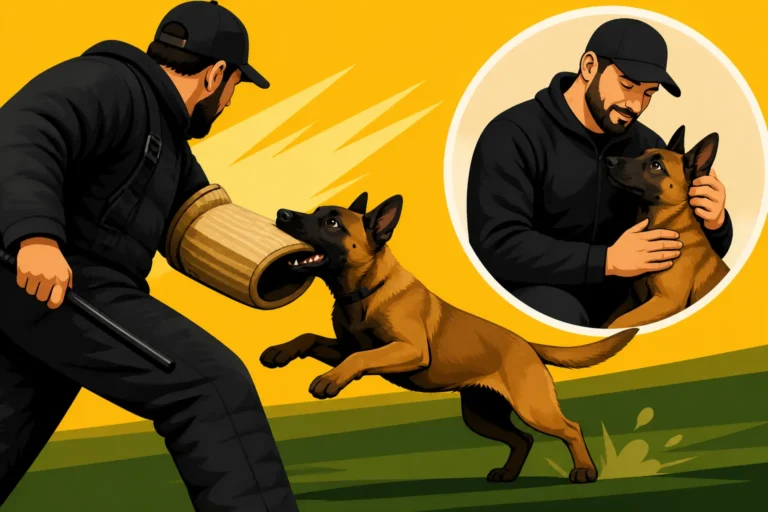
- Bite Sport or Protection Work: For some Malinois, a controlled outlet for their protective and prey drives in sports like IGP (formerly IPO or Schutzhund), Ring Sport (Belgian Ring, French Ring, Mondioring), or KNPV can provide immense fulfillment. This isn't about making your dog aggressive, but about highly structured, disciplined work that channels their intensity. What Bite Sport Actually Asks of a Belgian Malinois is a good primer on this. This work can satisfy their desire for "the chase" and "the capture" in a safe, controlled environment.
- Detection or Nose Work: The Malinois has an incredible nose. Scent detection sports, often called "Nose Work," can be incredibly mentally stimulating and tiring. This engages their brain in a completely different way, teaching them focus and patience, which can transfer to other areas of their life.
- Agility or Canicross: For physical outlets beyond just running, agility courses or sports like canicross (running with your dog harnessed to you) can burn off energy and build focus. The age a Malinois can start real conditioning is important to consider for these high-impact activities.
By investing in professional guidance and exploring appropriate outlets, you're not just managing a problem behavior; you're unlocking your Malinois's full potential and building a stronger, more harmonious relationship. The journey may be challenging, but the reward of a calmer, more focused companion is immeasurable.
| Behavior | Potential Cause | Immediate Management | Training Approach |
|---|---|---|---|
| Intense fixation, staring | High prey drive, herding instinct | Increase distance, U-turn, obscure view | LAT, "Watch Me," engagement games |
| Lunging, pulling | Frustration, desire to chase/engage | Front-clip harness/head halter, strong leash | Counter-conditioning, reward calm |
| Barking, growling | Overstimulation, anxiety, perceived threat | Move away, create barrier, "scatter" treats | Positive association, gradual exposure |
| Deafness to commands | Over threshold, tunnel vision | Remove from situation, lower distractions | Build high-value engagement in calm settings |
| Rapid escalation | Genetic predisposition, lack of prior training | Consult professional behaviorist | Structured sport, advanced obedience |
Disclaimer
This article is for general informational purposes only and does not constitute professional advice. Laws, prices and regulations vary by location and change over time. Consult a qualified professional for guidance on your specific situation.