A Belgian Malinois That Pulls Toward Every Distraction
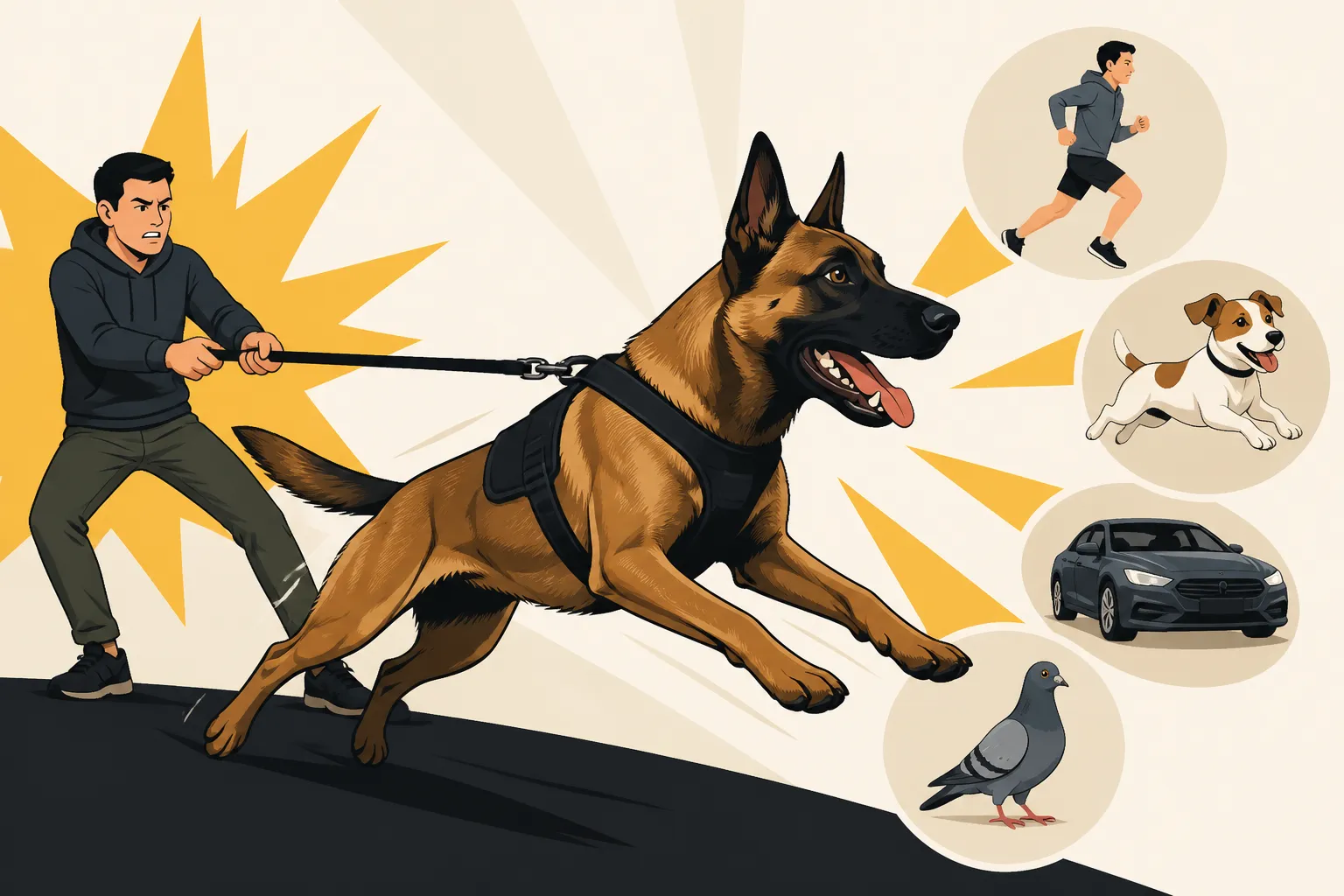
Oh, the sheer force of a Belgian Malinois on the end of a leash! It’s a challenge many of us Malinois owners know all too well – that feeling of being dragged down the street by a furry, muscular torpedo intent on reaching the next squirrel, person, or interesting scent. If your arm feels permanently stretched and every walk is a battle against a dog that pulls towards every distraction, you're in the right place. This guide is here to unravel the why behind that powerful pull and equip you with the knowledge and strategies to transform those frustrating walks into enjoyable outings.
Understanding the Malinois Drive Behind the Pull
Let's be real, a Malinois isn't pulling out of spite or because they're "bad dogs." They're pulling because they are incredibly driven, intelligent, and often overstimulated by the world around them. It's not a simple case of needing manners; it's a deep-seated part of their breed nature that needs to be understood and channeled.
Prey Drive and Environmental Awareness
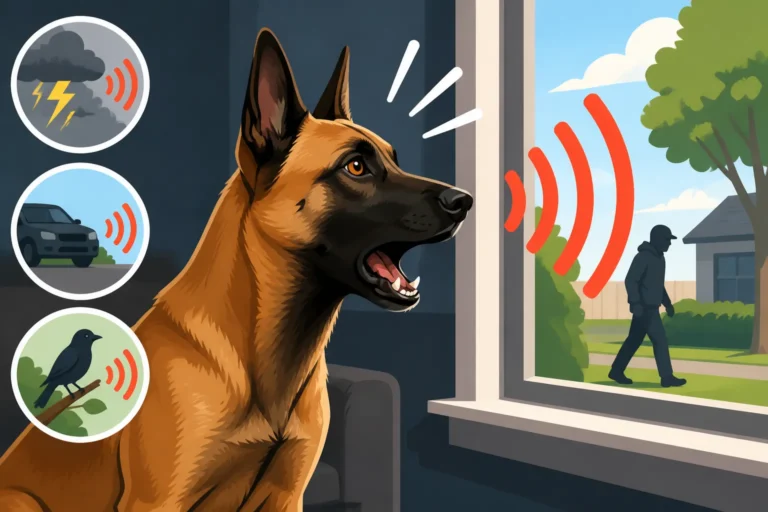
Belgian Malinois were originally bred as herding dogs, but their working lineage has amplified their natural instincts. This means they possess an exceptionally high prey drive and an acute awareness of their surroundings. To a Malinois, every rustling leaf, every bird fluttering in the distance, every scent wafting from a bush, and every person walking by is a potential stimulus that demands investigation. They're wired to detect, pursue, and engage.
When your Malinois spots that squirrel across the park, it's not just a passing thought; it's a primal urge that floods their system. Their brain is screaming "Go!" and their powerful body responds instantly. This isn't something they can easily ignore, especially if they haven't been taught how to manage that impulse. You, on the other hand, are just a slow, bipedal anchor attached to their collar, getting in the way of their perceived mission. It can feel like trying to hold back a wild animal, and frankly, it often is. This intense focus on external stimuli makes a loose-leash walk a significant challenge, as their attention is constantly being pulled away from you.
The Need for a Job and Mental Engagement
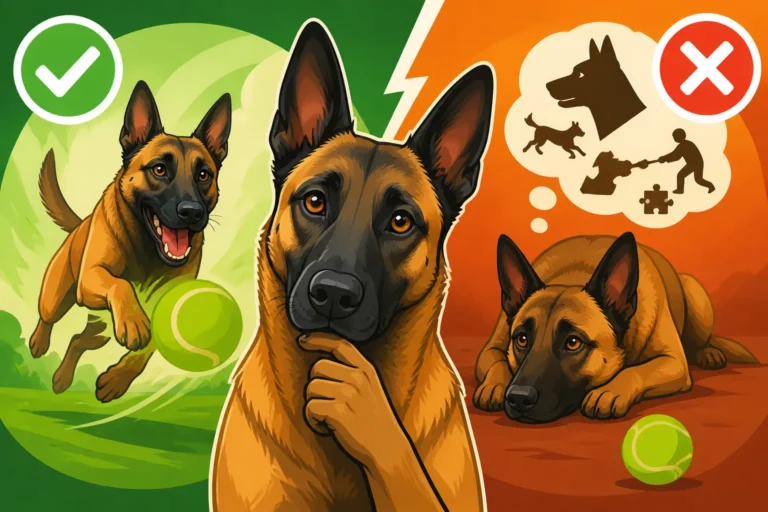
One of the biggest misconceptions about a Malinois is that physical exercise alone will tire them out. While they certainly need an immense amount of physical activity, a Malinois's mind needs an equally demanding workout. If their brilliant brains aren't engaged in meaningful tasks, they will find their own "jobs"—and those often manifest as unwanted behaviors, like pulling on the leash.
Think about it: a casual stroll around the block offers little mental stimulation for a dog bred for complex tasks like herding, protection work, or detection. They're processing a million different inputs, but without a specific task to focus on, that processing often translates into a frantic desire to explore everything immediately. A walk, for many Malinois, is their "job," and their job description is often self-written as "investigate everything, as fast as possible." This is why you'll often hear veteran Malinois owners say, Why Walks Alone Do Nothing for a Belgian Malinois. Simply walking is not enough; they need purpose and mental challenge to feel truly fulfilled.
High Energy and Impulsivity
It goes without saying that Malinois are high-energy dogs. But it's not just energy; it's an intense, often impulsive energy. They live in the moment and act on their instincts with remarkable speed. This impulsivity means that when they see something that triggers their drive, there's very little lag time between the trigger and their physical reaction. They don't stop to think, "Hmm, perhaps I should wait for my handler." They just go.
This impulsivity, combined with their sheer strength and athleticism, makes managing them on a leash a formidable task. A quick lunge from a 60-pound Malinois can easily throw an unsuspecting owner off balance. It’s a constant tug-of-war, literally, where their instinct to move forward with force often overrides any fleeting thought of polite leash manners. The longer this goes unaddressed, the more ingrained the habit becomes, making those powerful lunges feel like an unbreakable part of their daily routine.
Equipment That Can Help (and What to Avoid)
When facing a Malinois that pulls, the right equipment can make a world of difference, not as a magical cure, but as a tool to help you manage and communicate more effectively. However, it’s crucial to understand that no piece of equipment will replace consistent training.
Head Halters vs. Front-Clip Harnesses
These two tools are often recommended for dogs that pull because they offer different points of control than a traditional collar.
-
Head Halters (like the Gentle Leader or Halti): These work much like a horse's halter, giving you control over the dog's head. Where the head goes, the body often follows. If your Malinois tries to lunge, a head halter will turn their head to the side, redirecting their attention and making it physically awkward for them to pull forward with full force.
- Pros: Very effective at reducing pulling power. Can offer immediate relief to your arm. Helps redirect focus more easily.
- Cons: Many dogs initially dislike them and will try to paw them off. Requires careful introduction and positive association to prevent negative feelings. Can be mistaken for a muzzle, leading to public perception issues.
- Best Use: For dogs with very strong pulling habits, or owners who need immediate physical relief while working on training. Introduce it slowly with treats and short sessions.
-
Front-Clip Harnesses (like the Easy Walk or Freedom Harness): Unlike traditional back-clip harnesses that can actually encourage pulling (think sled dogs!), a front-clip harness has the leash attachment point on the dog's chest. When your Malinois pulls, the leash pulls them to the side, preventing them from leaning into the pull with their full body weight.
- Pros: Generally more accepted by dogs than head halters. Distributes pressure more evenly across the chest. Can be quite effective for moderate to strong pullers.
- Cons: Can sometimes restrict shoulder movement if not fitted correctly. Still allows some degree of pulling, just less effective pulling. May tangle with the dog's legs during strong lunges. You can read more about Whether a Front Clip Harness Holds a Belgian Malinois if you're considering this option.
- Best Use: A good middle-ground option for many Malinois. Look for brands on platforms like Amazon that offer durable, well-fitting designs.
Training Collars and Their Proper Use
For a high-drive breed like a Malinois, traditional flat collars often offer too little control, especially when they're intensely focused on a distraction. More specialized training collars can provide clearer communication, but they must be used correctly and humanely.
-
Prong Collars (sometimes called pinch collars): These collars have blunt, inward-facing prongs that create an even pressure around the dog's neck, mimicking a mother dog's correction. They are not choke collars or meant to cause pain, but rather to provide a distinct, undeniable signal to the dog when tension is applied.
- Pros: Can provide excellent control and clear communication for a Malinois, often with very little force from the handler.
- Cons: Misuse can cause harm or fear. Requires proper fitting and professional guidance for correct application. Can receive negative reactions from the public.
- Best Use: With a professional trainer's guidance, for dogs that are highly unresponsive to other tools. They are about communication, not punishment.
-
E-Collars (Electronic Collars): These collars deliver a low-level stimulation (often called a "tap" or "tensile") that can be used to interrupt unwanted behaviors or reinforce commands from a distance. They are highly sophisticated tools and absolutely require professional instruction.
- Pros: Offers precise, remote communication, excellent for proofing commands in highly distracting environments. Can be invaluable for off-leash reliability and safety.
- Cons: Very easy to misuse, leading to fear, anxiety, or aggression if not introduced and used correctly. High upfront cost.
- Best Use: Only with the guidance of a qualified e-collar trainer. Never as a shortcut, but as an advanced communication tool. Learning about E-Collar Timing on a Belgian Malinois is critical if you're considering this path.
Table: Comparison of Leash Walking Tools for a Pulling Malinois
| Tool Type | Control Level | Primary Mechanism | Pros | Cons | Best Use Case |
|---|---|---|---|---|---|
| Flat Collar | Low | Pressure on throat/neck when pulled | Simple, common, generally accepted. | Offers minimal control against strong pulling; can cause tracheal damage. | Well-trained dogs, minimal distractions, small dogs. |
| Front-Clip Harness | Moderate | Redirects dog sideways when pulling from chest attachment | Reduces forward pulling power, less strain on neck. | Can tangle legs, some dogs still pull, may restrict shoulder movement if ill-fitting. | Moderate pullers, dogs with neck sensitivities. |
| Head Halter | High | Guides head; where head goes, body follows | Excellent control, reduces pulling significantly. | Many dogs resist initially, requires positive conditioning, can be mistaken for a muzzle. | Strong pullers, immediate need for physical control. |
| Prong Collar | High | Even pressure around neck (like a "pinch") | Clear communication with minimal force, quick response. | Requires professional fitting & training, can be misused, negative public perception. | Unresponsive pullers, under expert guidance. |
| E-Collar | Very High | Remote stimulation to interrupt/reinforce | Precise, distant communication, builds off-leash reliability. | Easy to misuse, expensive, requires professional instruction, can cause fear if used improperly. | Advanced training, off-leash work, under expert guidance. |
Leash Lengths and Material Choices
Your leash is your direct line of communication.
- Standard 4-6 Foot Leash: This is the workhorse for loose leash training. It provides enough length for your dog to explore a little but keeps them close enough for you to maintain control and reinforce good behavior. Opt for durable nylon or leather that feels comfortable in your hand.
- Avoid Retractable Leashes: While tempting for giving your Malinois "more freedom," retractable leashes teach dogs that pulling extends their range. They offer inconsistent tension, making it impossible for a dog to learn where the end of the leash is, and they provide little to no control when a Malinois lunges. They are also notoriously dangerous, leading to burns, falls, and injuries for both dog and handler.
Training Strategies to Build a Loose Leash Walk
The real solution to a Malinois that pulls lies in consistent, positive, and systematic training. This isn't about stopping the pull; it's about teaching your dog that staying with you, rather than ahead of you, is the most rewarding choice.
Building Engagement Before You Step Out
Before you even open the door, you need to establish that you are the most interesting thing in your dog's world, even when exciting distractions are present. This means building a strong foundation of engagement. Practice attention exercises indoors and in low-distraction environments first.
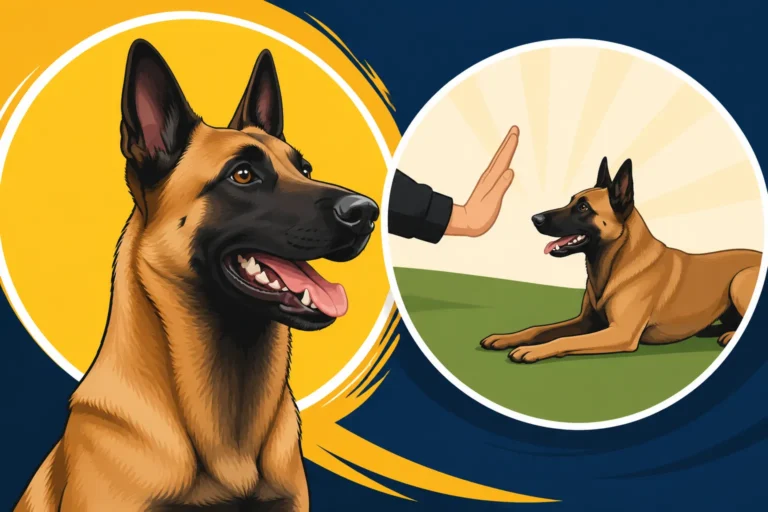
- "Watch Me" or Eye Contact: Teach your Malinois to look into your eyes on command. Start in a quiet room, hold a treat by your nose, say "Watch Me," and reward immediately when they look at you. Gradually increase duration and introduce minor distractions. This is your foundation for getting their attention back when they're fixated on something outside.
- Pattern Games: Games like "1-2-3-treat" or simply changing directions frequently while walking (and rewarding for sticking with you) help teach your dog to pay attention to your movements. This keeps them guessing and looking to you for direction. A resource like BAXTER & Bella often provides structured puppy and dog training programs that emphasize these foundational engagement techniques, which are crucial for a Malinois.
"Magnet Hand" and Rewarding Attention
Make yourself the central focus of the walk. Your hand, holding treats, should be a "magnet" for your dog's nose.
- Lure and Reward: Start with your Malinois beside you. Hold a high-value treat in your hand at your side, close to their nose. Take a step. If they stay with you, reward. Take another step, reward. Gradually increase the number of steps before rewarding. The goal is for them to learn that being next to you is where the good stuff happens.
- Intermittent Reinforcement: Once they're getting the hang of it, don't reward every single step. Mix it up. Sometimes reward after one step, sometimes after three, sometimes after ten. This makes the reward unpredictable and keeps them engaged and hopeful. They're constantly checking in, thinking, "Is this the moment for a treat?" This unpredictability actually makes the behavior stronger.
Structured Walk Techniques
Beyond simply rewarding attention, structured techniques help physically guide your Malinois into the desired behavior.
- Stop-and-Go: The moment your Malinois pulls, stop moving. Stand still like a tree. Don't say anything, don't yank the leash. Just stop. They'll eventually look back at you, confused. The second the leash slackens, even for a moment, mark that behavior (with a verbal marker like "Yes!" or a clicker) and immediately resume walking. If they pull again, stop again. This teaches them that pulling literally gets them nowhere, and a loose leash makes the walk continue.
- Change Directions: Walk in zig-zags, make unexpected turns, and perform sudden U-turns. The moment you change direction, reward your Malinois for staying with you and adjusting. This keeps them attuned to your movements and prevents them from charging ahead blindly.
- Threshold Training: Practice calm entrances and exits from your home, car, or gate. If your Malinois pulls or tries to bolt out the door, close it and reset. Only proceed when they are calm and offering a loose leash. This instills the idea that calm behavior grants access to exciting things.
Integrating Distraction Training
You can't expect your Malinois to ignore a squirrel after only training in your quiet living room. You need to gradually introduce distractions.
- Controlled Exposure: Start with very low-level distractions, far away. For example, walk on the opposite side of the street from a barking dog, or far away from a busy park. Reward heavily for any calm behavior or attention on you.
- Increase Proximity: Slowly, over many sessions, decrease the distance to the distraction. Always aim for success – if your dog is pulling too much, you're too close, and you need to increase the distance again. The key is to keep your Malinois "under threshold," meaning they are aware of the distraction but not so overwhelmed that they can't focus on you.
- Practice "Leave It": Teach a strong "Leave It" command for objects, smells, and even other animals. Start with low-value items indoors and work your way up to real-world distractions. This gives you a verbal tool to redirect their attention.
Consistency and Patience
This is perhaps the hardest part, but the most critical. A Malinois isn't going to unlearn years of pulling overnight. It takes thousands of repetitions, unwavering consistency from every family member who walks the dog, and immense patience. Every walk, even a short potty break, is a training opportunity. There will be days when you feel like you're making no progress, but stick with it. Celebrate the small wins, like two steps with a loose leash, and remember why you're doing this: for a better relationship with your incredible dog.
Beyond the Leash: Holistic Management for a Distraction-Prone Malinois
While leash training is essential, managing a Malinois that pulls also requires addressing their overall needs. A well-exercised, mentally stimulated, and balanced Malinois is far less likely to be a freight train on a leash.
Mental Stimulation and Enrichment
Remember, a Malinois needs a job. Physical exercise is great, but mental work truly tires them out.
- Puzzle Toys and Interactive Feeders: Incorporate toys that make your Malinois think to get their food. Brands available on Amazon offer a wide range of durable puzzle toys that can keep their minds busy. Puzzle Work for a Belgian Malinois Indoors can be a lifesaver on rainy days or when you need a mental break.
- Nose Work or Scent Detection: This is fantastic for Malinois! Their powerful noses and drive make them naturals. Hiding treats around the house or in the yard, or taking a class in formal scent detection, taps into their natural abilities and provides incredible mental exhaustion. You can explore Starting Scent Detection With a Belgian Malinois to see if it's a good fit.
- Obedience Training: Ongoing obedience training, even beyond the basics, keeps their minds sharp. Learning new tricks, perfecting existing commands, or engaging in canine sports like rally obedience provides structure and mental challenge. For a breed that thrives on knowing what's expected of them, this constant learning is invaluable. The Mental Work That Finally Tires a Malinois Out isn't just a saying; it's a Malinois fundamental.
Controlled Socialization and Exposure
For a Malinois prone to distraction, simply throwing them into a busy dog park or crowded street can be counterproductive, leading to overstimulation and heightened reactivity. Instead, focus on controlled, positive exposure.
- Observation Sessions: Take your Malinois to a park or busy area and sit at a distance where they can observe without reacting intensely. Reward calm observation. This is about desensitization – teaching them that distractions exist, but they don't always require a reaction.
- Neutral Encounters: Arrange controlled, brief, and positive interactions with calm, well-mannered dogs or people. The goal isn't necessarily play, but neutrality. Socializing a Belgian Malinois Puppy Safely is a principle that extends throughout their lives.
- Muzzle Conditioning: Even if your Malinois has never shown aggression, muzzle conditioning them from a young age is a responsible practice for a high-drive breed. It prepares them for vet visits, emergencies, or situations where you might need to ensure safety. Muzzle Conditioning Before a Malinois Ever Needs One is a useful skill to have.
Importance of Foundational Obedience
A solid foundation of basic obedience commands is non-negotiable for a Malinois. These commands become your anchors in a distracting world.
- "Watch Me" / Eye Contact: As mentioned, this is your emergency brake.
- "Leave It": This teaches impulse control.
- "Come" / Recall: A reliable recall is paramount, especially when working on Long Line Work With a Malinois in Open Ground.
- "Heel": This is the ultimate loose-leash walking command, where your dog stays precisely by your side, regardless of distractions. It's not just "not pulling"; it's active engagement and position.
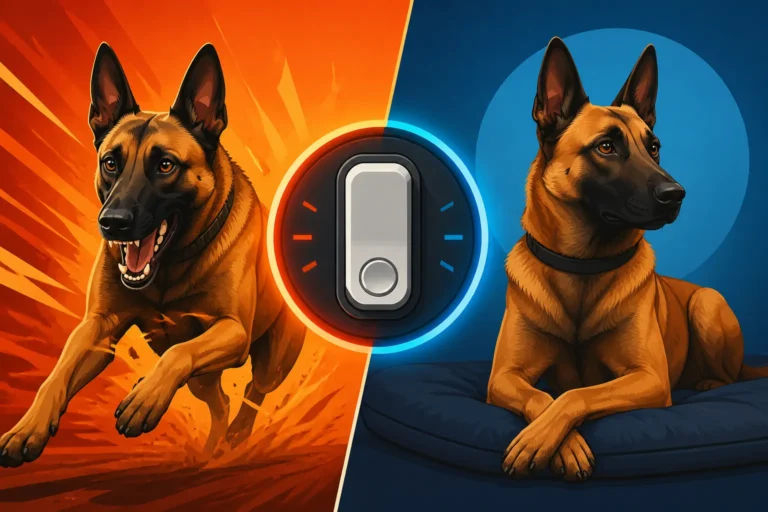
- "Place" / Settle: Teaching your Malinois to go to a designated "place" (like a mat or bed) and settle quietly, even with activity around them, builds impulse control and an "off switch" that can be generalized to walks.
Remember, every step you take with your Malinois is a learning opportunity. By understanding their inherent drives, using appropriate tools, implementing consistent training strategies, and addressing their holistic needs for mental and physical engagement, you can move from being dragged down the street to enjoying a truly connected walk with your incredible canine partner. It's a journey, not a destination, but it's a journey worth taking.
Disclaimer
This article is for general informational purposes only and does not constitute professional advice. Laws, prices and regulations vary by location and change over time. Consult a qualified professional for guidance on your specific situation.