Teaching a Malinois to Walk Without Dragging You
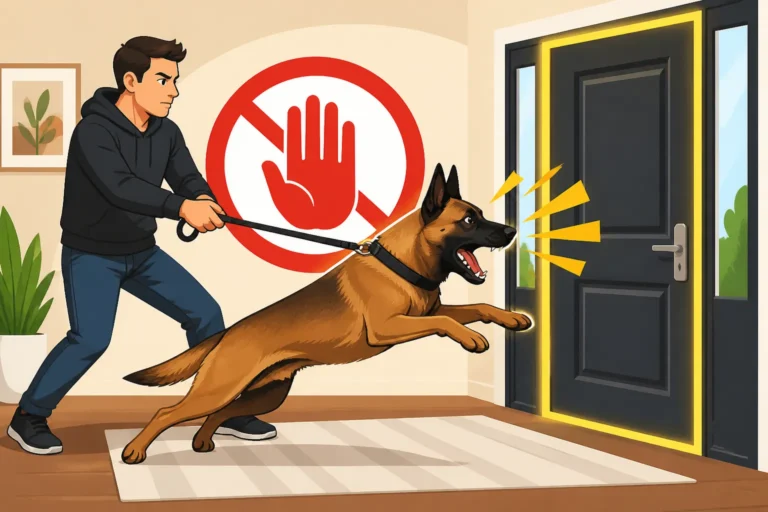
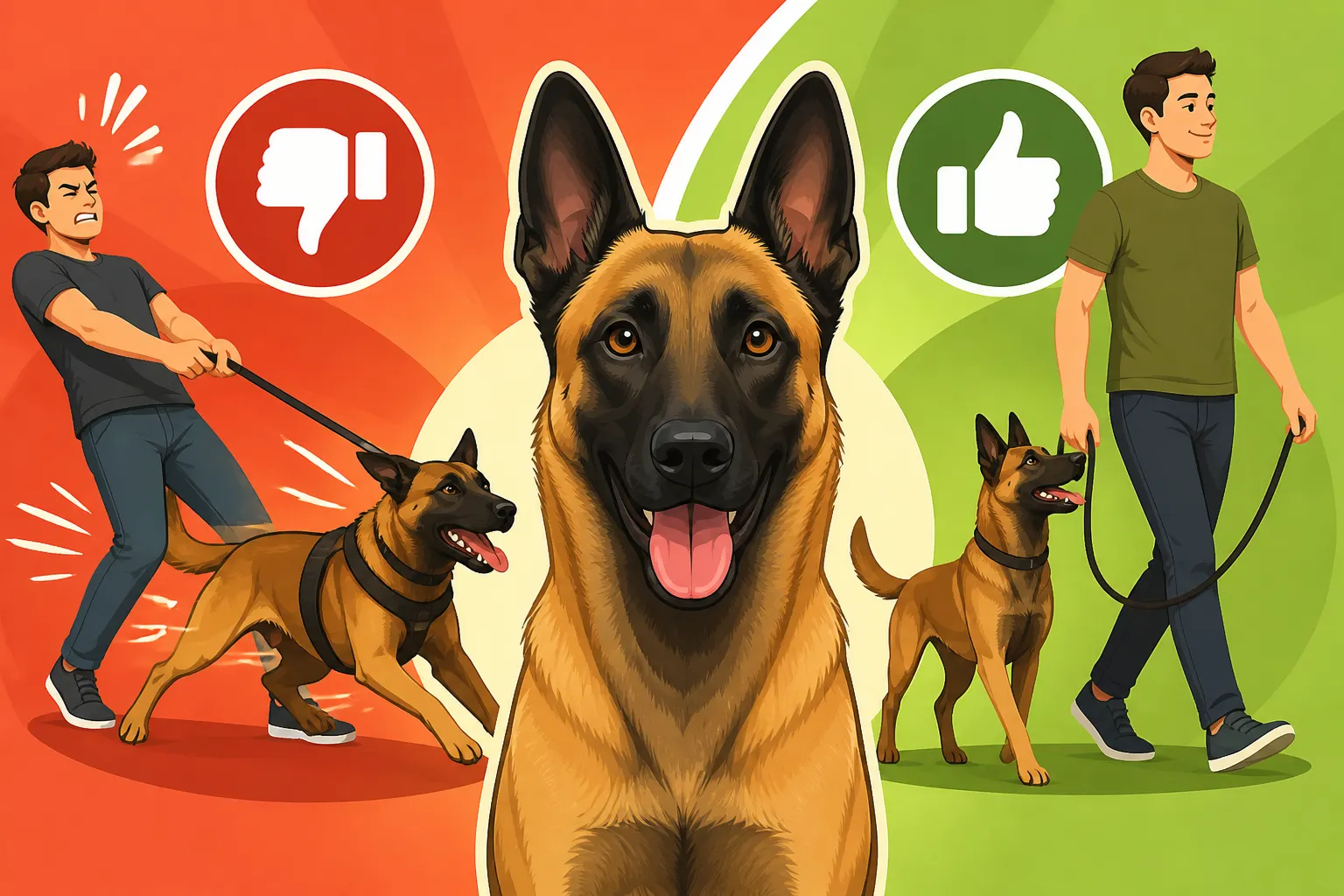
Let's be honest, walking a Belgian Malinois can often feel less like a leisurely stroll and more like a high-stakes tug-of-war. That relentless forward momentum, the sudden lunges, the feeling of your shoulder being yanked out of its socket – it’s a frustrating and often physically draining experience for many Malinois owners. This guide is here to help you understand why your Malinois pulls so hard and, more importantly, to equip you with the strategies and tools you need to finally enjoy a calm, loose-leash walk with your powerful companion.
Understanding the Malinois Mindset: Why They Pull
Before we can teach our Belgian Malinois not to drag us down the street, it's crucial to understand the deeply ingrained reasons why they do it in the first place. It’s not out of malice or disrespect, but rather a combination of powerful instincts and a profound drive that, if left unaddressed, can make every walk a battle.
Instinctive Drive and Energy Levels
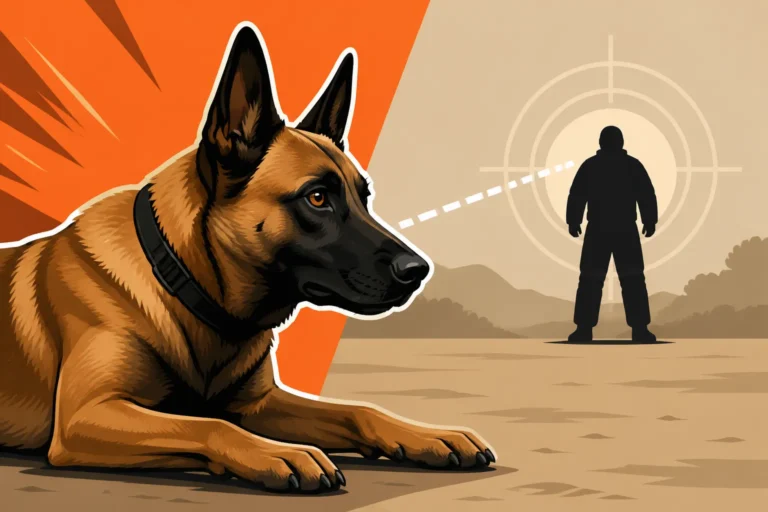
Belgian Malinois are not your average couch potatoes; they were bred for intense work – herding, protection, police, and military tasks that demand incredible athleticism, focus, and a strong drive to move forward. This breed possesses an almost insatiable energy level and a profound desire to engage with the world around them. When you step outside, every scent, every moving leaf, every distant squirrel is an overwhelming invitation to explore, chase, and investigate. Their natural inclination is to get there as fast as possible, and if you’re at the other end of the leash, you’re simply an anchor slowing them down. For a Malinois, pulling often feels like the most efficient way to get to their next "job" or point of interest. It's their inherent drive manifesting itself. How Many Hours a Belgian Malinois Should Work Daily is a testament to their energy.
Moreover, their physical power is immense for their size. A seventy-pound Malinois can exert a surprising amount of force when they're determined to go somewhere. They're built for speed and endurance, and they're not delicate flowers. Many owners describe feeling like they're walking a small horse. This raw strength, combined with their mental intensity, creates a formidable challenge for anyone trying to maintain a loose leash. It's easy to feel defeated when your strong, athletic dog is literally pulling you off your feet.
The Power of Positive Reinforcement (Even for Pulling)
Here’s a tough pill to swallow: much of the time, we inadvertently teach our Malinois that pulling works. Think about it. When your Malinois pulls you towards that interesting bush, what happens? They get to the bush. When they pull you to greet another dog, they often get to sniff the other dog. Every time they pull and achieve their objective, even if it's just moving forward a few feet, they are being positively reinforced for the pulling behavior. They learn, "If I pull, I get what I want."
This becomes a self-fulfilling prophecy. The more they pull and succeed, the stronger the habit becomes. It takes a conscious effort on our part to break this cycle and consistently teach them that the only way to move forward and get what they want is by maintaining a slack leash. This isn't about punishing them for their drive, but rather clearly communicating the desired behavior in a way they understand. Understanding Building Engagement With a Belgian Malinois is key here, as you need to be more interesting than the environment.
Lack of Early, Consistent Training
Another major factor in chronic pulling is often a lack of early and consistent training specifically focused on loose-leash walking. Many people focus on basic obedience commands like sit, stay, and come, which are vital, but sometimes loose-leash walking gets overlooked or approached inconsistently. A Malinois puppy, with all its exuberance, needs to be taught from day one that the leash is a communication tool, not a tow rope. If a puppy pulls and gets away with it, that habit is much harder to break when they’re a powerful adult.
Furthermore, consistency is paramount. If one family member lets the Malinois pull, but another tries to enforce loose-leash walking, the dog receives mixed signals. Malinois thrive on clear, predictable rules and structure. They are incredibly smart and will quickly figure out who they can get away with pulling with and in what situations. The lack of a unified front from all handlers can completely undermine any training efforts, leading to frustration for both dog and owner. Remember, The Handler Experience a Belgian Malinois Needs is significant.
Gearing Up for Success: Essential Equipment
Just like a carpenter needs the right tools for a precise job, teaching a Malinois to walk politely requires the right equipment. Using the wrong gear can actually exacerbate the pulling problem or even cause physical discomfort to your dog. Let’s explore the options that can help you regain control and make walks more enjoyable.
The Right Leash and Collar Combination
For a Belgian Malinois, a standard flat buckle collar is generally not sufficient for loose-leash training if pulling is already a strong habit. It offers little leverage and can even be dangerous if your dog pulls hard enough to slip out of it. However, it's still a good foundation for identification tags. When it comes to leashes, avoid retractable leashes at all costs; they teach a dog that pulling creates tension and movement, which is the opposite of what we want. A standard 4-foot or 6-foot nylon or leather leash provides consistent feedback and allows you to maintain control. Leather leashes offer a comfortable grip and durability.
Many trainers recommend a slip lead or a Martingale collar for a Malinois, especially during the training phase. A slip lead acts as both a collar and a leash, tightening gently around the neck when the dog pulls, then loosening immediately when they stop. A Martingale collar is similar but has a limited-slip action, preventing the dog from backing out while still being comfortable when slack. Both provide a fair and clear signal without causing harm. It’s important to learn how to use these correctly, ensuring they sit high and snug behind the ears, rather than low on the throat where they can cause choking or tracheal damage.
Harnesses: Front-Clip vs. Back-Clip
Harnesses can be a fantastic tool, but it's crucial to understand the difference between front-clip and back-clip designs. A back-clip harness, where the leash attaches to a D-ring on the dog’s back, often provides less control over pulling for a strong Malinois. In fact, it can sometimes even encourage pulling, as it allows them to lean into the harness and use their full body weight, similar to a sled dog. Many owners find their Malinois becomes even more powerful with a back-clip harness.
For loose-leash training, a front-clip harness is often a game-changer. The leash attaches to a ring on the dog’s chest. When your Malinois pulls, the leash naturally redirects their body to the side, turning them towards you rather than allowing them to surge forward. This breaks their forward momentum and makes pulling much less effective and less rewarding for them. Brands like Ruffwear or Easy Walk offer excellent front-clip harness options, and you can easily find a wide variety of these harnesses on platforms like Amazon, often with reviews from other Malinois owners. Whether a Front Clip Harness Holds a Belgian Malinois is a common concern, and these designs often work well.
| Equipment Type | Pros for Malinois | Cons for Malinois | Best Use |
|---|---|---|---|
| Flat Collar | Good for ID, basic walks once trained | Little control for strong pullers, risk of slipping out | Trained loose-leash walking, ID tag holder |
| Martingale | Prevents slipping, humane tightening | Less effective for severe pulling | Training tool, secure for escape artists |
| Slip Lead | Good control, quick feedback, all-in-one | Requires proper technique, can choke if misused | Training, quick transitions, strong pullers |
| Back-Clip Harness | Comfortable, good for small dogs | Can encourage pulling in strong Malinois | For already trained dogs, casual walks |
| Front-Clip Harness | Redirects pulling, good control | Can tangle legs if poorly fitted, dog may chew leash | Excellent for loose-leash training |
| Head Halter | Maximum control, steers the head | Requires desensitization, can be unsettling for some dogs | Strong pullers, highly reactive dogs |
Specialized Tools: Head Halters and E-Collars (Carefully Considered)
For Malinois that are exceptionally strong pullers or highly reactive on leash, specialized tools like head halters (e.g., Gentle Leader) or e-collars (electronic collars) can be considered, but only with proper introduction and training.
A head halter works by giving you control over the dog's head, and where the head goes, the body often follows. If your Malinois tries to lunge, a gentle pull on the head halter can quickly redirect their focus back to you. However, many dogs initially resist head halters and require careful, positive desensitization to accept them comfortably. They should never be used to yank or jerk the dog forcefully, as this can cause neck injury.
E-collars are controversial but can be highly effective for advanced loose-leash training, especially for long-line work or off-leash reliability. They provide a precise, consistent, and remote communication tool. However, an e-collar is not a magic bullet and should never be used for punishment. It must be introduced gradually and conditioned to serve as a clear communication cue, similar to a tap on the shoulder, often paired with positive reinforcement. Improper use can create fear, anxiety, and damage your relationship with your Malinois. If you consider an e-collar, seek guidance from a professional trainer experienced in positive, low-level e-collar conditioning. E-Collar Timing on a Belgian Malinois is critical for effective use.
The Art of Loose Leash Walking: Step-by-Step Training
Teaching your Malinois to walk without dragging you is a process that requires patience, consistency, and a clear understanding of how dogs learn. It’s not about brute force; it’s about communication and rewarding the right choices.
Building a Foundation: Engagement Before Movement
Before you even step out the door, you need to establish engagement with your Malinois indoors. Loose-leash walking starts with your dog choosing to pay attention to you rather than the environment. Practice short sessions in a low-distraction environment (your living room, backyard). Start by simply holding the leash and walking a few steps. The moment the leash is slack, mark that behavior with a verbal cue ("Yes!" or a clicker) and immediately reward with a high-value treat. Repeat this over and over.
The goal here is to create an association: slack leash = good things happen! Your Malinois needs to learn that keeping the leash loose is what earns them the privilege of moving forward. If they pull, you stop. If they check in with you, or if the leash goes slack, you reward and continue. This isn't just about walks; it’s about building a strong bond and making yourself the most interesting thing in their world. Why Walks Alone Do Nothing for a Belgian Malinois is important context here – mental engagement is crucial.
The "Stop-Start" Method
This is a foundational technique for teaching loose-leash walking and it's deceptively simple, yet incredibly effective when applied consistently. The principle is this: Any tension on the leash immediately means you stop moving.
- Start Walking: Begin walking with your Malinois on your side.
- Feel the Tension: The instant you feel any tension on the leash – even a slight tautness – immediately stop walking. Become a tree. Do not move forward, do not pull back, just stop.
- Wait for Slack: Stand completely still. Your Malinois might continue to pull, look back at you, or even get frustrated. Wait patiently for the leash to go completely slack. This might involve them turning around, sitting, or just reducing the pressure.
- Mark and Reward: The moment the leash becomes loose, mark the behavior ("Yes!" or click) and reward them with a high-value treat.
- Resume Walking: As you reward, immediately start walking again.
- Repeat, Repeat, Repeat: You will likely stop and start many times during a single walk, especially initially. That’s okay! It’s how your Malinois learns.
The key is absolute consistency. If you sometimes let them pull a little, you undermine the entire process. Your Malinois needs to understand that pulling never gets them where they want to go. Slowly, they will begin to associate a loose leash with forward movement.
Redirection and Reward in Action
Beyond the stop-start method, actively redirecting your Malinois’s attention and rewarding good choices is vital. Carry a pouch full of high-value treats (small pieces of cooked chicken, cheese, or high-quality commercial treats).
- Anticipate and Intervene: As you walk, pay close attention to your Malinois. If you see them about to fixate on a distraction (another dog, a squirrel, a person) and you anticipate a lunge or pull, proactively step in. Use a cheerful voice to call their name, show them a treat, and pivot sharply in the opposite direction before they even have a chance to pull.
- Reward Check-Ins: Malinois are often so focused on their environment that they forget you exist. Actively reward them any time they voluntarily look at you, even for a split second. Use your verbal marker and treat. This encourages them to check in with you more often, reinforcing your position as the leader of the walk.
- Targeting: Teach your Malinois to target your hand with their nose. This can be a useful tool on walks. If they start to pull, present your hand target near your hip. When they touch it, reward them. This gets their focus back on you and encourages them to walk closer.
- "Watch Me" Command: A strong "Watch Me" command is invaluable. Practice this in low-distraction environments first, then gradually introduce distractions. When your Malinois is about to pull, give the "Watch Me" command. The moment they make eye contact, reward heavily. Programs like BAXTER & Bella often have excellent modules on foundational engagement and focus, which are critical before you even hit the sidewalk.
Overcoming Obstacles: Consistency and Real-World Application
Training a Malinois for loose-leash walking isn't a linear path. There will be setbacks, frustrating days, and moments where you feel like you're not making progress. This is where your resolve, consistency, and ability to troubleshoot really come into play.
Tackling Distractions Head-On
Distractions are the ultimate test for loose-leash walking. A Malinois in full drive, fixated on a squirrel or another dog, can be incredibly difficult to manage. You’ll need a systematic approach to tackle these.
- Start Small: Don't expect your Malinois to walk perfectly past a dog park on day one. Begin training in quiet areas with minimal distractions. Your driveway, a quiet street, or a deserted park are good starting points.
- Gradual Increase: Slowly introduce more distractions. Walk on the other side of the street from a dog, keep your distance from busy areas, or work during off-peak hours. The goal is to set your dog up for success, not failure.
- Proactive Management: As mentioned earlier, anticipate distractions. If you see another dog approaching, ask your Malinois for a "Watch Me," feed them a continuous stream of treats as the distraction passes, or simply turn and walk the other way. The goal is to create a positive association with the distraction not being a trigger for pulling or lunging.
- High-Value Rewards: When working around distractions, your everyday kibble might not cut it. You need rewards that are more enticing than the distraction itself. Think boiled chicken, hot dogs, or creamy peanut butter (in a squeeze tube for quick delivery). A Belgian Malinois That Pulls Toward Every Distraction requires a strong counter-conditioning strategy.
The Importance of Handler Consistency
I cannot stress this enough: consistency is the single most important factor in loose-leash walking success with a Belgian Malinois. Every person who walks the dog must use the exact same methods, rules, and cues. If one person lets them pull for the first block, the dog learns that sometimes pulling works. If another person tries to enforce it strictly, the dog gets confused and frustrated.
Create a clear "loose-leash walking protocol" for everyone in the household. Decide on the equipment, the cues, and the consequence for pulling (e.g., stopping immediately). Stick to it relentlessly. Malinois are brilliant problem-solvers; if there's an inconsistency, they will find it and exploit it. This consistent effort is also vital for general obedience and manners. If you’re struggling with this, consider reading up on The Structure a Belgian Malinois Needs Every Day.
When to Seek Professional Help
If you've diligently applied these methods and are still struggling, or if your Malinois exhibits reactivity (barking, lunging, growling) towards other dogs or people on walks, it's time to call in a professional. A certified professional dog trainer or a veterinary behaviorist can observe your specific situation, identify underlying issues, and provide tailored guidance.
Sometimes, pulling is a symptom of deeper anxiety, over-arousal, or a lack of appropriate outlets for their energy. A professional can help you develop a comprehensive training plan that addresses not just the pulling, but also any associated behavioral challenges. They can teach you advanced techniques, assist with proper e-collar conditioning if appropriate, or help you work through serious reactivity issues in a safe and controlled manner. Don't be ashamed to seek help; Malinois are complex, high-drive dogs, and sometimes an expert eye is exactly what you need to move forward successfully. What a Behaviorist Charges to Assess a Malinois can be a worthwhile investment.
Loose-leash walking with a Belgian Malinois is a marathon, not a sprint. It requires commitment, understanding, and an unwavering dedication to consistency. But trust me, the reward of a calm, enjoyable walk with your incredible companion is absolutely worth every ounce of effort.
Disclaimer
This article is for general informational purposes only and does not constitute professional advice. Laws, prices and regulations vary by location and change over time. Consult a qualified professional for guidance on your specific situation.