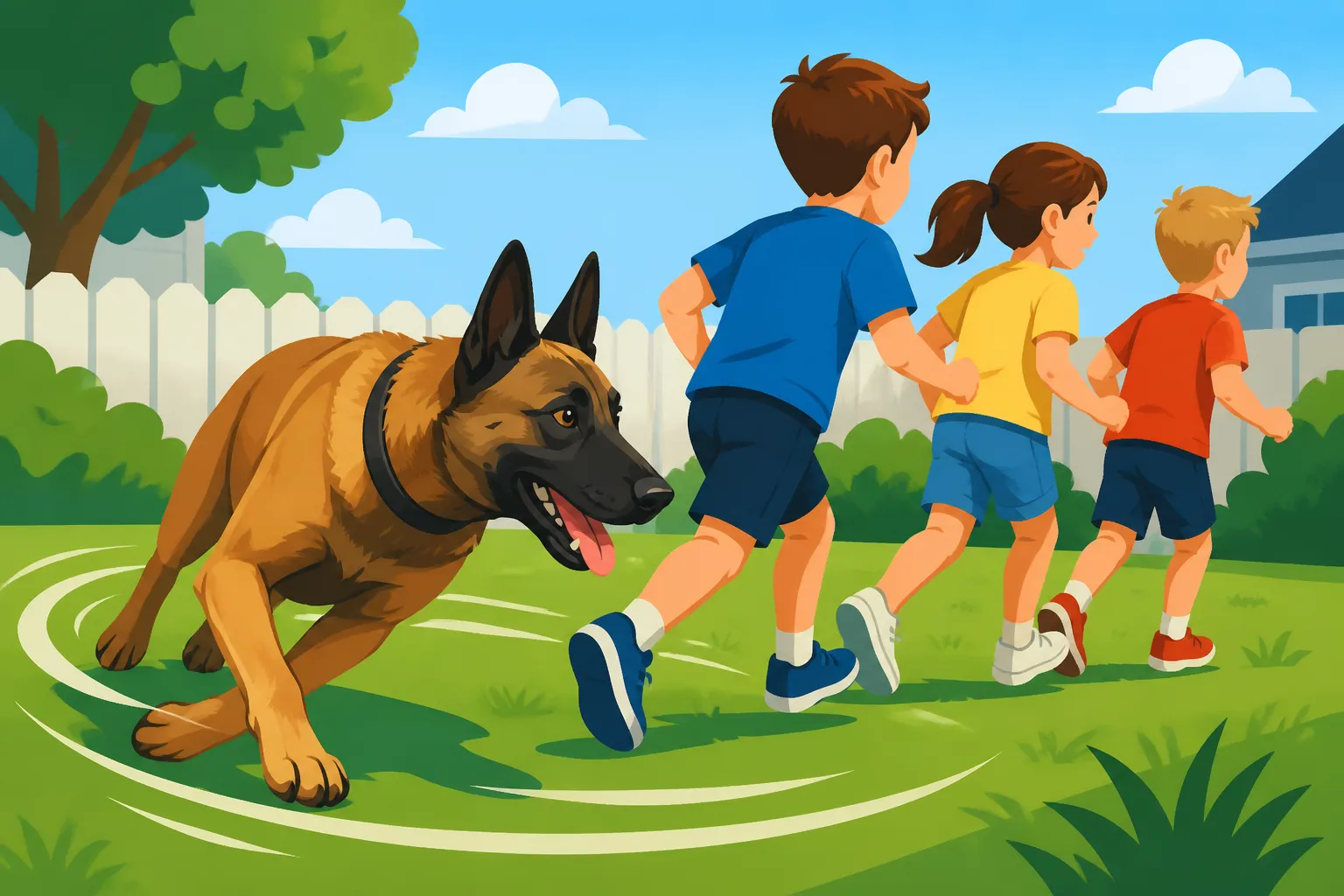
A Malinois That Herds Children Around a Yard
It’s a scene many Belgian Malinois owners can find themselves in, especially when kids are involved: you look out into the yard, perhaps with a touch of amusement at first, only to realize your Malinois isn't just playing with the children. It's actively trying to herd them, nipping at heels, circling them, and attempting to gather them up like a flock of sheep. This behavior, while stemming from a deep-seated instinct, can quickly become concerning, even dangerous, if not understood and managed properly. This guide will delve into why your Malinois might be herding the children and, more importantly, equip you with practical strategies to manage and redirect this powerful drive, ensuring a safe and harmonious home for everyone.
The Instinctive Roots of Herding Behavior in Malinois
When you see your Belgian Malinois trying to "collect" your children, it's not usually out of malice or aggression. Instead, it's often a vivid demonstration of the breed's historical purpose, a powerful instinct that has been carefully cultivated over generations. Understanding this fundamental aspect of their nature is the first step in addressing the behavior.
A Glimpse into the Malinois's Past Role
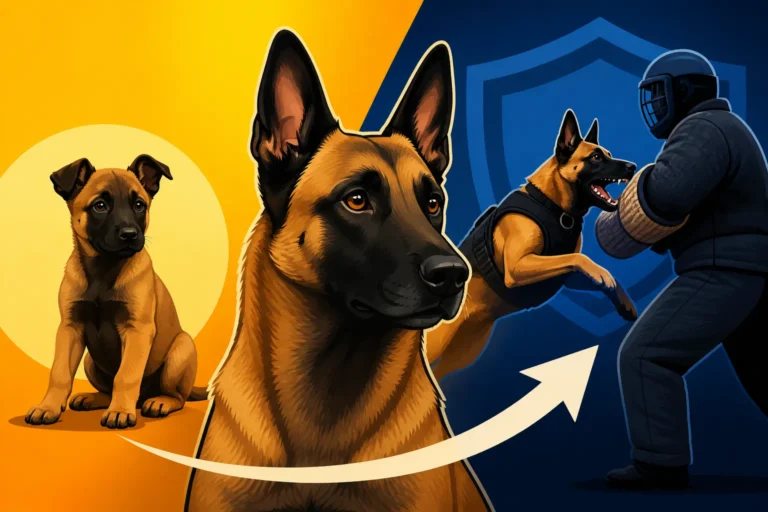
The Belgian Malinois, like its other Belgian Shepherd cousins, was originally bred to be a versatile working dog on farms. Their primary job was often herding livestock—sheep, cattle, even poultry—across fields and through gates. This wasn't just about moving animals; it was about controlling their direction, keeping them together, and often protecting them from predators. To do this effectively, they developed a suite of behaviors: intense focus, swift movement, nipping at heels to encourage movement, and a strong desire to gather and contain. These traits were highly valued and selectively bred for, creating the intelligent, driven, and highly energetic dogs we know today.
Imagine a busy farm in the late 19th century. A farmer relies on his Malinois to manage a flock of sheep, pushing them away from a dangerous boundary or guiding them into a pen. The dog isn't just barking; it's using its body, its eyes, and sometimes its mouth to exert control. This is the blueprint for the behaviors you might be seeing directed at your kids. The dogs didn't just walk next to the sheep; they actively engaged, nudged, and sometimes corrected them to maintain order. While our modern Malinois might be living in a suburban backyard rather than a vast pasture, that deeply ingrained programming is still very much alive and well. It's not a switch you can simply turn off; it's an intrinsic part of who they are, an echo of their ancestors' daily work.
The Difference Between Herding Livestock and Herding Humans
While the instinct is the same, the manifestation of herding behavior towards children can be quite different—and more problematic—than when directed at livestock. With sheep, a quick nip to the hock or a firm body block is understood within the context of their interaction. Livestock are generally robust and respond predictably to these signals. Children, on the other hand, are neither robust in the same way, nor do they understand these nuanced canine communications. A playful "nip" from a Malinois that means "move this way!" to a sheep can easily cause pain, fear, or injury to a child.
Furthermore, children's movements often mimic the very actions that would trigger a herding dog's instincts. Running, squealing, erratic movements, and chasing each other all closely resemble the chaotic, fleeing behavior of livestock. To a Malinois, this isn't just kids playing; it's a herd that needs to be brought into order. They perceive a lack of control and feel an innate compulsion to rectify it. This is why you'll often see them circling, trying to block paths, or gently (or not so gently) grabbing clothing or even skin. It's not aggression in the predatory sense, but a management attempt that is completely inappropriate and potentially dangerous for human children. Understanding that your dog isn't trying to hurt your child, but rather trying to control them based on deeply ingrained patterns, can help you approach the situation with patience, while still recognizing the immediate need for intervention and training. The Herding Instinct Still in a Belgian Malinois is a topic that really helps underscore this point.
Understanding the "Why": What Drives a Malinois to Herd Children
It's one thing to know that your Malinois has herding instincts, but another to pinpoint why those instincts are kicking in specifically with your children. There are often specific triggers and circumstances that bring this behavior to the forefront.
Recognizing the Signs of Budding Herding Behavior
Before the full-blown circling and nipping begins, there are often subtle cues that your Malinois is about to engage its herding drive. Learning to recognize these early signs can allow you to intervene before the situation escalates. Look for intense eye contact, often called the "herding eye," where your dog fixates on a child's movement with unwavering focus. Their body language might become stiff, low to the ground, or they might adopt a crouched, stalking posture. You might notice them starting to circle wide around the children, or positioning themselves to cut off a child's path.
Other early signs can include a low growl or whine of frustration if the "herd" isn't responding, or a persistent nudging with their nose. Some Malinois might begin to "collect" toys or other objects and try to keep them in one place, which is another manifestation of their desire to gather and control. If you catch these behaviors when they're still subtle, you have a much better chance of redirecting your dog. For instance, if you see your Malinois staring intently at your child who is starting to run, that's your cue to step in, call your dog away, or redirect its attention to an appropriate toy or task. Ignoring these early warning signs often allows the behavior to solidify and become harder to manage.
Common Triggers in a Family Setting
In a busy household with children, there are countless scenarios that can unintentionally trigger a Malinois's herding instinct. Fast, unpredictable movements are perhaps the biggest culprit. Children running, chasing each other, riding scooters or bikes, or even just tumbling around playfully can activate that deep-seated drive to gather and control. Loud, high-pitched noises, like squeals of laughter or excited shouts, can also contribute to the chaos that a Malinois perceives as a "disorganized flock."
Think about typical backyard play: a group of kids running in different directions, suddenly changing course, perhaps a child falling and getting up quickly. To a Malinois, this isn't just play; it's a frantic, disorganized herd. They might try to stop a child who is running too fast, or round up a group that is scattering. The desire to bring order to perceived chaos is incredibly strong. Even activities like swinging on a swing set can trigger the instinct, as the swinging motion might be interpreted as an animal trying to break away from the flock. Understanding these common triggers is crucial for managing the environment and proactively preventing situations where your Malinois feels compelled to herd. It's about recognizing that what seems like innocent child's play to us can be a powerful call to action for a herding breed like the Malinois. This is an important consideration when evaluating A Belgian Malinois in a House With Kids and Dogs.
Practical Strategies for Managing Herding Around Kids
Once you understand why your Malinois is herding the children, you can start implementing effective strategies to manage and eventually mitigate this behavior. This isn't a quick fix, but a consistent, patient approach.
Implementing Immediate Management Techniques
The very first step when you observe herding behavior is immediate, calm intervention. Do not let your Malinois practice this behavior. If your dog starts to herd, immediately separate the dog from the children. This could mean putting the dog on a leash, calling it to you for a "place" command, or even calmly leading it to a different room or its crate. The goal is to break the pattern and prevent the behavior from being reinforced. Yelling or harsh punishments are generally counterproductive, as they can either excite the dog further or make it fearful, which can exacerbate other behavioral issues.
Consider setting up physical barriers like baby gates or using a long line on your dog even in the yard, so you can quickly and safely intervene. For example, if the kids are outside playing and your Malinois is getting overstimulated, a simple drag line can give you a handle to redirect them before they even make a move. For a dog that consistently struggles to self-regulate, keeping them tethered to you indoors or crated during times of high activity can be a lifesaver. Tools available on platforms like Amazon can be invaluable here, from sturdy baby gates to comfortable indoor tethers that allow your dog to be present but not directly involved in the action. Remember, prevention is key; don't wait for the nip to happen before you act.
Redirecting Herding Drive to Appropriate Outlets
Since you can't eliminate the herding instinct, the next best thing is to provide appropriate, structured outlets for it. This means channeling that intense drive into activities that are safe and fulfilling for your dog. Consider dog sports like Treibball, where dogs learn to push large exercise balls into a "goal," mimicking herding livestock. Herding trials (if you have access to them and a dog suitable for actual livestock) are another excellent option, allowing your Malinois to use its natural abilities in a controlled environment. Even advanced obedience or The Mental Work That Finally Tires a Malinois Out like scent detection can tap into their focus and drive, offering a job for their brain.
Tug-of-war is another fantastic way to engage a Malinois's prey drive and energy, provided you establish clear rules, such as "out" and "take it" commands. This helps channel their oral fixation and high drive in a controlled manner. Channeling a Belgian Malinois's Prey Drive Into a Tug is a skill every Malinois owner needs to master. Fetch, especially with multiple balls or a frisbee, can also be a good physical outlet, but be mindful not to over-stimulate your dog to the point where they become obsessive or reactive. The key is to engage their mind and body in ways that fulfill their need to work and manage, without involving your children.
Here's a quick comparison of appropriate vs. inappropriate herding outlets:
| Behavior Type | Inappropriate Outlet (Towards Kids) | Appropriate Outlet (Redirected Drive) |
|---|---|---|
| Nipping/Bumping | Nipping at heels, pushing children with nose | Pushing a Treibball, controlled tug play |
| Circling/Gathering | Rounding up running children | Working a herding course, playing "find it" with scattered toys |
| Stalking/Fixating | Intense stare at moving child | Focus during advanced obedience, scent work, tracking |
| Control/Management | Blocking child's path, corralling | Agility courses, rally obedience, structured retrieve games |
| High Energy Output | Frantic chasing, endless pursuit | Running alongside a bike, swimming, long structured hikes |
Training Commands to Control Herding Impulses
Obedience training is paramount for a Belgian Malinois, especially one with strong herding instincts. Commands like "leave it," "stay," "off," and a solid "recall on a Belgian Malinois in full drive" are absolutely critical. These aren't just parlor tricks; they are lifelines. Teach your dog that "leave it" means to disengage from whatever they are focused on, whether it's a dropped treat or a running child. A rock-solid "stay" can keep your dog safely out of the action when children are playing, or while you're managing a chaotic situation.
Working on impulse control is a daily, ongoing process. Practice these commands in increasingly distracting environments. Start in a quiet room, then move to the backyard, and eventually to public places with more stimuli. Enlist the help of a professional trainer experienced with working breeds if you're struggling. Companies like BAXTER & Bella offer online resources and puppy training programs that emphasize foundational obedience and impulse control, which are vital for a Malinois from a young age. Remember, your Malinois thrives on having a job, and responding to your commands should be their most important job when children are present. This helps them understand that you are in charge of the "herd" (your children), not them. A strong foundation in Building an Off Switch Into a Belgian Malinois is also incredibly beneficial.
Preventative Measures and Training from Puppyhood
The best way to manage herding behavior in an adult Malinois is to lay a strong foundation of prevention and proper training during puppyhood. It's much easier to shape behavior from the start than to try and undo ingrained patterns later.
Early Socialization and Exposure to Children
From the moment you bring your Belgian Malinois puppy home, thoughtful socialization is crucial. This doesn't mean letting your puppy loose with a mob of screaming kids, but rather carefully managing controlled, positive exposures. Introduce your puppy to calm, well-behaved children under strict supervision. Teach both the children and the puppy how to interact appropriately. Children should learn to move calmly around the puppy, avoid sudden movements, and respect its space. The puppy, in turn, learns that children are not livestock to be herded, but gentle members of the family to be treated with care.
Enroll in puppy classes that emphasize appropriate social interactions and offer a structured environment. The Age a Belgian Malinois Puppy Starts Training is generally as soon as they come home. Make these interactions positive experiences, always ending before the puppy becomes overstimulated or anxious. Reward calm behavior around children. This early conditioning helps your Malinois puppy develop a positive association with kids, viewing them as companions rather than objects of its herding instinct. Without this careful introduction, a puppy might develop inappropriate habits that become much harder to break later on.
Consistent Structure and Supervision
A Belgian Malinois thrives on structure and clear boundaries. This is especially true when it comes to managing their interactions with children. Establish clear rules: perhaps the dog is never allowed to chase children, or is always on a leash when children are actively playing. Supervision should be constant and vigilant whenever children and your Malinois are together, especially during high-energy play. Do not leave them unsupervised, even for a moment. This breed is quick, intelligent, and their instincts can kick in faster than you expect.
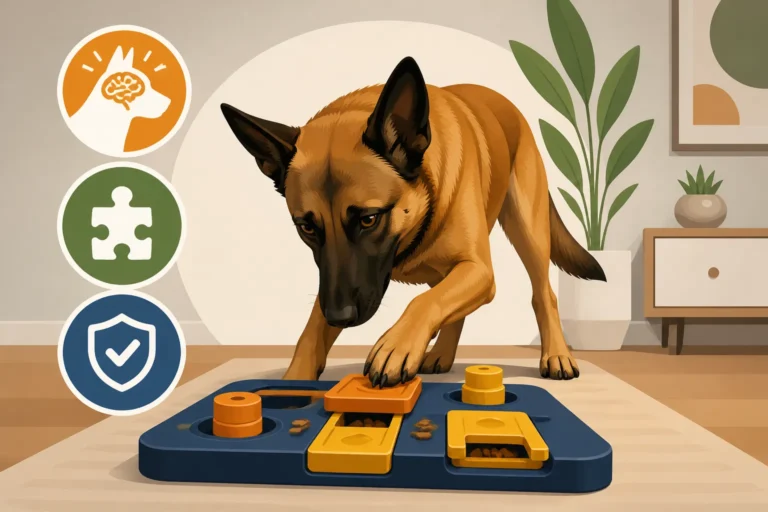
Your Malinois needs to understand its place within the family hierarchy, and that includes respecting the children as higher-status members of the "pack." This doesn't mean the dog can't be affectionate, but it needs to learn that it does not have the authority to control or manage the children's movements. Consistent training, clear expectations, and regular physical and mental exercise are key to a well-adjusted Malinois that understands its role. How Many Hours a Belgian Malinois Should Work Daily is a vital consideration for keeping their high drive channeled productively. Provide appropriate chew toys and puzzle feeders as alternatives to engaging with the kids in an undesirable way, helping to fulfill their mental needs.
Choosing the Right Tools for Safe Management
Having the right tools at your disposal can make a world of difference in safely managing a Malinois around children. This goes beyond just a leash and collar. Consider investing in high-quality, sturdy crates that serve as safe spaces for your dog when children are active or when you need a break from supervision. Crates, Kennels and Heat Alarms for a Belgian Malinois are essential items for any Malinois owner. Baby gates are invaluable for creating physical separation, allowing your dog to be in the same general area but preventing direct contact during boisterous play.
A comfortable, well-fitting muzzle, introduced positively through desensitization, can be a crucial safety tool, especially if you have a Malinois with strong herding instincts and mouthy tendencies. It’s not a punishment, but a preventative measure to ensure no accidental nips occur while you work on training. Long lines provide control in open spaces, giving your dog freedom to move but still allowing you to intervene instantly. Remember that these tools are not substitutes for training, but aids to help you manage situations safely while you teach your Malinois appropriate behaviors. Training harnesses and leashes, possibly even a head halter for stronger pullers, can provide better control during walks where children might also be present, preventing your Malinois from attempting to "gather" them or other moving objects. For comprehensive advice on tools and training, The Structure a Belgian Malinois Needs Every Day provides excellent insight.
Disclaimer
This article is for general informational purposes only and does not constitute professional advice. Laws, prices and regulations vary by location and change over time. Consult a qualified professional for guidance on your specific situation.