The Age a Belgian Malinois Starts Protection Work
Many aspiring Belgian Malinois owners dream of the impressive protection work these dogs are renowned for, but often feel confused about when and how to responsibly introduce their energetic pup to such an intense discipline. It's not about throwing a young dog into a bite suit, but about building a robust foundation that allows their natural drives to blossom into controlled, powerful protection. This guide will walk you through the appropriate ages, critical developmental stages, and essential groundwork needed to prepare your Belgian Malinois for protection work, ensuring both safety and success.
Understanding the Foundation: Why Early Training Matters More Than Age
When people ask about the "right age" to start protection work with a Belgian Malinois, they're often thinking of a specific birthday. But the truth is, the foundation for protection work begins the moment you bring your Malinois puppy home, long before any formal bite training ever occurs. This early period isn't about teaching them to bite, but about nurturing their natural drives, building confidence, and establishing communication that will be crucial later on. Without a solid foundation, introducing bite work prematurely can lead to a host of behavioral issues, confusion, and even a loss of drive.
The Importance of Early Socialization and Environmental Exposure
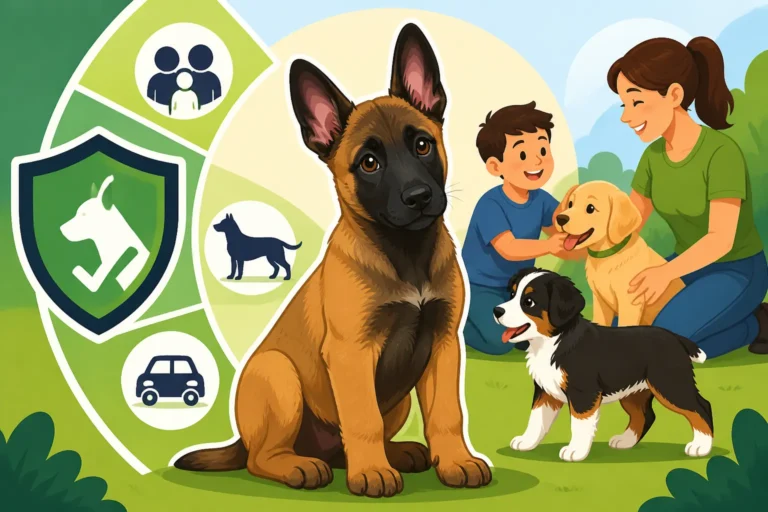
A well-adjusted Malinois is a confident Malinois, and confidence is paramount in protection work. This means exposing your puppy to a wide variety of sights, sounds, textures, and experiences in a positive, controlled manner from a very young age. Think of it as building a mental resilience toolkit. If a dog is easily startled by new things, or lacks confidence in different environments, they're unlikely to perform reliably under the pressure of protection scenarios. Take them to bustling town centers (carried at first, then walking once fully vaccinated), quiet parks, around different types of people (children, men with hats, people with canes), and expose them to various surfaces like grass, concrete, gravel, and even slick floors.
This isn't just about preventing fear; it's about making the world a normal, predictable place so that when they encounter novel situations in training or real-life application, they can focus on their job rather than being overwhelmed by their surroundings. A dog that's constantly looking over its shoulder, or whose tail tucks at a loud noise, is not ready for the mental demands of protection. Many owners find Socializing a Belgian Malinois Puppy Safely a valuable resource during this critical period. Remember, socialization is ongoing, not a one-time event. Even an adult Malinois benefits from continued positive exposure to new things.
Building Drive Through Play and Relationship
The Belgian Malinois is an incredibly high-drive breed, and protection work harnesses these inherent drives. From chasing, to grabbing, to holding, these are all natural behaviors that can be shaped into complex protection routines. The key is to nurture and channel these drives through structured play, primarily using tug toys and balls. This isn't just casual backyard play; it's about building engagement, developing a strong retrieve, and teaching an "out" command – the release of the toy. A dog that doesn't passionately engage with a toy, or refuses to let go when asked, will struggle immensely in protection work.
This is where you start to see the glimmer of what's to come. You want a puppy that is absolutely obsessed with the tug, that will fight for it with gusto, and that sees you as the ultimate bringer of fun. This builds a powerful bond and means they are eager to work with you. Channeling a Belgian Malinois's Prey Drive Into a Tug goes into great detail on how to build this crucial foundation. Many handlers use durable tugs from brands available on Amazon, looking for options that hold up to the incredible strength of a Malinois's jaws. Without this solid drive and relationship, any attempt at protection work will feel like pulling teeth, both for you and your dog.
The Critical Window for Drive Development and Introduction to Protection
While the foundations are laid early, there's a more specific window when a Belgian Malinois begins to show the maturity and physical capability for the initial stages of protection work. This isn't a hard and fast rule, as every dog develops at its own pace, but it provides a general guideline.
The Transition from Puppy Biting to Controlled Grip Work (6-12 Months)
Most Malinois puppies go through what we affectionately call "the shark phase" where they seem to be all teeth, all the time. This typically happens around 3-6 months of age. While frustrating, it's actually an important developmental stage where they learn bite inhibition and how to use their mouths. Slowly, as they mature, this undirected biting should lessen with appropriate redirection onto toys and chews. You can find more on managing this stage in The Shark Phase Every Malinois Puppy Goes Through.
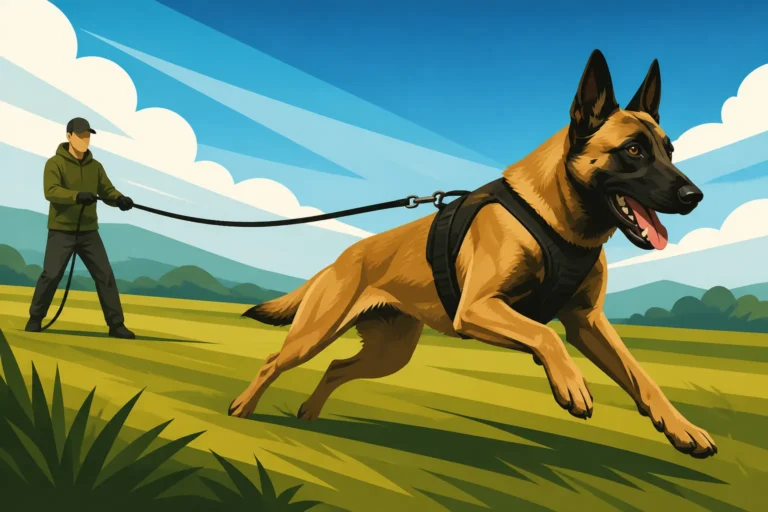
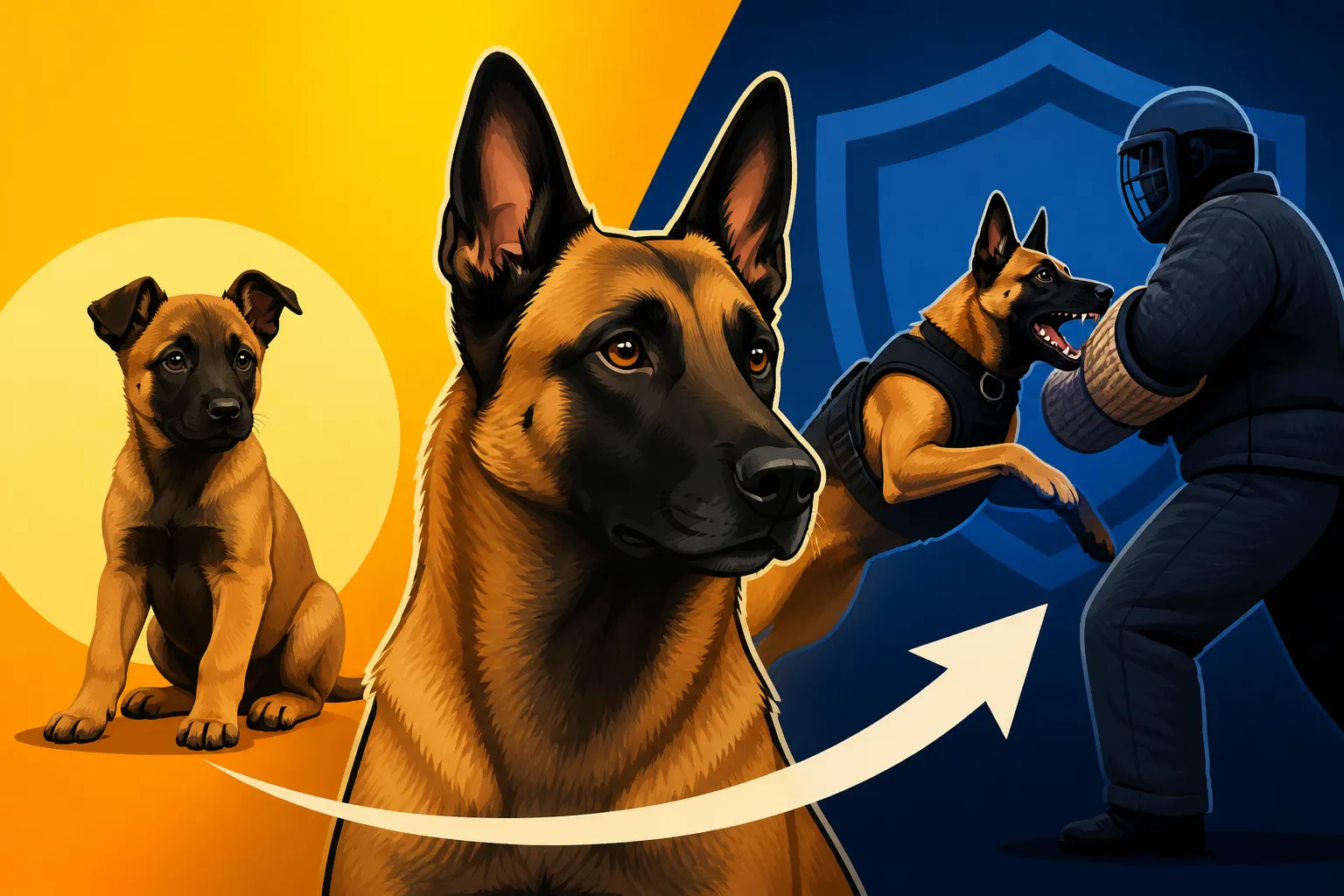
The actual introduction to formal bite work, typically on a soft rag or puppy sleeve, often begins between 6 and 12 months. This is when the puppy's adult teeth are fully in, their body is developing better coordination, and their drives are becoming more pronounced and easier to direct. At this stage, the focus is entirely on building confidence in the bite, developing a full, strong grip, and associating the "fight" with the equipment, not the person wearing it. It's less about defense and more about prey drive. A good club or decoy will start with very short, positive sessions, making it the most exciting game the puppy has ever played. They're not looking for aggression; they're looking for enthusiastic, full-mouth engagement.
Here's a simple comparison of puppy stages and typical training focus:
| Age Range | Key Developmental Milestones | Focus of Training |
|---|---|---|
| 8-16 Weeks | Primary socialization, exploring environment, baby teeth | Leash manners, potty training, crate training, positive exposure, basic play |
| 4-6 Months | Adult teeth erupting, increased confidence/curiosity | Continued socialization, name recognition, engagement games, basic obedience |
| 6-12 Months | Physical growth spurt, increased strength, hormonal shifts | Drive building (tug/ball), introducing foundational bite mechanics (soft rag), formal obedience |
| 12-18 Months | Adolescence, testing boundaries, more mature drives | Refining grip, developing "out," proofing obedience, environmental neutrality |
| 18-24+ Months | Physical and mental maturity, settled temperament | Advanced protection scenarios, combining obedience with bite work, scenario training |
Building the "Out" and Basic Obedience
Before any serious protection work can occur, your Malinois needs to understand the "out" command, meaning to release the bite object immediately. This is not negotiable. A dog that won't out on command is a liability and cannot safely participate in protection sport. Training this starts with toys long before a sleeve is introduced. It's about clear communication and positive reinforcement. Many trainers integrate this into play sessions, rewarding the quick release with another throw or a treat.
Alongside this, solid obedience is critical. Your Malinois needs to be responsive to commands like "sit," "down," "stay," and a rock-solid recall, even under distraction. Protection work isn't just about biting; it's about control. The dog must be able to switch from high-drive protection mode to calm, attentive obedience on command. This is often proofed in distracting environments. Companies like BAXTER & Bella offer online puppy programs that emphasize foundational obedience and engagement, which can be an excellent stepping stone for any future advanced training, including protection work. Obedience a Malinois Needs Before Protection Work highlights these essential skills.
Transitioning from Puppyhood to Formal Protection Training
Once your Malinois has a solid foundation in drive, engagement, and basic obedience, and has shown confidence in taking a bite on a soft article, the transition to more formal protection work can begin. This typically happens as they approach physical and mental maturity.
The Adolescent Stage: Consolidating Skills (12-18 Months)
The period between 12 and 18 months is often referred to as adolescence. Just like human teenagers, Malinois during this time can be a handful. They might test boundaries, seem to "forget" training they previously mastered, and have bursts of intense energy. However, this is also a crucial time for consolidating the foundational skills you've been building. Their bodies are becoming stronger, their grips are developing, and their understanding of concepts is deepening.
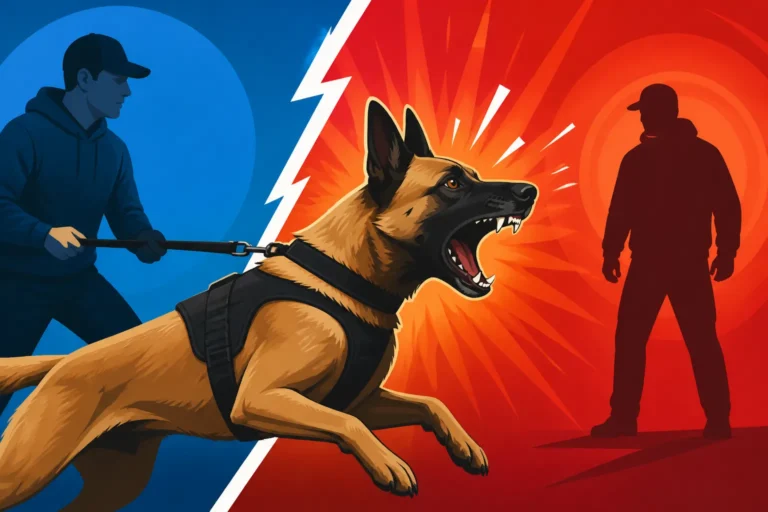
During this stage, a good protection trainer will focus on refining the grip, ensuring it's full and deep, and working on the "out" under increasing distraction. They'll also introduce more controlled aggression (defense drive) in a structured way, teaching the dog when and how to engage defensively, always under handler control. This is where the dog learns that the decoy, not just the equipment, is part of the game. They might start working on different scenarios, such as barking on command or guarding. Remember, this is still very much a learning phase, and consistency is key. Without an "off switch," this powerful dog can be overwhelming, so continuous work on Building an Off Switch Into a Belgian Malinois is vital.
Full Engagement: Ready for Advanced Work (18-24+ Months)
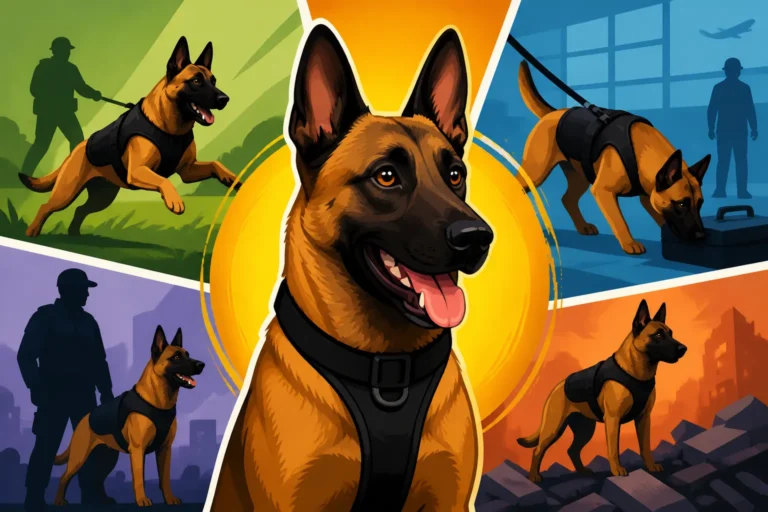
By 18-24 months, most Belgian Malinois are entering physical and mental maturity. This is often the age when they are truly ready for more advanced, complex protection scenarios. Their bodies are robust enough to handle the physical impact, their minds are mature enough to process complex tasks, and their drives are fully developed and channeled. At this point, the dog should have:
- A full, confident, and deep grip on various equipment.
- A reliable "out" command, even in high-drive situations.
- Solid obedience, including staying and recalling under distraction.
- Environmental neutrality – they can work effectively regardless of the surroundings.
- A strong bond and clear communication with their handler.
Formal protection sports like IGP (formerly IPO or Schutzhund), French Ring, or Mondioring will involve specific routines that combine obedience, tracking, and protection phases. What Bite Sport Actually Asks of a Belgian Malinois details the rigorous demands of these sports. This advanced training requires a skilled decoy and a highly experienced handler. An e-collar, such as those available on Amazon from reputable brands, can be an invaluable tool at this stage for refining communication and ensuring compliance over distances, but it must be introduced and used correctly by a professional. It's never a substitute for foundational training.
Key Considerations Before Starting Protection Work
Embarking on protection work with your Belgian Malinois is a significant commitment. It's not something to be taken lightly, and there are several crucial factors to consider beyond just your dog's age.
Finding a Reputable Trainer or Club
This is, arguably, the most important step. You absolutely cannot (and should not) attempt protection training on your own. You need to find a reputable club or trainer experienced with working-line dogs, specifically Belgian Malinois, who prioritize safety, control, and proper drive development. Look for trainers who:
- Focus on building drive and confidence, not just "making the dog bite."
- Emphasize obedience and control as much as the bite work itself.
- Use positive reinforcement and clear communication, even when applying pressure.
- Can explain their methods clearly and are transparent about their goals for your dog.
- Have dogs that are stable, confident, and under control, not just aggressive.
- Prioritize the dog's physical and mental well-being, including health checks like those for The Hip and Elbow Numbers Behind a Malinois Clearance.
Beware of anyone who promises a "guard dog" in a few weeks, encourages aggression without control, or uses harsh, punitive methods without first building a relationship and understanding. A bad experience can ruin a dog's potential or, worse, create a dangerous animal. Interview several clubs or trainers, observe their sessions, and ask for references.
Temperament and Health of Your Malinois
Not every Belgian Malinois, even from good working lines, is suited for protection work. Temperament is paramount. Your dog needs to have:
- Strong Nerves: The ability to handle pressure, noise, and confrontation without becoming fearful or overly stressed.
- Good Drives: High prey drive, but also appropriate defensive drives when introduced correctly.
- Confidence: A dog that is insecure or fearful is not a candidate for protection work, as it can lead to dangerous reactivity rather than controlled defense.
- Trainability: Eagerness to learn and work with its handler.
Beyond temperament, excellent physical health is non-negotiable. Protection work is incredibly demanding on a dog's body. Your Malinois must be structurally sound, with clear hip and elbow clearances, and free from any underlying health conditions that could be exacerbated by intense physical activity. This includes checking for genetic conditions like those discussed in The Two Ataxia Genes Belgian Malinois Are Tested For. Regular vet check-ups are essential, and discussing your dog's activity level with your veterinarian is always a good idea. Injuries can unfortunately be common in such high-impact sports, as detailed in Injuries a Bite Sport Belgian Malinois Collects.
Commitment and Lifestyle
Protection work with a Belgian Malinois is a lifestyle, not just a hobby. It demands an immense amount of time, dedication, and financial investment. You will need to commit to:
- Consistent Training: Weekly, if not more frequent, training sessions, often requiring travel to a club.
- Daily Maintenance: Regular exercise, mental stimulation, and obedience practice at home.
- Understanding the Breed: Recognizing that the Malinois is a demanding breed that requires constant management and direction. Why a Belgian Malinois Is the Wrong First Dog explores this in depth.
- Financial Investment: Club dues, equipment (sleeves, tugs, leashes), trial entry fees, travel costs, and potentially higher vet bills for a highly active dog.
- Long-Term Responsibility: You are developing a dog with powerful capabilities; you must be prepared to manage and control those capabilities responsibly for the entirety of its life.
Protection work is a rewarding journey, but it's one that must be approached with realism, patience, and an unwavering commitment to your dog's well-being and responsible handling. There is no shortcut to building a truly capable and stable protection dog.
Disclaimer
This article is for general informational purposes only and does not constitute professional advice. Laws, prices and regulations vary by location and change over time. Consult a qualified professional for guidance on your specific situation.