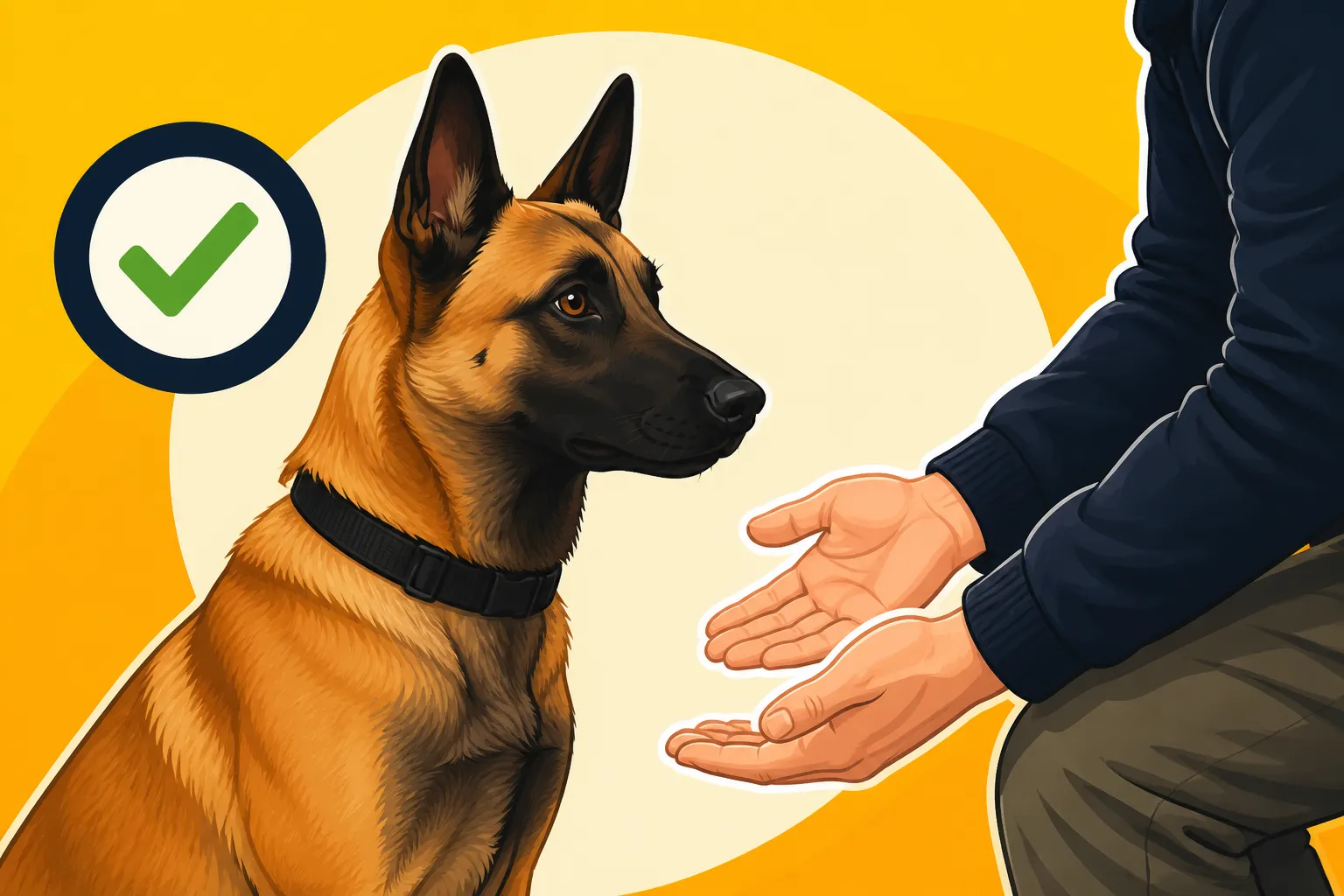
Teaching a Belgian Malinois to Accept a Stranger’s Hands
It can be incredibly frustrating, and let's be honest, downright stressful, when you have a Belgian Malinois who is suspicious or outright reactive to strangers. You love your dog, you know their good heart, but the constant worry about how they'll react when someone reaches out to pet them or even just walks too close can make every outing feel like a tightrope walk. This guide is here to walk you through a clear, empathetic path to help your Malinois not just tolerate, but truly accept and be comfortable with a stranger's hands in a controlled, positive way, turning those anxious moments into confident interactions.
Understanding Why Your Malinois Might Be Guarded
Before we even think about introducing your Malinois to more hands-on interactions, we need to understand the 'why' behind their current behavior. It's rarely out of malice; instead, it’s often a deeply ingrained part of who they are, or a response to past experiences they've processed. Pushing against this without understanding it is like trying to swim upstream without knowing the current's strength.
The Malinois's Natural Temperament and Instincts
Belgian Malinois were quite literally bred to be protectors and guardians. Their history is steeped in jobs that required vigilance, courage, and a strong sense of territory and personal space, whether it was herding sheep or, more recently, working in police and military roles. This inherent genetic wiring means they are naturally predisposed to be wary of anything or anyone new. They are observant, intelligent, and quick to assess situations, often deciding long before you do whether a stranger poses a threat, however small, to their person or their family.
This protective instinct isn't a flaw; it's a feature of the breed, one that makes them excel in so many demanding fields. However, in a pet home or even a sport home where public neutrality is required, this can manifest as suspicion, aloofness, or even overt guarding. They might not appreciate sudden movements, direct eye contact, or certainly, an unexpected hand reaching for them. Understanding that this isn't personal defiance but a deep-seated instinct helps us approach training with more patience and empathy. It’s about channeling that natural drive, not eradicating it.
Furthermore, their high drive and intense focus mean that once they've fixated on a perceived threat or discomfort, it can be incredibly hard to break that concentration. This is why early and consistent socialization, coupled with strong foundational obedience, is paramount. They need to learn that while their instincts are valuable, you are the one who dictates what is and isn't a threat, and that a stranger's hand in a controlled environment is perfectly safe.
Negative Experiences and Learned Associations
Sometimes, a Malinois's reluctance to accept a stranger's hands stems from a specific negative experience. Perhaps they were startled by a clumsy child, or had an uncomfortable veterinary visit where they felt trapped and handled roughly. Even something as seemingly innocuous as an overeager stranger attempting to pat their head, which many dogs find intrusive, can create a lasting negative association. These single events can quickly generalize, turning any approaching hand into a trigger for anxiety or defensive behavior.
Another common scenario is a rescue Malinois who comes from an unknown background. They might have been neglected, abused, or simply undersocialized. For these dogs, every new person, every unexpected touch, can be a terrifying reminder of past trauma or simply an unknown they haven't learned to navigate safely. Their reactions are not aggression for aggression's sake, but often fear-based responses to protect themselves from what they anticipate will be an unpleasant or painful interaction.
It's vital to remember that dogs don't rationalize like humans. They associate. If a hand was followed by pain, fear, or even just intense discomfort, they learn to preemptively react to the hand to avoid the negative outcome. Our job is to systematically create new, overwhelmingly positive associations with human hands, demonstrating that gentle touch from a stranger can be a source of pleasure or, at the very least, benign and safe. This requires careful, incremental steps and absolute consistency on your part.
Lack of Early, Positive Socialization
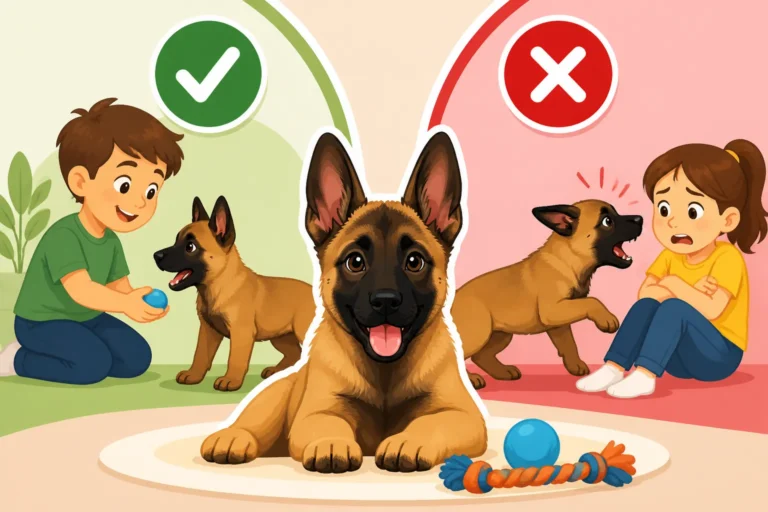
This is perhaps one of the biggest contributing factors to a Malinois's guarded nature around strangers. A Malinois puppy, like all puppies, goes through critical socialization windows. If these windows are missed or poorly managed, the dog can grow up lacking the necessary framework to navigate a complex human world. Early socialization isn't just about exposing them to many people; it's about creating positive experiences with a wide variety of sights, sounds, textures, and, crucially, different types of people and their interactions.
A common misconception is that a Malinois doesn't need as much socialization because they are naturally confident. While they possess innate confidence, this actually needs to be guided towards appropriate responses rather than allowed to develop into suspicion. Without positive exposure to strangers who offer gentle, non-threatening interactions (often involving treats, not immediate petting), a Malinois can develop an "us vs. them" mentality, seeing anyone outside their immediate family as a potential threat. For some pointers on how to start, check out Socializing a Belgian Malinois Puppy Safely.
Think about a Malinois who has only ever known you and your immediate family. When a new person approaches, their brain doesn't have a file labeled "friendly human with treats." Instead, it might default to "unknown entity, potential threat, must guard." This is why a structured approach from puppyhood, exposing them to diverse individuals who understand how to interact appropriately with a high-drive dog, is so essential. Without this foundation, teaching an adult Malinois to accept strangers' hands becomes a much longer, albeit still achievable, process of re-education.
Laying the Foundation for Positive Interactions
Before you even think about having a stranger extend a hand, your Malinois needs a solid foundation built on trust, clear communication, and control. Without these pillars, any attempts to introduce new people or touch will likely be met with anxiety or resistance, potentially exacerbating the problem. This phase is less about the stranger and more about reinforcing your bond and leadership.
Building Trust and Respect with Your Malinois
Trust is the bedrock of any successful relationship with a Belgian Malinois. These dogs are incredibly loyal and bonded, but they need to feel secure in your leadership. If your Malinois believes they need to be in charge of assessing threats, then they will naturally take it upon themselves to decide how to react to a stranger's hands. By consistently demonstrating that you are a calm, capable, and fair leader who handles novel situations, you build their confidence in your judgment, allowing them to defer to you.
This means being consistent with rules, boundaries, and expectations. It means providing clear guidance without harshness, and always advocating for your dog's comfort and safety. If you consistently put your Malinois in situations where they are overwhelmed or feel unsafe, you erode that trust. On the flip side, when you calmly navigate potentially stressful encounters and reward their good choices, you reinforce their belief in your ability to protect them. This emotional security is paramount when asking them to accept something as vulnerable as a stranger's touch.
Part of building respect also involves establishing clear communication. Your Malinois needs to understand what you're asking of them through reliable obedience cues. They should know that when you give a command, it's non-negotiable, but also that you're not setting them up for failure. This reciprocal understanding creates a cooperative spirit that is essential for progressing to more nuanced social interactions. For dogs that struggle with high arousal, focusing on skills like Building an Off Switch Into a Belgian Malinois can be transformative in fostering a calmer demeanor.
Essential Obedience Commands for Control
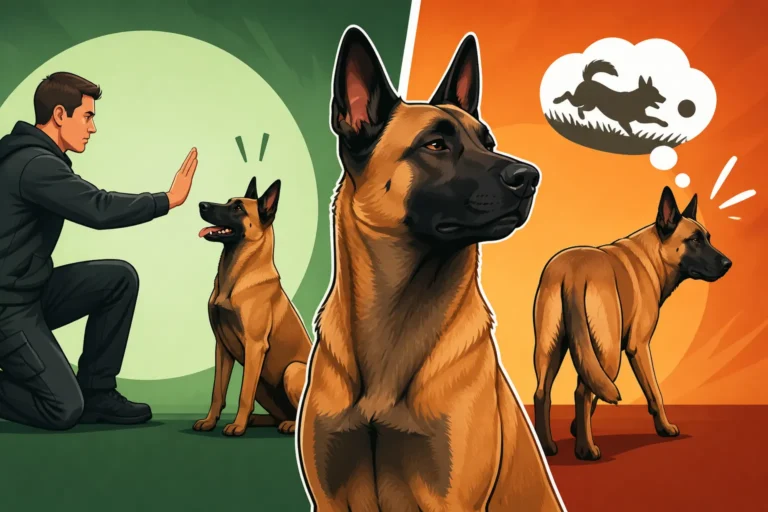
Before you introduce any stranger, your Malinois absolutely must have bomb-proof obedience in a variety of environments. This isn't just for politeness; it's for safety and control. A strong "sit," "stay," "down," and especially a reliable "come" (recall) are non-negotiable. These commands allow you to manage your dog's position, proximity, and attention, giving you the tools to prevent unwanted reactions and guide them through interactions.
A reliable "place" command is also incredibly valuable. This teaches your Malinois to go to a designated spot and remain there calmly until released. It's an excellent way to manage their energy and provide a predictable, safe space when strangers are present, or even just coming to the door. You can practice this extensively with high-value rewards, reinforcing the idea that calm behavior around novel stimuli (like a new person entering the room) leads to good things. Think of it as teaching them to Teaching a Belgian Malinois to Lie Down and Do Nothing.
Beyond basic commands, focus on engagement exercises. Your Malinois should be more interested in you, especially when distractions are present, than in the surrounding environment or approaching people. Use high-value treats and toys to build intense focus. If your dog checks in with you frequently, you have a much better chance of redirecting their attention and maintaining control when a stranger is involved. Many online platforms offer structured programs for building this engagement, like the comprehensive obedience courses offered by BAXTER & Bella, which emphasize positive reinforcement and handler focus.
Creating a Safe and Controlled Environment
The success of introducing your Malinois to strangers' hands hinges entirely on your ability to control the environment. This means starting in a quiet, low-distraction space where you can orchestrate every aspect of the interaction. Forget dog parks or busy public places for now; think of your home, a friend's quiet backyard, or a training facility during off-hours. The goal is to set your Malinois up for success, not to overwhelm them.
Your initial interactions should involve only one or two calm, dog-savvy individuals who understand your training goals and are willing to follow your instructions precisely. These aren't random passersby. These are carefully selected "friendly strangers" who will interact on your terms, at your dog's pace. This might mean simply ignoring your dog initially, or tossing treats from a distance, without any expectation of direct interaction.
Consider using management tools like a long leash, a sturdy harness, or even a comfortable basket muzzle if your dog has a history of air snapping or attempting to bite. Muzzle conditioning is a crucial skill for any Malinois owner, ensuring that if a muzzle is ever needed, it's a neutral or positive experience. If you haven't started, now is the time to begin Muzzle Conditioning Before a Malinois Ever Needs One. The environment also includes ensuring there are no other stressors present – no loud noises, no other dogs running around, just a calm, predictable space focused solely on your Malinois and the "friendly" stranger.
Step-by-Step Training for Accepting Strangers
Once you have a solid foundation of trust, control, and a safe environment, you can begin the systematic process of introducing your Malinois to friendly strangers and their hands. This must be done with immense patience and attention to your dog's body language. Rushing this stage will set you back considerably.
Introducing "Friendly" Strangers in a Controlled Setting
The first step is simply having a "friendly stranger" exist in the same space as your Malinois without any direct interaction. This stranger should be someone calm, confident, and willing to follow your lead implicitly. Start with the stranger at a distance where your Malinois notices them but shows no signs of stress or reactivity. This could be across the room, or even just inside your yard.
As soon as your Malinois notices the stranger and remains calm (no barking, lunging, staring, or stiffening), mark that calm behavior with a verbal cue like "yes!" or a clicker, and immediately reward them with a high-value treat. The stranger should not look at, speak to, or approach the dog at this stage. Their presence alone, coupled with your rewards for calm behavior, begins to build a positive association: "Stranger appears = delicious treats!" Keep these initial sessions very short, just a few minutes, always ending on a positive note.
Over several sessions, you can gradually decrease the distance between your Malinois and the stranger, always ensuring your dog remains calm and you continue to reward them for their relaxed demeanor. The goal is for your Malinois to learn that a stranger's presence is a predictor of good things, not something to be feared or guarded against. Have several different "friendly strangers" rotate through this process so your dog generalizes the experience, not just to one person.
Gradual Desensitization to Touch and Proximity
Once your Malinois is comfortable with a stranger's presence, you can begin introducing the idea of movement and proximity, eventually leading to touch. This is where patience is truly key. The stranger should start by moving slowly and calmly in your Malinois's periphery, never directly towards them. Again, reward any calm observation. Then, the stranger can begin to toss high-value treats (think delicious cooked chicken or cheese, easily found on Amazon) a few feet away from your Malinois, without looking at them directly. This makes the stranger a "treat dispenser," a source of good things.
As your Malinois becomes comfortable taking treats tossed by the stranger, the stranger can slowly reduce the distance of the toss. Eventually, they can hold a treat in an open, flat hand and extend it slowly and low to the ground, allowing the Malinois to approach and take it willingly. Crucially, the stranger should not try to pet the dog at this point, or even close their hand. The interaction is purely about the dog choosing to engage with the hand to get the treat.
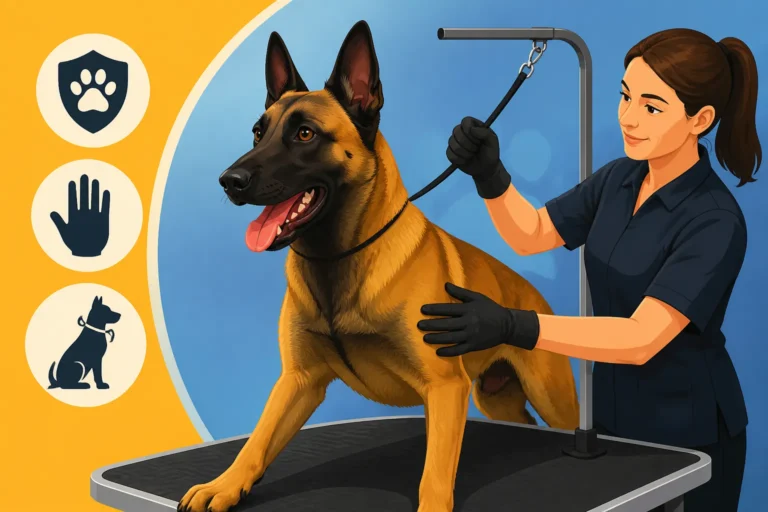
Once your Malinois is happily taking treats from an open hand, you can introduce a brief, gentle stroke under the chin or on the chest (areas less threatening than the head) as the dog is taking a treat. This touch should be light, quick, and immediately followed by more treats and praise from you. The stranger should withdraw their hand immediately after the brief touch. Build up the duration and location of the touch incrementally over many sessions, always watching your dog's body language for any signs of discomfort. Retreat if you see any tension, lip licking, yawning, or averted gaze.
Managing Reactions and Reinforcing Calm Behavior
Even with the best preparation, your Malinois might still have a reaction. The key is how you manage it. If your Malinois growls, barks, or lunges, avoid punishing them, as this can worsen their fear or defensiveness. Instead, calmly but immediately increase the distance from the stranger or remove your dog from the situation. The goal is to stay below their "threshold" – the point at which they react. If they react, you've gone too fast or pushed too far. Reset and try again at an easier level.
When your Malinois encounters a stranger and remains calm, even if they're just observing from a distance, lavish them with praise and rewards. This is your chance to really solidify that calm, neutral behavior. You can use a structured reward system, where predictable good things happen for calm choices. This might involve a special toy, like a favorite tug, or a handful of incredibly delicious treats.
| Stage of Introduction | Stranger's Role | Your Malinois's Behavior | Your Role |
|---|---|---|---|
| I. Distance & Calm | Silent, still, no eye contact, at a distance | Notices stranger, remains calm (no stress signs) | Mark & reward calm, end session quickly if successful |
| II. Treat Dispenser | Moves slowly, tosses treats from a distance, no eye contact | Approaches to take treats, remains relaxed | Praise, manage leash, ensure dog is comfortable |
| III. Hand Offering | Offers treats in open, flat hand, low to ground, waits for dog to approach | Takes treat willingly from hand, no tension | Observe body language, reward willingness, ensure safety |
| IV. Gentle Touch | Very brief, light touch (under chin/chest) while dog takes treat, then withdraws | Remains calm during touch, takes treat willingly | Praise, reward immediately after touch, end on positive if successful |
| V. Increased Duration | Gradually extends duration/location of touch, always paired with positive | Continues to accept touch, relaxed posture | Monitor closely, advocate for dog, reward continuity of calm |
Remember, every tiny step forward is a victory. It's far better to have many small successes than one big failure. Consistency is paramount, and your calm, confident demeanor throughout these interactions will be the biggest reassurance for your Malinois.
Common Pitfalls and Advanced Considerations
Training a Belgian Malinois to accept a stranger's hands is a journey, not a sprint. There will be setbacks, and it's important to understand common mistakes and when to seek additional help. This phase also addresses how to generalize these skills beyond your immediate training bubble.
Avoiding Forceful or Overwhelming Interactions
One of the biggest mistakes an owner can make is forcing interactions or putting their Malinois in situations they can't handle. This includes allowing well-meaning but ignorant strangers to rush up and pet your dog, or insisting your dog "get over it" by dragging them into crowded situations. For a Malinois, who is already prone to being guarded, such experiences can severely damage trust and potentially undo weeks or months of careful training. Never, ever force your Malinois to accept a touch they are clearly uncomfortable with.
It's equally important to avoid overwhelming your dog with too many strangers, too much attention, or too long a session. Keep initial interactions brief, positive, and controlled. If your Malinois shows any signs of stress – lip licking, yawning, turning away, stiffening, growling, or barking – you need to back off immediately. This isn't weakness; it's respecting your dog's communication. Pushing past these signals will only teach your dog that their warnings are ignored, potentially leading to more intense reactions in the future.
This also means being prepared to advocate for your dog fiercely. Don't be afraid to tell people, "Please don't touch my dog, we're in training," or "He's not friendly with strangers." You are your dog's protector, and setting clear boundaries with people is just as important as setting them with your dog. You can even equip yourself with gear like a "Do Not Pet" vest, which you can easily find on Amazon, to help manage public interactions.
When to Seek Professional Guidance
Sometimes, despite your best efforts, a Malinois's reactivity to strangers' hands can be deeply ingrained or stem from significant fear or past trauma. If you find yourself struggling to make progress, if your dog's reactions are intensifying, or if you feel unsafe managing the situation, it is absolutely crucial to seek professional help. This is not a sign of failure but a responsible step towards ensuring both your dog's well-being and public safety.
Look for a certified professional dog trainer or a veterinary behaviorist who has experience with high-drive working breeds like the Belgian Malinois. Ensure they use positive reinforcement and fear-free methods. A good professional can help assess the root cause of your dog's behavior, develop a tailored training plan, and provide hands-on guidance. They might also suggest additional tools or strategies you haven't considered, or help you understand subtle body language cues you might be missing. For more complex cases, particularly if there's a history of biting, a veterinary behaviorist can evaluate if medication might be a helpful adjunct to behavioral modification. They can also provide insights into specific issues like The Seizure Disorder Running in Malinois Lines, which might impact behavior.
Remember that working with a professional is an investment in your dog and your peace of mind. They can help you navigate challenging behaviors and provide the support needed to achieve your goals, turning what feels like an insurmountable problem into a manageable training journey. Don't wait until the problem becomes severe; early intervention is always best.
Maintaining Progress and Generalizing Skills
Once your Malinois is comfortably accepting hands from your chosen "friendly strangers" in controlled environments, the next challenge is to generalize this behavior to new people and new places. This requires systematic planning and continued consistency. Start by introducing new "friendly strangers" who follow the same slow, gentle protocol. This helps your Malinois understand that it's not just about one person, but about the type of interaction.
Gradually introduce new, slightly more distracting environments, always starting at a distance and working your way closer. This might mean moving from your quiet home to a quiet park during off-peak hours, or a friend's less secluded backyard. Each new environment is a small challenge, so be prepared to go back a few steps in the progression if needed. The goal is for your Malinois to learn that even with a little more background noise or different smells, the rules for accepting a stranger's hands remain the same. This is very similar to the challenge of Building Focus on a Belgian Malinois in a Crowd.
Consistency is key. Continue to reinforce good behavior with high-value treats and praise. Don't let your guard down and assume the training is "done" – especially with a Malinois. Maintain regular, positive interactions with safe strangers. Even for a working Malinois, the ability to accept neutral interaction from unfamiliar people, such as a judge at a trial or a veterinarian, is a vital skill for a balanced life. This ongoing practice ensures that the positive associations remain strong and your Malinois continues to be a confident, well-adjusted companion.
Disclaimer
This article is for general informational purposes only and does not constitute professional advice. Laws, prices and regulations vary by location and change over time. Consult a qualified professional for guidance on your specific situation.