Finding a Club That Will Take a Belgian Malinois
You've brought home a Belgian Malinois, full of fire and potential, and now you're facing the daunting task of finding a training club that truly understands this incredible, intense breed. It's a common frustration, believe me, because many general dog clubs simply aren't equipped for the unique drive and needs of a Malinois. This guide will walk you through the process of identifying, evaluating, and ultimately joining a club that can help you channel your Malinois's energy into a productive and fulfilling partnership.
Why Finding the Right Club for a Malinois Is So Crucial
Bringing a Belgian Malinois into your life is a commitment unlike many other breeds. These aren't your average family pets that thrive on a walk around the block and some backyard fetch. They are highly intelligent, incredibly driven, and physically robust dogs that demand a specific type of engagement. The wrong environment, or no environment at all, can lead to frustration for both you and your dog, quickly turning potential into problems.
The Unique Needs of the Belgian Malinois
Belgian Malinois are often described as "a lot of dog," and that's not an understatement. They possess an insatiable drive, a keen desire to work, and a boundless energy that needs a constructive outlet. Ignoring these fundamental aspects of their personality is like trying to contain a hurricane in a teacup – it simply won't work for long. Their minds need to be challenged just as much as their bodies, and rote obedience drills might be a good start but quickly become insufficient. They thrive on complex tasks, problem-solving, and a sense of purpose. This is why many owners seek out specialized clubs that offer more than just basic manners, providing an environment where that intense focus can be channeled. The Two Hours and a Job a Belgian Malinois Demands Daily is not just a suggestion; it's a necessity, and a good club helps you fulfill that.
Furthermore, Malinois are sensitive dogs despite their tough exterior. They can be prone to shutting down under harsh, unconstructive correction, yet they also need clear, consistent boundaries. A trainer who understands this balance is invaluable. They need to read the dog, not just the breed, and apply methods that build confidence and drive rather than crushing it. Their prey drive, while a huge asset in sport, also needs to be managed and directed carefully. A club setting provides structured opportunities for this, teaching both you and your Malinois how to operate effectively around distractions and other dogs.
The Risks of the Wrong Training Environment
Imagine bringing your high-octane Malinois to a club primarily geared towards calmer breeds or pet obedience. You might find your dog constantly over-threshold, unable to focus, and potentially disrupting others. This isn't just embarrassing; it's counterproductive. Your dog could learn that the training environment is a place of overstimulation and frustration, rather than a place of learning and engagement. It can lead to reactive behaviors, increased anxiety, or even a breakdown in the bond you're trying to build.
Even worse, some clubs might employ outdated or overly harsh methods that could be detrimental to a Malinois's sensitive temperament. A dog like this, when misunderstood or incorrectly handled, can become defensive, fearful, or even aggressive. You don't want a club that sees your Malinois as a problem to be corrected into submission, but rather a powerful engine to be guided and fine-tuned. The goal is to build an Off Switch Into a Belgian Malinois, not to break their spirit. This breed needs a partner, not a dictator, and a good club fosters that kind of relationship.
Understanding Different Types of Dog Training Clubs
When you start your search, you'll quickly realize that not all "dog training clubs" are created equal. They cater to different goals, employ varying methodologies, and specialize in distinct areas of dog sport and training. Knowing the landscape can help you narrow down your options significantly.
General Obedience and Socialization Clubs
These are often the first stop for new puppy owners or those seeking basic manners for their family dog. They typically offer classes like puppy kindergarten, basic obedience, and sometimes advanced obedience for Canine Good Citizen titles. While these classes are foundational and important, they might not provide the depth of work a Malinois truly needs long-term.
For a Malinois puppy, a well-run general obedience class can be excellent for early socialization and learning basic cues like sit, stay, and come. It’s an opportunity for them to experience new environments and other dogs in a controlled setting. However, the intensity level and the expectations for a Malinois in these settings might quickly exceed what the club is designed to handle. You might find your Malinois picking up cues faster than other dogs, then getting bored and looking for trouble, or conversely, being too over-aroused by the environment to properly learn. It's a great start for Socializing a Belgian Malinois Puppy Safely, but don't expect it to fulfill all their adult needs.
Sport-Specific Clubs: IGP, Ring Sports, Agility, and More
This is often where Malinois owners find their tribe. These clubs are dedicated to specific dog sports that demand high levels of drive, focus, and athleticism, all hallmarks of the Belgian Malinois.
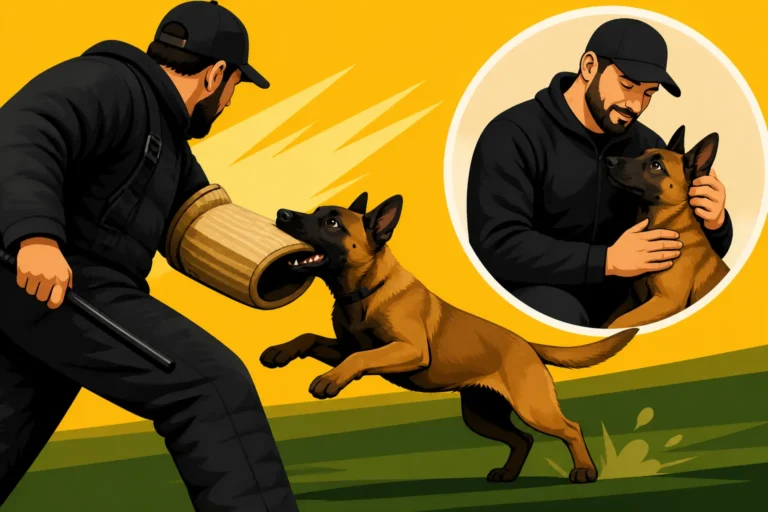
- IGP (Internationale Gebrauchshunde Prüfung, formerly IPO or Schutzhund): This sport involves tracking, obedience, and protection phases. Clubs focused on IGP are usually very familiar with working breeds like Malinois, German Shepherds, and Dutch Shepherds. They understand drive, intensity, and the mechanics of bite work. Finding a club that welcomes and understands working line Malinois is critical for IGP. What Bite Sport Actually Asks of a Belgian Malinois is a deep dive, and these clubs live it daily.
- Ring Sports (French Ring, Belgian Ring, Mondioring): These are protection sports known for their athleticism, intricate obedience routines, and diverse protection scenarios. These clubs are tailor-made for dogs like Malinois, who excel in these high-demand environments. The decoys and trainers at these clubs are highly skilled in shaping drive and building confident, clear-headed protection dogs. They understand Grip Development in a Belgian Malinois and how to cultivate controlled aggression.
- Agility Clubs: Agility involves navigating obstacle courses with speed and precision. Malinois often excel in agility due to their athletic build, intelligence, and incredible speed. Agility clubs vary in their intensity, but many are eager to work with high-drive dogs who can handle the mental and physical challenge.
- Scent Detection/Nose Work Clubs: For Malinois owners who prefer not to pursue bite sports, scent detection is an excellent alternative that taps into their natural prey drive and keen sense of smell. These clubs teach dogs to locate specific odors, often mimicking professional detection work. Detection Work Instead of Bite Work for a Malinois is a fantastic outlet for their brain power.
These specialized clubs provide an environment where your Malinois's intensity is not just tolerated but celebrated and expertly directed. The trainers often have extensive experience with the breed and understand how to bring out their best.
Professional Working Dog Organizations
These aren't typically "clubs" in the casual sense but rather organizations that train dogs for real-world applications like police K9, search and rescue, or military work. While not generally open to public participation with pet dogs, their methodologies and trainers often inform the practices of sport-specific clubs. Sometimes, former police or military handlers run public clubs, bringing that invaluable experience to the civilian sport world. These are the experts in The Checkup Schedule a Sport Malinois Should Keep and ensuring a dog is fit for serious work.
Key Factors to Consider When Evaluating a Club
Once you’ve identified a few potential clubs that align with your goals, it’s time to do some serious vetting. Don’t just show up and sign up. Observe, ask questions, and trust your gut. Remember, this isn't just about finding a place for your dog; it's about finding a community and a philosophy that resonates with you.
Trainer Experience and Philosophy
This is arguably the most critical factor. For a Belgian Malinois, you need trainers who don't just know about Malinois, but who have worked with them extensively. Look for trainers who:
- Have direct experience with Malinois: Do they own Malinois themselves? Have they trained many Malinois successfully in the past? Ask for examples or even testimonials. An experienced trainer will understand the nuance of handling a Malinois that pulls [Toward Every Distraction].
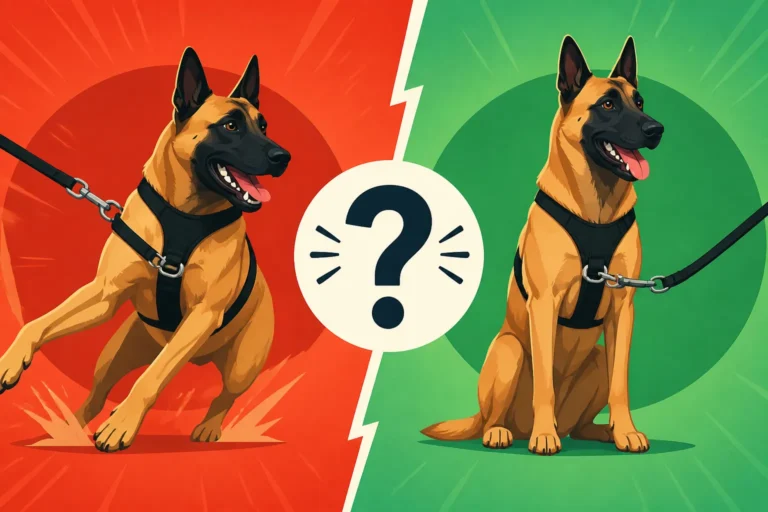
- Employ fair and effective methods: Observe a class before joining. Do the trainers rely heavily on punishment, or do they use a balanced approach that emphasizes clear communication, motivation, and appropriate corrections? A good trainer will build drive and confidence, not suppress it. They should understand Whether Corrections Work on a High Drive Malinois and when they are appropriate.
- Focus on understanding the dog: A great trainer can read canine body language, identify stress signals, and adjust their approach to suit individual dogs. They shouldn't have a one-size-fits-all method, especially with a breed as complex as the Malinois.
- Are patient and communicative with handlers: Remember, they're not just training your dog; they're training you. You need a trainer who can clearly explain concepts, demonstrate techniques, and offer constructive feedback without making you feel inadequate.
Club Culture and Member Dynamics
The atmosphere of a club can make or break your experience. You want a supportive, knowledgeable community where you feel comfortable asking questions and learning.
- Welcoming and inclusive environment: Do the current members seem friendly and open to new people? A cliquish atmosphere can be discouraging, especially when you're navigating the challenges of a Malinois. You're looking for a group that fosters learning and growth.
- Shared values and goals: Do other members also have high-drive working breeds, or are they mostly casual pet owners? While diversity can be good, if you're serious about a sport like IGP, you'll want to be around people who share that passion and understand the commitment.
- Safety and control: Observe how other dogs are managed. Are dogs under control, or is there chaos? With a Malinois, controlling A Belgian Malinois That Reacts to Other Dogs is paramount, and a good club will have strict safety protocols. This includes proper crating, leashing, and handler awareness.
- Support for difficult dogs: Even a well-bred Malinois can have moments of reactivity or difficulty. Does the club have a plan for how to handle a dog that's struggling, or do they immediately dismiss them? A strong club will offer guidance and solutions.
Facilities, Safety, and Equipment
While the people are paramount, the physical environment also plays a role in effective training.
- Training grounds: Are the training areas secure and appropriate for the type of work being done? For protection sports, you need safe, well-maintained fields. For agility, obstacles should be in good repair.
- Weather considerations: If training outdoors, what are the arrangements for extreme weather? Is there an indoor facility for inclement days? Heat Stroke in a Belgian Malinois in a Patrol Car is a serious concern, and responsible clubs will have plans for hot weather training.
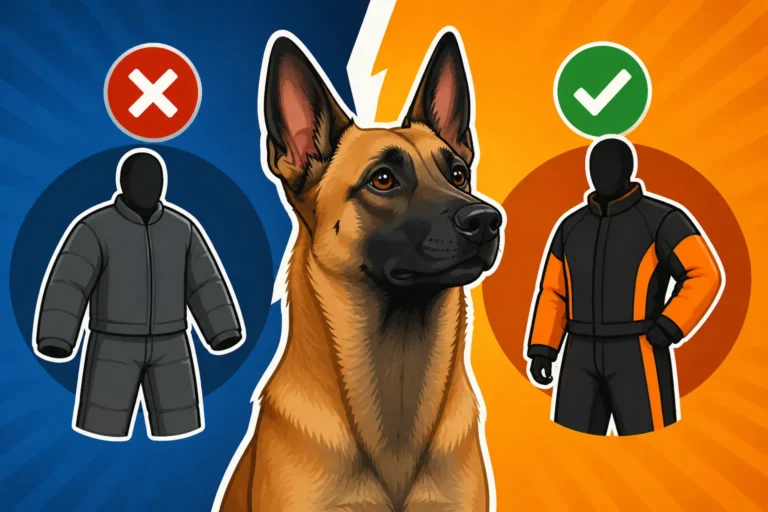
- Equipment: Does the club have proper, well-maintained equipment (sleeves, suits, jumps, tracking articles, etc.)? For bite work, the quality of the decoy equipment is crucial for both dog and decoy safety. You might find yourself sourcing specialized gear like a quality e-collar from a place like Amazon, but the club should provide the core equipment for protection work. What a Full Bite Suit Costs a Malinois Club tells you they've invested.
- Cleanliness and hygiene: A clean facility is a sign of good management and concern for the health of the dogs. This is particularly important if you're bringing a young puppy or a dog with a sensitive immune system.
Questions to Ask Prospective Clubs
Don't be shy! Your Malinois deserves the best environment, and you have every right to ask detailed questions. Prepare a list before you visit, and don't be afraid to take notes.
Inquiring About Malinois-Specific Experience
Go beyond "Do you train Malinois?" and dig into the specifics.
- "How many Belgian Malinois do you currently have in your club, and what are they training for?" This gives you a sense of their current exposure to the breed and the range of sports they engage in. If they only have one Malinois, their experience might be limited.
- "What methods do you find most effective for channeling the high drive of a Malinois?" Listen for answers that demonstrate an understanding of positive reinforcement mixed with clear, consistent corrections. They should mention building engagement, managing prey drive, and fostering focus. You want to hear about Channeling a Belgian Malinois's Prey Drive Into a Tug rather than just suppressing it.
- "Do you have trainers who specialize in working with Malinois or similar high-drive breeds?" This is important because a generic trainer might not understand the nuances. A specialist will know how to prevent issues like shutting down under correction or how to motivate a dog that seems to ignore everything else.
- "What is your philosophy on building an off switch for a Malinois?" This shows if they understand the need for balance between high drive and calm behavior, which is essential for living with a Malinois in a home environment.
Understanding Their Approach to High-Drive Dogs
It’s not enough to simply accept Malinois; a good club will actively manage and develop them.
- "How do you handle dogs that are highly reactive or easily over-stimulated in a group setting?" You want a club that has strategies for keeping all dogs safe and focused, potentially starting with barrier work or managing distances.
- "What are your expectations for handlers and dogs when they first join, especially if they're new to sport?" A good club will have a clear progression path and realistic expectations, understanding that everyone starts somewhere. They might recommend foundational online courses like those offered by BAXTER & Bella before you even step foot on the field, ensuring you both have some basic skills.
- "Can I come observe a training session before bringing my dog?" Always do this! It’s your best opportunity to see the club in action, observe the dogs and handlers, and assess the overall vibe. Pay attention to how the trainers interact with the dogs and how the dogs respond.
- "What kind of foundational obedience do you expect from a dog before they start protection work or advanced sport?" They should have clear prerequisites. You don't want a club that rushes dogs into bite work without a solid obedience foundation. Obedience a Malinois Needs Before Protection Work is non-negotiable.
Logistical and Administrative Questions
Don't forget the practicalities that impact your ability to participate.
- "What are the membership fees, and what do they include?" Get a clear breakdown of costs. Club Dues for a Malinois Owner in IGP or Ring can vary significantly.
- "What is the training schedule? Are there different sessions for different levels or types of training?" Ensure the schedule works with your availability.
- "What is the ratio of trainers to dogs in a session?" A lower ratio often means more individualized attention, which is crucial for a Malinois.
- "What safety protocols do you have in place for all members and dogs?" Ask about emergency procedures, first aid, and how they handle conflicts between dogs.
| Factor | What to Look For | Why It Matters for a Malinois |
|---|---|---|
| Trainer Experience | Direct Malinois/working breed experience, balanced methods | Avoids crushing drive, ensures effective communication, builds confidence |
| Club Culture | Supportive, inclusive, shared goals, safe management | Fosters learning, prevents reactivity, builds a strong community |
| Facilities | Secure, well-maintained fields/equipment, weather plans | Ensures safety, provides adequate space for high-energy work |
| Malinois-Specifics | Understanding of high drive, prey drive management | Channels intensity productively, prevents frustration/misbehavior |
| Safety Protocols | Clear rules, emergency plans, dog-to-dog management | Protects your dog and others, builds trust in the environment |
What to Do If Local Clubs Are Not a Fit
Sometimes, despite your best efforts, you might find that local clubs just aren't the right fit for you and your Malinois. This can be incredibly disheartening, especially when you're eager to get started. But don't despair! There are still many avenues to explore.
Exploring Private Training and Workshops
If a club environment isn't working, or you can't find one suitable, consider investing in private training. A one-on-one session with a skilled trainer who has experience with Malinois can be invaluable. This allows for highly individualized attention, tailoring the training specifically to your dog's needs and your goals. A private trainer can help you build a strong foundation, address specific behavioral challenges, and prepare you for eventual group classes or even trials, if that's your aim.
Many top trainers who work with sport dogs offer private sessions. These can be more expensive than club memberships, but the targeted progress you make might be worth every penny. Think of it as specialized coaching. They can help you with foundational skills like Building Engagement With a Belgian Malinois or developing a precise Recall on a Belgian Malinois in Full Drive. You might even find that after a few private sessions, you and your Malinois are better prepared to integrate into a club setting that was previously too challenging. Also, look out for specialized workshops or seminars that bring in expert trainers for a weekend. This can be a great way to get intense, focused instruction on a specific skill or sport without committing to a full club membership.
Building Your Own Support Network
Even without a formal club, you can still create a strong support system. Connect with other Malinois owners online through forums or social media groups. You'll find a wealth of shared experience, advice, and sometimes even opportunities for informal meet-ups or training sessions. Just be cautious to vet advice carefully, as not all online information is reliable.
Consider starting a small, informal training group with a few like-minded Malinois owners in your area. You can pool resources, share knowledge, and practice together. This can be a fantastic way to create a low-pressure training environment while still getting some of the benefits of a club, like working around other dogs and having different perspectives. You might discover that by collaborating, you can find a dedicated space, hire a private decoy for bite work sessions, or organize workshops that cater to your specific needs. This self-made community can be incredibly empowering and fulfilling when you're passionate about training your Malinois.
Remember, the journey with a Belgian Malinois is a marathon, not a sprint. It takes dedication, patience, and the right resources. Finding the right club or building your own network is a critical step in ensuring a happy, healthy, and well-adjusted life for your extraordinary dog.
Disclaimer
This article is for general informational purposes only and does not constitute professional advice. Laws, prices and regulations vary by location and change over time. Consult a qualified professional for guidance on your specific situation.