What a Decoy Does With a Young Malinois
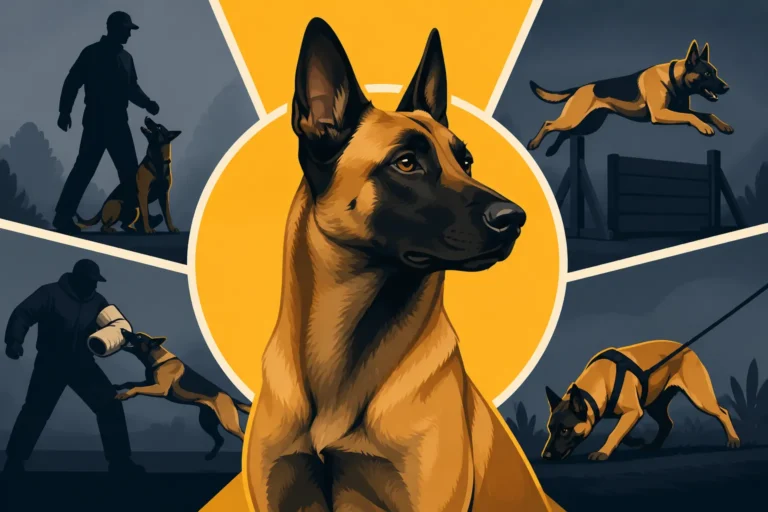
For anyone bringing a young Belgian Malinois into the world of protection sports, the sight of a decoy can spark a mix of excitement and apprehension. You want to ensure your energetic, high-drive puppy develops into a confident, balanced working dog, not an unpredictable menace. This comprehensive guide will demystify the crucial role of a decoy in shaping a young Malinois, focusing on how they foster innate drives, build solid grips, and nurture a resilient temperament.
The Foundation: Building Drive, Not Defense
When you first introduce a young Malinois to bite work, it's not about making them aggressive or defensive. Far from it. The initial stages are all about tapping into their natural drives and making the experience incredibly fun and rewarding. Think of the decoy as a high-energy playmate with a very specific, strategic purpose.
Understanding Prey Drive vs. Defense
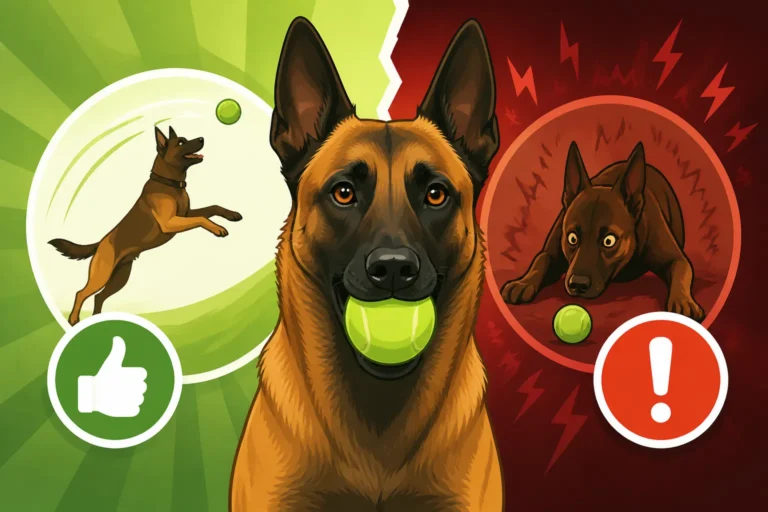
A young Malinois, with its inherent intensity, often comes wired with a strong prey drive. This is that instinct to chase, grab, and possess anything that moves quickly and enticingly – a ball, a flirt pole, or, in this context, a rag or tug offered by a decoy. This is the bedrock of early bite work. The decoy's primary job with a puppy is to activate and channel this raw, joyful desire to pursue and capture. They want the dog to see the bite object as the most exciting toy on the planet, presented by a human who makes the game utterly irresistible. This is not about fear or territory. It's about pure, unadulterated chase and capture.
In contrast, defense drive is a response to perceived threat or pressure, usually characterized by barking, growling, and a more confrontational approach. While defense plays a role in advanced protection work, introducing it too early or improperly with a young Malinois can be detrimental. It can lead to a dog that bites out of insecurity or fear, rather than confident, controlled aggression. A good decoy understands this critical distinction, focusing exclusively on building prey drive in puppies. They want the dog to be thinking, "Yay, the game is on!" rather than, "Uh oh, I need to protect myself." This careful nurturing ensures the dog develops a love for the work that is based on confidence and engagement, not anxiety.
First Encounters: The Playful Introduction
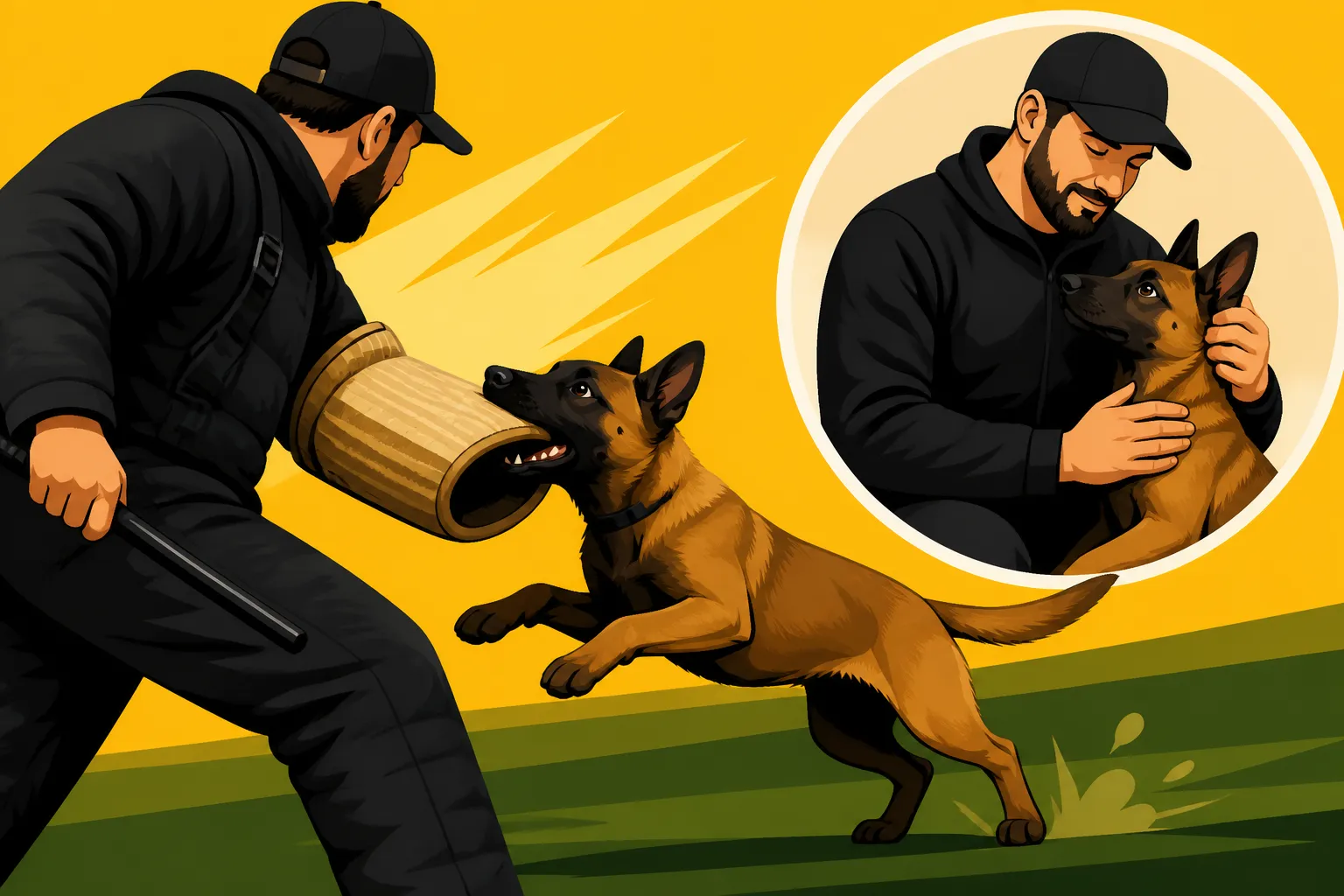
The very first interactions a young Malinois has with a decoy should be nothing short of a fantastic game. The decoy starts with very soft, enticing equipment, often just a rag or a small tug. They're not wearing full bite suits or doing anything intimidating. Instead, they're moving playfully, making encouraging noises, and presenting the "toy" in a way that sparks the puppy's natural chasing instincts. The goal is to make the puppy feel like they've just encountered the most exciting thing ever. The decoy might run short distances, wiggle the rag, or make quick, sudden movements to trigger that chase instinct.
The beauty of this approach is that it creates an extremely positive association with the decoy and the bite object. The puppy learns that engaging with this person and this specific game leads to immense satisfaction – the triumph of catching and holding the "prey." The decoy controls the narrative, ensuring the puppy "wins" consistently in these early stages, building immense confidence. They're literally teaching the dog that biting the equipment is the most fun thing they can do. This early positive conditioning is vital for establishing a strong foundation, preventing any apprehension down the line. It's all about fun, pursuit, and the joy of a good capture, setting the stage for more advanced training without ever introducing undue stress.
The Decoy's Role in Shaping Grip and Confidence
Beyond just getting a young Malinois to bite, the decoy is instrumental in shaping how the dog bites. A solid, full grip is not just aesthetically pleasing; it's a fundamental safety and effectiveness component in protection work. Moreover, the decoy's actions directly influence the dog's overall confidence and resilience.
Developing a Full, Confident Grip
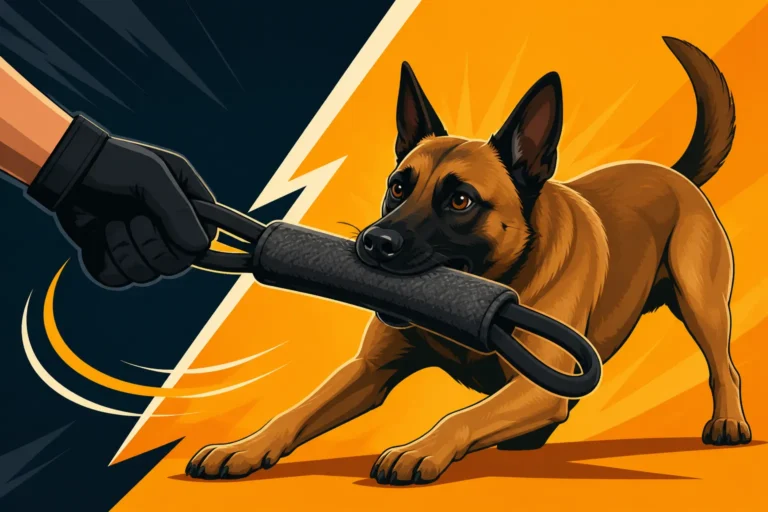
A shallow, nervous, or inconsistent grip is a problem in bite work, as it can lead to injury for both dog and human, and indicates a lack of confidence or proper training. The decoy's job is to systematically guide the young Malinois towards developing a full, powerful, and secure grip. This starts with presenting the bite surface in a way that encourages the dog to open its mouth wide and clamp down with its back molars, rather than just the front teeth. They might wiggle the tug horizontally, making it difficult for the dog to grab only a small piece, or offer a thicker, more satisfying surface to encourage a deeper bite.
Crucially, the decoy allows the dog to "win" the tug often in the beginning. This means they'll let go of the tug after the dog has a good grip, reinforcing the idea that a strong bite leads to possession. As the dog matures and its grip strengthens, the decoy will start to apply slight, controlled pressure, perhaps subtly pulling the tug away or moving it slightly. This gentle resistance helps build muscle memory and strengthens the jaw, teaching the dog to hold on firmly despite movement or counter-pressure. The transition from soft rags to slightly firmer puppy sleeves is gradual, always ensuring the dog maintains a full, confident grip at each stage. This methodical approach ensures Grip Development in a Belgian Malinois is sound and built on positive experiences.
Building Resilience and Nerve Strength
A Malinois needs to be resilient, able to perform under varying conditions and maintain its focus despite distractions or environmental changes. The decoy plays a huge part in this by slowly and carefully introducing novelty and challenges. Initially, training might happen in a quiet, familiar field. As the dog progresses, the decoy will introduce new locations – perhaps a different park, an area with mild background noise, or even a different type of ground surface. This broadens the dog's comfort zone, teaching it to focus on the work regardless of its surroundings.
Furthermore, the decoy gradually introduces varied movement and pressure. In the very beginning, the decoy might be static or move predictably. Later, they might move more erratically, circle the dog, or use different body postures. This teaches the dog to handle dynamic situations and to stay engaged even when the "prey" is elusive. The key is to introduce these challenges incrementally, always ensuring the dog succeeds. A skilled decoy knows precisely how much pressure a young Malinois can handle before it becomes overwhelmed, always aiming for success to foster a strong, unwavering confidence in its own abilities. This slow, steady exposure helps the dog develop strong nerves, preparing it for real-world scenarios or higher-level sport challenges.
The Progression of Training: From Tug to Sleeve
The journey of a young Malinois in bite work is a carefully orchestrated progression of tools and techniques. The decoy is the conductor, ensuring each step builds upon the last, always with the dog's development at the forefront.
The Journey from Rag to Puppy Sleeve
The initial phase, as we discussed, often involves a simple rag or a soft, small tug. These are easy for puppies to grab and hold, making the game accessible and fun. The decoy's role here is to maximize enthusiasm, making the dog eager to engage. Think of items like those made by Redline K9 or even sturdy rope tugs found on Amazon – materials that are durable but also forgiving for young mouths. The decoy keeps the rag moving, initiating short "chases" and allowing the puppy to catch and possess the rag for a few moments, building possession drive.
As the Malinois puppy grows and its bite becomes more confident and full, the decoy will introduce a puppy sleeve. These are smaller, softer versions of adult bite sleeves, designed to fit a young dog's mouth comfortably while offering a more substantial bite surface. The transition is crucial: the decoy will ensure the dog still aims for a deep, full grip on the sleeve. They might initially present the sleeve much like a tug, making it a high-value object of play. The decoy's movements become slightly more varied, perhaps incorporating short, quick runs or changes in direction, compelling the puppy to commit to the bite with more determination. This stage is about solidifying the grip and introducing the concept of a "target" that's consistently presented on the arm.
Introducing the Full Sleeve and Body Bites
When a young Malinois demonstrates consistent, full grips on a puppy sleeve and shows excellent handler control, it might be ready for the next step: the full adult bite sleeve. This transition is not taken lightly and typically happens when the dog is physically mature enough, usually over a year old, and has proven its mental readiness. The full sleeve is larger and firmer, requiring a truly committed and powerful bite. The decoy will continue to present the sleeve strategically, ensuring the dog maintains its deep grip while also introducing more dynamic and challenging scenarios. This could involve the decoy moving more aggressively, applying more resistance, or even simulating realistic threat postures.
Beyond just the arm, advanced protection work involves "body bites," where the dog learns to engage other padded areas of the decoy's suit. This is a significant leap and requires immense trust, training, and the correct temperament from the dog. A skilled decoy will introduce these elements slowly, often starting with a padded leg or chest area, always ensuring the dog targets the equipment, not the human underneath. The decoy's movements become more complex, incorporating defensive posturing, evasive maneuvers, and even environmental challenges. This is where the true art of decoying shines, as they must balance pushing the dog's limits with maintaining its confidence and ensuring safety. Organizations like IGP and Belgian Ring have very clear rules and progression for this, emphasizing What Bite Sport Actually Asks of a Belgian Malinois.
Communication and Timing: The Decoy's Skillset
A decoy is not just a person in a padded suit; they are a highly skilled communicator, constantly "talking" to the dog through their movements, posture, and the presentation of the bite object. Their timing is everything.
Reading the Young Malinois's Body Language
An expert decoy possesses an uncanny ability to read a young Malinois's subtle body language. They can discern excitement from anxiety, focused drive from frustration, and confidence from hesitation. For example, a dog that has its ears back, tail tucked, and is making tentative bites might be displaying signs of apprehension, requiring the decoy to soften their approach, reduce pressure, and boost encouragement. Conversely, a dog with a wagging tail, forward ears, and an eager, hard bite is showing strong prey drive and confidence, indicating it might be ready for a slight increase in challenge.
The decoy uses this constant assessment to adjust their strategy on the fly. If a dog is struggling to get a full grip, the decoy might change the angle or firmness of the presentation. If the dog is becoming overstimulated, they might momentarily freeze or reduce their movement to help the dog regain focus. This real-time feedback loop is critical, ensuring that every session is productive and positive, reinforcing desired behaviors and avoiding anything that might create negative associations or stress for the dog. They are effectively guiding the dog's emotional state throughout the session, much like a good teacher adjusts their lesson plan based on their students' responses.
The Art of the Release and Out Command
One of the most critical aspects of protection training, and often the most challenging, is teaching a dog to "out" – to release the bite object on command. This command is not just about obedience; it's a vital safety measure and a demonstration of the handler's ultimate control. The decoy plays a pivotal role in this process. Initially, the decoy might help facilitate the "out" by gently disengaging the tug or sleeve the moment the handler gives the command and immediately praises the dog. This teaches the Malinois that releasing is followed by positive reinforcement, not punishment.
As training progresses, the decoy will ensure that the dog's desire to re-engage the bite is just as strong, or even stronger, after the "out." This is known as "sending the dog back in." After a clean "out," the decoy might immediately become exciting again, wiggling the sleeve or tug to reignite the dog's drive and encourage it to bite again. This dynamic ensures that the "out" doesn't diminish the dog's drive or make it reluctant to engage later. The precise timing of the decoy's movements and re-engagement, coupled with the handler's clear commands, teaches the young Malinois that the "out" is merely a pause in the game, and releasing actually leads to more, even better, opportunities to bite. This is crucial for developing Building an Off Switch Into a Belgian Malinois, ensuring the dog is always under control.
Handler Involvement and Collaboration
While the decoy is a central figure in protection training, their work is always in close collaboration with the handler. Without an engaged, knowledgeable handler, even the best decoy's efforts can be undermined. This is a team sport, and both members of the human-dog team have specific, intertwined responsibilities.
The Handler's Critical Role
The handler is the anchor in protection work, maintaining control and providing direction throughout the session. Their primary role is to communicate commands to their Malinois, such as "hold," "out," "guard," and to provide immediate, clear praise and rewards for correct behavior. Before the dog even engages the decoy, the handler must ensure their Malinois is focused, obedient, and ready to work. They manage the dog's arousal levels, ensuring it is excited but not overstimulated. During the bite, the handler continues to reinforce focus and engagement, often with verbal praise or tactile encouragement.
After the "out" command, the handler's role is critical in reinforcing that release and transitioning the dog back into a controlled state. They might reward with a different toy, a treat, or simply calm, affectionate praise, showing the dog that compliance with commands is highly valued. The handler must also be constantly observing their dog, understanding its emotional state, and advocating for its needs. If the dog is showing signs of stress or exhaustion, it's the handler's responsibility to communicate that to the decoy and adjust the session accordingly. Training is a partnership, and the handler is the dog's most consistent advocate and guide, especially when developing skills like Channeling a Belgian Malinois's Prey Drive Into a Tug.
Finding the Right Decoy and Club
Choosing the right decoy and training club is perhaps one of the most important decisions a Belgian Malinois owner will make for protection sport. An experienced and ethical decoy is a treasure. They are not just strong; they possess a deep understanding of canine behavior, drive, and development. They know how to escalate or de-escalate pressure appropriately, how to read a dog's signals, and how to build a dog's confidence progressively. Look for decoys who prioritize the dog's well-being and growth over simply getting a "hard bite." They should be patient, articulate, and able to explain their methods clearly.
A reputable training club is equally vital. Such clubs will have experienced trainers and decoys, a clear training philosophy, and a safe, structured environment. They should welcome observers, be transparent about their methods, and prioritize safety for both dogs and humans. They'll also typically require a strong foundation in obedience before a Malinois starts protection work, ensuring the dog is controllable and responsive. Avoid any "trainers" or "decoys" who promise instant results, use harsh or abusive methods, or don't seem concerned with your dog's emotional state. Finding a Club That Will Take a Belgian Malinois is a crucial first step, as they often have a roster of trusted decoys. Many owners find initial training classes through online platforms, such as those offered by BAXTER & Bella, which can build foundational obedience skills before even considering protection sports.
Equipment and Safety Protocols in Decoy Work
The gear used in protection sports, particularly by the decoy, is specifically designed for safety and effective training. Understanding these tools and the protocols surrounding their use is essential for both handlers and curious onlookers.
Decoy Suits and Bite Sleeves
The most visible piece of equipment for a decoy is the bite suit. These suits are incredibly thick and padded, made from durable materials like French linen, jute, or specialized synthetic fibers. They protect the decoy from the powerful bites of a trained Malinois, allowing them to engage fully without fear of injury. Suits come in different weights and levels of protection, depending on the intensity of the training and the dog's development stage. A younger dog might work with a decoy in a lighter suit or even just a padded arm.
Bite sleeves are also purpose-built. There are puppy sleeves, intermediate sleeves, and full adult sleeves. Puppy sleeves are softer, smaller, and less intimidating, designed for teaching foundational grip and drive. As the dog matures, the sleeves become firmer, larger, and offer more resistance. Some sleeves are designed to be "hidden" under clothing for advanced scenarios, but with young dogs, they are always visible. The decoy wears these sleeves over their arm, providing a clear, safe target for the dog to bite. Reputable equipment brands prioritize durability and safety, as these tools are critical for Broken Teeth on a Malinois From Bite Work and other injuries.
Safe Training Environments and Supervision
Protection training should always take place in a controlled, safe environment. This typically means a fenced-in field or a designated training area that is free from unexpected distractions or hazards. Spectators, if any, should be kept at a safe distance and instructed on proper etiquette (e.g., no sudden movements, no yelling). This ensures the dog can focus entirely on the decoy and its handler.
Strict safety protocols are always in place. This includes thorough warm-ups for the dog, ensuring they are physically ready for the work. There should always be an experienced trainer overseeing the session, offering guidance to both handler and decoy. The session length is carefully monitored to prevent over-fatigue or over-stimulation, especially with young Malinois who have boundless energy but can quickly become overwhelmed. The focus is always on building confidence and drive, never fear or aggression. These sessions are about structured learning, not chaos. For more advanced dogs, The Checkup Schedule a Sport Malinois Should Keep is crucial to ensure they remain sound for work.
| Stage of Training | Decoy's Primary Goal | Key Equipment Used | Decoy's Movement/Pressure | Dog's Emotional State |
|---|---|---|---|---|
| Introductory | Build prey drive, make it fun | Rag, soft tug (e.g., from Amazon) | Playful, low pressure, allowing dog to "win" | High excitement, joy, confidence |
| Foundation Grip | Develop full, confident grip | Puppy sleeve, harder tugs | Controlled resistance, encourages deep bite | Focused, eager, increasing resilience |
| Advanced Grip & Target | Solidify full grip, introduce targeting | Intermediate sleeve, full sleeve | More dynamic, varied pressure, some counter-pressure | Confident, committed, strong engagement |
| Proofing & Challenge | Build resilience, introduce distractions | Full bite suit, full sleeve | Realistic scenarios, environmental changes | Resilient, focused under pressure, controlled drive |
What Happens to an Unemployed Belgian Malinois
It's tempting to think that since your Malinois has high drive, protection work is the natural fit. For many, it absolutely is. However, it's critical to understand that bite work is an intense commitment that demands both a specialized environment and consistent engagement. What if, for whatever reason, protection work isn't the path your young Malinois takes?
The Need for a Job, Any Job
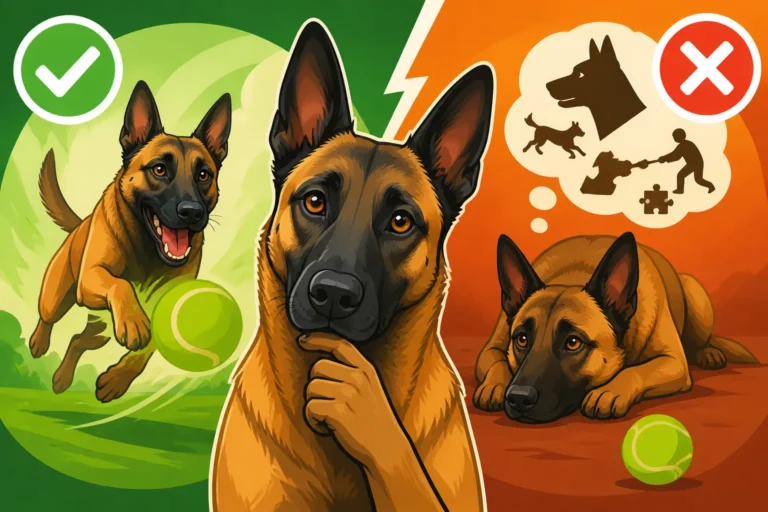
A Belgian Malinois is an incredibly intelligent, active, and demanding breed. They were literally bred to work, and their mental and physical needs are far beyond what a simple walk around the block can provide. If a young Malinois isn't given a constructive outlet for its energy and intelligence, that energy doesn't just disappear. It finds an outlet, and more often than not, it's an outlet you won't appreciate. This is where the saying "an unemployed Malinois is a destructive Malinois" comes from. They will chew your furniture, dig up your yard, bark incessantly, or develop obsessive behaviors. They need a purpose.
So, if bite work isn't in the cards, you absolutely must find another "job" for your Malinois. This could be competitive obedience, agility, scent detection, tracking, or even advanced trick training. The key is structured, challenging mental and physical exercise that engages their keen minds and powerful bodies. Many people find success with nose work, which can be done in your home with simple items you can purchase online, for instance, a scent kit from Amazon or BAXTER & Bella. The crucial element is consistency and a commitment to providing a daily outlet for their working drives. Two Hours and a Job a Belgian Malinois Demands Daily is not an exaggeration.
The Risks of Improper or Incomplete Training
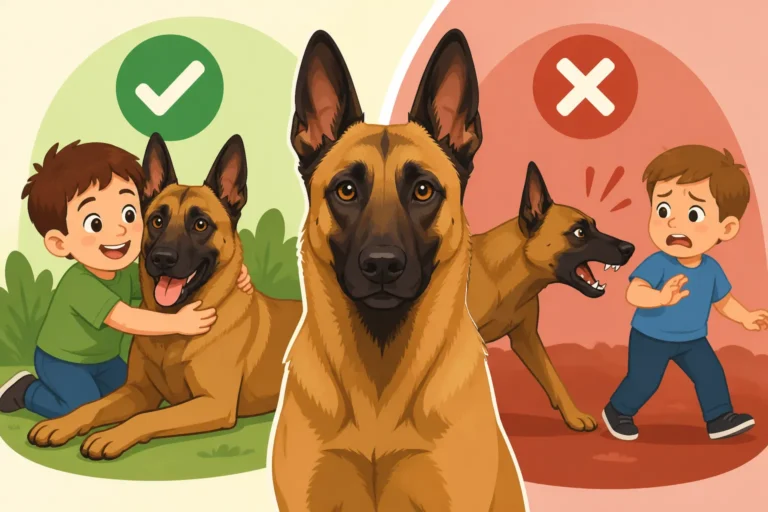
If a young Malinois starts protection work but it's done improperly, or if the training is inconsistent, the risks are significant. A dog that is taught to bite but not to release on command, or one whose drive is stoked without proper control, can become genuinely dangerous. They learn that biting is rewarding, but not that it's contingent on handler direction. This can lead to a dog that bites inappropriately, such as reacting defensively to strangers or becoming territorial.
Furthermore, incomplete training can leave a Malinois in a frustrated state. If they are constantly being amped up for bite work but never get the consistent, fulfilling outlet, or if the training lacks clear rules and boundaries, they can develop behavioral issues like reactivity, anxiety, or aggression. This is why a reputable club and experienced decoy are paramount. They ensure that every step of the training is building a confident, controlled, and safe working dog, not a liability. Whether Bite Work Belongs in a Pet Malinois's Life is a serious consideration, requiring honest self-assessment from any owner.
Disclaimer
This article is for general informational purposes only and does not constitute professional advice. Laws, prices and regulations vary by location and change over time. Consult a qualified professional for guidance on your specific situation.