What a KNPV Program Puts a Belgian Malinois Through
Many people hear the term "KNPV" thrown around when discussing Belgian Malinois, especially high-drive working lines, and while they might understand it's a rigorous training program, the true depth of what it puts a dog through often remains a mystery. It's far more than just "bite work"; it's a comprehensive test of nerve, intelligence, physical prowess, and unbreakable bond with a handler. This guide will meticulously break down the demanding journey a Belgian Malinois undertakes to achieve KNPV certification, revealing the incredible dedication required from both dog and handler.
Understanding the Foundation of KNPV Training
Before any Malinois even sets paw on a KNPV training field, there's a deeply ingrained philosophy and a careful selection process that underpins the entire program. It’s not just about training; it’s about revealing and refining an already exceptional animal.
The Philosophy Behind KNPV
KNPV, which stands for Koninklijke Nederlandse Politiehond Vereniging (Royal Dutch Police Dog Association), originated in the Netherlands with a clear purpose: to produce outstanding police and protection dogs capable of performing under real-world pressure. Unlike some sport venues, KNPV places immense emphasis on practical application, absolute reliability, and unwavering courage. This means selecting dogs with iron nerves, robust health, and an insatiable drive to work. They’re looking for a dog that won't just perform a task, but will do it with intensity, focus, and without hesitation, even when faced with extreme distractions or threats. It's a testament to the Belgian Malinois that they so frequently excel in this demanding arena, proving their inherent suitability for such intense work.
Initial Selection and Puppy Development
The journey for a KNPV prospect often begins long before formal training starts, sometimes even before the puppy leaves its breeder. Breeders with KNPV goals in mind are meticulously selecting for temperament, drive, and physical soundness. Puppies are assessed for their natural curiosity, bite instincts, resilience to noise, and willingness to engage. Once a promising puppy is chosen, its early development is critical. While not "KNPV training" in the formal sense, these early months are about building a solid foundation. This includes extensive socialization to various environments, people, and sounds, fostering confidence, and developing strong prey and food drives through play. Basic obedience and handler engagement are also introduced in fun, positive ways. Think of it as shaping the raw clay before it goes to the master sculptor. Many working line breeders understand that The First Week With a Belgian Malinois Puppy is crucial for setting expectations, and a structured early environment can make all the difference when the formal training begins. The goal is to nurture a bold, stable, and highly motivated young dog ready to absorb complex commands and high-pressure scenarios.
The Core Disciplines of a KNPV Program
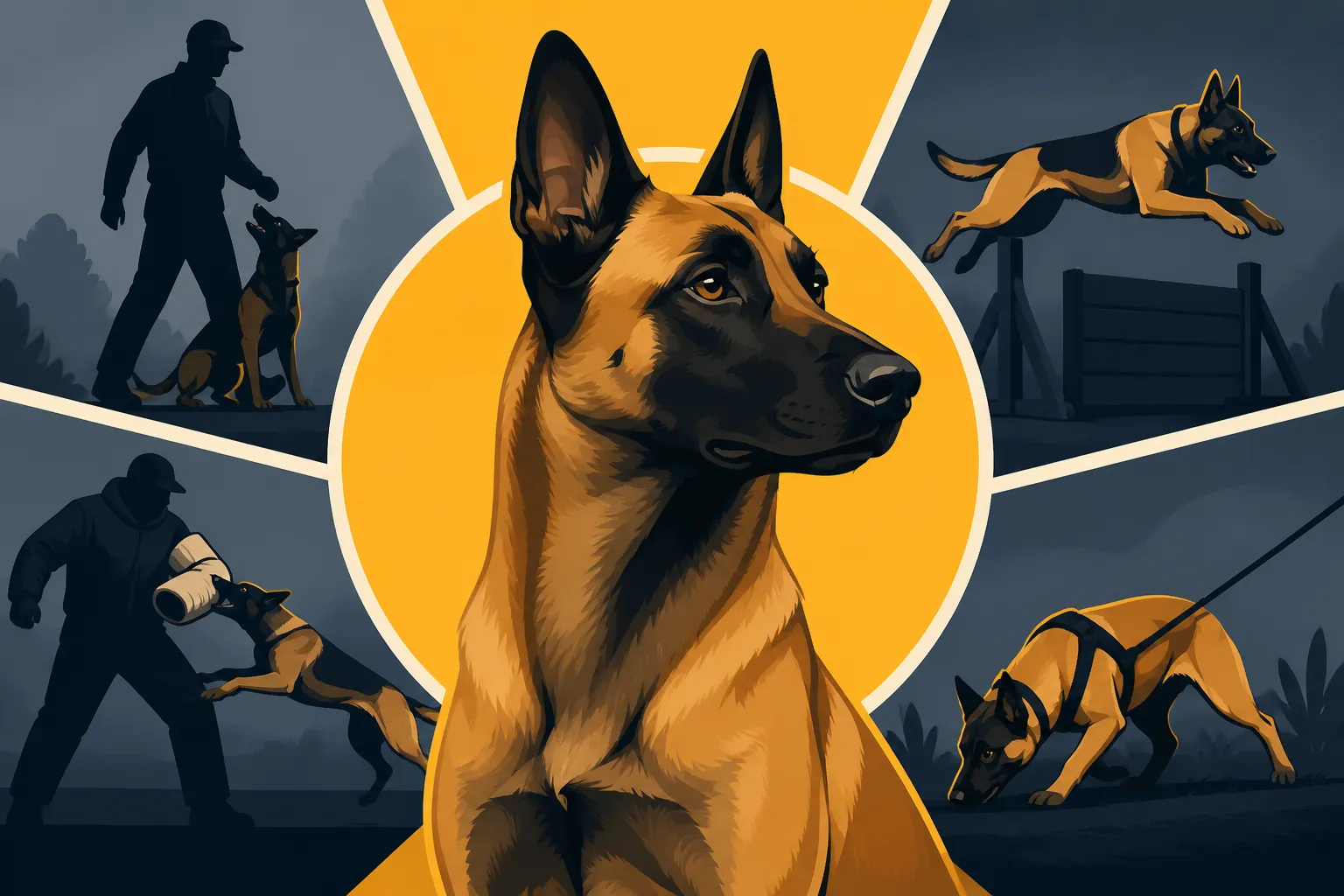
The KNPV program is divided into several main components, each designed to test a specific set of skills vital for a working police or protection dog. This is where the true grit of a Malinois is forged.
Obedience and Handler Control
A KNPV dog is not just physically capable; it must be an absolute master of obedience. This isn't your average "sit-stay" in the park. KNPV obedience demands absolute precision, speed, and unwavering focus, often under extreme distraction. Imagine a Malinois executing a perfect heel, where every step is in sync with its handler, then being commanded to "down" from a run at 50 yards away, and holding that position while a decoy runs past, shouting and carrying a whip. Retrieves are not just picking up an object; they involve retrieving specific items, often over obstacles, from dense cover, or even from water. There are send-outs where the dog runs a long distance and then must immediately "down" on command. Every movement is scrutinized, every command must be instant and flawless. This level of control is paramount; a protection dog that can't be called off instantly, even mid-action, is a liability, not an asset. Teaching a Belgian Malinois to Lie Down and Do Nothing becomes a critical, nuanced skill under these conditions.
Tracking and Detection Work
The KNPV program also includes incredibly demanding tracking and detection exercises. Dogs must follow complex tracks, often aged several hours, across varied and challenging terrains such as pavement, grass, dirt, and through light brush. They are expected to ignore distractions like animal scents or human presence not on the track. Along the track, the dog must locate and indicate small, specific articles dropped by the tracklayer. This requires intense concentration, exceptional scent discrimination, and immense physical stamina. The tracks are not just straight lines; they involve corners, turns, and even backtracking elements to truly test the dog's ability to stay locked onto human scent. It's a mental marathon as much as a physical one, showcasing the Malinois's incredible olfactory capabilities and their determination to complete a task. What Tracking Training Involves for a Belgian Malinois in KNPV is truly a masterclass in canine scent work.
Protection Work: The Heart of KNPV
When most people think of KNPV, they picture the formidable protection work, and rightly so. This is arguably the most visually striking and physically demanding aspect. A Malinois is tested on its courage, its full, hard grip, and its ability to switch from intense drive to perfect obedience at a moment's notice. Scenarios include searching for a hidden decoy in a building or field, apprehending an aggressor, and guarding them until the handler arrives. The dog must withstand direct threats, including stick attacks and aggressive advances, without faltering. The grip must be full-mouthed, powerful, and sustained, never soft or hesitant.
A key element is the "call-off," where the dog must release the decoy and return to the handler, even when in full drive. This demonstrates absolute handler control. There are also exercises where the dog must protect the handler from multiple attackers or apprehend an aggressor fleeing at high speed. The dog's natural defense drives are channeled and refined into a highly controlled, effective, and predictable response. It’s not about aggression for aggression's sake; it's about controlled, disciplined protection under the most extreme conditions imaginable. People often ask Whether Bite Work Makes a Belgian Malinois Dangerous, but in a KNPV context, it's about making them reliably safe and effective in specific scenarios, under handler direction.
Advanced Scenarios and Environmental Toughness
The KNPV program pushes dogs beyond basic skills, requiring them to perform under conditions that mirror real-world police or military operations. This involves exposing them to intense environments and dynamic, pressure-filled situations.
Environmental and Crowd Neutrality
A working police dog can't afford to be spooked by noise, crowds, or unfamiliar surroundings. KNPV testing ensures that a Malinois is completely neutral to its environment, no matter how chaotic. Dogs are often required to perform their obedience and protection work in bustling public spaces, near loud traffic, sirens, or even gunfire simulations. They might have to navigate slippery floors, dark tunnels, or unusual obstacles like climbing over fences or through narrow openings. The goal is to ensure the dog remains focused on its handler and its task, demonstrating unwavering nerve and confidence. This is where Building Focus on a Belgian Malinois in a Crowd truly comes into play; it’s not enough to be calm, the dog must still be able to work effectively. A dog that is easily startled or distracted would be a liability in a real-world scenario, and KNPV meticulously weeds out any such tendencies.
Retrieving and Apprehension Under Pressure
Beyond standard retrieves, KNPV includes complex retrieval tasks under immense pressure. A Malinois might need to retrieve an object thrown over a high wall or from across a body of water. More critically, the apprehension exercises are taken to another level. The dog performs bite work with decoys hidden in vehicles, or must pursue a decoy who is actively resisting and attempting to escape. The "recalls under fire" or "call-offs from a charge" are among the most difficult; the dog must be sent to apprehend a decoy, then, mid-stride or just as they make contact, be called back to the handler. This tests the handler's control to its absolute limit and the dog's profound obedience, proving that the dog operates under direction, not just instinct. These scenarios demand not only physical toughness but also immense mental fortitude and an unshakeable bond between dog and handler. The ability to execute Recalling a Belgian Malinois Off a Moving Target is a hallmark of a truly well-trained KNPV dog.
The Demanding Lifestyle and Equipment
Achieving KNPV certification is a monumental undertaking, requiring a unique lifestyle and significant investment in specialized equipment. It truly becomes a way of life for both the Malinois and its handler.
The Handler's Commitment and Daily Routine
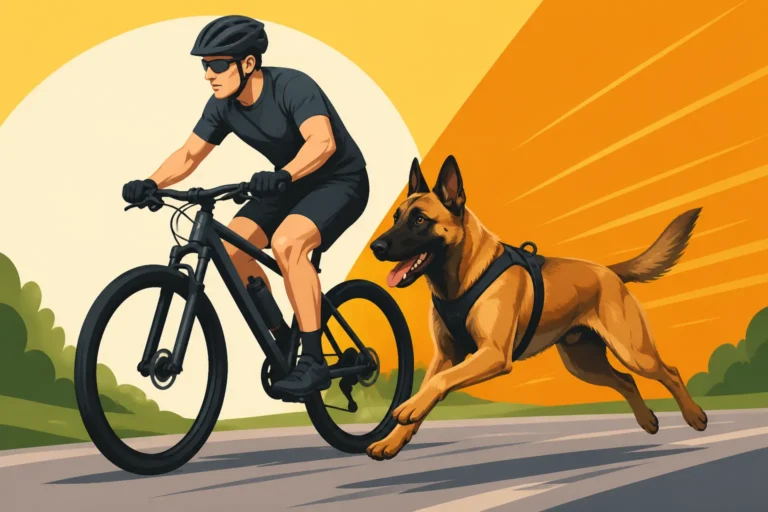
To put a Belgian Malinois through a KNPV program requires an almost unimaginable level of dedication from the handler. This is not a casual hobby; it's a full-time commitment. Handlers dedicate hours every single day to training, conditioning, and maintaining their dog's peak physical and mental state. This includes structured obedience sessions, tracking practice, bite work sessions with experienced decoys, and rigorous physical conditioning to build stamina and strength. They must be experts in reading their dog, understanding its drives, and knowing precisely how to motivate and direct it. The relationship between a KNPV handler and their Malinois is one of profound mutual respect and understanding, built on countless hours of shared effort and trust. Many people are surprised by Two Hours and a Job a Belgian Malinois Demands Daily, but for a KNPV dog, that's often just the warm-up. The training isn't just about repetition; it's about consistent, intelligent application, problem-solving, and continuous refinement of skills.
Essential Equipment for KNPV Training
The specific nature of KNPV training necessitates a range of specialized and durable equipment. Handlers invest in high-quality tracking harnesses that allow the dog freedom of movement while ensuring scent fidelity, and long lines for practicing recall and send-outs over distances. For protection work, the equipment list is extensive, including various bite sleeves, bite suits for decoys (which are incredibly expensive to replace), and different types of bite tugs and pillows to build grip strength and technique. Control collars, such as well-fitted prong collars or e-collars, are often used by experienced KNPV trainers to ensure precise communication and safety, always with careful and responsible application within the training philosophy. Many handlers procure durable leashes, tracking lines, and quality bite sleeves from online retailers like Amazon, as these items are a constant necessity and can see a lot of wear and tear. Even for foundational obedience, before a dog ever steps into KNPV, many new owners look to resources such as BAXTER & Bella for structured puppy training guides and tools, which build the rock-solid communication necessary for advanced work.
Here’s a snapshot of typical KNPV exercises and their core objectives:
| KNPV Exercise Category | Specific Tasks Included | Primary Objectives |
|---|---|---|
| Obedience | Heeling, send-outs, downs, recalls, retrieves | Precision, handler control, focus under distraction, reliability |
| Tracking | Aged tracks, varied terrain, article indication | Scent discrimination, concentration, stamina, problem-solving |
| Protection | Decoy search, apprehension, guarding, call-offs | Courage, full grip, controlled aggression, handler loyalty |
| Environmental Work | Crowds, loud noises, unusual surfaces, obstacles | Nerve stability, neutrality to chaos, adaptability |
| Apprehension | Chase, fleeing aggressor, multiple decoys, vehicle work | Speed, tenacity, unshakeable drive, decision-making |
This comprehensive and challenging curriculum ensures that a KNPV-certified Belgian Malinois is truly one of the most capable and well-trained working dogs in the world, a testament to the breed's extraordinary abilities and the dedication of its handlers.
Disclaimer
This article is for general informational purposes only and does not constitute professional advice. Laws, prices and regulations vary by location and change over time. Consult a qualified professional for guidance on your specific situation.