Belgian Ring Against Mondioring for a Malinois
Choosing between Belgian Ring and Mondioring for your Belgian Malinois can feel like navigating a maze, especially when both sports offer such intense and rewarding challenges for these incredible dogs. Many owners struggle to understand the nuanced differences, wondering which will truly harness their Malinois's formidable drive and athleticism while aligning with their own training philosophy. This guide will break down the distinctions, explore the demands of each sport, and help you determine which path is the best fit for you and your high-octane canine partner.
Understanding the Core Differences in Philosophy
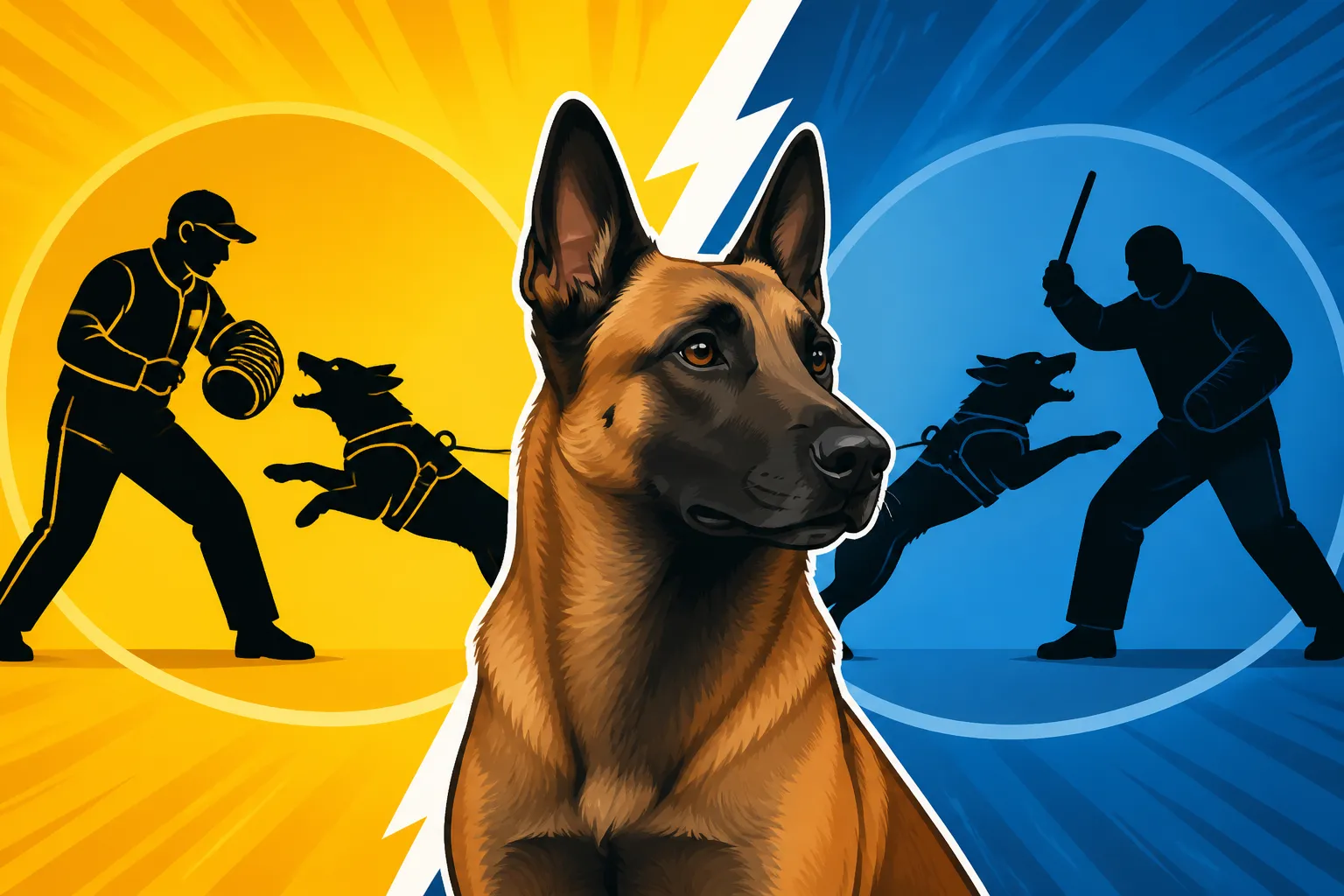
At their heart, both Belgian Ring and Mondioring are protection dog sports designed to test a dog's courage, obedience, and agility. However, they diverge significantly in their underlying philosophies, which dictates everything from the types of exercises performed to the overall atmosphere of a trial. It’s not just about what the dog does, but why and how it does it within the framework of the sport.
Origins and Evolution of Each Sport
Belgian Ring, as its name suggests, originated in Belgium, the very birthplace of the Malinois breed. It’s deeply rooted in traditional working dog culture, designed to prove the utility and courage of the breed. The sport evolved from local competitions that tested farm dogs' ability to protect livestock and property, with a strong emphasis on precision, control, and a dog's natural protective instincts. Think of it as a historical proving ground that values consistency and a dog's unwavering commitment to the handler. The exercises, while demanding, often follow a more predictable, structured sequence, which reflects its long-standing traditions.
Mondioring, on the other hand, is a much newer sport, conceived in the late 1980s by representatives from various protection dog sports around the world (hence "Mondio," meaning world). Its explicit goal was to create a truly international ring sport, drawing elements from French Ring, Belgian Ring, and KNPV. This blend makes Mondioring incredibly diverse and unpredictable. Each trial has a unique theme, influencing the decor and specific scenarios, keeping both dogs and handlers constantly on their toes. It prioritizes adaptability, intelligence, and the dog's ability to perform under novel, often theatrical, conditions.
The 'Feel' of Each Competition
The "feel" of a Belgian Ring competition is often described as more traditional and structured. There’s a seriousness to the work, with precise routines and a focus on consistent, high-level performance. The atmosphere is intense, often quiet save for the commands and the powerful sounds of the dog working. Handlers and dogs prepare for known sequences, aiming for perfection in every movement, every retrieve, and every protection scenario. The judges meticulously score based on strict adherence to the standards. If you love a sport that emphasizes meticulous preparation and technical execution, Belgian Ring might resonate more deeply.
Mondioring, by contrast, feels much more dynamic and often, dare I say, theatrical. The element of surprise is central, with novel setups and unexpected decoy behaviors. Competitions often have themes, turning the field into a miniature movie set – perhaps a junkyard, a construction site, or a medieval castle. This means your Malinois needs to be incredibly adaptable, ready to face a decoy dressed as anything from a clown to a ghost, and perform tasks in unusual environments. It's less about rote memorization of a sequence and more about problem-solving and immediate responsiveness. The crowds are often more engaged, reacting to the dramatic flair of the scenarios, making it a thrilling spectacle for both participants and spectators. Choosing between Belgian Ring and Mondioring for a Malinois is ultimately about finding the environment where your dog thrives.
A Closer Look at the Exercises and Demands
Both sports require a Belgian Malinois to be a supreme athlete with impeccable nerve and drive. However, the specific exercises within each discipline test these attributes in distinct ways, shaping the dog's training and the handler's strategy. Understanding these differences is crucial when evaluating which sport aligns best with your Malinois's natural talents and your own training goals.
Obedience in Belgian Ring vs. Mondioring
In Belgian Ring, obedience is paramount and highly formalized. Dogs are expected to perform a series of exercises with military precision, often off-leash, at a distance, and under significant distraction. This includes heel work, position changes (sit, down, stand) at a distance, send-outs, and precise recalls. The focus is on perfect execution, clean transitions, and the dog's unwavering attention to the handler, even when a decoy might be lurking or engaging with other dogs nearby. There's little room for error, and dogs are often penalized for even slight deviations from the expected form. It's a test of absolute control and the deep bond between handler and dog.
Mondioring's obedience, while equally demanding, is integrated more dynamically into the overall routine and often has a more "practical" feel. While precision is still critical, the obedience exercises are frequently performed around, over, or through obstacles that change with each trial's theme. For instance, a "send-out" might require the dog to navigate a themed obstacle course before reaching its target. The focus shifts slightly towards the dog's ability to remain obedient and focused amidst chaos and novel stimuli, demonstrating its intelligence and adaptability in real-world-like scenarios. It's not just about doing the command, but doing it under challenging, evolving conditions. This means your Malinois needs to have an incredible "off switch" to transition from high drive to precise obedience. Building an Off Switch Into a Belgian Malinois is key for either sport, but especially for Mondioring's unpredictability.
Protection Work: The Heart of Both Sports
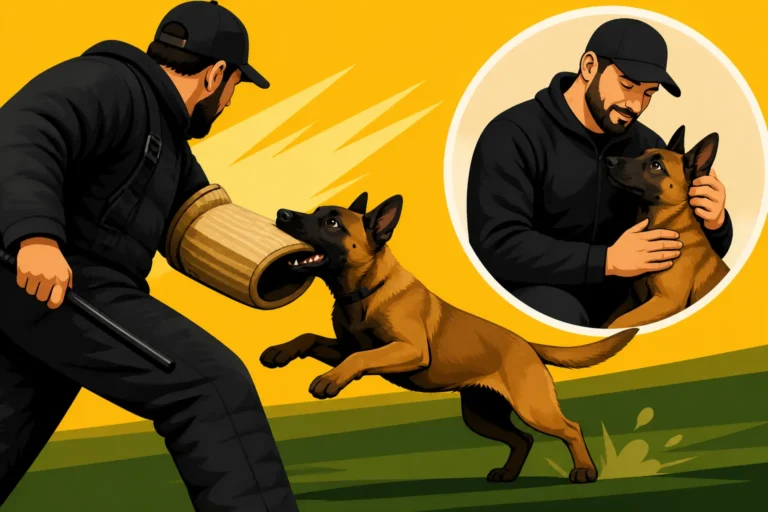
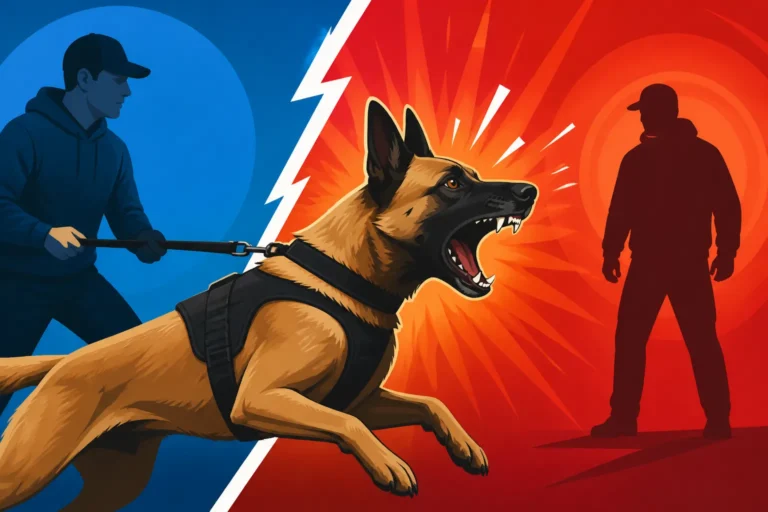
This is where the Malinois truly shines, and both sports provide incredible platforms for their protective instincts. In Belgian Ring, the protection phase is highly structured. It involves a single decoy, often working in a predictable pattern, with a series of defined attacks, defense of the handler, and guarding of objects. The bites are expected to be full, calm, and hard, demonstrating control and power. The dog must release on command, return to the handler, and guard silently. There's a strong emphasis on the dog's ability to maintain control and composure under pressure, showing a clear distinction between the "fight" and the "out" phases. Grip Development in a Belgian Malinois is vital here, as judges look for a strong, confident bite.
Mondioring's protection work is far more varied and surprise-oriented. There can be multiple decoys, often dressed in outlandish costumes, and they can engage the dog from unexpected directions or in unusual poses. The scenarios are designed to test the dog's nerve and decision-making under high-stress, unpredictable circumstances. Bites can be shorter, more dynamic, and involve different parts of the decoy's suit. The dog's ability to read the situation, react appropriately, and then quickly transition to guarding or returning to the handler is heavily weighted. This means your Malinois needs exceptional environmental soundness and unflappable confidence. The goal is often a fast, hard engagement and a quick, clean out. You might even find specific training aids for this kind of work on platforms like Amazon, from durable tugs to specialized sleeves that help build a strong, confident bite.
Jumping and Agility Elements
Both sports incorporate jumping and agility to showcase the Malinois's incredible athleticism, but again, with subtle differences in presentation and emphasis. In Belgian Ring, the jumps are standardized: a hurdle, a palisade (a scaling wall), and a long jump. The dog is expected to clear these obstacles cleanly and powerfully, demonstrating strength and agility. Precision in takeoff and landing is important, and dogs are judged on their technique and speed. These jumps are consistent from trial to trial, allowing for extensive and specific conditioning.
Mondioring's jumping and agility elements are, predictably, more integrated into the thematic flow of the trial. While similar types of obstacles might appear (hurdles, palisades, long jumps), they can be presented in novel ways, or there might be additional, unique obstacles that change with the theme. For example, a dog might need to jump over a "burning" barrel (simulated, of course) or navigate a tricky sequence of steps and platforms before a bite. The focus is on the dog's versatility and willingness to tackle any physical challenge presented by the course designer. This means a Malinois needs to be truly fearless and adaptable in its physical capabilities. For advanced sport work like this, ensuring your Malinois has proper joint support is critical, and you can find many reputable supplements available from various online retailers.
Suitability for Your Belgian Malinois and Handler Team
Deciding between Belgian Ring and Mondioring isn't just about comparing rules; it's about deeply understanding your dog, yourself, and your training lifestyle. A Malinois is an incredibly driven animal, and either sport can be profoundly fulfilling, but choosing the right fit can prevent frustration and maximize success. The Handler Experience a Belgian Malinois Needs is paramount here, as both sports demand a high level of dedication.
Assessing Your Malinois's Temperament and Strengths
Consider your Malinois's inherent personality. Does your dog thrive on predictability and routine, excelling when it knows exactly what's expected? A dog that finds comfort in performing precise, rehearsed sequences and values absolute clarity in commands might lean towards Belgian Ring. This sport rewards dogs that can execute tasks with robotic accuracy under pressure, often demonstrating intense focus on the handler despite distractions. If your Malinois is naturally very serious about its work and prefers a clear, defined structure, this might be its arena.
Conversely, if your Malinois is the type to embrace novelty, enjoys problem-solving, and is unfazed by sudden changes or unusual sights and sounds, Mondioring could be a fantastic match. Dogs that excel here are often highly environmentally sound, adaptable, and demonstrate quick thinking. They need to be able to switch gears instantly from one scenario to a completely different one without hesitation. If your dog has a playful, "bring it on" attitude towards new challenges and doesn't get rattled by a decoy in a bizarre costume, then the dynamic nature of Mondioring might unlock its full potential. Both sports require dogs that are physically sound, strong, and brave, so regular vet check-ups are key to keeping your Malinois in top condition.
Handler Commitment and Training Style
Your commitment level and preferred training style are just as important as your dog's attributes. Belgian Ring often appeals to handlers who are meticulous, disciplined, and enjoy the process of refining every tiny detail of a dog's performance. It demands countless hours of repetition to achieve the required level of precision and consistency. If you love dissecting training videos, attending seminars focused on minute technical adjustments, and enjoy the journey of perfecting a known routine, Belgian Ring might be incredibly rewarding. It’s a sport where mastery of fundamentals and absolute control are constantly put to the test. Obedience a Malinois Needs Before Protection Work cannot be overstated, regardless of the chosen sport.
Mondioring, on the other hand, calls for handlers who are creative, quick-thinking, and adaptable themselves. While fundamentals are crucial, the training often involves exposing the dog to a wider variety of scenarios, sounds, and distractions. Handlers need to be skilled at preparing their dog for the unexpected, fostering independence in problem-solving, and building resilience to surprise. If you enjoy the challenge of constantly evolving scenarios, thinking on your feet during a trial, and appreciate a more "freestyle" yet equally demanding approach, Mondioring could be your calling. It requires a handler who can not only train their dog to a high level but can also interpret and adapt to the unique challenges of each trial.
Equipment and Resources
The practicalities of training also play a role. For Belgian Ring, while specialized equipment is needed, it tends to be more standardized. You'll need sturdy harnesses, high-quality leashes, and specific types of bite sleeves and suits for your decoys or club members. Clubs often have dedicated fields with the standard jumps. Investing in quality gear is a given for any serious Malinois owner, and you can find many of these specific items from well-known brands.
Mondioring often requires access to a wider variety of props and environments for training. Because the trials feature unique themes, clubs might build or acquire various obstacles and use diverse decoy costumes. This means your training environment might be more varied, and you might seek out different types of decoys who can adapt to the "theatrical" demands. Both sports demand significant financial investment in club dues, equipment, and travel to trials. What a Full Bite Suit Costs a Malinois Club or What a Hidden Sleeve Costs for Malinois Training gives you a glimpse into the specialized nature of the gear involved. Regardless of which sport you choose, a strong foundation, even from puppyhood, is key. Programs like BAXTER & Bella, known for their comprehensive puppy training methods, instill habits of engagement and clear communication that are invaluable building blocks for any advanced work you pursue.
Making the Decision: Which Path to Take?
Ultimately, the choice between Belgian Ring and Mondioring comes down to a blend of your Malinois's natural aptitudes, your own training preferences, and the resources available to you. Both are incredibly demanding and deeply rewarding sports that showcase the unparalleled abilities of the Belgian Malinois.
Trialing and Progression
When you embark on either Belgian Ring or Mondioring, understand that it's a journey, not a sprint. Both sports have multiple levels of competition, requiring dogs to demonstrate increasing proficiency, control, and courage as they advance.
In Belgian Ring, the progression is typically through Brevet, Ring I, Ring II, and Ring III. Each level introduces more complex exercises, longer durations of work, and higher expectations for precision and power. It's a structured path where consistency is rewarded, and mastering each stage builds a robust foundation for the next. The judges are looking for clean, consistent performance every time. For a dog that thrives on clear boundaries and a steady increase in difficulty, this systematic progression can be very satisfying.
Mondioring also has distinct levels: Mondioring I, Mondioring II, and Mondioring III. The key difference in progression lies in the unpredictability that escalates with each level. While Belgian Ring introduces complexity, Mondioring amplifies the element of surprise, requiring dogs to perform at higher levels of obedience and protection amidst increasingly varied and challenging scenarios. The themes become more elaborate, the decoys more creative, and the obstacles more unusual. This means that a dog progressing through Mondioring is not just mastering skills, but constantly adapting its application of those skills to novel situations. It's a true test of a Malinois's intelligence and ability to think on its feet under pressure.
Long-Term Goals and Enjoyment
Consider what you hope to achieve in the long term with your Malinois. Are you driven by the pursuit of absolute perfection and technical mastery of a traditional sport? Do you find deep satisfaction in seeing your dog execute commands with faultless precision, knowing every detail has been honed through meticulous practice? If so, Belgian Ring might be your calling. It offers a clear path to demonstrating the highest levels of classic protection dog work, often resulting in incredibly polished and impressive performances. It's a sport that values heritage and the consistent demonstration of a dog's inherent working qualities.
However, if your passion lies in exploring the outer limits of your Malinois's adaptability, mental fortitude, and ability to perform in any given situation, then Mondioring might offer more sustained excitement. The constantly changing nature of the trials means there’s always a new challenge, a new theme, and a new way to test your dog's capabilities. This can be incredibly engaging for both handler and dog, fostering a dynamic partnership that thrives on versatility and ingenuity. It's a sport for those who love variety and the thrill of seeing their dog solve problems on the fly. Ultimately, the "best" sport is the one that brings you and your Malinois the most joy and fulfillment over many years of dedicated training. The Year a Malinois Starts Working Shorter Sessions can give you a perspective on the longevity of these high-intensity activities.
| Feature/Aspect | Belgian Ring | Mondioring |
|---|---|---|
| Origin | Belgium | International (France, Belgium, Netherlands) |
| Core Philosophy | Traditional, precision, handler control, purity | Adaptability, versatility, surprise, practicality |
| Obedience | Highly formalized, precise, structured sequences | Dynamic, integrated with protection, novel scenarios |
| Protection Work | Single decoy, structured attacks, consistent | Multiple decoys, varied scenarios, theatrical |
| Bite Focus | Full, calm, powerful, controlled | Dynamic, hard, adaptable, quick engagement |
| Jumping/Agility | Standardized obstacles (hurdle, palisade, long) | Varied obstacles, integrated into themes |
| Trial Themes | No specific themes, standardized field | Unique themes for each trial, theatrical decor |
| Unpredictability | Low (known sequences) | High (surprise elements, changing scenarios) |
| Ideal Malinois | Precise, focused, consistent, calm | Adaptable, fearless, intelligent, environmentally sound |
| Ideal Handler | Meticulous, disciplined, detail-oriented | Creative, quick-thinking, adaptable, resilient |
Disclaimer
This article is for general informational purposes only and does not constitute professional advice. Laws, prices and regulations vary by location and change over time. Consult a qualified professional for guidance on your specific situation.