What a Full Bite Suit Costs a Malinois Club
If you've ever been involved with a Belgian Malinois training club, especially one focused on protection sports like IGP or French Ring, you know that quality equipment isn't just a nice-to-have – it's an absolute necessity. One of the biggest, and often most surprising, investments for any serious club is the full bite suit. These aren't cheap Halloween costumes; they're meticulously designed pieces of safety gear that come with a hefty price tag, and understanding that cost, what drives it, and how clubs manage it, is crucial for anyone involved in Malinois training. This guide will delve deep into the world of full bite suits, exploring what goes into their cost and why they are an indispensable part of a Malinois club's operations.
Understanding the Specialized Nature of a Full Bite Suit
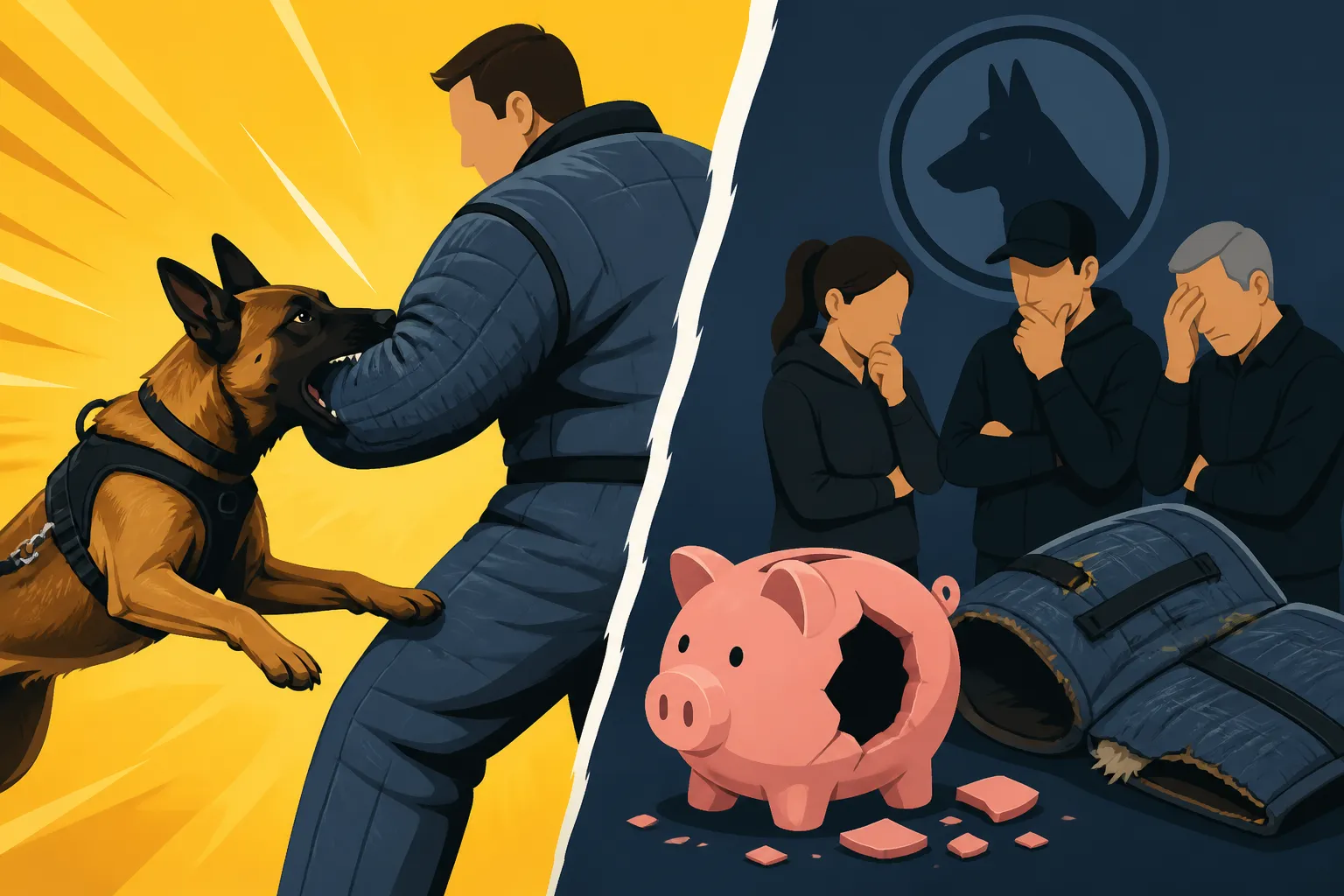
When we talk about a "full bite suit" in the context of Belgian Malinois training, we're not just discussing a heavy jacket. We're talking about a highly specialized piece of protective gear that allows a human decoy to safely engage with a powerful, driven working dog during bite work exercises. These suits are the result of years of evolution in dog sport and K9 training, designed to withstand immense pressure, sharp teeth, and the explosive force of a Malinois.
Why a Standard Dog Suit Won't Cut It for Malinois Training
You might wonder why a club can't just buy a heavy-duty work suit or some padded clothing. The answer lies in the specific demands of a Belgian Malinois's bite. These dogs possess incredible jaw strength, speed, and precision. Their bites are not tentative; they are full-force, committed engagements designed to stop a threat. A standard suit, even a thick one, would offer minimal protection against puncture wounds, crushing force, and the sheer impact of a Malinois launching itself into a bite.
Think about it from the decoy's perspective: they are intentionally putting themselves in a position to be bitten, repeatedly, by a dog that is literally bred and trained for this work. Any failure in the suit's integrity could lead to severe injury, from deep lacerations to broken bones. The materials and construction of a proper bite suit are engineered to distribute pressure, resist tearing, and prevent penetration, all while allowing the decoy enough mobility to work effectively and safely. Trying to cut corners here is simply not an option when you're dealing with a breed as intense as the Malinois. It's about protecting the decoy, yes, but also about building the dog's confidence and correct bite mechanics without fear of accidental injury.
Key Components of a High-Quality Bite Suit
A full bite suit is far more complex than it appears. It's an articulated system of protection, typically covering the entire body of the decoy. Let's break down its primary components:
- Jacket: This is usually the heaviest part, protecting the torso, arms, and shoulders. It features multiple layers of specialized padding, often with reinforced seams and strategic placement of harder materials over critical areas like the elbows and shoulders. Mobility in the arms is still crucial for a decoy to present effectively.
- Pants: Designed to protect the legs, hips, and groin area. Like the jacket, they are heavily padded and often include adjustable straps or internal suspension systems to keep the padding properly positioned even during dynamic movements. Knee protection is paramount.
- Gloves: Essential for hand and wrist protection, which are common targets during certain bite exercises. These are robust, offering significant padding while still allowing for some dexterity.
- Collar/Neck Protection: Often integrated into the jacket or as a separate piece, this guards the neck, a vulnerable area.
- Boots/Leg Gaiters: While not always considered part of the "suit" itself, specialized protective boots or gaiters are frequently worn to extend protection down to the ankles and feet, complementing the pants.
The goal is comprehensive coverage that allows the decoy to absorb the impact of the bite without sustaining injury, while simultaneously enabling them to move, run, and engage with the dog naturally. The ergonomics are critical; a suit that's too stiff or restrictive limits the decoy's ability to create realistic scenarios for the dog.
Factors Influencing the Cost of a Full Bite Suit
The price of a full bite suit isn't just pulled out of thin air. Several significant factors contribute to the overall investment a Malinois club will need to make. These suits are highly specialized, low-volume products, and their cost reflects the expertise, materials, and labor involved in their creation.
Material and Construction Quality
This is perhaps the most significant determinant of a bite suit's price. Unlike regular clothing, bite suits are made from advanced, durable textiles and padding materials designed for extreme stress.
- Specialized Fabrics: The outer shell of a high-quality bite suit is typically made from extremely tough, tear-resistant synthetics, often a blend of cotton and nylon or proprietary ballistic fabrics. These materials are chosen not just for their strength but also for their ability to withstand repeated washing and harsh outdoor conditions. They need to resist abrasions from ground contact during send-outs and endure hundreds, if not thousands, of full-impact bites.
- Layered Padding Systems: Inside the tough outer shell are multiple layers of different density padding. Softer, shock-absorbing foams might be closer to the body, while denser, impact-resistant materials are positioned closer to the surface. The arrangement and quality of these layers are crucial for dissipating the force of a bite across a wider area, preventing bruising and punctures. Poor quality padding will break down quickly, offering less protection over time.
- Reinforced Stitching and Seams: The stitching on a bite suit is under constant tension and impact. High-tensile threads and multiple rows of reinforced stitching are used throughout, particularly at stress points like shoulders, elbows, and crotch. Weak seams are often the first point of failure, compromising the suit's protective integrity.
- Hardware Durability: Zippers, buckles, and Velcro closures must also be heavy-duty to withstand the rigors of training. Imagine a cheap zipper failing mid-session; it's a safety hazard that reputable manufacturers simply can't afford.
The choice of these superior materials and the intricate construction process significantly drives up the manufacturing cost compared to mass-produced apparel.
Brand Reputation and Craftsmanship
Just like in any specialized field, certain brands have earned a reputation for excellence in bite suit manufacturing. Companies like Gappay, Seynaeve, and Demanet are names you'll hear frequently in the world of dog sports. These brands have invested years, often decades, in research, development, and working directly with experienced decoys to refine their designs.
- Expertise and Experience: Reputable manufacturers employ skilled artisans who understand the mechanics of a dog's bite, the movements of a decoy, and the critical balance between protection and mobility. This isn't something that can be learned overnight; it's a craft perfected over time.
- Quality Control: Established brands maintain stringent quality control processes. Every seam, every piece of padding, every buckle is inspected to ensure it meets their high standards. This rigorous attention to detail prevents defective suits from reaching the field, where they could lead to serious injury.
- Innovation: Leading brands are also at the forefront of innovation, constantly seeking new materials, better padding designs, and improved ergonomic features to enhance both decoy safety and dog training effectiveness. This ongoing investment in R&D is reflected in their pricing.
- Warranty and Support: Often, higher-priced suits from reputable brands come with better warranties and customer support, which can be invaluable for a club needing repairs or advice.
The "cost" here isn't just about raw materials; it's about paying for peace of mind, proven reliability, and the accumulated knowledge of a specialized industry.
Customization and Sizing
Bite suits are not one-size-fits-all. Decoys come in all shapes and sizes, and a properly fitting suit is critical for both safety and performance. A suit that's too loose can shift during a bite, exposing vulnerable areas, while one that's too tight can restrict movement and cause discomfort.
- Standard Sizing: Most manufacturers offer suits in a range of standard sizes (e.g., Small, Medium, Large, XL). These off-the-rack options are generally more affordable, but may not provide an ideal fit for every decoy. A club might invest in a few different standard sizes to accommodate its various decoys.
- Semi-Customization: Some brands offer semi-custom options, allowing for adjustments to sleeve length, leg length, or torso girth based on specific measurements. This bridges the gap between off-the-rack and full custom, providing a better fit without the highest price tag.
- Full Custom Suits: For decoys who are exceptionally tall, short, or have unique body proportions, a full custom-made suit might be necessary. This involves detailed measurements and often a longer lead time, as the suit is built from scratch to the individual's specifications. Naturally, this bespoke service commands the highest price due to the individualized labor and pattern making involved.
For a Malinois club, investing in a variety of sizes or even a custom suit for a primary decoy is often seen as a necessary expense to ensure optimal safety and training continuity.
Breakdown of Bite Suit Costs for a Malinois Club
For a Belgian Malinois club, the cost of bite suits isn't just a one-time purchase. It involves initial investment, ongoing maintenance, and the strategic understanding of how this essential equipment impacts club operations and member safety.
Initial Investment for a Club
The initial outlay for full bite suits can be substantial, and it's something every new or growing club needs to budget for very carefully.
- Number of Suits: A club typically needs more than one suit. Why? Decoys vary in size, suits need cleaning and drying time between heavy training sessions, and having a backup is crucial in case of damage. A small club might start with two or three suits in different common sizes (e.g., a Medium and a Large), while a larger, more active club might have five or more.
- Suit Types: There are also different "levels" of bite suits, from lighter "training suits" for younger dogs or less intense work, to "competition-grade" or "full protection" suits designed for maximum impact and serious trial preparation. A club might invest in a mix, using lighter suits for fundamentals and saving the heaviest for advanced work, extending the life of the most expensive gear.
- Ancillary Gear: Beyond the suit itself, a club needs other bite-related equipment. This includes What a Hidden Sleeve Costs for Malinois Training, Tugs and Bite Pillows a Malinois Destroys, and possibly specialized leashes or harnesses for controlled bite work scenarios. While not as expensive as a full suit, these items add up quickly.
- Shipping and Import Fees: If ordering from a specialized European manufacturer, which many top-tier clubs do, international shipping, customs duties, and import taxes can add a significant percentage to the overall cost. These often forgotten expenses can quickly inflate the final bill.
Considering these factors, a club should expect the initial investment for a few quality suits to be a significant line item in their budget. It's often the largest single equipment expense after perhaps specialized vehicles for K9 units.
Ongoing Maintenance and Replacement Costs
A bite suit isn't a "buy it once and forget it" item. It requires continuous care and eventually, replacement.
- Cleaning: After every session, especially intense ones, suits get dirty, sweaty, and sometimes even muddy. They need proper cleaning to prevent mildew, odors, and the breakdown of materials. This often means specialized washing instructions, air drying, and sometimes even professional cleaning services. This labor and utility cost might not seem like much per wash, but over a year, it adds up.
- Repairs: Even the best suits will eventually sustain wear and tear. Small tears, worn-out seams, or broken buckles will need repair. Some minor repairs can be done in-house if someone has sewing skills, but major damage might require sending the suit back to the manufacturer or a specialized repair shop. This isn't cheap, as it requires the same specialized materials and craftsmanship as the original build. Proactive repairs can extend a suit's life, preventing minor issues from becoming catastrophic failures.
- Replacement Cycle: No bite suit lasts forever. Depending on the intensity and frequency of use, a club might need to replace a suit every few years. A suit used daily by multiple decoys will wear out far faster than one used once a week for light training. This planned obsolescence needs to be factored into the club's long-term budget. The padding compresses, the fabric abrades, and the protective qualities diminish over time.
- Specialized Maintenance Products: Beyond basic cleaning, there might be specific conditioning sprays or treatments recommended by manufacturers to maintain the integrity and water resistance of the outer fabric. Think of it like taking care of high-end outdoor gear; it needs more than just a quick rinse.
The Hidden Value of Durability
While the upfront cost of a premium bite suit might seem daunting, it's essential for clubs to understand the hidden value in durability. A cheaper, poorly constructed suit might save money in the short term, but it will inevitably cost more in the long run.
- Longevity: A high-quality suit, properly cared for, can last for many years. This means fewer replacements, saving the club money over time. A cheaper suit might need replacement annually or even more frequently, quickly surpassing the cost of a single, durable investment.
- Consistent Protection: A durable suit maintains its protective qualities longer. This is paramount for decoy safety. A suit whose padding breaks down prematurely or whose seams rip easily puts the decoy at unacceptable risk, potentially leading to Emergency Care After a Malinois Training Injury or worse.
- Training Continuity: When a suit is constantly in need of repair or replacement, it disrupts training schedules. Dogs miss sessions, decoys are unavailable, and the overall progression of the club's training program suffers. Investing in durability means more consistent and reliable training.
- Resale Value: Surprisingly, well-maintained, high-quality bite suits from reputable brands can retain a decent resale value. If a club upgrades or needs to sell off excess gear, a quality suit will fetch a much better price than a no-name brand.
The saying "buy once, cry once" definitely applies here. For Malinois clubs, durability isn't just about saving money; it's about upholding safety standards and ensuring a smooth, effective training environment.
Alternatives and Cost-Saving Strategies for Clubs
While full bite suits are a significant expense, Malinois clubs aren't entirely without options when it comes to managing these costs. Strategic planning and resourcefulness can help ease the financial burden.
Investing in Individual Pieces vs. Full Suits
For some clubs, especially those just starting out or with limited budgets, a full, comprehensive bite suit might not be immediately feasible. In these situations, investing in individual, high-priority protective pieces can be a temporary alternative.
- Bite Sleeves: This is often the first piece of equipment a club acquires. A bite sleeve, particularly a full arm sleeve, is where much of the initial bite work and grip development happens. It allows dogs to learn to target and hold, protecting the decoy's arm while being more mobile and less expensive than a full suit. There are various types, from soft puppy sleeves to hard, advanced sleeves for strong adult dogs. This allows a club to start fundamental training even without a full suit.
- Leg Sleeves/Pants: Protecting the legs is another critical concern, especially in sports like French Ring where leg bites are common. Investing in specialized bite pants or leg sleeves can complement the arm sleeve work, offering more comprehensive protection for specific exercises.
- Upper Body Protection: While less common as standalone pieces, some clubs might acquire heavily padded jackets or vests that offer torso protection, which can be worn over regular clothing. However, these are generally not designed for the intense, full-body impact a dedicated suit can handle.
The drawback here is obvious: these individual pieces offer segmented protection, leaving other body parts vulnerable. They are absolutely not a substitute for a full suit for advanced or high-intensity work, but they can be a stepping stone or a supplement for specific training scenarios, particularly when a club is working on Grip Development in a Belgian Malinois.
Sourcing Used or Refurbished Equipment
The secondary market can sometimes offer opportunities for cost savings, but it comes with a significant caveat: safety.
- Finding Used Suits: Occasionally, experienced decoys or clubs might sell their used suits when upgrading or retiring. Online forums, dog sport marketplaces, or even direct contact within the dog sport community can be avenues for finding these. The prices will be considerably lower than new.
- Refurbishment Potential: Some manufacturers offer refurbishment services for their own suits, replacing worn padding or outer layers. This can extend the life of an existing suit at a fraction of the cost of a new one.
- Critical Considerations for Used Suits: This is where extreme caution is needed. A used suit might look okay on the outside, but the internal padding could be compressed, damaged, or compromised, reducing its protective capabilities. You must thoroughly inspect any used suit for hidden damage, weak seams, and overall integrity. Knowing the suit's history – how old it is, how frequently it was used, and the intensity of the work it saw – is crucial. A "good deal" isn't a good deal if it puts a decoy at risk. Always prioritize safety over savings. This is not like buying a used car; this is safety equipment for a very high-impact activity.
Fundraising and Membership Contributions
For non-profit or community-based Malinois clubs, fundraising is a common and effective way to acquire expensive equipment like bite suits.
- Membership Dues: A portion of annual Club Dues, Decoys and Equipment for a Malinois can be earmarked specifically for equipment replacement and maintenance. Transparency with members about how their dues contribute to equipment ensures buy-in.
- Special Fundraising Events: Hosting events like seminars, workshops, or small trials can generate funds. Many dog sport enthusiasts are keen to support clubs that provide valuable training opportunities.
- Grants and Sponsorships: Some organizations offer grants for K9 training equipment, especially for police or military K9 units, but sometimes for civilian sport clubs too. Local businesses, particularly those related to pets or security, might also be willing to sponsor a club in exchange for promotion.
- Donations: Simply asking for donations from members, local businesses, or even through online crowdfunding can be surprisingly effective. Passionate dog sport communities often rally to support essential equipment needs.
By combining these strategies, a Malinois club can significantly mitigate the financial strain of acquiring and maintaining high-quality bite suits, ensuring the safety of its decoys and the effectiveness of its training program. Remember, products from companies like Chewy for everyday pet supplies or Ollie for premium dog food are often discussed in dog ownership communities, and these connections can sometimes lead to broader support networks or ideas for fundraising through community partnerships.
The Long-Term Return on Investment for Quality Equipment
When a Malinois club invests a significant amount in high-quality full bite suits, it's not just an expenditure; it's a strategic decision that yields substantial returns over time. These returns manifest in multiple critical areas, from safety to training efficacy and club sustainability.
Safety Benefits for Decoys and Dogs
This is, without a doubt, the paramount return on investment. The safety of the decoy is non-negotiable, and quality equipment provides that reassurance.
- Decoy Protection: A well-constructed suit minimizes the risk of severe injuries for the decoy, allowing them to work with confidence and focus on the dog's performance rather than fear of being hurt. When a decoy trusts their gear, they can move more fluidly, present more realistic targets, and better develop the dog. This reduced risk also helps with decoy retention; good decoys are hard to find and keep if they're constantly getting bruised or injured.
- Preventing Dog Injury: While designed to protect the human, a good bite suit also indirectly protects the dog. A firm, consistent, and resilient biting surface allows the Malinois to develop a strong, full grip without fear of "biting through" or impacting something unexpectedly hard. This prevents injuries like The Cost of Repairing a Malinois's Broken Canine or other dental issues, and builds the dog's confidence in its bite. A poor quality suit might lead to inconsistent bite surfaces, which can confuse or even deter a dog from biting fully.
- Insurance and Liability: While not directly a "return," the safety provided by quality suits can have implications for a club's liability insurance. Demonstrating a commitment to safety through proper equipment can be vital in the unfortunate event of an incident. It also protects the individuals involved from unnecessary harm and potential legal repercussions.
Impact on Training Effectiveness and Dog Development
The quality of training equipment directly influences the quality of the training itself.
- Consistency in Training: High-quality suits provide a consistent and predictable biting surface for the dogs. This consistency is vital for a Malinois to learn and refine its bite mechanics, grip strength, and targeting. If the suit feels different or performs differently each session, the dog's learning can be hindered.
- Building Confidence and Drive: When a dog learns to engage a decoy in a stable, well-protected suit, it builds immense confidence and reinforces their natural drives. The dog learns that its full power can be unleashed without negative consequences, encouraging a stronger, more committed bite. This is crucial for What Bite Sport Actually Asks of a Belgian Malinois, requiring dogs to be mentally and physically solid.
- Advanced Techniques: Many advanced bite work techniques require the decoy to move dynamically, fall, or create complex scenarios. A flexible yet protective suit allows the decoy to execute these movements safely, providing the Malinois with realistic and challenging training scenarios. This is especially important for dogs preparing for higher-level titles in IGP, French Ring, or KNPV.
- Decoy Performance: A comfortable and well-fitting suit enhances the decoy's ability to perform. They can move with agility, absorb impacts without being thrown off balance, and maintain proper posture, all of which contribute to better dog training. A decoy encumbered by ill-fitting or uncomfortable gear cannot perform at their best, which ultimately impacts the dogs' development.
Attracting and Retaining Club Members
A club that invests in professional, safe equipment signals its commitment to excellence, which is a significant draw for potential members.
- Professional Image: High-quality equipment contributes to a club's professional image. When new members come to observe or try out, seeing top-tier suits and other gear demonstrates that the club takes training seriously and prioritizes safety. This is particularly appealing to owners of high-drive breeds like the Belgian Malinois who are looking for serious training environments.
- Decoy Availability: Having sufficient, well-maintained suits means decoys are always ready and willing to work. A club where decoys are frequently injured or unable to work due to poor equipment will struggle to provide consistent training, leading to member frustration. The more decoys can work safely, the more training sessions can be offered, which directly benefits members.
- Quality of Training Offered: Ultimately, the investment in equipment directly translates into the quality of training a club can offer. Members looking to progress with their Malinois, from basic The Age a Belgian Malinois Starts Protection Work to advanced competition, will seek out clubs that provide the best resources. A club with excellent gear and experienced decoys will naturally attract and retain dedicated members. This also helps with Finding a Club That Will Take a Belgian Malinois, as many clubs have specific equipment requirements or prefer dogs to start with proper gear.
- Reputation Within the Community: A club known for its safe, effective, and professional training environment will build a strong reputation within the wider dog sport community. This can lead to more inquiries, visiting trainers, and a vibrant, growing membership base, ensuring the club's longevity and success. The investment in gear is an investment in the club's future and its standing.
In essence, while the initial cost of a full bite suit for a Malinois club might seem daunting, it's a foundational investment that pays dividends in safety, training quality, and the overall health and growth of the club and its members. It underscores the serious nature of working with Belgian Malinois in protection sports and the unwavering commitment required.
Disclaimer
This article is for general informational purposes only and does not constitute professional advice. Laws, prices and regulations vary by location and change over time. Consult a qualified professional for guidance on your specific situation.