Club Dues, Decoys and Equipment for a Malinois
Bringing a Belgian Malinois into your life is an incredible commitment, and while many prepare for the initial purchase price, the ongoing financial realities often hit owners like a freight train. Beyond food and basic vet care, the specialized needs of this high-drive breed—especially if you're involved in working sports—can pile up quickly, making club dues, decoy fees, and robust equipment a significant, yet often overlooked, part of your monthly budget. This guide is here to shed light on those less-talked-about expenses, helping you understand what it truly costs to keep your Malinois happy, healthy, and engaged in the work they were born to do.
The Reality of Ongoing Malinois Expenses Beyond the Puppy Price
It’s easy to get caught up in the excitement of a new Malinois puppy, dreaming of titles and impressive performances. But the truth is, the initial cost of acquiring one of these magnificent dogs is often just the tip of the iceberg. Many new owners, especially those new to working breeds, severely underestimate the financial commitment required to properly develop and maintain a Belgian Malinois throughout its life. This isn't just about kibble and annual check-ups; it's about providing the specific outlets and tools necessary for a breed whose very essence is to work.
Why Basic Pet Ownership Budgets Fall Short
A typical budget for a family pet might include food, routine vet visits, maybe a few toys, and a basic leash and collar. With a Malinois, this budget is laughable. These dogs are not content with a walk around the block and a squeaky toy. Their genetic predisposition for high drive, intelligence, and intense physical activity means they require specialized training, durable equipment designed to withstand their power, and access to experienced professionals who understand their unique needs. Neglecting these aspects doesn't just lead to an unhappy dog; it often leads to a destructive, anxious, and problematic dog that can quickly become a financial and emotional burden, potentially even leading to a Belgian Malinois being surrendered at ten months. You'll quickly find that the cost of proper engagement far outweighs the cost of repairing the damage an under-stimulated Malinois can do to your home.
The Lifetime Financial Commitment to a Working Breed
Thinking about the full lifespan of your Malinois, which can be considerable—many will ask The Age Most Malinois Live To—the expenses for their active lifestyle continue year after year. From puppyhood through their working prime and into retirement, each stage brings its own financial considerations. A quality performance diet, regular veterinary care tailored to active dogs, joint supplements, and continuous training are just the beginning. The bite sports, detection work, or agility training that keeps them mentally and physically fulfilled all come with price tags that accumulate over time. Preparing for these long-term investments is crucial for responsible ownership. It's not just about what a Malinois puppy costs by bloodline; it's about what a year with a working Belgian Malinois costs, every year, for over a decade.
Understanding Club Memberships and Their Value
For a Belgian Malinois owner, especially one looking to engage in advanced training or working sports, joining a dedicated club isn't just a suggestion—it's practically a necessity. These clubs are the lifeblood of the working dog community, offering resources, expertise, and a structured environment that is nearly impossible to replicate on your own.
The Benefits of Joining a Working Dog Club
Joining a club centered around sports like IGP (formerly IPO or Schutzhund), Ring sport (like Belgian Ring or Mondioring), or even advanced obedience and agility, provides invaluable access to experienced trainers, decoys, and a community of like-minded individuals. Think of it as a specialized gym membership for you and your dog. You gain access to training fields, specialized equipment, and, most importantly, the collective knowledge of handlers who have navigated the challenges of training high-drive breeds for years. This guidance can be the difference between success and frustration. Clubs often host seminars, workshops, and practice sessions, creating a consistent environment for skill development. Furthermore, the camaraderie and support from fellow Malinois owners can be a huge morale booster when training gets tough.
Typical Club Dues and What They Cover
Club dues vary widely depending on the organization, its facilities, and what's included. You might find smaller, local clubs with annual dues as low as $100-$200, while larger, more established clubs with extensive grounds, dedicated decoys, and frequent events could charge $300-$600 or more per year. These fees typically cover the overhead of maintaining training grounds, purchasing club-owned equipment (like bite sleeves, jumps, or blinds), insurance for the club, and sometimes a portion of the decoy's time.
Some clubs might offer different tiers of membership: a basic membership for field access, and higher tiers that include a certain number of working sessions with a decoy or trainer. It's essential to understand exactly Club Dues for a Malinois Owner in IGP or Ring to make sure the benefits align with your training goals and budget. Always ask for a breakdown of what the dues cover and if there are any additional fees for specific services, like private lessons or trial entries. Don't be shy about asking if they offer any discounts for multiple dogs or family memberships if you're a multi Malinois household.
Additional Costs and Expectations Within a Club Setting
Beyond the regular dues, you should anticipate other expenses when you're part of a working dog club. Trial entry fees, for example, are a separate cost each time you want to compete, and these can range from $50 to $200 per event, depending on the sport and level. Many clubs will also expect members to contribute volunteer hours for events, field maintenance, or other administrative tasks. While not a direct monetary cost, your time is a valuable asset. Moreover, travel to and from the training grounds, which might be an hour or more away for specialized clubs, adds up in fuel costs and wear and tear on your vehicle. You might also find yourself investing in club apparel or supporting club fundraisers. It’s all part of being an active, contributing member of the community that helps your Malinois thrive.
The Essential Role and Cost of Decoy Services
If you're delving into protection sports like IGP, French Ring, or Mondioring, the decoy is arguably the most critical component of your training team outside of yourself. They are not just someone wearing a bite suit; they are skilled professionals who understand canine behavior, drive, and mechanics, shaping your dog's protection work safely and effectively.
What Exactly Does a Decoy Do for Your Malinois?
A decoy is a highly trained individual who acts as the "bad guy" or agitator in protection work. Their role is multifaceted: they teach the dog where to bite, how to grip, how to develop confidence, and how to control their aggression and channel their prey drive. A good decoy knows how to read a dog's body language, adjust their movements and intensity to suit the dog's developmental stage, and apply pressure in a way that builds rather than breaks the dog's spirit. They work in conjunction with the handler to ensure the dog is learning the correct behaviors, reinforcing commands like "out" (release), and maintaining obedience under extreme distraction. They are instrumental in building a Malinois's grip development and ensuring they learn to bite appropriately and with control. Without a competent decoy, protection training is not only ineffective but can be dangerous, leading to confused or poorly trained dogs.
Decoy Fees and Payment Structures
Decoy services are a significant ongoing expense. Decoys are specialists, and their expertise comes at a premium. Fees for working your Malinois with a decoy can vary based on their experience level, location, and the club's structure. You might encounter several payment models:
- Per Session/Per Dog: This is common for clubs or independent decoys. You might pay $25-$50 for a 10-15 minute session per dog. If you train weekly, this adds up quickly.
- Included in Club Dues: Some high-end clubs might include a certain number of decoy sessions in their annual dues, or offer unlimited access during scheduled club training times.
- Hourly Rates: Independent decoys, especially those offering private sessions, might charge an hourly rate, often ranging from $75-$150 an hour, which could involve working multiple dogs during that time.
It's important to understand What a Decoy Charges to Work Your Malinois your Malinois, as this will heavily influence your budget. A high-quality decoy is an investment in your dog's safety and your training success. Always prioritize skill and experience over the cheapest option.
Finding and Vetting a Qualified Decoy
Finding the right decoy is as crucial as finding the right breeder. Look for decoys with demonstrable experience and a deep understanding of canine behavior, particularly with Belgian Malinois. Ask about their certifications (e.g., from organizations like the United Schutzhund Clubs of America or different Ring Sport organizations), their training philosophy, and observe them working other dogs. A good decoy should be able to articulate their plan for your dog's progression, explain why they are doing certain things, and work seamlessly with you as the handler. They should prioritize safety for both the dog and themselves. Word-of-mouth within the working dog community is often the best referral. Don't hesitate to visit several clubs or observe different decoys before committing. This isn't a decision to take lightly, as a poor decoy can do lasting damage to your dog's confidence and drive.
Investing in Training and Protection Equipment
Beyond club dues and decoy fees, the sheer volume and specialized nature of equipment needed for a Belgian Malinois, particularly in working sports, can be a revelation for new owners. This isn't just about a standard leash and collar; it's about durable, sport-specific gear built to withstand the power and intensity of a Malinois.
Essential Equipment for Bite Sport and Obedience Training
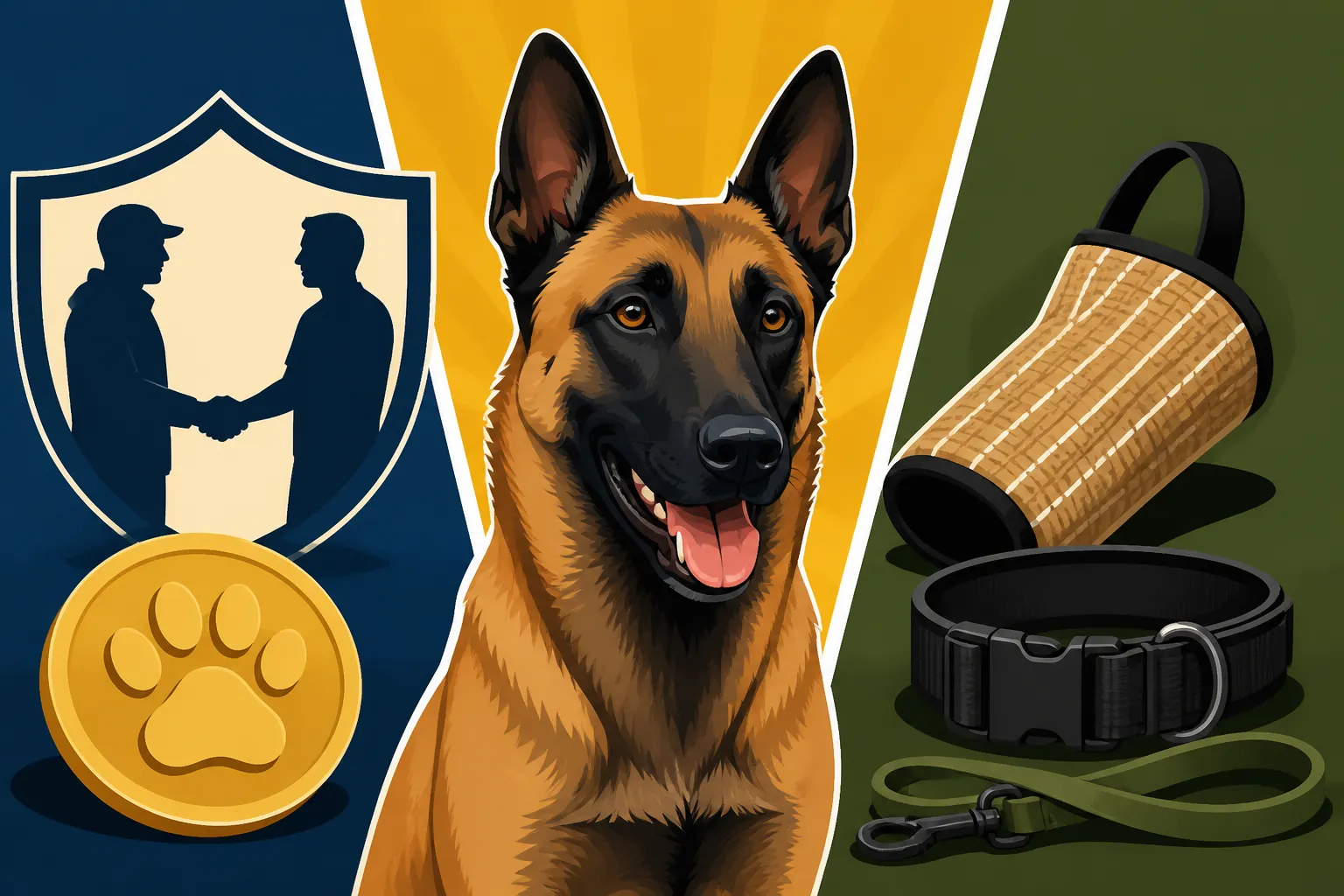
For bite sports, the list of equipment is extensive. You'll need various types of bite equipment, starting with soft bite rags and puppy tugs, progressing to harder tugs, bite pillows, and eventually full bite sleeves and suits. These are not cheap, and they wear out. Expect to invest in high-quality leather or French linen tugs. For obedience, a good quality leather or biothane leash (often 6-foot and a long line for recall training), a flat collar, a properly fitted prong collar (if you choose to use one, with careful conditioning), and possibly an E-collar are vital. Remember, for a breed like the Malinois, reliable tools are non-negotiable. An E-collar, for example, can be an indispensable tool for safe off-leash work, but investing in What a Quality E-Collar Costs for a Belgian Malinois and learning to use it correctly are paramount.
Here's a breakdown of common equipment and estimated costs:
| Item Type | Description | Estimated Cost Range | Frequency of Purchase |
|---|---|---|---|
| Bite Tugs | French Linen, leather, jute (various sizes) | $20 – $60 each | Monthly to Annually |
| Bite Pillows | Intermediate bite development | $50 – $150 each | Annually |
| Hidden Sleeves | For advanced protection work | $100 – $300 each | Every 1-2 years |
| Full Bite Suits | Decoy-owned, but crucial for club work | $800 – $2500+ | (Decoy's expense) |
| Tracking Harness | Comfortable, non-restrictive for tracking | $40 – $100 | Every few years |
| Long Line (30'+) | For recall training, proofing | $20 – $70 | Every 1-2 years |
| Quality Leash/Collar | Leather/Biothane, durable hardware | $30 – $80 | Annually |
| Prong Collar | High-quality, properly fitted | $25 – $50 | Every few years |
| E-Collar | Reputable brand (e.g., Garmin, Dogtra) | $200 – $400 | Every 3-5 years |
| Crate | Heavy-duty, travel-safe | $150 – $500 | Once, possibly twice |
| Food Bowls | Durable, non-tip | $15 – $40 | Every few years |
| Training Treats | High-value, often meat-based | $10 – $30 per bag | Weekly to Bi-weekly |
Brands and Quality Considerations
When it comes to Malinois equipment, quality is not just a luxury; it's a necessity. Cheap equipment will not only wear out quickly under the stress of a Malinois's powerful bite and drive but can also compromise safety. Look for reputable brands known for durability in the working dog world. Ray Allen, Leerburg, ForDogTrainers, and Gappay are examples of brands that produce high-quality working dog equipment. For general supplies, you might turn to retailers like Chewy, which offers a wide array of durable toys, training treats, and other accessories.
Consider the material. French linen is highly durable for bite sleeves and tugs, while biothane is excellent for leashes and long lines due to its grip and weather resistance. For crates, a heavy-duty, crash-tested kennel like those from Ruffland Performance Kennels or Impact Dog Crates is a smart investment, particularly if your Malinois travels in the car frequently. While the upfront cost might be higher, investing in quality means fewer replacements and greater reliability in critical training moments.
The Never-Ending Cycle of Replacement and Upgrade
Malinois are powerful, destructive chewers by nature, and training equipment takes a beating. Tugs will fray, stitching will come loose, and even the toughest toys will eventually succumb. This means you’ll be in a constant cycle of replacing worn-out gear and upgrading as your dog progresses in their training. As your Malinois grows and develops their bite, you'll need larger, harder tugs and more advanced sleeves. This isn't a one-time purchase; it's an ongoing expense. Factor in a budget for monthly or quarterly replacements of items like bite tugs and training treats. It’s also wise to have duplicates of essential items, like leashes and collars, just in case something breaks or gets lost during a training session.
Maintenance and Replacement of Gear
Owning a Belgian Malinois means understanding that "durable" isn't "indestructible." Even the best equipment will eventually succumb to the sheer power and relentless nature of this breed. Proper care extends the life of your gear, but budgeting for replacements is an inevitable part of Malinois ownership.
Extending the Life of Your Training Tools
Just like you maintain your car or your house, your Malinois's equipment needs attention. Regularly inspect bite tugs, sleeves, and harnesses for signs of wear and tear, loose stitching, or weak spots. Repair minor issues promptly if you have the skills, or retire the item if it compromises safety. For leather items, conditioning them occasionally can prevent cracking and prolong their life. Keep biothane clean with simple soap and water. Proper storage is also key: don't leave tugs or leashes out where your Malinois can use them as chew toys when training is over. Rotating toys and equipment can also help distribute wear. However, even with the best care, some items are simply consumables.
When to Replace Worn or Damaged Equipment
Knowing when to replace equipment is crucial for safety and effective training. For bite work gear, any significant tears, fraying of fabric, or weakening of handles means it's time for a new one. A compromised bite sleeve or tug could lead to an accidental bite on the decoy or handler, or a negative experience for the dog. For leashes and collars, check metal clasps and D-rings for bending or rust, and inspect the material for thinning or tearing. A leash snapping during a high-drive moment, especially with a Malinois, can be catastrophic.
Even seemingly small items like training treats need careful consideration. Using high-value treats is vital for engagement, but they also get used up quickly. You'll go through a lot of them, especially in the early stages of training or when teaching a Malinois puppy to take food gently. Keeping a good supply of these on hand, perhaps through regular orders from Chewy, ensures you never run out during a critical training session.
The Environmental Impact and Cost of Gear Turnover
While focusing on the financial cost, it's also worth acknowledging the environmental aspect of constantly replacing gear. Many materials used in working dog equipment, while durable, are not easily biodegradable. Choosing higher quality items that last longer reduces the frequency of replacement and, consequently, the environmental footprint. Some handlers also try to find ways to repurpose old, retired equipment for non-bite activities, or donate still-safe items to new handlers just starting out. Ultimately, the cost of quality equipment is a trade-off: a larger upfront investment usually means fewer replacements in the long run, and a safer, more effective training journey for you and your Malinois.
Budgeting for the Unexpected and the Long Term
Even the most meticulous planning can't account for everything. When it comes to a high-drive working breed like the Belgian Malinois, the unexpected can often translate into significant expenses. Proactive budgeting and considering options like pet insurance are critical for long-term financial stability.
Preparing for Vet Bills from Training Injuries
While exhilarating, bite sports and other intense activities do carry a risk of injury. Torn muscles, strained ligaments, broken teeth, or pad injuries are unfortunately not uncommon. An injury a bite sport Belgian Malinois collects can range from minor scrapes to serious, surgery-requiring issues. For example, a chipped canine on a Malinois from sleeve work might require a costly root canal or extraction. Even seemingly minor incidents can lead to expensive diagnostic tests, medications, or physical therapy. Having an emergency fund specifically for these situations, or comprehensive pet insurance, is absolutely essential. Companies like Healthy Paws are popular choices among active dog owners for their robust coverage that can alleviate the burden of unexpected veterinary costs.
Considering Pet Insurance for Working Malinois
Pet insurance isn't a luxury for a working Malinois; it's a smart investment. These dogs are predisposed to certain health conditions, and their active lifestyle increases the risk of accidents. Policies can help cover a significant portion of emergency care after a Malinois training injury, unexpected illnesses, or chronic conditions that might arise. When choosing a plan, pay close attention to the deductible, reimbursement percentage, and annual limits. Ensure the policy covers common issues like orthopedic problems, which can be prevalent in active large breeds, and any potential conditions that might appear. Some plans might have exclusions for pre-existing conditions or certain genetic predispositions, so read the fine print carefully. Having insurance allows you to make medical decisions based on what's best for your dog, rather than solely on your wallet.
Saving for Retirement and Senior Care
While a Malinois can often work into their tenth year or even longer, there will come a time when their body starts to slow. The Age a Working Malinois Starts to Slow will bring new needs and, often, new expenses. Arthritis, dental issues, declining vision or hearing, and other age-related conditions become more common. Providing comfortable orthopedic beds, potentially ramps to assist with mobility, regular senior check-ups, and possibly ongoing medications for pain or chronic conditions will add to your budget. It's wise to start saving specifically for these senior years long before they arrive. Thinking about what actually ends a Belgian Malinois's life can be tough, but being prepared financially allows you to offer them the best quality of life possible in their golden years, continuing to engage them with activities like scent detection that keep them mentally busy without overtaxing their body.
Finding Quality Resources Without Breaking the Bank
The costs associated with a Belgian Malinois can feel overwhelming, but there are ways to manage them without compromising on quality of care or training. Smart shopping, community engagement, and leveraging online resources can help.
Smart Shopping for Equipment and Supplies
While it's crucial not to skimp on critical safety and training equipment, you can still be a savvy shopper. Keep an eye out for sales from reputable working dog equipment suppliers. Many will have Black Friday or seasonal clearances where you can stock up on tugs and other consumables. Buying in bulk, where appropriate, can also lead to savings on items like training treats or supplements. Look for community forums or local club groups where handlers might be selling gently used equipment their dogs have outgrown, like puppy sleeves or smaller tugs. Just ensure any used equipment is still in excellent, safe condition. For everyday supplies like food and basic toys, online retailers such as Chewy often offer competitive prices, subscription discounts, and free shipping, which can significantly reduce your monthly outgoing for necessities. Ollie also offers high-quality fresh dog food options that, while a premium, can be cost-effective in the long run for specific dietary needs, potentially reducing vet visits for diet-related issues.
Leveraging Community Support and Knowledge
The working dog community is a treasure trove of information and support. Lean on your club members and experienced handlers for advice on budgeting, equipment recommendations, and even cost-saving strategies. Many veteran handlers have been through it all and can share invaluable tips. Some clubs might even organize bulk orders for specific equipment, allowing members to split shipping costs or get group discounts. Don't be afraid to ask questions about where to find the best deals or what equipment truly offers the most bang for your buck. This shared knowledge can save you both money and frustration in the long run.
DIY and Lower-Cost Training Alternatives
While a good decoy and club membership are vital for protection sports, not all training needs to be expensive. Many aspects of obedience, tracking, and even some agility can be practiced with minimal equipment and creative solutions. Utilizing household items for scent detection games can provide mental stimulation without professional gear. For physical conditioning, activities can be done at home with simple equipment or just open space. Even professional resources can be accessed more affordably. For example, some trainers offer group obedience before a Malinois starts protection work, which is often more cost-effective than private sessions. The key is to be resourceful and committed to providing the mental and physical outlet your Malinois needs, even if it's not always the most expensive option.
The True Value of Your Malinois Investment
After looking at all the costs—the dues, the decoys, the equipment, the unexpected vet bills—it might seem like owning a Belgian Malinois is an endless money pit. But for those who commit fully, the investment yields returns far beyond monetary value.
Measuring Return on Investment Beyond Dollars
The "return" on your investment in a Malinois isn't measured in dollars, but in the profound bond you build, the pride in their accomplishments, and the sheer joy of living with such an intelligent, driven, and capable partner. Watching your Malinois perform a perfect retrieve in full drive, execute a complex protection routine with precision, or find a hidden scent article is incredibly rewarding. The mental stimulation and physical challenge you provide not only keep them happy but also prevent many of the behavioral issues that arise from an unemployed Belgian Malinois, saving you potential costs in property damage or behaviorist fees. The journey with a Malinois teaches you patience, discipline, and a deep understanding of canine psychology.
The Intangible Rewards of a Well-Trained Malinois
A well-trained Malinois is more than just a pet; they are a loyal companion, a guardian, and an active partner in your life. Their confidence and capability are a testament to your dedication and hard work. The experiences you share—from early puppy training through trials and advanced work—forge an unbreakable bond. The satisfaction of mastering complex skills together, solving problems, and navigating challenges creates a level of trust and mutual respect that is truly special. These intangible rewards are the core reason why so many devoted handlers say that the significant financial investment is absolutely worth it.
Long-Term Happiness and Fulfillment for Dog and Owner
Ultimately, the goal of all these expenses is to provide your Belgian Malinois with a fulfilling life that taps into their innate drives and abilities. A Malinois that has a "job," whether it's bite work, detection, agility, or advanced obedience, is a happy Malinois. And a happy Malinois makes for a happy owner. When their needs are met, they are less likely to exhibit destructive behaviors, more settled in the home, and a joy to live with. While the financial commitment is substantial, the payoff in terms of a stable, confident, and well-adjusted canine companion, and the rich, active lifestyle you share, is truly priceless. It's about ensuring your Malinois experiences a fulfilling life throughout their lives, making every penny spent a worthwhile investment in a truly extraordinary breed.
Disclaimer
Please remember that this guide provides general information and estimated costs. Actual expenses can vary significantly based on your location, the specific clubs and trainers you choose, the quality of equipment, and your dog's individual needs. Always consult with veterinary professionals for specific health advice and financial advisors for personalized budgeting strategies.