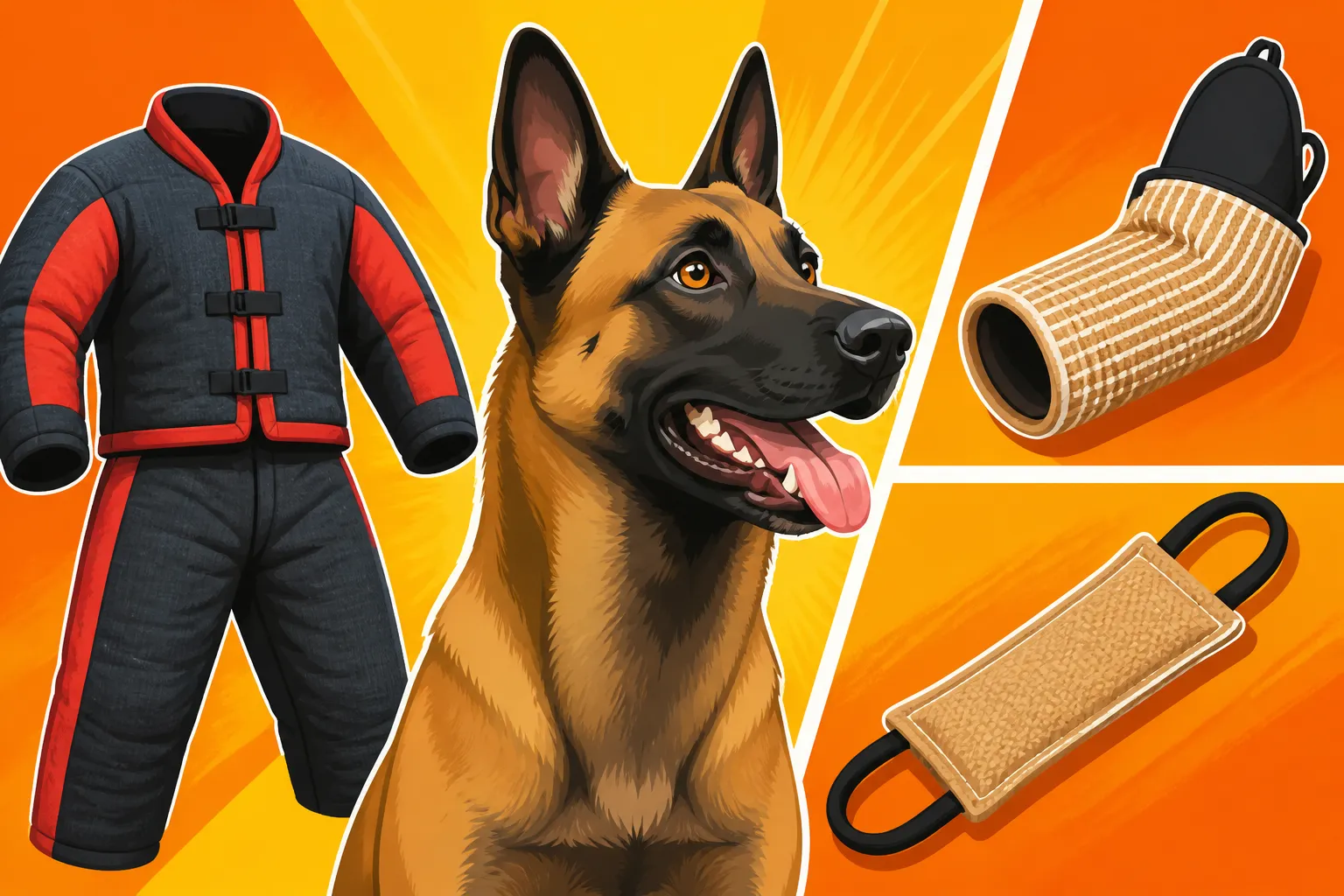
Bite Suits, Sleeves and Tugs a Malinois Owner Buys
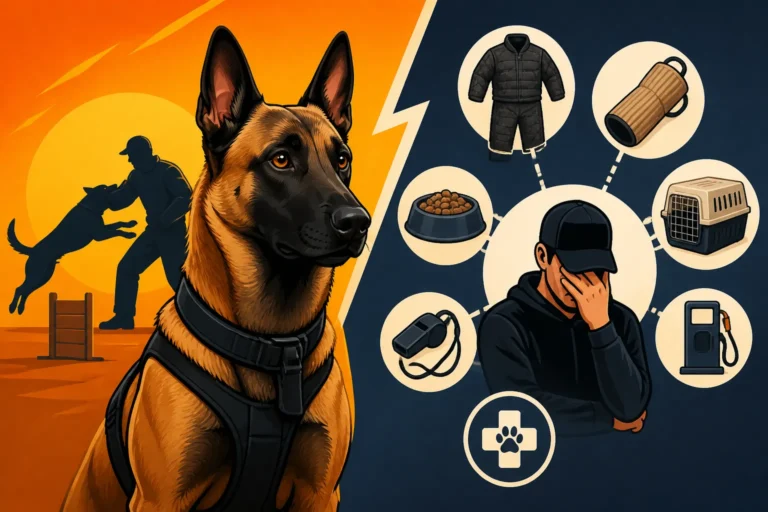
Living with a Belgian Malinois means understanding their relentless drive and profound need for a job. A casual walk just won't cut it; these dogs are engineered for intense physical and mental engagement, and for many, that path leads to bite work, whether it's for competitive sport, police K9, or personal protection. But before you even consider stepping onto a training field, you'll quickly realize that this specialized world demands specialized gear. The sheer variety and cost of bite suits, sleeves, and tugs can feel like a steep learning curve, leaving many new owners wondering where to even begin. This comprehensive guide will demystify the essential equipment you’ll need for your Malinois’s bite work training, detailing what each piece is for, the quality to look for, and the financial investment you'll be making.
Understanding the Role of Bite Equipment in Malinois Training
When people hear "bite work," they often picture aggressive dogs or dangerous scenarios, but for a Belgian Malinois, it's often the culmination of their natural instincts and intense prey drive, channeled into a structured, controlled sport. This isn't about fostering aggression; it's about precision, control, and partnership. The equipment used in this training is meticulously designed to protect both the dog and the human decoy, while also providing the necessary tools to shape and refine the dog's biting technique, confidence, and obedience. Without the right gear, safe and effective bite work is simply impossible.
The Fundamental Purpose of Bite Work Gear
At its core, bite work equipment serves several critical functions. Firstly, it provides a safe, designated target for the dog to engage. This allows the Malinois to use its full mouth grip, fulfilling its innate desire to chase and capture, without causing injury to the decoy. Secondly, this equipment acts as a training aid, allowing trainers to isolate and develop specific aspects of the dog's bite, such as the depth of grip, the duration of the hold, and the speed of the attack. Think of it like a boxer's sparring gear—it enables intense practice while minimizing harm. The gear creates a consistent, predictable stimulus that the dog learns to respond to, building confidence and refining technique. It's not just about biting; it's about control, focus, and channeling that powerful drive into a disciplined performance.
Thirdly, the equipment is instrumental in teaching the "out" command, which is perhaps the most crucial aspect of bite work. A Malinois must learn to release the bite instantly upon command, regardless of its arousal level. The equipment facilitates this by providing a tangible item that can be pulled away or dropped, reinforcing the release. This control is paramount for safety and for showing the dog’s true understanding of its work. Without reliable release, the training is incomplete and potentially dangerous. The specific design of different sleeves and tugs allows for various levels of resistance and interaction, which are key to developing a strong, yet controllable, working dog.
Differentiating Between Play and Structured Bite Training
It's easy to confuse a vigorous game of tug-of-war with bite work, but they are fundamentally different in purpose and execution. While a good game of tug with a tough toy from a retailer like Chewy can certainly help build rapport and engagement, structured bite training is far more precise and goal-oriented. Play tugs often use less durable materials and are meant for casual interaction and building drive in a less formal setting. They help keep your Malinois mentally busy.
Structured bite training, on the other hand, involves specific commands, precise timing, and a clear understanding of what the dog is meant to achieve. Every interaction is a teaching moment, building towards a complex set of behaviors required for protection sports or real-world working scenarios. This kind of training is typically conducted under the guidance of experienced decoys and trainers who understand the nuances of canine behavior and bite mechanics. It’s about building a sequence of behaviors—from the initial bark and hold, to the drive to the target, the full grip, the sustained hold, and the immediate out—all under control. A random game of tug, while fun and beneficial for exercise, doesn't build these intricate layers of obedience and control.
Safety Considerations for Dog and Decoy
Safety is, and always must be, the absolute top priority in any bite work scenario. For the decoy, wearing appropriate protective gear—from thick, padded sleeves to full bite suits—is non-negotiable. Without this protection, the powerful bite of a Malinois could cause serious injury, including deep lacerations, fractures, and nerve damage. Decoys must be trained not only in handling the dog but also in presenting the equipment correctly to minimize risks and ensure the dog bites safely and effectively. They learn how to take a bite, how to absorb impact, and how to move with the dog to prevent twisting injuries.
For the dog, safety revolves around proper technique and physical conditioning. A dog that bites incorrectly, perhaps with a shallow grip or repeatedly striking hard surfaces, can injure its teeth, jaw, or even its neck and spine. Trainers focus on developing a full, deep grip that distributes pressure evenly. Furthermore, the physical demands of bite work are immense, and proper conditioning is vital to prevent muscle strains and other injuries. Warm-ups and cool-downs are just as important for dogs as they are for human athletes. Considerations like The Cost of Repairing a Malinois's Broken Canine or the risk of Chipped Canines on a Malinois From Sleeve Work highlight why careful training and appropriate gear are paramount to prevent painful and expensive veterinary interventions. Ensuring your Malinois has a sound foundation of health, possibly supported by good pet insurance from providers like Healthy Paws, is also a wise decision given the physical nature of this work.
The Essential Gear: Tugs and Their Many Forms
Tugs are often the first piece of bite equipment a Malinois puppy or green dog will encounter. They are fundamental for building drive, teaching grip, and establishing the "out" command in a controlled, low-pressure environment. Don't underestimate the power of a good tug; it's more than just a toy—it's a primary teaching tool that channels the Malinois's natural prey drive into focused, interactive play that lays the groundwork for more advanced bite work. The variety available can be daunting, but each type serves a specific purpose in the training progression.
Fleece, Jute, Leather: Material Matters for Tugs
The material of a tug influences its durability, grip feel for the dog, and how it's used in training.
- Fleece Tugs: These are soft and inviting, making them ideal for puppies or dogs just being introduced to tug work. They are gentle on developing teeth and gums, and their soft texture encourages a full-mouth grip. However, fleece tugs are not very durable and will quickly degrade with enthusiastic biting from a mature Malinois. They're excellent for initial drive building and teaching the "out" command because they are easy for the handler to hold and release. They are often inexpensive, allowing for frequent replacement.
- Jute Tugs: Jute is a rough, natural fiber that offers a more realistic feel for protection work, mimicking the texture of a bite suit or sleeve. These are more durable than fleece but still provide enough texture to encourage the dog to dig in and bite hard. Jute is a popular choice for intermediate training, as it helps transition the dog from soft play items to harder, more substantial bite surfaces. Jute tugs come in various densities and sizes, from small "pocket tugs" to larger, more robust ones. They're excellent for building a strong, confident grip and are often the go-to for club training.
- Leather Tugs: Known for their extreme durability and firm texture, leather tugs are built to withstand the powerful bite of a well-trained Malinois. They are typically used for more advanced grip work, offering significant resistance and a distinct feel. Good quality leather tugs can be a substantial investment but will last a very long time if properly cared for. The firmness of the leather can also help to strengthen the dog's jaw muscles and reinforce a solid grip. When selecting a leather tug, look for genuine bridle leather or similar robust materials.
- Firehose Tugs: These are another incredibly durable option, made from recycled or new firehose material. They are tough, resistant to tearing, and easy to clean. Firehose tugs provide a good firm surface for biting and are often favored for their longevity and affordability relative to leather. They come in flat or rolled forms, and their robust nature makes them a staple for everyday training and general drive building. They stand up well to repeated use and can be found readily from various suppliers.
Single-Handle, Double-Handle, and Long Line Tugs
The configuration of a tug's handles is just as important as its material, dictating how the handler can interact with the dog and the type of exercises that can be performed.
- Single-Handle Tugs: These are perhaps the most common. A single handle allows the handler to maintain a firm grip while presenting the tug to the dog. They're versatile for close-in work, teaching the dog to engage the target directly, and practicing precise "out" commands. The simplicity of the single handle makes them a good starting point for most training exercises, allowing for clear communication and controlled interaction.
- Double-Handle Tugs: With a handle on each end, double-handle tugs offer more flexibility for the handler. They allow for two-handed presentations, which can be useful for developing a stronger, more centered bite, or for more vigorous play where the handler needs to manage the dog's intensity. They are excellent for building drive and commitment, as the handler can move the tug around more dynamically, simulating a more challenging target. They also provide a secure grip for both hands, reducing the chance of the tug slipping from the handler's grasp during intense tugging sessions.
- Long Line Tugs (or Remote Tugs): These tugs typically have a long rope or strap attached, allowing the handler to present the tug from a distance. They are invaluable for teaching a Malinois to drive to a target, pursue a "running bite," or to perform a recall with a reward at a distance. The long line allows for dynamic movement, simulating a fleeing target and building incredible speed and commitment in the dog's pursuit. They are particularly useful for dogs learning to perform retrieves over obstacles or for developing a strong "send out" to a distant target. These also help to build Recall on a Belgian Malinois in Full Drive, as the reward is at the end of the line.
When to Introduce Different Types of Tugs
Introducing tugs systematically is crucial for a Malinois's development. For a young Malinois puppy, the focus is on building drive and confidence with soft, engaging items. You'd typically start with very soft fleece or small, rolled firehose tugs. The goal is to make biting and tugging a fun, rewarding experience, encouraging a full, confident grip without any pressure. At this stage, it's about channeling their natural puppy biting onto appropriate objects rather than your hands or clothing. You're simply teaching them the joy of interaction and the concept of "mine" vs. "out."
As the Malinois matures and gains confidence, around 4-6 months, you can gradually introduce jute tugs. These provide a more realistic texture and durability, preparing them for sleeves. This is when you start to refine the "out" command more seriously and shape the grip. Intermediate tugs are used to build strength, drive, and consistency in the bite. Finally, for adult dogs engaged in serious protection work, leather and highly durable jute tugs are employed to maintain and strengthen the grip. These are the workhorses that can withstand intense pressure and are often used for more advanced exercises that involve sustained biting and powerful engagement. Remember, the progression should always be gradual, ensuring the dog remains confident and enthusiastic at each step, and always with a strong emphasis on Tug Rules for a Belgian Malinois and a reliable "out."
Exploring Bite Sleeves: From Puppy to Advanced Work
Bite sleeves are the next evolution in bite work training, moving beyond the simple tug to provide a more comprehensive and realistic target. These padded arm protectors are indispensable for teaching a Malinois how to engage a human target safely and effectively. The progression from soft puppy sleeves to robust competition sleeves is designed to gradually increase the challenge and realism of the bite, while always prioritizing the safety of the decoy and the proper development of the dog's bite mechanics. Each type of sleeve serves a distinct purpose in the journey of shaping a powerful and controlled working dog.
Puppy Sleeves and Their Gentle Introduction
Puppy sleeves are the gateway to bite work for young Malinois. They are typically much softer, smaller, and less intimidating than adult sleeves. Made from softer jute, French linen, or even padded canvas, these sleeves are designed to be comfortable for a puppy's developing teeth and jaws while still providing a clear target. The emphasis with puppy sleeves is entirely on building confidence, drive, and a full, secure grip. You want the puppy to feel successful and excited about biting the sleeve, not intimidated by it.
A good puppy sleeve allows the decoy to present a moving target that stimulates the puppy's prey drive. The soft material ensures that even a clumsy puppy bite doesn't damage its teeth, which are still growing and changing. It's a critical tool for teaching the foundational mechanics of a good bite, such as gripping deeply and holding on firmly, rather than just nipping. This early exposure helps prevent the dog from developing bad habits like shallow biting or "mouthing" the sleeve. Crucially, the decoy's role with a puppy sleeve is to be encouraging, make the experience positive, and build the dog's self-assurance.
Intermediate Sleeves for Building Confidence and Grip
Once a Malinois has outgrown its puppy sleeve and consistently demonstrates a strong, confident grip, it's time to transition to intermediate sleeves. These sleeves are firmer, larger, and offer more resistance than puppy sleeves, preparing the dog for the demands of real protection work or competitive sports. Intermediate sleeves are typically made of denser jute or a combination of jute and leather, providing a more robust surface for the dog to bite. They also usually feature internal padding that is firmer, absorbing more impact and protecting the decoy more effectively.
The purpose of intermediate sleeves is to solidify the dog's grip strength, confidence, and technique. Decoys can start to introduce more challenging scenarios, such as moving targets, barking exercises, and longer hold durations. This stage is crucial for refining Grip Development in a Belgian Malinois, ensuring the dog bites with power and precision. The sleeve's increased bulk and firmness also encourage the dog to commit fully to the bite, teaching it to drive into the target with its entire body. This transition is essential for building the muscle memory and mental fortitude required for advanced work. It also begins to accustom the dog to the feel of a full bite suit, making the eventual progression smoother.
Advanced Sleeves and Hidden Sleeves for Realism
Advanced sleeves, often called competition sleeves, are the most robust and protective type of sleeve, designed for fully trained adult Malinois engaging in high-level bite sports or working applications. These are heavily padded, often multi-layered, and constructed from the most durable materials like tough jute, leather, or synthetic blends. They provide maximum protection for the decoy and allow the dog to exert its full power without risk of injury to either party. With these sleeves, decoys can simulate real-world scenarios, including intense resistance, diverse angles of attack, and complex scenarios. These sleeves are essential for fine-tuning the dog's ability to maintain a strong, full grip under pressure and in various dynamic situations.
Hidden sleeves, on the other hand, are a specialized piece of equipment used to add an element of realism and unpredictability to training. Unlike visible sleeves worn over the arm, hidden sleeves are designed to be worn under regular clothing, making the decoy appear unarmed. This is critical for teaching the Malinois to bite a human target, rather than just a piece of equipment. Hidden sleeves are typically smaller, less bulky, and offer less padding than visible sleeves, making their use more dangerous for the decoy and requiring a highly trained and controlled dog. They are essential for transitioning a dog from "sport" biting to "real-world" target discrimination, where the dog must assess and engage a threat on a human body rather than a pre-presented object. Training with hidden sleeves typically begins after the dog has mastered a full, controlled bite on visible sleeves and has a rock-solid "out" command. What a Hidden Sleeve Costs for Malinois Training can be a significant factor, as these specialized tools require durable construction and precise fit.
Full Bite Suits: The Decoy's Armor and Investment
When a Belgian Malinois progresses to the highest levels of bite work, the bite suit becomes the ultimate protective gear. This full-body padding is not just for show; it’s an absolute necessity for decoys working with powerful, fully trained dogs. A bite suit allows for the most realistic and dynamic training scenarios, enabling the Malinois to engage a human target safely and with maximum force. It's a significant investment, both in terms of cost and the commitment to a specialized form of training, but it’s invaluable for developing a truly well-rounded working dog.
Semi-Competition Suits for Training and Entry-Level Work
Semi-competition or training suits are a popular choice for clubs and individuals who are developing dogs for protection sports but may not be at the absolute peak competition level yet. These suits offer a good balance of protection, flexibility, and affordability compared to their top-tier counterparts. They are typically made from durable jute or French linen, with adequate padding to absorb the impact of a strong bite. While they might not be as lightweight or offer the same range of motion as a custom-fitted competition suit, they provide excellent protection for a wide range of training exercises.
These suits are ideal for decoys who are working with multiple dogs at different stages of training, or for handlers who are just starting to experience the feel of wearing a suit. They allow for full-body engagement, teaching the Malinois to target different areas of the body, such as legs, back, and shoulders, beyond just the arm. This variety in targeting is crucial for developing a versatile and effective working dog. The initial cost for a semi-competition suit, while substantial, is generally lower than a full competition suit, making it a more accessible entry point for serious enthusiasts or clubs.
Competition-Grade Suits for Advanced Protection Sports
For the highest echelons of bite sports like IGP, Mondioring, or French Ring, a competition-grade bite suit is indispensable. These suits are custom-fitted and meticulously designed for maximum mobility, minimal bulk, and superior protection. They often feature advanced, lightweight padding materials and ergonomic construction that allows the decoy to move quickly and perform complex routines without being hindered by their gear. The outer material is typically a high-quality jute or French linen, chosen for its durability and grip texture that allows the dog to get a full, secure bite.
These suits represent the pinnacle of bite work equipment and come with a significant price tag, reflecting the specialized materials, craftsmanship, and custom fitting required. They are built to withstand the repeated, powerful impacts from top-tier Malinois, ensuring the decoy's safety even during the most intense and dynamic exercises. Decoys often have specific preferences regarding the "hardness" or "softness" of the suit, which affects how easily the dog can get a full grip and how much impact is absorbed. A competition suit is a long-term investment for serious competitors and professional decoys, highlighting the dedication required in this sport. What a Full Bite Suit Costs a Malinois Club can be one of the largest expenditures, illustrating the commitment required to support a robust training program.
The Lifespan and Maintenance of a Full Bite Suit
A full bite suit, especially a competition-grade one, is a substantial investment, often ranging from several thousand dollars. Naturally, owners and clubs want to maximize its lifespan. The durability of a bite suit depends heavily on the frequency and intensity of use, as well as the materials it's made from. A suit used multiple times a week by powerful Malinois will inevitably show wear faster than one used occasionally. High-quality jute or French linen, reinforced stitching, and robust internal padding contribute to longevity. However, even the best suits will eventually wear down, particularly in high-impact areas like the sleeves, legs, and shoulder.
Proper maintenance is critical to extending a suit's life. After each use, the suit should be thoroughly aired out to prevent mildew and odor, especially in humid climates. Many suits can be spot-cleaned, and some manufacturers offer specialized cleaning services or recommendations for deep cleaning. Storing the suit correctly, typically on a wide hanger in a well-ventilated area, away from direct sunlight and moisture, also prevents premature degradation. Repairs, such as restitching torn seams or patching worn areas, can often extend the life of a suit. However, there comes a point when the padding becomes too compromised, or the outer material too thin, making the suit unsafe for the decoy. At this point, replacement becomes necessary, underscoring the ongoing financial commitment of participating in advanced bite sports.
Beyond the Basics: Other Related Gear and Accessories
While tugs, sleeves, and bite suits form the core of bite work equipment, there are several other pieces of gear and accessories that play crucial roles in ensuring safety, effectiveness, and the longevity of your investment. From control tools to additional protective wear and maintenance items, these often-overlooked components are essential for a holistic and responsible approach to Malinois bite training. They contribute to the overall well-being of the dog and the human partners involved.
Muzzles as a Safety and Training Tool
Muzzles are frequently misunderstood, often associated with aggression or punishment. However, in the context of bite work and high-drive dogs like the Malinois, a well-fitted muzzle is an invaluable safety and training tool. For example, a muzzle can be used during socializations or public outings to prevent accidental bites, especially with dogs that have intense prey drive or are still learning impulse control around distractions. This doesn't mean the dog is aggressive; it simply means exercising extreme caution in certain environments.
In training, muzzles are used for muzzle work, a specialized form of training where the dog is taught to "muzzle punch" or push into a decoy with its muzzled snout, driving them back, before being cued to bite. This builds confidence, aggression, and targeting skills without the risk of an actual bite. It’s also crucial for dogs in environments where biting is not appropriate but a physical deterrent is needed. Basket muzzles, made of metal or strong plastic, are generally preferred for Malinois due to their durability and ability to allow the dog to pant freely. Proper muzzle conditioning is vital so the dog views it as a neutral or even positive piece of equipment, not a punishment. Learning to handle a Malinois for the vet or groomer may also require muzzle training, underscoring its versatility.
Protective Clothing for Decoys Beyond the Full Suit
While a full bite suit offers comprehensive protection, not all training scenarios require or accommodate it. Decoys often need additional or alternative protective clothing to ensure their safety during various exercises or when a full suit isn't practical.
- Padded Shorts/Pants: When working with a Malinois on leg bites, or for general body work where the dog might target lower limbs, padded shorts or pants are essential. These are typically worn under regular clothing or as standalone items and provide cushioning against scratches, nips, and even full bites if they are sufficiently thick.
- Body Protection: Padded vests or chest protectors can be used for training scenarios where the dog is being taught to target the torso, particularly in scenarios that don't involve a full suit. These are lighter and offer more mobility than a full suit but provide critical protection for vital areas.
- Arm Sleeves/Armguards: Sometimes a simple arm sleeve or armguard is needed for quick, informal bite development, or when working a green dog that's not yet ready for a full-fledged bite sleeve. These offer minimal protection but are good for short, controlled sessions.
- Gloves: Heavy-duty gloves are often overlooked but are crucial for decoys and handlers. They protect hands from scratches, nips, and accidental contact with powerful dog jaws, especially when working with high-drive dogs that might miss their target or redirect their bite.
These additional layers of protection ensure that decoys can safely engage with the Malinois in a broader range of training contexts, gradually building the dog's skills without compromising human safety.
Cleaning and Storing Your Valuable Bite Equipment
Just like any significant investment, bite equipment requires proper care and maintenance to ensure its longevity and hygiene. Neglecting your gear can lead to premature wear, unpleasant odors, and even compromise its protective capabilities.
- Cleaning Tugs and Sleeves: After each training session, especially if the equipment has been slobbered on or used in damp conditions, it needs to be aired out thoroughly. For jute and French linen items, brushing off loose dirt and debris is usually sufficient. If they become heavily soiled, some materials can be wiped down with a damp cloth and mild soap, then allowed to air dry completely. Leather items should be cleaned with a leather cleaner and conditioned periodically to prevent drying and cracking. Avoiding harsh chemicals is crucial, as they can degrade the material and potentially irritate your dog's skin.
- Cleaning Bite Suits: As mentioned earlier, bite suits are a major investment. They should be aired out immediately after use to prevent bacterial growth and odors. Most manufacturers provide specific cleaning instructions; often, spot cleaning with a mild detergent and water is recommended for surface dirt. Professional cleaning services specializing in heavy-duty gear may be an option for deeper cleaning. Never machine wash a bite suit unless explicitly instructed, as this can damage the internal padding and compromise its protective structure.
- Storage: Proper storage is paramount. All bite equipment should be stored in a dry, well-ventilated area, away from direct sunlight, extreme temperatures, and pests. Tugs should be hung or placed in breathable containers to prevent mildew. Sleeves should be stored in a way that maintains their shape, perhaps on a hanger or carefully stacked. Bite suits, due to their size and cost, benefit from being hung on heavy-duty, wide-shouldered hangers to prevent distortion and ensure proper airflow. Investing in good storage solutions is a small cost that protects a much larger one.
Cost Considerations: Breaking Down the Investment
Owning a Belgian Malinois and pursuing bite sports is not for the faint of heart, financially speaking. Beyond the initial purchase price of the dog and daily expenses like high-quality nutrition from brands like Ollie, the specialized equipment alone represents a significant investment. Understanding these costs upfront is crucial for anyone considering this path, as unexpected expenses can quickly add up and deter progress. This section will break down the typical financial outlay, from initial purchases to ongoing replacements.
Initial Investment for a New Malinois Owner
For a new Malinois owner looking to get into bite work, the initial equipment investment can be substantial. You'll need a range of items to start, progressing from basic to more advanced as your dog develops.
- Tugs: You'll likely start with a few different types of tugs. Expect to spend $15-$50 per tug, depending on material (fleece, jute, leather, firehose), size, and number of handles. Having 3-5 good quality tugs for different exercises is a reasonable starting point, so budget roughly $75-$250.
- Puppy Sleeves/Soft Sleeves: An entry-level soft bite sleeve for puppies or green dogs will typically cost between $100-$300. This is essential for safe introduction to sleeve work.
- Intermediate Sleeves: As your Malinois grows, you'll need at least one intermediate sleeve, which will range from $200-$500, depending on padding, material, and brand.
- Leashes and Collars: While not bite work specific, strong, durable leashes and collars (like a reliable flat collar and a training prong collar or E-collar, if used) are essential for control during high-drive work. A quality E-collar can range from $200-$400, and a good training leash might be $30-$70. What a Quality E-Collar Costs for a Belgian Malinois is a useful reference.
- Muzzle: A well-fitting basket muzzle can cost $40-$100.
- Training Apparel: Basic protective gloves and perhaps some padded shorts for a decoy might add $50-$200.
Cumulatively, a new owner looking to equip themselves properly for the first year of bite work training might easily face an initial outlay of $700-$1,800, excluding the cost of the dog itself and training fees. This highlights the dedicated financial commitment from the outset.
Ongoing Replacement Costs for Wear and Tear
Bite equipment takes a beating, especially with a powerful and enthusiastic Malinois. Wear and tear are inevitable, and budgeting for replacements is a continuous expense throughout your dog's working life. This isn't a one-time purchase; it's an ongoing investment.
- Tugs: Even the most durable tugs will eventually succumb to a Malinois's powerful jaws. Expect to replace tugs every few months to a year, depending on use. If you have several, you might be spending $100-$300 annually on replacement tugs. High-quality leather or durable synthetic tugs will last longer but cost more upfront.
- Sleeves: Sleeves are designed for repeated impact, but the outer material will fray, and the internal padding will compress over time, reducing its protective qualities. Puppy sleeves might need replacing every 6-12 months, while intermediate sleeves might last 1-2 years. A high-quality advanced sleeve might last 2-3 years of consistent use before needing replacement or significant repair. Each replacement could cost $200-$500.
- Bite Suits: A full bite suit is the most significant replacement cost. Depending on intensity of use, a semi-competition suit might last 2-4 years, while a competition suit, with proper care and occasional repairs, might stretch to 4-6 years. When a suit needs replacing, you're looking at another $1,500-$4,000. What a Full Bite Suit Costs a Malinois Club illustrates how these costs accumulate over time.
- Miscellaneous: Other items like leashes, collars, and specialized decoy apparel will also need periodic replacement. Factor in another $50-$150 annually for these smaller but essential items.
In essence, annual ongoing costs for equipment replacement can easily range from $300-$1,000, not including the infrequent but large expense of replacing a full bite suit. This doesn't even touch on club fees, decoy fees, or veterinary care, which are significant costs in their own right. What a Year With a Working Belgian Malinois Costs is a useful resource for understanding the broader financial picture.
Finding Quality Gear Without Breaking the Bank
While bite work gear can be expensive, there are strategies to manage costs without compromising safety or effectiveness.
- Buy Smart, Buy Durable: Investing in higher-quality, more durable gear upfront often saves money in the long run by reducing replacement frequency. A $40 jute tug that lasts a year is a better investment than a $15 fabric tug that shreds in a month. Research reputable brands known for their durability.
- Shop Sales and Used Gear: Keep an eye out for sales from specialty retailers. Sometimes, clubs or experienced handlers will sell gently used gear, especially puppy sleeves or older tugs, at a reduced price. However, always thoroughly inspect used bite suits or sleeves for structural integrity and padding compression before purchasing, as compromised safety is not worth a discount.
- Club Resources: Many bite work clubs maintain a selection of shared gear, particularly full bite suits and advanced sleeves, for members to use during training sessions. Joining a club not only provides expert guidance but also access to expensive equipment, significantly reducing your personal outlay. This is a huge benefit, especially for entry-level handlers.
- DIY for Simple Items: For very basic items like fleece tugs for puppies, some owners opt to make them themselves, which can save a few dollars. However, for anything that needs to withstand a serious bite, professional manufacturing is always recommended for safety.
- Prioritize: You don't need every single piece of gear on day one. Start with the essentials—a few good tugs, a reliable leash, and a puppy sleeve—and gradually acquire more specialized equipment as your Malinois progresses and your budget allows. Discuss your training plan with your instructor to prioritize your purchases.
By being strategic and leveraging club resources, you can equip yourself effectively for bite work without an insurmountable financial burden. However, be prepared for this to be a consistent line item in your budget for your Malinois's working career.
Where to Buy and What to Look For
Navigating the market for Belgian Malinois bite equipment requires a discerning eye. Not all gear is created equal, and quality can vary wildly. Knowing where to look and what indicators suggest a good investment is crucial for both safety and efficacy in training. Your choices will directly impact your dog's development and the safety of everyone involved.
Reputable Online Retailers and Specialty Shops
When it comes to purchasing bite equipment, opting for reputable sources is non-negotiable. These vendors specialize in working dog gear and understand the unique demands of high-drive breeds like the Malinois.
- Specialty Online Stores: Websites like J&J Dog Supplies, Leerburg, Ray Allen K9, and Signature K9 are well-known and highly respected in the working dog community. They offer a comprehensive range of tugs, sleeves, and bite suits from various manufacturers. These sites often provide detailed descriptions, material specifications, and even videos demonstrating the use of their products, which is invaluable for informed purchasing. They often cater specifically to K9 professionals and serious sport enthusiasts, ensuring a higher standard of product.
- Club Affiliations and Local Vendors: Many local K9 clubs or training organizations have affiliations with equipment suppliers or may even run their own small pro shops. Buying through these channels can sometimes offer member discounts or the opportunity to physically inspect the gear before purchasing. This also provides an excellent opportunity to get recommendations from experienced trainers and decoys who use the equipment daily.
- Direct from Manufacturers: Some high-end bite suit and sleeve manufacturers, especially those based in Europe (like Gappay, Euro-Sport, or Seynaeve), allow direct purchases or have exclusive distributors. This can ensure you're getting authentic, high-quality gear designed for specific sports. However, international shipping and customs might add to the cost and complexity.
- General Pet Retailers (for basic items): While not ideal for specialized bite sleeves or suits, larger online pet retailers like Chewy or petco.com might carry basic, durable tugs made of firehose or heavy canvas that can be suitable for initial drive-building with puppies or for general play. Always check reviews and material descriptions carefully for these more general purpose items.
Always be wary of heavily discounted, generic, or unknown brands, particularly for items like sleeves and suits, where quality directly equates to safety.
What to Inspect Before Purchasing Bite Gear
Before you commit to a purchase, especially for more expensive items like sleeves and suits, a thorough inspection is critical. You're not just buying a product; you're investing in a tool that protects and performs.
- Material Quality: For tugs and sleeves, examine the material closely. Is the jute tightly woven and dense? Is the leather thick and supple, or thin and brittle? For firehose, is it genuine, multi-layered firehose, or a cheaper imitation? Poor quality materials will degrade quickly and offer inadequate protection.
- Stitching and Seams: This is paramount. Look for reinforced, heavy-duty stitching, preferably double or triple-stitched, especially at stress points like handles and where padding layers meet. Loose threads, uneven stitching, or single seams are red flags indicating poor craftsmanship that will fail under the pressure of a Malinois's bite.
- Padding and Internal Structure (for sleeves/suits): If possible, feel the padding. Is it firm and consistent, or does it feel lumpy or thin in areas? High-quality sleeves and suits have multiple layers of varying density padding designed to absorb impact effectively. Ensure the internal structure is sound and doesn't feel like it will shift or collapse easily.
- Handles and Loops: Check the integrity of all handles, loops, and attachment points. Are they securely sewn or riveted? Can they withstand significant pulling force? A handle ripping off during a training session can be dangerous for both the dog and the handler.
- Fit and Comfort (for suits): If purchasing a bite suit, ideally you should try it on. Does it allow for a full range of motion without feeling overly restrictive? Does it fit snugly but not too tightly? A poorly fitting suit can hinder the decoy's movement, compromise protection, and make training less effective. It also affects the decoy's ability to "take the bite" properly.
Don't hesitate to ask questions, request detailed photos, or seek advice from experienced trainers before making a significant purchase. This due diligence can save you money and prevent accidents in the long run.
The Role of Your Trainer and Club in Gear Selection
Perhaps the most valuable resource for selecting bite equipment is your experienced trainer and the K9 club you belong to. They possess a wealth of practical knowledge and can guide you through the maze of options.
- Expert Recommendations: Your trainer will know what kind of gear is appropriate for your Malinois's age, drive level, and current stage of training. They can recommend specific brands and models that they trust and have seen perform well over time. They understand the nuances of different materials and constructions.
- Access to Club Gear: As mentioned, many clubs have shared bite suits and sleeves, allowing you to try them out before investing in your own. This is invaluable for determining what feels right and what works best for your dog's bite style. It also helps reduce your upfront personal expense for expensive items.
- Proper Use and Safety: Crucially, your trainer will teach you how to properly use and care for your equipment, ensuring both your safety and the longevity of the gear. They will demonstrate how to present tugs and sleeves, how to manage the dog's drive, and how to execute a safe "out" command. Without proper instruction, even the best equipment can be misused.
- Trialing Requirements: If you plan to compete in specific bite sports like IGP, Mondioring, or French Ring, your club and trainer will inform you about any specific gear requirements or preferences for those sports. For instance, some sports have regulations on the types of sleeves or suits that can be used.
Engaging with your trainer and club is not just about learning; it's about making informed decisions about equipment that directly impacts the safety and success of your Malinois's bite work journey. Club Dues, Decoys and Equipment for a Malinois highlights the integrated nature of community and resources in this specialized field.
Cost Comparison Table: Bite Work Equipment
To give you a clearer picture of the financial commitment, here's a table comparing common bite work equipment and their approximate cost ranges. These prices can fluctuate based on brand, material, and retailer.
| Equipment Type | Purpose | Typical Price Range (USD) | Key Considerations |
|---|---|---|---|
| Fleece Tugs | Puppy drive building, soft grip | $15 – $30 | Gentle on teeth, low durability, good starter |
| Jute/Firehose Tugs | Intermediate grip, drive building | $25 – $50 | Good durability, realistic feel, versatile |
| Leather Tugs | Advanced grip strength, high durability | $40 – $80 | Very durable, firm feel, long-lasting |
| Puppy Sleeves | Introduction to sleeve work, confidence building | $100 – $300 | Soft padding, small size, gentle on puppy teeth |
| Intermediate Sleeves | Building confident grip, preparing for advanced work | $200 – $500 | Firmer padding, larger, more resistance |
| Advanced/Competition Sleeves | High-level bite work, maximum protection | $400 – $800 | Heavy padding, durable materials, specific sport use |
| Hidden Sleeves | Realism, target discrimination (advanced only) | $300 – $700 | Less padding, worn under clothing, requires skilled decoy |
| Semi-Competition Bite Suit | General training, balanced protection/mobility | $1,500 – $2,500 | Good for clubs, training multiple dogs |
| Competition Bite Suit | Highest level sport, custom fit, maximum mobility | $2,500 – $4,500+ | Top-tier protection, lightweight, specialized fit |
| Basket Muzzle | Safety, muzzle work, public outings | $40 – $100 | Durable, allows panting, essential safety tool |
| Heavy Duty Leash | Control during high drive | $30 – $70 | Strong materials, secure hardware |
| E-Collar (Quality) | Remote communication, impulse control | $200 – $400 | Essential for advanced off-leash control |
This table illustrates that while individual items might seem manageable, the cumulative cost of outfitting a Malinois for a serious bite work career is a significant financial undertaking.
Disclaimer
This guide provides general information regarding Belgian Malinois bite work equipment and associated costs. It is not a substitute for professional veterinary advice, certified dog training instruction, or financial planning. Always consult with a qualified professional trainer before engaging in any bite work with your dog, and prioritize the safety and well-being of both the dog and any human participants. Equipment costs are estimates and can vary based on location, brand, and market conditions.