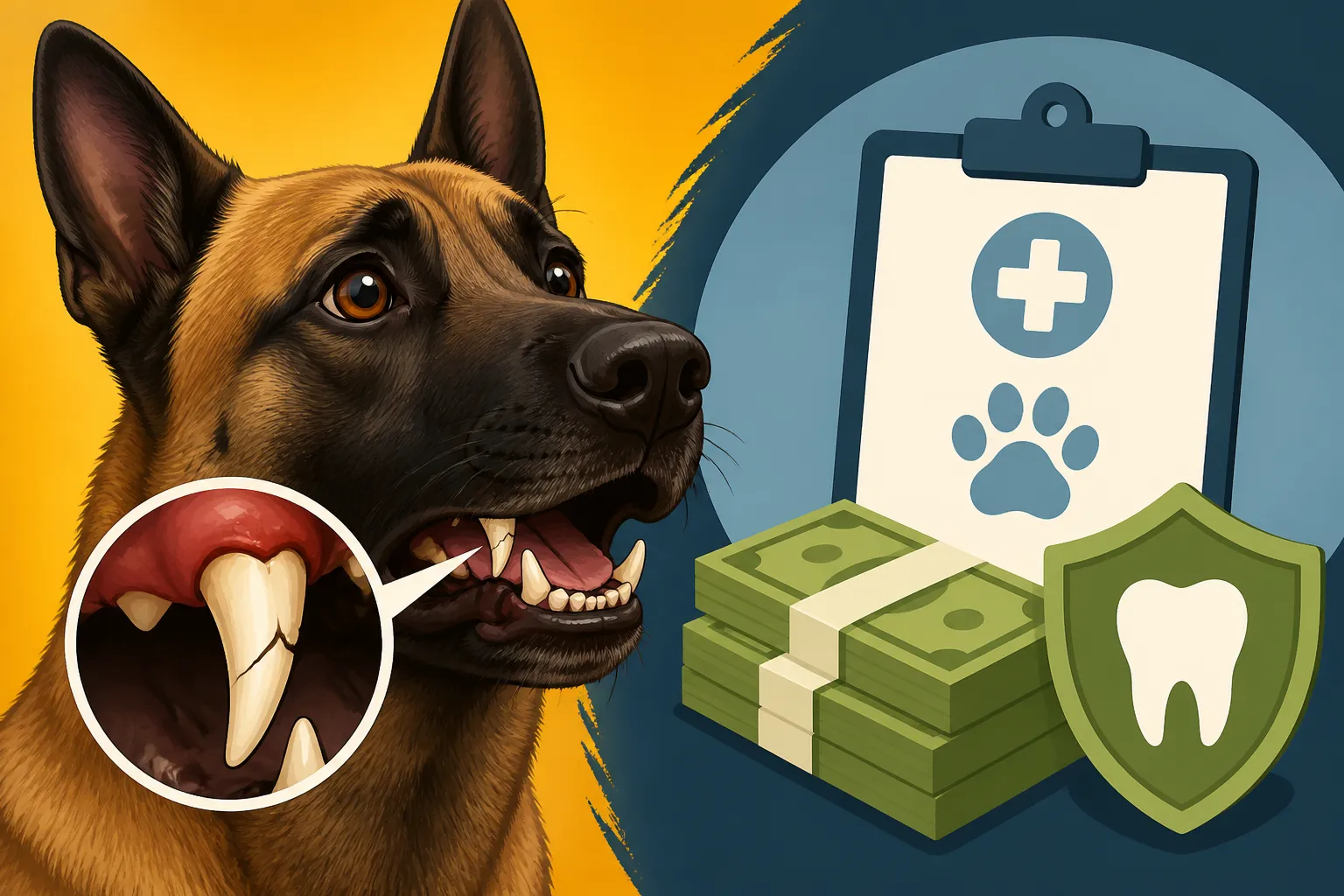
The Cost of Repairing a Malinois’s Broken Canine
It’s a heart-stopping moment for any Belgian Malinois owner: you’re playing fetch, checking their teeth after a training session, or just noticing something off, and there it is—a chipped or broken canine. These powerful teeth are essential for their work and everyday life, and a fracture isn't just cosmetic; it's a painful injury that can lead to infection and deeper problems. This guide will walk you through understanding why these injuries happen, how they're diagnosed, the various treatment options available, and the financial implications of repairing your Malinois’s broken canine tooth.
Why a Malinois Might Break a Canine Tooth in the First Place
When you own a Belgian Malinois, you quickly learn they don't do anything halfway. Their intensity, their drive, their sheer commitment to whatever they're doing—it's what we love about them, but it also means they can be prone to certain injuries, and a broken canine tooth is definitely on that list. It's not usually malicious or careless behavior on their part; it's often a side effect of their incredible energy and focus.
The Intense Chewing Habits of the Malinois
Let's be honest, a Malinois can be a destructive chewer. Their jaws are incredibly powerful, and their need for mental and physical engagement means they often channel energy into chewing. This isn't just puppy nipping; we're talking about serious, sustained gnawing. If they get their teeth on something too hard – think antlers, real bones, or even some of those "indestructible" nylon chews – a powerful bite at just the wrong angle can result in a fracture. It’s not that they mean to hurt themselves, but their pure determination combined with an inappropriate chew toy is a recipe for disaster. We want to give them things that satisfy that primal urge to chew, but it's crucial we choose wisely to prevent chipped canines. Chews That Will Not Fracture a Malinois's Canines is a topic many owners grapple with for this very reason.
Bite Sport and Accidental Impacts
For many Malinois, bite sport isn't just a hobby; it's their calling. Whether it's IGP, Ring Sport, or KNPV, these dogs engage with incredible force and precision. While decoys and equipment are designed to be safe, accidents can happen. A misjudged bite on a sleeve, a slip during an engagement, or even a sudden impact with a prop during a high-speed exercise could lead to a fracture. The sheer velocity and power involved mean that even small errors can have big consequences for those crucial canine teeth. Handlers are constantly vigilant, but sometimes, fate has other plans. You'll find many discussions about Chipped Canines on a Malinois From Sleeve Work because it's a common concern in the sport.
Environmental Hazards and Unsuitable Chews
Beyond directed training, a Malinois exploring their environment can encounter various hazards. Maybe they're searching for a hidden retrieve in rough terrain and collide with a rock, or perhaps they find something around the house or yard that they shouldn't be chewing on – a metal fence post, a piece of old furniture, or even a hard plastic toy not designed for their powerful bite. Their drive to investigate and interact with their world is strong, and sometimes that interaction can be detrimental to their dental health. Even a simple game of fetch with a rock-hard object can, over time, wear down or chip those vital teeth.
Diagnosing a Broken Canine: Beyond a Quick Look
You've noticed something is wrong. Maybe you saw the chip, or your Malinois is suddenly shying away from a favorite toy, drooling more, or showing changes in appetite. The initial discovery is just the beginning; a proper diagnosis is crucial to determining the extent of the damage and the best course of action. It's not enough to just see a visual crack; we need to understand what's happening inside the tooth.
The Importance of a Prompt Exam
As soon as you suspect a broken canine, getting your Malinois to the vet is paramount. Waiting can lead to worse outcomes, especially if the pulp (the soft tissue inside the tooth containing nerves and blood vessels) is exposed. An exposed pulp is an open door for bacteria, leading to painful infections, abscesses, and even systemic health issues. Your regular veterinarian will perform a thorough oral exam, which often requires a sedated patient, especially with a high-drive Malinois who might not appreciate someone poking around a sore spot. During this initial check, they'll look for signs of pain, swelling, and visually assess the fracture. They might also check lymph nodes or any other areas that could indicate infection.
X-Rays and Advanced Imaging
A visual exam alone often isn't enough to fully understand a tooth fracture. What you see on the surface might only be part of the story. Dental X-rays are absolutely critical. They allow the vet to see the root of the tooth, the surrounding bone, and whether there's any damage beneath the gum line. They can reveal root fractures, abscesses, or other issues that are invisible to the naked eye. Sometimes, especially with complex fractures or if there's suspicion of bone involvement, advanced imaging like CT scans might be recommended. This diagnostic step, while an added cost, is invaluable for guiding treatment and preventing unnecessary procedures or, conversely, ensuring severe issues aren't missed. This is where a good pet insurance plan like Healthy Paws can really make a difference, helping to cover unexpected diagnostic costs.
Referral to a Veterinary Dental Specialist
While your general practice veterinarian can handle many dental issues, a broken canine, particularly one with pulp exposure or a complex fracture, often warrants a referral to a board-certified veterinary dental specialist. These specialists have advanced training and equipment to perform intricate dental procedures that most general vets don't. They can accurately assess the prognosis for saving the tooth and offer the full range of treatment options. Don't hesitate to ask for a referral if your vet suggests it; it means they have your Malinois's best interest at heart and recognize the complexity of the injury. Seeking specialized care quickly can sometimes be the difference between saving a tooth and needing an extraction.
Repairing the Damage: Treatment Options and Cost Shapes
Once your Malinois has been thoroughly examined and the type and severity of the canine fracture identified, your vet or specialist will discuss the various treatment options. These options range significantly in complexity, invasiveness, and, of course, cost. Understanding what each involves will help you make an informed decision for your dog. Whether a Belgian Malinois Needs a Root Canal is a question many owners face, and it's certainly a major consideration.
Vital Pulp Therapy: Saving the Tooth
Vital pulp therapy (VPT), sometimes called direct or indirect pulp capping, is an option for certain fresh, uncomplicated fractures, typically those less than 48 hours old, where the pulp is exposed but still healthy and vital. The goal here is to save the live pulp tissue within the tooth. The procedure involves removing a small portion of the exposed pulp, applying a protective material to encourage healing and dentin formation, and then sealing the tooth with a restorative material. This is often the least expensive of the restorative options, as it's less involved than a full root canal. It's often reserved for younger dogs where maintaining tooth vitality is particularly important for growth and overall oral health.
Root Canal Therapy: The Gold Standard
If the pulp is exposed for too long, becomes infected, or is deemed non-vital, a root canal therapy (endodontic treatment) becomes the primary method to save the tooth. This is similar to a human root canal. The procedure involves accessing the pulp chamber, removing all infected or necrotic pulp tissue, thoroughly cleaning and shaping the canal, filling it with an inert material, and then sealing the tooth to prevent future infection. It's a precise procedure that requires specialized equipment and expertise. Root canal therapy is often considered the gold standard because it allows the dog to keep the tooth, maintaining jaw integrity and function, which is especially important for a working Malinois. The cost of this can be substantial, reflecting the specialized nature of the procedure. Anesthesia Protocols for a Lean Belgian Malinois will be a key discussion point with your vet, given the length and invasiveness of this procedure.
Extraction: When All Else Fails
Sometimes, a tooth is too severely damaged to be saved by a root canal, or the owner may opt for extraction due to financial constraints or other factors. Extraction involves surgically removing the entire tooth, including the root. While it's a definitive solution, it does mean losing a vital canine tooth, which can impact jaw strength and bite integrity, especially for a working dog. After extraction, the gum is sutured closed, and the recovery involves pain management and often a period of soft food. While often less expensive than a root canal or crown, extraction can still be a complex surgical procedure, especially for a large canine tooth with deep roots, and it carries its own set of potential complications.
Titanium Crowns: Protecting the Investment
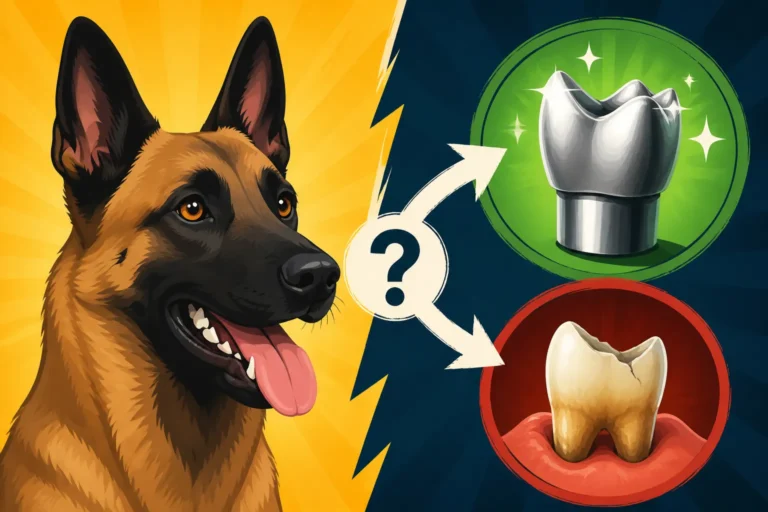
Once a tooth has undergone vital pulp therapy or root canal therapy, it can be susceptible to further damage or fracture, especially in a high-drive dog like a Malinois. This is where a custom-fitted titanium crown comes in. A crown acts as a protective cap, covering the treated tooth and providing additional strength and durability. Titanium Crowns on a Working Malinois's Teeth are a common solution for these dogs. The process involves preparing the tooth, taking impressions, and then having a specialized lab fabricate the crown. Once the crown is ready, it's cemented onto the tooth. This is an additional cost on top of the initial dental procedure, but for many working dog owners, it's a worthwhile investment to protect a functionally important tooth and prevent future issues.
Here's a general overview of the cost shapes for various dental procedures for a broken canine:
| Procedure | Complexity | Typical Recovery Time | Purpose | General Cost Shape (Compared) |
|---|---|---|---|---|
| Initial Exam & X-rays | Moderate | Immediate | Diagnose fracture, assess damage | Low to Moderate |
| Vital Pulp Therapy | Moderate | Few days to weeks | Save viable pulp, preserve tooth vitality | Moderate |
| Root Canal Therapy | High | Weeks | Save non-vital/infected tooth | High |
| Extraction | Moderate to High | Weeks | Remove irreparably damaged/infected tooth | Moderate to High |
| Titanium Crown (after RPC/VPT) | High (Fabrication) | N/A (protection) | Protect treated tooth from future fracture | High (Additional) |
Note: Specific costs vary widely based on location, specialist fees, and individual circumstances. Always get a detailed estimate from your veterinary provider.
Long-Term Care and Prevention of Future Fractures
Repairing a broken canine is often a significant investment, both emotionally and financially. But the journey doesn't end when your Malinois leaves the dental specialist's office. Long-term care is crucial for the success of the treatment and to prevent future dental woes. We need to be proactive, not just reactive, when it comes to our working dogs' oral health.
Post-Procedure Recovery and Pain Management
No matter which procedure your Malinois undergoes, proper post-operative care is essential. Your vet will provide specific instructions, which often include a course of pain medication, antibiotics (especially after a root canal or extraction), and anti-inflammatory drugs. It's common for your dog to be on a soft food diet for several days, or even weeks, to allow the area to heal. Activity might need to be restricted, meaning no hard chewing, no tug games, and possibly limited bite work until cleared by the specialist. This period of quiet can be challenging for an active Malinois, but it's critical for proper healing. Regular checks of the surgical site for swelling or discharge are also important. Make sure you understand the full scope of The Vet Bills a Bite Sport Belgian Malinois Runs Up, as follow-up appointments and medications factor into the total cost.
Choosing Appropriate Chews and Toys
This is where prevention truly comes into play. After experiencing a broken tooth, you'll want to be extra diligent about what your Malinois chews on. Avoid anything that doesn't bend or give when you press your thumbnail into it. This means saying goodbye to real bones, antlers, nylon bones, and even some very hard rubber or plastic toys. Instead, opt for softer rubber toys, appropriate rope toys, or certain dental chews designed to be digestible and less abrasive. Brands like Chewy offer a wide selection of safer chew options. Supervise all chewing sessions, especially with new toys, to ensure they're safe. Always remember, if you wouldn't hit your kneecap with it, your dog shouldn't be chewing on it. Consider toys that can hold treats or act as puzzle toys as a safer alternative to satisfy their urge to work their jaws.
Regular Dental Check-ups and Maintenance
Even after a successful repair, ongoing dental care is vital. Regular professional dental cleanings under anesthesia, typically once a year, are highly recommended to prevent tartar buildup and catch any new issues early. Between these professional cleanings, daily home care is incredibly effective. This means brushing your Malinois's teeth every day if possible. Yes, it sounds like a chore, but it makes a huge difference. Start slowly, make it positive, and focus on the outer surfaces of the teeth. There are also dental rinses, water additives, and specialized diets that can help reduce plaque and tartar, though they are not a substitute for brushing. Brands like Ollie, while focusing on fresh food, often emphasize overall canine health, which includes good dental hygiene. Daily Tooth Brushing for a Malinois That Bites can become a routine if introduced correctly. Early detection of any new chips or signs of discomfort can prevent minor issues from becoming major, costly repairs down the line. It's all part of the commitment to a happy, healthy working life for your incredible Malinois.
Disclaimer
This article is for general informational purposes only and does not constitute professional advice. Laws, prices and regulations vary by location and change over time. Consult a qualified professional for guidance on your specific situation.