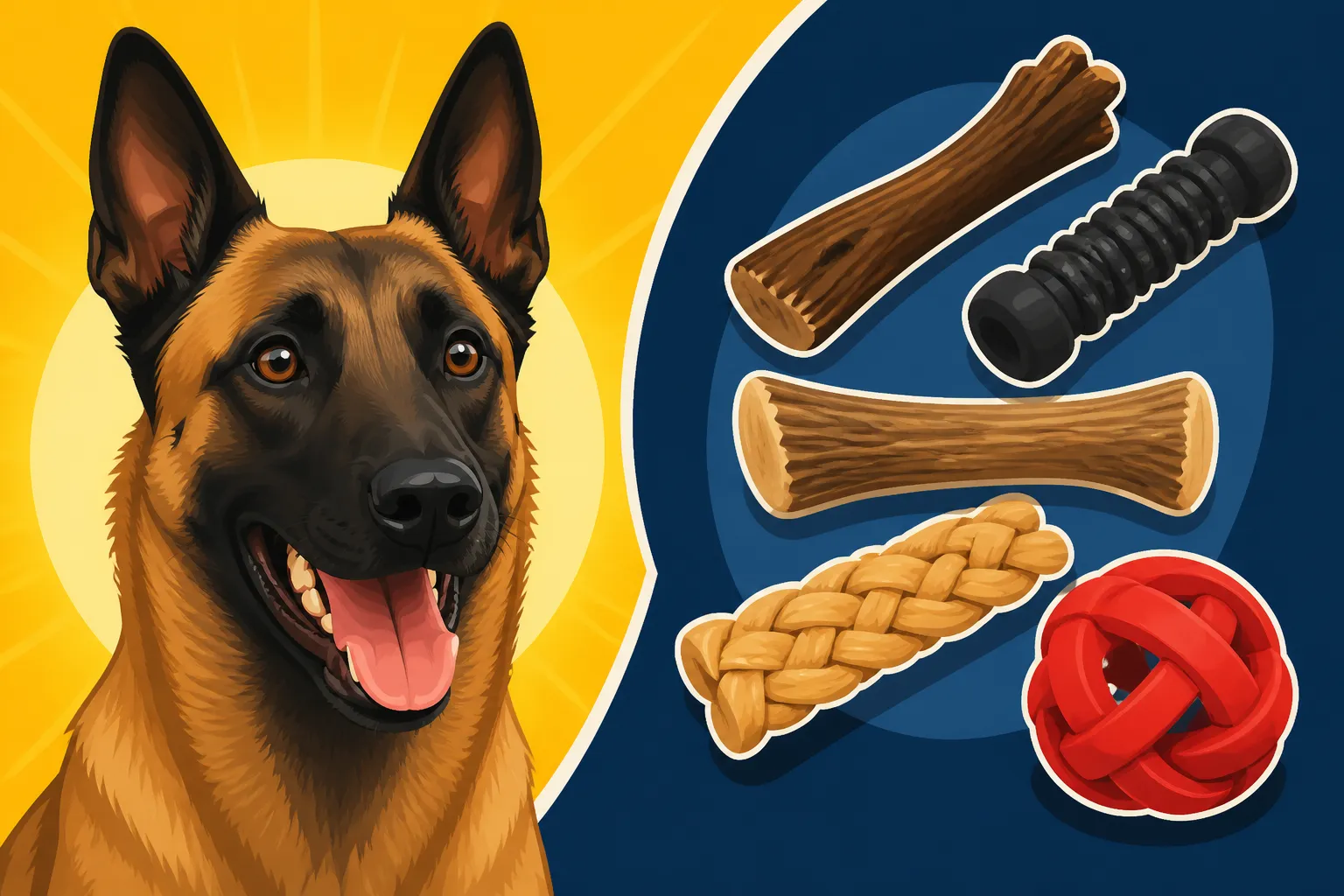
Chews That Will Not Fracture a Malinois’s Canines
Few things are more disheartening for a Belgian Malinois owner than discovering their beloved dog has fractured a tooth, especially one of those strong, prominent canines. We pour so much into keeping these incredible dogs healthy and happy, and dental injuries can be painful, costly, and disrupt their ability to engage in the work or play they love. This guide will walk you through why Malinois are prone to these injuries with common chews and offer safer alternatives to protect those vital teeth.
The Frustration of Fractured Canines: Why Malinois Teeth Are So Vulnerable
It's a common story we hear in the Malinois community: an owner provides a "durable" chew, only to find their dog suffering from a chipped or broken tooth later. It's not just bad luck; it’s a specific combination of the Malinois's powerful physiology and their innate drive that puts them at higher risk. Understanding this helps us choose better, safer options for our dogs.
The Malinois Mouth: Built for Grip, Not Grind
When you look at a Malinois's bite, you see a marvel of engineering designed for purpose. Their jaws are incredibly powerful, capable of exerting immense pressure. The canines, in particular, are long, sharp, and meant for piercing and holding. Think about their original herding work, or their modern protection sport roles; these teeth are tools for gripping and securing. They are not designed for grinding down excessively hard objects like a molars might. This distinction is crucial. When a Malinois applies its full jaw power to a rigid, unyielding object, the forces can easily exceed the structural integrity of the tooth enamel and dentin, leading to chips, cracks, or even full fractures right down to the pulp. These teeth are built for action, yes, but that action usually involves softer, yielding targets, not rock-hard materials. Regular checks of your Malinois's mouth are so important, especially if they are a working dog, to catch any issues early. This includes assessing the health of their gums, looking for any discolored or worn teeth, and making sure their bite alignment is still good. After all, a healthy mouth is key to a happy, working Malinois, and knowing what to look for can prevent a small problem from becoming a serious one down the line. It's why Whether a Malinois's Bite Should Be Checked Yearly is such a crucial topic for owners.
The Drive to Chew: A Malinois Instinct You Can't Ignore
Let's be honest, living with a Belgian Malinois means living with an animal that has an insatiable drive. This drive isn't just for work; it extends to their need for mental and physical stimulation, and yes, to chewing. For a Malinois, chewing isn't merely a pastime; it's a deeply ingrained instinct that helps relieve stress, boredom, and even strengthens their jaws. We validate that frustration of trying to find something that lasts for more than five minutes! Many owners mistakenly believe that the harder the chew, the better, assuming it will stand up to their dog's intensity. However, this often backfires. The relentless, powerful chewing action of a Malinois on an object that doesn't give can create leverage and pressure points that lead directly to dental injury. This isn't a problem of your Malinois "chewing too hard;" it's a problem of providing an inappropriate chewing outlet for an animal built for intense oral engagement. Their drive is incredible, but it needs to be channeled safely.
What Happens When a Canine Fractures
A fractured canine is more than just a visible chip; it can be incredibly painful for your Malinois and lead to serious health complications. When a tooth fractures, especially if the fracture extends into the pulp chamber, it exposes the sensitive nerve endings and blood vessels within the tooth. This is not only excruciating but also provides a direct pathway for bacteria to enter, leading to infection and abscesses. You might notice your dog favoring one side of their mouth, drooling excessively, showing reluctance to chew, or even displaying behavioral changes due to chronic pain. The veterinary intervention required is often complex and expensive, ranging from root canal therapy to complete tooth extraction. A What a Crown on a Malinois Canine Costs can be significant, and the recovery time can impact your dog's training and overall well-being. Preventing these injuries is paramount, not just for financial reasons, but for your Malinois's quality of life. An untreated fractured tooth can become a chronic source of pain and systemic infection, affecting their entire body. It's a sobering thought that such a common item as a chew toy could lead to such severe consequences, reminding us all of the importance of making informed choices. When a Malinois gets Broken Teeth on a Malinois From Bite Work, it's also a serious concern for their ability to continue in their sport or job.
Understanding the Danger Zone: What Chews to Avoid for Your Malinois
Navigating the vast array of chew products on the market can be overwhelming, especially when every package claims to be "indestructible" or "long-lasting." For a Belgian Malinois owner, these claims can often lead to dangerous choices. It's crucial to understand what makes a chew truly hazardous to your dog's dental health, beyond just its advertised toughness.
The "Too Hard" Rule: If You Can't Indent It, Neither Should Your Dog
This is arguably the most important rule of chew safety: if you cannot make a visible indentation in a chew toy with your thumbnail, it is too hard for your Malinois's teeth. Period. This simple test helps you identify objects that will win the battle against your dog's teeth, inevitably leading to a fracture. Common culprits in this category include natural items like antlers, hooves, and dense, weight-bearing bones (even raw ones, as their density is often far greater than tooth enamel). Many synthetic "extreme chewer" toys also fall into this trap, being made of plastics so hard they offer no give whatsoever.
Consider the physics involved: when a Malinois applies its powerful bite to an unyielding object, the force has nowhere to dissipate except through the tooth itself. It's like trying to bite a rock – something is going to give, and it’s usually the rock-hard tooth on the softer rock of the chew. This principle is why so many seemingly innocent chews can cause extensive damage. Avoiding these ultra-hard items is the first and most critical step in safeguarding your Malinois's dental health, preventing costly vet visits for issues like What Extracting a Malinois's Tooth Costs or even discussions about Whether Titanium Crowns Are Worth It on a Malinois for severe fractures.
The Risks of Recreational Bones: From Marrow Bones to Knuckles
The topic of feeding bones, especially raw ones, is a contentious one among dog owners. While some advocate for them, for a breed like the Belgian Malinois with their immense jaw strength, recreational bones—those meant for chewing rather than consumption—carry significant risks. Marrow bones, beef femurs, and large knuckle bones, whether raw or cooked, are often dense enough to cause tooth fractures. Even raw bones that seem "softer" can splinter or shard, leading to internal injuries, blockages, or choking hazards. Cooked bones are an absolute no-go due to their brittleness and tendency to splinter into sharp fragments.
The appeal of giving a dog a "natural" bone is understandable, but the potential consequences for a Malinois can be severe. These bones are often harder than your dog's teeth and can act like a wedge, splitting teeth longitudinally. Moreover, smaller pieces can be swallowed, leading to gastrointestinal upset, impaction, or even perforation. It’s a gamble that, for many Malinois owners, simply isn't worth the risk when safer alternatives exist. Always remember, a Malinois’s powerful jaws don’t always discriminate between what’s safe to chew and what could cause harm.
Avoiding the "Extreme Chewer" Trap: Marketing vs. Reality
The pet product market is flooded with chews labeled for "power chewers" or "extreme chewers," often featuring dramatic claims of indestructibility. While these products might hold up for some breeds, for a Belgian Malinois, they often represent a marketing promise that falls short in reality. Many of these chews are made from incredibly dense, rigid nylon or other synthetic materials that, while tough, are too hard for dog teeth. They lack the necessary "give" that prevents dental trauma.
As Malinois owners, we know our dogs operate on a different level of intensity. Their focus and persistent chewing can overcome almost any toy given enough time and motivation. It's easy to get sucked into the idea that you need the hardest thing out there, but this mindset can lead to dental injuries. Instead of focusing solely on "toughness," shift your focus to materials that are durable but also have some elasticity or pliability. Always question the marketing; if it feels like a brick, it’s probably not safe for those strong canines.
Safer Chew Alternatives: Protecting Those Precious Canines
Once you understand what to avoid, the next step is discovering the world of safe and satisfying chew alternatives that cater to your Malinois's intense chewing drive without putting their teeth at risk. The goal is to provide mental and physical enrichment through chewing, ensuring their dental health remains intact.
Rubber and Soft Plastic Chews: Durability Without Dental Damage
For a Belgian Malinois, high-quality rubber and softer, yet durable, plastic chews are often your best bet. Look for products made from natural rubber or proprietary blends designed to be resilient but still have a degree of flexibility. When your Malinois applies pressure to these chews, they should compress slightly, absorbing some of the force rather than transmitting it directly to the teeth. This "give" is what protects against fractures. Brands like Kong, West Paw, and GoughNuts are often cited for their durable rubber toys that can stand up to a Malinois's jaws. They come in various shapes and sizes, from classic stuffable cones to more intricate designs that offer a satisfying mouthfeel.
It's important to choose the appropriate size to prevent choking and ensure the chew is large enough that it can't be swallowed whole. Regularly inspect these chews for damage. Even the toughest rubber can eventually wear down, and once pieces start to break off, it's time for a replacement. A well-selected rubber chew can provide hours of safe, satisfying chewing. You can find a fantastic selection of these durable, safe options on popular online pet supply retailers like Chewy and Amazon, often with customer reviews that specifically address their suitability for strong chewers.
Dental Chews and Edibles: Smart Choices for Oral Health
While not a substitute for brushing, many digestible dental chews can offer both chewing satisfaction and some oral hygiene benefits, provided they are chosen wisely. The key here is "digestible." These chews are typically designed to be consumed rather than simply gnawed on indefinitely, meaning they break down safely in the dog's mouth and stomach. Look for dental chews with a flexible, slightly abrasive texture that can help scrape plaque from teeth as your Malinois chews, but that aren't so hard they pose a fracture risk. Ingredients are important too; steer clear of artificial colors and flavors where possible.
Brands often offer various sizes, so select one appropriate for your Malinois's weight and jaw size. Always supervise your dog when they have an edible chew to ensure they chew it thoroughly and don't try to swallow large pieces. These chews can be a great way to satisfy a daily chewing urge and contribute to oral health between professional cleanings. Remember that Daily Tooth Brushing for a Malinois That Bites is still the gold standard for dental hygiene, but these can be a helpful supplement. For a wide variety of reputable dental chews and other digestible options, both Chewy and Amazon offer extensive selections, allowing you to compare ingredients and user reviews easily.
Interactive and Food-Dispensing Toys: Mental Stimulation Over Brute Force
For a brilliant and highly driven breed like the Belgian Malinois, pure chewing isn't always enough to satisfy their mental needs. This is where interactive and food-dispensing toys shine. These toys require your Malinois to engage their brain to get to a reward, converting their intense drive into a problem-solving exercise rather than just brute force chewing. They come in many forms: rubber toys that can be stuffed with kibble, wet food, or frozen treats; puzzle toys that require manipulation to release food; or slow feeder bowls that make mealtime a challenging game.
The benefit here is twofold: your Malinois gets mental stimulation, which can be just as tiring as physical exercise, and their chewing is directed towards extracting food rather than simply destroying an object. When stuffed with appropriate treats, these toys provide a softer, more dynamic chewing experience that is far less likely to cause dental damage. They help "build an off switch" by encouraging calm, focused engagement. These toys are an excellent way to keep your Malinois busy and content, preventing them from turning their attention to inappropriate—and potentially tooth-fracturing—items around the house.
Chew Safety Best Practices: More Than Just Choosing the Right Toy
Even with the safest chews, responsible ownership extends to how you manage and monitor your Malinois during their chewing sessions. A good chew is only part of the equation; understanding and implementing best practices are equally vital to prevent dental injuries and ensure overall safety.
Supervision is Non-Negotiable: Always Watch Your Malinois
This point cannot be stressed enough: never leave your Belgian Malinois unsupervised with any chew toy or edible treat. Malinois are incredibly powerful, resourceful, and persistent. What might seem like a safe chew one minute could become a choking hazard, a splintered shard, or a swallowed obstruction the next. Their determination to "defeat" a toy or consume a treat can lead them to behaviors that even the manufacturer didn't anticipate.
Supervision means actively observing your dog. Look for signs that the chew is breaking down into swallowable pieces, splinters, or becoming small enough to pose a choking risk. Notice if your dog is chewing excessively hard in one spot, which could indicate a developing dental issue or a problematic chew material. Being present allows you to intervene immediately if a problem arises, preventing a minor issue from escalating into an emergency. Remember, a Malinois can do a lot of damage in a short amount of time, as any owner who has experienced What a Malinois Destroys in One Unsupervised Hour can attest.
Regular Inspection and Replacement: Know When to Toss It
No chew toy, regardless of its material or marketing claims, is truly indestructible for a Belgian Malinois. Even the most robust rubber toys will eventually show signs of wear and tear. It is your responsibility as an owner to regularly inspect all chews for damage and know when to discard them. Before each chewing session, take a moment to examine the toy:
- Cracks or Splits: Are there any hairline cracks or larger splits in rubber or plastic chews? These areas are weak points and can break off.
- Missing Pieces: Has your Malinois managed to gnaw off a chunk? Any missing piece means the toy is compromised and could become a choking hazard.
- Sharp Edges: Even smooth rubber can develop sharp edges as it's chewed. These can irritate gums or even cut your dog's mouth.
- Size Reduction: Has the chew become significantly smaller? If it's now small enough to fit entirely in your dog's mouth, it's a choking risk and needs to be replaced.
Don't wait until a chew is completely destroyed. Replace it proactively when you see the first signs of significant wear. Investing in new, safe chews is a small price to pay compared to emergency vet bills for dental or internal injuries. Think of it like replacing worn-out training equipment; Tugs and Bite Pillows a Malinois Destroys are replaced when compromised, and so should their regular chews.
Variety and Rotation: Keeping Things Interesting (and Safe)
Imagine eating the same meal every day, or playing with the same single toy. Even for a Malinois, boredom can set in, leading to disinterest or, worse, destructive behaviors as they seek novelty. A smart strategy for chew safety and enrichment is to provide a variety of safe chews and rotate them regularly.
Having a selection of 3-5 different safe chews (e.g., a stuffed Kong, a textured rubber ball, a softer edible chew, a puzzle toy) and offering only one or two at a time, then swapping them out, can achieve several goals:
- Prevents Boredom: Novelty keeps your Malinois engaged and prevents them from fixating on and prematurely destroying a single chew.
- Reduces Overuse Stress: Rotating chews means no single tooth or jaw area is constantly stressed in the same way, potentially reducing repetitive strain injuries.
- Extends Toy Lifespan: By not having constant access to every toy, each individual chew lasts longer, making your investment go further.
- Maintains High Value: When a chew is reintroduced after a break, it often feels "new" and exciting again, increasing its appeal and value as a reward or activity.
This approach not only keeps your Malinois mentally stimulated and happy but also significantly contributes to their long-term dental safety by diversifying their chewing experience.
Considering Diet-Based Chews and Raw Options (with extreme caution)
For many Malinois owners, the question of diet-based chews and raw options like bones often arises. There's a lot of information out there, some conflicting, and it's essential to approach these options with extreme caution, a thorough understanding of the risks, and ideally, guidance from a veterinarian knowledgeable in canine nutrition and dental health.
Raw Meaty Bones: A Controversial Topic
The discussion around raw meaty bones (RMBs) for dogs is one of the most debated topics in canine nutrition. Proponents often highlight potential dental benefits, mental stimulation, and nutritional advantages. However, for a breed with the powerful jaws of a Belgian Malinois, the risks of tooth fracture, especially of canines and premolars, cannot be overstated. When considering RMBs, the key is "meaty" – meaning the bone should be soft, pliable, and entirely consumable, not just a hard, recreational bone for gnawing. Think chicken necks, chicken wings, or turkey necks for larger dogs, which are mostly cartilage and softer bone that can be crushed and consumed.
Never feed weight-bearing bones from large animals (like beef femurs or knuckles), as these are dense enough to easily shatter a Malinois's teeth. Additionally, never feed cooked bones, as they become brittle and splinter easily. If you decide to explore RMBs, it must be under strict supervision, ensuring your Malinois is actually consuming the bone and not just gnawing on it like a hard chew. Understand that even with "safe" RMBs, there's always a degree of risk involved, including bacterial contamination and potential for choking or internal injury if not properly managed. It's a choice that requires extensive research and often, a conversation with your vet.
Dehydrated Chews: Tendons, Skins, and Other Softer Alternatives
Dehydrated chews like bully sticks, tracheas, esophagus, and various jerky-style treats can be excellent, safer alternatives to hard bones, offering a satisfying chew that is fully digestible. These chews are typically made from animal proteins that have been dried, making them tough but pliable enough to break down as your Malinois chews. Unlike hard bones, they don't pose the same immediate risk of tooth fracture because they soften with saliva and chewing action.
When selecting dehydrated chews, prioritize single-ingredient options to avoid unnecessary additives. Ensure the size and thickness are appropriate for your Malinois to prevent them from attempting to swallow large pieces whole, which could lead to choking. Always supervise your dog, especially as the chew gets smaller, and remove any pieces that become too tiny to chew safely. Quality matters here; seek out reputable suppliers that use high-quality, ethically sourced ingredients and transparent processing methods. Many such products are available on platforms like Chewy and Amazon, and if you're exploring fresh food options for your Malinois, some brands like Ollie also offer softer, more natural dehydrated or air-dried treats that might be a good fit. These chews provide an excellent outlet for their natural chewing instincts without the high dental risk.
Comparative Overview of Chew Types for Belgian Malinois
To help you make informed decisions, here's a quick comparison of various chew types and their general safety for your powerful Belgian Malinois. Remember, individual dogs vary, and supervision is always key!
| Chew Type | Description | Dental Safety (Malinois) | Risks | Recommended for Malinois? |
|---|---|---|---|---|
| Antlers/Hooves | Natural, very hard bone-like structures. | Very Low | Tooth fractures (especially canines), gum injury, choking if pieces break off. | NO |
| Hard Nylon Bones | Dense, rigid synthetic chews, often marketed for "power chewers." | Low | Tooth fractures, gum irritation, ingestion of plastic pieces. | NO |
| Cooked Bones | Any bone that has been cooked (chicken, beef, pork, etc.). | DANGEROUS | Splintering, internal perforations, choking, impaction, tooth fractures. | ABSOLUTELY NOT |
| Raw Weight-Bearing Bones | Large, dense raw bones (e.g., beef femurs, knuckles). | Low | Tooth fractures, impaction, bacterial contamination (if left out). | NO |
| Durable Rubber Toys | Flexible but tough natural or synthetic rubber (e.g., Kong, West Paw). | High | Choking if too small, ingestion of rubber pieces (if heavily damaged). | YES |
| Softer Plastic Toys | Chews made from durable, pliable plastics with some 'give'. | Medium-High | Similar to rubber, but less flexible; can wear down faster or develop sharp edges. | YES (with caution) |
| Digestible Dental Chews | Designed to be consumed, with an abrasive texture (e.g., Greenies, Dentalife). | High | Choking if swallowed whole, digestive upset if too many are consumed. | YES |
| Food-Dispensing Toys | Toys that hold and slowly release treats or kibble (e.g., Kong Wobbler). | High | Frustration, potential for destruction if poorly made or too small. | YES |
| Raw Meaty Bones (RMBs) | Consumable, soft bones and cartilage (e.g., chicken necks/wings). | Medium | Bacterial contamination, choking, potential for internal injury if not fully consumed. | YES (with extreme caution) |
| Dehydrated Chews | Dried animal parts (e.g., bully sticks, tracheas, jerky). | High | Choking risk as they get small, digestive upset if over-consumed, bacterial risk from poor sourcing. | YES (with supervision) |
Disclaimer
This article is for general informational purposes only and does not constitute professional advice. Laws, prices and regulations vary by location and change over time. Consult a qualified professional for guidance on your specific situation.