Ear Cleaning on a Malinois That Objects
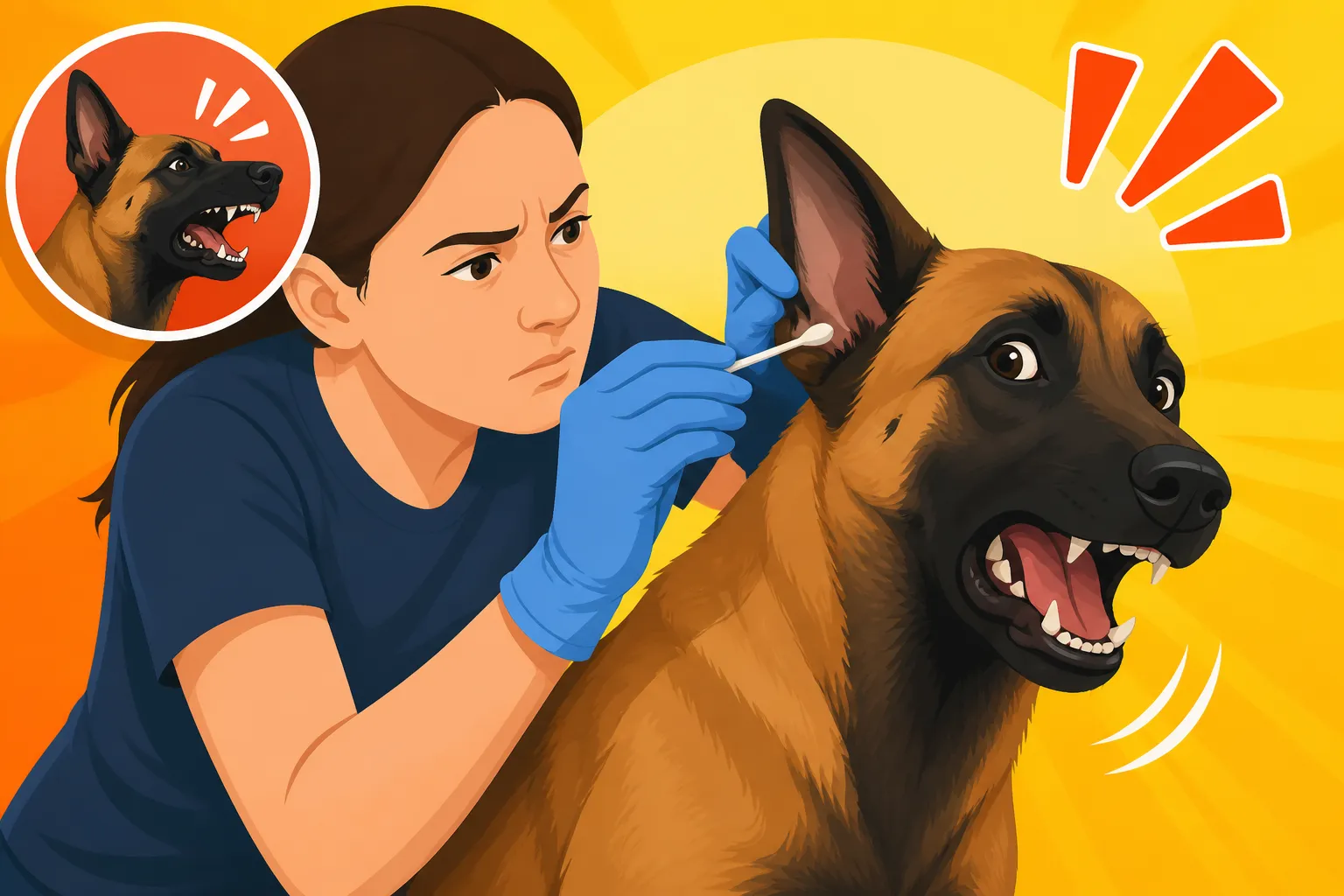
If you're a Belgian Malinois owner, you know the drill: anything that involves holding still, especially for something invasive like ear cleaning, can turn into a wrestling match worthy of an Olympic sport. It's incredibly frustrating when you're just trying to do what's best for your dog, only to be met with a whirlwind of head shaking, ducking, and outright objection. This guide is here to walk you through understanding why your high-drive Malinois might be so against ear cleaning, equip you with the right tools and techniques, and help you navigate when it’s time to call in the professionals.
Understanding Why Your Malinois Hates Ear Cleaning
It’s easy to feel like your Malinois is just being stubborn or difficult when they fight you on something as routine as ear cleaning. But with this breed, there's often more going on beneath the surface than simple defiance. Their genetics, past experiences, and how they've been introduced to handling all play a huge role in their reaction.
The Malinois Instinct for Control and Self-Preservation
Belgian Malinois are intensely intelligent, highly sensitive dogs with a strong sense of self-preservation. They are bred to be vigilant, aware of their surroundings, and to act decisively. When you approach them to clean their ears, it can feel like a direct challenge to their autonomy, especially if they haven't been meticulously conditioned to accept such handling. For a Malinois, having their head restrained and something inserted into a sensitive area like the ear canal can trigger a primal instinct to resist and escape. They don't understand it's for their own good; they only feel the perceived threat and the loss of control. It's not personal, it's just how their incredibly sharp minds and bodies are wired.
This intense drive means that even a slight hesitation or perceived weakness on your part can be picked up immediately, reinforcing their belief that resisting is the correct course of action. They are master communicators, and their objections, whether it's pulling away, whining, or even a low growl, are clear signals that they are uncomfortable and trying to regain control of the situation. You need to approach this task with quiet confidence, but also immense patience and empathy for their innate sensitivities.
Past Negative Experiences or Pain
Sometimes, a Malinois’s aversion to ear cleaning isn't just about their drive; it's rooted in a genuine negative experience. Perhaps as a puppy, they had a painful ear infection that made any touch to their ears agonizing. Maybe a previous owner or even a well-meaning groomer was too rough, or inadvertently caused discomfort during a past cleaning session. Malinois are incredibly smart, and they remember. A single bad experience can create a lasting negative association, turning ear cleaning into a dreaded event.
If your Malinois suddenly starts objecting to ear cleaning when they previously tolerated it, it's crucial to consider if there might be an underlying issue. They might be anticipating pain from an infection that's brewing, or they could still be feeling residual discomfort from a past injury. Always rule out medical causes first. Imagine if someone tried to clean a sore wound on you without explanation – you’d object too, fiercely. This is why understanding their history and physical state is so important before you ever even pick up the ear cleaner.
Lack of Early Conditioning and Positive Association
The foundation for successful ear cleaning, like so many other handling procedures, is laid in puppyhood. If your Malinois wasn't gradually introduced to having their ears touched, manipulated, and eventually cleaned with positive reinforcement from a young age, you're starting from a deficit. Many new Malinois owners, understandably, focus on the big-ticket training items like bite work or advanced obedience, and forget the crucial details of daily handling.
Without this early, consistent conditioning, the first time you attempt a full ear cleaning might be the first time they truly experience it, and it can be overwhelming for their sensitive nature. It's a missed opportunity, but certainly not an insurmountable one. Building a positive association with ear handling from the very beginning, making it a game with rewards, is paramount. Think of it as part of The First Week With a Belgian Malinois Puppy routine, right alongside house-training and basic commands. This early exposure helps them learn that human touch, even in sensitive areas, is safe and even rewarding. It sets them up for success throughout their lives. You can also explore What Puppy Classes Cost a Belgian Malinois Owner to reinforce these early handling skills in a structured environment.
Essential Tools and Techniques for a Smooth Ear Cleaning Session
Now that we understand some of the underlying reasons for their resistance, let's talk about how to approach ear cleaning in a way that minimizes stress for both you and your Malinois. It's all about preparation, patience, and making it as positive an experience as possible.
Gathering Your Supplies Before You Start
Before you even think about approaching your Malinois, have absolutely everything you need within arm's reach. Rushing around to grab a missing item only adds to your stress and gives your dog more opportunities to perceive your uncertainty and escalate their objection.
Here's a checklist of essentials:
- Veterinarian-Approved Ear Cleaner: This is non-negotiable. Don't use water, alcohol, or anything not specifically formulated for canine ears. Your vet can recommend a good one. There are many excellent brands available, and you can easily find highly-rated options on platforms like Chewy or Amazon.
- Cotton Balls or Gauze Pads: Avoid cotton swabs (Q-tips) as they can push debris further into the ear canal and potentially damage the eardrum.
- Plenty of High-Value Treats: We're talking about the good stuff here – cooked chicken, cheese, small pieces of hot dog. Whatever your Malinois absolutely goes wild for. This is your primary tool for positive reinforcement.
- Towels: A few old towels are indispensable for spills and for wiping away excess cleaner.
- Headlamp (Optional but Recommended): This can free up a hand and give you better visibility into the ear canal, especially for those erect Malinois ears.
Having everything prepped and ready helps you maintain a calm, confident demeanor, which your Malinois will absolutely pick up on. It signals to them that you are in control of the situation, even if they're still not thrilled about it.
The Art of Positive Reinforcement and Desensitization
This isn't a battle of wills; it's a marathon of conditioning. For a Malinois that objects, you cannot just force the issue. You need to break the process down into tiny, manageable steps and reward heavily for compliance at each stage. This is true desensitization.
Start small:
- Touch the ear flap: Gently touch your Malinois's ear flap, say "good," and immediately give a treat. Repeat this many, many times over several sessions, gradually increasing the duration of the touch.
- Lift the ear flap: Once comfortable with touching, try gently lifting the ear flap, treat, and release. Build up to holding it open for a few seconds.
- Introduce the bottle: Let them see and sniff the ear cleaner bottle. Treat. Gently touch the bottle to their ear flap (no squeezing!), treat.
- Practice the squeeze: Mimic the motion of squeezing the cleaner into the ear, but don't actually do it yet. Treat.
- Apply a tiny bit of cleaner: Place just a drop or two outside the ear canal, on the flap, and immediately give a shower of treats and praise. The goal is to make the sight of the cleaner and the feeling of it a positive signal.
This process can take days, weeks, or even longer depending on your dog's history. The key is never to push past their comfort level and always end on a positive note. If they show any signs of stress, back up to an easier step. Consistency is vital, and these sessions should be short and sweet, not long and drawn out. Remember, the goal is to change their emotional response to the act of ear cleaning. This systematic approach is also crucial for other sensitive procedures, similar to what you might do when tackling Applying Eye Medication to a Malinois That Objects.
Proper Ear Cleaning Technique for Malinois Ears
Once your Malinois is more accepting of the preparatory steps, you can move on to the actual cleaning. Always aim for a quiet, low-stress environment.
Here’s a step-by-step guide:
- Positioning: Have your Malinois in a comfortable, stable position. For some, sitting or standing calmly by your side works; for others, a helper might be needed to gently steady them and offer continuous treats.
- Lift the Ear Flap: Gently lift the ear flap to expose the ear canal. For Malinois with those wonderful, upright ears, this is usually quite straightforward.
- Administer the Cleaner: Hold the tip of the ear cleaner bottle just above the opening of the ear canal. Squeeze a generous amount of cleaner into the canal until it's full. Don't jam the tip deep inside.
- Massage the Base of the Ear: This is the part that often feels weird to dogs. Gently but firmly massage the base of the ear for 20-30 seconds. You should hear a squishing sound as the cleaner breaks up wax and debris. This part is crucial for loosening everything up.
- Allow Them to Shake: Once you stop massaging, let your Malinois shake their head. This is instinctual and helps expel the cleaner and loosened gunk. Be prepared for a spray, hence the towels! Offer immediate praise and treats during and after the shake.
- Wipe Away Debris: Use cotton balls or gauze pads to gently wipe away any visible cleaner and debris from the outer ear and the folds of the ear flap. Go only as far as your finger can comfortably reach – never insert anything into the ear canal itself.
- Repeat if Necessary: If the ear is particularly dirty, you might need to repeat the process. Always save the dirtiest ear for last if only one is problematic.
- Reward Heavily: Finish with a jackpot of treats and positive reinforcement. Make it clear that they did a fantastic job.
Consistency is key. Regular cleaning, even if it's just a quick wipe, prevents heavy buildup that makes deep cleaning more challenging. For Malinois, whose erect ears are generally less prone to trapping moisture than floppy-eared breeds, excessive cleaning isn't usually necessary unless there's an underlying issue. However, regular checks are still vital to catch problems early.
When to Call in the Professionals and What to Expect
Sometimes, despite your best efforts, ear cleaning remains a struggle, or you notice signs that indicate a deeper problem. Knowing when to escalate to professional help is part of responsible Malinois ownership.
Recognizing Signs of Ear Infections or Underlying Issues
Your Malinois’s discomfort with ear cleaning might be a symptom, not just a behavioral issue. It’s absolutely critical to be able to recognize the signs of an ear infection or other medical problem. These highly driven dogs can be stoic, but certain indicators will tell you something is amiss.
Watch out for:
- Excessive scratching or rubbing: If your Malinois is constantly pawing at their ears, rubbing their head along the carpet, or shaking their head more than usual, it’s a red flag.
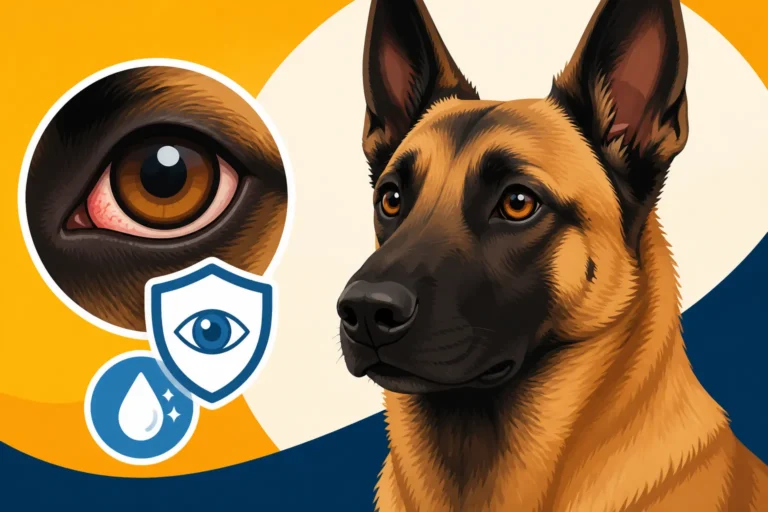
- Redness or swelling: A healthy ear canal should be pale pink. Any redness, inflammation, or swelling, especially inside the ear flap, warrants attention.
- Discharge: Yellow, brown, or black discharge, particularly if it's thick or excessive, is a strong indicator of infection.
- Foul odor: A yeasty or otherwise unpleasant smell emanating from the ear is a classic sign of bacterial or yeast infection.
- Pain on touch: If your Malinois cries out, nips, or recoils sharply when you simply touch their ear, it's a clear sign of pain.
- Head tilt or balance issues: In more severe cases, an inner ear infection can affect balance, leading to a persistent head tilt or even unsteadiness.
If you observe any of these symptoms, do not attempt to self-treat with home remedies or continue with routine cleaning. You could inadvertently cause more pain or worsen the condition. This is a situation where your vet needs to step in. Remember, catching issues early can prevent more serious problems like Ear Infections in a Malinois With Erect Ears.
Seeking Veterinary Assistance for Difficult Malinois
When your Malinois consistently objects to ear cleaning, especially if there are signs of an infection, a trip to the vet is absolutely necessary. Don't feel like you've failed; some dogs genuinely need professional intervention. Your vet can provide a thorough examination using an otoscope to look deep into the ear canal and check the eardrum, which you can’t safely do at home.
During this visit, the vet can:
- Accurately diagnose: Determine if it’s a bacterial infection, yeast infection, mites, foreign body, or an allergic reaction. This dictates the appropriate treatment.
- Prescribe medication: They’ll prescribe specific ear drops or oral medications to clear up the infection.
- Perform a deep cleaning: If the ears are heavily impacted with wax and debris, the vet might perform a professional cleaning, often under sedation, to thoroughly flush the ears and remove buildup. For a highly reactive Malinois, this might be the safest and most humane option to get a clean slate. Always discuss Pre-Anesthetic Bloodwork on a Belgian Malinois if sedation is on the table, to ensure your dog is a good candidate.
- Discuss long-term management: For recurrent ear issues, your vet can help identify triggers and develop a preventive care plan. This might involve special hypoallergenic diets, allergy medications, or specific maintenance cleaners.
Never hesitate to seek vet help. A persistent ear infection can be incredibly painful for your dog and, if left untreated, can lead to chronic issues or even hearing loss. Regular vet visits are an integral part of The Checkup Schedule a Sport Malinois Should Keep.
Working with Professional Trainers or Groomers
For Malinois whose objection is primarily behavioral rather than medical, a professional trainer or groomer experienced with high-drive dogs can be an invaluable resource. They have techniques and experience that can sometimes bridge the gap where you might be struggling.
- Behavioral Consultations: A certified professional dog trainer or veterinary behaviorist can assess your Malinois's specific reactivity and develop a tailored desensitization and counter-conditioning plan. They can teach you specialized handling techniques and help you build your dog's trust.
- Groomer Assisted Handling: Some professional groomers are incredibly skilled at handling difficult dogs. They might be able to get the job done more efficiently and with less stress for your Malinois. Discuss their methods beforehand; ensure they use positive reinforcement and gentle handling, not force. Remember that even professional groomers might need to muzzle a Malinois during certain procedures, so Handling a Belgian Malinois at the Groomer is an important skill to practice.
- Muzzle Training: For a Malinois that might snap or bite out of fear or pain, muzzle training is a responsible step. Introduce a basket muzzle gradually and positively, associating it with treats and good things. This makes future vet visits or grooming sessions much safer for everyone involved.
Enlisting professional help isn't a sign of failure; it's a sign that you prioritize your Malinois's well-being and are willing to invest in the best solutions for them.
Maintaining Ear Health Between Cleanings
Preventative care is always better than reactive treatment, especially with a breed as prone to high intensity as the Malinois. Keeping their ears healthy between those deeper cleanings can reduce the frequency of needing to tackle a full-blown session and help keep infections at bay.
Routine Checks and Early Detection
Think of daily ear checks as just another part of your regular interaction with your Malinois. It should be a quick, low-stress routine that allows you to catch any potential problems before they escalate into something more serious and painful. This takes literally seconds.
When you're petting your Malinois, gently lift an ear flap. Take a quick peek inside. What are you looking for?
- Cleanliness: Is there any visible dirt, wax, or debris? A little bit of healthy ear wax is normal, but excessive or dark buildup is not.
- Odor: Give a quick sniff. Healthy ears should not have any strong or unpleasant smell.
- Color: The skin inside the ear should be a uniform pale pink. Redness or inflammation is a warning sign.
- Temperature: Does the ear feel unusually warm? This could indicate inflammation or fever.
- Sensitivity: Does your Malinois flinch or pull away more than usual when you touch their ear?
Make these checks positive experiences. Give a quick treat after each check, even if it was just a fleeting glance. This consistent, non-invasive handling reinforces the idea that ear touching is a good thing, not something to fear. Early detection is your best defense against full-blown Ear Infections in a Malinois With Erect Ears.
Environmental Factors and Prevention
While Malinois ears are generally robust thanks to their upright structure, certain environmental factors can still play a role in ear health. Being aware of these and taking simple preventive measures can save you a lot of headache down the line.
Consider:
- Water Exposure: If your Malinois loves to swim or plays in water frequently, moisture can get trapped in the ear canal, creating a damp, warm environment perfect for yeast and bacteria. After water activities, use a cotton ball or a soft cloth to gently dry the outer part of their ear and the visible ear canal. Some vets might even recommend a drying ear cleaner for regular use in water-loving dogs.
- Dust and Debris: Working dogs, or those who spend a lot of time outdoors in dusty or brushy environments, can accumulate dirt and plant material in their ears. A quick wipe down after such activities can help prevent buildup.
- Allergens: Environmental allergies (pollen, dust mites) or food allergies can manifest as itchy, inflamed ears. If your Malinois frequently has red or irritated ears without obvious infection, discuss allergy testing or dietary changes with your vet.
Prevention is about being proactive. Regular maintenance helps keep the ear environment healthy, making those more intensive cleaning sessions less frequent and less daunting.
Nutritional Support for Overall Health
While direct nutrition for ear cleaning isn't a primary focus, a healthy, balanced diet plays a fundamental role in your Malinois's overall immune system and skin health, which in turn can impact ear health. A dog with a strong immune system is better equipped to fight off opportunistic infections, including those in the ears.
- High-Quality Diet: Ensure your Malinois is on a high-quality kibble or fresh food diet that provides all the necessary nutrients. Brands like Ollie focus on fresh, whole ingredients that can support overall health. Avoid cheap fillers and artificial ingredients that can sometimes contribute to inflammation or allergies.
- Omega Fatty Acids: Supplements rich in Omega-3 fatty acids (like fish oil) can support skin barrier function and reduce inflammation throughout the body, including the ears. Always discuss supplements with your vet before adding them to your dog’s routine.
- Probiotics: A healthy gut microbiome also contributes to a strong immune system. Sometimes, if a dog is on antibiotics for an ear infection, probiotics can help maintain gut health and overall resilience.
A robust nutritional foundation helps create a resilient body, reducing susceptibility to various ailments, including ear issues. It's all part of the holistic approach to keeping your energetic Malinois healthy and happy.
| Problem | Potential Cause | Solution Strategy | Key Tools/Products |
|---|---|---|---|
| Sudden Objection/Pain | Ear infection, foreign body, injury, allergies | Vet visit for diagnosis & treatment | Veterinarian, prescribed medication |
| Learned Fear/Resistance | Past negative experience, lack of conditioning | Gradual desensitization, positive reinforcement | High-value treats, patience, calm handler |
| Squirming/Discomfort during cleaning | Malinois instinct to resist restraint | Break down steps, short sessions, ample rewards | High-value treats, professional ear cleaner |
| Excessive Wax/Debris | Normal buildup, environmental factors, poor cleaning | Routine checks, appropriate ear cleaner, proper technique | Cotton balls/gauze, vet-approved cleaner (Chewy, Amazon) |
| Recurrent Infections | Allergies (food/environmental), anatomical issues | Vet consultation for allergy testing/long-term plan | Hypoallergenic diet, vet-prescribed ear flush/meds |
Disclaimer
This article is for general informational purposes only and does not constitute professional advice. Laws, prices and regulations vary by location and change over time. Consult a qualified professional for guidance on your specific situation.