Ear Infections in a Malinois With Erect Ears
It’s a common frustration many Belgian Malinois owners face: you've got a dog with those iconic, pricked-up ears, and yet, somehow, they're still getting ear infections. You’d think an erect ear would be self-cleaning, constantly airing out and shedding debris, but that's simply not always the case. This guide dives deep into why your Malinois might be struggling with ear issues despite their ear type, how to spot the early warning signs, and crucially, how to treat and prevent these persistent, uncomfortable problems.
The Misconception of the "Self-Cleaning" Malinois Ear
Many people, especially those new to the breed, assume that a dog with erect, open ears like a Belgian Malinois is practically immune to ear infections. After all, isn't the problem with floppy ears that they trap moisture and heat? While it's true that dogs with pendulous ears often have a higher predisposition, thinking your Malinois is in the clear is a common trap to fall into, and it often leads to delayed recognition of actual problems. The reality is, even with their excellent air circulation, those pointy ears aren't a foolproof shield against irritation and infection.
Why Erect Ears Still Get Infected
The outer ear might be upright and open, but the ear canal itself is a different story. It's not a straight shot to the eardrum; rather, it takes a sharp, L-shaped turn. This anatomical structure, common to all dogs, creates areas where moisture, wax, and debris can still accumulate, regardless of how much air circulates at the opening. Think of it like a funnel with a bend at the bottom – things can still get stuck. For a Belgian Malinois, who is often highly active and exposed to various environments, this bend becomes a prime spot for trouble. They might be zooming through dusty fields, taking a dip in a pond, or just getting a good soaking during bath time, and all that moisture, dirt, or even tiny plant matter can easily make its way down that L-shaped canal and get trapped. The skin lining this canal is also delicate and can become inflamed or irritated from a variety of factors, setting the stage for opportunistic invaders.
Common Environmental and Allergic Triggers
Beyond simple moisture and debris, there are several underlying factors that can turn an otherwise healthy Malinois ear into a hotbed for infection. Allergies are a huge one, and they often go undiagnosed or mismanaged. A Malinois can suffer from environmental allergies (atopy) to things like pollen, dust mites, or mold, just like people do. But instead of sneezing, their allergies often manifest as itchy skin, gastrointestinal upset, or, yep, inflamed and itchy ears. The inflammation from allergies makes the ear canal a much more welcoming environment for yeast and bacteria to overgrow. You might notice your dog scratching incessantly or developing a reddish hue inside the ear, even before any discharge appears. Food sensitivities in a Belgian Malinois can also play a significant role, causing systemic inflammation that includes the ears. Beyond allergies, foreign bodies are a very real threat for an active Malinois. Imagine your dog tracking a scent through tall grass; a tiny foxtail or grass seed can easily work its way into the ear canal. These foreign bodies act as irritants, create micro-abrasions, and provide a perfect hiding spot for bacteria, leading to intense irritation and infection. And of course, simple humidity or inadequate drying after swimming or bathing can be enough to create a moist, warm environment where yeast, in particular, thrives.
Recognizing the Subtle and Obvious Signs of Trouble
One of the biggest challenges with ear infections is that a high-drive Belgian Malinois might try to “work through” discomfort, making it harder to spot the early signs. They’re stoic by nature, and their intense focus can sometimes mask what would be obvious symptoms in a less driven dog. However, once you know what to look for, both subtle behavioral shifts and overt physical manifestations can tip you off that something isn't right. Early detection is key to preventing a minor irritation from escalating into a painful, deep-seated infection that's much harder to treat.
Behavioral Clues and Physical Manifestations
Your Malinois might not come right out and tell you their ear hurts, but they'll definitely show you. Excessive head shaking is one of the most common and obvious signs. It might start subtly, a quick shake here and there, but can progress to vigorous, frequent shaking, sometimes accompanied by a yelp if the ear is particularly painful. You might also notice them scratching their ears, often with an intensity that seems out of character. This scratching can be so relentless that they break the skin around the ear flap, leading to secondary infections or even hematomas from burst blood vessels. Beyond these physical actions, observe their general demeanor. Is your normally eager-to-work Malinois a little less enthusiastic? Are they becoming irritable when you approach their head, or perhaps flinching when you try to put on their collar? These are huge clues.
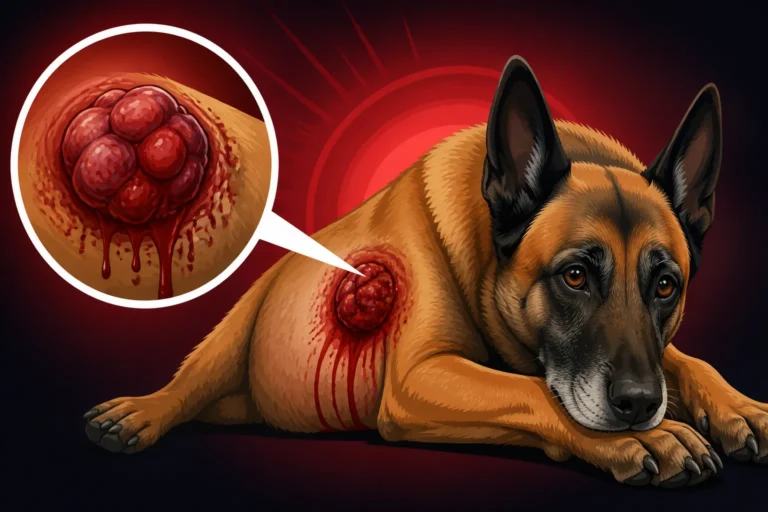
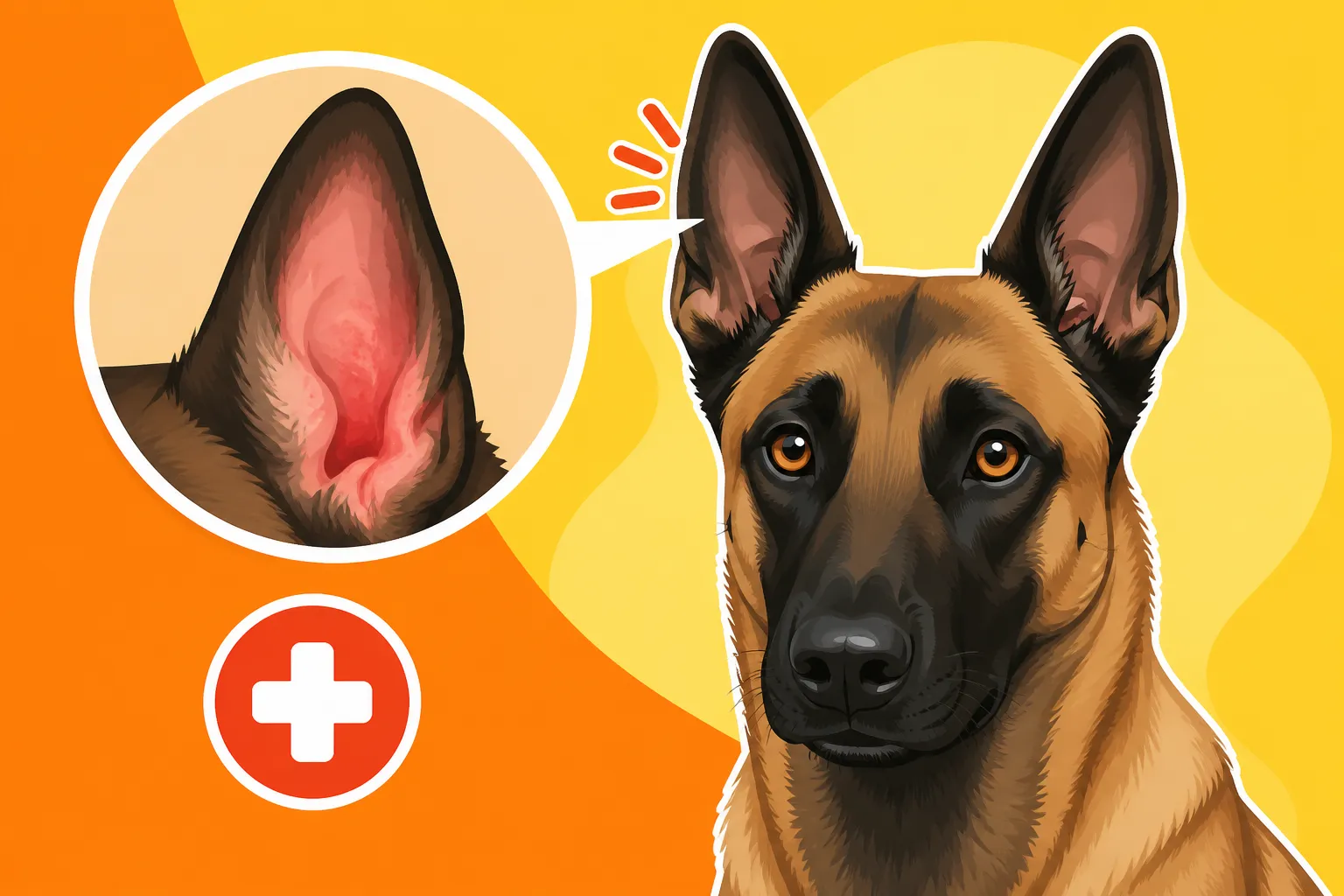
Physically, inspect the ear itself. Look for redness and swelling inside the ear flap and down into the canal. There might be a discharge, which can vary in color and consistency – from a yellowish-brown and waxy, often indicative of yeast, to green or dark brown and pus-like, suggesting a bacterial infection or ear mites. The smell is often the most unpleasant indicator; a strong, sweet, or foul odor emanating from the ear is a definite red flag. Sometimes, your dog might even hold one ear slightly lower than the other, or tilt their head persistently. If you notice any of these signs, don't wait. Early intervention can prevent a lot of pain and a more complicated treatment process. Remember, a healthy Malinois ear should smell neutral, look clean, and have minimal wax.
The Critical Role of Veterinary Diagnosis
It's tempting to reach for an over-the-counter ear cleaner or "just try some drops" when you suspect an ear infection, especially if you’ve dealt with them before. However, this is where many owners make a crucial mistake. Without a proper veterinary diagnosis, you could be using the wrong medication, making the problem worse, or simply masking symptoms while an underlying issue festers. Your vet is equipped to perform a thorough examination, starting with an otoscopic exam to look deep into the ear canal and check for foreign bodies, inflammation, or damage to the eardrum.
The most critical step, though, is an ear cytology. This involves taking a swab of the discharge, spreading it on a slide, and examining it under a microscope. This simple test tells your vet exactly what they're up against: yeast, different types of bacteria, or even ear mites. This specific identification is paramount because yeast infections require anti-fungal medication, bacterial infections need antibiotics (and different types of bacteria respond to different antibiotics), and mites need a miticide. Using a broad-spectrum drop without knowing the culprit is like throwing darts in the dark – you might hit something, but you're more likely to miss and build resistance to antibiotics, making future treatments harder. When those vet bills start piling up for diagnostics and medication, especially for recurring issues, having a robust pet insurance plan can be a lifesaver. Companies like Healthy Paws are specifically designed to help ease that financial burden, covering a significant portion of unexpected veterinary costs.
Navigating Treatment and Establishing a Preventative Routine
Once your veterinarian has pinpointed the exact cause of your Malinois's ear infection, you can embark on an effective treatment plan. However, the battle doesn't end when the symptoms disappear; establishing a consistent preventative routine is vital to keeping those active ears healthy and preventing future flare-ups, which can be frustrating and costly.
Effective Medical Interventions
Treatment for an ear infection typically involves a combination of thorough cleaning and specific medication. Your vet will likely start by performing a deep clean of the ear in the clinic, removing as much debris and discharge as possible to allow the medication to reach the affected tissues. They'll then prescribe ear drops or ointments. These might contain antibiotics, antifungals, anti-inflammatories, or a combination, depending on the cytology results. It’s absolutely crucial to administer these medications exactly as prescribed, for the full duration, even if your Malinois's ear looks better after a few days. Stopping early is a common reason for recurrence. For a high-drive Malinois, applying eye medication to a Malinois that objects or applying ear drops can be a wrestling match. Ask your vet or vet tech for tips on how to hold your dog securely and apply the medication effectively, perhaps by using positive reinforcement afterward.
Beyond the immediate infection, it's vital to address any underlying causes. If allergies are suspected, your vet might recommend further diagnostics, such as allergy testing, or treatments like antihistamines, steroids, or even immunotherapy. For food allergies, a prescription or novel protein diet trial may be necessary. These can be long-term commitments, but they are essential for breaking the cycle of recurring ear infections. Food Sensitivities in a Belgian Malinois are not uncommon and can manifest as ear issues. In cases of chronic, severe infections that don't respond to medication, your vet might discuss more invasive options, though these are rare for Malinois with erect ears. Remember, the cost of diagnosing and treating these issues can add up, and having pet insurance like Healthy Paws can provide significant financial relief, letting you focus on your dog's recovery without undue stress.
Daily Habits for Long-Term Ear Health
Prevention truly is the best medicine when it comes to ear infections. Establishing a routine of proactive ear care can drastically reduce the chances of your Malinois experiencing another bout of discomfort. Start with regular inspection. Make it a habit to check your Malinois's ears several times a week, or even daily, especially after activities that might expose them to water or dirt. Look inside for any redness, excessive wax, or unusual odors. A healthy ear should be relatively clean, dry, and free from any strong smell.
Routine cleaning should only be done if needed, and with a vet-approved ear cleaner. Over-cleaning can irritate the delicate skin of the ear canal and disrupt the natural microbiome. Your vet can recommend a gentle cleaner, perhaps one with a drying agent if your Malinois is prone to moisture issues, or a ceruminolytic if they produce a lot of wax. Always make sure to dry your Malinois's ears thoroughly after swimming or bathing; a soft towel or even a gentle blow dryer on a cool setting can work wonders. If your Malinois has Atopy in a Belgian Malinois, managing those allergies through diet, medication, or environmental control is paramount for ear health. Consider discussing omega fatty acid supplements with your vet, as these can support overall skin barrier health. Learning how to properly manage an Ear Cleaning on a Malinois That Objects is a skill that will pay dividends in their overall health and your sanity. By integrating these practices into your daily life, you'll not only help prevent painful infections but also foster a stronger bond with your dedicated Malinois. The financial commitment to preventative care is much less than emergency vet visits, and for ongoing health concerns, pet insurance like Healthy Paws can help manage predictable costs like allergy medications or specialist visits for chronic conditions.
| Symptom | Possible Cause | What to Look For |
|---|---|---|
| Itching/Scratching | Allergies, Mites, Yeast, Bacterial | Persistent scratching, rubbing ears on furniture. |
| Head Shaking | Pain, Irritation, Fluid in Ear | Frequent, vigorous head shaking, sometimes with a yelping sound. |
| Redness/Swelling | Inflammation (Allergies), Infection, Trauma | Visible redness, puffy appearance inside the ear flap. |
| Foul Odor | Yeast, Bacteria | Sweet, musty, or putrid smell from the ear. |
| Discharge (Brown/Waxy) | Yeast, Mites, Normal Wax | Dark brown, waxy, sometimes granular discharge. |
| Discharge (Yellow/Green) | Bacterial Infection | Pus-like, yellow or green, often foul-smelling. |
| Pain/Sensitivity | Inflammation, Deep Infection, Hematoma | Reluctance to have head touched, crying when ear is handled. |
| Ear Drooping/Head Tilt | Significant Pain, Inner Ear Issue | Holding one ear lower, persistent tilting of the head. |
| Scabs/Sores on Ear Flap | Self-trauma from scratching, secondary infection | Open sores, scabs, hair loss around the ear. |
Disclaimer
This guide is intended for informational purposes only and does not constitute veterinary advice. Always consult with a qualified veterinarian for any health concerns or before making any decisions about your Belgian Malinois's care, especially regarding diagnosis and treatment of ear infections.