Hot Spots on a Malinois After Water Training
It's a familiar and deeply frustrating scenario: you've just put your energetic Belgian Malinois through a fantastic water training session—maybe it was dock diving, retrieving from a lake, or just a good swim to beat the heat. You think you're doing everything right, giving them the exercise and mental stimulation they crave. Then, a day or two later, you notice it: a rapidly spreading, angry-looking red lesion, often oozing and painfully itchy. These are hot spots, and for a Malinois, especially one that loves the water, they can be a recurring nightmare. This guide will walk you through understanding why these skin irritations plague our active Malinois after water training, how to spot them early, prevent their onset, and effectively treat them when they do flare up.
Why Water Training Can Trigger Hot Spots in a Belgian Malinois
Hot spots, medically known as acute moist dermatitis, are essentially localized skin infections that develop incredibly quickly. They are bacterial infections that thrive in warm, moist environments, and a Belgian Malinois's coat, combined with their intense activity, creates the perfect storm for them after water work. It's not just a simple rash; it's a painful, rapidly growing problem that can turn a fun day into a miserable experience for your dog.
The Perfect Breeding Ground: Moisture, Coat, and Activity
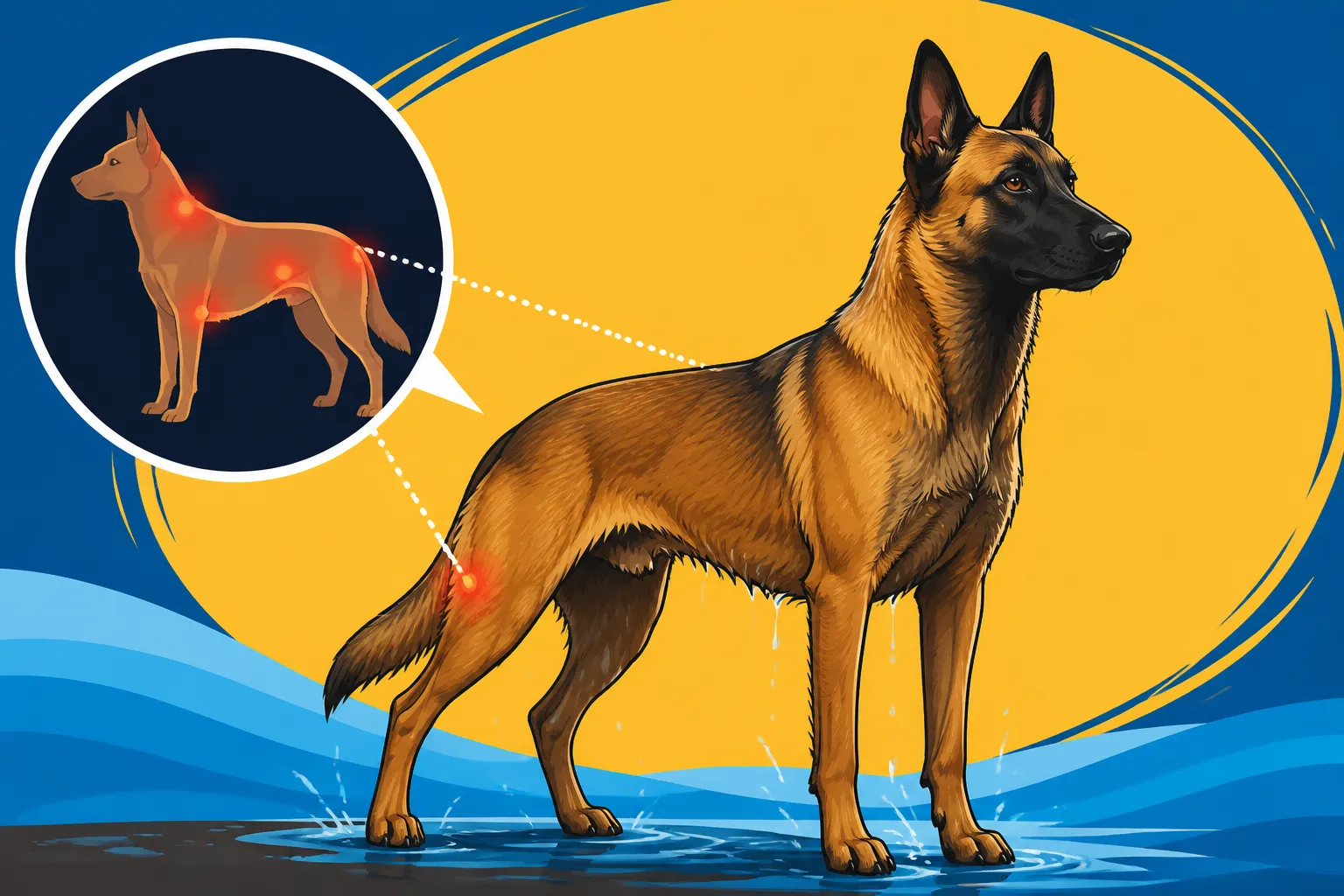
Think about it: your Malinois, with their dense double coat, dives into the water. Even with a seemingly short coat, they have a substantial undercoat designed for insulation. When that undercoat gets thoroughly soaked, it takes a long time to dry completely, especially if it's not air-circulated. The outer guard hairs might feel dry, but deep within, moisture can linger. This trapped moisture, combined with the body heat generated by an active dog, creates an ideal incubator for bacteria that naturally live on your dog's skin to multiply rapidly.
Beyond the immediate moisture, the act of swimming or working in water itself can irritate the skin. Sand, dirt, or even microscopic particles from the water can get trapped in the damp fur, causing initial itching. Our Malinois are often so driven that they'll keep going, not showing any discomfort until it's too late. It’s not uncommon for a Malinois to come out of a pond full of algae or murky river water, and while we might towel them off quickly, that deeper moisture and any contaminants become a real issue.
Contributing Factors That Make Malinois Susceptible
While any dog can get hot spots, Malinois seem particularly prone, and several factors contribute to this. Their high drive means they're often exposed to more environments and strenuous activity. They aren't the kind of dog to just dip a paw in; they plunge in headfirst. This often means repeated exposure to various water sources, some cleaner than others. Their fine, dense undercoat is fantastic for insulating in cooler temperatures, but a liability when it comes to drying efficiently.
Furthermore, some Malinois have underlying skin sensitivities or allergies that make them more prone to developing hot spots. Environmental allergies, for example, can cause general itchiness, and a subsequent water session can push them over the edge. Imagine a Malinois that's already a little itchy from pollen, then spends an hour retrieving dummies from a lake. That pre-existing irritation, combined with the dampness, is a recipe for disaster. Owners often scratch their heads wondering why it happens to their Malinois but not their friend's Labrador. It really comes down to individual skin chemistry, coat type, and the sheer intensity of the work our dogs do.
Spotting and Preventing Hot Spots Before They Explode
The key to managing hot spots in a Belgian Malinois is early detection and rigorous prevention. These lesions can go from a tiny red patch to a dinner-plate-sized oozing wound in a matter of hours, seemingly overnight. Knowing what to look for and implementing a solid post-water routine is crucial.
Early Warning Signs and Immediate Action
The absolute first sign of a hot spot isn't usually visible; it's behavioral. Your Malinois will start scratching, licking, or chewing obsessively at a particular spot. This might be more intense than their usual occasional itch. They might rub themselves against furniture or the ground, trying to relieve the discomfort. Don't ignore these subtle cues. If you see your dog persistently targeting an area, gently part the fur and examine the skin underneath.
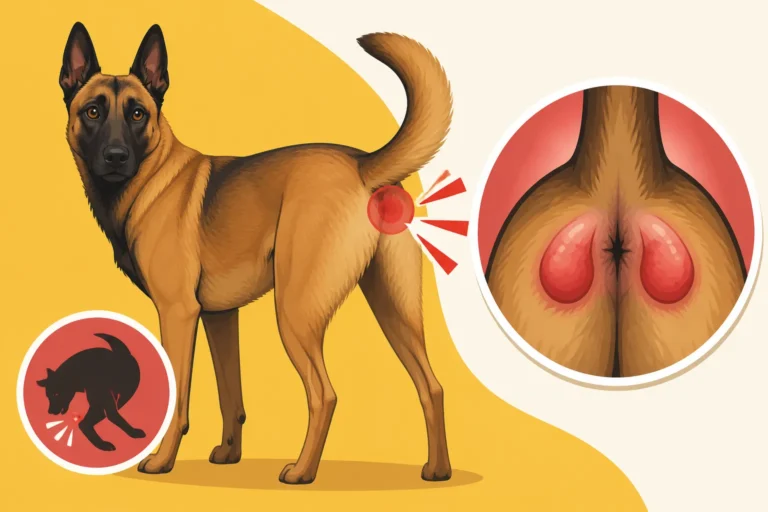
Visually, an emerging hot spot often starts as a small, circular red area. It might look inflamed, slightly raised, and feel warm to the touch. The fur over it might be damp or matted from licking. At this stage, it's critical to act fast. If you catch it early, you can often stop it from becoming a full-blown hot spot. Trim the hair around the area very carefully to expose the skin to air. Use blunt-nosed scissors or electric clippers if you're comfortable. A simple antiseptic wash, like diluted Betadine or chlorhexidine, applied gently can sometimes halt progression. However, always consult your vet, even for minor issues, because quick identification by a professional is invaluable. If you've got pet insurance like Healthy Paws, early vet visits can often be covered, saving you stress and significant treatment costs later.
Proactive Strategies to Minimize Risk
Prevention is truly the best medicine when it comes to hot spots. For a water-loving Malinois, this means establishing a strict routine after every single water exposure.
Thorough Drying Techniques: This is paramount. Don't just towel dry the topcoat. Invest in a high-velocity dog dryer, like those used by professional groomers. These blowers force air deep into the undercoat, effectively removing moisture. If a high-velocity dryer isn't an option, use multiple absorbent towels and focus on getting into the undercoat by rubbing against the grain of the fur. Consider using an absorbent chamois cloth, which can pull a surprising amount of water. For a Malinois, who might view drying as just another game, making it a routine part of their training, perhaps associating it with a high-value treat, can make a huge difference. If your Malinois tolerates it, a cool setting on a human hairdryer can work in a pinch, but be extremely careful not to overheat their skin.
Grooming and Coat Management: Regular brushing, especially with an undercoat rake, helps thin out dead undercoat that can trap moisture. This is particularly important during shedding seasons. Keeping the coat healthy reduces matting, which also traps moisture and dirt. Ensure your Malinois is getting a thorough brush-out at least a few times a week, especially if they're frequently in the water. You might find some useful tips in a guide about getting a brush through a Malinois's undercoat.
Water Quality Awareness: Be mindful of where your Malinois is swimming. Stagnant ponds, murky rivers, or water with heavy algae blooms carry more bacteria and irritants. If your dog is prone to hot spots, you might need to limit swimming to cleaner sources like chlorinated pools (followed by a good rinse) or fresh, flowing water. Immediately after swimming in questionable water, a rinse with clean, fresh water can help wash away potential irritants before they settle into the coat. Checking a Belgian Malinois Over After a Session isn't just about injuries, it's about skin health too.
Addressing Underlying Issues: If hot spots are a persistent problem, your Malinois might have an underlying allergy or skin condition. Talk to your vet about potential food sensitivities in a Belgian Malinois or environmental allergies. Sometimes, running a food trial on an itchy Malinois can help identify triggers. Omega fatty acid supplements can also help improve skin barrier health, so asking about whether omega oils calm a Malinois's skin is a good idea. Sometimes, a Malinois with an undiagnosed case of hypothyroidism will be more susceptible to skin issues.
Here's a quick comparison of drying methods:
| Method | Pros | Cons | Best Use |
|---|---|---|---|
| High-Velocity Dryer | Most effective, fast, penetrates undercoat | Can be loud, initial investment, requires cooperation | Essential for frequent water dogs, thick coats |
| Absorbent Towels | Affordable, readily available | Less effective for deep undercoat, time-consuming | Quick initial dry, supplementary to other methods |
| Chamois Cloth | Highly absorbent, reusable | Smaller surface area, still requires effort | Excellent for pulling extra moisture after towel dry |
| Air Drying | Free, no equipment | Slowest, highest risk for hot spots | Not recommended for Malinois after full submersion |
| Human Hairdryer (Cool) | Accessible, can target specific spots | Can overheat, less powerful, not for entire dog | Emergency spot drying, use with extreme caution |
Treating and Managing Existing Hot Spots
Despite your best efforts, hot spots can still pop up. When they do, quick and effective treatment is paramount to prevent them from worsening and causing further discomfort for your Belgian Malinois. This often involves a multi-pronged approach combining veterinary care with diligent home management.
Veterinary Intervention and Medications
Once you identify a hot spot, especially if it's already inflamed and oozing, a trip to the veterinarian is non-negotiable. Self-treating can often lead to the problem escalating or not fully resolving, potentially becoming a chronic issue. Your vet will confirm the diagnosis and rule out other skin conditions. They will typically start by clipping the fur around and beyond the affected area. This is crucial as it exposes the skin to air, allows for proper cleaning, and prevents bacteria from hiding in surrounding matted fur. It might look a bit drastic, but it's for your dog's rapid recovery.
The treatment usually involves a combination of topical and oral medications.
- Topical Treatments: These often include antiseptic sprays or wipes containing chlorhexidine, which kills bacteria, and sometimes a corticosteroid spray to reduce inflammation and itchiness. Applying these daily, as directed, is vital.
- Oral Medications: For more severe or rapidly spreading hot spots, your vet will likely prescribe oral antibiotics to combat the bacterial infection and oral anti-inflammatory medications (like steroids or NSAIDs) to reduce swelling, pain, and intense itching. The goal is to break the itch-scratch cycle that makes hot spots so persistent. Remember, a course of antibiotics must be completed, even if the hot spot appears to improve quickly. For recurring issues, a vet might also recommend specific medicated shampoo for an itchy Malinois.
It's important to remember that these treatments, especially ongoing ones, can add up. Having a comprehensive pet insurance plan, such as through Healthy Paws, can be incredibly beneficial for covering these unexpected veterinary costs. It's a lifesaver when you're facing repeated vet visits and expensive medications for a persistent hot spot issue.
Home Care and Long-Term Strategies
Beyond vet-prescribed medications, your consistent home care plays a massive role in healing and preventing future occurrences.
Maintaining Cleanliness and Airflow: Keeping the clipped area clean and dry is fundamental. Gently cleanse the area daily with a mild antiseptic solution or warm water and a clean cloth, then pat thoroughly dry. Prevent your Malinois from licking or chewing the hot spot, as this reintroduces bacteria and hinders healing. An Elizabethan collar (e-collar or "cone of shame") or a comfortable recovery suit might be necessary. While they might hate it, it's a short-term discomfort for long-term relief. You'll want to ensure their bedding is clean and changed frequently to avoid re-infection.
Addressing the Root Cause: If your Malinois consistently develops hot spots after water training, it's time to dig deeper.
- Dietary Adjustments: Some dogs benefit from a diet formulated for sensitive skin, often rich in omega-3 fatty acids. Discuss with your vet whether a food trial on an itchy Malinois could be beneficial. Sometimes, hidden food sensitivities manifest as skin issues.
- Allergy Management: If environmental allergies are suspected (perhaps your Malinois gets itchy even without water exposure), your vet might recommend allergy testing and specific management strategies, which could include immunotherapy or regular anti-allergy medications. Omega supplements, as mentioned, can help improve skin barrier function.
- Parasite Control: Ensure your Malinois is on a consistent, effective flea and tick prevention program. Flea bites can trigger intense itching, leading to self-trauma and creating an entry point for hot spots. Checking a Belgian Malinois Over After a Session for parasites is just as important as drying.
- Stress Reduction: A stressed Malinois might be more prone to licking and chewing, which can instigate hot spots. While our Malinois thrive on work, ensuring they have appropriate outlets and a balanced routine can help manage overall stress levels.
By being proactive, observant, and working closely with your veterinarian, you can significantly reduce the incidence and severity of hot spots, allowing your water-loving Belgian Malinois to enjoy their training sessions without the painful aftermath.
When a Hot Spot Demands Immediate Veterinary Attention
While hot spots can often be managed with a combination of home care and prescribed medications, there are specific situations where waiting or trying to manage it yourself can be detrimental. Recognizing these red flags is crucial for your Belgian Malinois's health and comfort.
Signs That Warrants an Emergency Visit
Hot spots, by their nature, can worsen with alarming speed. If you notice any of the following, it’s time to pick up the phone and head to the vet right away, not tomorrow morning:
- Rapid Worsening or Spreading: The hot spot is growing visibly larger within hours, or new lesions are appearing nearby. This indicates a very aggressive bacterial infection.
- Deep Tissue Involvement: The area looks not just red and moist, but deeply ulcerated, black, or has a foul odor. This could indicate a more severe infection, possibly deep into the dermal layers, which needs aggressive treatment.
- Extreme Pain: Your Malinois is in obvious, intense pain. They might cry out, snap at you when you try to touch the area, become lethargic, or refuse to eat. This level of discomfort is a serious welfare concern and requires immediate pain management and aggressive treatment.
- Systemic Signs of Illness: Beyond the skin lesion, your Malinois develops a fever, loses appetite, becomes extremely lethargic, or starts vomiting. These are signs that the infection might be spreading throughout their body, potentially leading to a much more dangerous condition like sepsis.
- Lack of Improvement with Current Treatment: If you've been prescribed medication and are following instructions diligently, but there's no noticeable improvement within 24-48 hours (or it seems to be getting worse), your vet needs to re-evaluate. The initial antibiotics might not be effective against the specific strain of bacteria, or there might be an underlying issue that hasn't been addressed.
In such cases, your vet may need to perform further diagnostics, such as a culture and sensitivity test on the bacteria, to ensure the correct antibiotic is being used. They might also consider other underlying conditions that could be exacerbating the problem. Again, this is where pet insurance from providers like Healthy Paws can be a real asset, allowing you to prioritize your dog’s immediate care without the added financial strain of an emergency visit and potentially more complex treatments.
Recurring Hot Spots and Diagnostic Approaches
If your Belgian Malinois seems to be a "hot spot magnet," especially after water activities, it’s a strong indication that there’s an underlying cause that hasn’t been fully identified or managed. This isn't just bad luck; it’s a call to action for a deeper diagnostic dive with your veterinarian.
Investigating Deeper Causes: Your vet will likely want to explore various avenues to get to the root of the problem. This could include:
- Allergy Testing: As mentioned earlier, environmental allergies (atopy) or food allergies are major contributors to recurrent skin issues. Blood tests or intradermal skin tests can help identify specific allergens. If your Malinois exhibits general itchiness or other allergic symptoms like ear infections or paw licking, investigating Atopy in a Belgian Malinois for example, could be a key step.
- Thyroid Function Testing: Sometimes, an underactive thyroid (hypothyroidism) can manifest as poor coat quality and increased susceptibility to skin infections. This can be identified through a simple blood test.
- Parasite Screening: Even if your dog is on preventatives, resistant strains or atypical parasites might be present.
- Fungal Cultures: While less common for typical hot spots, underlying fungal infections (like ringworm) can mimic or contribute to skin lesions.
Developing a Long-Term Management Plan: Once a clearer picture emerges, your vet can help you formulate a comprehensive plan. This might include a combination of specialized diets, regular medicated baths (using specific medicated shampoo for an itchy Malinois), prescription allergy medications, or even immunotherapy shots to desensitize your Malinois to specific environmental allergens. For those with a persistent, challenging case, it may even involve a referral to a veterinary dermatologist. This isn't about just putting out fires; it's about building a robust preventative strategy to keep your Malinois healthy and happy in the long run.
Ultimately, your Belgian Malinois relies on you to advocate for their health. Don't hesitate to seek professional veterinary advice when hot spots arise or become a chronic issue.
Disclaimer
The information provided in this guide is for general educational purposes only and should not be considered a substitute for professional veterinary advice, diagnosis, or treatment. Always seek the advice of your veterinarian or other qualified animal health provider with any questions you may have regarding a medical condition or the health and welfare of your Belgian Malinois.