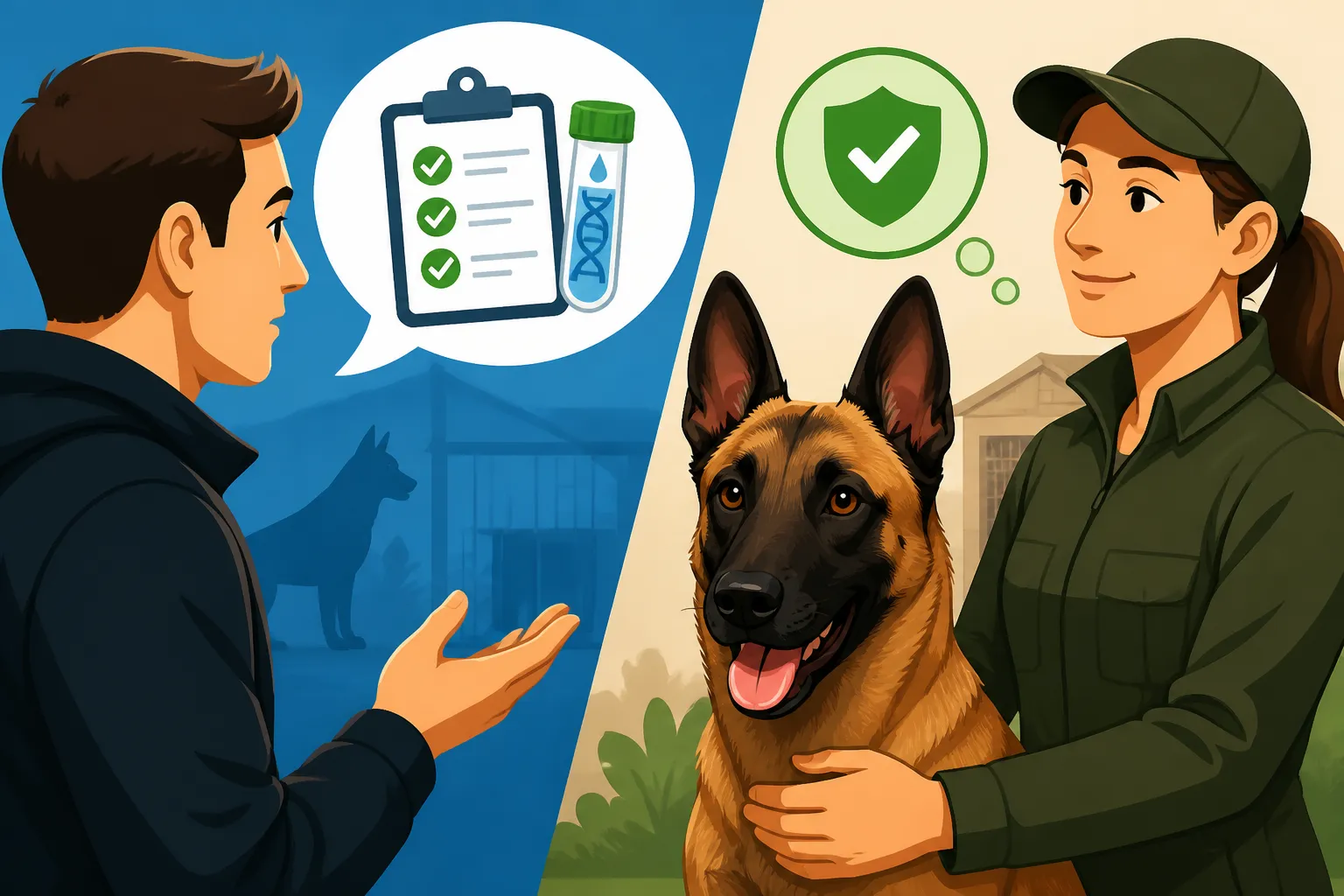
Asking a Breeder for Malinois Ataxia Results
Bringing a new Belgian Malinois puppy into your home is an incredibly exciting time, full of dreams of adventures and training successes. However, the last thing any prospective owner wants to discover down the line is a debilitating health condition, especially one that could have been prevented with careful breeding. One such concern that can weigh heavily on the minds of Malinois enthusiasts is a genetic neurological disorder known as Malinois Ataxia. This guide is here to walk you through exactly what to ask breeders about ataxia testing, empowering you to make the most informed decision possible.
Understanding Malinois Ataxia: What You Need to Know
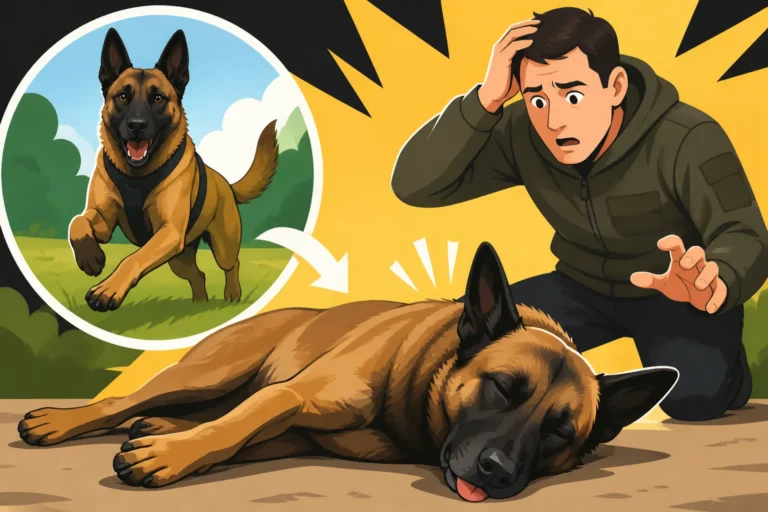
Malinois Ataxia, sometimes referred to as Spongy Degeneration with Cerebellar Ataxia (SDCA), is a serious inherited neurological condition that specifically affects Belgian Malinois. It's truly heartbreaking to witness, as it progressively impairs a dog's coordination and balance. For a breed renowned for its athleticism and keen intelligence, a condition that robs them of their ability to move fluidly is particularly devastating. When you see a young, otherwise vibrant Malinois puppy start to show signs of instability, it's not just a physical struggle; it's a profound blow to their quality of life and the hopes of their owners.
The Genetics Behind the Wobble
At its core, Malinois Ataxia is a genetic disease, meaning it's passed down from parents to their offspring. Specifically, scientists have identified mutations in certain genes responsible for two forms of the condition: SDCA1 and SDCA2. These aren't just obscure scientific terms; they represent very real genetic markers that can be tested for.
Imagine trying to drive a car with a faulty steering column – that's a bit like what happens with ataxia in a Malinois. The genetic mutations disrupt the normal function of the nervous system, leading to a breakdown in communication between the brain and the body. This is why you see symptoms like a distinct loss of coordination and balance, often starting in puppyhood. Early signs of ataxia in a Malinois puppy might be subtle at first, perhaps just a slight clumsiness, but they tend to worsen over time. Understanding these genetic underpinnings is crucial because it means we have the tools to identify affected dogs and, more importantly, carrier dogs, before they are ever bred. You can dive deeper into The Two Ataxia Genes Belgian Malinois Are Tested For to get a clearer picture of these specific genetic markers.
Why Testing is Crucial for Breeders and Buyers
For breeders, genetic testing for Malinois Ataxia isn't just a good practice; it's an ethical imperative. Responsible breeders strive to produce healthy puppies, and that means ensuring they aren't inadvertently passing on debilitating genetic conditions. Testing allows them to make informed breeding choices, pairing dogs in a way that avoids producing affected puppies. A breeder who truly cares about the long-term health of the breed and their puppies will be transparent about these test results and actively work to reduce the prevalence of ataxia in their lines.
For you, the prospective buyer, asking about these tests is your shield. You're investing your time, emotions, and significant financial resources into this puppy. Discovering later that your beloved Malinois is developing Spongy Degeneration in a Belgian Malinois Puppy can be a truly crushing experience. By asking for test results, you're not just protecting your future puppy; you're also supporting breeders who prioritize health and genetic responsibility. It empowers you to choose a puppy from parents confirmed to be clear of these specific ataxia genes, or at least from pairings that are managed responsibly to avoid affected offspring.
The Essential Questions to Ask Your Breeder
When you're speaking with a Belgian Malinois breeder, especially when discussing a potential puppy, don't be shy about asking direct and detailed questions about health clearances. This isn't being demanding; it's being a responsible future dog owner. A good breeder will welcome your questions and appreciate your diligence, as it shows you're serious about providing a loving and healthy home.
Requesting Specific Ataxia Test Results
When it comes to Malinois Ataxia, simply asking "Are the parents healthy?" isn't enough. You need to be specific. Ask the breeder, "Have both parents been DNA tested for SDCA1 and SDCA2?" It's important to specifically name both genes because there are two distinct forms that are commonly tested for in the breed. A breeder should be able to provide you with copies of the official test results for both the sire (father) and the dam (mother) of the litter. These results typically come from reputable veterinary genetic testing laboratories.
Don't accept vague answers. If a breeder says, "Oh, they're fine, we've never had issues," that's not a substitute for documented proof. You're looking for clear, unambiguous documentation from a laboratory. This documentation should state the name of the dog, its registration number, and the specific result for each ataxia gene. If they seem hesitant or cannot produce these documents, it should be a significant red flag for you. Remember, knowledge is power when it comes to bringing a healthy puppy home. Knowing How SDCA1 and SDCA2 Differ in a Malinois can help you understand why testing for both is important.
Understanding the Different Result Categories
Once you have the test results in hand, you need to know what they mean. Generally, there are three possible outcomes for each gene (SDCA1 and SDCA2):
- Clear (or Normal): This means the dog does not carry the gene mutation for ataxia and cannot pass it on to its offspring. This is the ideal result for a breeding animal.
- Carrier: This means the dog carries one copy of the gene mutation but does not typically show symptoms of the disease itself. A carrier can pass the mutated gene on to approximately 50% of its offspring. It's essential to understand Whether a Carrier Belgian Malinois Shows Signs – usually, they don't, but they are crucial in breeding decisions.
- Affected: This means the dog has two copies of the gene mutation and will likely develop the disease. Dogs with this result should not be bred.
A responsible breeder will avoid breeding two carriers together, as this carries a 25% chance of producing affected puppies. Ideally, both parents should be clear. If one parent is a carrier, the other parent must be clear to ensure no affected puppies are produced. In this scenario, some puppies in the litter might be carriers, but none would be affected by the disease. This is a common strategy in ethical breeding to slowly breed out genetic conditions while retaining valuable traits.
Here's a quick summary table:
| Parent 1 Result | Parent 2 Result | Offspring Chance: Clear | Offspring Chance: Carrier | Offspring Chance: Affected | Breeding Recommendation |
|---|---|---|---|---|---|
| Clear | Clear | 100% | 0% | 0% | Ideal |
| Clear | Carrier | 50% | 50% | 0% | Acceptable, monitor offspring |
| Carrier | Carrier | 25% | 50% | 25% | Avoid (produces affected) |
| Affected | Any | – | – | – | Do Not Breed |
What if the Parents Aren't Tested?
This is where you need to proceed with extreme caution. If a breeder tells you that the parents haven't been tested, or they simply haven't gotten around to it, this is a significant cause for concern. It suggests a lack of commitment to breed health, or perhaps even an avoidance of potentially negative results. Without testing, you have no way of knowing the genetic status of the parents, and therefore, no way of assessing the risk of your puppy developing ataxia.
In this scenario, every puppy in the litter from untested parents carries an unknown risk. You could be buying a puppy that is clear, a carrier, or, in the worst-case scenario, affected. For a condition as serious as Malinois Ataxia, taking such a gamble is simply not advisable. While some may argue that the probability is low, the impact on an affected puppy and its family is incredibly high. If you're serious about bringing home a healthy Malinois, insist on documented proof of genetic testing. You should also consider Whether Both Malinois Parents Need DNA Testing – the answer is a resounding yes for accurate risk assessment.
Interpreting Ataxia Test Results and Breeding Risks
Understanding the test results isn't just about identifying problems; it's also about appreciating responsible breeding practices and recognizing the complexities involved. A "carrier" status isn't necessarily a death knell for a dog's suitability in a breeding program, provided it's handled with intelligence and foresight.
When a Carrier is Still a Good Prospect
It's important to differentiate between a dog being a carrier and a dog being affected. A carrier, by definition, does not typically exhibit symptoms of Malinois Ataxia. These dogs are generally healthy and can live full, active lives. In some cases, a carrier dog might possess exceptional qualities – perhaps outstanding temperament, strong working drive, or conformation that aligns perfectly with the breed standard – which are valuable to preserve in the gene pool. In such instances, a responsible breeder might still choose to breed a carrier.
However, this decision comes with a very clear stipulation: the carrier dog must only be bred to a mate that is "Clear" for both SDCA1 and SDCA2. This pairing ensures that 100% of the resulting puppies will either be clear or carriers themselves, but none will be affected by ataxia. Any puppies produced who are carriers would then need to be tested themselves before being considered for future breeding, ensuring the cycle of responsible genetic management continues. This meticulous approach allows breeders to slowly reduce the prevalence of carrier genes in the population while still utilizing valuable genetics. For more information on this, consider exploring Testing a Belgian Malinois for SDCA1 and SDCA2.
The Risks of Breeding Two Carriers
The golden rule in responsible breeding, especially for recessive genetic conditions like Malinois Ataxia, is "never breed two carriers together." If both the sire and the dam are carriers for the same ataxia gene (e.g., both are SDCA1 carriers), there's a 25% statistical chance that each puppy in that litter will inherit two copies of the mutated gene, making them "Affected." These affected puppies will develop Malinois Ataxia.
Imagine the heartbreak: a breeder, perhaps unknowingly or irresponsibly, mates two carriers. A quarter of that litter, healthy and vibrant at birth, will eventually start to show the signs of ataxia, typically around 6 to 12 weeks of age, though it can appear later. The Wobbly Gait a Malinois Puppy Shows at Six Weeks is often one of the earliest, most devastating indicators. This is why documented DNA testing is so paramount. It eliminates the guesswork and the tragic potential for producing puppies destined for a life of neurological decline. A truly ethical breeder would never knowingly make such a pairing, and if they discover they have, they would immediately change their breeding plan. More detail on this specific risk can be found in Breeding Two Ataxia Carrier Malinois.
Long-Term Outlook for Affected Puppies
Sadly, there is currently no cure for Malinois Ataxia. The disease is progressive, meaning it will worsen over time. The severity and rate of progression can vary between individual dogs, but the outcome is generally a significant decline in quality of life. An affected puppy will likely struggle with basic motor skills, eventually leading to severe coordination issues, difficulty walking, standing, and even eating.
While supportive care can be provided to help manage symptoms and maintain comfort for a time, the condition is ultimately debilitating. The goal for any prospective owner is to avoid this heartbreak entirely by choosing a puppy from health-tested parents. If you were to adopt an affected puppy, the journey would involve significant veterinary care, physical therapy, and a dedicated commitment to their comfort. Questions like Whether an Ataxic Malinois Puppy Can Improve unfortunately often lead to difficult answers regarding the progressive nature of the disease. It's a heavy burden, both emotionally and financially, which is why prevention through genetic testing is the best course of action.
Proactive Steps for Future Malinois Owners
Beyond asking the right questions, there are several proactive steps you can take to ensure you're bringing home the healthiest possible Belgian Malinois. This involves doing your homework, understanding available resources, and planning for the unexpected.
Utilizing Health Registries and Databases
Many reputable breed clubs and organizations maintain public health registries and databases where breeders can submit the health clearance results of their dogs. Organizations like the Orthopedic Foundation for Animals (OFA) are well-known for hip and elbow clearances, but some also track genetic test results. When a breeder provides you with a dog's registered name or number, you might be able to look up their health clearances online yourself. This provides an extra layer of verification, helping you confirm that the documentation is legitimate and up-to-date.
However, it's important to note that not all genetic test results are always publicly listed, especially if done through a private lab that doesn't share data with a central registry. This is why directly requesting copies from the breeder is still the most crucial step. Use these registries as a complementary tool, and always cross-reference. If a breeder is truly proud of their health testing, they'll be happy for you to verify their claims.
Considering Pet Insurance for Unexpected Health Issues
Even with the most rigorous health testing and responsible breeding practices, no dog owner is completely immune to unexpected health issues. Accidents happen, and even genetically clear dogs can develop conditions later in life that aren't tied to specific DNA markers. This is where pet insurance can be an invaluable safety net. Companies like Healthy Paws offer various plans that can help cover the costs of unforeseen veterinary emergencies, illnesses, and even some hereditary conditions if they're not pre-existing.
While pet insurance won't prevent Malinois Ataxia, it can certainly help mitigate the financial stress if your Malinois develops any significant health problem. Think of it as peace of mind for those moments you can't predict. For instance, if your active Malinois were to suffer an injury during a vigorous training session, or develop a sudden illness unrelated to genetics, having a policy from a provider like Healthy Paws could make a huge difference in your ability to provide the best care without financial strain. It's a proactive measure that any responsible dog owner should seriously consider, especially with a high-energy breed like the Belgian Malinois who might be more prone to injuries or activity-related issues. Regular check-ups and preventative care are also important, and while Healthy Paws primarily covers accidents and illnesses, it allows you to focus on getting your dog the care it needs.
Disclaimer
This article provides general information and guidance regarding Malinois Ataxia and genetic testing. It is not a substitute for professional veterinary advice. Always consult with a qualified veterinarian or a veterinary geneticist for specific health concerns, breeding advice, or interpretation of genetic test results.