The Sudden Collapse of an Older Malinois
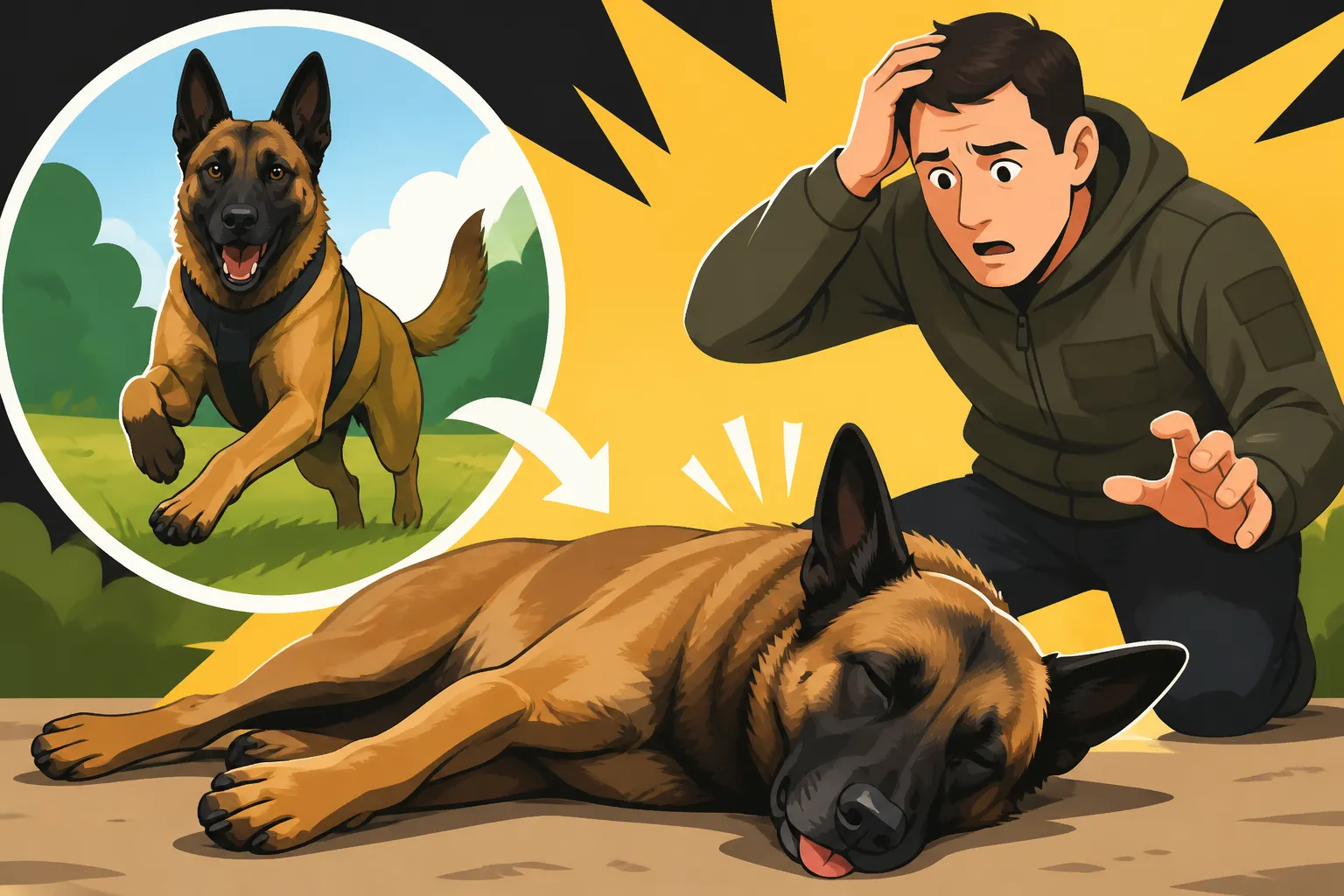
It’s truly terrifying when your older Belgian Malinois, who still acts like a puppy most days, suddenly collapses. One minute they're trotting along, maybe chasing a squirrel, and the next they're down, often without warning. This kind of sudden event isn't just a shock; it's an immediate crisis that leaves you reeling with worry and countless questions. This guide aims to walk you through the most common reasons an older Malinois might suddenly collapse, what you can do in that terrifying moment, and how veterinarians approach diagnosis and long-term care.
Understanding Sudden Collapse in Senior Malinois
Watching your strong, resilient Malinois suddenly go down can feel utterly bewildering, especially when they’ve been healthy their whole life. It’s important to remember that while a collapse is always serious, it doesn't always mean the absolute worst-case scenario. However, the suddenness often indicates a critical underlying issue that requires immediate veterinary attention. We’re talking about conditions that can literally strike out of the blue, turning a normal day into an emergency. For owners of active, high-drive dogs, this can be particularly jarring, as Malinois often hide discomfort until a problem becomes severe.
Common Causes Behind an Abrupt Fall
Several health issues can lead to an older Belgian Malinois suddenly collapsing. These conditions are usually acute, meaning they come on quickly and severely, rather than gradually. It's not like the slow decline you might see with arthritis; these are often immediate, systemic events.
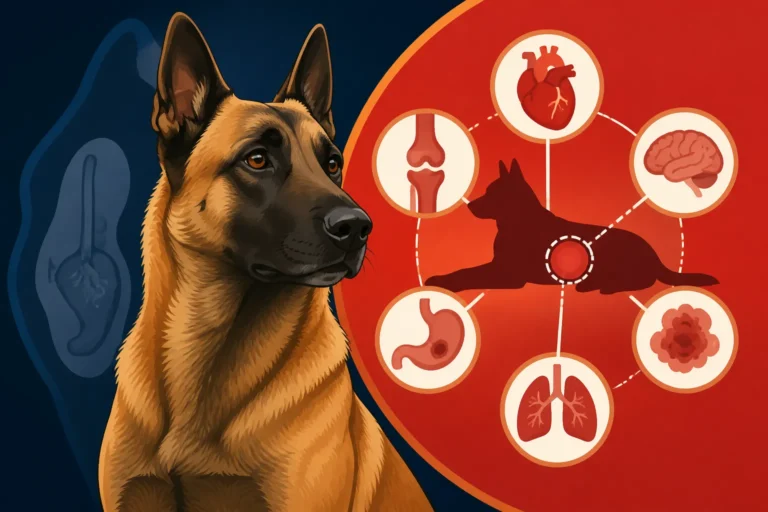
One of the most insidious culprits, especially in older, large-breed dogs, is internal bleeding, frequently caused by a ruptured tumor, often on the spleen or heart. Hemangiosarcoma, a very aggressive and fast-growing cancer, is a notorious cause. A tumor on the spleen can grow silently for months, and then, without warning, it ruptures, spilling blood into the abdomen. Your Malinois might just be standing there, and then suddenly their legs give out, they become weak, their gums might turn pale, and their breathing could become shallow and rapid. This isn't just feeling unwell; it's a dramatic, life-threatening event. Similarly, a tumor on the heart, specifically the right atrium, can rupture and fill the pericardial sac (the sac surrounding the heart) with blood, preventing the heart from pumping effectively. This condition, called cardiac tamponade, also leads to sudden collapse and extreme weakness. Learning about The Bleeding Tumor That Kills an Older Malinois can provide more detailed insights into this devastating condition.
Another common, and equally terrifying, cause is cardiac disease. While Malinois are generally a robust breed, heart conditions like dilated cardiomyopathy (DCM) or certain arrhythmias can develop with age. An older Malinois might have an undiagnosed heart murmur that suddenly escalates into a life-threatening rhythm disturbance. Imagine your dog's heart suddenly beating too fast, too slow, or completely erratically, unable to pump enough blood to the brain and other vital organs. This loss of blood flow results in immediate weakness and collapse. Sometimes, you might have noticed subtle signs of A Malinois Whose Thyroid Has Given Out over time, like lethargy or coat changes, but other cardiac issues can manifest with alarming speed.
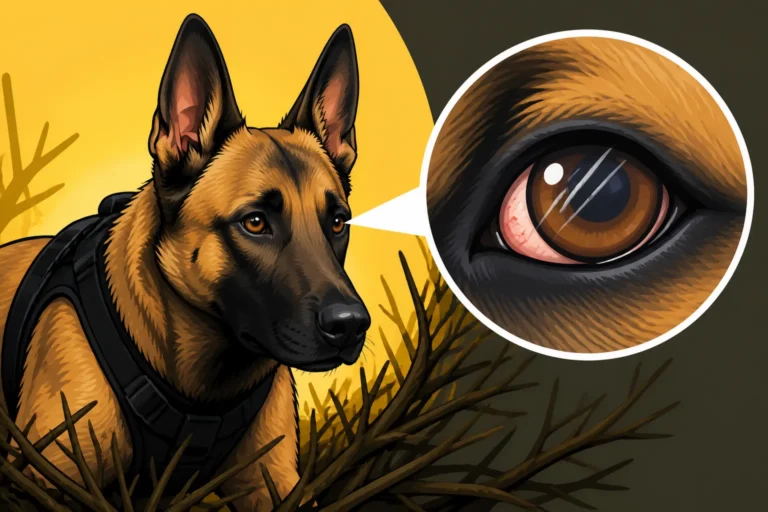
Neurological events are another possibility. While rare, a sudden stroke, especially in an older dog, can cause acute weakness, disorientation, and collapse. This might be accompanied by head tilting, nystagmus (involuntary eye movements), or sudden blindness. While not a "collapse" in the same vein as fainting, a severe Vestibular Episodes in an Old Belgian Malinois can also present as a sudden loss of balance, staggering, and falling over, leaving your dog unable to stand. It looks incredibly distressing, and while often not life-threatening itself, it requires immediate assessment to rule out more serious neurological issues.
The Role of Specific Malinois Health Risks
While many of the above causes are common across larger breeds, certain characteristics of the Belgian Malinois can influence how these conditions manifest or how critical they become. Their high drive and pain tolerance mean they often mask illness until it's very advanced. A Malinois might still be eager to work or play even when carrying a significant health burden, making the sudden collapse even more shocking.
For example, a Malinois with a splenic tumor might still be chasing a ball just hours before it ruptures, because their natural tenacity overrides subtle discomfort. Their lean body condition can also sometimes make internal bleeding harder to spot initially, as abdominal distension might not be as pronounced as in a heavier-set breed. Furthermore, The Cancers That Take a Belgian Malinois are a significant concern, and owners need to be vigilant for any subtle changes, although "sudden collapse" often bypasses these early warning signs.
Another consideration for this athletic breed is the possibility of exertional collapse, though this is usually related to intense activity rather than a truly spontaneous event. However, if an older Malinois is pushed beyond its current physical limits due to underlying, undiagnosed conditions, an episode could occur. Hypoglycemia (low blood sugar), though less common as a primary cause of sudden collapse in otherwise healthy older dogs, can occur in dogs with underlying metabolic issues or those on certain medications.
A crucial, and often deeply feared, condition is Gastric Dilatation-Volvulus (GDV), commonly known as bloat. While not always leading to immediate "collapse," it's an acute, rapidly progressing emergency. If Whether a Belgian Malinois Is Built for Bloat is a concern for you, it's worth noting that the sudden distention and twisting of the stomach can cause extreme pain, shock, and weakness, which can quickly lead to collapse if not addressed within minutes to hours. The rapid onset and life-threatening nature make it imperative to understand.
Here's a quick look at some common causes of sudden collapse in older Malinois:
| Cause | Description | Key Signs (in addition to collapse) | Urgency |
|---|---|---|---|
| Internal Bleeding (e.g., Splenic Hemangiosarcoma) | Rupture of a hidden tumor, often on the spleen, leading to rapid blood loss. | Pale gums, rapid breathing, weakness, distended abdomen, cold extremities. | Critical Emergency |
| Cardiac Event (e.g., Arrhythmia, Heart Failure) | Sudden malfunction of the heart's electrical system or inability to pump blood effectively. | Difficulty breathing, blue-tinged gums, coughing, rapid heartbeat, fainting episodes. | Critical Emergency |
| Neurological Event (e.g., Stroke, Severe Vestibular) | Disruption of blood flow to the brain or inner ear dysfunction. | Head tilt, involuntary eye movement (nystagmus), disorientation, circling, sudden blindness. | Urgent Emergency |
| Severe Hypoglycemia (Low Blood Sugar) | Extreme drop in blood glucose levels. | Tremors, seizures, extreme weakness, disorientation, comatose state. | Urgent Emergency |
| Gastric Dilatation-Volvulus (Bloat) | Stomach distends and twists, cutting off blood supply. | Non-productive retching, distended abdomen, restlessness, drooling, severe pain. | Critical Emergency |
Immediate Actions When Your Malinois Collapses
When your older Belgian Malinois suddenly collapses, it’s natural to feel a surge of panic. Your heart pounds, and your mind races. But in that crucial moment, your ability to stay calm and act decisively can make a real difference. This isn't the time to hesitate; it's time for swift, focused action.
First Aid and Safe Handling
The absolute first step is to approach your dog calmly and carefully. Even the most well-behaved Malinois can react unpredictably when in pain, disoriented, or scared. Speak to them gently. Check their breathing: is it shallow, labored, or rapid? Look at their gums: are they pink, pale, white, or even bluish? Feel their chest for a heartbeat.
If your Malinois is unconscious, gently try to rouse them. If they are responsive but unable to stand, try to keep them as still and comfortable as possible. Avoid forcing them to stand or walk. If you need to move them, especially if they are a larger dog, try to get a blanket, a strong towel, or even a yoga mat underneath them to create a makeshift stretcher. Carefully slide them onto it and lift them, supporting their body evenly to minimize further injury or discomfort. It's often helpful to have another person assist, if possible, to distribute the weight and maintain stability.
While you're doing this, or as soon as it's feasible, call your veterinarian immediately. Explain exactly what happened – the suddenness, any associated symptoms you observed (like pale gums, labored breathing, or retching), and your Malinois's age and medical history. Don't waste time looking up symptoms online; every minute counts. Tell them you're on your way to their office or the nearest emergency veterinary clinic.
Transporting Your Malinois to Emergency Care
Getting your collapsed Malinois to the vet safely is paramount. If they are too large to lift easily, you might need help from a neighbor or a second person. A large crate can sometimes work if you can get them into it without causing further stress or injury, but a blanket sling is often more practical for a dog that cannot move.
Ensure your vehicle is ready for transport. Clear space in the back seat or cargo area. You want a flat, stable surface for them to lie on. Place a comfortable blanket or bed down, but also have something easily washable in case of urination, defecation, or vomiting.
Once in the car, try to keep the environment calm. Avoid loud music, sudden stops, or sharp turns. If they are conscious, gently reassure them. Monitor their breathing and gum color during the ride. If they are panting excessively, try to keep the car cool. Remember, even if you have pet insurance like Healthy Paws, the immediate concern is getting them stable; worry about the paperwork later.
This rapid response is critical, as conditions like internal bleeding or bloat are incredibly time-sensitive. The difference between a positive outcome and a tragic one can often be measured in minutes, not hours.
Diagnosing the Cause of Collapse
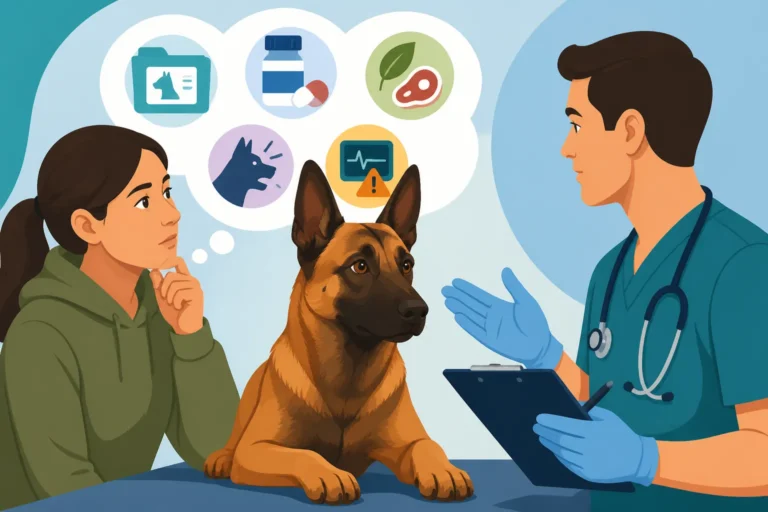
Once you arrive at the emergency veterinary clinic, expect a flurry of activity. The veterinary team will prioritize stabilizing your Malinois, which might include administering oxygen, starting an IV catheter for fluids and medications, and taking initial vital signs. This immediate stabilization is crucial before a full diagnostic workup can begin. They know you're terrified, but their focus will be on your dog's immediate needs.
Initial Veterinary Assessment
The emergency vet will perform a quick but thorough physical examination. They’ll be checking things like mucous membrane color (gums), capillary refill time (how quickly blood returns to the gums after pressure), heart rate, pulse quality, respiratory rate, and body temperature. They’ll also gently palpate your Malinois’s abdomen, listen to their heart and lungs, and assess their neurological status. These rapid checks can give vital clues to the underlying problem. For instance, pale gums and a rapid heart rate could indicate internal bleeding or severe shock. A distended, painful abdomen with non-productive retching points strongly towards bloat.
Based on this initial assessment, the vet will start to formulate a list of potential causes. They will ask you detailed questions about when the collapse happened, what your Malinois was doing immediately prior, if there were any preceding symptoms, and their overall health history, including any medications they are currently taking. This is where your ability to recall details, even small ones, can be incredibly helpful.
Diagnostic Tools and Procedures
To pinpoint the exact cause, a series of diagnostic tests will likely be recommended. These can vary depending on the initial findings but commonly include:
- Bloodwork: A complete blood count (CBC) can reveal anemia (low red blood cell count, common with internal bleeding), infection, or inflammation. A chemistry panel assesses organ function (kidneys, liver), blood glucose levels, and electrolytes. This gives a broad overview of their internal health.
- Imaging:
- X-rays: Thoracic (chest) X-rays can show fluid around the heart or lungs, enlarged heart, or signs of pneumonia. Abdominal X-rays can confirm gastric dilation (bloat), identify free fluid in the abdomen, or detect large masses.
- Ultrasound: An abdominal ultrasound is invaluable for quickly identifying free fluid (blood) in the abdomen, examining the spleen and other abdominal organs for tumors, or assessing the stomach for bloat. A cardiac ultrasound (echocardiogram) can visualize the heart's structure and function, detect fluid around the heart, and assess for underlying heart disease. This is often the fastest way to confirm internal bleeding.
- ECG (Electrocardiogram): If a heart issue is suspected, an ECG records the electrical activity of the heart, helping to diagnose arrhythmias that could cause collapse.
- Blood Pressure Measurement: Assessing blood pressure helps determine the severity of shock and guides fluid therapy.
For a Malinois, whose physical health is often tied to their work, these diagnostics are critical to understand why they might be experiencing such a sudden and profound setback. It's important to remember that these tests can be expensive, but many pet insurance policies, such as those from Healthy Paws, can help cover a significant portion of these emergency costs, allowing you to focus on your dog's recovery without immediate financial strain.
Prognosis and Long-Term Management
The prognosis for an older Malinois after a sudden collapse varies wildly depending on the underlying cause, how quickly treatment was initiated, and the individual dog's overall health and resilience. It's a spectrum, from potentially excellent outcomes with prompt intervention for some conditions to guarded or poor for others.
Recovery Paths and Potential Outcomes
If the collapse was due to something treatable, like a manageable arrhythmia or a mild vestibular episode, the recovery might be relatively quick, though often requiring medication and careful monitoring. For more severe conditions like a ruptured splenic tumor or GDV, the recovery path is much more intensive, involving emergency surgery, extensive hospitalization, and a longer recuperation period. Even with successful surgery, the presence of an aggressive cancer like hemangiosarcoma means the long-term prognosis is often poor, even if the immediate crisis is averted. These are the kinds of difficult conversations you'll have with your vet, especially regarding What Most Belgian Malinois Die Of and the quality of life moving forward.
For a Malinois that has undergone major surgery or experienced a severe cardiac event, the recovery will involve strict rest, pain management, and a gradual return to activity under veterinary guidance. This might mean saying goodbye to high-impact activities, or adjusting their schedule from The Year a Malinois Starts Working Shorter Sessions to a complete retirement from intense work. Owners will need to be diligent with medication administration, wound care (if applicable), and monitoring for any signs of complications. Follow-up appointments will be frequent initially, slowly tapering as recovery progresses.
Adjusting Care for a Recovering Malinois
Bringing a recovering Malinois home requires significant adjustments. Their energy levels will be lower, their mobility might be compromised, and they might be on a regimen of medications.
- Medication Management: You'll likely have a precise schedule for various medications – pain relievers, anti-inflammatories, antibiotics, or heart medications. Keep a clear log and ensure you understand how and when to administer each.
- Rest and Restricted Activity: This is crucial. Even if your Malinois starts to feel better and wants to "go, go, go," strict activity restriction is often necessary to allow for proper healing. This might mean leash walks only, no jumping, and limiting interactions with other pets or enthusiastic family members. You may need to revisit Building an Off Switch Into a Belgian Malinois even if they’re older, to help manage their drive during recovery.
- Nutrition: Your vet might recommend a specific diet, especially if there were gastrointestinal issues or if your Malinois needs to regain strength. High-quality, easily digestible food is often key.
- Comfort and Environment: Ensure they have a comfortable, easily accessible resting place. For older dogs, orthopedic beds are a must. Keep food and water bowls within easy reach. If they have mobility issues, consider ramps for getting into vehicles or onto furniture. Traction mats can help on slick floors, which can be an issue for Helping an Old Belgian Malinois Off Slick Floors.
- Monitoring: Pay close attention to their appetite, thirst, urination, defecation, energy levels, and any changes in breathing or gum color. Keep a log of anything concerning to report to your vet.
Long-term management for conditions like chronic heart disease will involve ongoing medication, regular veterinary check-ups (often every 3-6 months), and potentially dietary changes. For those with a history of cancer, regular screenings and monitoring for recurrence will be part of their routine. Even if they are slowing down, Keeping an Old Belgian Malinois Mentally Busy is important for their overall well-being, though the activities might need to be less physically demanding.
The financial aspect of long-term care can also be considerable. Chronic medications, specialized diets, and ongoing diagnostics add up. This is another area where having a good pet insurance plan, such as Healthy Paws, can provide invaluable support, helping to cover continuous treatment costs and ease the burden during an already challenging time.
Prevention and Proactive Care for Senior Malinois
While you can’t prevent every health crisis, especially in an older dog, proactive care and a vigilant approach can significantly reduce the risk of sudden collapse or improve the prognosis if one does occur. For an active breed like the Belgian Malinois, who tends to "power through" discomfort, this is even more critical.
Regular Veterinary Check-ups and Screenings
Regular veterinary visits are the cornerstone of proactive senior care. For an older Malinois, this means at least annual, and ideally semi-annual, check-ups. These visits allow your vet to establish baseline health parameters, monitor for subtle changes, and perform routine screenings that can catch potential issues before they become emergencies.
During these check-ups, your vet will:
- Perform a thorough physical exam, listening to the heart and lungs, palpating the abdomen, and checking for any lumps or bumps.
- Recommend annual bloodwork, including a complete blood count and a chemistry panel, to assess organ function and detect early signs of disease like kidney or liver issues, diabetes, or even some forms of cancer.
- Perform a urinalysis to check for urinary tract infections or kidney disease.
- Discuss any changes in appetite, thirst, energy levels, or behavior you’ve noticed, which could be Signs a Belgian Malinois Is Slowing Down.
- Screen for specific conditions common in older dogs, such as hypothyroidism, by checking thyroid hormone levels, especially if there are signs like weight gain or lethargy.
- Discuss heart health, especially if a murmur is detected. A baseline cardiac assessment might be recommended as part of The Checkup Schedule a Sport Malinois Should Keep.
These routine visits are your best defense against unexpected emergencies. They create an opportunity to catch issues like a growing splenic mass or an evolving heart condition before they reach a critical point that leads to sudden collapse.
Maintaining Optimal Health and Lifestyle
Beyond vet visits, your day-to-day care plays a massive role in your Malinois's overall health and resilience.
- Nutrition: Feed a high-quality, age-appropriate diet. For senior Malinois, formulas designed for older dogs can support joint health, maintain muscle mass, and manage weight. Avoid overfeeding to prevent obesity, which stresses joints and organs.
- Exercise: Continue providing regular, appropriate exercise. While your older Malinois may no longer be performing intensive bite work, they still need mental and physical stimulation. This might mean shorter, more frequent walks, swimming, or engaging in scent work or puzzle toys. Over-exertion can be risky, but so can a sedentary lifestyle. Keep an eye on The Age a Working Malinois Starts to Slow, and adjust their activity accordingly.
- Weight Management: Maintaining a lean body condition is critical for Malinois, especially as they age. Excess weight puts strain on joints and increases the risk of many health problems. Regularly assess their body condition score with your vet.
- Dental Care: Good dental hygiene prevents oral infections that can spread to other organs, including the heart. Regular brushing and professional dental cleanings can keep their mouth healthy.
- Stress Reduction: A low-stress environment supports overall well-being. Malinois are sensitive dogs, and chronic stress can impact their health.
- Awareness of Breed-Specific Concerns: Remain aware of conditions that tend to affect Malinois, even as they age. This could include being mindful of their susceptibility to certain cancers or issues that might not be immediately obvious.
By taking a proactive approach to your older Malinois's health, you’re not just hoping for the best; you're actively working to provide them with the best possible quality of life in their golden years, and hopefully, ward off those terrifying moments of sudden collapse.
Disclaimer
The information provided in this guide is for informational purposes only and does not constitute veterinary medical advice. Always consult with a qualified veterinarian for any health concerns or before making any decisions about your pet's medical care. In an emergency, seek immediate veterinary attention.