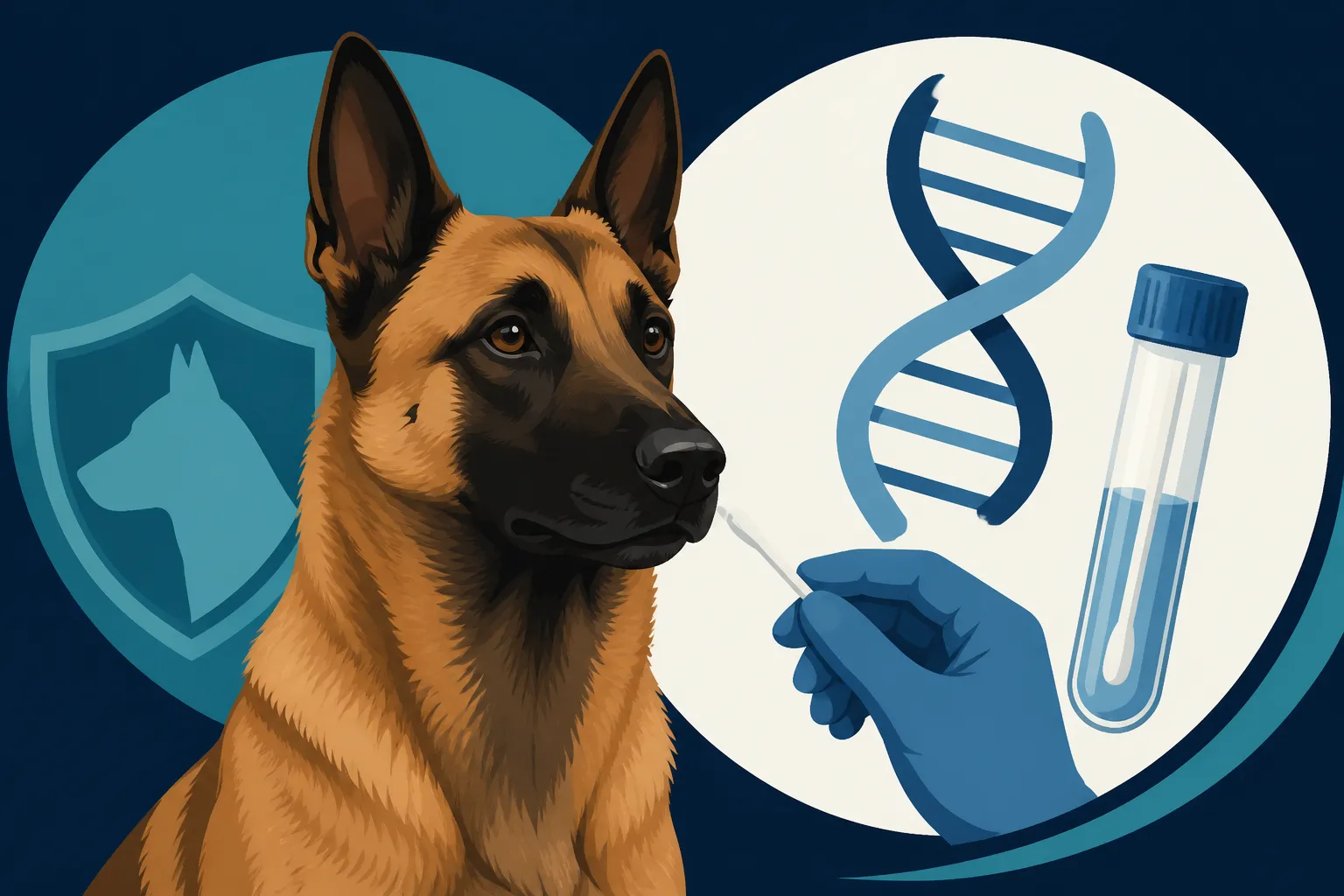
Testing a Belgian Malinois for SDCA1 and SDCA2
The sinking feeling that comes with noticing your energetic Belgian Malinois puppy isn't quite moving right, or the gnawing worry as a breeder about what genetic conditions might be lurking in your lines, is something many of us understand intimately. When we talk about the Belgian Malinois, a breed renowned for its vigor and drive, the emergence of a serious neurological condition like Spongy Degeneration with Cerebellar Ataxia (SDCA) can be absolutely heartbreaking. This guide is here to walk you through everything you need to know about SDCA1 and SDCA2, including how to test for these conditions, what the results mean, and why genetic screening is a cornerstone of responsible Malinois ownership.
Understanding SDCA1 and SDCA2 in Belgian Malinois
When we delve into the health of our beloved Belgian Malinois, few topics are as critical and emotionally charged as inherited neurological disorders. SDCA1 and SDCA2, or Spongy Degeneration with Cerebellar Ataxia types 1 and 2, represent two distinct but similarly devastating conditions that can affect this incredible breed. The very name "ataxia" points to the core problem: a lack of muscle coordination, leading to unsteady movements and balance issues. For a breed prized for its athleticism and precision, these conditions are particularly cruel.
The Genetic Basis of Ataxia
At its heart, SDCA in Belgian Malinois is a genetic problem, meaning it's passed down from parent to offspring. Both SDCA1 and SDCA2 are autosomal recessive disorders. This fancy term simply means that for a puppy to actually display the symptoms of either SDCA1 or SDCA2, it needs to inherit two copies of the faulty gene – one from its mother and one from its father. Dogs that inherit only one copy of the faulty gene are called "carriers." They don't show any symptoms themselves, and frankly, you'd never know they carried the gene just by looking at them or observing their behavior. However, these carriers can still pass that single faulty gene on to their puppies, which is where the problem compounds through generations if breeders aren't vigilant. Understanding this recessive inheritance pattern is fundamental to preventing the spread of these conditions.
We've come a long way in identifying the specific genes involved. In fact, we know that The Two Ataxia Genes Belgian Malinois Are Tested For are directly linked to these debilitating conditions. It’s a huge relief to have the scientific tools to identify these risks, something that wasn't available to breeders and owners even a couple of decades ago. This genetic insight has transformed how responsible breeders approach their breeding programs, allowing them to make informed decisions that safeguard the health of the breed.
How These Conditions Manifest
While both SDCA1 and SDCA2 result in ataxia, there are subtle differences in their presentation and progression. Generally, affected puppies begin to show signs of uncoordination relatively early in life, often between 6 weeks and 6 months of age, though sometimes symptoms can appear later in young adulthood. Imagine a puppy that should be bursting with confidence and clumsy joy, instead struggling to find its footing, perhaps stumbling more often than seems normal, or having difficulty navigating stairs. This isn't just a puppy being awkward; it's a sign of a deeper neurological issue at play.
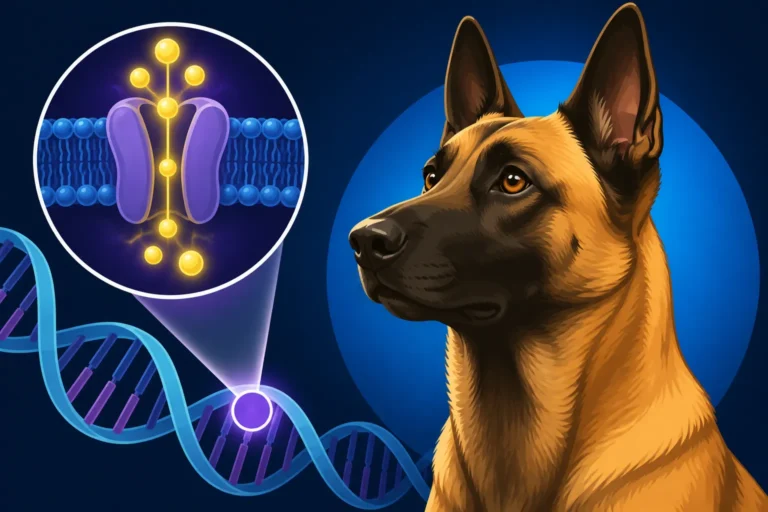
The cerebellum is the part of the brain responsible for coordinating voluntary movements, balance, and posture. In dogs with SDCA, the spongy degeneration essentially means that the white matter in the brain, including the cerebellum, starts to break down, leading to the loss of nerve fibers. This damage directly impacts the dog's ability to move smoothly and purposefully. The neurological pathways essential for coordinating movements are compromised, leading to the characteristic wobbling gait. For those deeply interested, delving into The Potassium Channel Gene Behind Malinois Ataxia reveals the specific cellular mechanisms disrupted by these genetic mutations.
How SDCA1 and SDCA2 Differ in a Malinois
While both SDCA1 and SDCA2 cause similar symptoms of progressive ataxia, the specific genetic mutations and the nuances of their neurological impact are distinct. Understanding these differences isn't just academic; it helps confirm diagnoses and ensures that testing is comprehensive.
SDCA1, for instance, is often characterized by a noticeable deterioration in coordination, typically starting in puppyhood or early adolescence. Owners might first observe a subtle unsteadiness, perhaps an exaggerated high-stepping gait, or difficulty with depth perception. As the condition progresses, the dog's balance becomes increasingly compromised, making activities like running, jumping, or even just standing steadily a significant challenge. The brain changes associated with SDCA1 are primarily a spongy degeneration within the cerebellum and other parts of the central nervous system, which effectively disrupts the normal transmission of nerve signals. This leads to the classic cerebellar signs: dysmetria (over- or under-reaching steps), truncal sway, and head tremors.
SDCA2, while also presenting with ataxia, might have a slightly different onset or progression in some individuals, though the end result of impaired coordination is similar. Research into How SDCA1 and SDCA2 Differ in a Malinois often highlights the specific genes and protein functions affected, pointing to the unique molecular pathways disrupted by each mutation. For example, specific mutations in genes like KCNJ10 (linked to SDCA1) and others are responsible for proper nerve cell function. When these genes are mutated, the neurons can't communicate effectively, leading to the neurological deficits we observe. Both conditions unfortunately lead to a progressive decline, impacting the dog's quality of life significantly, and currently, there is no cure, making early detection and prevention paramount.
Identifying Symptoms of Ataxia
Catching the signs of ataxia early can be incredibly distressing for Malinois owners. These are dogs bred for intense activity, agility, and precision, so any deviation from their characteristic confident movement can immediately raise a red flag. It’s important to remember that while a clumsy puppy might just be, well, a clumsy puppy, persistent or worsening uncoordination warrants a serious look.
Early Signs in Puppies
The initial indicators of SDCA often begin to emerge when a Malinois puppy is quite young. Owners might first notice a peculiar gait, perhaps a subtle incoordination that seems to come and go, or an inability to place their feet accurately. Instead of a smooth, fluid motion, the puppy's steps might be exaggerated, almost like they are high-stepping, or they might seem to stumble over their own paws more frequently than their littermates. This isn't just puppy clumsiness; it's a sign that their neurological system might not be developing correctly. A puppy might have difficulty judging distances, leading to missteps when trying to climb a low step or even just navigate a flat floor.
One of the most telling early signs is The Wobbly Gait a Malinois Puppy Shows at Six Weeks. At this age, puppies are still developing motor skills, but a distinct and persistent wobble, particularly in the hindquarters, can be a major red flag. They might struggle to stand still, swaying noticeably, or have difficulty maintaining balance when playing or interacting. Owners might also observe head tremors, especially when the puppy is focused or excited. As the condition progresses, tasks that healthy puppies manage with ease, like running in a straight line or navigating varied terrain, become increasingly challenging, even dangerous.
Progressive Nature of the Disease
Sadly, both SDCA1 and SDCA2 are progressive disorders. This means that once symptoms appear, they typically worsen over time, albeit at varying rates for different dogs. What starts as a subtle wobble can escalate into severe uncoordination, making simple movements profoundly difficult. Over weeks and months, the affected Malinois might lose the ability to perform basic actions like standing without support, walking in a straight line, or even eating and drinking without assistance. The progression can be disheartening to witness, as the dog's once-vibrant energy is increasingly trapped within a body that no longer responds reliably.
This progressive decline highlights the urgency of early diagnosis. While there isn't a cure, knowing what you're dealing with allows owners to provide the best possible supportive care and make informed decisions about the dog's quality of life. The emotional toll on families is immense, watching a once-active dog struggle with basic mobility. It's why prevention through genetic testing is so incredibly vital for the future health of the breed.
Distinguishing Ataxia from Other Issues
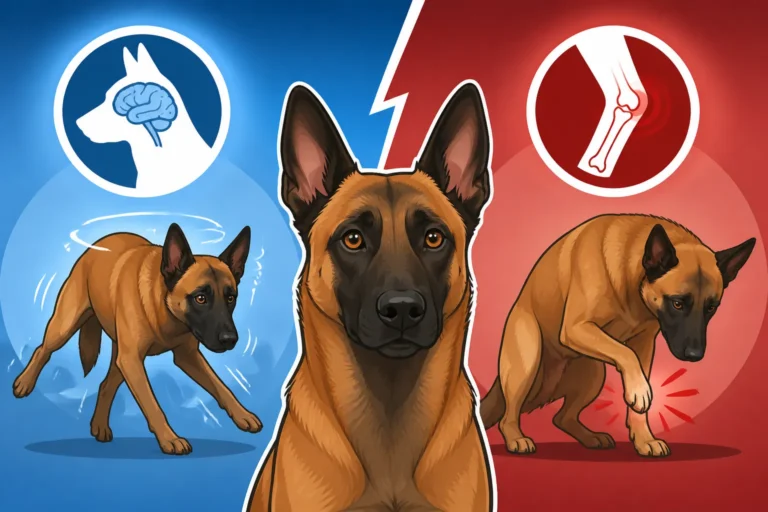
It's natural to panic when you see signs of uncoordination in your Malinois, but it's also important to remember that other conditions can cause similar symptoms. Injuries, for example, can lead to limping or an altered gait. A slipped disc, a cruciate ligament tear, or even just a sprain can make a dog appear wobbly or off-balance. Nutritional deficiencies, particularly in growing puppies, or certain toxins can also manifest with neurological signs. This is why a thorough veterinary examination is always the first step. Your vet will conduct a neurological exam, looking at reflexes, proprioception (awareness of body position), and gait analysis. They might also suggest blood tests or imaging like X-rays to rule out other causes.
It can be particularly challenging to pinpoint the exact cause without genetic testing, as many neurological issues present similarly. For instance, sometimes a puppy might appear clumsy due to general growth spurts or simple lack of spatial awareness. However, if the signs are persistent, symmetrical (affecting both sides of the body similarly), and progressive, SDCA should be high on the list of differentials. This is where DNA testing becomes invaluable, offering a definitive answer and removing the guesswork. A comprehensive vet check, combined with genetic testing, helps avoid misdiagnosis and ensures the right path forward, whether that's treatment for an injury or understanding an inherited condition. Consulting with a veterinary neurologist can also be a crucial step in Distinguishing Malinois Ataxia From an Injury and other complex conditions.
The Importance of Genetic Testing
Genetic testing for conditions like SDCA1 and SDCA2 isn't just a good idea; it's a fundamental responsibility for anyone involved with Belgian Malinois, whether you're a seasoned breeder or a loving pet owner. The advent of DNA testing has revolutionized our ability to identify and, ultimately, reduce the prevalence of inherited diseases that once plagued certain bloodlines, leaving breeders guessing and owners heartbroken.
Why Breeders Must Test
For breeders, genetic testing for SDCA1 and SDCA2 is absolutely non-negotiable. Breeding healthy dogs isn't just about good conformation or strong temperaments; it's about ensuring that you're not unknowingly passing on devastating genetic conditions. A carrier dog, remember, shows no outward signs of the disease. They can perform at the highest levels, look magnificent, and have impeccable pedigrees. Without a genetic test, a breeder might inadvertently breed two carriers together. The result? A 25% chance in every litter that a puppy will be "affected" – meaning it will develop the debilitating symptoms of ataxia. Imagine the crushing blow of selling a beloved puppy to a family, only for them to discover months later that their vibrant Malinois is slowly losing its ability to walk.
Responsible breeders use DNA tests to identify their breeding stock's status (clear, carrier, or affected) for both SDCA1 and SDCA2. This allows them to make informed decisions, ensuring that no two carriers are ever bred to each other. By strategically breeding carriers only to clear dogs, they can continue to utilize valuable bloodlines while ensuring no affected puppies are produced. Over time, this meticulous approach helps to reduce the number of carriers in the population, gradually weeding out the faulty genes from the breed. This practice is a testament to ethical breeding and the commitment to the long-term health of the Belgian Malinois. For more specific guidance on responsible breeding practices, topics like Breeding Two Ataxia Carrier Malinois offer invaluable insights.
Preventing Further Spread
The power of genetic testing extends far beyond just one litter or one kennel. When enough breeders actively test their dogs and adjust their breeding programs accordingly, it creates a ripple effect across the entire breed population. Each clear generation moves us closer to a future where SDCA1 and SDCA2 are rare exceptions, rather than looming threats. It’s a collective effort, a commitment from the entire Malinois community to safeguard the genetic health of these incredible dogs.
Think about the sheer number of puppies produced globally each year. Without widespread testing, the problematic genes continue to circulate, potentially increasing the number of carriers and affected dogs. Every time a breeder makes an informed decision based on test results, they are actively participating in the larger goal of eradicating these conditions. This isn't just about preventing suffering for individual dogs; it's about preserving the integrity and vitality of the Belgian Malinois breed for generations to come. It’s a proactive, scientific approach to responsible dog breeding that simply wasn’t possible before modern genetic diagnostics.
Ethical Considerations for Ownership
Even if you're not a breeder and simply own a Belgian Malinois as a beloved companion, understanding SDCA and advocating for testing has significant ethical implications. If your Malinois is a carrier, knowing this information allows you to be a responsible voice in the breed community. You can ensure that if you ever need to rehome your dog, or if by some chance it ends up in a breeding program, its genetic status is known and considered. This transparency is key to preventing further unfortunate pairings.
Furthermore, if you are considering purchasing a Malinois puppy, demanding proof of parental genetic testing for SDCA1 and SDCA2 is your ethical right and responsibility. Any reputable breeder will gladly provide these results. If a breeder is unwilling or unable to provide these tests, it should be a major red flag, indicating a lack of commitment to breed health. Your insistence on these tests drives demand, encouraging more breeders to adopt these crucial practices. It's about being an educated consumer and contributing to a healthier future for all Belgian Malinois. Remember, a healthy puppy starts with healthy, well-screened parents.
Navigating the Testing Process
Once you understand the vital importance of genetic testing for SDCA1 and SDCA2, the next logical step is to understand how to actually get your Belgian Malinois tested. Thankfully, the process is quite straightforward and non-invasive, making it accessible for breeders and pet owners alike.
DNA Collection Methods
Collecting a DNA sample from your Malinois is surprisingly simple. The most common method involves a buccal swab, which is essentially a fancy name for a cheek swab. You'll typically receive a kit from the genetic testing laboratory, which contains sterile swabs, instructions, and often a submission form. The process usually involves rubbing the swab firmly against the inside of your dog's cheek for about 10-20 seconds to collect enough cheek cells. It's painless, quick, and can easily be done at home without a vet visit, though your vet can certainly assist if you prefer.
The key to successful collection is ensuring there's enough cellular material on the swab and preventing contamination. Most kits advise withholding food and water for a short period (usually an hour) before swabbing to avoid food particles on the swab. If you're swabbing multiple dogs, it's crucial to use a new sterile swab for each dog and to label them immediately and correctly to avoid mixing up samples. Once collected, the swabs are allowed to air dry, then placed back into their protective sleeves or envelopes and mailed to the lab. It's a remarkably easy process for the wealth of information it provides.
Choosing a Reputable Lab
Selecting a reputable genetic testing laboratory is paramount. You want a lab that is experienced, uses validated testing protocols, and provides clear, unambiguous results. Look for laboratories that specialize in canine genetic testing and are well-regarded within the breeding community. Some well-known and respected labs include Embark Veterinary, Optimal Selection (MyDogDNA), and PennGen. These labs often test for a wide panel of genetic diseases, including SDCA1 and SDCA2, which can be incredibly useful for a comprehensive health overview.
Before you send off your sample, do a bit of research. Check online reviews, ask for recommendations from experienced Malinois breeders or your veterinarian, and ensure the lab offers specific tests for SDCA1 and SDCA2 in Belgian Malinois. Some labs also provide additional services, like phenotyping or genetic counseling, which can be beneficial if you have complex questions about your dog's results or breeding plans. A reliable lab will provide not just a result (clear, carrier, or affected), but often an explanation of what that means for your dog and its potential offspring.
Asking a Breeder for Malinois Ataxia Results
If you're in the market for a Belgian Malinois puppy, one of the most important questions you can ask a prospective breeder is about their health testing protocols. Specifically, you should absolutely be Asking a Breeder for Malinois Ataxia Results for both the dam (mother) and sire (father) of the litter. A truly responsible and transparent breeder will have these results readily available and will be eager to share them with you. They should be able to show you documentation, not just tell you the results.
Don't be shy about asking for copies of the genetic test reports. These documents will clearly state whether each parent is "Clear," a "Carrier," or "Affected" for both SDCA1 and SDCA2. This information is your assurance that the breeder has done their due diligence to avoid producing affected puppies. If a breeder gives vague answers, claims testing isn't necessary, or cannot produce documentation, it’s a strong indication that you should look elsewhere. Prioritizing genetic health is a hallmark of a good breeder, and your puppy's future health (and your peace of mind) depends on it. Moreover, if you are considering breeding, it is also important to consider Whether Both Malinois Parents Need DNA Testing to make the most informed decisions.
Interpreting Results and Breeding Decisions
Receiving your Belgian Malinois's genetic test results can bring a mix of emotions, especially if you're waiting on crucial information about SDCA1 and SDCA2. Understanding what those results mean, not just for your individual dog but for the breed as a whole, is a critical step in responsible dog ownership and breeding.
Understanding Carrier versus Affected Status
Genetic test results typically come back in one of three categories for each specific condition: Clear, Carrier, or Affected.
- Clear (or "Normal"): This means your Malinois does not have any copies of the faulty gene. They cannot develop the disease, nor can they pass the faulty gene on to their offspring. This is the ideal status for any dog.
- Carrier (or "Heterozygous"): Your Malinois has one copy of the faulty gene and one normal copy. As SDCA1 and SDCA2 are recessive, carriers do not show symptoms of the disease themselves. They are clinically healthy. However, they can pass that single faulty gene to 50% of their offspring, on average.
- Affected (or "Homozygous Affected"): Your Malinois has inherited two copies of the faulty gene (one from each parent). This means they will develop or are already developing the symptoms of SDCA1 or SDCA2.
Knowing these distinctions is crucial. For pet owners, understanding Whether a Carrier Belgian Malinois Shows Signs is important – the answer is no, they won't typically show any neurological symptoms related to SDCA. For breeders, this information is paramount to making responsible breeding choices and preventing the birth of affected puppies.
Here's a quick reference table to help visualize the possibilities when breeding:
| Sire Status | Dam Status | Offspring Probabilities (per pup) |
|---|---|---|
| Clear | Clear | 100% Clear |
| Clear | Carrier | 50% Clear, 50% Carrier |
| Clear | Affected | 100% Carrier |
| Carrier | Carrier | 25% Clear, 50% Carrier, 25% Affected |
| Carrier | Affected | 50% Carrier, 50% Affected |
| Affected | Affected | 100% Affected (Highly unethical, hopefully never happens) |
This table clearly illustrates why breeding two carriers together is a risky endeavor that should be avoided by responsible breeders to prevent producing affected puppies.
Implications for Breeding Programs
The implications of these test results for breeding programs are profound. The primary goal of genetic testing is to reduce the incidence of affected dogs and, over time, ideally eliminate the problematic genes from the gene pool without overly restricting genetic diversity.
For a breeder with a "Clear" dog, the path is straightforward: they can be bred to any other dog without fear of producing affected offspring from that pairing. If a breeder has a "Carrier" dog, they must only breed that dog to a "Clear" mate. This ensures that while some offspring might still be carriers (50%), no puppies will be affected by the disease. It allows breeders to retain valuable genetics from a carrier individual without compromising the health of the puppies in that litter. However, any carrier offspring from such a pairing would also need to be tested if they are to be considered for future breeding.
An "Affected" dog should absolutely never be bred. Breeding an affected dog guarantees that all offspring will be at least carriers, if not affected, which is deeply irresponsible. Responsible breeders will use these results to plan pairings meticulously, ensuring that the health of future generations is prioritized above all else. This process, when followed consistently, can significantly lower the prevalence of SDCA in the Belgian Malinois breed.
The Role of Pedigree Analysis
While genetic testing provides a definitive answer for an individual dog, pedigree analysis still plays a valuable, complementary role. A pedigree, which traces a dog's ancestry back several generations, can reveal patterns of certain health conditions, even those not yet genetically tested or if testing was not common in earlier generations. If you see multiple instances of ataxia or similar neurological issues popping up in a dog's lineage, it should prompt further investigation, even if the immediate parents tested clear.
Sometimes, new mutations are discovered, or existing tests are refined. By looking at the bigger picture of a dog's family tree, breeders can make more holistic decisions. It's also a way to see how effectively the genetic testing and selective breeding efforts have been working over time within specific lines. A strong pedigree, coupled with solid genetic testing results for current breeding stock, provides the most comprehensive approach to maintaining the health and vigor of the Belgian Malinois breed. Moreover, the increasing knowledge about genetic conditions, including The Third Ataxia Gene Found in Malinois Lines, underscores the need for continuous research and vigilant pedigree review.
Living with an Affected Malinois
Discovering that your Belgian Malinois is affected by SDCA1 or SDCA2 is an incredibly difficult reality to face. The initial shock and heartbreak can be overwhelming, especially when you consider the breed's natural drive and athleticism. While there is currently no cure for these progressive neurological conditions, understanding how to manage daily life and ensuring the best possible quality of life for your dog becomes paramount.
Managing Daily Life
Living with an SDCA-affected Malinois requires significant adjustments to their environment and daily routine. Since their coordination is compromised, safety becomes the top priority. Think about simplifying their living space to minimize obstacles that could cause falls. This might mean removing rugs they could trip over, blocking access to stairs, or creating a safe, padded area where they can move freely without risking injury. Non-slip mats can provide much-needed traction on slick floors, making it easier for them to walk and stand.
Daily exercise will need to be carefully managed. High-impact activities or free running in unpredictable environments will likely be off-limits. Instead, focus on controlled, gentle movements that encourage mobility without over-straining. Hydrotherapy, under the guidance of a veterinary physical therapist, can be incredibly beneficial. The buoyancy of water supports their body weight, allowing them to move their limbs and build muscle without the full impact of gravity, improving strength and coordination. Simple, short walks on soft, even surfaces, or even just gentle stretching exercises, can help maintain muscle tone and flexibility. Regularly consulting with your veterinarian or a veterinary neurologist about their progress and potential therapies is key.
Prognosis and Quality of Life
The prognosis for dogs affected by SDCA1 and SDCA2 is generally guarded, as these are progressive and ultimately incurable conditions. The rate of progression can vary, with some dogs deteriorating more rapidly than others. As the ataxia worsens, tasks that we take for granted – eating, drinking, eliminating, and even just shifting position – can become monumental challenges. This will require increasing levels of supportive care from their human companions.
Making decisions about an affected Malinois's quality of life is one of the hardest parts of this journey. It involves honest and compassionate assessment of their physical comfort, their ability to engage with their environment, and their overall happiness. While we want to fight for every moment, there comes a point where the suffering outweighs the joy. This difficult decision, often made in consultation with a veterinarian, is a profound act of love and mercy. On a more hopeful note, early intervention and management might slow the progression or at least improve comfort. Many owners report that Whether an Ataxic Malinois Puppy Can Improve is often more about managing symptoms and providing supportive care rather than a full recovery.
Support Resources for Owners
Facing a diagnosis of SDCA can feel incredibly isolating. It's a rare and complex condition, and many general practitioners may not have extensive experience with it. Thankfully, there are resources available to help. Online communities and support groups dedicated to owners of dogs with neurological conditions or specifically Malinois owners facing SDCA can be a lifeline. Sharing experiences, tips, and emotional support with others who truly understand your struggles can make a significant difference.
Financially, the costs associated with managing a chronic, progressive neurological condition can add up quickly. Diagnostic tests, specialized veterinary consultations, physical therapy, medications, and adaptive equipment like harnesses or mobility aids can be expensive. This is where pet insurance, like a comprehensive plan from Healthy Paws, can be invaluable. While it's crucial to have pet insurance in place before a diagnosis, having a robust policy can help alleviate some of the financial burden, allowing you to focus on your dog's care rather than worrying about every bill. Many owners find that investing in pet insurance for their Malinois, especially given the breed's active lifestyle and potential for injuries or chronic conditions, provides immense peace of mind. Discussing your dog's condition with Healthy Paws or similar providers can help you understand coverage for ongoing supportive care. Remember to consider your budget and your Malinois's overall health when choosing a plan; a good pet insurance policy could make a huge difference in managing unexpected vet bills for a lifelong condition.
Disclaimer
This article is intended for informational purposes only and does not constitute veterinary advice. Always consult with a qualified veterinarian or veterinary specialist for any health concerns or before making any decisions about your pet's care.