The Potassium Channel Gene Behind Malinois Ataxia
Finding out your beloved Belgian Malinois, the very picture of agility and boundless energy, might be suffering from a progressive neurological condition is absolutely heartbreaking. You watch their powerful, coordinated movements, and the thought of something undermining that vitality can be terrifying. This guide aims to shed light on one of the most critical genetic culprits behind a specific type of Malinois ataxia: the potassium channel gene, KCNJ10, providing a clear understanding of what it means for your dog and for the breed's future.
Understanding Ataxia in Belgian Malinois
When we talk about ataxia in Belgian Malinois, we're discussing a devastating neurological disorder that specifically impacts a dog's ability to coordinate voluntary movements. It's not just a clumsy gait; it's a profound and often progressive loss of control that can turn a high-flying working dog into one struggling with basic mobility.
What is Belgian Malinois Ataxia?
Belgian Malinois ataxia manifests as a distinct lack of muscle coordination, particularly affecting the hind limbs, but can also extend to all four. Imagine your Malinois, usually so precise in its movements, suddenly stumbling, wobbling, or having difficulty judging distances. Their powerful legs might splay out, or they might walk with an exaggerated, high-stepping gait as they try to compensate for the signals their brain isn't receiving correctly. This isn't just an occasional slip; it's a persistent and often worsening condition. Owners often describe it as a "drunken" walk or a general unsteadiness, especially when trying to navigate turns, stairs, or uneven terrain.
The heartbreaking reality is that Malinois ataxia is progressive. What might start as subtle clumsiness in a young dog can advance to severe mobility impairment, making it difficult for them to stand, walk, or even maintain balance. This can be incredibly frustrating for a breed renowned for its athletic prowess and intense work ethic. Seeing a dog that lives to move and work become hindered by its own body is one of the toughest challenges an owner can face, turning every step into an effort.
The Genetic Link to Malinois Ataxia
Unlike an injury or an infection, ataxia in Belgian Malinois is an inherited condition, meaning it’s passed down through generations. This is why understanding the genetic underpinnings is so crucial. It's not something that happens due to poor nutrition or an accident; it's coded right into their DNA. For owners, this means that even with the best care and training, if the genetic predisposition is there, the disease can still manifest.
This genetic basis highlights the immense responsibility of breeders to conduct thorough health screenings. Without proper genetic testing, carriers of the ataxia gene can unknowingly pass it on, leading to affected puppies. This is why discussions around Asking a Breeder for Malinois Ataxia Results are so vital before bringing a puppy home. It underscores the importance of a transparent and ethical breeding program focused on eliminating these devastating genetic conditions from the breed's lines.
Unpacking the Potassium Channel Gene
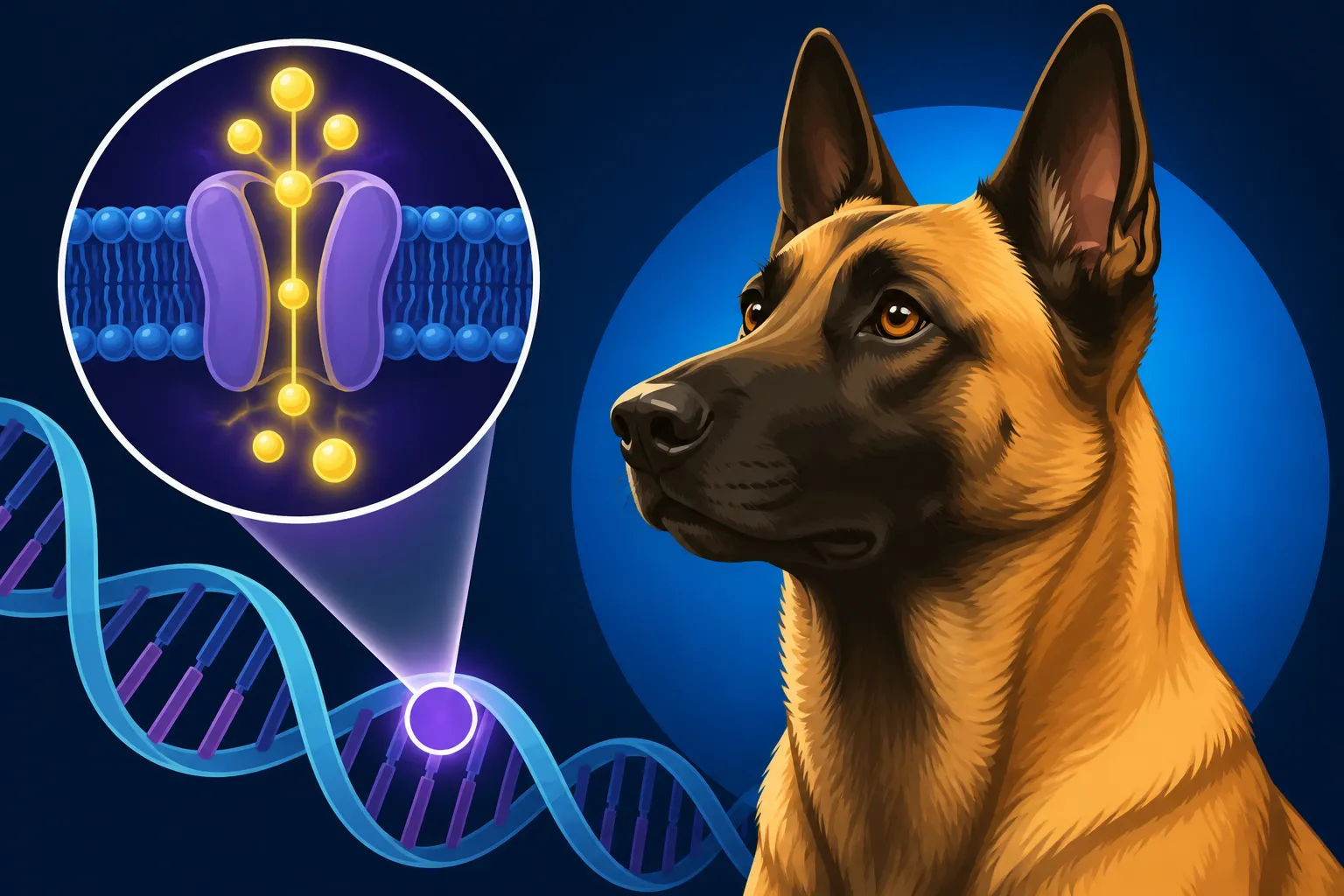
At the heart of one form of Belgian Malinois ataxia lies a specific genetic mutation affecting the KCNJ10 gene, often referred to as the potassium channel gene. This little piece of DNA plays a huge role in the healthy functioning of a dog's nervous system, and when it's faulty, the consequences can be profound.
The KCNJ10 Gene and Its Role
The KCNJ10 gene is responsible for producing a specific type of potassium channel. Now, if you're like me, you might be thinking, "What in the world is a potassium channel?" Think of it like a tiny, specialized gate or pore embedded in the membranes of cells, particularly those found in the brain and spinal cord, like neurons and glial cells (which support neurons). These gates are crucial for maintaining the electrical balance of cells.
Potassium channels are essential for controlling the flow of potassium ions in and out of cells. This flow is what generates and regulates electrical signals – the very language of the nervous system. When these channels work correctly, they help neurons communicate efficiently and ensure that nerve impulses are transmitted smoothly from the brain to the muscles. They are like the finely tuned regulators of an orchestra, ensuring every instrument (nerve impulse) plays at the right time and intensity. Without them, the entire symphony of movement and coordination can fall into disarray.
How a Faulty Gene Leads to Ataxia
When the KCNJ10 gene has a specific mutation, it leads to the production of defective or non-functional potassium channels. Imagine those finely tuned gates suddenly becoming rusty or stuck, unable to open and close properly. This disrupts the delicate balance of potassium ions within the cells of the central nervous system. Specifically, it affects how glia (astrocytes, in particular) manage potassium in the brain, which in turn impacts how neurons fire.
This disruption has a cascading effect. With impaired potassium regulation, the neurons can't generate or transmit electrical signals as effectively. The messages from the brain telling the muscles what to do become garbled, delayed, or simply don't get through clearly. Think of it like a phone line with severe static – the call goes through, but the message is distorted. For a Belgian Malinois, this means the brain struggles to send clear, consistent commands to the muscles responsible for movement, leading to the characteristic uncoordinated gait and loss of balance we see in ataxia.
Over time, this cellular dysfunction can lead to the degeneration of specific parts of the brain and spinal cord, further exacerbating the symptoms and making the condition progressively worse. It's a slow, insidious process that chips away at the dog's mobility and quality of life. This is why understanding The Potassium Channel Gene Behind Malinois Ataxia is so critical for researchers and breeders striving to breed healthier dogs.
The SDCA1 and SDCA2 Distinction
When discussing ataxia in Belgian Malinois, you'll often hear about SDCA1 and SDCA2. While both refer to forms of spinocerebellar ataxia, they are caused by different genetic mutations, making the distinction vital for accurate diagnosis and breeding decisions.
SDCA1 and the KCNJ10 Gene
SDCA1, or SpinoCerebellar Ataxia type 1, is the form of ataxia directly linked to the mutation in the KCNJ10 potassium channel gene that we’ve been discussing. This particular variant of ataxia tends to present itself in younger Malinois, typically between six weeks and seven months of age. The onset can be subtle at first, maybe just a slight tremor or a momentary loss of balance. However, it invariably progresses, often leading to noticeable incoordination in the hind limbs, a wide-based stance, and difficulty with activities that require fine motor control and balance.
The progression of SDCA1 can vary, but it's generally considered a debilitating condition. The affected puppies might initially show a The First Signs of Ataxia in a Malinois Puppy such as a wobbly gait or an inability to stand steadily. Over time, these symptoms worsen, and the dog's mobility becomes severely compromised. The specific neurological damage caused by the faulty KCNJ10 gene makes it impossible for the brain and spinal cord to communicate effectively with the muscles, leaving the dog struggling with every movement.
SDCA2 and the ATP1B2 Gene
While our focus here is squarely on the potassium channel gene (KCNJ10) associated with SDCA1, it's important to briefly mention SDCA2 for clarity. SDCA2, or SpinoCerebellar Ataxia type 2, is another form of ataxia found in Belgian Malinois, but it is caused by a different genetic mutation entirely. This one involves the ATP1B2 gene. While the symptoms can appear similar — also affecting coordination and balance — the underlying genetic mechanism is distinct.
SDCA2 typically has a later onset compared to SDCA1, often appearing in dogs aged six months to two years, though some cases may manifest even later. It is equally important for breeders to test for both conditions to ensure they are not inadvertently passing on either form of ataxia. For owners, recognizing that there are different genetic causes helps reinforce the need for comprehensive genetic testing panels. This helps to accurately diagnose the specific type of ataxia, which, while not changing the prognosis dramatically, provides crucial information for genetic counseling and breeding programs. Understanding How SDCA1 and SDCA2 Differ in a Malinois is key for anyone involved with the breed.
Implications for Breeders and Owners
The discovery and understanding of the potassium channel gene (KCNJ10) and its link to SDCA1 have been a game-changer for the Belgian Malinois community. It empowers breeders to make responsible decisions and offers owners vital information, even if facing a difficult diagnosis.
Genetic Testing and Responsible Breeding
For breeders, genetic testing for SDCA1 is not just a recommendation; it's a moral imperative. Commercial DNA tests are readily available that can identify whether a dog is clear, a carrier, or affected by the KCNJ10 mutation. This simple cheek swab can prevent immense heartache down the line. A "clear" dog has two normal copies of the gene, while a "carrier" has one normal and one mutated copy. Carriers will not show symptoms of ataxia themselves—they can live perfectly healthy, normal lives, illustrating Whether a Carrier Belgian Malinois Shows Signs—but they can pass the mutated gene to their offspring. An "affected" dog has two mutated copies and will develop the disease.
Responsible breeding protocols now include mandatory testing for both parents before breeding. A common strategy is to avoid breeding two carriers together, as this pairing has a 25% chance of producing affected puppies. Breeding a clear dog to a carrier is generally considered safer, as all puppies will be either clear or carriers, meaning no affected puppies will be produced. This meticulous approach helps to systematically reduce the prevalence of this devastating disease within the breed. Organizations like Healthy Paws, which offers pet insurance, also highlight the importance of genetic health, as it ties into the long-term well-being and potential costs associated with such conditions. Breeders who actively screen and use these results are demonstrating their commitment to the health and integrity of the Belgian Malinois.
Living with an Ataxia-Affected Malinois
For those unfortunate enough to have an ataxia-affected Belgian Malinois, the journey can be challenging but not without hope for providing a good quality of life. The prognosis for SDCA1 is generally poor, as it is a progressive neurological disease with no cure. However, supportive care and management can make a significant difference in comfort and mobility. This often involves working closely with a veterinary neurologist to understand the progression and manage any secondary issues.
Creating a safe and adapted environment is paramount. This might include using non-slip rugs on slick floors, providing ramps for stairs, and avoiding situations where the dog could fall or injure itself. Physical therapy can also be beneficial, helping to maintain muscle mass, improve balance, and slow the progression of muscle weakness. Hydrotherapy, where dogs exercise in water, can be particularly helpful as it reduces strain on joints while allowing for movement. For these dogs, every bit of assistance makes their daily life better. Owners will also need to be mindful of Keeping an Old Belgian Malinois Mentally Busy even as their physical capabilities decline, finding new ways to engage their sharp minds with puzzle toys or gentle scent work, as mental stimulation remains crucial for their well-being. The emotional support you provide is just as important, ensuring your Malinois feels loved and secure despite their physical limitations.
| Characteristic | SDCA1 (Potassium Channel Gene) | SDCA2 (ATP1B2 Gene) |
|---|---|---|
| Gene Mutation | KCNJ10 (Potassium Channel Gene) | ATP1B2 |
| Primary Effect | Disrupted potassium ion flow, affecting nerve signal regulation | Disrupted sodium/potassium pump, impacting cellular ion balance |
| Typical Onset Age | ~6 weeks to 7 months of age | ~6 months to 2 years (can be later) |
| Progression | Progressive, often debilitating | Progressive, varying severity |
| Symptoms | Hind limb incoordination, tremors, loss of balance, wide stance | Similar ataxia symptoms, also affecting coordination and balance |
| Testing | DNA test available for KCNJ10 | DNA test available for ATP1B2 |
Disclaimer
This article is intended for informational purposes only and does not constitute veterinary advice. Always consult with a qualified veterinarian or veterinary neurologist for any health concerns or before making any decisions about your Belgian Malinois's care, diet, or treatment. Genetic testing interpretations and breeding decisions should always be made in consultation with veterinary professionals and reputable breed organizations.