The Wobbly Gait a Malinois Puppy Shows at Six Weeks
Finding your adorable Belgian Malinois puppy wobbling at just six weeks old can send a wave of panic through even the most experienced dog owner. It's a truly unsettling sight, far from the picture of robust health and energetic exuberance you expect from this breed. This guide is here to shed light on why a young Malinois might exhibit a wobbly gait, helping you understand the potential causes, from benign developmental quirks to more serious underlying conditions, and what steps you can take with your veterinarian to get answers and provide the best care.
Understanding Normal Puppy Development and Early Red Flags
When you bring home a Belgian Malinois puppy, you're signing up for a whirlwind of energy, intelligence, and often, a fair bit of clumsy adorable chaos. But there’s a difference between a puppy just learning to navigate the world and one exhibiting a truly concerning wobble.
Expected Milestones for a Six-Week-Old Malinois Puppy
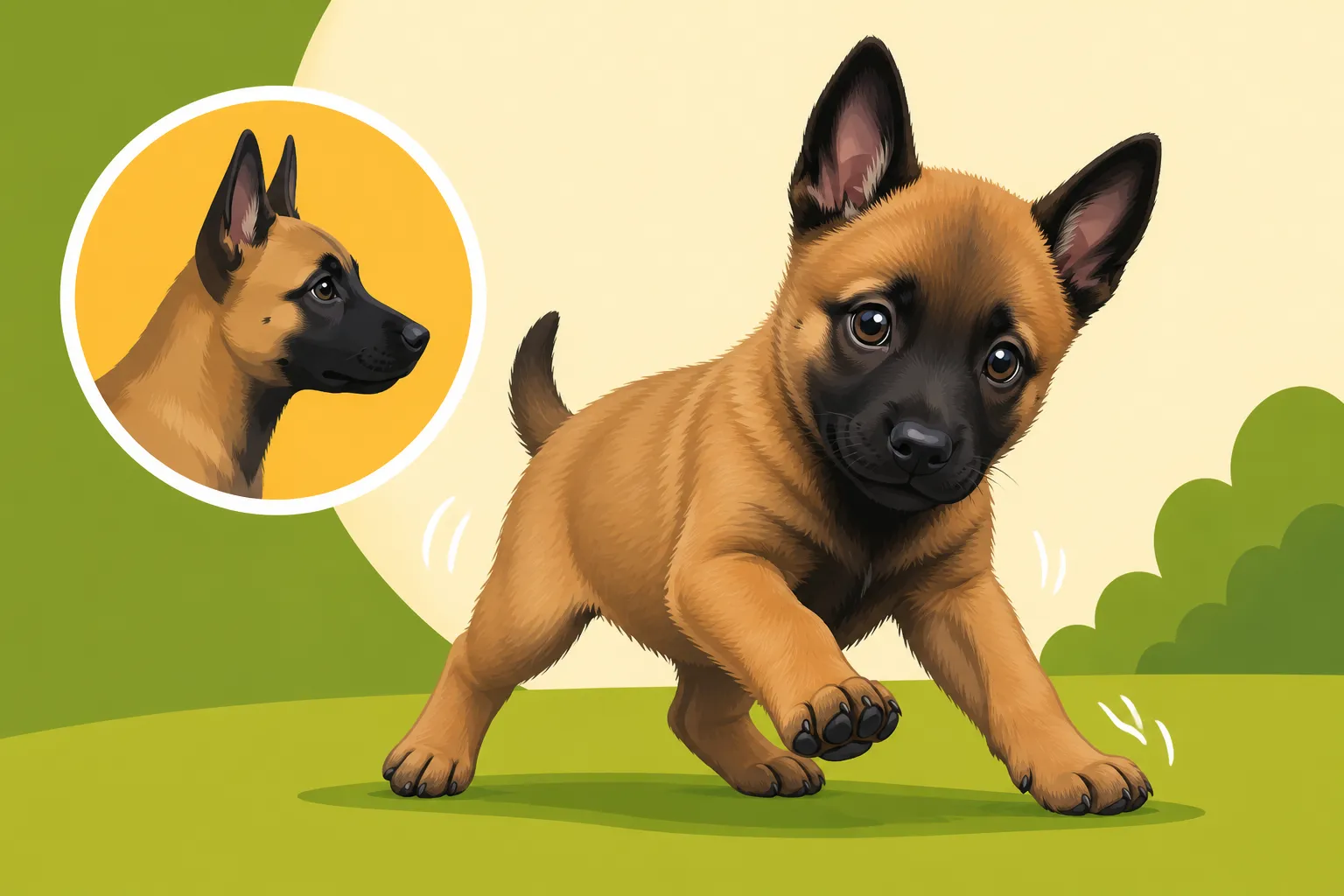
At six weeks old, a Malinois puppy is past the initial newborn helplessness but still very much a baby. They should be walking, running, and playing with increasing coordination, though they’re certainly not as agile or stable as an adult. By this age, their eyes and ears are fully open, and they are actively exploring their environment, interacting with littermates, and starting to respond to sounds and basic cues.
A six-week-old Malinois puppy should be showing strong signs of independence and mobility. They're typically weaned or in the process of weaning, and their muscles are developing rapidly. You'd expect to see them toddling with a purpose, able to change direction without falling over, and engaging in play that involves pushing and tumbling without appearing overtly unstable or weak. Their movements, while not perfectly refined, should be purposeful and energetic, reflecting the breed's inherent drive and athleticism already beginning to blossom. Their legs should support their body weight without bowing or collapsing, and they should be able to stand squarely without an obvious lean or sway.
Distinguishing Normal Puppy Awkwardness from Concerning Wobbles
It's easy to overreact to every little stumble, especially with a breed as highly valued for its physical prowess as the Belgian Malinois. Normal puppy awkwardness often looks like a series of ungainly tumbles during play, misjudging a jump onto a low toy, or slipping momentarily on a smooth floor before quickly regaining composure. These are usually isolated incidents, and the puppy otherwise appears strong, balanced, and confident in their movements. Their gait, while not perfectly smooth, will be generally straight, and they won't struggle with fundamental movements like standing up, sitting down, or walking in a straight line on a consistent surface.
A concerning wobble, however, is different. This isn't just a misstep; it's a persistent lack of coordination, weakness, or an inability to maintain balance. You might observe a wide-based stance as if they're trying to steady themselves, or their hindquarters might sway excessively from side to side when they walk. They might consistently trip over their own feet, struggle to stand up after lying down, or collapse unexpectedly. Sometimes, the wobble might only appear after a short burst of activity, indicating muscle fatigue or a systemic issue rather than just clumsiness. If you notice a head tilt, involuntary eye movements (nystagmus), or if the puppy seems disoriented or unusually lethargic in conjunction with the wobbling, these are significant red flags that warrant immediate veterinary attention. Trust your gut instinct; if it looks "wrong" beyond normal puppy clumsiness, it very well might be.
Common Benign Causes of a Wobbly Gait in Young Pups
Not every wobble spells disaster, thankfully. Sometimes, a young Malinois puppy’s unsteady gait can be attributed to factors that are relatively simple to address. It's important to rule out these more common and less severe issues before jumping to the scarier conclusions.
Nutritional Imbalances and Early Growth Spurts
One of the most frequent culprits behind an odd gait in a growing puppy is often related to their diet. Malinois are a large, fast-growing breed, and their nutritional needs are precise. Feeding a puppy food that is too high in calories or has an incorrect calcium-to-phosphorus ratio can actually be detrimental. Many well-meaning owners, thinking they're doing the best for their rapidly growing pup, might opt for an "all life stages" food or even try to push growth with extra supplements. However, this can lead to accelerated growth rates that outpace the development of their skeletal system.
When a puppy grows too quickly, their bones and joints can’t keep up, leading to structural weaknesses. An imbalance, particularly an excess of calcium, can interfere with bone remodeling and cartilage development, manifesting as lameness, joint pain, or an unstable gait. Puppies need a diet specifically formulated for large breed puppies, which typically has a carefully controlled calcium content to support steady, healthy growth. It’s a delicate balance; too little calcium is also problematic, but an excess is often seen as more common in overzealous feeding practices. Always follow the feeding guidelines on reputable large breed puppy food bags and resist the urge to add supplements without veterinary guidance.
Transient Hypoglycemia and Energy Fluctuations
Puppies, especially small or rapidly growing ones like a six-week-old Malinois, have limited fat reserves and a high metabolism. This makes them susceptible to transient hypoglycemia, which is essentially low blood sugar. If a puppy goes too long without eating, or if they expend a lot of energy playing vigorously, their blood sugar levels can drop quickly.
When blood sugar dips, the brain doesn't receive enough fuel, leading to symptoms like weakness, lethargy, mental dullness, muscle tremors, and, yes, a wobbly or uncoordinated gait. They might appear disoriented or even collapse. This is particularly common in young puppies who are still adjusting to regular feeding schedules or who might be stressed from a new environment. Ensuring your Malinois puppy is eating small, frequent meals throughout the day is crucial. If you notice these signs, a quick dab of Karo syrup or honey on their gums can often provide a rapid boost of sugar and help them recover, but this should always be followed up with a vet visit to understand why it happened. This isn't a long-term solution, but an emergency measure.
Environmental Factors and Learning to Navigate
Sometimes, the simplest explanation is the right one. A six-week-old Malinois puppy is still navigating the world on four legs, and certain environments can make this challenging. Slippery surfaces like hardwood floors, tiles, or linoleum can be incredibly difficult for a puppy with developing coordination and muscle strength. Their still-developing paw pads might not have the grip an adult dog possesses, and they haven't yet learned how to adjust their gait to maintain traction.
Moving from a breeder’s softer, carpeted, or grass-filled environment to a new home with different floorings can instantly make a puppy seem wobbly or unsure. Similarly, uneven terrain, stairs, or even just trying to maneuver around furniture can present a challenge. Their muscles and proprioception (sense of body position) are still maturing. To help, consider placing non-slip mats or runners on slick floors, especially in high-traffic areas. Providing a variety of safe surfaces for them to practice walking on can also build confidence and coordination. A good example might be a carpeted area for vigorous play, and then a mat-covered path to their food and water bowls. This gives them a chance to learn and adapt without the constant stress of falling. Remember, too much high-impact activity on hard surfaces for a young pup can be problematic for Whether Jumping Damages a Young Malinois's Joints.
Serious Neurological Conditions to Consider
While we hope for a simple explanation, a persistent or worsening wobbly gait in a six-week-old Malinois puppy can be a sign of a more serious neurological condition. These are often genetic or congenital and require prompt and thorough veterinary investigation.
Exploring Spongy Degeneration in a Belgian Malinois Puppy
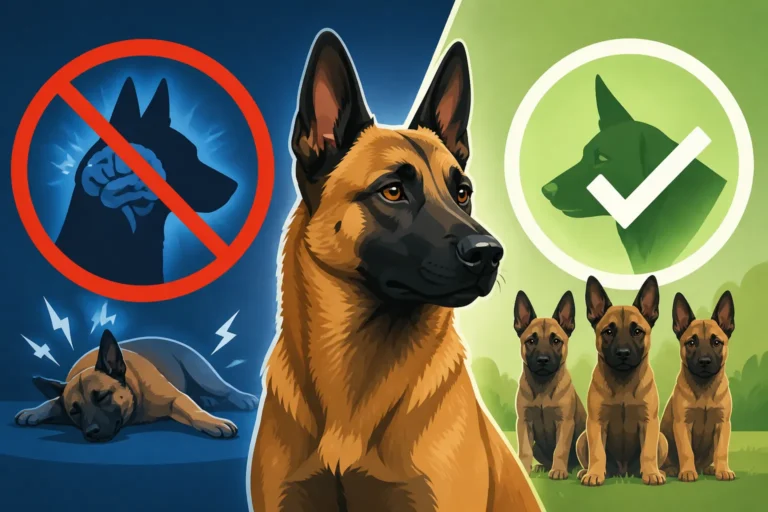
This is one of the more devastating conditions specific to Belgian Malinois that can manifest at this incredibly young age. Spongy Degeneration, also known as Spongiform Leukoencephalomyelopathy, is a neurological disease caused by a genetic mutation. In Malinois, two specific genes, SDCA1 and SDCA2, have been identified as causes. When a puppy inherits two copies of the affected gene (one from each parent), they develop the disease.
The name "spongy degeneration" comes from the appearance of the brain and spinal cord tissue, which develops microscopic fluid-filled spaces, giving it a spongy texture. This damage interferes with the normal transmission of nerve signals. The first signs of ataxia – a lack of voluntary coordination of muscle movements – typically appear between 5 and 7 weeks of age. A puppy with spongy degeneration will show a noticeable wobbly gait, severe incoordination, and often difficulty standing or moving purposefully. This isn't just a slight stumble; it's a profound, often progressive, inability to control their limbs. They might struggle to lift their feet, stumble frequently, or appear weak in all four limbs.
Unfortunately, Spongy Degeneration in a Belgian Malinois Puppy is a progressive disease, and affected puppies often do not survive past a few months of age. There is no cure, and management is primarily supportive. This is why responsible breeders diligently conduct genetic testing for these markers. If your puppy exhibits these severe signs, your veterinarian will likely discuss Testing a Belgian Malinois for SDCA1 and SDCA2 as a crucial diagnostic step. Understanding How SDCA1 and SDCA2 Differ in a Malinois can also be important for breeders and owners. The condition is heartbreaking, and its early onset makes it particularly cruel for both the puppy and its family. The first signs can be subtle, sometimes dismissed as clumsy puppy behavior, but they progress rapidly. You might notice the puppy struggling more after a few minutes of play, or having trouble keeping up with its littermates. Owners often describe the gait as a "drunken sailor" walk or an exaggerated high-stepping movement that lacks fluidity.
Other Congenital Neurological Issues and Developmental Delays
Beyond spongy degeneration, several other congenital neurological issues, though less common, can result in a wobbly gait in a young Malinois. These conditions can affect various parts of the nervous system, from the brain and spinal cord to peripheral nerves. Some examples include:
- Cerebellar Hypoplasia: This condition involves the underdevelopment of the cerebellum, the part of the brain responsible for coordination and balance. Affected puppies are born with it and typically show signs from the moment they start trying to walk, exhibiting tremors, a wide-based stance, and an exaggerated, high-stepping gait (dysmetria). The severity can vary, but it's a lifelong condition.
- Hydrocephalus: While more common in toy breeds, severe cases of hydrocephalus (fluid on the brain) can also present with neurological signs like ataxia, disorientation, seizures, and developmental delays, though a prominent domed head is often an accompanying sign.
- Encephalitis or Meningitis: Though less commonly congenital, in-utero infections or very early-onset inflammatory conditions of the brain or its coverings can lead to neurological deficits, including incoordination.
- Storage Diseases: These are rare genetic disorders where the body cannot properly break down certain substances, leading to their accumulation in cells, including nerve cells. Symptoms vary widely but can include neurological dysfunction and ataxia.
Diagnosing these conditions often requires a comprehensive neurological examination by a veterinary neurologist, followed by advanced imaging like an MRI or CT scan of the brain and spinal cord. Cerebrospinal fluid analysis or specialized genetic testing might also be necessary. While some conditions might be managed symptomatically, many have a guarded or poor prognosis. Early detection, however, is key to providing any possible supportive care and understanding the long-term outlook. This is where a thorough veterinary assessment is absolutely vital.
Skeletal and Muscular Contributors to Instability
Sometimes, the problem isn't the brain at all, but rather the scaffolding supporting the Malinois puppy's energetic movements – their bones, joints, and muscles. These issues, while perhaps not immediately life-threatening, can have significant long-term implications for a breed known for its athleticism.
Early Signs of Hip or Elbow Dysplasia at a Young Age
Hip and elbow dysplasia are unfortunately common orthopedic conditions in many large breed dogs, including the Belgian Malinois. While typically diagnosed with X-rays once a dog is fully grown (around two years old for final OFA certifications), very severe cases of hip or elbow laxity (looseness) or early-onset osteoarthritis can manifest much earlier, even in a six-week-old puppy.
In a young puppy, severe hip dysplasia might present as a reluctance to bear weight on the hind limbs, a "bunny hopping" gait (where both hind legs move together), or an obvious sway or wobble in the rear. They might struggle to stand up or seem stiff after rest. Similarly, early elbow issues could cause lameness in the front limbs, stiffness, or a general awkwardness in their movement. While you can't get definitive clearances at this age, a vet can perform a physical examination to check for excessive joint laxity, pain, or grinding sounds (crepitus). They might also suggest preliminary X-rays if the suspicion is high, though these would primarily look for gross abnormalities rather than the subtle signs seen in adult clearances. Responsible breeders should be performing Screening a Belgian Malinois Puppy for Hip Laxity and providing full hip and elbow clearances on their breeding dogs, which helps reduce the incidence of these issues. If you have concerns, speak with your breeder about their testing protocols.
Muscle Weakness, Injury, or Uncoordinated Development
Beyond bone and joint issues, problems with the muscles themselves can also contribute to a wobbly gait. A puppy, much like a human baby, is undergoing rapid physical development. Sometimes, muscle groups don't develop at precisely the same rate, leading to temporary imbalances or weakness.
- Generalized Muscle Weakness: This can sometimes be a secondary symptom of an underlying systemic illness, such as a severe parasitic infestation, anemia, or malnutrition. If the puppy is generally unwell, its muscles won't be able to function optimally, leading to a weak, wobbly gait. Addressing the underlying illness is key here.
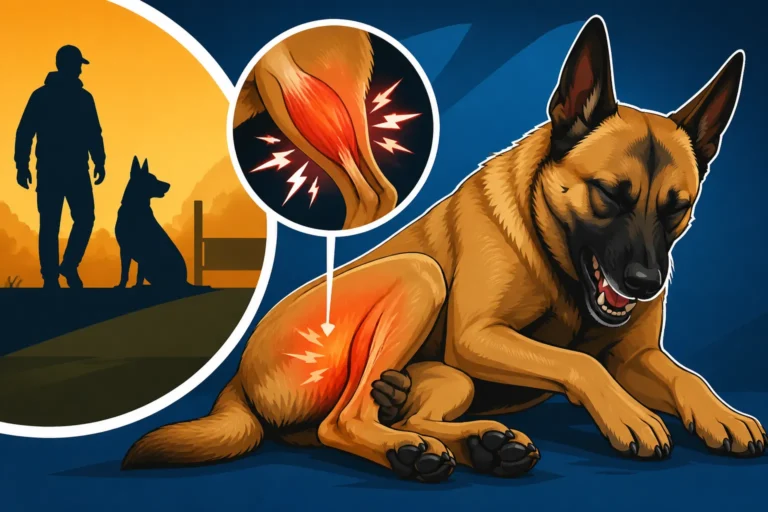
- Minor Injuries or Strains: Puppies are boisterous. They play hard, tumble, and can easily overextend a muscle or tweak a joint, especially during rough-and-tumble play with littermates. A minor strain in a leg or back muscle might not cause overt lameness but could certainly result in an awkward or wobbly movement as they try to compensate for the discomfort. Gentle physical examination by a vet can help pinpoint areas of pain or swelling.
- Developmental Coordination Disorder (Rare): In very rare cases, a puppy might simply have a delay in developing full motor control and coordination, without an identifiable neurological or orthopedic cause. This is often a diagnosis of exclusion and may improve with time and supportive care, like gentle physical therapy exercises.
It's crucial to remember that How Much Exercise a Belgian Malinois Puppy Should Get is very different from an adult. Over-exercising a young puppy, particularly with high-impact activities, can put undue stress on their developing bones and muscles, potentially leading to injuries or exacerbating underlying developmental issues. Keep play gentle and appropriate for their age, and ensure they have plenty of rest.
The Diagnostic Journey with Your Veterinarian
When your Malinois puppy is showing a wobbly gait, the most important step is a visit to your veterinarian. They are your best resource for unraveling the mystery and guiding you toward a diagnosis and appropriate treatment. Don't delay, as early intervention can make a significant difference.
What to Expect During a Veterinary Examination
Your veterinary visit for a wobbly Malinois puppy will likely be thorough, as the causes can be numerous. The vet will start with a comprehensive physical examination, which includes:
- Observation of Gait: The vet will watch your puppy walk, run, stand, and sit, observing their coordination, balance, and any specific lameness or weakness. They might ask you to video the puppy at home, as dogs often behave differently in the clinic.
- Neurological Exam: This is a critical part of the assessment. The vet will test reflexes, proprioception (the puppy's awareness of where its limbs are in space, often tested by knuckling over a paw), cranial nerve function (eyes, ears, facial symmetry), and assess for any tremors or involuntary movements.
- Palpation and Orthopedic Check: They will gently feel all the puppy's limbs, joints, and spine for any signs of pain, swelling, instability, or abnormal movement that might indicate an orthopedic issue.
- General Health Check: The vet will check vital signs, listen to the heart and lungs, examine mucous membranes, and palpate the abdomen to look for any signs of systemic illness, dehydration, or malnutrition.
You should be prepared to answer many questions about your puppy's history:
- When did you first notice the wobbling?
- Has it gotten worse, stayed the same, or improved?
- Is it constant or intermittent?
- Does it happen after activity or all the time?
- What does your puppy eat, and how often?
- How are their energy levels, appetite, and bathroom habits?
- Were any littermates affected? (This information can be vital, especially for genetic conditions like SDCA).
- Have there been any recent changes to their environment or routine?
This detailed history combined with the physical and neurological exam helps the vet narrow down the possibilities and decide on the next diagnostic steps. A discussion about The Checkup Schedule a Sport Malinois Should Keep might also arise to ensure your puppy is on track for optimal health and development.
Advanced Diagnostics and Genetic Testing Options
If the initial examination doesn't immediately point to a benign cause, your vet will likely recommend further diagnostics. These can range from simple blood tests to highly specialized imaging.
- Bloodwork: A complete blood count (CBC) and biochemistry panel can check for anemia, infection, inflammation, organ dysfunction, and blood sugar levels, helping to rule out metabolic or systemic diseases that might cause weakness.
- Radiographs (X-rays): X-rays can visualize bones and joints, identifying fractures, severe forms of hip or elbow dysplasia, spinal abnormalities, or other skeletal issues. While not definitive for dysplasia in very young pups, they can show gross abnormalities.
- Genetic Testing: Given the prevalence of conditions like Spongy Degeneration (SDCA1/SDCA2) in Belgian Malinois, genetic testing is often a crucial step if neurological signs are present. A simple cheek swab or blood sample can determine if your puppy carries the gene mutations for these conditions. This is a definitive test for genetic disorders. Always be sure to follow up on Asking a Breeder for Malinois Ataxia Results when considering a puppy purchase.
- Advanced Imaging (MRI/CT Scan): If a neurological cause is strongly suspected and genetic testing is negative or doesn't cover all possibilities, your vet may refer you to a veterinary neurologist for an MRI (Magnetic Resonance Imaging) or CT (Computed Tomography) scan. These provide detailed images of the brain, spinal cord, and surrounding tissues, which can detect tumors, inflammation, hydrocephalus, or the "spongy" changes indicative of spongy degeneration. These procedures often require general anesthesia and can be costly, but they offer the most definitive diagnosis for many neurological conditions.
- Cerebrospinal Fluid (CSF) Analysis: In some cases, a sample of fluid surrounding the brain and spinal cord might be collected to look for signs of inflammation or infection.
It's important to discuss the potential costs of these diagnostics with your vet. This is where pet insurance, such as a policy from Healthy Paws, can be incredibly valuable, helping to cover a significant portion of unexpected veterinary bills for conditions like these. What Pet Insurance Runs on a Working Malinois is often a consideration for owners of this breed due to their active lifestyle and potential for injuries or genetic conditions.
Management and Prognosis for a Wobbly Malinois Puppy
Once a diagnosis is made, the focus shifts to management and understanding the long-term outlook for your Belgian Malinois puppy. The path forward will depend entirely on what the veterinary team discovers.
Tailoring Care Based on Diagnosis
The treatment plan for a wobbly Malinois puppy is as varied as the causes themselves.
- Nutritional Imbalances: If the issue is dietary, your vet will guide you on transitioning to an appropriate large breed puppy food, adjusting feeding amounts, and ensuring no unnecessary supplements are given. Close monitoring of weight and growth rate will be essential. This is generally one of the most straightforward causes to remedy, and the prognosis for full recovery is excellent once the diet is balanced.
- Hypoglycemia: For puppies prone to low blood sugar, the care revolves around establishing a consistent feeding schedule with frequent, small meals. Your vet might also investigate any underlying issues that could contribute to hypoglycemia. With careful management, these puppies can thrive.
- Environmental Adjustments: If slick floors or inappropriate surfaces are the primary culprits, the solution is simple: make the environment safer. Provide traction with rugs, restrict access to dangerous areas, and ensure a stable learning environment. The puppy's coordination should improve as they grow and gain confidence.
- Genetic Neurological Conditions (e.g., Spongy Degeneration): For conditions like SDCA, where there is no cure, the care becomes entirely supportive. This might involve managing symptoms, ensuring comfort, and often making difficult decisions about the puppy's quality of life. Regular consultations with your vet and potentially a veterinary neurologist are crucial.
- Orthopedic Issues: If severe early-onset dysplasia or other skeletal problems are identified, the management could range from conservative care (pain management, restricted activity, joint supplements) to surgical intervention in some cases, although surgery is less common in puppies this young for dysplasia. Physical therapy might also be recommended to build muscle support.
- Other Neurological Conditions: Depending on the specific diagnosis, treatment could involve medications to control seizures or inflammation, physical therapy to improve motor function, or supportive care. The prognosis varies widely.
Throughout this process, open communication with your veterinary team is paramount. Don't hesitate to ask questions, voice concerns, and seek clarification on any aspect of the diagnosis or treatment plan. You are your puppy's best advocate.
Long-Term Outlook and Quality of Life Considerations
The prognosis for a six-week-old Malinois puppy with a wobbly gait can range from excellent to devastating, depending on the underlying cause.
- Excellent Prognosis: For puppies whose wobbliness is due to temporary hypoglycemia, environmental factors, or minor nutritional imbalances corrected early, the long-term outlook is generally excellent. They are expected to grow into healthy, fully functional adults.
- Guarded to Poor Prognosis: For puppies diagnosed with severe genetic neurological conditions like Spongy Degeneration, the prognosis is often poor. These conditions are typically progressive and untreatable, severely impacting the puppy's quality of life and often leading to humane euthanasia. This is a heartbreaking reality for many owners. The question of Whether an Ataxic Malinois Puppy Can Improve is often met with the difficult answer that for some conditions, significant improvement is unfortunately not possible.
- Variable Prognosis: For orthopedic issues or other less common neurological conditions, the prognosis is more variable. Early intervention, consistent management, and dedicated care can often lead to a good quality of life, though there might be limitations. For instance, a Malinois with severe hip dysplasia, even if managed, might not be suitable for demanding working roles. Regular check-ups and ongoing adjustments to their care will be necessary. Pet insurance from providers like Healthy Paws can also be a lifeline for covering the costs of chronic conditions or long-term rehabilitative care.
It's vital to have honest conversations with your veterinarian about your puppy's potential for a good quality of life. For a breed like the Belgian Malinois, whose purpose often involves intense physical and mental work, understanding potential limitations early on is crucial. Whether your puppy can pursue a career in sport, protection, or even just enjoy a full, active life as a pet depends heavily on the specific diagnosis and its severity. Sometimes, making the decision to prioritize comfort and avoid prolonged suffering is the kindest choice for a beloved animal, however difficult that may be.
Here's a quick reference table to help distinguish between normal puppy clumsiness and more concerning signs:
| Characteristic | Normal Puppy Clumsiness (Typical for 6 Weeks) | Concerning Wobbly Gait (Seek Vet Attention) |
|---|---|---|
| Onset | Intermittent, usually during energetic play | Consistent, worsens, or appears suddenly |
| Gait | Occasional stumble, quick recovery, generally straight | Persistent swaying, wide-based stance, inconsistent foot placement |
| Balance | May briefly lose balance, but quickly corrects | Frequent falls, difficulty standing or getting up |
| Energy Level | High, playful, bounces back quickly | Lethargic, tires easily, reluctance to move |
| Coordination | Developing, minor missteps | Noticeable incoordination, stumbling over own feet, awkward movements |
| Limb Movement | Agile, purposeful, strong | Weakness in one or more limbs, dragging feet, bunny hopping |
| Accompanying Signs | None | Head tilt, tremors, disorientation, poor appetite, pain, abnormal eye movements |
| Progression | Improves with practice and age | Stays the same or progressively worsens over days/weeks |
Disclaimer
This article is intended for informational purposes only and does not constitute professional veterinary advice. If your Belgian Malinois puppy is exhibiting a wobbly gait or any other concerning symptoms, please consult a qualified veterinarian immediately for diagnosis and treatment. Early intervention is often critical for the best possible outcome.