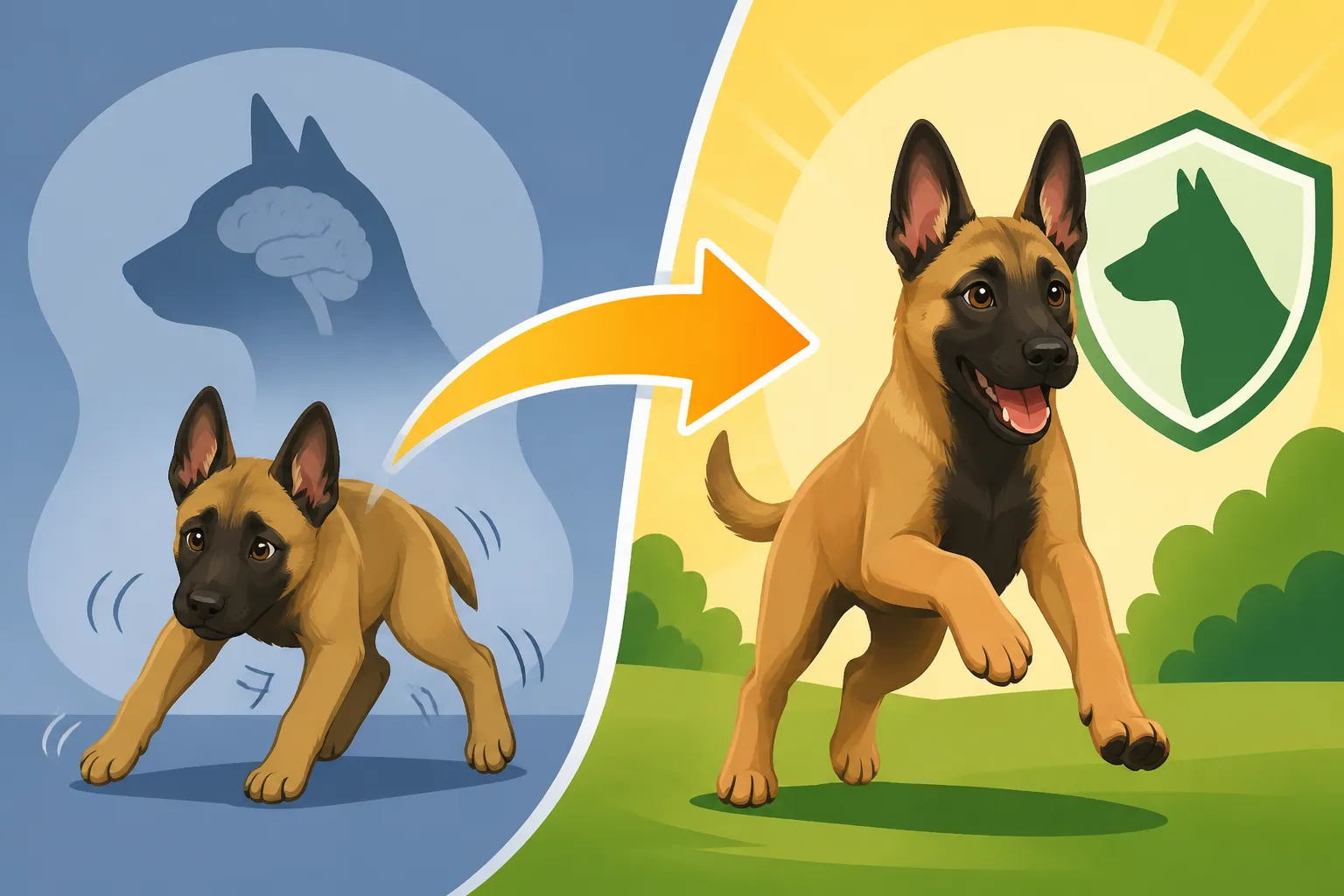
Whether an Ataxic Malinois Puppy Can Improve
Discovering that your energetic Belgian Malinois puppy might have ataxia is a truly heartbreaking moment, often leaving owners reeling with confusion and fear about their beloved companion's future. That distinctive wobbly gait or lack of coordination can be devastating to witness, especially in a breed known for its incredible athleticism and drive. This guide aims to thoroughly explore what ataxia means for a Malinois puppy, the realities of its progression, and what, if anything, can be done to improve their quality of life.
Understanding Ataxia in Belgian Malinois Puppies
When we talk about ataxia in Belgian Malinois, we're usually referring to a specific, inherited neurological disorder that affects their coordination and balance. It's not just a general clumsiness; it's a profound inability of the brain to properly coordinate voluntary movements, and it can be a really tough diagnosis for any owner to face.
The Genetic Roots of Malinois Ataxia
The vast majority of ataxia cases in Belgian Malinois are linked to specific genetic mutations, primarily SDCA1 (Spongy Degeneration with Cerebellar Ataxia 1) and SDCA2. These aren't just obscure medical terms; they represent real changes in the puppy's DNA that directly impact their neurological function. These conditions are inherited in an autosomal recessive pattern, which means a puppy must inherit a copy of the affected gene from both parents to develop the disease. If they only get one copy, they're considered a carrier and usually won't show symptoms themselves, but they can pass the gene on.
The genetic flaw in SDCA1 and SDCA2 involves specific potassium channel genes, which are crucial for the proper functioning of neurons. When these channels don't work correctly, the signals between the brain and the body get scrambled, leading to the characteristic coordination problems. It’s important to understand that if you’re considering breeding, both parents need DNA testing, because even seemingly healthy carriers can produce affected puppies. You can learn more about Testing a Belgian Malinois for SDCA1 and SDCA2 if you're curious about the process.
It’s an incredibly frustrating situation because breeders might not even know they have carriers in their lines without proper genetic screening. This is why reputable breeders are so diligent about testing; they want to avoid bringing these devastating conditions into the world. Knowing How SDCA1 and SDCA2 Differ in a Malinois can also help in understanding the specific pathways of the disease.
Recognizing the Early Signs
The first signs of ataxia in a Belgian Malinois puppy typically emerge when they are quite young, usually between two to six months of age. Owners might first notice a subtle clumsiness, an unusual wobble when the puppy walks, or difficulty maintaining balance. It’s not just puppy goofiness; it’s a distinct, progressive loss of coordination.
Imagine your puppy trying to walk across the living room. Instead of a fluid, confident gait, you might see them stumbling, swaying from side to side, or overshooting their steps. Their hindquarters might seem weaker, or they might have trouble going up and down stairs. Sometimes, it looks like they're drunk. They might struggle to stand still, exhibiting tremors or an inability to keep their head steady. You might also notice an exaggerated high-stepping movement, especially in their front legs, as they try to compensate for their lack of proprioception – their body’s sense of where its parts are in space.
These early symptoms, as described in The First Signs of Ataxia in a Malinois Puppy, can initially be mistaken for minor injuries or even just awkward puppy phases. However, the key differentiator is that they tend to worsen over time rather than improve, and they affect multiple limbs and overall body control. If you observe these symptoms, don't delay in consulting your veterinarian. Early diagnosis, while not changing the genetic reality, allows for better management and planning for your puppy's future care needs. It also helps to rule out other treatable conditions that might mimic ataxia.
Prognosis and Potential for Improvement
This is often the hardest part of the conversation: the prognosis for an ataxic Malinois puppy. It’s crucial to be realistic, empathetic, and direct about what owners can expect. The hope for improvement, in the sense of a full recovery, is unfortunately very slim with true genetic ataxia.
The Stark Reality of Progressive Ataxia
For Belgian Malinois puppies diagnosed with genetically confirmed SDCA1 or SDCA2 ataxia, the harsh reality is that the condition is almost always progressive and currently has no cure. This means that, over time, the neurological damage typically worsens, leading to a decline in motor function and overall quality of life. The initial subtle wobble often progresses to more severe incoordination, difficulty walking, standing, and eventually, the inability to control basic movements.
Owners might notice their puppy struggling more with everyday tasks – eating, drinking, or even just going to the bathroom. The joy of watching a Malinois puppy run and play might be replaced with the heartbreaking sight of them struggling to move without falling. This progression can vary in speed from one dog to another, but the underlying genetic defect continues to cause damage to the nervous system. As the disease advances, puppies may become unable to stand or walk independently, requiring slings or even wheelchairs, a topic we touch on in Physical Therapy Prices for a Belgian Malinois.
It's an incredibly difficult diagnosis to receive because the dream of a healthy, active Malinois, a companion for years of adventures, is suddenly shattered. The emotional toll on owners is immense, as they grapple with the knowledge that their beloved puppy is facing a life of increasing challenges. While some supportive therapies might offer temporary comfort or slow the rate of decline, they do not halt or reverse the underlying neurological degeneration. There isn't a miraculous drug or therapy that can fix the genetic fault causing the ataxia.
Differentiating Ataxia from Other Conditions
It’s vital to distinguish true genetic ataxia from other conditions that can cause similar-looking symptoms but might have a more favorable prognosis. This is where a thorough veterinary work-up becomes absolutely critical. Sometimes, what looks like ataxia could be something else entirely, offering a glimmer of hope.
For instance, injuries – perhaps a sprain or a fracture – could cause lameness or an altered gait that might initially be confused with ataxia. Nutritional deficiencies, especially in rapidly growing large-breed puppies, can sometimes lead to neurological issues if they lack essential vitamins or minerals, though this is less common with commercial kibble. Tick-borne diseases, certain infections, or even exposure to toxins can also present with neurological signs that affect coordination. These are all conditions that, if properly diagnosed, often have specific treatments that can lead to significant improvement or even full recovery. This is why it's important to rule out things like Distinguishing Malinois Ataxia From an Injury.
A comprehensive diagnostic process typically involves a detailed neurological examination by a specialist, blood tests (which might include The Bloodwork a Working Malinois Should Have Annually), and often advanced imaging like an MRI to check for structural abnormalities in the brain or spinal cord. Most importantly, genetic testing for SDCA1 and SDCA2 is definitive. If these genetic mutations are present, the diagnosis of inherited ataxia is confirmed, and the prognosis for "improvement" in the sense of a cure is, sadly, dim. However, if these tests are negative, it opens the door to investigating other, potentially treatable causes for your puppy's wobbly gait. This diagnostic clarity is essential for managing expectations and making informed decisions about your puppy’s care.
Management and Supportive Care for Ataxic Malinois
While a cure for genetic ataxia in Malinois puppies isn't currently available, that doesn't mean there's nothing you can do. The focus shifts entirely to providing the best possible quality of life, minimizing discomfort, and ensuring safety as the condition progresses.
Creating a Safe and Accessible Environment
Living with a puppy whose coordination is compromised means constantly thinking about their environment. An ataxic Malinois puppy will have difficulty navigating typical household hazards, and a simple fall can lead to further injury. Your home needs to become a safe haven, tailored to their evolving needs.
One of the first things to consider is flooring. Slick surfaces like hardwood, tile, or linoleum become incredibly challenging, turning every step into a slippery battle. Lay down non-slip mats, yoga mats, or runners, especially in high-traffic areas where your puppy spends most of their time. This provides much-needed traction and confidence. Think about the path from their bed to their food bowl, or to the door for potty breaks.
Secondly, prevent falls from heights. Block off stairs with sturdy baby gates, and never allow an ataxic puppy on furniture they might try to jump off of. If they struggle to get into a vehicle, consider a ramp rather than lifting them, or a crash-tested crate for safe transport. For outdoor spaces, ensure secure, level ground. Potholes, uneven terrain, or steep inclines can all be tripping hazards. You might even consider something like dog boots to help with grip on certain surfaces, or even protective gear to prevent scrapes and sores from falls. The goal is to make every movement as easy and safe as possible, reducing the physical strain and the risk of secondary injuries.
Nutritional Support and Veterinary Oversight
Even without a cure, maintaining optimal general health through nutrition and consistent veterinary care is paramount for an ataxic Malinois puppy. While diet won't reverse the neurological damage, proper nutrition supports overall body function, muscle mass, and energy levels, which are all crucial when a dog is expending extra effort just to move.
Consult with your veterinarian or a veterinary nutritionist to ensure your puppy is receiving a high-quality, balanced diet appropriate for their age and activity level. You might need to adjust their caloric intake as their mobility changes – too much weight will put additional strain on their already compromised body, while too little could lead to muscle wasting. Sometimes, supplements like omega-3 fatty acids, antioxidants, or B vitamins are suggested for their potential neuroprotective or anti-inflammatory properties, but always discuss these with your vet before introducing them.
Regular veterinary check-ups are also essential. These visits allow your vet to monitor the progression of the ataxia, address any secondary issues that arise (such as pressure sores from lying down, urinary tract infections, or constipation), and manage pain if it becomes a factor. Your vet can also assess their muscle tone and joint health, which can deteriorate if mobility is severely restricted. When it comes to managing the financial aspects of ongoing care, pet insurance can be a real lifeline. Companies like Healthy Paws offer coverage that can help with the often significant costs associated with specialized vet visits, diagnostics, and supportive therapies. Having a plan in place with a reliable provider like Healthy Paws can alleviate some of the financial stress, allowing you to focus on your puppy's well-being.
Physical Therapy and Mobility Aids
Even though the underlying neurological condition won't "improve" in the traditional sense, physical therapy and the use of mobility aids can significantly enhance an ataxic Malinois puppy’s quality of life, maintaining muscle mass, flexibility, and promoting comfort. The aim is to preserve as much function as possible and ensure they remain comfortable and engaged.
A certified canine rehabilitation therapist can develop a tailored program that includes gentle exercises, stretches, and massage. These might focus on maintaining range of motion in their joints, preventing muscle atrophy, and improving balance where possible. Hydrotherapy, such as underwater treadmill sessions, can be incredibly beneficial. The buoyancy of the water reduces the load on their joints, allowing them to move more freely and build strength without the strain of gravity. This can be less frustrating for them and a great way to keep muscles active.
As the ataxia progresses, various mobility aids can become invaluable. Canine slings and harnesses are excellent for supporting their hindquarters or helping them stand and walk, particularly during potty breaks or short walks. Dog wheelchairs (also known as carts) can provide complete mobility for puppies who lose the ability to walk on their own. While it takes time and patience to adjust to a wheelchair, many dogs adapt remarkably well, regaining a sense of independence and the ability to explore. Think of it as giving them their legs back, even if those legs are on wheels. These aids, combined with consistent, compassionate care, help ensure that an ataxic Malinois puppy can still experience joy and engagement in their daily life, despite their challenges.
The Emotional Toll and Difficult Decisions
Caring for an ataxic Malinois puppy is an emotional marathon, full of highs and lows. It's perfectly normal to feel overwhelmed, heartbroken, and even guilty. Acknowledging these feelings is the first step in navigating this incredibly tough journey.
Coping with a Life-Limiting Diagnosis
Receiving a diagnosis of progressive ataxia for your Malinois puppy is nothing short of devastating. It shatters the dreams you had for your future together and forces you to confront a reality you never expected. The emotional impact can be profound, leading to feelings of sadness, anger, denial, and immense grief. It's a form of anticipatory grief, mourning the life you envisioned for your dog before they are gone.
It’s crucial to understand that these feelings are valid. You’re not just coping with a sick pet; you’re dealing with a deeply personal loss. Talking about your feelings can be incredibly helpful. This might mean confiding in trusted friends or family members who understand your bond with your dog, or seeking out online support groups for owners of dogs with neurological conditions. Connecting with others who have walked a similar path can provide invaluable comfort, advice, and a sense of not being alone. Some people even find it helpful to talk to a therapist or pet bereavement counselor to process their emotions. Remember, taking care of your own mental and emotional well-being is just as important as caring for your puppy; you can’t pour from an empty cup.
When Quality of Life Diminishes
This is perhaps the most painful aspect of caring for a progressively ill pet: recognizing when their quality of life has diminished to a point where intervention becomes a compassionate choice. It's a decision no pet owner ever wants to make, and it's fraught with guilt and sorrow.
For an ataxic Malinois, "quality of life" means assessing their ability to experience joy, comfort, and engage with their world. Are they still able to eat and drink comfortably? Can they relieve themselves without significant struggle or pain? Do they still show interest in their favorite toys, people, or activities, even if those activities are modified? Is their pain adequately managed?
As ataxia progresses, a puppy might lose the ability to stand, to move to get food or water, or even to lift their head comfortably. They might develop persistent pain from muscle spasms or secondary orthopedic issues. If they are no longer able to enjoy basic pleasures, are constantly frustrated, in pain, or unable to participate in even modified forms of interaction, it’s time for a candid conversation with your veterinarian. Your vet can help you assess various indicators, and together, you can determine if the compassionate decision is to prevent further suffering. This often involves looking at a "quality of life scale" and considering whether your puppy's bad days are starting to far outnumber their good ones. It's the ultimate act of love to spare them from prolonged distress, no matter how much it breaks your heart.
Comparing Ataxia Symptoms in Puppies
Here's a quick look at how ataxic symptoms might differ from other common puppy "wobbles" or health issues, to help distinguish and guide your conversation with your vet.
| Symptom Category | Ataxia (Genetic) | Puppy Growing Pains / Panosteitis | Minor Injury (e.g., Sprain) | Nutritional Deficiency (Rare with commercial food) |
|---|---|---|---|---|
| Onset | Gradual, 2-6 months, progressive | Intermittent, 6-18 months, shifting lameness | Sudden, after specific incident | Gradual, often with other systemic signs |
| Nature of "Wobble" | Incoordination of all limbs, swaying, high-stepping gait, difficulty balancing | Shifting lameness, favoring one limb, tenderness on bones | Localized lameness, limping, usually one limb | General weakness, poor coat, developmental delays |
| Progression | Worsens over time, never truly improves | Comes and goes, typically resolves with age/rest | Improves with rest/treatment, or stays localized | May improve with diet correction, or worsen |
| Other Signs | Head tremors, difficulty eating/drinking, loss of proprioception | Pain on palpation of long bones, reluctance to move | Swelling, heat, pain in specific joint/area | Lethargy, poor appetite, poor growth, stunted size |
| Diagnostic Key | Genetic testing (SDCA1/SDCA2), MRI, neurological exam | X-rays of long bones, physical exam | Physical exam, palpation, possibly X-rays | Blood tests, dietary history, vet consultation |
Disclaimer
The information provided in this guide is intended for educational purposes only and should not be taken as professional veterinary advice. Always consult with a qualified veterinarian for any health concerns or before making any decisions regarding your Belgian Malinois's care, especially concerning complex neurological conditions like ataxia.