The Age Most Malinois Live To
It’s a question every Belgian Malinois owner, or aspiring owner, has whispered to themselves: "How long do I get with this amazing dog?" We pour our hearts, souls, and significant resources into these incredible athletes, and the thought of their time with us being limited can be a real punch to the gut. Knowing the typical lifespan of a Malinois isn't just about morbid curiosity; it's about understanding the commitment, planning for their golden years, and appreciating every single day you share. This guide will walk you through what to realistically expect regarding your Malinois's lifespan, the key factors that influence it, and crucially, what you can do to help them live their longest, healthiest, and happiest life.
Understanding the Typical Lifespan of a Belgian Malinois
When you bring a Belgian Malinois into your home, you're signing up for a journey that typically spans a solid decade, and often much longer. These dogs, renowned for their incredible drive and athleticism, tend to be quite robust and generally enjoy a lifespan that often surpasses many other breeds of similar size and working intensity. It’s not uncommon to hear of a Malinois still happily working or enjoying an active retirement well into their senior years.
The Average Years and How They Stack Up
Most Belgian Malinois live between 12 to 14 years, with many pushing past that upper limit. This is a pretty impressive run for a medium-to-large breed. Think about it: a lot of large breeds, like Great Danes or even some Mastiffs, might only give you 7 to 9 years. Even some German Shepherds, a breed often compared to the Malinois, tend to have an average lifespan of 9 to 13 years. So, a Malinois truly holds its own in the longevity department.
Of course, "average" is just that – an average. You'll find stories of dogs who, sadly, pass too young due to unforeseen circumstances or aggressive disease. Conversely, you’ll also hear tales of those legendary Malinois who seem to defy time, still chasing a ball with gusto at 15 or 16 years old. These outliers show us the potential, but it’s the consistent 12-14 year window that most owners can comfortably aim for. It’s a good long chapter to look forward to, filled with training, adventures, and a whole lot of love.
Why Malinois Often Outlive Similar Breeds
There are a few compelling reasons why a Belgian Malinois often outlives most dogs its size, and it largely boils down to their genetic makeup and the way the breed has been historically developed. Unlike some breeds that have been bred for extreme physical traits that can compromise health, Malinois have largely been selected for function, working ability, and soundness. This emphasis on working utility has, somewhat inadvertently, preserved a healthier gene pool.
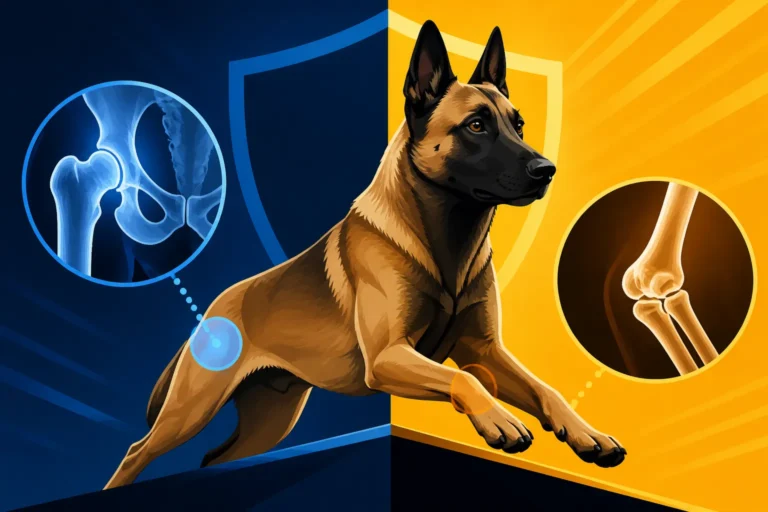
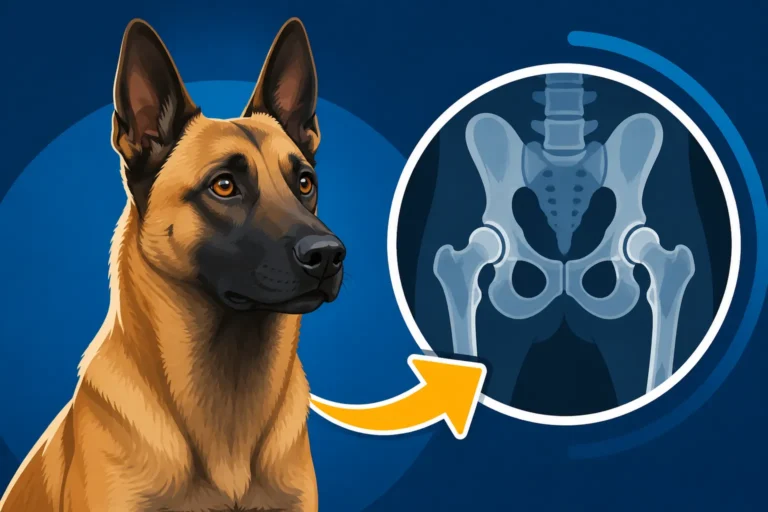
Firstly, their overall athletic build is a huge advantage. They are lean, agile, and typically carry less excess weight than many other breeds. This translates to less stress on their joints and cardiovascular system throughout their lives. Secondly, while no breed is entirely free of genetic predispositions, the Malinois generally has a lower incidence of some of the widespread breed-specific health issues that plague other popular large dogs. For example, while hip and elbow dysplasia exist, careful breeding practices and health clearances from organizations like OFA and PennHIP, which breeders use to determine The Hip and Elbow Numbers Behind a Malinois Clearance, help mitigate these risks. This focus on health testing for genetic conditions helps ensure that puppies are starting life with the best possible genetic foundation.
Lastly, their high energy levels and inherent need for activity mean that even "pet" Malinois often get more exercise than the average dog. While too much exercise can make a Malinois worse in terms of over-stimulation, consistent, appropriate activity throughout their lives helps maintain their physical condition, muscle tone, and cardiovascular health, all of which contribute to a longer, healthier life. It's a breed built for endurance, and that translates to enduring years. For those interested in understanding the full potential, it's worth exploring topics like The Fourteen to Sixteen Years a Belgian Malinois Lives to see how dedicated care can truly extend their journey.
Key Factors Influencing a Malinois's Lifespan
While the average lifespan provides a general idea, your individual Malinois's journey is a unique one, heavily influenced by a combination of factors. Thinking of their lifespan as a dartboard, genetics might be the bullseye, but everything else you do as an owner, from the food you provide to the vet care you seek, affects where that dart lands. It’s not just about luck; it’s about informed choices and consistent effort.
The Role of Genetics and Responsible Breeding
Genetics lays the groundwork for your Malinois's health, and by extension, their lifespan. A well-bred Malinois from health-tested parents is simply going to have a better head start than a dog from unknown lineage. Reputable breeders meticulously screen their breeding stock for a range of hereditary conditions that could impact health and longevity.
For example, beyond hip and elbow evaluations, breeders often test for specific genetic disorders like Spongy Degeneration with Ataxia (SDCA1 and SDCA2). Understanding The Two Ataxia Genes Belgian Malinois Are Tested For is crucial for any potential owner, as these neurological conditions can significantly impact a dog's quality of life and lifespan. When breeders diligently screen for these issues, they are actively working to reduce their prevalence in the breed. This proactive approach significantly decreases the chances that your Malinois will inherit debilitating conditions that could cut their life short or diminish their quality of life. Always ask to see health clearances for both parents and don't hesitate to ask questions about the health history of previous generations in the pedigree.
Lifestyle and Environmental Contributions
The way your Malinois lives, day in and day out, plays an immense role in how long they'll thrive. These aren't couch potatoes; they are high-octane athletes that require a demanding lifestyle. A Malinois that is consistently under-exercised or under-stimulated can develop behavioral issues, certainly, but also physical problems from pent-up energy, such as stress-related illness or weight gain.
Their intense drives, particularly prey drive, need proper channeling. If not managed well, these drives can lead to injuries, especially if they’re constantly launching themselves at things without proper physical conditioning. On the flip side, a Malinois that has a consistent job, whether that's sport training, advanced obedience, or even active hiking, tends to be more physically fit and mentally balanced. This consistent engagement supports both physical health and mental well-being, which are deeply intertwined for longevity. Environmental factors also play a part; a safe, secure home environment free from hazards, ample space for supervised exercise, and protection from extreme weather conditions all contribute to a healthier existence. For those wondering about the end of a working career, there are specific considerations around Retiring a Working Belgian Malinois From the Job that can impact their health and happiness in later life.
The Impact of Comprehensive Veterinary Care
Regular and thorough veterinary care is non-negotiable for maximizing your Malinois's lifespan. It's not just about emergency visits; it’s about proactive, preventative medicine. This starts with a solid vaccination schedule as a puppy, appropriate parasite control throughout their lives, and annual wellness check-ups. These yearly vet visits allow your veterinarian to catch potential issues early, often before they become major problems.
As your Malinois ages, these check-ups become even more critical. Bloodwork, urinalysis, and discussions about any subtle changes in behavior or mobility can be invaluable. For working Malinois, the vet bills a bite sport Belgian Malinois runs up can be substantial, reflecting the need for consistent, high-level care. Early detection of conditions like arthritis, thyroid issues, or even certain cancers can make a world of difference in treatment outcomes and quality of life. For instance, some insurance providers like Healthy Paws can help manage these costs, making it easier to afford the best care for your dog throughout their life. Your vet can also advise on appropriate nutrition, weight management, and specific supplements that might benefit your dog as they age. Don't forget that things like Anesthesia Protocols for a Lean Belgian Malinois are vital for safety during any necessary procedures, emphasizing the importance of a vet who understands the breed's unique physiology.
Common Health Challenges and How They Affect Longevity
While Belgian Malinois are generally healthy, they aren't immune to health issues. Being aware of the conditions that can affect them allows you to be proactive in prevention, early detection, and management, all of which directly impact their quality of life and how long they stay with you. Ignoring subtle signs could mean a shorter or more uncomfortable life for your devoted companion.
Orthopedic Concerns and Their Management
Despite their lean build, Malinois, like many active, larger breeds, can be susceptible to orthopedic issues. Hip and elbow dysplasia, while less prevalent than in some other shepherd breeds, can still occur. These conditions involve the abnormal development of joints, leading to pain, arthritis, and reduced mobility. Early diagnosis through X-rays and appropriate management, which might include joint supplements, pain medication, physical therapy, or even surgery in severe cases, can help mitigate their impact. You can learn more about reading your dog’s specific results in Reading a Belgian Malinois Hip Result.
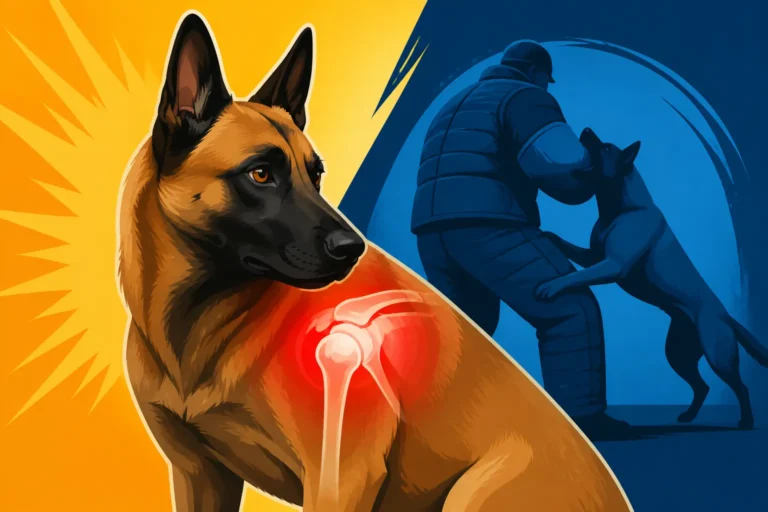
Beyond dysplasia, the high-impact nature of their activities, whether in sport or just everyday vigorous play, can lead to injuries such as torn cruciates in a jumping Belgian Malinois, shoulder injuries a Malinois takes from decoy work, or even simple sprains and strains. Proactive measures, such as proper warm-ups and cool-downs before and after exercise, maintaining a healthy weight, and providing excellent nutrition with joint support, are crucial. Knowing how to recognize the signs of a shifting limp in a six month Malinois, or other subtle lameness, and seeking prompt veterinary attention can prevent minor issues from escalating into chronic problems that affect their mobility and overall well-being in the long run.
The Shadow of Cancer and Other Diseases
Cancer is a grim reality for many dog breeds, and unfortunately, the Belgian Malinois is not exempt. Various forms of cancer can affect Malinois, with some appearing more commonly in older dogs. One of the most aggressive and insidious is hemangiosarcoma, often presenting as a bleeding tumor that kills an older Malinois, typically originating in the spleen or heart. Regular veterinary check-ups are key to early detection, as lumps worth aspirating on a Belgian Malinois should always be investigated promptly.
Beyond cancer, other diseases can impact their lifespan. Some Malinois can develop hypothyroidism, where their thyroid gland doesn't produce enough hormones, leading to lethargy, weight gain, and skin issues. While not typically life-threatening if managed, it can affect their energy levels and overall health. Autoimmune conditions, though less common, can also occur. Awareness of potential symptoms and diligent veterinary care are your best defenses against these health challenges. Understanding What Actually Ends a Belgian Malinois's Life can help prepare owners for the realities of aging with this breed.
Neurological and Autoimmune Considerations
While less common than orthopedic issues or cancer, certain neurological and autoimmune conditions can arise in Belgian Malinois. We've already touched upon the importance of testing for SDCA1 and SDCA2, which are forms of ataxia affecting coordination and movement. When epilepsy first appears in a Malinois, it can be a frightening experience for owners. While not always life-threatening, managing an epileptic Belgian Malinois on medication requires dedication and can significantly impact the dog's daily life. Understanding potential triggers and maintaining a consistent medication schedule are crucial for controlling seizures and maintaining quality of life.
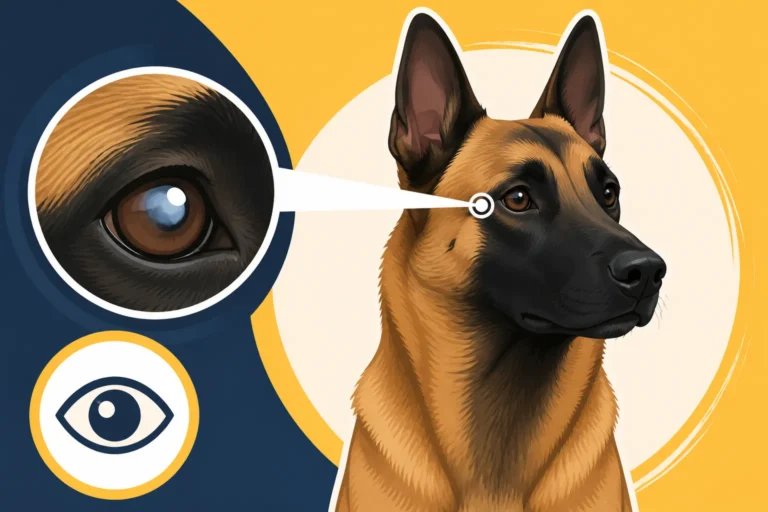
Additionally, some Malinois can develop issues like pannus, an immune-mediated eye condition where a grayish film creeping across a Malinois eye begins to grow. While not directly life-threatening, if left untreated, it can lead to blindness and significantly impact their quality of life, especially for working dogs. Managing pannus in a Belgian Malinois for life often involves daily eye drops and regular veterinary oversight.
Regular check-ups, prompt attention to any unusual symptoms, and working closely with your veterinarian are vital for managing these complex conditions. Comprehensive pet insurance, such as policies offered by Healthy Paws, can be incredibly helpful for covering the ongoing costs associated with managing chronic conditions, allowing you to focus on your dog's care without added financial stress.
| Factor | Impact on Lifespan | Owner's Role |
|---|---|---|
| Genetics | Foundation for health | Choose reputable breeders, review health clearances |
| Nutrition | Energy, growth, disease prevention | High-quality diet, appropriate portions, supplements |
| Exercise | Physical & mental health | Daily structured exercise, mental stimulation |
| Vet Care | Early detection, treatment | Regular check-ups, vaccinations, prompt attention to symptoms |
| Weight Management | Joint health, organ function | Prevent obesity, maintain lean condition |
| Injury Prevention | Avoid physical setbacks | Safe environment, proper conditioning, warm-ups/cool-downs |
| Stress Management | Behavioral & physical health | Provide routine, stability, positive outlets |
Maximizing Your Malinois's Years
It's natural to want every possible moment with your Belgian Malinois. While you can't control every aspect of their health or dictate their genetic lottery, there's a tremendous amount you can do as an owner to foster their longevity and ensure their golden years are as vibrant and comfortable as possible. This isn't just about adding years; it's about adding life to those years.
Proactive Health Management and Preventative Measures
Proactive health management is perhaps the most significant gift you can give your Malinois. This means more than just reacting when they get sick; it means actively working to prevent illness and detect issues at their earliest, most treatable stages. Establishing a strong relationship with a veterinarian who understands working breeds is crucial. They can help you tailor a preventative care plan that includes appropriate vaccination schedules, year-round parasite control (for fleas, ticks, and heartworm), and regular dental care. Don't underestimate the importance of dental hygiene; poor oral health can lead to systemic infections that impact heart, kidney, and liver function, shortening their lifespan.
Beyond the basics, consider specialized screenings as your Malinois ages. This might include annual blood panels, urinalysis, and potentially cardiac screenings, especially if you plan to breed, as you'd want to understand The Murmur Found on a Malinois Before Breeding. These tests can reveal underlying issues before clinical signs even appear. If you live in an area with high UV exposure, paying extra attention to Pannus and the Sunlight That Drives It in Malinois is also a key preventative measure. By staying vigilant and working closely with your vet, you become your Malinois's first and best line of defense against potential health threats.
Nutritional Excellence and Tailored Exercise
Fueling a Belgian Malinois that is never not in drive requires a thoughtful approach to nutrition. They are high-metabolism dogs that burn through calories at an astonishing rate. A high-quality diet, often a performance formula rich in protein and healthy fats, is essential for maintaining their muscle mass, energy levels, and overall health. However, feeding a Belgian Malinois that will not eat under stress, or one that refuses food at a trial, can be a challenge. It's not just about the type of food, but also about the timing and how it's offered.
Equally important is maintaining their lean body condition. A Malinois should be noticeably "ribby" – you should be able to easily feel their ribs without pressing hard. Carrying extra weight puts undue stress on their joints, heart, and other organs, significantly reducing their lifespan and increasing the risk of diseases like diabetes. Adjust food intake as their activity levels change, particularly as they age or if they transition from a working role to a more relaxed retirement. Supplements for joint health, omega fatty acids for skin and coat, and probiotics for gut health can also be beneficial, especially for a working Malinois owner buys for long-term well-being.
Exercise for a Malinois isn't just about physical exertion; it's about mental engagement. While running a Belgian Malinois beside a bike or intense fetch sessions are great, incorporating structured training, puzzle toys, and nose work helps tire them out mentally and keeps their minds sharp. As they age, you might need to adjust the intensity and duration of exercise, perhaps moving to shorter, more frequent sessions, but the need for mental stimulation remains. Keeping a Belgian Malinois sound past twelve often means adapting their activities, not eliminating them entirely.
Mental Engagement Through Their Golden Years
A Malinois's mind is just as important as their body when it comes to longevity. These are highly intelligent, thinking dogs, and if their minds aren't kept active, they can become bored, stressed, or even develop cognitive dysfunction as they age. This is often seen as an old Malinois that paces the house at night or one that seems to get "lost" in familiar surroundings. Continuing to engage their minds through their senior years can help mitigate these issues and maintain their overall quality of life.
This doesn't mean you need to keep them in full bite work or agility trials until they're 14! Instead, adapt their favorite activities. Scent work, for example, is fantastic for older dogs because it's low impact but incredibly mentally stimulating. Hide-and-seek with treats, learning new, simple tricks, or even just regular, engaging walks where they get to sniff and explore can keep their minds sharp. Investing in mentally stimulating puzzle toys or feeding meals from interactive feeders can also provide daily mental enrichment. The key is to keep them feeling useful and engaged, which helps maintain their zest for life, no matter their age. For more guidance on this, consider exploring resources on Keeping an Old Belgian Malinois Mentally Busy.
Disclaimer
This guide offers general information about the lifespan and health of Belgian Malinois. It is not a substitute for professional veterinary advice. Always consult with a qualified veterinarian for any health concerns or before making any decisions about your dog's care, diet, or exercise regimen.