The Year a Malinois Starts Working Shorter Sessions
One of the hardest truths for any owner of a high-drive Belgian Malinois is watching them age. These dogs are practically synonymous with boundless energy and relentless work ethic, making the subtle shifts that signal an upcoming need for shorter sessions particularly poignant. This guide is here to walk you through what to look for, when to expect these changes, and how to adapt your routine to keep your incredible Malinois happy, healthy, and engaged for as long as possible.
Understanding the Aging Process in a Working Malinois
It’s easy to think of our Malinois as canine superheroes, impervious to the relentless march of time. Their intensity, their drive, their sheer physical prowess—it all contributes to an image of an eternal athlete. But even the most finely tuned machine eventually starts to show wear, and for a working Belgian Malinois, understanding this process isn't just about acknowledging age; it's about proactively managing their well-being so they can continue to thrive, albeit in a modified capacity.
The Demands of a High-Drive Breed
A Belgian Malinois is not your average dog. Bred for intense herding and later refined for demanding police and military work, these dogs are built for speed, agility, endurance, and an unwavering focus. Their daily routine often involves rigorous physical training, complex mental tasks, and high-stress environments, whether they're on a patrol shift, competing in IGP, or excelling in scent detection. This constant high-octane lifestyle, while fulfilling for the Malinois, also puts significant strain on their bodies and minds over the years. Joint impact, muscle exertion, and the mental load of constant decision-making and problem-solving all contribute to the cumulative effect of aging. It's a testament to their incredible genetics and conditioning that they perform at such a high level for so long, but it also means that when they do start to slow down, it often feels like a dramatic shift to us, even if it's a natural progression.
Variability in Aging Timelines
So, when exactly does a Malinois start needing shorter sessions? There's no single, universally agreed-upon year. Just like people, dogs age at different rates. Some Malinois might begin to show subtle signs around 6 or 7 years old, while others, particularly those with exceptional genetics, meticulous conditioning, and perhaps a slightly less physically demanding "job," might maintain peak performance well into their 9th or even 10th year. Factors like nutrition, veterinary care, the specific type of work they do (e.g., agility vs. patrol work vs. detection), previous injuries, and even environmental stressors all play a role. It’s important not to compare your dog too strictly to others. While many Malinois might begin to transition around the time discussed in The Age a Working Malinois Starts to Slow, remember that this is an average. Your dog is an individual, and a keen eye on their specific indicators will be far more valuable than a calendar date.
The Concept of "Slowing Down"
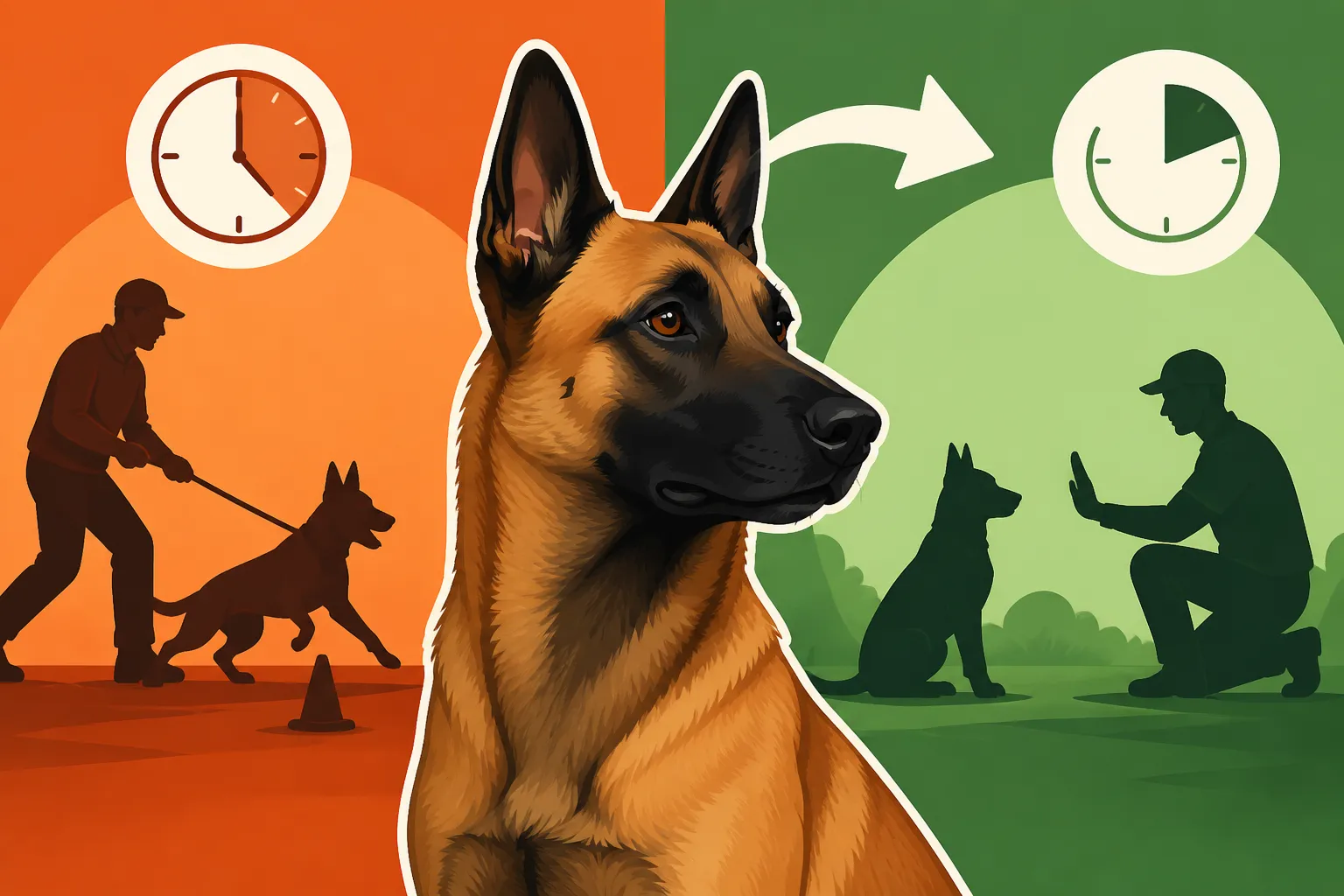
When we talk about a Malinois "slowing down," it's not necessarily about them becoming sedentary or losing their drive entirely. For a Malinois, "slowing down" often manifests as a reduced capacity for sustained intensity. They might still be eager to work, still possess that spark, but the duration or explosiveness of their effort might diminish. This could mean they fatigue more quickly during a long tracking exercise, need more time to recover between bite sessions, or lose focus earlier in an obedience routine. It's a gradual shift, often imperceptible at first, where a 45-minute high-intensity session gradually needs to become 30 minutes, then 20, with more breaks. It's not about giving up; it's about adapting. Recognizing these subtle shifts early allows us to make proactive adjustments, ensuring their quality of life and continued engagement, rather than pushing them past their comfortable limits and risking injury or burnout.
Physical Indicators of Needing Shorter Sessions
Observing your Malinois's physical state is paramount as they enter their senior years. These dogs are masters at masking discomfort, a trait honed by their working heritage where showing weakness could mean being left behind. You need to be a detective, noticing the small changes that might signal it's time to reduce the duration or intensity of their work.
Joint and Musculoskeletal Changes
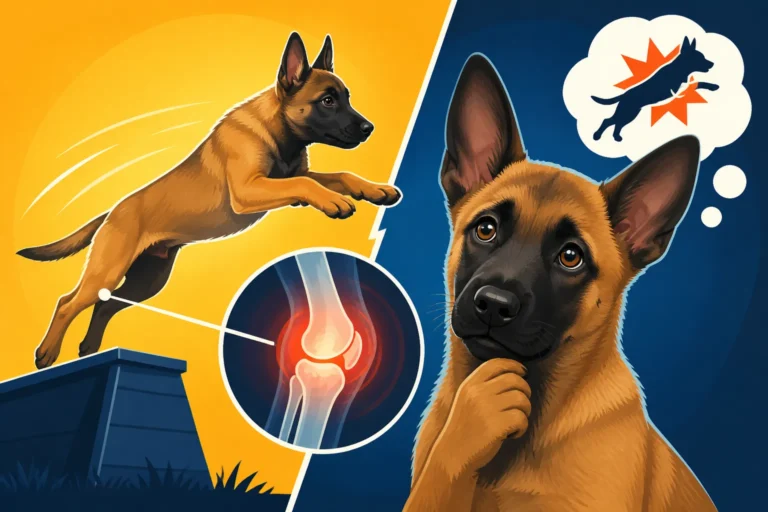
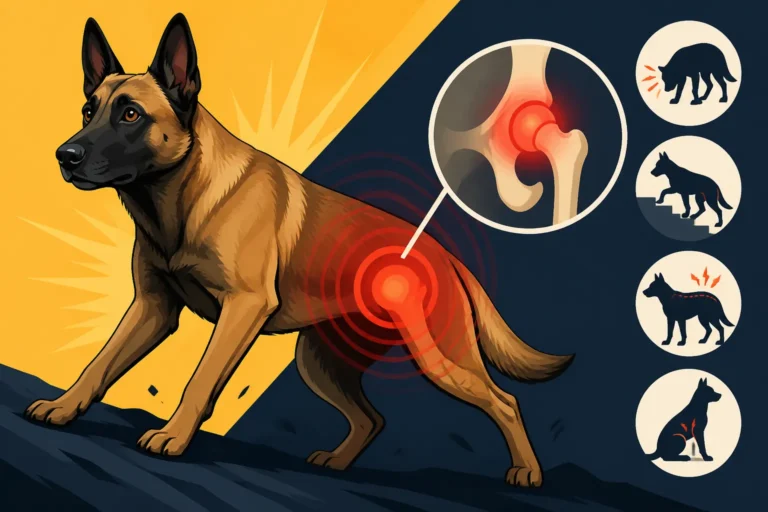
This is often the first and most obvious area where age catches up with a working Malinois. Years of explosive movements, hard landings, quick turns, and sustained exertion take a toll on joints, ligaments, and tendons. You might notice your dog is a bit stiffer when getting up after a nap, particularly in colder weather. They might hesitate slightly before jumping into the patrol vehicle or clearing a hurdle they once flew over effortlessly. Their gait might show subtle changes, perhaps a slight unevenness, or a less fluid movement than before. Arthritis in a Belgian Malinois at Nine is a common reality, and while it doesn't mean the end of their working life, it certainly signals a need for modification.
Pay close attention to how they recover after a session. Are they limping more often, even slightly? Do they seem sore the next day? A working Malinois might develop conditions like spondylosis (spinal arthritis) or show increased signs of hip or elbow dysplasia, even if they had clear clearances when younger. These issues can be exacerbated by continued high-impact work. Regular physical check-ups become critical to catch these changes early. Consider supplementing their diet with joint support formulas; while not a cure, they can certainly help manage discomfort.
Cardiovascular and Respiratory Efficiency
A Malinois's engine is built for endurance, but like any engine, it can lose a bit of its efficiency with age. You might observe that your dog gets winded more quickly during intense sprints or sustained tracking. Their breathing might be heavier or take longer to normalize after exertion. A once effortless retrieve across a large field might now involve more pauses or a slower return. It’s subtle, but if you’re attuned to your dog's usual performance, you’ll pick up on it.
This isn't about them being "lazy"; it's about their heart and lungs not being able to keep up with the same level of demand as they once did. If you notice a significant decline, it’s crucial to have your vet do a thorough cardiovascular workup. While heart conditions are less common in Malinois compared to some other breeds, monitoring their respiratory and cardiac health is a vital part of allowing them to work effectively and safely into their senior years. Pushing a dog with compromised cardiovascular function too hard can lead to serious health crises, so being vigilant here is not just good practice, it's essential for their safety.
Recovery Time and Stamina
One of the clearest signals that a Malinois needs shorter work sessions is an increased recovery time. When they were younger, they could work hard, take a quick break, and be ready for more. As they age, that bounce-back isn't as immediate. After a vigorous training session, they might sleep longer, seem less energetic, or simply not be as keen to jump into the next activity. The exuberance for another round of tug or a long walk might be replaced by a contented sigh and a desire to just lie near you.
Their overall stamina, even outside of dedicated work, might also decrease. A several-mile hike that was once a joyful romp might now see them lagging behind or needing more water breaks. This isn't just about physical fatigue; it’s the cumulative effect on their entire system. Respecting this need for longer recovery isn't a sign of giving up on them; it’s a sign of understanding their changing needs. It means adjusting their schedule to include more rest days or structuring their training sessions with more frequent, longer breaks. This adaptation allows them to enjoy their work and stay sound for a greater number of years.
Cognitive and Behavioral Shifts
It’s not just the body that ages; the mind does too. For a Belgian Malinois, whose work is so heavily reliant on sharp focus, quick decision-making, and unwavering motivation, cognitive and behavioral changes can be just as impactful as physical ones. These shifts might be more challenging to identify than a limp, but they’re equally important in determining when to shorten work sessions.
Decreased Motivation or Focus
A young Malinois is typically a powerhouse of drive and intense focus. They live to work, their eyes burning with desire for the next command or the next retrieve. As they age, this might subtly shift. You might notice that they’re not quite as eager to start a session, or perhaps they get distracted more easily during complex tasks. A long track that once held their unwavering attention might now see them sniffing off-line more often, or losing interest before completion. It's not that they've lost their intelligence or their ability, but their capacity for sustained mental effort might wane.
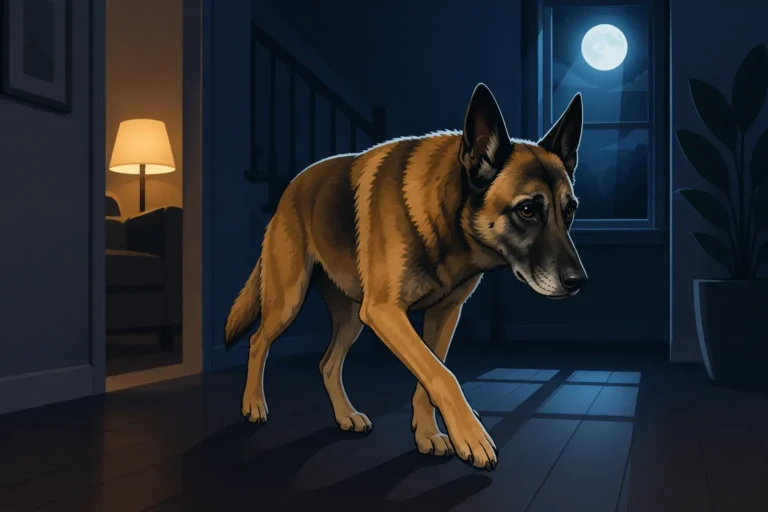
This isn't necessarily a permanent decline in drive but rather a reduced mental stamina. They might still show flashes of their old brilliance, but these bursts become shorter-lived. They might start An Old Malinois That Paces the House at Night or seem generally more restless if their mental needs aren't met in appropriate ways. If your Malinois seems less enthusiastic about a particular type of work, it might be a sign that the intensity or duration is simply too much for their aging brain to comfortably handle anymore. Sometimes, a shortened session can actually increase their overall enjoyment and willingness to participate.
Increased Stress or Frustration
Aging can bring a lower tolerance for stress or frustration, even in a dog as resilient as a Malinois. What once rolled off their back might now cause undue stress. For example, a busy trial environment, which a younger Malinois might have thrived in, could become overwhelming for an older dog whose sensory processing isn't as sharp, or whose joints ache. They might vocalize more, show subtle signs of anxiety (lip licking, yawning, excessive sniffing), or simply shut down during tasks that once brought them joy.
This is particularly true in bite work or high-pressure obedience. If an older Malinois is struggling physically, the mental frustration of not being able to perform as they once did can become immense. They might become more easily frustrated with themselves, or even with the handler or decoy. This isn’t a behavioral problem; it’s a symptom of their changing capabilities. Recognizing these signs means stepping back, reducing the pressure, and finding ways to engage them that are less physically and mentally taxing, ensuring their continued mental well-being and confidence.
Changes in Sensory Perception
As Malinois age, their senses can dull. Their eyesight might not be as sharp, their hearing might diminish, and their sense of smell, while still incredible, might not be as acute as it once was. For a working dog, these changes directly impact their ability to perform. A dog with slightly diminished sight might hesitate on jumps or in unfamiliar environments. Reduced hearing might mean they miss subtle cues, leading to frustration for both dog and handler. Even a slight decline in scenting ability can make a detection or tracking task significantly harder.
While we can't reverse these changes, we can adapt. Using clearer, more pronounced verbal cues, or relying more on hand signals if their vision is still good, can help. In scent work, making the hides easier or the search area smaller can still allow them to engage their powerful noses without overwhelming them. These adaptations help maintain their confidence and enjoyment, keeping them engaged in meaningful work without setting them up for failure due to sensory limitations.
Adjusting Training and Work Protocols
Once you start noticing the signs of aging in your Belgian Malinois, the absolute best thing you can do is adjust their training and work protocols. This isn't about giving up on their working future, but rather about smartly extending their career and improving their quality of life. Think of it as evolving their job description rather than laying them off.
Modifying Intensity and Duration
This is the most crucial adjustment. The high-intensity, long-duration sessions of their prime years need to be re-evaluated. Instead of an hour-long, high-impact obedience routine with multiple reps of hard jumps, break it down. Perhaps two 15-minute sessions spread throughout the day, focusing on fewer, higher-quality reps. Or maybe reduce the number of jumps entirely, focusing on flat work. If your Malinois is doing bite work, reduce the number of grips or the duration of each engagement. A single, powerful, well-placed grip on a sleeve might be more rewarding and less taxing than multiple prolonged engagements.
For detection work, shorten the search areas or reduce the number of hides. The goal is to finish the session before your dog is completely fatigued, physically or mentally. This keeps them wanting more and maintains their drive. It's about working smarter, not harder. Consider the impact of different surfaces as well. Training on softer ground like grass or dirt can be much easier on aging joints than concrete or asphalt. This often correlates with a similar thought process found in The Year a Malinois Starts Working Shorter Sessions.
Prioritizing Mental Stimulation Over Physical Exertion
As physical capabilities wane, mental stimulation becomes even more vital for a Malinois. Their brains are still wired to work, to solve problems, and to be engaged. If you can't offer the same level of physical output, double down on brain games. Scent work, for example, is incredibly mentally stimulating but low-impact. Hide-and-seek with their favorite toy or even you can be a wonderful activity. Puzzle toys, KONGs stuffed with frozen treats, or teaching new, low-impact tricks can provide immense mental satisfaction.
Even within their existing sport or job, find ways to increase the mental challenge while decreasing the physical. For a police K9, this might mean more complex search patterns in a training environment, rather than purely physical apprehension work. For a sport dog, it could be refining heel work with micro-adjustments or working on discrimination exercises. The key is to keep their brilliant minds active and challenged. This is where topics like Keeping an Old Belgian Malinois Mentally Busy become incredibly valuable, offering specific strategies to keep their minds sharp and happy.
The Role of Active Rest and Recovery
Just as crucial as modifying activity is implementing structured rest and recovery. This isn't just about letting them sleep; it's about active steps to support their body's repair processes. Gentle walks on varied terrain (soft grass, sand) can help maintain muscle tone and joint flexibility without high impact. Hydrotherapy or swimming, if available, is fantastic for joint health, allowing them to exercise without bearing weight. Regular, gentle massage can improve circulation and ease muscle soreness.
Ensure your Malinois has a comfortable, supportive bed that eases pressure on joints. Investing in a high-quality orthopedic bed can make a huge difference in how they feel when they wake up. Heat packs or cold packs can be used judiciously after strenuous (but appropriate) activity, under veterinary guidance. Think of their recovery as an integral part of their training schedule. Just as an elite human athlete focuses on recovery, so too should we for our aging canine partners. If something unexpected happens, knowing you have support from a company like Healthy Paws can ease the financial stress of managing recovery.
| Sign of Aging (General) | Corresponding Adjustment in Work/Training | Goal |
|---|---|---|
| Stiffness/Limping after rest | Shorter, more frequent sessions; lower impact surfaces; warm-up/cool-down rituals | Reduce joint strain, maintain mobility, prevent further injury |
| Slower recovery time | More rest days; increased breaks within sessions; active recovery (swimming) | Allow adequate physical repair, avoid burnout, maintain enthusiasm |
| Decreased stamina/endurance | Reduce duration of high-intensity tasks; focus on quality over quantity | Match energy levels, prevent overexertion, keep work enjoyable |
| Reduced focus/motivation | Prioritize mental games; introduce novel, low-stress tasks; shorter, sharper reps | Engage brain, build confidence, reduce frustration |
| Hesitation on jumps | Lower jump heights; focus on flat work; use ramps/steps for vehicle access | Protect joints, maintain confidence, adapt to physical limits |
Supporting the Senior Working Malinois
Supporting your Malinois in their later working years goes beyond just adjusting their training; it encompasses a holistic approach to their health, nutrition, and environment. These proactive measures can significantly enhance their comfort and extend their period of enjoyable activity.
Nutrition and Supplementation for Aging Joints
Diet plays an absolutely critical role in the longevity and comfort of a senior Malinois. Their caloric needs might actually decrease slightly as their activity level naturally tapers, so monitoring their weight becomes vital to prevent obesity, which puts immense strain on aging joints. However, the quality of their diet should remain top-notch, with easily digestible proteins and a balanced nutrient profile. Consider transitioning to a senior-specific formula or a diet tailored for active older dogs.
Beyond a good base diet, targeted supplementation can be a game-changer. Glucosamine, chondroitin, MSM, and Omega-3 fatty acids are well-known for their anti-inflammatory properties and ability to support joint cartilage. Many owners find value in Joint Supplements for a Working Belgian Malinois, especially for breeds like the Malinois that have put so much stress on their bodies. Discuss these options with your veterinarian, as they can recommend specific brands and dosages appropriate for your dog's individual needs and health status. Remember, supplements are not a replacement for good veterinary care but can be an excellent adjunct.
Regular Veterinary Care and Proactive Management
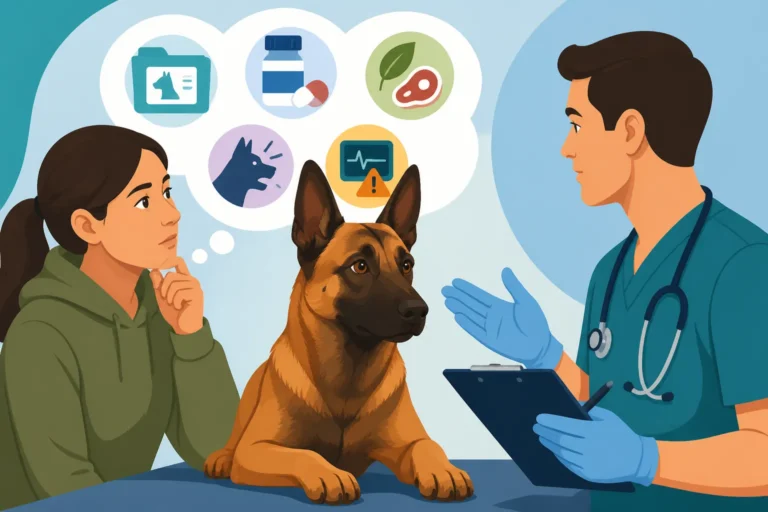
As your Malinois ages, their routine veterinary visits should become even more thorough and frequent. Instead of annual check-ups, your vet might recommend twice-yearly appointments to catch any emerging issues early. These visits should include comprehensive physical exams, bloodwork, and possibly urinalysis. The Bloodwork a Working Malinois Should Have Annually is essential for monitoring organ function, detecting early signs of disease like kidney or liver issues, and ensuring their overall metabolic health.
Be open and honest with your vet about any subtle changes you've noticed – a slight cough, increased water intake, changes in appetite or bathroom habits. These can be early indicators of underlying problems that are much easier to manage if caught early. Proactive pain management, through prescribed medications or even alternative therapies like acupuncture or laser therapy, can make a world of difference in your dog's comfort and willingness to work. Having comprehensive pet insurance, such as a plan from Healthy Paws, can also provide peace of mind, helping cover the costs of these increased veterinary needs as your Malinois ages.
Environmental Accommodations
Making your home and training environment more "senior-friendly" can significantly reduce strain and improve your Malinois's quality of life. For dogs with declining mobility, think about traction. If you have slick floors, lay down runners or carpets to prevent slips and falls. Ramps can be invaluable for helping them get into vehicles or onto furniture, reducing the impact of jumping.
Ensure their sleeping areas are easily accessible and free from drafts. If they spend time outdoors, provide extra shelter and ensure easy access to water, especially in extreme temperatures. For dogs with vision or hearing impairment, maintaining a consistent environment and routine can reduce stress and confusion. Simple things like keeping furniture in the same place can prevent bumps and falls. These small considerations demonstrate your understanding and commitment to their well-being, making their daily life much more comfortable as they navigate the challenges of aging.
Planning for a Graceful Transition to Retirement
Eventually, even the most dedicated working Malinois will need to fully retire from their demanding "job." This transition can be emotionally challenging for owners, as it represents a shift in identity for both dog and handler. However, with careful planning and a thoughtful approach, you can ensure their retirement is as fulfilling and dignified as their working career.
Defining "Retirement" for a Malinois
For a high-drive Malinois, retirement doesn't mean sitting on the couch all day. It means transitioning from high-intensity, structured work to a new, gentler form of engagement. It's about letting go of the pressure to perform and embracing activities that are enjoyable, stimulating, and appropriate for their age and physical condition. A Malinois might still thrive on short scent games, gentle walks, or puzzle toys. The definition of retirement should be tailored to your individual dog.
For some, it might mean no more bite work but continued enjoyment of tracking. For others, it might be a complete shift away from their previous sport, focusing solely on companion activities. The key is to gradually introduce these new routines and scale back the old ones, rather than an abrupt halt. This smooth transition helps the dog adapt mentally and emotionally, preventing confusion or a feeling of loss of purpose. It’s a process, not a single event, and needs to be handled with patience and understanding.
Maintaining a Sense of Purpose
A Malinois's sense of purpose is deeply ingrained, and simply taking away their job can lead to behavioral issues, anxiety, or depression. The challenge in retirement is to find new ways to channel that incredible drive and intelligence. This often means replacing intense physical work with more focused mental engagement. Short, daily training sessions on basic obedience, learning new tricks, or even advanced trick training can keep their minds sharp and engaged.
Scent work, as mentioned, is perfect for retired Malinois. It’s low impact, deeply satisfying, and taps into their natural instincts. Even simple enrichment activities, like controlled walks in new environments (smelling all the smells!), can provide immense joy. Maintaining a consistent routine also provides a comforting structure. While Retiring a Working Belgian Malinois From the Job can be difficult for both dog and owner, remember that a Malinois's value isn't tied solely to their ability to perform demanding tasks; it's in their spirit, their companionship, and their enduring bond with you.
When to Make the Tough Decisions
There will inevitably come a time when your Malinois's quality of life significantly declines, and you have to make difficult decisions about their comfort and well-being. This is perhaps the hardest part of owning any beloved animal. Signs that their quality of life is severely impacted include chronic pain that isn't well-managed by medication, loss of appetite, inability to perform basic functions (like standing or walking comfortably), severe cognitive decline, or a complete loss of joy in activities they once loved.
Regular, open communication with your veterinarian is crucial during this phase. They can help you assess pain levels, discuss palliative care options, and ultimately guide you through the process of making humane choices. It’s important to remember that love often means making the difficult choice to prevent suffering. While organizations like Healthy Paws can help with the financial burdens of extended care, the emotional burden remains. Surrounding yourself with supportive friends or family, and remembering the incredible life and bond you shared, can provide comfort during these profoundly challenging times.
Disclaimer
The information provided in this article is for general informational purposes only and does not constitute veterinary advice. Always consult with a qualified veterinarian for any health concerns or before making any decisions related to your Belgian Malinois's care, diet, or training regimen. Individual dogs may have unique needs and health conditions.