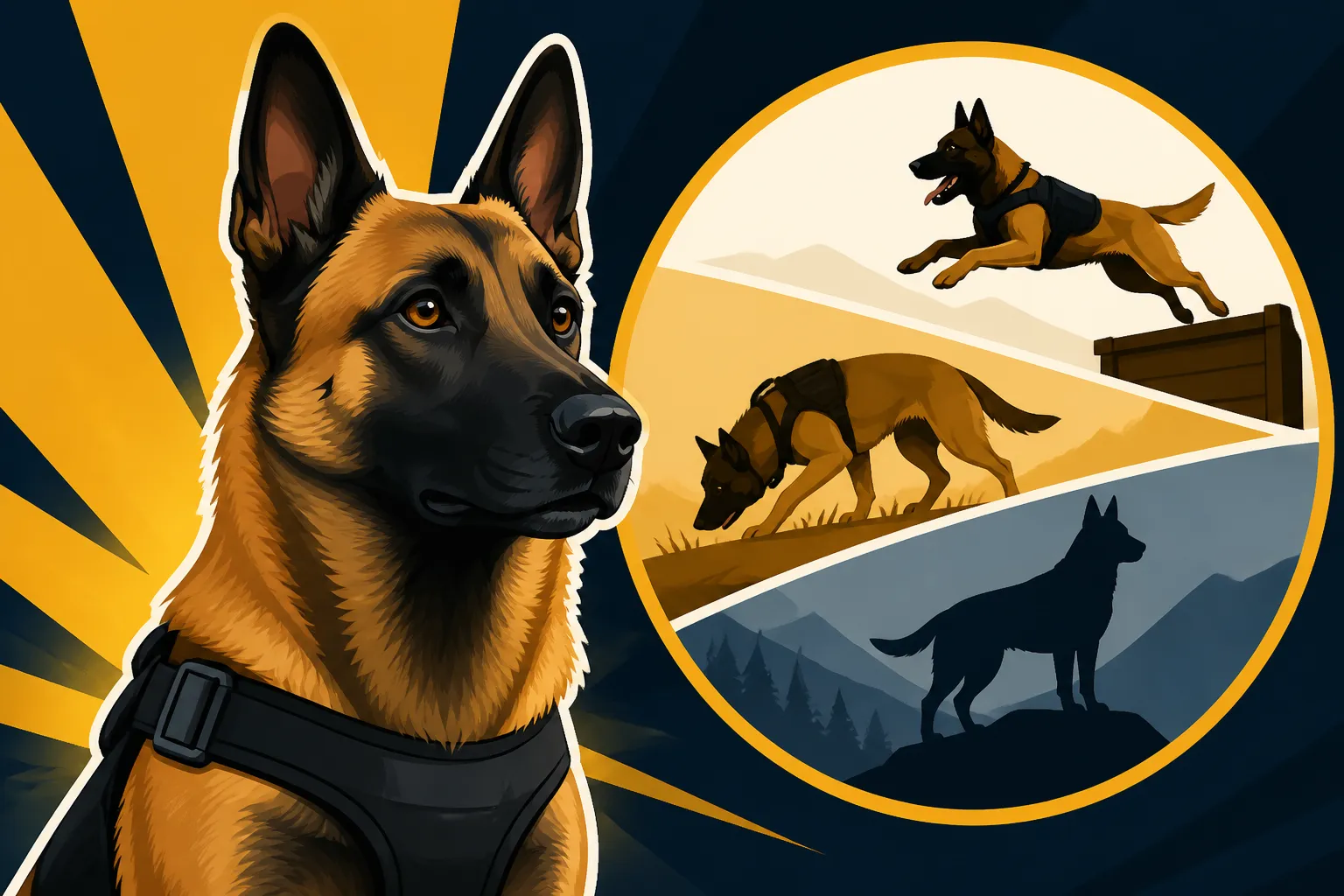
Malinois That Work Into Their Tenth Year
Seeing your dedicated Belgian Malinois, who has poured their heart and soul into their work for years, begin to show the subtle signs of aging can be a bittersweet challenge. It's a testament to their incredible drive and your commitment that you're aiming to keep them engaged and working even as they approach a decade. This guide is all about navigating that delicate balance, ensuring your loyal partner remains both physically capable and mentally sharp well into their senior working years.
Understanding the Aging Working Malinois Body
The Belgian Malinois is renowned for its incredible athleticism, resilience, and boundless energy. It’s a breed built for demanding work, often pushing itself to the absolute limit. However, even the most robust Malinois isn't immune to the march of time. As they approach their tenth year, their bodies, while still willing, start to undergo changes that require a thoughtful and proactive approach from their handler. Ignoring these shifts can lead to injury, frustration, or a premature end to their working career.
Early Signs of Physical Slowdown
It’s often not a sudden stop but a gradual, almost imperceptible decline that signals your Malinois is getting older. You might notice subtle shifts in their gait, a slight hesitation on an obstacle they once cleared effortlessly, or perhaps a longer recovery time after a strenuous session. For a dog that's always been "on," these small changes can be easy to miss, especially if you’re used to their high-octane performance. Maybe they're not quite as quick to explode out of a down-stay in protection work, or their retrieve speed isn't what it once was. Their endurance might wane slightly during a long track, or they might seem a bit stiffer when they first get up in the morning.
These aren't necessarily signs of a broken dog, but rather indicators that their youthful elasticity and limitless stamina are beginning to fade. You might observe them opting for a more comfortable position after working, or a decreased enthusiasm for tasks that involve extreme physical exertion. It's crucial not to mistake this for a loss of drive; often, the mental desire is still very much there, but the body is starting to send different signals. Pay close attention to how they move on various surfaces, their willingness to engage in high-impact activities, and their general demeanor immediately following work. These observations are your first line of defense in keeping them sound.
Common Ailments Affecting Older Working Malinois
As a Malinois moves into its senior years, around eight to ten, certain physical issues become more prevalent, and these can significantly impact their ability to work effectively and comfortably. Joints are often the first area to show wear and tear. Arthritis, a degenerative joint disease, can set in, causing pain and stiffness, especially in the hips, elbows, and spine. For a dog that has spent its life jumping, climbing, and taking impacts, this is almost an inevitability. Conditions like hip and elbow dysplasia, which might have been subclinical in their younger, more resilient years, can begin to manifest as true pain. Understanding The Hip and Elbow Numbers Behind a Malinois Clearance is critical even from puppyhood, as these early indicators can help you manage their joint health long-term.
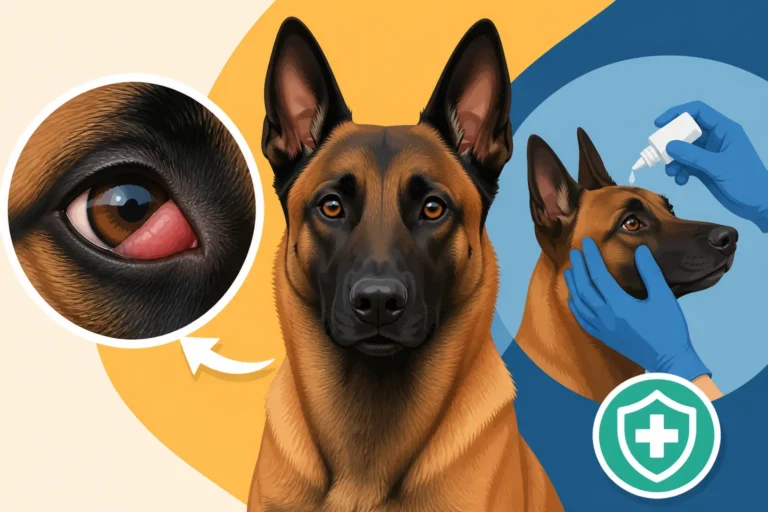
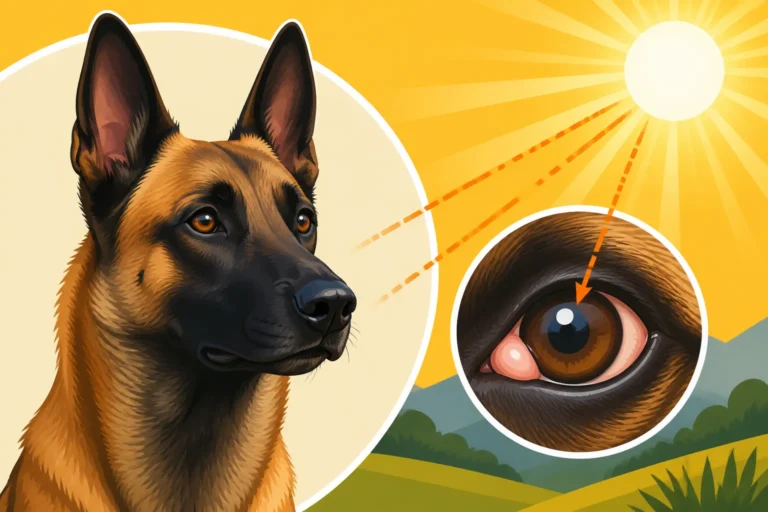
Beyond joints, spinal issues, such as degenerative myelopathy or disc disease, can also emerge, impacting mobility and coordination. These can present as weakness in the hind limbs, a scuffing of paws, or even a wobbly gait. Organ function can also begin to decline. The kidneys and liver might not process toxins as efficiently, and heart conditions can develop. Eye health, too, can become a concern; some Malinois can develop cataracts, which can affect their vision, especially in low light conditions or fast-paced work. It’s also wise to be vigilant for The Cancers That Take a Belgian Malinois, as cancer risk generally increases with age across all breeds. Regular veterinary check-ups are essential to catch these issues early, allowing for management strategies to be put in place before they severely impact your dog’s quality of life or working ability.
Adapting Training and Workload for Senior Malinois
The key to keeping a Malinois working into its tenth year isn't to stop working them, but to work them smarter. Their drive and desire to please remain strong, but their physical capacity changes. This means re-evaluating their daily schedule and modifying how and what they do. It’s about respect for their aging body while still honoring their intrinsic need for a job.
Modifying High-Impact Activities
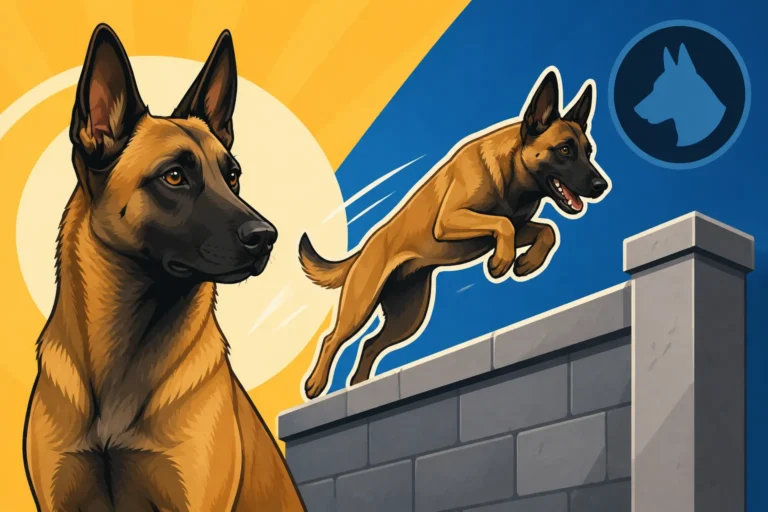
For a younger Malinois, a day might involve high-speed retrieves, intense bite work with hard impacts, agility courses, or long, strenuous runs. As they age, these activities, while still enjoyable, need careful modification to prevent injury and excessive wear on their joints and soft tissues. Instead of high jumps, consider lower obstacles or focus on broad jumps that are less jarring. Instead of continuous, high-speed sprints, incorporate more controlled bursts, or shorten the duration of these activities. Bite work might need to be less about hard hits and more about precise grips and controlled outs, using softer sleeves or pillows to reduce impact. You might find that The Age a Working Malinois Starts to Slow around 7 or 8, making this adaptation critical.
Surface matters a lot, too. Training on soft, yielding surfaces like grass or dirt is much kinder to aging joints than concrete or asphalt. Avoid slippery floors where they might lose traction and injure themselves. Warm-up and cool-down routines become even more critical. A longer, gentle warm-up will prepare their muscles and joints, and a thorough, slow cool-down with some passive stretching can aid recovery. Remember, the goal isn't to turn them into a couch potato, but to adjust the intensity and duration of their work to match their current physical capabilities, allowing them to continue enjoying their passion without undue pain.
Exploring Lower-Impact Working Roles
Just because your Malinois can no longer perform at peak physical intensity doesn't mean their working career is over. Their incredible intelligence, focus, and drive can be channeled into new, equally rewarding, and less physically demanding tasks. Scent detection, often called nose work, is an excellent option. It's mentally stimulating, builds confidence, and can be done at a comfortable pace, regardless of physical limitations. Tracking is another fantastic low-impact activity that leverages their natural instincts and sharp minds. A senior Malinois can still be an absolute master tracker, meticulously following a scent line with intense focus.
Even within traditional obedience, you can shift the focus. Instead of lightning-fast heeling and explosive recalls, concentrate on precision, duration, and reliability. Teach them new, complex chains of commands or engage them in puzzle-solving games. Therapy work, if their temperament allows, can also be a wonderful outlet, offering a new sense of purpose without physical strain. The key is to recognize that their desire to do something is still strong. Providing them with a "job" that respects their age but fulfills their mental needs is paramount for their overall well-being. This is how you continue Keeping an Old Belgian Malinois Mentally Busy.
Nutritional and Veterinary Support for the Aging Working Dog
Supporting a working Malinois through its senior years requires a dedicated focus on nutrition and proactive veterinary care. Their bodies are working differently, recovering slower, and may be battling age-related conditions. What worked for them at five years old might not be optimal at ten.
Tailoring Diet for Senior Working Dogs
As a Malinois ages, its metabolism can slow down, and muscle mass might begin to decrease, even if they are still working. While a working Malinois typically carries a lean condition, an older, working dog still needs careful dietary adjustments. They might not need the same sheer volume of calories as their younger, more intensely active counterparts, but the quality of those calories becomes even more critical. Look for diets that provide highly digestible protein to help maintain muscle mass without overtaxing their kidneys. Often, performance formulas can still be appropriate, but perhaps in slightly reduced quantities, or shifted to formulas designed for "all life stages" with a focus on senior health.
Joint supplements are often a game-changer. Ingredients like glucosamine, chondroitin, MSM, and omega-3 fatty acids (EPA and DHA) can help support cartilage health, reduce inflammation, and improve joint lubrication. Brands like GlycoFlex, Dasuquin, and Cosequin are popular choices for active senior dogs. Some owners also explore adding fresh, whole foods like lean meats, eggs, and certain vegetables to boost nutrient intake, but always consult with your vet or a canine nutritionist. Hydration is also paramount. Ensure they have constant access to fresh water, especially around training sessions, as good hydration supports overall organ function and joint health.
Proactive Veterinary Care and Health Monitoring
Regular veterinary check-ups become non-negotiable for a senior working Malinois. These aren't just about vaccines; they're about comprehensive health monitoring. Many vets recommend semi-annual visits for older dogs to catch potential issues early. These visits should include a thorough physical exam, bloodwork to assess organ function (kidney, liver, thyroid), and urinalysis. Knowing The Bloodwork a Working Malinois Should Have Annually is crucial for tracking trends and addressing concerns before they become major problems. Your vet can also screen for early signs of cancer or other age-related diseases.
If your Malinois is showing any signs of stiffness or pain, discuss pain management options with your vet. This could range from anti-inflammatory medications (NSAIDs) to alternative therapies like acupuncture, laser therapy, or chiropractic adjustments. Many working dog handlers find immense value in pet insurance for older dogs, even if it's just for accident and illness coverage. Companies like Healthy Paws can help cushion the blow of unexpected medical costs, allowing you to make decisions based on the best care for your dog, rather than solely on your wallet. Healthy Paws offers various plans that can be incredibly beneficial when managing chronic conditions or dealing with injuries that might arise from continued work. Don't hesitate to research options like Healthy Paws to ensure you're financially prepared for their golden years. Remember, early intervention and consistent management are key to maintaining their comfort and extending their working life.
Mental Stimulation and Emotional Well-being
A Malinois doesn't just work with its body; it works with its mind. For a working dog, mental engagement is as crucial as physical exercise. As their body slows, their brain often remains as sharp and eager as ever. Neglecting their mental needs can lead to frustration, anxiety, and behavioral issues, even in an otherwise well-adjusted senior dog.
Keeping the Brain Active
Just like humans, a dog’s cognitive function can decline with age. However, keeping their minds active can help stave off cognitive dysfunction and keep them engaged. Introduce new tricks or revisit old ones, focusing on precision rather than speed. Puzzle toys, especially those that dispense food rewards, can keep them occupied and thinking. Consider teaching them advanced scent games around the house or yard. Even simple tasks like asking for different commands in novel environments can be stimulating.
Maintaining a routine, while adapting the physical demands, provides a sense of security and purpose. Don't underestimate the power of consistent training sessions, even short ones. Five to ten minutes of focused, positive reinforcement work can be incredibly satisfying for a Malinois, reminding them they still have a job to do and are valued members of the team. Rotating toys, hiding treats for them to find, or even just engaging in attentive obedience drills can make a huge difference in their mental well-being. This deliberate effort to keep their minds sharp prevents boredom and helps them transition gracefully into their elder working years.
Balancing Work and Rest
The biggest challenge with an aging working Malinois is finding the perfect equilibrium between keeping them active and ensuring they get adequate rest and recovery. Overworking a senior dog can quickly lead to injury or exhaustion, but underworking them can cause mental frustration and physical deterioration due to lack of muscle tone. It's a fine line to walk, and it requires constant observation and adjustment. You might find The Year a Malinois Starts Working Shorter Sessions varies from dog to dog, but generally, around 8 or 9 is when handlers begin to taper.
Schedule shorter, more frequent training sessions rather than one long, intense one. Pay close attention to their signals – are they lagging? Do they look tired or sore? Are they recovering quickly, or do they seem stiff the next day? Prioritize quality sleep and comfortable resting spots. A supportive dog bed can make a huge difference for arthritic joints. Allow for quiet decompression time, where they can simply observe their surroundings without pressure. While their drive might tell them to keep going, it's your responsibility as their handler to advocate for their body and ensure they get the downtime they need to repair and rejuvenate. Remember that even An Old Malinois That Paces the House at Night might be experiencing physical discomfort that disrupts their sleep, so addressing those issues is part of managing their rest.
Here's a quick comparison of general workload adjustments for working Malinois:
| Aspect | Younger Working Malinois (2-7 years) | Older Working Malinois (8+ years) |
|---|---|---|
| Session Duration | Longer, often 30-60+ minutes | Shorter, 10-20 minutes, more frequent |
| Intensity | High-impact, explosive, maximum speed | Moderate-impact, focus on precision, controlled |
| Activity Types | High jumps, hard bite work, long sprints | Tracking, scent work, controlled obedience, low obstacles |
| Recovery Time | Quick bounce back | Longer, requires deliberate cool-downs & rest |
| Surface Preference | Flexible, can handle varied surfaces | Prefers soft, yielding surfaces (grass, dirt) |
| Joint Support | Often preventative, good quality diet | Essential supplements (glucosamine, chondroitin, omega-3) |
| Vet Visits | Annual wellness checks | Semi-annual wellness checks, bloodwork |
| Mental Focus | Channeling raw drive, building foundational skills | Sustaining engagement, learning new, complex tasks |
| Pain Management | Usually none unless injured | Proactive management (NSAIDs, alternative therapies) |
The journey with a working Malinois is incredibly rewarding, and extending their active years requires dedication, understanding, and adaptability. By staying attuned to their changing needs and making thoughtful adjustments, you can ensure your partner continues to thrive, both physically and mentally, well into their golden years.
Disclaimer
Please remember that the information provided in this article is for general informational purposes only and does not constitute professional veterinary advice. Always consult with a qualified veterinarian or animal health professional for any medical concerns or before making any decisions about your pet's health, diet, or treatment plan.