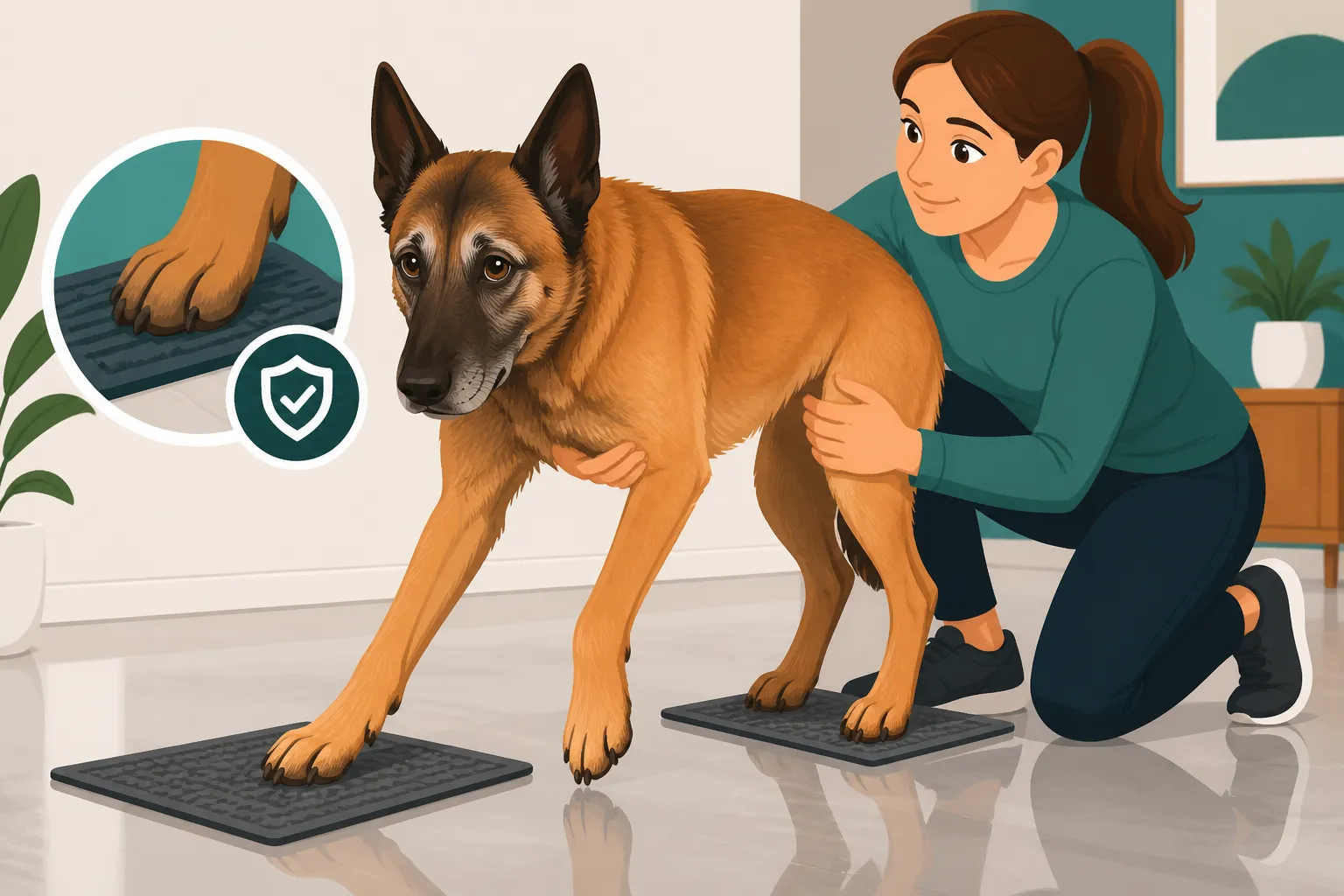
Helping an Old Belgian Malinois Off Slick Floors
It's heartbreaking to watch your once-powerful Belgian Malinois, who used to fly across any surface with effortless grace, now struggle to stand up or walk confidently across your polished floors. That sudden slip, the wide splay of their legs, the look of fear or confusion in their eyes – it's a gut punch for any owner. This isn't just about convenience; it's about their dignity, their comfort, and their safety as they age. This guide is here to help you understand why slick floors become such an immense challenge for an older Malinois and, more importantly, what practical steps you can take to make their home environment safe and supportive once again.
Understanding Why Slick Floors Become a Hazard
When your Belgian Malinois was a young pup, those slick floors might have been a fun challenge, a way to slide and play. But as they enter their senior years, what was once a harmless surface can become a formidable obstacle. It's not just that the floor is slippery; it's a combination of age-related changes in their body meeting a surface that offers no forgiveness.
Age-Related Mobility Changes
Think about how incredibly athletic and robust a Malinois is in their prime. They're built for speed, agility, and powerful movements. But time, even for these resilient dogs, takes its toll. The body simply doesn't respond in the same way it used to, and a multitude of physiological shifts can make slick surfaces treacherous.
Firstly, arthritis is a huge culprit. Just like in humans, the cartilage in their joints begins to wear down, leading to inflammation, pain, and stiffness. Imagine trying to balance on ice when your knees and hips ache with every movement; that's often what your older Malinois is experiencing. They might compensate by shifting their weight, which can throw off their natural balance, especially on an unforgiving surface. This can also manifest as a general reluctance to use stairs or jump into the car, and you might notice them start to slow down on walks, which is one of the early Signs a Belgian Malinois Is Slowing Down
Beyond arthritis, muscle atrophy is a significant factor. A Malinois, even a retired working one, typically carries a lean, powerful physique. However, with age, muscle mass naturally diminishes, particularly in the hindquarters. This loss of strength means less power to push off, less stability to hold themselves upright, and less ability to recover quickly from a slip. Their core strength, vital for balance, can also wane, making them feel less secure on their feet. Conditions like degenerative myelopathy, a progressive spinal cord disease, can also contribute to weakness and incoordination, turning a once-easy stroll across the kitchen into a high-stakes challenge. This kind of The Spinal Disease That Ends a Malinois's Mobility is a particularly devastating blow to a dog built for such high performance.
Lastly, neurological changes can play a role. Some older dogs might experience subtle changes in their proprioception—their body's awareness of its position in space. They might not register exactly where their paws are landing, or how much force they need to exert to maintain grip. This slight disconnect, combined with pain and weakness, makes navigating smooth surfaces incredibly difficult and frightening.
The Physics of Slick Surfaces
Let's get down to the brass tacks of why certain floors are such a problem. It’s all about friction, or rather, the lack thereof. Your Malinois's paw pads are designed to grip, but they rely on tiny ridges and a certain amount of flexibility to create that friction. On surfaces like hardwood, tile, laminate, or polished concrete, there's very little for those pads to grab onto.
When your Malinois walks on a carpet or a rough outdoor surface, their paws can push against the texture, providing stability. On a slick floor, that pushing action often results in a slide. For an elderly dog with compromised strength and balance, this can be catastrophic. They might slip and fall, leading to painful sprains, strains, or even fractures. The fear of slipping can also make them hesitant, leading to a stiff, unnatural gait that further reduces their stability.
Consider the force exerted. A healthy, young Malinois can adjust its gait, splaying its toes and engaging its muscles to maintain balance even on slightly slick surfaces. An older dog, however, may not have the rapid reflexes or the muscular strength to correct a slide. Their weight distribution, which might be compensating for sore joints, can also make them more prone to losing their footing. It's a cruel irony that the very floors we often choose for their aesthetic appeal or ease of cleaning become a dangerous landscape for our cherished senior companions.
Immediate Solutions for Better Traction
When you notice your old Malinois struggling, waiting for a long-term fix isn't an option. There are immediate, practical steps you can take to make their environment safer and reduce those terrifying slips.
Area Rugs and Runners
This is often the quickest and most effective first line of defense. Think of it as creating a network of safe, grippy islands across your home's treacherous waters. You don't necessarily have to carpet your entire house, but strategically placed rugs and runners can make a world of difference.
Focus on high-traffic areas where your Malinois frequently walks or attempts to stand up. This includes hallways, paths between the couch and their food bowl, around their bed, and in front of doorways. If they frequently struggle to get up from their resting spot, a rug right beside their bed provides that crucial initial grip. When choosing rugs, always opt for ones with non-slip rubber backing. A rug that slides along with your dog is just another hazard. You might even consider using non-slip rug pads underneath existing rugs that tend to shift. For instance, in my own home, I've had great success with simple rubber-backed runners from big box stores like Home Depot or Lowe's for the main thoroughfares. For larger areas, interlocking foam mat tiles, often used for gyms or playrooms, can also be a surprisingly effective and affordable temporary solution, especially in a dog's main hang-out room.
The goal is to create continuous pathways of traction, minimizing the need for your Malinois to step onto the bare, slick floor. Imagine their journey from their bed to the kitchen: if it's a series of slippery patches, they'll be stressed. If it's a carpeted path, their confidence will soar.
Paw Protection and Grip Aids
Beyond altering the floor itself, you can equip your Malinois with "footwear" that enhances their grip directly. This category includes a few different options, each with its pros and cons, but all aiming to add friction where their natural paw pads might be failing. Many owners, after seeing their dog's mobility decline, have found specific types of Traction for an Old Malinois on Hardwood to be particularly helpful.
- Dog Socks with Grip: These are like little slippers for your dog, often with rubberized soles or dots to provide traction. They come in various sizes and styles.
- Pros: Easy to put on (once your dog is used to them), can offer good immediate grip, and are relatively inexpensive. They also protect paws from scrapes.
- Cons: Can sometimes slip off, especially on active dogs or if not fitted correctly. Some dogs dislike the feel and might try to chew them off. Regular washing is needed to keep them clean and hygienic. Brands like RC Pet Products offer decent options, but finding the right fit for a Malinois's unique paw shape is key.
- Adhesive Paw Pads: These are essentially stick-on grip patches for the bottom of your dog's paws. They're designed to stay on for several days or even a week.
- Pros: Can provide excellent grip, are less likely to fall off than socks, and many dogs tolerate them well once applied.
- Cons: Application can be tricky, requiring clean, dry paws and sometimes a trim of paw hair. They need to be replaced periodically, and some dogs might still try to chew them. Skin irritation can occur in sensitive dogs.
- Paw Balms and Waxes: Products like Musher's Secret or similar paw waxes create a protective, slightly tacky barrier on the paw pads.
- Pros: Easy to apply, non-invasive, and also moisturize the paw pads, preventing cracking. Can offer a subtle but noticeable improvement in grip.
- Cons: The effect is less dramatic than socks or pads, and it needs frequent reapplication. It won't solve severe slipping issues on its own but can be a good complementary tool.
Introducing any of these should be done gradually and with positive reinforcement. Start with short periods, reward profusely, and make it a calm, positive experience. Your Malinois might be a bit confused or walk funny at first, but with patience, most dogs adapt.
Long-Term Strategies for Home Modification
While immediate solutions offer relief, thinking long-term about your home environment can significantly improve your Malinois's quality of life for their remaining years. It's about proactive planning to ensure their safety and comfort.
Evaluating Your Home Environment
Take a critical walk-through of your home, seeing it through your senior Malinois's eyes. What used to be easy might now be a major challenge. This isn't just about floors; it's about accessibility in general.
Start with the areas your Malinois frequents most. Is their favorite sleeping spot accessible without navigating slick patches? Can they get to their food and water bowls easily? How about going outside for potty breaks? Identify all slippery zones: those stretches of hallway, the kitchen, the bathroom, and any transitions between carpeted and hard floor areas. Pay special attention to stairs. If your Malinois is showing reluctance or difficulty with stairs, even carpeted ones, they can become a serious fall risk. Ramps can be a fantastic alternative, even for just a few steps. You might even consider blocking off certain staircases or rooms entirely if they pose too much of a hazard and aren't essential for your dog's daily routine.
Think about furniture. Is your Malinois still trying to jump onto the couch or bed? If they're slipping on the floor before or after the jump, it's time to consider dog-friendly ramps or steps. These can save their joints further strain and prevent dangerous falls. Remember that senior dogs, especially a high-drive breed like a Malinois, often have a strong desire to be near their people, so making their favorite spots accessible is crucial for their mental well-being too. It's an important part of Keeping an Old Belgian Malinois Mentally Busy.
Investing in Non-Slip Flooring Alternatives
Sometimes, rugs and paw protection aren't enough, or you might want a more permanent, aesthetic solution. This can involve more significant changes but can dramatically improve your Malinois's safety and your peace of mind.
One option is to add permanent non-slip treatments to existing hard floors. There are clear, non-toxic coatings or sprays available that increase the friction on tile, hardwood, or laminate without changing the look of the floor. These can be professional applications or DIY kits. Always research products thoroughly to ensure they are safe for pets and durable enough for daily wear and tear.
For those considering more extensive renovations, replacing problematic flooring is the ultimate solution. Carpet is ideal for traction and cushioning. If full carpeting isn't feasible or desired, consider options like commercial-grade carpet tiles. These are durable, can be replaced individually if damaged, and offer excellent grip. Another alternative is luxury vinyl plank (LVP) or sheet vinyl with a textured finish. While still a "hard" floor, many LVP products now come with subtle textures or embossing that significantly reduce slipperiness compared to smooth laminate or tile. They are also water-resistant and easy to clean, making them a practical choice for pet owners.
Of course, these options involve a greater financial investment. It's worth discussing with a contractor or flooring specialist who understands the needs of a household with aging pets. The long-term benefit of a safer, more accessible home for your beloved Malinois often outweighs the initial cost, preventing costly veterinary bills from falls and improving their overall quality of life.
Supporting Your Malinois's Physical Health
Addressing the home environment is crucial, but it's only one piece of the puzzle. The underlying reason your Malinois is struggling – their aging body – needs consistent attention and proactive care. A holistic approach that combines environmental changes with robust health support will yield the best results.
Regular Vet Check-ups and Pain Management
Your senior Malinois needs more frequent veterinary visits than they did in their younger years. These aren't just routine; they're essential to monitor their overall health, catch any new issues early, and manage existing conditions effectively. A good veterinarian will be able to assess their joint health, muscle condition, and neurological function. They can identify the specific sources of pain or weakness that are contributing to their struggles on slick floors.
Pain management is often a cornerstone of care for an older Malinois. This can involve a range of medications. Non-steroidal anti-inflammatory drugs (NSAIDs) like carprofen or meloxicam are commonly prescribed to reduce inflammation and pain associated with arthritis. Your vet might also suggest other pain relievers or nerve pain medications if needed. Beyond pharmaceuticals, supplements can play a supportive role. Many owners find value in Joint Supplements for a Working Belgian Malinois such as glucosamine, chondroitin, and MSM, which help support joint cartilage. Omega-3 fatty acids are also beneficial for their anti-inflammatory properties and overall joint health. It's important to discuss any supplements with your vet, as they can recommend the best combination and dosage for your individual dog.
Additionally, don't overlook alternative therapies. Acupuncture, cold laser therapy, and even chiropractic adjustments performed by a certified veterinary professional can provide significant pain relief and improve mobility for some dogs. These therapies aim to reduce discomfort and enhance nerve function, making it easier for your Malinois to move with less pain and more confidence. Keeping their pain under control means they'll be less hesitant to move, less likely to stiffen up, and more able to engage their muscles for better stability.
Maintaining Muscle Strength and Mobility
Even in their golden years, a Belgian Malinois thrives on having a purpose and staying active. While their days of rigorous bite work or agility trials might be behind them, appropriate, gentle exercise is vital for maintaining muscle strength, flexibility, and overall mental well-being. Idleness can quickly lead to further muscle loss and joint stiffness.
Hydrotherapy, or swimming, is an excellent low-impact exercise for senior dogs. The buoyancy of the water takes pressure off their joints while allowing them to move their limbs and build muscle strength without the risk of slipping or jarring impacts. Many specialized rehabilitation centers offer heated pools and trained therapists to guide your Malinois through swimming sessions. Even if professional hydrotherapy isn't an option, a shallow, warm kiddie pool in your backyard (supervised, of course) can offer some gentle movement, though always prioritize safety.
Physical therapy is another incredibly valuable tool. A certified canine rehabilitation therapist can develop a tailored exercise program specifically for your Malinois, focusing on strengthening weakened muscles, improving balance, and increasing range of motion. These exercises might include gentle stretches, passive range of motion, balance exercises on wobble boards, or therapeutic exercises using resistance bands. Even simple, consistent walks on soft, even surfaces (like grass) can help. The key is moderation and consistency, always stopping before your dog shows signs of fatigue or pain. Remember that even an older Malinois still benefits from activity; the goal is to keep them mobile and engaged, not to push them beyond their capabilities.
Practical Assistance and Handling Techniques
Even with all the environmental modifications and health support, there will be times when your senior Malinois needs a little extra help. Knowing how to provide that assistance safely and effectively is crucial for both their well-being and preventing injury to yourself.
Using Support Harnesses and Slings
Support harnesses and slings are invaluable tools for assisting an older Malinois, especially when they struggle to stand up or navigate challenging spots. These devices provide a way for you to safely bear some of their weight, giving them the confidence and support they need to move.
- Full-Body Harnesses with Handles: These harnesses are designed to distribute weight evenly and often come with handles over the back and hindquarters. They're excellent for dogs with overall weakness or significant balance issues. Brands like Help 'Em Up Harness are well-regarded for their design, which allows dogs to wear them for extended periods comfortably. This kind of harness is particularly useful when your Malinois needs help getting up from a prone position, navigating stairs (with a ramp as the primary solution, if possible), or getting into and out of a vehicle.
- Rear-Support Slings: If your Malinois's weakness is primarily in their hindquarters, a simple rear-support sling can be a game-changer. These are usually a piece of fabric with handles that goes under their belly, just in front of their back legs.
- Pros: Easy to use for quick assists, especially for bathroom breaks or getting up.
- Cons: Only supports the rear, so not suitable for dogs with front-end weakness or overall instability. Can put more pressure on the groin area if not designed well.
When choosing a harness or sling, prioritize comfort, durability, and adjustability. Make sure it fits snugly without rubbing or chafing, and that the handles are positioned comfortably for you to lift without straining your back. Introduce the harness gradually, letting your Malinois wear it for short periods before you use it for support. This allows them to get accustomed to the feel and associate it with positive experiences. Remember, the goal is to assist, not to carry their full weight, so they can still engage their muscles and maintain as much independence as possible.
Safe Lifting and Guiding Practices
There will be moments when your Malinois needs direct physical assistance, whether it's getting up from a slick spot or navigating a threshold. Knowing how to lift and guide them safely protects both your dog from injury and yourself from strain.
Helping them stand: If your Malinois slips or struggles to get up, approach them calmly. Get down to their level. If you have a harness, use the handles. If not, place one arm under their chest and the other under their hindquarters, supporting their belly. Gently and steadily lift. Avoid jerking movements. Encourage them verbally, making it a reassuring experience. For dogs with significant rear-end weakness, a supportive sling can be incredibly useful to help them push off their front legs. Never lift by a single leg or by their collar, as this can cause injury.
Navigating tricky spots: When guiding your Malinois across a particularly slick patch, move slowly and deliberately. If they are wearing a support harness, use it to provide gentle stability. Keep them close to you, offering your leg as a brace if they start to slip. Verbally encourage them. For very challenging areas, such as the transition from a carpeted room to a long, tiled hallway, consider laying down a temporary path of bath mats with non-slip backing or even towels for that specific crossing. Think about how you would guide a very elderly person – slow, steady, supportive.
Preventing falls: The best practice is prevention. If you see your Malinois approaching a known danger zone, gently redirect them to a safer, carpeted path. If they insist on going, be ready to offer support. Always be mindful of their limitations, especially when they are tired or after exercise. Remember, their minds might still want to do what their bodies can no longer achieve. Patience, empathy, and consistent support are your most valuable tools in helping your old Malinois navigate their world with as much comfort and confidence as possible.
Comparison of Paw Grip Solutions
Here's a quick overview of different paw grip solutions to help you decide what might work best for your senior Belgian Malinois:
| Solution Type | Pros | Cons | Best For |
|---|---|---|---|
| Dog Socks (with grip) | Easy to apply, protects paws, good immediate traction, variety of styles. | Can slip off, dogs may try to chew them, need frequent washing, proper fit crucial. | Dogs with mild to moderate slipping, cold weather, paw protection. |
| Adhesive Paw Pads | Excellent, consistent grip, less likely to fall off than socks, dogs often tolerate well. | Tricky application (requires trimmed hair, clean paws), need periodic replacement, potential for skin irritation. | Dogs with consistent slipping, longer-term solution without daily reapplication. |
| Paw Balms/Waxes | Easy, non-invasive application, moisturizes pads, subtle grip enhancement. | Less dramatic grip than other options, requires frequent reapplication. | Complementary solution for mild slipping, preventing dry/cracked paws, added confidence. |
| Indoor Dog Boots | Very durable, good traction, protects paws from rough surfaces or hot/cold ground. | Can be bulky/heavy, some dogs dislike the feel, can be harder to keep on. | Dogs needing robust protection and grip for outdoor surfaces or specific indoor tasks. |
Disclaimer
The information provided in this article is for general informational purposes only and does not constitute veterinary advice. Always consult with a qualified veterinarian regarding your Belgian Malinois's specific health concerns, diagnosis, and treatment plan. The author and publisher are not responsible for any actions taken based on the information provided herein.