Whether a Belgian Malinois Needs a Cardiac Screen
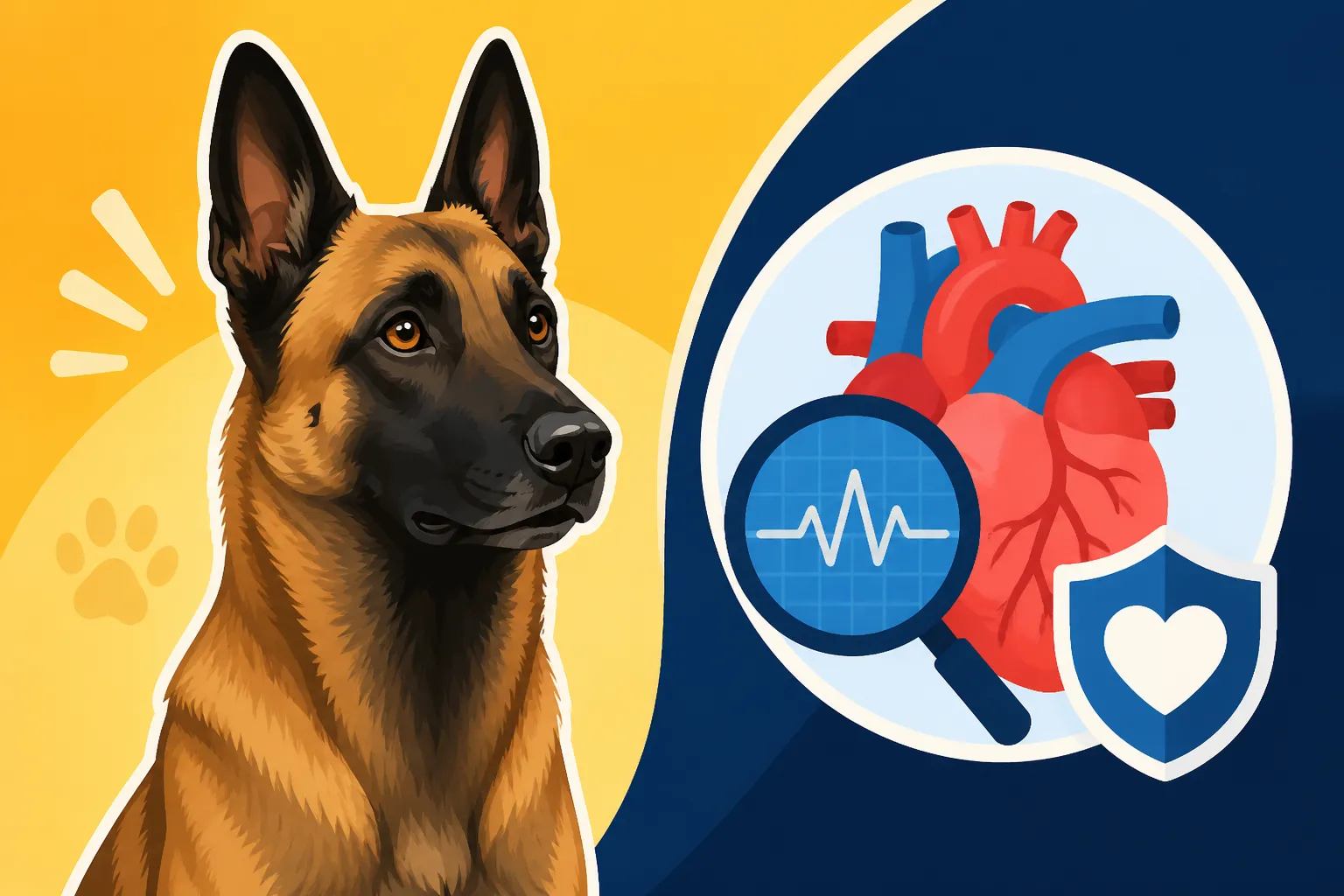
It's incredibly frustrating when you're trying your absolute best to provide top-notch care for your high-drive Belgian Malinois, only to be hit with a slew of conflicting advice or vague recommendations about specialized health screenings. You know your dog is an athlete, a canine powerhouse, and you want to ensure every part of them, especially their vital organs, is functioning perfectly. The question of whether a cardiac screen is truly necessary for a breed as robust and active as a Malinois often leaves owners feeling overwhelmed, wondering if they're doing enough or doing too much. This guide aims to clear up that confusion, offering a realistic look at cardiac health in Malinois and whether this specific screening should be on your radar.
Understanding Cardiac Health in a High-Drive Breed
Belgian Malinois are not just pets; they are precision-engineered athletes. Their bodies are built for speed, endurance, and intense physical and mental exertion. This incredible physiology means their cardiovascular system is constantly under stress, albeit a "good" stress that helps condition them. However, it also means that any underlying weakness in the heart could have significant, even catastrophic, consequences during routine exercise or high-stakes work.
Why Cardiac Concerns Arise in Active Dogs
Think about what your Malinois does on a daily basis: explosive sprints, vertical jumps, sustained tug sessions, hours of tracking, or intricate obedience routines. Their heart rate can skyrocket in seconds, their blood pressure adjusts rapidly, and their entire circulatory system is working overtime to deliver oxygen to hardworking muscles. For a dog with a perfectly healthy heart, this is manageable. But if there's an undiagnosed congenital defect, a developing arrhythmia, or a structural abnormality, these strenuous activities can push the heart beyond its capacity.
The concern isn't that exercise causes heart disease, but rather that intense exercise can reveal or exacerbate an existing condition. We often see scenarios where a Malinois, seemingly fine one moment, suddenly collapses during a training session or a trial. While many things can cause sudden collapse, an undiagnosed heart issue is always a terrifying possibility. The sheer drive of these dogs can also make it incredibly difficult to spot early signs of fatigue or subtle cardiac distress. A Malinois will often push through discomfort, masking symptoms that a less driven dog might clearly display. They live to work, and their willpower can sometimes obscure critical health warnings, making proactive screening even more important for some individuals.
Common Cardiac Conditions in Dogs and Malinois Specifics
While Belgian Malinois are generally considered a hardy breed with a lower prevalence of some of the well-known breed-specific cardiac diseases seen in breeds like Dobermans (Dilated Cardiomyopathy or DCM) or Boxers (Arrhythmogenic Right Ventricular Cardiomyopathy or ARVC), they are not immune to cardiac issues. All dogs, regardless of breed, can develop congenital heart defects or acquired heart disease.
Some conditions to be aware of include:
- Subaortic Stenosis (SAS): A congenital condition where a fibrous ring or ridge develops just below the aortic valve, restricting blood flow from the left ventricle. This forces the heart to work harder, eventually leading to thickening of the heart muscle and potential heart failure. It can cause sudden death, especially in active dogs. While more common in Golden Retrievers or Newfoundlands, it can appear in any breed.
- Dilated Cardiomyopathy (DCM): The heart muscle becomes thin and weak, losing its ability to pump blood efficiently. This leads to an enlarged heart and can cause fluid buildup in the lungs or abdomen. Again, less prevalent in Malinois than in giant breeds, but not impossible.
- Arrhythmias: Irregular heartbeats, which can range from benign to life-threatening. Some can be exercise-induced or indicate underlying structural problems.
- Valvular Disease: Degeneration of the heart valves over time, which can lead to leaks (murmurs) and decreased heart efficiency. This is more common in older, smaller breeds but can occur in any dog.
The biggest flag for many owners that prompts further investigation is The Murmur Found on a Malinois Before Breeding or during a routine veterinary check-up. A heart murmur simply indicates turbulent blood flow and can be innocent (especially in puppies) or signal a serious underlying problem. If your vet detects a murmur, especially in an adult Malinois or one destined for a demanding job, it's wise to consider a cardiac screen to determine its significance. Sometimes, a general decline in performance, a subtle cough, or unexplained lethargy can also be signs prompting a deeper look, which might differentiate from other issues like Hypothyroidism and a Malinois That Loses Drive.
What a Cardiac Screen Actually Entails
If you're wondering what a cardiac screen involves beyond a quick listen with a stethoscope, you're in for a much more thorough, albeit non-invasive, process. It's about getting a detailed picture of your Malinois's heart health, ensuring there are no hidden issues that could impact their quality of life or working career.
The Initial Vet Examination and Auscultation
Every routine veterinary visit for your Malinois will involve auscultation – your vet listening to their heart with a stethoscope. They're listening for several things:
- Heart Rate: Is it within a normal resting range?
- Rhythm: Is it regular, or are there skipped beats or extra beats?
- Presence of Murmurs: Are there any sounds of turbulent blood flow?
- Presence of Gallops or Clicks: Other abnormal sounds that can indicate specific issues.
As mentioned, hearing The Murmur Found on a Malinois Before Breeding or at any life stage is often the first trigger for further investigation. A veterinarian will grade the murmur (from 1 to 6, with 6 being the loudest) and note its location and timing. An innocent murmur, often heard in young, healthy puppies, usually disappears as they mature. However, a persistent murmur or one detected in an adult Malinois, especially a working dog, typically warrants a referral to a veterinary cardiologist for a more comprehensive cardiac screen. The vet might also look for other physical signs like pale gums, difficulty breathing, or exercise intolerance.
Diagnostic Tools: ECG, Echocardiogram, and Holter Monitoring
When a cardiac screen is recommended, a veterinary cardiologist will typically employ a combination of advanced diagnostic tools to get a full understanding of your Malinois's heart.
Here’s a breakdown of the common tests:
| Diagnostic Tool | What It Measures | Why It's Used |
|---|---|---|
| Electrocardiogram (ECG/EKG) | Electrical activity of the heart. | Detects arrhythmias, abnormal heart rates, and conduction disturbances. Crucial for assessing heart rhythm. |
| Echocardiogram | Ultrasound of the heart. | Provides images of heart structure, valve function, chamber size, and blood flow dynamics. Essential for diagnosing structural diseases like SAS or DCM. |
| Holter Monitor | Continuous, ambulatory ECG recording over 24-48 hours. | Captures intermittent arrhythmias that might not be present during a brief ECG. Especially useful for detecting exercise-induced or stress-induced irregularities. |
| Cardiac Biomarkers (Blood Test) | Levels of specific proteins released when heart muscle is stretched or damaged. | Can indicate stress or damage to the heart, helping to assess the severity of disease or monitor response to treatment. |
| Thoracic Radiographs (X-rays) | Images of the chest cavity. | Evaluates heart size and shape, and checks for fluid accumulation in the lungs (pulmonary edema) or chest cavity, which can indicate congestive heart failure. |
An echocardiogram is often considered the "gold standard" for evaluating heart structure and function. It allows the cardiologist to see the heart beating in real-time, measure chamber dimensions, assess valve integrity, and calculate ejection fractions (how effectively the heart is pumping blood). This is particularly important for active Malinois, as even subtle structural issues can become significant under strenuous conditions.
For dogs prone to intermittent arrhythmias, a Holter monitor is invaluable. Imagine your Malinois goes from a calm state to full-on drive in a split second – this is when certain arrhythmias might surface, and a Holter can catch them when a standard, short ECG might miss them entirely. For working dogs, this can be incredibly insightful, providing a full picture of how their heart functions under various daily activities.
When and Why to Consider Cardiac Screening
Deciding if and when to get a cardiac screen for your Belgian Malinois isn't a one-size-fits-all answer. It depends heavily on your dog's role, age, any existing symptoms, and your future plans for them.
Breeding Dogs and Pre-Purchase Screening
For Malinois intended for breeding, cardiac screening is not just a recommendation; it's a critical component of responsible breeding. The goal is to identify and ideally eliminate genetic predispositions to heart disease from the gene pool. Reputable breeders will already be performing various health clearances, such as Asking a Breeder for Malinois Ataxia Results and hip/elbow evaluations, and cardiac screening should be part of this comprehensive approach.
If you are purchasing a Malinois puppy, especially from working lines, inquire about the cardiac health of the parents. While many cardiac conditions are polygenic or environmental, some have a hereditary component. Seeing documentation of a clear echocardiogram on the sire and dam can provide significant peace of mind. Some breeders will even have puppies screened for congenital murmurs by a cardiologist before placement. This proactive approach helps ensure the longevity and health of future generations, reducing the likelihood of passing on hidden weaknesses that could compromise a working dog’s career or a pet’s lifespan.
The Working Malinois and Performance Considerations
If your Belgian Malinois is involved in high-level sports like IGP, Ring Sport, agility, or serves as a police or military working dog, their heart is pushed to its absolute limits. These dogs operate at peak physical condition, often for sustained periods. In these scenarios, a cardiac screen can be a crucial preventative measure.
Consider a K9 working a demanding shift or a sport dog competing in a grueling trial. An undetected heart issue could lead to sudden collapse, heatstroke, or even death. Early detection through screening allows for appropriate management, which might include medication, activity restrictions, or even prophylactic surgery in some cases. It's about optimizing their performance safely and ensuring their welfare. This proactive monitoring aligns perfectly with the comprehensive health philosophy that includes The Bloodwork a Working Malinois Should Have Annually and The Checkup Schedule a Sport Malinois Should Keep, ensuring that every aspect of their physiology is supported for their demanding lifestyle.
For dogs experiencing subtle changes in performance, such as A Malinois That Loses Drive, decreased stamina, or taking longer to recover after exercise, a cardiac screen should definitely be on the diagnostic list. These symptoms, while potentially indicative of other issues, could point to an emerging cardiac problem that a dedicated work ethic might otherwise mask until it becomes severe.
Unexplained Symptoms or Routine Vet Findings
Even for pet Malinois not involved in high-level sports or breeding, cardiac screening becomes highly recommended if your general practice veterinarian identifies any concerns during a routine check-up. The most common trigger, as we’ve discussed, is the discovery of a heart murmur. While not all murmurs are clinically significant, it’s always best to follow up with a specialist.
Beyond a murmur, other signs that warrant a cardiac screen include:
- Exercise Intolerance: Your Malinois tires faster than usual, struggles to keep up, or shows reluctance to engage in activities they once loved.
- Coughing: Especially a persistent cough, or one that is worse at night or after exercise, can be a sign of fluid buildup in the lungs due to heart failure.
- Difficulty Breathing: Labored breathing, open-mouth breathing at rest, or a rapid respiratory rate.
- Fainting or Collapse: Any episode of syncope (fainting) or sudden collapse, particularly during or after excitement or exercise, is an emergency and requires immediate cardiac investigation.
- Weight Loss or Poor Appetite: In advanced heart disease, dogs may lose condition despite eating normally.
- Abdominal Distension: Fluid buildup in the abdomen (ascites) can be a sign of right-sided heart failure.
These symptoms indicate that something serious might be going on, and a thorough cardiac evaluation is essential to get an accurate diagnosis and begin appropriate treatment, ensuring your Malinois has the best possible prognosis and quality of life. Understanding What Actually Ends a Belgian Malinois's Life often involves considering organ failure, and the heart is a critical component in that picture.
Weighing the Costs and Benefits of Cardiac Screening
Let's be real, owning a Belgian Malinois is an investment, not just in time and training, but financially. Specialized health screenings like cardiac evaluations add to that cost, and it's natural to wonder if the benefits truly outweigh the expense.
Financial Investment in Proactive Health
Cardiac screening, especially a full cardiology workup including an echocardiogram and potentially a Holter monitor, is not inexpensive. The costs can vary significantly based on your geographic location, the veterinary cardiology practice, and the specific tests performed. You might expect to pay anywhere from a few hundred dollars for a basic consult and ECG, up to $1,000 or more for a comprehensive echocardiogram and Holter monitor rental. Follow-up visits and potential medication costs would be additional.
This is where planning for unexpected vet bills becomes crucial. Many Malinois owners opt for pet insurance, which can be a lifeline for these kinds of specialized diagnostics and treatments. Companies like Healthy Paws offer comprehensive plans that could cover a significant portion of these costs, easing the financial burden when you're faced with a potential cardiac issue. Reviewing What Pet Insurance Runs on a Working Malinois can help you budget for such contingencies. Without insurance, these bills can quickly become overwhelming, adding stress to an already emotional situation. While it might seem like a lot up front, for a serious working dog or a beloved companion, catching an issue early can prevent much more expensive emergency treatments down the line, or tragically, the loss of your dog.
Peace of Mind Versus Unnecessary Worry
Ultimately, the decision to pursue cardiac screening for your Belgian Malinois often boils down to a balance between gaining peace of mind and avoiding unnecessary worry (and expense).
The benefits are clear:
- Early Detection: Identifying a cardiac problem before it becomes symptomatic allows for proactive management, which can slow disease progression, improve quality of life, and potentially extend lifespan.
- Informed Decisions: Knowing your dog's cardiac status allows you to make informed choices about their training intensity, breeding suitability, and general lifestyle.
- Preventing Catastrophe: For working dogs, early detection can prevent sudden collapse or death during high-stress activities.
- Tailored Care: If a problem is found, your vet can create a specific treatment plan, which might include specific medications or changes to diet or exercise, ensuring that your Malinois receives the best possible care. For instance, knowing a dog has a heart condition would directly influence protocols if they needed to go under anesthesia for any reason, making Anesthesia Protocols for a Lean Belgian Malinois even more critical.
However, there are considerations:
- Cost: As discussed, specialized screening is an investment.
- Stress: While non-invasive, a vet visit, especially to a specialist, can be stressful for some Malinois.
- False Positives/Negatives: No test is 100% perfect. Rare false positives could lead to unnecessary worry, and false negatives could provide a false sense of security (though highly unlikely with a full cardiology workup).
For many Malinois owners, especially those with breeding animals, working dogs, or those with any suspicious symptoms, the peace of mind gained from a clean bill of cardiac health is invaluable. It confirms that their canine partner is truly sound and ready for the challenges ahead, or it provides the crucial information needed to adjust their care and expectations. When you consider the deep bond and investment you've made in your Malinois, knowing you've explored every avenue to ensure their long-term health is a choice many find worth making.
Disclaimer
The information provided in this article is for educational purposes only and is not intended to be a substitute for professional veterinary advice. Always consult with a qualified veterinarian or veterinary cardiologist for any health concerns or before making any decisions about your Belgian Malinois's medical care.