Bone Tumors in a Belgian Malinois’s Limb
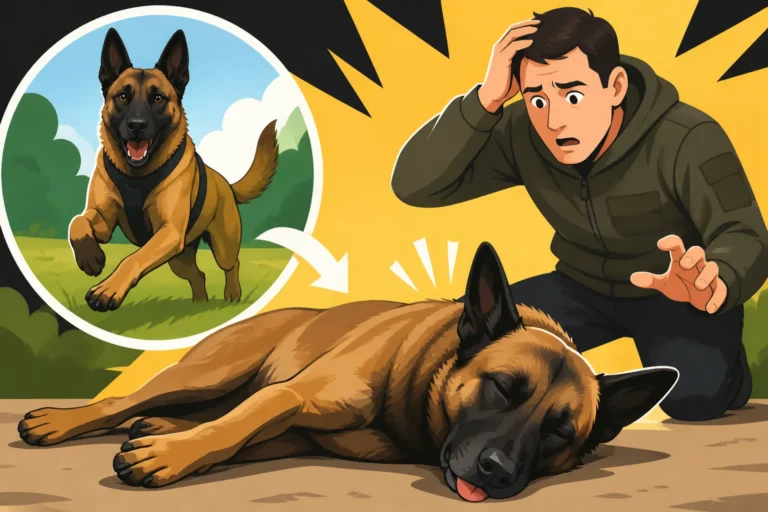
Discovering that your energetic Belgian Malinois might have a bone tumor is a truly heartbreaking and terrifying moment for any dog parent. The sudden onset of lameness, an unexplained swelling, or even just a subtle change in their boundless enthusiasm can send a wave of fear through you, as you immediately worry about the worst. This comprehensive guide is here to walk you through the complexities of bone tumors in Belgian Malinois, from recognizing the earliest signs to understanding diagnosis and navigating the available treatment options, all to help you advocate for your beloved companion.
Recognizing the Early Warning Signs of Bone Tumors
Belgian Malinois are incredible athletes, known for their unwavering drive and resilience. This very toughness can sometimes make it difficult to spot early signs of illness, as they often push through discomfort until a problem becomes significant. Bone tumors, particularly osteosarcoma, which is the most common primary bone tumor in dogs, can manifest subtly at first before progressing. Being vigilant and knowing what to look for is absolutely critical, especially in a breed so stoic and action-oriented.
Subtle Lameness and Shifting Weight
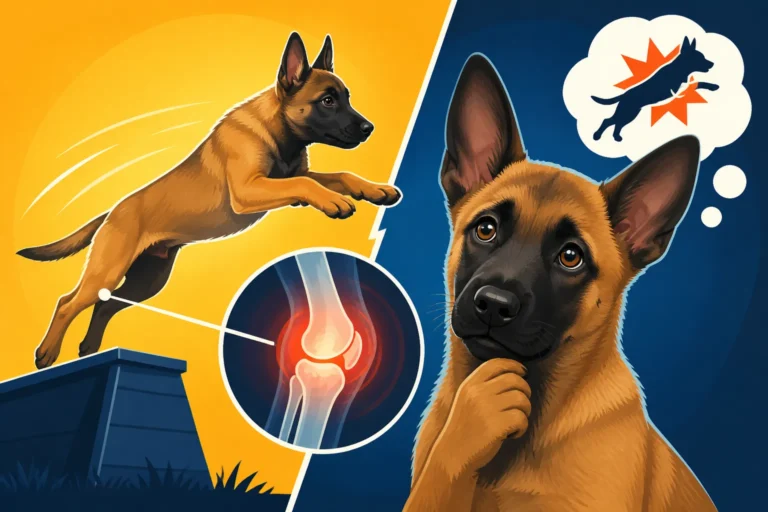
One of the most insidious early signs of a bone tumor is a subtle, often intermittent lameness that seems to come and go. It's not usually a dramatic limp initially, but rather a slight favouring of a limb, or a reluctance to put full weight on it after exertion. You might notice your Malinois hesitating before jumping onto furniture or into the car, or perhaps they're not quite as eager to launch into a full sprint during a game of fetch. In a working Malinois, this could appear as a slight decrease in performance or a tendency to "protect" a limb during specific movements. This can be particularly frustrating because it's so easy to mistake for a minor sprain or just general soreness from their active lifestyle. Owners might initially attribute it to something benign, like overdoing it during training or a minor strain that will resolve on its own. However, if this lameness persists or worsens, even slightly, it warrants immediate investigation.
Swelling, Lumps, and Localized Pain
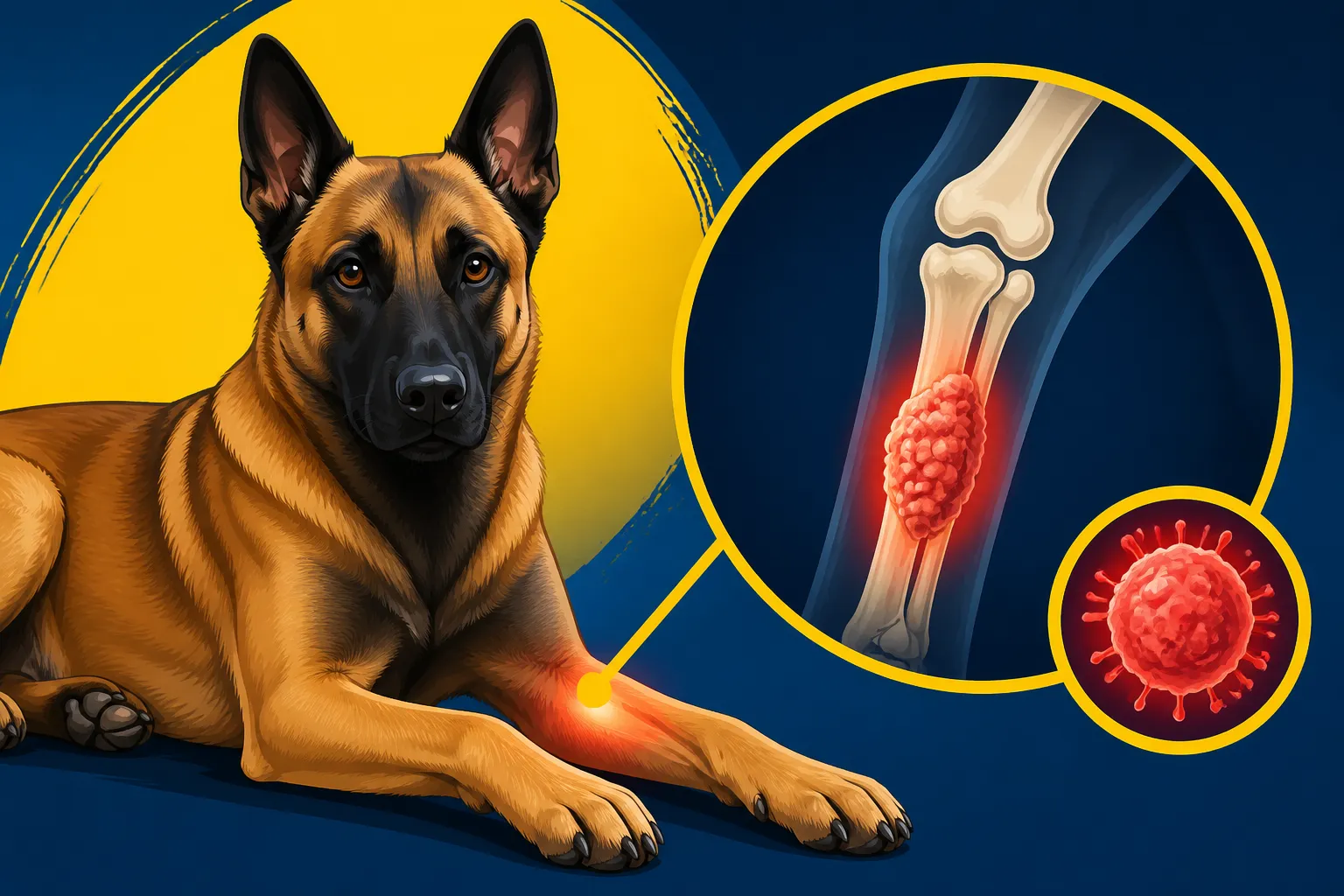
As a bone tumor progresses, it often leads to visible changes in the affected limb. The most obvious sign is a localized swelling or a firm lump that you can feel, usually around a joint like the shoulder, wrist, knee, or ankle. Unlike soft tissue swelling, a bone tumor lump feels hard and unyielding. This swelling might be warm to the touch and your Malinois may react with pain when you gently try to palpate the area. Observing your dog for signs of pain when you brush against the limb or when they lie down can also be a clue. They might become defensive or even snap if touched in a sensitive spot, which is very out of character for many Malinois. Beyond the visible swelling, the pain itself can become more constant, even at rest. This might manifest as restless nights, difficulty getting comfortable, or an unwillingness to lie on a particular side. Remember, Malinois are tough, so if they're showing clear signs of pain, it's likely already quite significant. Any unexplained swelling on a limb, especially near a joint, must be taken seriously and checked by your vet. For information on other types of lumps, you might want to read about Lumps Worth Aspirating on a Belgian Malinois.
Behavioral Changes and Lethargy
Beyond physical symptoms, a Malinois dealing with the chronic pain of a bone tumor might exhibit noticeable behavioral changes. They may become less enthusiastic about their favorite activities, or generally more subdued than their usual high-octane selves. A dog that lives for playtime might suddenly show less interest in toys or training sessions. You might observe a general lethargy, increased sleeping, or even irritability, especially if their pain is constant. Appetite changes are also possible; some dogs may lose interest in food or eat significantly less due to discomfort or the systemic effects of the disease. While these behavioral changes can be vague and indicative of many different health issues, when coupled with lameness or swelling, they become a strong indicator that something serious is amiss. It's crucial not to dismiss these shifts as simply "getting old" or "being lazy," particularly in a breed known for its relentless energy. In senior Malinois, it's easy to confuse these signs with common age-related issues like Arthritis in a Belgian Malinois at Nine, but a thorough vet check is always necessary to rule out more severe conditions.
Diagnosing Bone Tumors in Your Malinois
The diagnostic process for a suspected bone tumor can feel like a whirlwind, filled with anxiety as you await answers. It's a critical journey that typically moves from initial physical examination to advanced imaging and ultimately, to a definitive biopsy. Each step provides more clarity, helping your veterinary team formulate the best possible plan for your Malinois.
Initial Veterinary Examination and Palpation
Your first step, naturally, will be a visit to your veterinarian. They'll start with a thorough physical examination, observing your Malinois's gait and how they bear weight. During palpation, the vet will carefully feel the affected limb, noting any swelling, heat, or pain response. They'll assess the range of motion in the joints and try to pinpoint the exact location of the discomfort. They might also check lymph nodes and perform a general health check to look for other signs of illness. This initial exam is crucial for ruling out simpler injuries like sprains, muscle tears, or even abscesses, and for guiding the next diagnostic steps. Sometimes, the location and nature of the swelling alone can give a strong suspicion of a bone issue. If your vet suspects a tumor, they'll discuss further diagnostics. This initial consultation is where the journey to understanding begins, and it's essential to be open and thorough with your observations of your dog's symptoms.
The Role of X-rays and Advanced Imaging
If a bone tumor is suspected during the physical exam, X-rays are usually the first imaging modality employed. X-rays can reveal characteristic changes in the bone structure, such as bone destruction (lysis), new bone formation (proliferation), or a combination of both. These changes often present with a distinct "sunburst" or "moth-eaten" pattern, which is highly suggestive of osteosarcoma. However, X-rays aren't always definitive, and some early tumors might not be clearly visible.
For a more comprehensive view, especially to determine the extent of the tumor, its exact location, and whether it has spread to surrounding soft tissues or lungs, your vet may recommend advanced imaging.
- CT (Computed Tomography) scans provide detailed 3D images of the bone and surrounding tissues, which is invaluable for surgical planning.
- MRI (Magnetic Resonance Imaging) offers superior soft tissue contrast, helping to assess nerve and muscle involvement.
- Nuclear bone scans can detect areas of increased bone metabolism, often indicating early metastatic disease or other areas of tumor activity.
- Chest X-rays or CT scans of the chest are also routinely performed to check for metastasis to the lungs, a common occurrence with osteosarcoma even at initial diagnosis.
The cost for these advanced diagnostics can be substantial, and this is where having pet insurance like Healthy Paws can truly alleviate some of the financial stress. Knowing that you might have support for these crucial diagnostic steps allows you to focus solely on getting the clearest picture of your Malinois's condition.
Biopsy and Pathology for Definitive Diagnosis
While imaging can strongly suggest a bone tumor, a definitive diagnosis almost always requires a biopsy. This procedure involves taking a small sample of the affected bone tissue, which is then sent to a veterinary pathologist for microscopic examination. There are a few ways a biopsy can be performed:
- Fine Needle Aspirate (FNA): This is less invasive but can sometimes be inconclusive for bone tumors due to the small sample size.
- Core Biopsy: This uses a larger needle to extract a core sample of tissue, providing more material for diagnosis.
- Incisional Biopsy: This is a surgical procedure where a small piece of the tumor is removed.
- Excisional Biopsy: This involves removing the entire tumor, often done if amputation is already planned.
The pathologist will examine the cells and tissue structure to confirm the presence of cancer, identify the specific type of bone tumor (e.g., osteosarcoma, chondrosarcoma), and determine its grade (how aggressive it appears). This information is vital for prognosis and guiding treatment decisions. It's important to understand that a biopsy, while crucial, carries a small risk of complications, such as a fracture at the biopsy site or infection. Your vet will discuss these risks with you. The waiting period for biopsy results can be incredibly nerve-wracking, but it's a necessary step to ensure the most accurate diagnosis and treatment plan for your Malinois. This detailed understanding helps tailor therapies, much like understanding The Cancers That Take a Belgian Malinois broadly helps with general cancer awareness.
Understanding Treatment Options and Prognosis
Receiving a diagnosis of a bone tumor is devastating, but it's important to know that there are often several treatment paths available, each with its own goals, challenges, and potential outcomes. The focus is always on improving quality of life and, if possible, extending it. Given the active nature of a Belgian Malinois, treatment decisions must also consider their recovery and ability to function post-procedure.
Surgical Interventions: Amputation and Limb Sparing
For many bone tumors, especially osteosarcoma, surgical removal of the tumor is the primary recommended treatment.
-
Amputation: This is often the most effective way to remove the entire tumor and immediately alleviate pain. For a high-drive breed like a Malinois, the idea of amputation can be daunting, but dogs adapt remarkably well to three legs. Their incredible athleticism, though altered, often allows them to continue enjoying many aspects of their lives. It's a tough decision, filled with emotional weight, but for many dogs, it provides immediate relief from the excruciating pain a bone tumor causes. Post-operative care involves pain management and rehabilitation, and most Malinois, with proper support, can learn to navigate their world on three legs with surprising agility. It's a testament to their spirit. When considering anesthesia for such a procedure, it's wise to review Anesthesia Protocols for a Lean Belgian Malinois to ensure the safest approach.
-
Limb-Sparing Surgery: In some specific cases, if the tumor is small, located in a treatable area (often the distal radius, near the wrist), and hasn't extensively invaded soft tissues, a limb-sparing procedure might be an option. This involves removing the cancerous section of bone and replacing it with a bone graft, metal implant, or combination. The goal is to preserve the limb, but it's a complex surgery with a higher risk of complications like infection, implant failure, and local tumor recurrence. It's not suitable for all tumors or all dogs, and the recovery can be longer and more challenging than amputation. Your veterinary oncologist will determine if your Malinois is a candidate for this intricate procedure.
Medical Management: Chemotherapy and Radiation
Regardless of whether surgery is performed, medical therapies like chemotherapy and radiation often play a crucial role in managing bone tumors.
-
Chemotherapy: For osteosarcoma, even after successful amputation, microscopic cancer cells are almost certainly present elsewhere in the body (micrometastasis). Chemotherapy aims to target and destroy these cells, slowing down the spread of the disease and extending survival times. It's typically administered intravenously over several sessions. While the thought of chemotherapy can be frightening, dogs generally tolerate it much better than humans, with fewer severe side effects. Common protocols for osteosarcoma can extend survival times significantly compared to surgery alone.
-
Radiation Therapy: This therapy uses high-energy radiation to destroy cancer cells. While it's generally not curative for osteosarcoma, it can be incredibly effective for pain management (palliative radiation) in cases where amputation isn't an option or if the tumor is causing severe pain. It can shrink the tumor and reduce pain, improving the dog's comfort and quality of life for several months. Radiation can also be used in conjunction with limb-sparing surgery to minimize local recurrence.
The choice and combination of these therapies will depend on the type of tumor, its stage, and your Malinois's overall health and your personal goals. This is a journey, and you'll work closely with a veterinary oncologist to make these complex decisions. Remember, many pet insurance plans, like those offered by Healthy Paws, can help cover the significant costs associated with these advanced medical treatments, allowing you to prioritize your dog's well-being.
Palliative Care and Maintaining Quality of Life
When curative treatments are not feasible or chosen, or as a complement to other therapies, palliative care becomes paramount. The focus here shifts entirely to managing pain and ensuring the highest possible quality of life for your Malinois for as long as possible.
-
Pain Management: This is the cornerstone of palliative care for bone tumors. It involves a multimodal approach, often combining different types of pain medications, such as NSAIDs (non-steroidal anti-inflammatory drugs), gabapentin, tramadol, and even newer therapies like monoclonal antibodies (e.g., Librela). The goal is to keep your dog comfortable, allowing them to eat, sleep, and engage in gentle activities. Regular assessments of pain levels are essential to adjust medication as needed. For older Malinois, this aspect of care is vital to keep them active and engaged, even if that means considering Keeping an Old Belgian Malinois Mentally Busy.
-
Supportive Care: This includes nutritional support, maintaining hydration, and gentle physical therapy to keep muscles from atrophying, especially after surgery or with lameness. Providing a comfortable, soft bed and ensuring easy access to food and water can make a huge difference. Adapting your home environment to minimize stairs or provide ramps can also help.
-
Alternative Therapies: Some owners explore complementary therapies like acupuncture, cold laser therapy, or certain supplements to aid in pain management and overall well-being. While these typically don't cure cancer, they can sometimes improve comfort levels. Discuss these options with your vet or a veterinary oncologist to ensure they are safe and appropriate.
Ultimately, the decision to pursue aggressive treatment or focus solely on palliative care is deeply personal and depends on many factors, including your Malinois's age, temperament, other health conditions, and your financial and emotional capacity. What truly matters is ensuring your Malinois lives out their remaining time with dignity, comfort, and as much joy as possible. For many owners, this means accepting that What Actually Ends a Belgian Malinois's Life can be a difficult conversation, but one made with love.
Here's a comparison of common treatment approaches for bone tumors:
| Treatment Option | Primary Goal | Invasiveness | Typical Duration | Potential Outcomes | Considerations for Malinois |
|---|---|---|---|---|---|
| Amputation | Remove tumor, eliminate local pain | High | Single surgery, then recovery | Immediate pain relief, good local disease control, adaptation to 3 legs | High drive helps adaptation, but requires significant rehab and support. |
| Limb Sparing Surgery | Remove tumor, preserve limb | High | Single surgery, then longer recovery | Preserves limb function, higher complication rate, careful patient selection | Only for specific tumors/locations, higher risk of infection/recurrence. |
| Chemotherapy | Target metastatic disease, extend life | Low (IV) | Multiple sessions (weeks-months) | Extends survival, generally well-tolerated by dogs, no cure on its own | Helps fight spread, but doesn't eliminate primary tumor; minimal impact on drive. |
| Palliative Radiation | Reduce pain, improve comfort | Medium | Few sessions (days) | Significant pain relief for several months, local tumor control | Excellent for pain, especially if surgery isn't an option. Can be combined with other therapies. |
| Palliative Medications | Manage pain, maintain quality of life | Low (oral) | Ongoing | Comfort, improved mobility, and overall well-being. Does not treat cancer | Essential for all stages, crucial for quality of life, especially without surgery. |
Disclaimer
The information provided in this guide is for general educational purposes only and should not be considered a substitute for professional veterinary advice. Always consult with a qualified veterinarian or a board-certified veterinary oncologist for any health concerns or before making any decisions about your Belgian Malinois's medical care. Individual outcomes may vary.