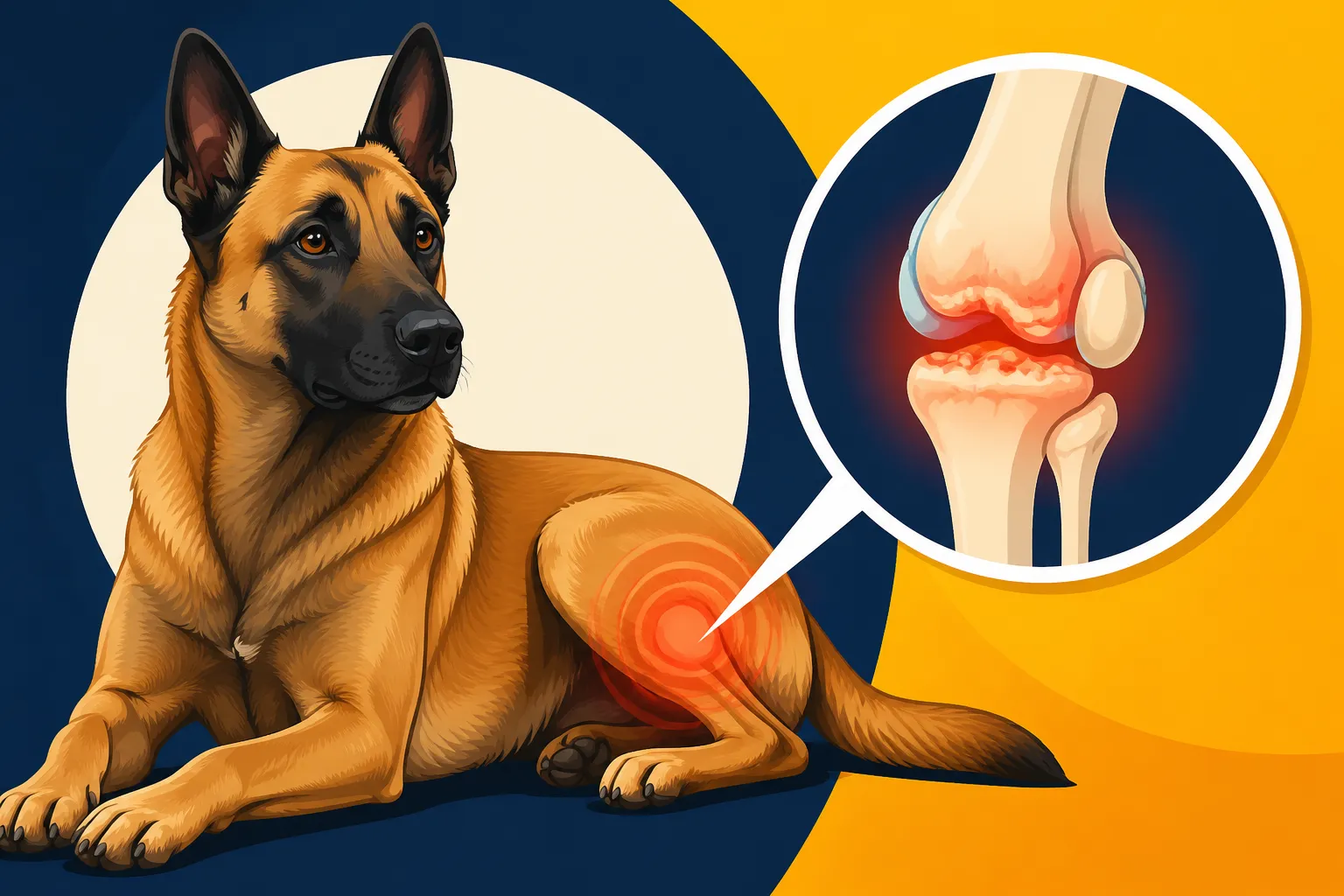
Arthritis in a Belgian Malinois at Nine
It's incredibly tough to watch your once-indestructible Belgian Malinois start to slow down. One day they're scaling walls with ease, the next you notice a slight stiffness, a hesitation before jumping, or a grimace when they stretch. For many Malinois owners, reaching the age of nine can bring a new set of challenges, particularly the onset of arthritis, which can be heartbreaking to navigate. This guide is here to walk you through understanding, identifying, and managing arthritis in your beloved nine-year-old Malinois, helping you ensure their golden years are as comfortable and happy as possible.
Understanding Arthritis in Your Mature Malinois
The word "arthritis" often conjures images of elderly, frail dogs, but for a Belgian Malinois, who live such active and demanding lives, the signs can start showing up subtly even at what might seem like a relatively young age. It’s a progressive and often painful condition, but understanding its roots and early indicators is the first step in providing the best care for your canine partner.
Why Nine Years is a Critical Age for Malinois Joints
For a breed as high-octane and physically demanding as the Belgian Malinois, nine years old is well into their senior years. While many dogs of other breeds might just be hitting their stride in terms of age, a Malinois has typically accumulated years of high-impact work, intense training, and relentless play. Think about the countless jumps, sprints, turns, and hard stops they've performed, whether in sport, police work, or just daily life as a highly active companion. Each of those movements, while a testament to their incredible athleticism, puts wear and tear on their joints.
This cumulative stress means that the cartilage cushioning their joints can start to degrade. Even if your Malinois came from impeccable lines with excellent hip and elbow clearances, the sheer volume of activity over nearly a decade can still lead to degenerative changes. Their incredible drive, a hallmark of the breed, can also be a double-edged sword. A Malinois will often push through discomfort, masking early signs of pain because their desire to work or play simply overrides the subtle aches. This means that by the time you notice overt symptoms, the condition might be more advanced than you realize. It's truly a critical point where their bodies start to feel the effects of a life lived at full throttle. You might notice them slowing down, even just a little, perhaps not quite as quick to explode into action, which is a key Signs a Belgian Malinois Is Slowing Down.
Common Signs of Arthritis You Might Be Missing
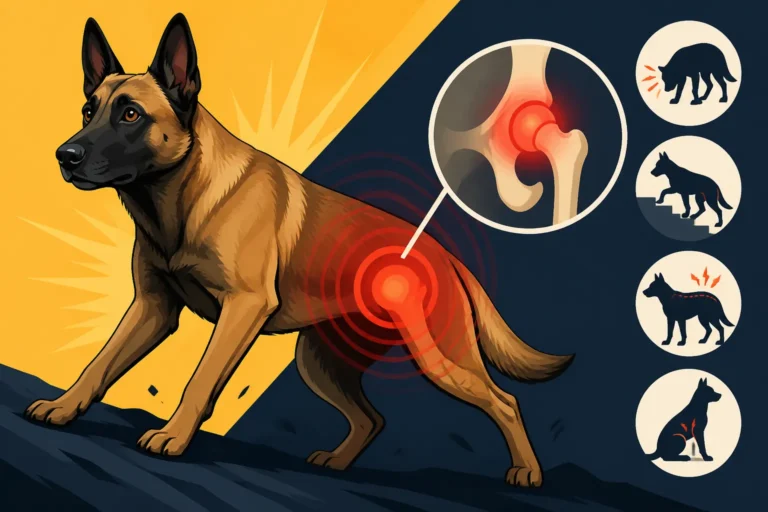
Because Malinois are so stoic and driven, the signs of arthritis aren't always a dramatic limp. Often, they are incredibly subtle, requiring a keen eye and deep understanding of your dog's normal behaviors. One of the most common early indicators is a reluctance to do things they once loved. Maybe they hesitate before jumping into the car, or they choose to go around a low obstacle instead of clearing it. You might notice them taking longer to settle into a comfortable position or struggling a bit when getting up from a nap, especially after a long rest. Stiffness, particularly after periods of inactivity, is a classic sign. They might walk with a slightly shorter stride, especially in their hind legs, or their gait might seem a little "off," less fluid than before.
Beyond physical changes, behavioral shifts can also signal discomfort. An arthritic Malinois might become a bit more irritable when touched in certain areas, or they might start excessively licking or chewing at a particular joint, trying to soothe the dull ache. They might also opt out of play sessions sooner or seem less enthusiastic about walks. The tricky part is that many Malinois, even with significant discomfort, will still light up and spring into action for their favorite toy or a training session. This burst of adrenaline and drive can momentarily mask the pain, making it seem like nothing is wrong. It's only after that excitement wears off, or during their more relaxed moments, that the underlying pain becomes apparent. It's vital to observe their everyday habits, not just their peak performance moments.
The Underlying Causes of Joint Degradation
At its core, arthritis in dogs, specifically osteoarthritis, is a degenerative joint disease. It's not usually a sudden event but rather a gradual breakdown of the cartilage that covers and cushions the ends of bones within a joint. This cartilage allows the bones to glide smoothly past each other. When it degrades, bone rubs on bone, leading to pain, inflammation, and further damage.
Several factors contribute to this breakdown. Previous injuries, even seemingly minor ones from puppyhood or intense training sessions, can set the stage. A small sprain, a minor torn ligament, or even repeated micro-traumas from high-impact activities like jumping or aggressive bite work can damage the joint capsule and cartilage over time. These old injuries might heal on the surface, but they can leave the joint more vulnerable to future degeneration.
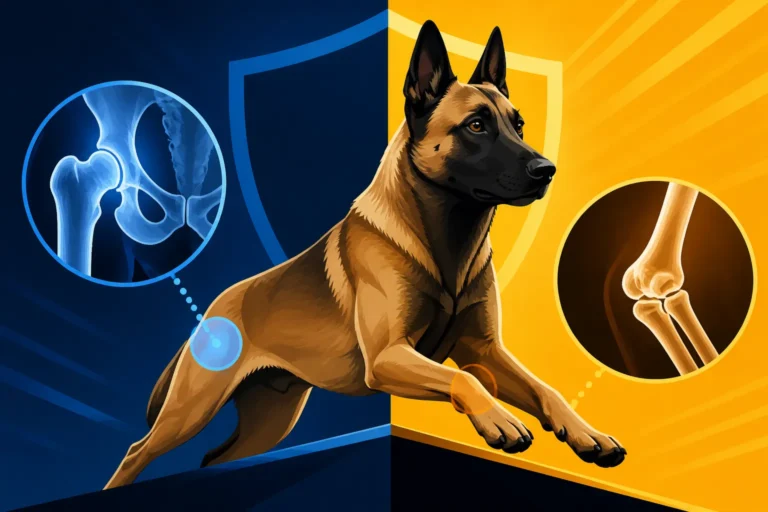
Genetic predispositions also play a significant role. While responsible breeders screen for hip and elbow dysplasia, these conditions, even in mild forms or if a dog is "clear," can still contribute to abnormal joint mechanics and accelerate wear. A Malinois with excellent clearances still has the genetic blueprint of a high-drive working dog, and those genetics often come with certain structural expectations. Furthermore, weight management is absolutely crucial. Even a few extra pounds on a lean Malinois frame can put significant additional stress on already compromised joints, exacerbating pain and speeding up degradation. Keeping that lean condition your Malinois should carry is more important than ever as they age.
Diagnosing and Managing Your Malinois's Arthritis
Once you suspect your nine-year-old Malinois might be battling arthritis, the next critical step is getting a proper diagnosis and setting up a management plan. This journey involves close collaboration with your veterinarian and a commitment to adapting your dog’s lifestyle to support their comfort.
Working With Your Veterinarian for a Diagnosis
The first and most important step is a thorough visit to your veterinarian. Don't just describe a general "slowing down" or "stiffness." Be as detailed as possible about the specific changes you've observed: when they occur, what activities trigger them, and how long they last. Your vet will perform a comprehensive physical exam, gently manipulating each joint to assess range of motion, detect pain, and feel for any crepitus (a grinding sensation) or swelling. They'll also observe your Malinois's gait, asking them to walk, trot, and perhaps turn in different directions.
To confirm arthritis and assess its severity, X-rays are usually the go-to diagnostic tool. These images can reveal changes in bone structure, joint space narrowing, and the presence of osteophytes (bone spurs) which are hallmarks of osteoarthritis. In some cases, if the pain seems localized to a specific joint and X-rays are inconclusive, or if your vet suspects other issues like soft tissue damage or a neurological problem, they might recommend more advanced imaging like an MRI or CT scan. It’s also wise to discuss any previous injuries or specific challenges your Malinois has faced, as these can provide vital clues. A vet who has experience with active or working breeds like the Malinois will be particularly adept at identifying these subtle signs and understanding the nuances of their condition. Don't be afraid to seek a second opinion or consult with an orthopedic specialist if you feel it's necessary.
Medical Treatments and Pain Management Strategies
Once arthritis is diagnosed, your vet will work with you to create a pain management plan tailored to your Malinois. The goal isn't to cure arthritis, as it's a progressive condition, but to manage pain, reduce inflammation, and slow its progression, thereby improving your dog's quality of life.
Non-Steroidal Anti-Inflammatory Drugs (NSAIDs) are often the first line of defense. Medications like carprofen (Rimadyl), meloxicam (Metacam), firocoxib (Previcox), or galliprant are effective at reducing both pain and inflammation. However, they aren't without potential side effects, especially with long-term use, so regular blood work is essential to monitor liver and kidney function. You'll want to schedule these follow-up tests, a crucial part of The Checkup Schedule a Sport Malinois Should Keep.
Joint supplements are another cornerstone of management. Ingredients like glucosamine, chondroitin sulfate, and MSM help support cartilage health, while Omega-3 fatty acids (EPA and DHA) have natural anti-inflammatory properties. These supplements come in various forms and potencies, so your vet can recommend the best option for your dog. For more intensive cases, injectable medications like Adequan (polysulfated glycosaminoglycan) can help stimulate cartilage repair and improve joint fluid. A newer option, Librela, is a monoclonal antibody injection that specifically targets nerve growth factor, a key player in pain, offering monthly relief for many arthritic dogs. In cases of severe pain, your vet might also prescribe other medications such as gabapentin or amantadine, which work differently from NSAIDs to manage chronic pain.
It's important to remember that finding the right combination of medications and supplements might take some trial and error. Always follow your vet's instructions carefully and never give human medications to your Malinois without specific veterinary guidance.
Here's a quick overview of common treatments:
| Treatment Type | Examples | Primary Benefit | Considerations |
|---|---|---|---|
| NSAIDs | Carprofen (Rimadyl), Meloxicam (Metacam) | Reduces pain and inflammation | Requires regular blood monitoring, potential side effects. |
| Joint Supplements | Glucosamine, Chondroitin, MSM, Omega-3s | Supports cartilage, mild anti-inflammatory | Slower acting, can be used long-term. |
| Injectable Therapies | Adequan, Librela | Cartilage support, direct pain relief | Vet administered, can be costly. |
| Other Pain Meds | Gabapentin, Amantadine | Manages chronic nerve pain | Often used in conjunction with NSAIDs. |
| Physical Therapy | Hydrotherapy, Therapeutic Exercise | Improves mobility, strengthens supporting muscles | Requires commitment, access to specialized facilities. |
Lifestyle Adjustments for an Arthritic Malinois
Medical management is only one piece of the puzzle. Significant lifestyle adjustments are necessary to truly support an arthritic Malinois. The key here is not to eliminate exercise, but to modify it. Gone are the days of endless high-impact fetch sessions or scaling steep agility equipment. Instead, focus on shorter, more frequent walks on soft surfaces. Controlled leash walks are excellent, as is swimming, which provides fantastic cardiovascular exercise without impact on the joints. Avoid activities that involve sudden stops, starts, twists, or jumps. If you've been doing intense bite work, it might be time to Retiring a Working Belgian Malinois From the Job or at least significantly modify the intensity.
Environmental changes at home can make a huge difference. If your Malinois struggles to jump into the car or onto the bed, invest in ramps or steps. Hardwood or tile floors can be incredibly challenging for stiff joints; lay down non-slip rugs or runners, especially in high-traffic areas, to provide better traction. An orthopedic bed is no longer a luxury but a necessity, providing cushioned support for aching joints during rest.
Maintaining an ideal body weight is paramount. Even a couple of extra pounds can put immense strain on compromised joints. Work with your vet to determine the perfect lean weight for your Malinois and adjust their diet accordingly. This might mean reducing their food intake or switching to a lower-calorie, joint-supportive formula. Remember, The Lean Condition a Belgian Malinois Should Carry is crucial. Physical therapy and hydrotherapy (underwater treadmill or swimming with a therapist) can also be incredibly beneficial, helping to strengthen supporting muscles, improve range of motion, and reduce pain in a safe, controlled environment. Investing in such specialized care, and how it can affect your budget, is a consideration where services like those offered by Healthy Paws can truly alleviate the financial burden.
Supporting Your Malinois's Golden Years
Your Malinois has given you years of unwavering loyalty, boundless energy, and incredible partnership. Now, as they navigate the challenges of aging with arthritis, it's our turn to provide them with comfort, mental stimulation, and proactive care to ensure their golden years are as rich and fulfilling as possible.
Nutrition and Supplements to Boost Joint Health
As your Malinois ages and develops arthritis, their dietary needs evolve beyond just general maintenance. While we want them to maintain that lean, athletic build, we also need to ensure their diet actively supports their joint health. Many premium dog food brands now offer formulas specifically designed for senior dogs or those with joint issues. These diets are often enriched with higher levels of Omega-3 fatty acids (EPA and DHA), which are powerful natural anti-inflammatories, as well as glucosamine and chondroitin, the building blocks for cartilage. Look for ingredients like green-lipped mussel or turmeric, which also have anti-inflammatory properties.
If you’re considering raw feeding or fresh food options, discuss this with your vet. While some owners find these diets beneficial, it's crucial to ensure they are nutritionally balanced, especially when dealing with a senior dog with specific health needs. Don't forget the importance of treats! Choose low-calorie, healthy options, and remember that even seemingly small treats add up. Maintaining an ideal body condition is the single most important nutritional intervention you can make for an arthritic dog. Every extra pound increases the load on their joints, exacerbating pain and accelerating damage. For a working dog, you might already be using Joint Supplements for a Working Belgian Malinois, but now might be the time to review their efficacy and dosage with your vet. Some owners find that pet insurance, such as Healthy Paws, helps cover the cost of these specialized diets and supplements, making it easier to provide optimal care.
Mental Stimulation and Continued Engagement
A common misconception is that reducing physical activity means your Malinois will become bored and listless. For a breed wired for work and constant engagement, this couldn't be further from the truth. While their bodies might be slowing down, their minds are still as sharp and eager as ever. Mental stimulation becomes even more critical for an arthritic Malinois; it helps keep them engaged, happy, and provides an outlet for their formidable intelligence without stressing their joints.
Puzzle toys, which require your dog to manipulate them to release treats, are fantastic. Scent work or "nose work" is another excellent low-impact activity that taps into their natural instincts and is incredibly tiring for their brains. You can set up simple scent games around the house or yard, hiding treats or favorite toys for them to find. Short, focused obedience sessions, practicing commands they already know or teaching them new, low-impact tricks (like "bow" or "wave"), can also provide valuable mental exercise. The key is to keep it positive, engaging, and brief to avoid frustration or overexertion. This continued mental activity is vital for Keeping an Old Belgian Malinois Mentally Busy and can actually help prevent cognitive decline as they age.
Proactive Care and Long-Term Planning
Caring for an arthritic Malinois is a long-term commitment that requires proactive planning and consistent monitoring. As your Malinois reaches nine years old and beyond, consider increasing the frequency of their vet check-ups to every six months instead of annually. This allows your vet to closely monitor the progression of their arthritis, adjust medications as needed, and catch any new health issues early. Be vigilant about observing your dog for any new symptoms or worsening conditions, and don't hesitate to contact your vet if you have concerns.
It's also essential to be prepared for the future. As arthritis progresses, your Malinois might eventually need more assistance. This could include mobility aids like supportive harnesses, slings for helping them up stairs or into the car, or even a dog wheelchair for severely affected cases. Having these conversations with your vet early on can help you make informed decisions about your dog's quality of life. Thinking ahead about how to handle Helping an Old Belgian Malinois Off Slick Floors is also important. Pet insurance can be a huge relief when dealing with chronic conditions like arthritis, covering a significant portion of medication costs, physical therapy, and even specialized vet visits. Plans like those offered by Healthy Paws can help ensure you can provide the best care without financial stress becoming a barrier. Planning for these eventualities allows you to focus on providing comfort and companionship, making your Malinois's senior years truly golden.
Disclaimer
Please remember that the information provided in this guide is for educational and informational purposes only and is not intended as a substitute for professional veterinary advice. Always consult with a qualified veterinarian for any health concerns or before making any decisions about your Belgian Malinois's medical care or treatment plan.