Whether a Belgian Malinois Gets Von Willebrand Disease
As a Belgian Malinois owner, the thought of any health issue, especially one that could impact their incredible drive and resilience, can be truly unsettling. When it comes to genetic conditions, one concern that occasionally surfaces is Von Willebrand Disease, a bleeding disorder. This guide will meticulously explore whether Belgian Malinois are truly at risk for vWD, how it's diagnosed, and the best ways to understand and manage it to keep your loyal companion thriving.
Understanding Von Willebrand Disease in Canines
Von Willebrand Disease (vWD) is the most common inherited bleeding disorder in dogs, and it’s one of those conditions that can send a shiver down any dog owner's spine. It's not just a minor inconvenience; it can lead to serious complications, especially for an active breed like the Malinois. Essentially, vWD is caused by a deficiency in Von Willebrand factor (vWF), a protein crucial for normal blood clotting. This factor acts like a sticky glue, helping platelets adhere to injured blood vessel walls and carrying another clotting protein, Factor VIII, which stabilizes the clot. Without enough functional vWF, the blood can’t clot properly, leading to prolonged or excessive bleeding.
What Exactly Is Von Willebrand Factor
Imagine a cut or an injury where blood vessels are damaged. Normally, a cascade of events kicks off to stop the bleeding. Platelets, tiny blood cells responsible for forming a plug, rush to the site. But they can't stick effectively to the vessel wall on their own. This is where the Von Willebrand factor comes in. It acts as a bridge, linking the platelets to the exposed collagen in the damaged vessel. It also plays a vital role in protecting and transporting Factor VIII, another critical component of the clotting process. So, when there's a problem with vWF, either in quantity or quality, the whole system becomes compromised, making even minor injuries potentially dangerous.
For a Malinois, whose life often involves intense physical activity, scrapes, bumps, and even minor surgical procedures become fraught with potential peril if they have this condition. The everyday rough-and-tumble of play, training sessions, or working could pose a significant risk if their body struggles to form clots properly. Owners might not even realize there's an issue until a routine procedure like a nail trim or a dental cleaning results in unusually persistent bleeding.
Different Types of Von Willebrand Disease
Von Willebrand Disease isn't a single, uniform condition; it manifests in different types, each with varying degrees of severity and underlying genetic causes. Understanding these distinctions is important for both diagnosis and prognosis, though it can get a bit technical.
Type I vWD is the most common form, characterized by a reduced amount of normal vWF. This type often results in mild to moderate bleeding symptoms, and dogs typically inherit one abnormal gene from each parent. Many breeds, including Doberman Pinschers, Golden Retrievers, Standard Poodles, and German Shepherds, can be affected by Type I. Dogs with Type I might live relatively normal lives with careful management, but they can experience significant bleeding during surgery, trauma, or even spontaneous nosebleeds. The good news is that for many, the condition might only become apparent under specific circumstances of stress or injury.
Type II vWD is much rarer and more severe. Here, dogs produce vWF, but it’s structurally abnormal and doesn’t function correctly. This leads to moderate to severe bleeding episodes. Breeds like German Shorthaired and Wirehaired Pointers are sometimes associated with Type II. Because the factor is present but faulty, the body struggles to make effective clots, making these dogs particularly vulnerable to life-threatening hemorrhages from seemingly minor events. This form usually carries a poorer prognosis due to the difficulty in managing severe bleeding crises.
Type III vWD is the most severe form, where dogs produce little to no functional vWF. This results in severe, spontaneous bleeding from mucous membranes, joints, and other body systems, often appearing in puppyhood. Scottish Terriers, Shetland Sheepdogs, and Chesapeake Bay Retrievers are among the breeds susceptible to Type III. This type is generally life-threatening, and affected puppies often don't survive to adulthood without intensive medical intervention. Living with a Type III dog requires constant vigilance and preparedness for emergency care, which can be incredibly draining both emotionally and financially. Knowing what to expect when faced with potential emergency care after a Malinois training injury can be helpful, and understanding the financial implications is critical.
Belgian Malinois and Von Willebrand Disease: The Real Picture
When we talk about specific genetic disorders, certain breeds immediately come to mind. For Von Willebrand Disease, breeds like the Doberman Pinscher are practically synonymous with the condition due to their high prevalence of Type I vWD. However, for Belgian Malinois, the situation is quite different, and that's often a huge relief for owners and prospective owners.
Are Malinois Predisposed to Von Willebrand Disease?
The short answer is: typically, no. While Von Willebrand Disease can theoretically occur in any dog breed due to spontaneous genetic mutations, Belgian Malinois are generally not considered a breed predisposed to vWD, nor are they listed among the breeds with a significant incidence of the disease. This is excellent news, especially considering the high-energy, high-impact lifestyle that many Malinois lead.
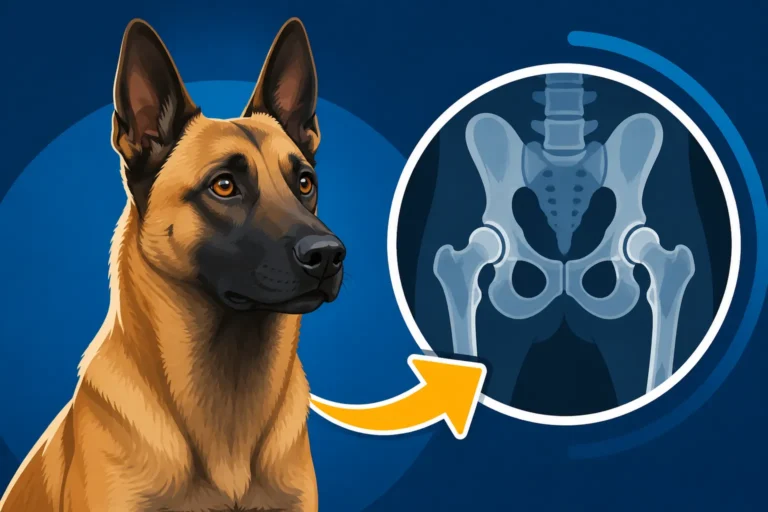
You won't find the Belgian Malinois on the typical lists of breeds frequently affected by vWD, unlike their cousins, the German Shepherds, which can be affected by Type I vWD. Breeders of Malinois usually focus on screening for other, more common genetic health concerns within the breed, such as hip and elbow dysplasia, eye conditions, or epilepsy, because these are the issues that statistically present a higher risk. This doesn't mean a Malinois couldn't theoretically get vWD, but it's exceptionally rare and not considered a characteristic risk for the breed. This contrasts with other breeds where a genetic test for vWD is a standard part of responsible breeding practices.
Genetic Testing and Breed Health
Despite the low prevalence of vWD in Belgian Malinois, the broader principle of genetic testing remains incredibly important for responsible breeding and overall breed health. Even if a specific disease isn't common in Malinois, understanding the genetic landscape of any dog being considered for breeding is paramount.
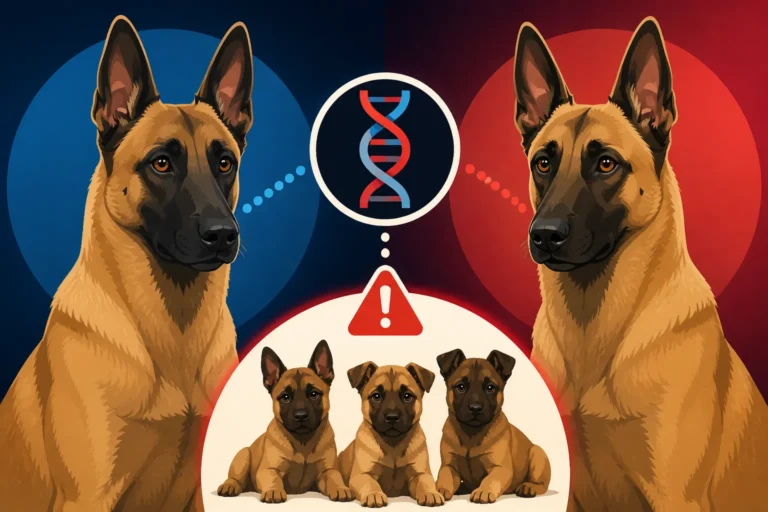
For breeds where vWD is prevalent, DNA tests are readily available to identify affected individuals, carriers, and clear dogs. A carrier dog might not show symptoms but can pass the gene to its offspring. An affected dog will likely show symptoms and will pass the gene on. Pairing two carriers, for example, carries a significant risk of producing affected puppies. While these specific vWD tests aren't routinely performed on Malinois due to the lack of identified risk, the practice of genetic screening for other conditions is essential. Reputable breeders will be transparent about the genetic health of their lines and provide documentation for relevant tests for conditions like the two ataxia genes Belgian Malinois are tested for or screenings for The Hip and Elbow Numbers Behind a Malinois Clearance.
The value of genetic testing, even for conditions not historically linked to a breed, lies in proactively protecting the future of the breed. New mutations can occur, and careful monitoring ensures that problems don't become established. For any planned breeding, having bloodwork before breeding a Belgian Malinois is standard practice. This comprehensive approach to health, supported by detailed veterinary checkups, helps ensure that puppies are as healthy as possible and that their genetic legacy is sound.
Diagnosis and Management of Von Willebrand Disease
While Malinois are generally spared from vWD, understanding the diagnostic process and potential management strategies is valuable for any dog owner. It helps in recognizing symptoms, asking the right questions of your vet, and being prepared should any unexpected bleeding issues arise, regardless of cause.
How Is vWD Diagnosed
Diagnosing Von Willebrand Disease involves a combination of clinical signs and specific laboratory tests. The first clue often comes from a history of abnormal bleeding – perhaps prolonged bleeding after a minor injury, excessive bruising, or bleeding from the gums or nose.
The most common screening test veterinarians might perform if vWD is suspected is the Buccal Mucosal Bleeding Time (BMBT). This is a simple, quick test where a small, shallow incision is made on the inside of the dog’s lip, and the time it takes for bleeding to stop is measured. Dogs with vWD will have a significantly longer bleeding time than normal. However, a prolonged BMBT only indicates a bleeding disorder; it doesn't specifically diagnose vWD.
To confirm vWD and identify its type, more specific tests are needed:
- vWF Antigen Assay: This blood test measures the amount of Von Willebrand factor protein present in the blood. Lower levels indicate a deficiency. Different reference ranges are used to classify Type I, II, or III.
- DNA Testing: For breeds where the specific genetic mutation for vWD has been identified (e.g., Doberman Pinschers), a DNA test from a cheek swab or blood sample can definitively determine if a dog is clear, a carrier, or affected. This is the gold standard for genetic screening and invaluable for breeding decisions. This is also how Testing a Belgian Malinois for SDCA1 and SDCA2 is done.
- Factor VIII Coagulant Activity: Because vWF carries Factor VIII, levels of Factor VIII can sometimes be affected, providing additional diagnostic information, especially in more severe cases.
When a Malinois is undergoing a routine checkup or facing surgery, your vet might recommend pre-anesthetic bloodwork on a Belgian Malinois, which typically includes a basic clotting profile. While this doesn't directly test for vWD, it can flag general clotting abnormalities that warrant further investigation.
Living with a vWD Positive Malinois
For the rare Malinois that might be diagnosed with vWD, or for owners who have other breeds known to carry the gene, managing the condition becomes a lifelong commitment. The goal is to minimize bleeding episodes and be prepared for emergencies.
Precautions and Lifestyle Adjustments:
- Avoid trauma: While a Malinois's nature makes this challenging, efforts should be made to minimize rough play, sharp objects, or situations where injuries are likely. No unsupervised playtime with other dogs known for overly boisterous behavior.
- Careful handling: Even simple procedures like nail trims need extra caution. Using a Dremel tool to grind nails might be safer than clippers to avoid accidental quicking.
- Medication awareness: Certain medications, particularly NSAIDs (non-steroidal anti-inflammatory drugs) like Rimadyl, can inhibit platelet function and worsen bleeding. Always inform your veterinarian about your dog's vWD status before any medication is prescribed.
- Dental care: Routine dental cleanings can often involve gum bleeding. Discuss with your vet the best protocols, which may include administering treatment to increase vWF before the procedure.
Treatment Options:
- Desmopressin (DDAVP): This synthetic hormone can be effective for Type I vWD. It stimulates the release of stored vWF from endothelial cells (lining of blood vessels), temporarily increasing vWF levels. It's often given intravenously before surgeries or in anticipation of a bleeding event. Its effectiveness varies and needs to be tested for each individual dog.
- Blood transfusions: In acute bleeding crises, transfusions of fresh frozen plasma or whole blood can provide the necessary vWF and other clotting factors to stop hemorrhaging. This is often an emergency measure for significant blood loss.
- Cryoprecipitate: This is a concentrated source of vWF, Factor VIII, and fibrinogen, extracted from plasma, and can be administered when severe bleeding occurs.
Managing an inherited condition can lead to significant vet bills. When faced with the potential costs of diagnostics, emergency care, or long-term management, having a robust pet insurance plan like those offered by Healthy Paws can truly alleviate financial stress. Investing in pet insurance early can be a smart move for any Malinois owner, especially if unexpected health concerns arise.
Impact on Surgery and Routine Procedures
Any surgical procedure, no matter how minor, carries an increased risk for a vWD-affected dog. Even a simple spay, neuter, or lump removal can turn into a serious bleeding event. This is why thorough communication with your veterinarian is critical. Prior to any surgery, your vet should be aware of the vWD diagnosis. They might take specific precautions:
- Pre-treatment with Desmopressin: If your dog responds to it, DDAVP would be administered shortly before surgery to boost clotting factor levels.
- Blood product availability: Ensuring fresh frozen plasma or cryoprecipitate is on hand in case of excessive bleeding during or after the procedure.
- Careful surgical technique: Meticulous hemostasis (stopping bleeding) during surgery is even more critical.
- Post-operative monitoring: Close observation for several days after surgery to catch any delayed bleeding.
For dogs needing anesthesia for any reason, whether it’s a surgical procedure or just sedation for a diagnostic image, it's crucial to discuss why anesthesia needs discussing before a Malinois goes under. The anesthetic protocol itself can influence blood pressure and coagulation, so an informed vet can choose the safest options.
Breeding Considerations and Genetic Health
While Von Willebrand Disease isn't a primary concern for Belgian Malinois, the principles of responsible breeding for genetic health apply to all breeds. Understanding and mitigating the risks of any inherited disease is a cornerstone of ethical breeding.
Responsible Breeding Practices to Reduce Disease
Responsible breeders invest heavily in the health and longevity of their bloodlines. This means not only providing excellent nutrition and care but also meticulously screening breeding stock for known genetic predispositions. For Malinois, this includes testing for hip and elbow dysplasia, checking for certain eye diseases behind a Malinois eye certificate, and screening for conditions like epilepsy.
The goal is to eliminate or reduce the incidence of debilitating genetic diseases in future generations. This involves:
- Thorough health testing: Not just parent dogs, but also understanding the health history of their ancestors.
- Genetic counseling: Seeking advice from veterinary geneticists, especially when a rare condition or an unexpected health issue arises in a line.
- Selective breeding: Avoiding breeding affected dogs or, in the case of recessive traits, carefully managing carrier dogs by pairing them only with clear mates.
Even though vWD isn't a common Malinois issue, a conscientious breeder will have a comprehensive checkup schedule a sport Malinois should keep, ensuring all potential health concerns are addressed, including general bloodwork a working Malinois should have annually, to catch any abnormalities.
The Importance of Knowing Genetic Status
For breeds known to carry vWD, knowing a dog's genetic status is critical before breeding. A DNA test will categorize a dog as:
- Clear: Two normal genes, will not develop vWD and will not pass the gene to offspring.
- Carrier: One normal gene, one affected gene. Will not typically show symptoms but can pass the affected gene to 50% of offspring.
- Affected: Two affected genes. Will likely show symptoms and will pass an affected gene to 100% of offspring.
A responsible breeder would never breed two affected dogs, nor would they breed two carriers together, as this combination has a 25% chance of producing affected puppies. The aim is always to improve the health of the breed, not to perpetuate genetic problems. While Breeding Two Ataxia Carrier Malinois has specific risks related to Ataxia, the principle is the same: understand the genetic risks and make informed decisions.
Impact on the Malinois Gene Pool
The fact that vWD is not prevalent in Belgian Malinois is a testament to the breed's overall genetic health in this specific area. Maintaining a broad and diverse gene pool, free from widespread debilitating genetic diseases, is vital for the long-term health of any breed. Over-reliance on a few popular sires or lack of comprehensive health testing can inadvertently concentrate undesirable genes, leading to an increase in genetic disorders.
Breed clubs and organizations play a crucial role in educating breeders and owners about genetic health. By promoting testing, maintaining health registries, and discouraging the breeding of unhealthy individuals, they help protect the integrity and vitality of the Belgian Malinois gene pool for generations to come. This proactive approach ensures that the traits that make the Malinois such an extraordinary dog – their intelligence, athleticism, and unwavering work ethic – are not overshadowed by preventable genetic health issues.
Von Willebrand Disease: A Comparative Overview
To further clarify the different presentations of Von Willebrand Disease, here's a comparative overview of its three main types in dogs. This table will help illustrate why diagnosis and management vary significantly depending on the specific type identified.
| Feature | Type I vWD | Type II vWD | Type III vWD |
|---|---|---|---|
| Prevalence | Most common (70-80% of cases) | Rare | Very rare, but most severe |
| Severity | Mild to moderate bleeding | Moderate to severe bleeding | Severe, often spontaneous, life-threatening |
| vWF Level | Reduced amount of normal vWF | Normal amount of structurally abnormal vWF | Little to no detectable vWF |
| vWF Function | Normal function, just less of it | Abnormal function | Absent |
| Inheritance | Autosomal recessive, incomplete dominance | Autosomal recessive | Autosomal recessive |
| Commonly Affected Breeds | Doberman Pinscher, Golden Retriever, German Shepherd, Standard Poodle, Shetland Sheepdog | German Shorthaired Pointer, German Wirehaired Pointer | Scottish Terrier, Chesapeake Bay Retriever, Shetland Sheepdog |
| Typical Onset | Can be anytime, often seen with trauma/surgery | Early in life, severe cases | Early puppyhood, often fatal |
| Management Focus | Prophylactic treatment before surgery, avoiding NSAIDs | Intensive emergency care, transfusions | Lifelong intensive care, poor prognosis |
Disclaimer
The information provided in this article is for general informational purposes only and does not constitute veterinary advice. Always consult with a qualified veterinarian for any health concerns or before making any decisions related to your pet's health or treatment.