Why a Malinois Eye Certificate Must Be Renewed
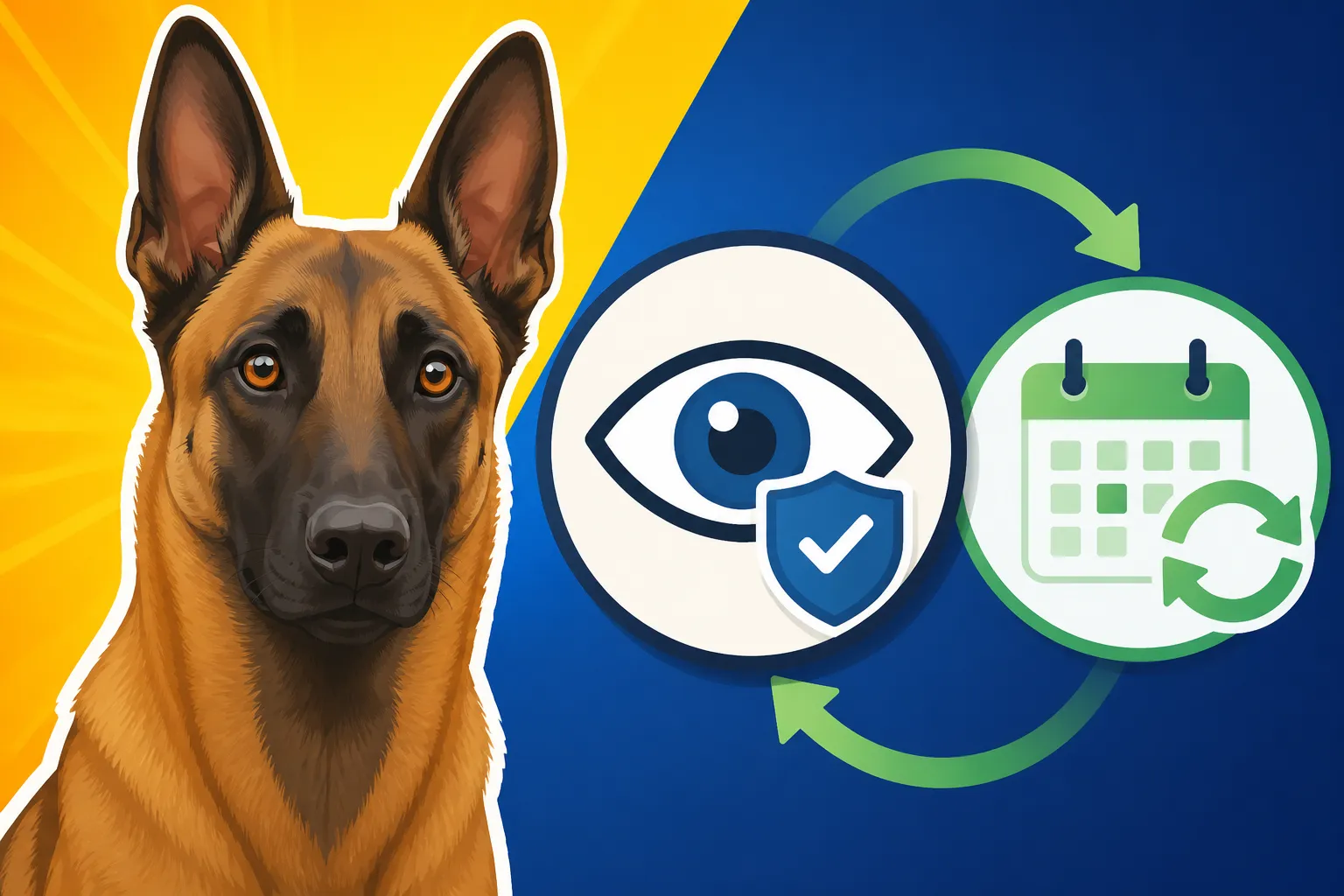
Getting that initial "clear" eye certificate for your Belgian Malinois feels like a huge relief, a box checked, a sign that you've done your due diligence. You walk away with a sense of accomplishment, perhaps thinking, "Great, one less thing to worry about for now." But here's the uncomfortable truth many owners eventually discover: a clean bill of health today doesn't guarantee a perfect future, especially when it comes to those intense, alert Malinois eyes. This guide isn't here to scare you, but to thoroughly explain why a seemingly robust eye certificate is actually a dynamic document, one that absolutely needs regular renewal to truly protect your loyal companion.
The Dynamic Nature of Ocular Health in Malinois
It's easy to assume that once a Malinois passes an initial eye exam and gets their certificate, their vision health is set in stone. Unfortunately, that's rarely the case. Just like with humans, a dog's eyes are living, changing organs, susceptible to a host of issues that can develop over time, regardless of their genetic predispositions. For a breed as active and highly tuned as the Belgian Malinois, understanding this dynamic nature is critical.
Progressive Eye Conditions
Many eye conditions aren't a "flip of a switch" situation where they appear overnight. Instead, they often creep in slowly, subtly at first, making regular check-ups indispensable. You might have a Malinois puppy or young adult with an absolutely pristine certificate, only for a condition to manifest years later. Take, for instance, Pannus, also known as Chronic Superficial Keratitis (CSK) or The Grayish Film Creeping Across a Malinois Eye. This autoimmune disease, while sometimes presenting in younger dogs, often becomes noticeable as a dog matures, typically between the ages of two and six years old. It starts as a reddish or pinkish film on the cornea, often at the outer edge, and if left untreated, it progressively covers the eye, eventually impairing vision and even causing blindness. An eye certificate from a year or two prior simply wouldn't show this nascent issue.
Beyond Pannus, other conditions like cataracts can develop gradually. While some cataracts are congenital, many are age-related or secondary to other health issues like diabetes. A Malinois could have perfectly clear lenses at two years old, but by five or six, early signs of lens opacity might begin to appear. Similarly, glaucoma, a painful condition characterized by increased pressure within the eye, can be primary (inherited) or secondary (caused by injury or disease), and its onset can be sudden or slow. An initial certificate confirms a dog is clear at that moment in time, but it cannot predict future development of such progressive diseases. This is why understanding The Eye Diseases Behind a Malinois Eye Certificate means accepting that ongoing vigilance is key.
Environmental and Lifestyle Factors
A Belgian Malinois isn't your average couch potato. These dogs are built for work, for speed, for intense focus, and that often means operating in environments that aren't exactly pristine or gentle on their eyes. Think about a Malinois working in detection, sniffing through rubble, dense brush, or industrial areas. Their eyes are constantly exposed to dust, dirt, twigs, and other debris that can cause corneal abrasions or foreign bodies. While minor scratches might heal, repeated trauma or undetected foreign objects can lead to chronic irritation, ulcers, or infections that compromise vision.
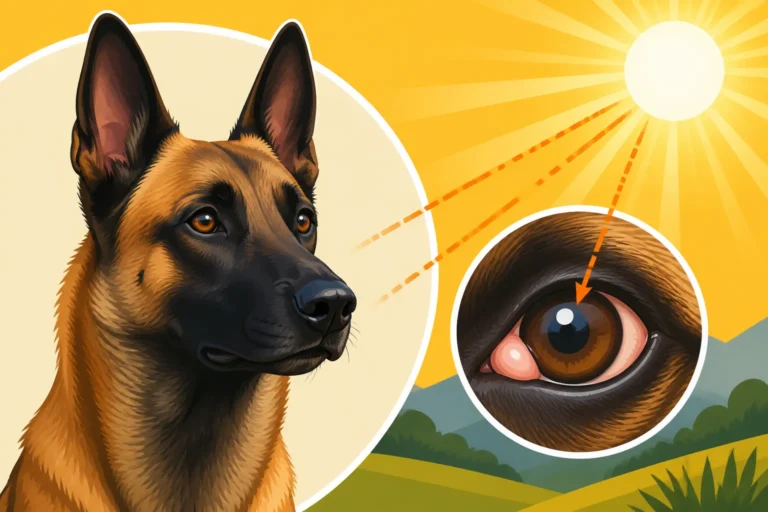
Furthermore, a Malinois participating in bite sports or patrol work faces unique risks. During high-drive engagements, there's always a chance of accidental impact or trauma to the eye area. A stray paw, a piece of equipment, or even the friction of a sleeve can lead to injuries that are not genetic but purely circumstantial. Conditions like Corneal Scratches on a Malinois Working Brush are a real concern for active dogs. Even seemingly innocuous factors like prolonged exposure to bright sunlight can exacerbate certain conditions, with Pannus being a prime example. Regular renewal allows a veterinary ophthalmologist to assess these cumulative environmental impacts and catch any related issues before they become debilitating, ensuring your Malinois's vision remains sharp for all its demanding tasks.
Why Annual Eye Examinations Are Non-Negotiable
Given the ever-changing nature of ocular health, viewing the initial eye certificate as a one-and-done deal is a serious oversight. For a Belgian Malinois, a breed that relies so heavily on its keen senses for performance, safety, and overall well-being, annual eye examinations by a board-certified veterinary ophthalmologist are not just recommended, they are essential.
Early Detection and Intervention
The most significant benefit of regular eye certificate renewals is the opportunity for early detection. Many eye conditions, when caught in their nascent stages, are far more manageable and treatable than when they've progressed significantly. For instance, if a Malinois starts to develop Pannus, early diagnosis allows for immediate intervention with topical corticosteroids or cyclosporine. Consistent application of Daily Eye Drops for a Malinois With Pannus can halt the progression of the disease and often reverse some of the corneal changes, preserving vision. Delaying treatment, however, often leads to irreversible scarring and pigment deposition, severely impacting sight.
Consider conditions like glaucoma. While some cases can be acute and rapid, others are more insidious. Regular tonometry (measurement of eye pressure) during an annual exam can detect subtly elevated pressures before the dog shows obvious signs of discomfort or vision loss. Early medical management, sometimes involving multiple medications, can help maintain intraocular pressure and extend vision. In contrast, by the time a dog is squinting, rubbing its eye, or has a visibly dilated pupil – signs of advanced glaucoma – the damage might already be substantial and irreversible, potentially requiring painful enucleation (eye removal). Proactive examinations translate directly into better outcomes, fewer crises, and ultimately, a higher quality of life for your Malinois. This approach can also significantly reduce the long-term The Vet Bills a Bite Sport Belgian Malinois Runs Up by avoiding expensive emergency treatments and surgeries.
Maintaining Breeding Standards and Genetic Health
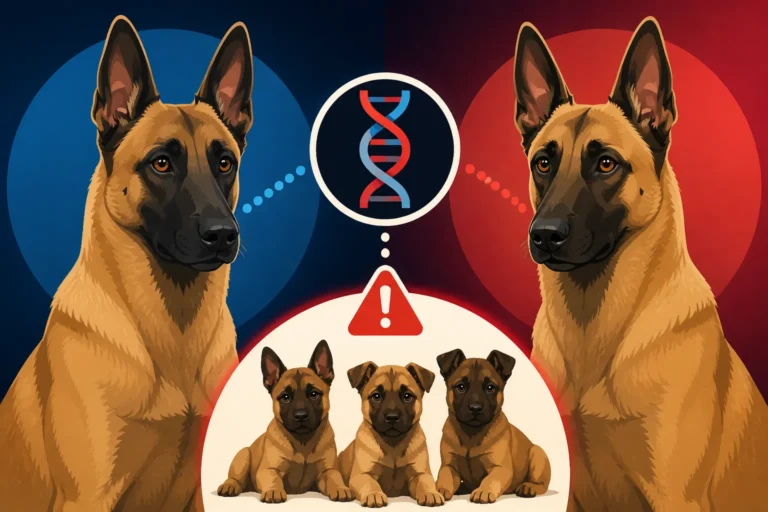
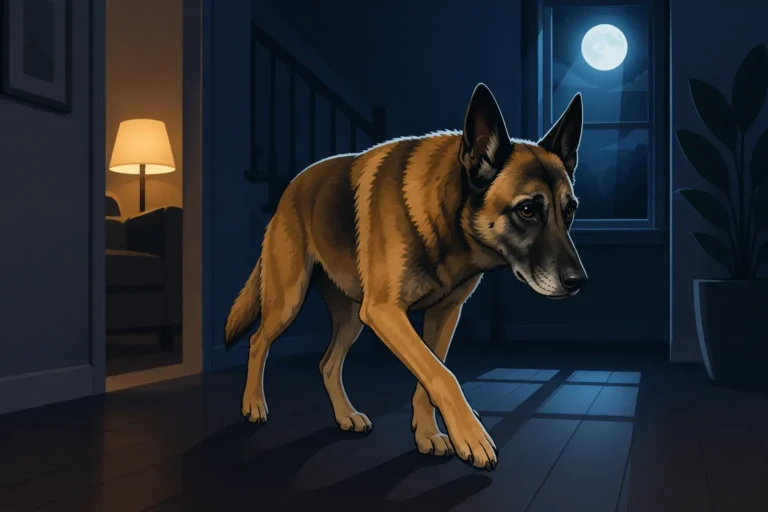
For responsible Belgian Malinois breeders, annual eye certificate renewals are a cornerstone of ethical breeding practices. Many hereditary eye conditions have variable ages of onset. A dog might pass its initial eye exam at 18 months or two years, but if it carries a gene for a late-onset condition, it could develop signs later in life. Breeding dogs without up-to-date clearances risks passing on these conditions to future generations, perpetuating genetic health problems within the breed. This is especially important for conditions like Progressive Retinal Atrophy (PRA), which can lead to Night Blindness Setting In on a Malinois and eventually complete blindness, often with an onset in mid-life.
By renewing eye certificates annually, breeders can monitor the ocular health of their breeding stock throughout their reproductive years. If a dog develops an inherited condition after having been bred, the breeder gains crucial information that can influence future breeding decisions, allowing them to make informed choices about progeny and partner selection. This commitment to ongoing health screening helps to ensure that breeders are producing puppies with the best possible chance of living long, healthy lives with clear vision, thereby upholding the integrity and health of the Belgian Malinois breed. This kind of diligent health screening is a hallmark of reputable breeders and vital for the longevity of the breed.
What an Eye Certificate Renewal Entails
Renewing your Malinois's eye certificate isn't just a formality; it's a comprehensive check-up that provides an invaluable snapshot of their current ocular health. It's performed by a board-certified veterinary ophthalmologist, a specialist whose expertise goes far beyond what a general practice vet can offer in this specific field. Understanding what this examination involves can help prepare both you and your dog.
The Examination Process
When you bring your Malinois in for an eye certificate renewal, the veterinary ophthalmologist will perform a thorough and systematic examination. This isn't just a quick peek; it involves several specific tests designed to evaluate every part of the eye. First, a comprehensive ocular history will be taken, discussing any changes you've observed, behaviors like rubbing or squinting, or any previous treatments. Then, the specialist will typically begin with a detailed external examination, looking at the eyelids, tear ducts, and surrounding structures for any abnormalities.
Key diagnostic tools and procedures include:
- Ophthalmoscopy: Using an ophthalmoscope, the vet will look into the back of the eye, examining the retina, optic nerve, and vitreous humor for signs of degeneration, detachments, or other issues.
- Slit Lamp Biomicroscopy: This specialized microscope allows for a magnified, detailed view of the anterior segment of the eye, including the cornea, iris, and lens. This is where subtle changes like early cataracts or corneal pigmentation from Pannus are often first detected.
- Gonioscopy: In some breeds and in cases where glaucoma is a concern, gonioscopy may be performed to examine the drainage angle of the eye. This helps identify structural abnormalities that could predispose a dog to glaucoma.
- Tonometry: This measures the intraocular pressure (IOP) within the eye. High IOP is characteristic of glaucoma, and early detection is crucial for managing this painful condition.
- Schirmer Tear Test: This measures tear production, which can indicate dry eye syndrome (keratoconjunctivitis sicca), a common condition in many breeds.
- Fluorescein Staining: A special dye is applied to the eye to detect corneal abrasions or ulcers that might not be visible to the naked eye.
These tests, often performed in a dimmed room, are usually non-painful, though some dogs might find the bright lights or close proximity a little unsettling. The specialist systematically checks each component of the eye, comparing findings to previous exams and breed standards, to ensure nothing is missed.
Understanding the Results and Next Steps
After the examination, the ophthalmologist will discuss their findings and complete the eye certification form, which usually goes by organizations like the Orthopedic Foundation for Animals (OFA) or the American College of Veterinary Ophthalmologists (ACVO) for companion animal eye registry (CAER) exams. This certificate will state whether the dog is "clear" of observable eye disease at the time of examination or if any conditions were noted. If your Malinois is diagnosed with an eye condition, the ophthalmologist will walk you through the specifics, including the prognosis, potential causes, and recommended treatment plan.
Treatment might range from daily eye drops, like the Monthly Cyclosporine Costs for a Malinois With Pannus you might face, to oral medications, or even surgical interventions depending on the severity and type of condition. For progressive conditions, managing an illness effectively means adhering to the prescribed medication schedule and often implementing environmental changes, such as providing Shade Routines for a Light Sensitive Belgian Malinois to minimize UV exposure if Pannus is present. This information is invaluable for managing your dog's health moving forward. It’s also important to consider how these costs might impact your budget. Many diligent owners find that a good pet insurance plan, like those offered by Healthy Paws, can be incredibly helpful. Understanding Whether Insurance Covers a Malinois's Pannus Drops or other treatments beforehand can alleviate a lot of financial stress during an already challenging time. The renewal process provides clarity and direction, empowering you to make the best decisions for your Malinois's ongoing visual health.
Here's a quick overview of some common Malinois eye conditions and why renewal is essential:
| Condition | Description | Typical Onset Age | Why Renewal is Crucial |
|---|---|---|---|
| Pannus (CSK) | Autoimmune condition causing a fleshy, reddish film on the cornea. | 2-6 years | Progresses slowly; early detection allows for treatment (drops) to halt progression and preserve vision. |
| Cataracts | Opacity of the eye lens, leading to blurred vision. | Variable (often age-related) | Can develop over time; regular checks detect early stages, allowing for monitoring or surgical consideration before severe impairment. |
| Progressive Retinal Atrophy (PRA) | Degeneration of the retina, leading to night blindness and eventual total blindness. | Variable (often mid-life) | Hereditary but late-onset; renewal helps identify affected dogs for breeding decisions and management. |
| Glaucoma | Increased pressure within the eye, leading to pain and vision loss. | Variable (any age) | Can be acute or chronic; annual tonometry can catch subtle pressure increases before severe, irreversible damage occurs. |
| Distichiasis/Ectopic Cilia | Eyelashes growing in abnormal locations, irritating the cornea. | Can be present at birth or develop later | Can cause chronic irritation, pain, and corneal ulcers; renewal detects these structural issues and allows for treatment. |
Financial and Ethical Considerations of Eye Health
Investing in the health of a Belgian Malinois is a significant commitment, and their eye health is a vital component of that responsibility. While the upfront cost of an eye certificate renewal might seem like just another vet bill, it's actually a proactive measure that can save you considerable expense and emotional distress in the long run.
Cost of Proactive Care Versus Emergency Treatment
Let's be blunt: veterinary care, especially specialized care, isn't cheap. An annual eye exam by a board-certified ophthalmologist, which includes the necessary tests for a certificate renewal, typically ranges from $100 to $300, depending on your location and the specific clinic. This might seem like a recurring expense, but compare that to the cost of treating an advanced, neglected eye condition. For instance, if Pannus goes untreated for too long and causes severe vision impairment, the treatment might become more intensive, or the vision loss irreversible. Surgically removing a late-stage cataract, managing acute glaucoma, or performing an enucleation (eye removal) due to an irreparable injury or chronic pain can easily run into thousands of dollars.
Think of the annual eye exam as preventative maintenance for a high-performance vehicle. A small, regular investment keeps things running smoothly and allows for minor adjustments before they become major breakdowns. Having an updated certificate also means you're more likely to catch issues like early Cataracts in an Older Belgian Malinois, which might then be managed or monitored without immediate, costly intervention. Furthermore, a robust pet insurance plan can be a lifesaver. Providers like Healthy Paws are there to help with unexpected veterinary expenses. While routine exams might not always be covered, catching a developing condition early means that subsequent diagnostic tests, medications, or even surgeries for a newly diagnosed condition could be eligible for coverage, significantly easing the financial burden on your wallet. This proactive approach saves money and stress in the long run.
The Owner's Responsibility to Their Malinois
Beyond the financial aspects, there's a profound ethical responsibility to consider. A Belgian Malinois is a highly intelligent, intensely driven working breed that relies on its senses – especially its sight – to navigate the world, perform its duties, and engage with its handler. Compromised vision doesn't just impact their ability to work or compete; it affects their entire quality of life. A Malinois with deteriorating eyesight might become anxious, less confident, or even prone to accidents because they can't accurately perceive their surroundings. Their drive and joy for life can diminish if they can't see the ball, the decoy, or the scent article clearly.
As owners, we commit to providing these incredible dogs with the best possible care. This includes ensuring they remain physically sound and comfortable throughout their lives. Regular eye certificate renewals are a demonstration of that commitment. They allow us to stay ahead of potential problems, intervene effectively, and maintain our Malinois's vision for as long as possible. This dedication to their well-being ensures they can continue to thrive, engaged and happy, whether they are a working partner, a sport dog, or a cherished family companion. It is a fundamental part of being a responsible owner for such a demanding and rewarding breed.
Disclaimer
This article is intended for informational purposes only and does not constitute veterinary advice. Always consult with a qualified veterinary professional for any health concerns or before making any decisions about your Belgian Malinois's care.