Traction for an Old Malinois on Hardwood
It's incredibly frustrating, and honestly heartbreaking, to watch your once agile and powerful Belgian Malinois struggle to even stand up or walk across your beautiful hardwood floors. What was once a simple task becomes a treacherous balancing act, often leading to slips, falls, and the risk of injury, especially as they get older and their joints aren't what they used to be. This guide is here to walk you through practical, empathetic solutions to improve traction for your senior Malinois, ensuring they can navigate their home with confidence and comfort once again.
Understanding the Struggle: Why Hardwood is a Hazard for Senior Malinois
When your Malinois was a young pup, those hardwood floors were probably a playground, a place for zoomies and skidding stops that barely phased them. But as they age, things change, and suddenly, those smooth, shiny surfaces become a real challenge. It’s not just about getting older; there are specific reasons why hardwood floors pose such a risk to our senior dogs, especially a breed as active and muscular as a Belgian Malinois.
The Impact of Aging on Malinois Mobility
As our beloved Malinois enter their senior years, typically around 7-9 years old, their bodies undergo a lot of changes. Their muscles might start to atrophy, meaning they lose some of that powerful muscle mass that once provided stability. Their reflexes slow down, and their proprioception – their body's awareness of its position in space – can diminish. Think about how easily they could right themselves from a slight stumble in their youth; now, that same stumble can lead to a full-blown fall.
Beyond muscle and reflexes, joint health is a huge factor. Many senior Malinois develop arthritis, a painful inflammation of the joints. Conditions like Arthritis in a Belgian Malinois at Nine are not uncommon, making every step on a hard, unforgiving surface a potential source of discomfort. When a joint is painful, a dog will naturally try to shift weight away from it, leading to an uneven gait and even less stability on slippery floors. Their gait might also change due to other age-related issues, like early signs of a The Spinal Disease That Ends a Malinois's Mobility, which can cause weakness and incoordination in the hind limbs. This combination of muscle loss, slowed reflexes, and painful or unstable joints creates a perfect storm for slips and falls on hardwood, making it incredibly difficult for them to move with any confidence or ease.
The Role of Nails and Paw Pads in Traction
Another often-overlooked aspect of senior Malinois mobility on slick surfaces is the condition of their nails and paw pads. Unlike humans, dogs rely on their nails to provide some grip, acting like cleats on grass or dirt. However, if your Malinois's nails are too long, they can't effectively grip the ground. Instead, the long nail makes contact with the floor before the paw pad does, lifting the paw pad slightly and reducing the surface area available for friction. This is especially true for senior dogs who might not wear their nails down as much through activity as they once did.
Furthermore, paw pads themselves can change with age. They might become smoother, drier, or less supple, losing some of their natural texture that once provided grip. If your Malinois has been active on rougher surfaces for years, their pads might even be quite hardened, which, while protective, might not offer optimal grip on glass-smooth hardwood. Sometimes, conditions like hyperkeratosis can lead to overly tough, cracked pads that paradoxically offer less traction and can even be painful. Ensuring proper paw care, including regular nail trims and moisturization, is a crucial first step in improving their footing.
Immediate Traction Solutions: Grips, Socks, and Temporary Fixes
When your senior Malinois starts struggling on hardwood, you need solutions that can make an immediate difference. These are the quick fixes and product-based aids that you can implement right away to help your dog regain some confidence and prevent slips.
Specialized Paw Grips and Socks
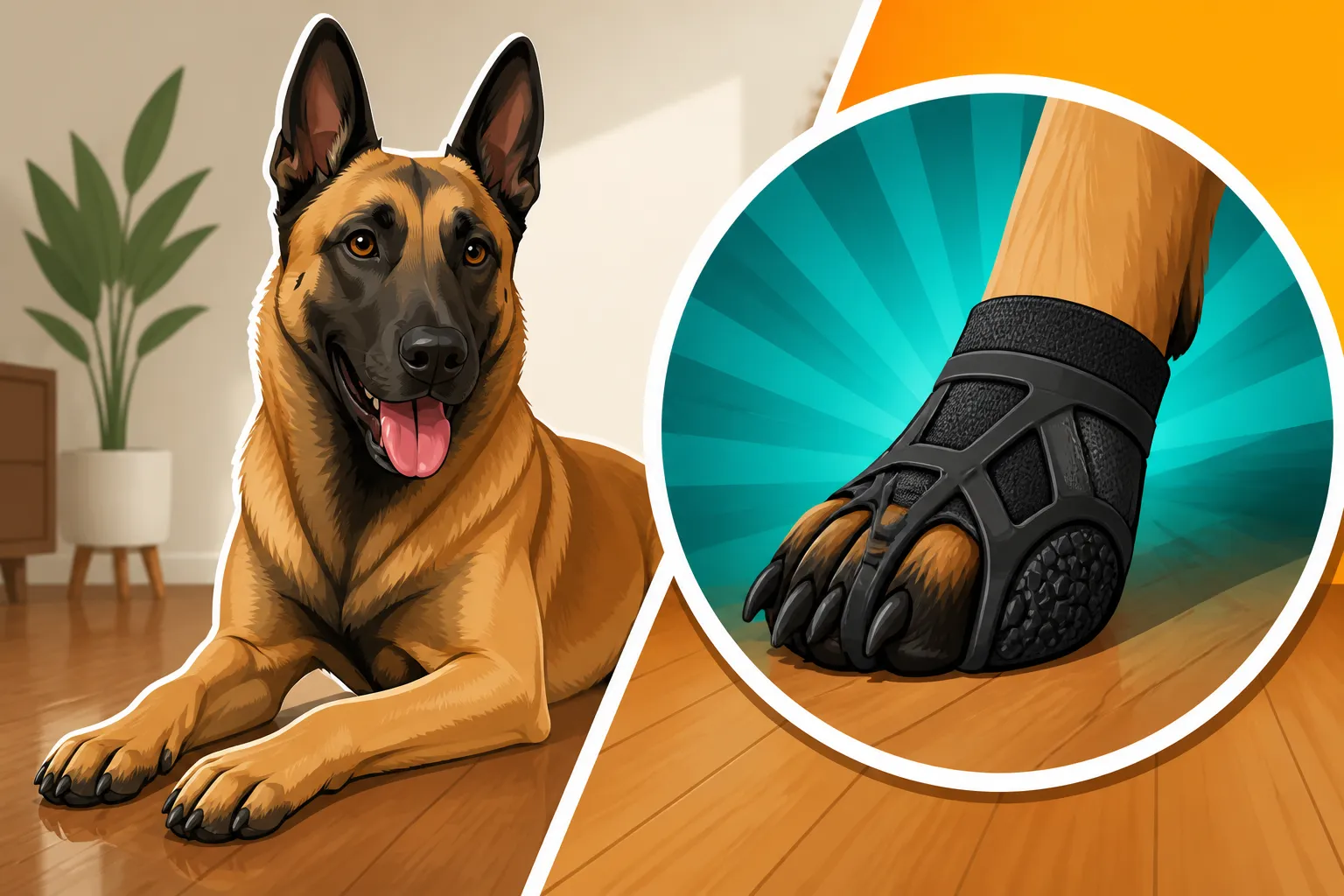
One of the most popular and effective immediate solutions is to provide your Malinois with something that directly enhances the grip of their paws. Dog socks with anti-slip soles are a fantastic option. These aren't just cute accessories; they're designed with rubberized bottoms to give your dog the friction they need on smooth surfaces. When choosing socks, look for ones that are breathable, comfortable, and fit snugly without being too tight, ensuring they don't slip off or bunch up. It might take a little time for your Malinois to get used to wearing them, but with patience and positive reinforcement, most dogs adapt well. You can find a wide variety of these on platforms like Chewy or Amazon, often in multi-packs to ensure you always have a clean pair on hand.
Alternatively, if socks aren't a good fit or your dog just won't tolerate them, there are adhesive paw pads specifically designed to stick to the bottom of your dog's paw. These are essentially temporary, textured stickers that provide grip. They’re great for dogs who pull off socks or booties. Another option is a liquid anti-slip solution that you apply directly to the paw pads, which dries to create a grippy, non-toxic coating. These are less invasive than socks but need regular reapplication. Whichever option you choose, monitor your dog's paws for any irritation or discomfort, especially when first introducing them.
Temporary Floor Coverings
Sometimes, the simplest solution is to change the floor itself, at least temporarily. Laying down runners, area rugs, or even yoga mats in high-traffic areas can instantly transform a slippery hazard into a safe pathway. Think about the routes your Malinois takes most often: from their bed to their food bowl, to the door for potty breaks, or to their favorite sunny spot. By strategically placing non-slip rugs or mats along these routes, you create a network of safe zones.
When selecting rugs, prioritize those with non-slip backing to prevent them from sliding around, which could create a new hazard. Low-pile rugs are often better as they are less likely to catch your dog's nails or trip them up. For areas where they might spend more time standing or eating, a small, absorbent rug can provide both traction and comfort. This approach doesn't require your dog to wear anything on their paws and can be particularly helpful for dogs who are resistant to booties or paw grips. It also offers a soft landing spot in case of a minor stumble, providing peace of mind for both you and your When a Malinois Is Considered Old.
Home Modifications for Lasting Safety and Comfort
While temporary solutions are great for immediate relief, thinking about long-term home modifications can provide a more permanent and integrated solution for your senior Malinois's safety and comfort. These changes aim to make your entire living space more accessible and less hazardous.
Strategic Rug Placement and Permanent Runners
Moving beyond temporary mats, consider making more permanent changes to your floor plan with strategic rug placement. Instead of just a few mats, invest in larger area rugs that cover significant portions of your hardwood floors, especially in rooms where your Malinois spends a lot of time. In hallways and along common pathways, permanently installed runners can provide continuous safe footing.
When planning this, consider the dimensions and the materials. Wool or synthetic rugs with dense piles can provide excellent traction and cushioning. Ensure all rugs have high-quality non-slip pads underneath them, or choose rugs specifically designed with integrated non-slip backing. For stairs, carpet runners can be installed to prevent dangerous slips, an absolute must for an older Malinois whose depth perception or balance might be compromised. This not only benefits your dog but can also add warmth and aesthetic appeal to your home. Many online retailers like Chewy or Amazon offer a vast selection, making it easy to find options that fit your style and budget.
Ramps and Stairs for Accessibility
Access to elevated surfaces, like beds, couches, or even getting into and out of a car, can become increasingly difficult and risky for an older Malinois. Jumping off these surfaces onto slick hardwood can lead to severe injuries. Introducing ramps or dog stairs can dramatically improve their accessibility and reduce the risk of strain or falls.
Look for ramps that have a gentle incline and a non-slip surface, like carpeting or a rubberized texture. They should also be wide enough for your Malinois to comfortably walk on without feeling precarious. For beds and couches, smaller, stable dog stairs with carpeted treads can be a perfect solution. It's crucial to train your Malinois to use these aids patiently and positively. Start with treats and praise, gradually guiding them up and down until they are comfortable and confident. This simple modification can make a huge difference in their daily life, allowing them to continue enjoying their favorite cozy spots without you having to constantly lift them, which can be difficult for a large dog like a Malinois. Ensuring they can comfortably get onto Beds an Arthritic Malinois Can Get Out Of is a game-changer.
Improving Lighting and Decluttering Pathways
Sometimes, the problem isn't just the floor's slipperiness but other environmental factors that contribute to falls. Poor lighting can make it harder for an older dog, whose vision might be declining, to see obstacles or changes in floor texture. Ensuring adequate, even lighting in all areas your Malinois frequents can significantly improve their confidence and reduce missteps. Nightlights in hallways or motion-sensor lights for nighttime potty breaks are simple yet effective additions.
Furthermore, decluttering pathways and ensuring clear routes can prevent trips. A stray shoe, a pile of laundry, or even a child's toy can become a serious hazard for a dog with compromised mobility. Keep floors clear, especially along their usual routes. Arrange furniture to create open, unobstructed paths. This might seem like common sense, but it becomes even more critical when caring for a senior dog whose ability to navigate small spaces or avoid sudden obstacles is diminished. A clear, well-lit path on a non-slip surface will provide the safest environment for your senior Malinois to move freely.
Supporting Joint Health: Beyond Just Traction
While addressing traction on hardwood floors is paramount, it's equally important to consider what's happening inside your Malinois's body. Joint health plays a massive role in their overall mobility and ability to maintain balance. Focusing on nutrition and supplementary care can make a significant difference in their comfort and stability, indirectly helping them navigate slippery surfaces better.
Nutritional Support for Aging Joints
A well-balanced diet is fundamental for any dog, but for an aging Malinois, it becomes even more critical to support their joints. Look for high-quality senior dog formulas that are often lower in calories to help maintain a healthy weight, which is vital as extra pounds put more stress on aching joints. These diets also frequently include ingredients known to support joint health. Brands like Ollie offer fresh food options which can be great for senior dogs, providing easily digestible nutrients that contribute to overall vitality.
Beyond the base diet, certain nutrients are particularly beneficial. Omega-3 fatty acids, found in fish oil, are powerful anti-inflammatories that can help reduce joint pain and stiffness. Glucosamine and chondroitin are popular supplements that support cartilage health and can help improve joint lubrication. Many commercial senior diets incorporate these, but you might also consider adding them as separate supplements. Discussing your Malinois's specific dietary needs with your veterinarian is always the best approach to tailor a plan that supports their aging body and helps them maintain strength and mobility.
The Power of Targeted Joint Supplements
Even with a high-quality diet, many senior Malinois can benefit from targeted joint supplements. These products are formulated to provide concentrated doses of ingredients specifically chosen for their positive impact on joint health. Ingredients like methylsulfonylmethane (MSM) can help reduce inflammation and pain, while hyaluronic acid can improve the viscosity of synovial fluid, which lubricates joints.
When choosing a supplement, look for reputable brands that provide clear dosage instructions based on your dog's weight. Consistency is key with supplements; it often takes several weeks or even months to see noticeable improvements, so patience is a virtue. Products like these can be found easily on Chewy or Amazon, offering a wide range of formulations from chews to powders. Pairing these supplements with Joint Supplements for a Working Belgian Malinois from their younger years can provide a seamless transition into senior care. Always consult with your vet before introducing any new supplement to your Malinois's regimen to ensure it's appropriate for their individual health status and won't interact negatively with any other medications.
The Importance of Maintaining Ideal Weight
Perhaps one of the most impactful, yet often challenging, aspects of supporting an older Malinois's joint health is maintaining an ideal body weight. Even a few extra pounds can significantly increase the load and strain on their joints, exacerbating conditions like arthritis and making it even harder for them to move without pain or to regain their balance on a slippery floor. A leaner body means less stress on hips, elbows, and spine, allowing existing solutions to be more effective.
Regular weight checks and careful portion control are crucial. If your Malinois has slowed down, their caloric needs will have decreased, even if their appetite hasn't. Adjusting their food intake and ensuring they get appropriate, low-impact exercise can help them shed or maintain a healthy weight. Think about swimming, gentle walks, or even Keeping an Old Belgian Malinois Mentally Busy with puzzle toys indoors, rather than high-impact activities. Discussing your Malinois's ideal weight and a weight management plan with your vet can provide personalized guidance and support to keep them as comfortable and mobile as possible into their golden years.
Here's a quick comparison of common traction solutions for your senior Malinois:
| Solution Type | Description | Pros | Cons | Best For |
|---|---|---|---|---|
| Anti-Slip Socks | Fabric socks with rubberized grippers on soles. | Good immediate grip; protects paws; breathable. | Can slip off; dog may resist wearing; need frequent washing. | Dogs needing all-around paw grip, protecting sensitive paws. |
| Adhesive Paw Pads | Stick-on textured pads for paw soles. | Less intrusive than socks; good grip; waterproof. | Can fall off; hair growth can make application tricky; need reapplication. | Dogs who dislike socks; short-term use for specific events. |
| Liquid Paw Grips | Non-toxic liquid applied to pads, dries tacky. | Natural feel; easy application; no need to wear anything. | Needs frequent reapplication; can feel sticky to touch; not waterproof. | Mild traction needs; dogs who hate anything on their paws. |
| Area Rugs/Runners | Carpet or fabric laid over hardwood floors. | Excellent, consistent traction; cushioning; aesthetic. | Can be costly; requires cleaning; must have non-slip backing. | High-traffic areas, entire rooms, creating safe pathways. |
| Dog Ramps/Stairs | Angled or stepped platforms for elevated surfaces. | Safe access to furniture/vehicles; reduces jumping strain. | Requires training; takes up space; must be stable. | Access to beds, couches, cars, preventing impact injuries. |
Disclaimer
This article is for general informational purposes only and does not constitute professional advice. Laws, prices and regulations vary by location and change over time. Consult a qualified professional for guidance on your specific situation.