Whether an Old Belgian Malinois Needs Softer Food
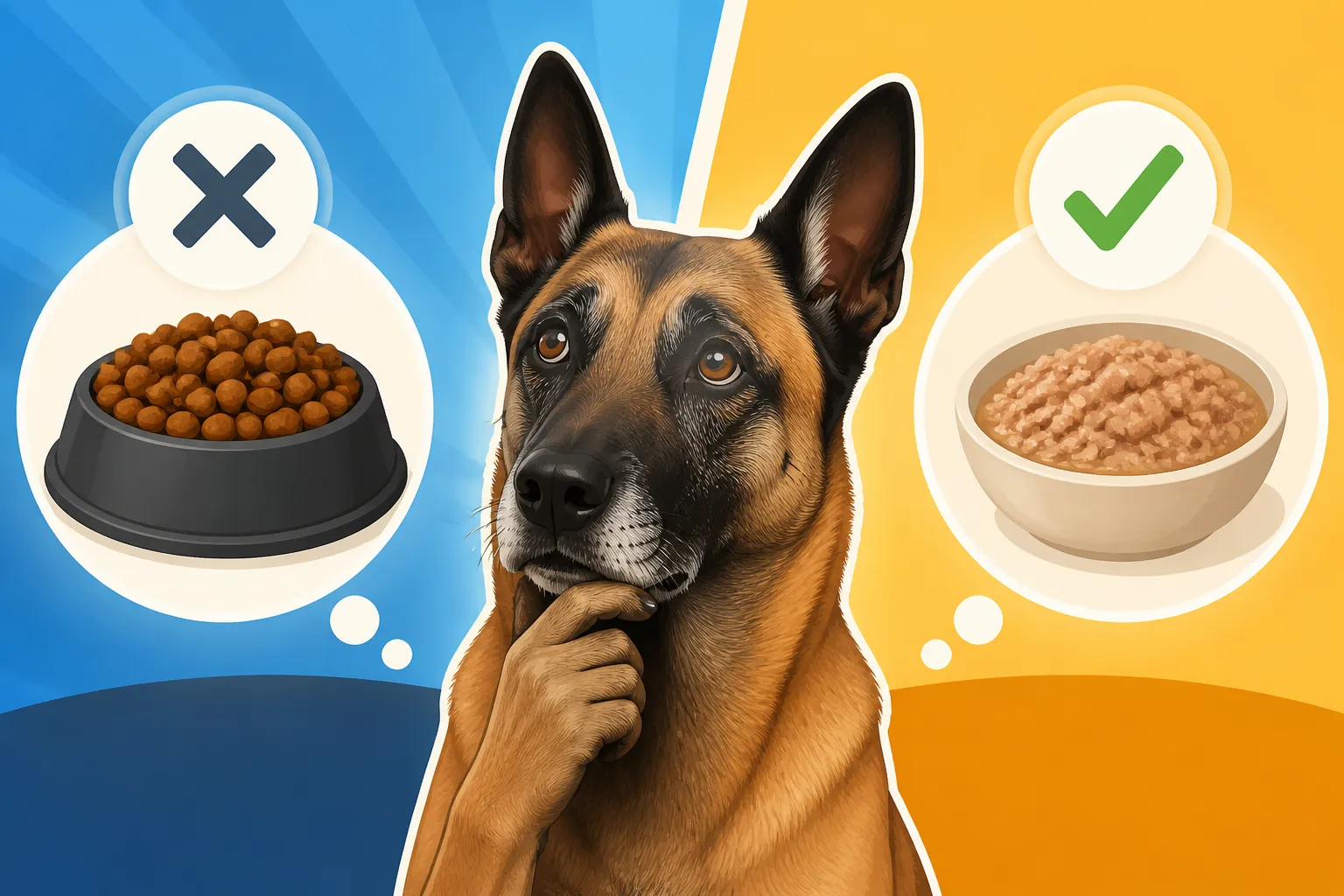
As our beloved Belgian Malinois age, many of us start noticing subtle changes in their behavior and physical capabilities. One common concern that often arises is their eating habits – perhaps they’re taking longer to finish their meals, dropping kibble, or showing less enthusiasm at dinner time. It’s natural to worry if their once-voracious appetite is waning, and often the first thought is whether an older Malinois needs softer food to make mealtime more comfortable. This comprehensive guide will explore the nuances of feeding a senior Malinois, helping you understand when and why a dietary change to softer food might be beneficial, and what options are available to ensure your loyal companion continues to thrive in their golden years.
The Shifting Needs of a Senior Malinois's Mouth and Digestion
It’s easy to think of our Malinois as the perpetually energetic, unyielding dogs they were in their prime, but time catches up to even the toughest working breeds. As they enter their senior years, typically around 7-8 years old for a large, active breed like the Malinois, their bodies undergo a range of physiological changes. These changes aren't always immediately obvious, but they can profoundly impact something as fundamental as eating. We need to be vigilant observers, looking for the small cues that signal a need for adjustment.
Dental Decline and Oral Discomfort
One of the most common, yet often overlooked, reasons an older Malinois might struggle with hard kibble is dental health. Imagine trying to chew crunchy food with a toothache, sore gums, or even a missing tooth – it’s not pleasant. Our dogs often suffer in silence, their stoic nature masking significant discomfort. Over years of chewing, teeth can become worn down, cracked, or loose. Plaque and tartar build-up, a lifelong battle, can advance to severe gum disease (periodontal disease), leading to inflamed, painful gums and even bone loss around the teeth.
A Malinois that has spent years working, particularly if they’ve been involved in bite sports or other activities that put stress on their mouth, might have accumulated more wear and tear. Broken Teeth on a Malinois From Bite Work is a very real concern for these dogs, and a chipped or fractured tooth can cause excruciating pain with every bite. When a dog has chronic dental pain, it's not surprising they might avoid hard food, leading to a decreased appetite or a reluctance to eat at all. They might try to swallow kibble whole, which isn't ideal for digestion and can even be a choking hazard. Regular veterinary dental check-ups are crucial, not just for fresh breath, but for identifying and addressing these underlying issues. Sometimes, a professional dental cleaning or even extractions are necessary to alleviate pain and restore comfort. If your Malinois is due for a checkup, or you’ve noticed them being particular about their food, it's definitely worth having their mouth thoroughly examined.
Digestive Changes and Nutrient Absorption
Beyond the mouth, the entire digestive system of an older Malinois begins to slow down and change. Just like with humans, an older dog's metabolism often decreases, and their body's efficiency at breaking down and absorbing nutrients can diminish. This means that the food they've eaten their whole life might not be as easy for them to process anymore. You might see subtle signs like occasional loose stools, increased gas, or even a bit of acid reflux, which can make them less eager to eat.
Specifically, the production of digestive enzymes and stomach acid can decrease, making it harder to break down complex carbohydrates and proteins. This can lead to food sitting longer in the stomach, causing discomfort or making nutrient extraction less efficient. For a breed that has often maintained a very lean condition throughout its working life, like the Belgian Malinois, any decline in nutrient absorption can quickly lead to unwanted weight loss or difficulty Holding Condition on a Retired Malinois.
Another factor to consider is hydration. Many older dogs tend to drink less water throughout the day, whether due to decreased thirst drive, discomfort from arthritis when bending down to a bowl, or simply being less active. Softer, wetter foods naturally contain a higher moisture content, which can be a simple yet effective way to help maintain their hydration levels and support kidney function, which is particularly important as dogs age. By understanding these internal shifts, we can better appreciate why a change in food texture isn't just about indulgence, but about supporting vital bodily functions in their senior years.
When Softer Food Becomes a Practical Necessity
Recognizing the subtle cues that your Malinois might need softer food is key. These aren't always dramatic shifts, but consistent patterns that emerge over time. Paying close attention to their eating habits can provide invaluable insight into their comfort and overall health.
Observable Signs Your Malinois Needs a Diet Change
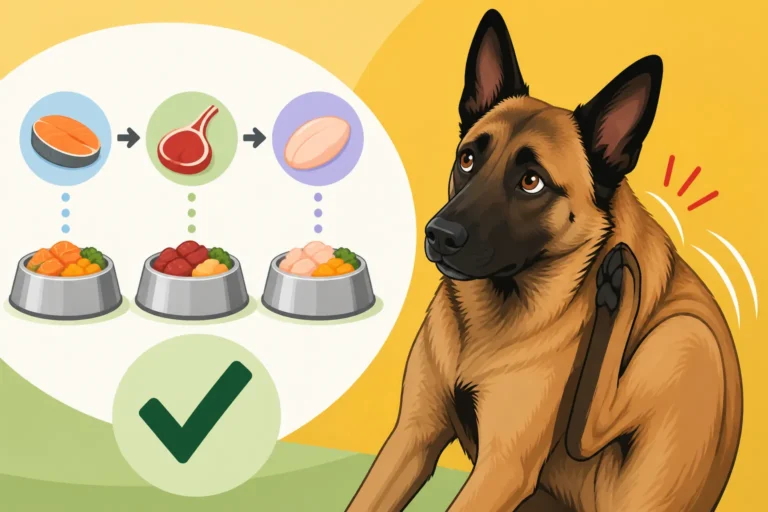
It's tempting to dismiss a minor change in eating habits as just an "off day," but for an older Malinois, these can be significant signals. One of the clearest signs is difficulty chewing or discomfort during mealtime. You might observe your dog dropping kibble out of their mouth, not because they are messy, but because it hurts to chew. They might approach their bowl hesitantly, sniff the food, and then walk away, or eat only a few pieces before stopping. Some dogs will try to eat very slowly, carefully picking at the food, or even trying to gulp pieces down whole to avoid chewing. This behavior can lead to indigestion and is not a sustainable long-term solution.
Weight loss, even gradual, is another red flag. If your Malinois is consistently leaving food behind or struggling to chew, they simply aren't getting enough calories and nutrients, which can lead to a decline in their overall health and energy levels. Conversely, sometimes dental pain can lead to changes in mood or increased irritability, as they are constantly uncomfortable. Bad breath, while often linked to dental disease, can also be exacerbated by food bits getting stuck in sore gums or cracked teeth. You might also notice them pawing at their mouth or rubbing their face, which indicates oral discomfort.
Finally, a change in stool quality – becoming softer, more inconsistent, or showing signs of undigested food – can indicate that their current diet isn't being properly broken down or absorbed. These are all signs that warrant a closer look, and often, a discussion with your veterinarian. Don't wait for your Malinois to refuse food entirely; early intervention makes a significant difference in their comfort and quality of life.
Medical Conditions Requiring Softer Options
While general aging and dental wear are common culprits, certain medical conditions absolutely necessitate a switch to softer food for your senior Malinois. Foremost among these is advanced periodontal disease, where severe inflammation, infection, and potential bone loss in the jaw make chewing anything hard excruciating. In such cases, even after dental work, the mouth might remain sensitive, or there might be fewer teeth left to chew effectively.
Oral tumors, unfortunately, are a reality for some older dogs. These growths, whether benign or malignant, can cause significant pain, obstruct chewing, and make any firm food unbearable. Following surgical removal of such tumors or during radiation therapy, a soft diet is typically mandatory to allow for healing and minimize irritation. Conditions affecting the esophagus, such as megaesophagus, where the esophagus loses its ability to move food down to the stomach, often require specially prepared diets, sometimes even pureed to a gruel-like consistency, fed from an elevated position to prevent aspiration. While less common in Malinois specifically for this issue, it's a condition where texture is paramount.
Other conditions, like severe gastrointestinal reflux disease (GERD) or inflammatory bowel disease (IBD), can make digestion very sensitive. In these instances, a softer, easily digestible diet can reduce the workload on the digestive system, lessen irritation, and improve nutrient absorption. If your Malinois has been diagnosed with any of these conditions, or is recovering from oral or abdominal surgery, your veterinarian will almost certainly recommend a soft diet. The Checkup Schedule a Sport Malinois Should Keep is more important than ever in their senior years, as these types of conditions can be caught and managed much more effectively with regular professional oversight. Always consult your vet to tailor the best dietary plan for any specific medical needs.
Exploring Different Soft Food Options for Your Senior Malinois
Once you've identified that your senior Malinois could benefit from softer food, the next step is exploring the best options. There’s a whole spectrum of choices, ranging from simple adjustments to complete dietary overhauls, each with its own benefits regarding nutrition, palatability, and practicality.
The Spectrum of Softness: From Wet Kibble to Fresh Food
The easiest and often first step is to simply moisten your Malinois’s existing kibble. Adding warm water or a low-sodium broth to their dry food and letting it sit for 10-15 minutes can soften the kibble significantly, making it easier to chew and more aromatic, which can tempt a finicky eater. This method is cost-effective and ensures a consistent nutritional profile if your dog is doing well on their current kibble.
Moving up the softness scale, canned or wet dog food is a popular choice. These foods are specifically formulated to be soft and palatable, often coming in pâté or stew-like consistencies. Many owners find a wide variety of suitable senior wet foods or softer kibble options on platforms like Chewy, allowing for easy comparison and home delivery. They are generally highly digestible and have a higher moisture content, aiding in hydration. You can feed wet food exclusively or mix it with some softened kibble.
For those looking for an even more natural and often softer approach, fresh food delivery services have become increasingly popular. Services such as Ollie provide gently cooked, human-grade meals that are naturally softer and often highly palatable to dogs. These meals are typically balanced and complete, tailored to your dog's specific needs, and can be an excellent option for older dogs with sensitive stomachs or dental issues. The high moisture content and fresh ingredients are often a huge hit with senior dogs.
Finally, home-prepared cooked diets offer the ultimate control over ingredients and texture. This route, however, should always be pursued under the guidance of a veterinary nutritionist to ensure it is nutritionally complete and balanced for your Malinois’s specific needs. Simply cooking chicken and rice isn't enough for long-term health. For those looking to prepare homemade diets (under veterinary supervision, of course), bulk ingredients or specialized kitchen tools can be found on Amazon. Whether you choose to soften kibble, introduce wet food, or opt for fresh meals, the goal is to provide a diet that’s not only easy to eat but also provides all the essential nutrients for Caring for a Belgian Malinois After Ten.
Balancing Nutrition, Palatability, and Practicality
When selecting a softer food for your senior Malinois, it’s not just about texture; it's about a holistic approach that considers nutrition, palatability, and the practical realities of your life. First and foremost, the diet must be nutritionally complete and balanced for a senior dog. Older dogs often have different caloric needs (usually fewer) and may benefit from different ratios of protein, fat, and fiber, as well as added supplements like glucosamine for joint health. Look for foods specifically formulated for senior dogs, or consult with your vet or a veterinary nutritionist to ensure a home-prepared diet meets all requirements.
Palatability is absolutely critical. An older Malinois, especially one who has been experiencing discomfort, might become a picky eater. Softer foods often have a stronger aroma and more appealing texture, which can entice a reluctant senior to eat. Don't be afraid to try a few different options to see what your dog prefers. What one Malinois devours, another might turn its nose up at. The goal is to make mealtime an enjoyable, pain-free experience again.
Finally, consider the practicality for you. Home-prepared meals, while excellent, demand time and effort for preparation and ensuring nutritional balance. Canned foods are convenient but can be more expensive than kibble. Fresh food services offer convenience but come with their own price point. Think about your budget, storage space, and how much time you can realistically dedicate to meal preparation. The best food is one that your Malinois will eat consistently, that meets their nutritional needs, and that you can realistically provide long-term. Remember, the journey of Feeding a Retired Belgian Malinois is about adapting to their changing needs with love and smart choices.
Here’s a quick overview of various soft food options:
| Food Type | Softness Level | Main Benefits | Considerations |
|---|---|---|---|
| Moistened Kibble | Low-Medium | Familiar taste, cost-effective, aids hydration | May not be soft enough for severe dental issues |
| Canned/Wet Food | High | Highly palatable, high moisture, easy to chew | Can be more expensive, less calorie-dense |
| Fresh/Human-Grade Food | High | Very palatable, highly digestible, natural ingredients | Higher cost, requires refrigeration, specific brand options |
| Home-Prepared Cooked | Adjustable | Full control over ingredients and texture | Must be nutritionally balanced (vet consult!) |
Gradual Transitions and Long-Term Management
Changing your Malinois's diet, especially in their senior years, requires patience and a thoughtful approach. A sudden switch can easily lead to digestive upset, which is the last thing you want for an already sensitive senior. Beyond the food bowl, ongoing care is vital to support their overall well-being.
The Art of a Slow Diet Transition
When introducing any new food, especially a significant change in texture like going from hard kibble to soft food, a gradual transition is paramount. This allows your Malinois’s digestive system to adapt to the new ingredients and textures slowly, minimizing the risk of stomach upset, diarrhea, or vomiting. A typical transition period lasts 7-10 days, though some sensitive dogs might need longer.
Start by replacing a small portion of their old food with the new, softer food – usually about 10-25% on day one. Over the next few days, slowly increase the amount of new food while decreasing the old, always observing your dog for any signs of digestive distress. If you notice any upset, slow down the transition and maintain the current ratio for an extra day or two until their system settles.
For example:
- Days 1-2: 75% old food, 25% new soft food
- Days 3-4: 50% old food, 50% new soft food
- Days 5-6: 25% old food, 75% new soft food
- Days 7+: 100% new soft food
Consistency is key during this time. Stick to regular feeding schedules and monitor their appetite, energy levels, and stool quality closely. If your Malinois is particularly finicky, you might need to find a soft food that's highly palatable right from the start. Remember, this is about making mealtime comfortable and enjoyable, not about rushing the process.
Beyond Food: Supporting Your Senior Malinois's Overall Health
While diet plays a monumental role in the health of an older Belgian Malinois, it's just one piece of the puzzle. Supporting their overall well-being requires a holistic approach that addresses their physical and mental needs as they age.
Joint health becomes increasingly important. Many senior Malinois will experience some degree of Arthritis in a Belgian Malinois at Nine or later. Incorporating Joint Supplements for a Working Belgian Malinois into their routine, even if not directly in their food, can make a huge difference in their mobility and comfort. Glucosamine, chondroitin, and Omega-3 fatty acids are common ingredients to look for. Comfort at rest is also crucial; invest in Beds an Arthritic Malinois Can Get Out Of – orthopedic beds that provide excellent support and are easy for them to get in and out of.
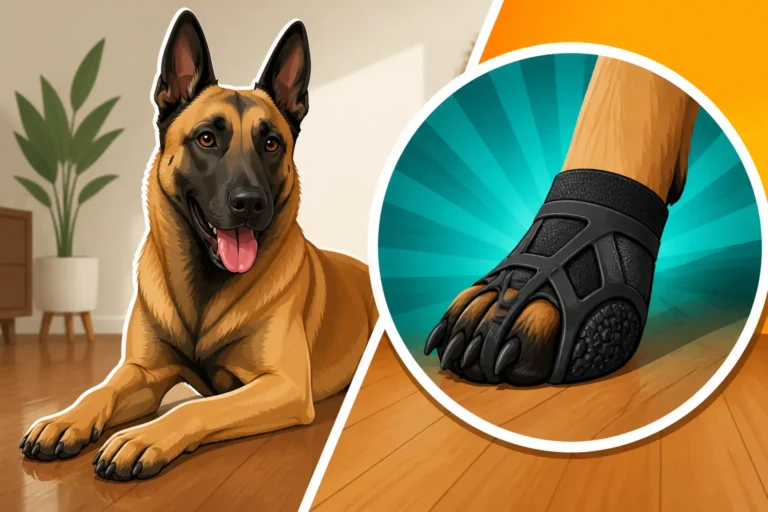
Maintaining a regular, gentle exercise routine is vital to keep their muscles strong and joints mobile without overexertion. Short, frequent walks rather than long, strenuous sessions are often more appropriate. Mental stimulation is equally important for Keeping an Old Belgian Malinois Mentally Busy. Puzzle toys, short training sessions reinforcing known commands, or gentle scent work can keep their sharp Malinois minds engaged even if their bodies are slowing down. Even a simple change like providing Traction for an Old Malinois on Hardwood floors can prevent slips and falls that can exacerbate joint pain.
Regular veterinary check-ups are non-negotiable for senior Malinois. These visits allow your vet to monitor for age-related conditions like heart disease, kidney issues, or even Splenic Tumors in an Older Belgian Malinois. Early detection is key to effective management. As your Malinois continues into their golden years, remember that The Fourteen to Sixteen Years a Belgian Malinois Lives can be full of joy and companionship, but it requires us to be adaptable, attentive, and proactive in their care. Every adjustment, from food texture to comfortable sleeping arrangements, contributes to their happiness and longevity, ensuring that their final years are as rich and fulfilling as their youth.
Disclaimer
This article is for general informational purposes only and does not constitute professional advice. Laws, prices and regulations vary by location and change over time. Consult a qualified professional for guidance on your specific situation.