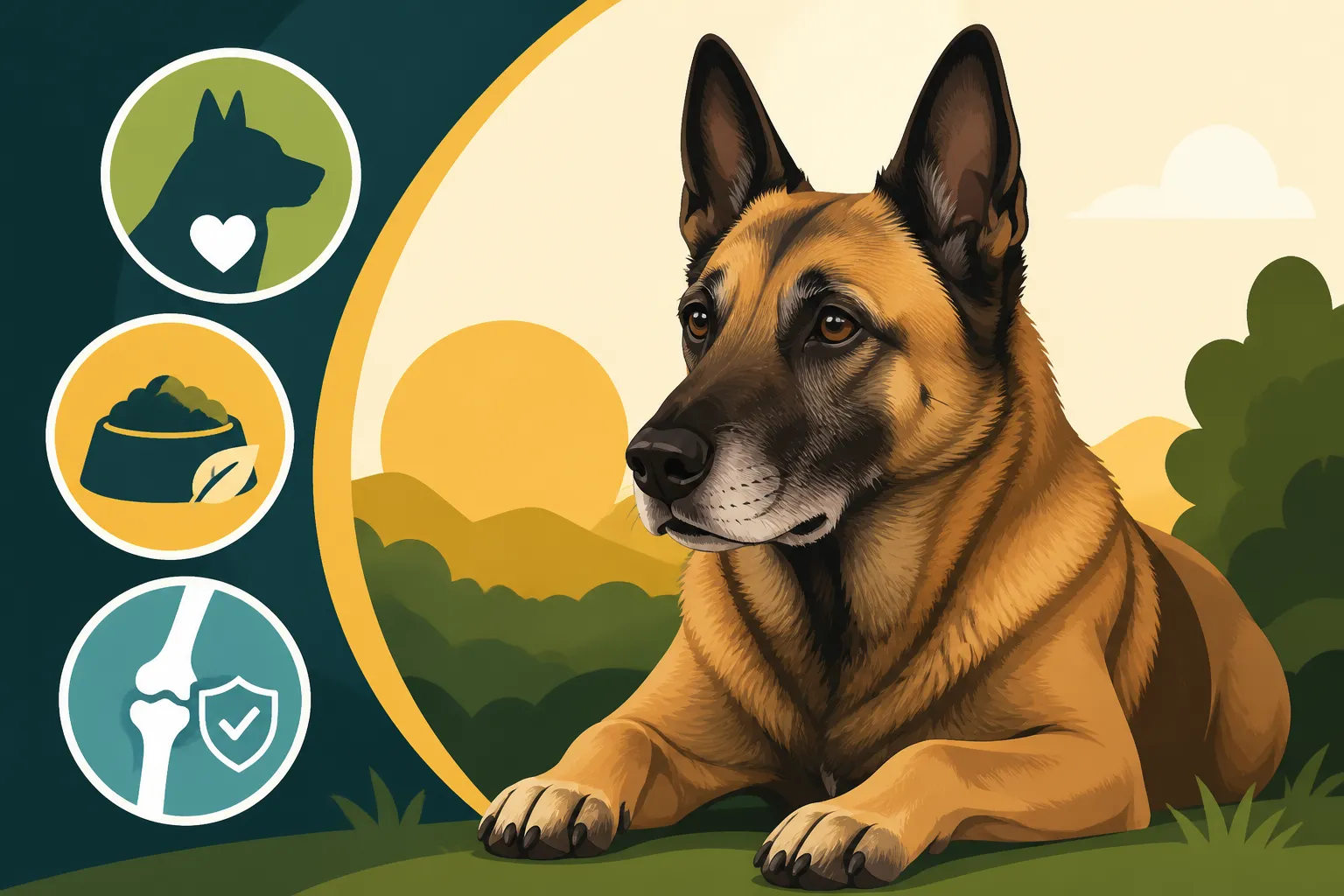
Caring for a Belgian Malinois After Ten
It's a bittersweet moment when your once-bouncing, indefatigable Belgian Malinois starts to show the silver threads of age around their muzzle, isn't it? The dog that once seemed to defy gravity and never tire suddenly takes a bit longer to get up, or skips a jump they would have easily cleared a year ago. Caring for a Belgian Malinois after the age of ten isn't just about managing aches and pains; it's about understanding the profound shifts happening in their body and mind, and adapting your entire routine to ensure their golden years are as comfortable, dignified, and joyful as possible. This comprehensive guide will walk you through every aspect of senior Malinois care, from nutrition to vet visits, so you can continue to provide the best for your loyal companion.
Understanding the Aging Malinois: What Changes to Expect
Watching your high-drive Malinois transition into their senior years can be a confusing time. They're still them, but subtly different. It's crucial to understand these changes so you can respond with empathy and proactive care, rather than frustration. They aren't trying to be difficult; their bodies and minds are simply evolving.
The Subtle Shift in Energy and Drive
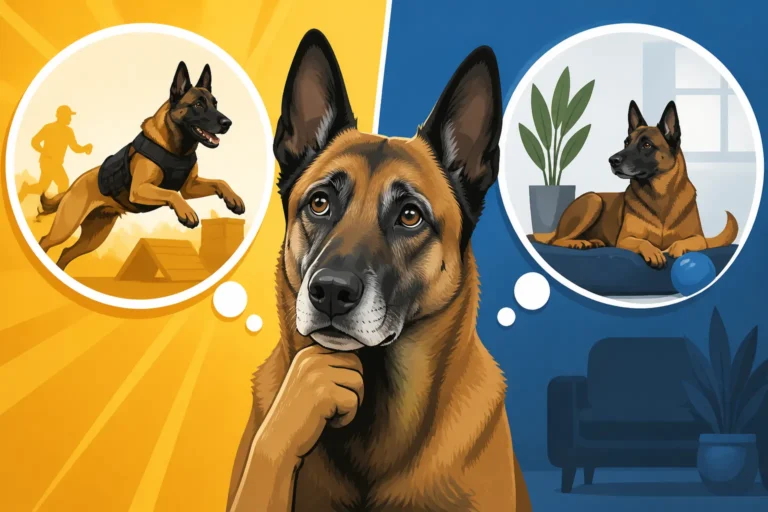
One of the most noticeable changes in a senior Belgian Malinois is the gradual decrease in their intense energy and drive. The dog that used to bounce off the walls, demanding a job every waking moment, might now be content with a shorter walk, a leisurely sniff around the yard, or even just a long nap in a sunny spot. This isn't necessarily a bad thing; it's a natural progression. However, it can be a shock for owners accustomed to their Malinois's boundless vigor.
It's easy to mistake a general slowdown for depression or a lack of interest, but often it's just their body telling them to take it easier. Their stamina diminishes, their recovery time increases, and their joints might protest against the kind of high-impact activities they once relished. This doesn't mean they stop needing mental and physical engagement entirely, but the type and duration of that engagement definitely need to be reevaluated. You'll find that their enthusiasm for a favorite toy might still be there, but the sprint to retrieve it is a little less powerful, and they might only want to play for five minutes instead of fifty.
Physical Signs of Aging: Beyond Just Gray Muzzles
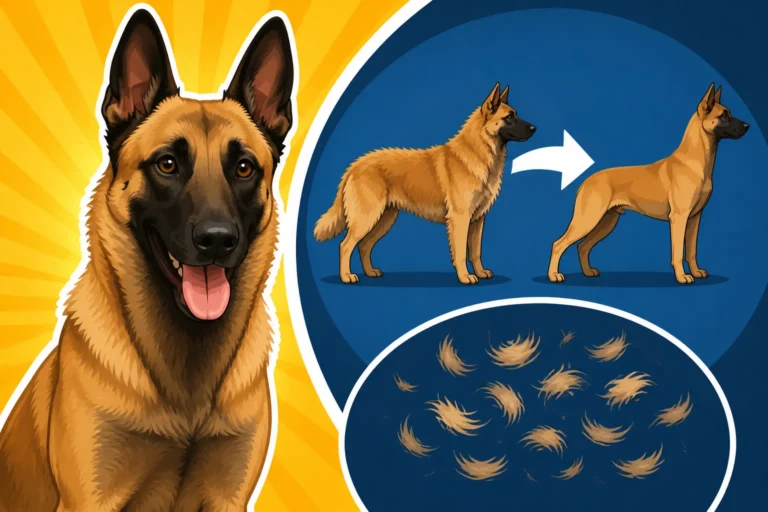
While a graying muzzle is the iconic sign of an aging dog, there are many other physical changes that occur internally and externally. You might notice their coat becoming a bit duller or thinner, especially along their spine. Their once taut muscles might begin to lose some mass, making them appear a bit bonier or less athletic, even if their weight hasn't changed drastically. Eyes can start to show a bluish haze, a condition known as lenticular sclerosis, which is a normal aging change and doesn't usually impair vision significantly, but is distinct from cataracts.
You might also observe subtle changes in their gait – a slight stiffness when they first get up, a hesitation before jumping into the car, or a general reduction in their agility. Their hearing might not be as sharp, and they may not respond to commands from another room as readily as they once did. Keep an eye out for dental issues, as plaque and tartar build-up can lead to pain and infection, impacting their ability to eat comfortably. Regular inspections of their paws are also vital; older dogs can have drier pads and nails that become brittle or overgrown if not maintained.
Cognitive Changes to Watch For
Aging isn't just about the body; the mind also undergoes changes. Just like humans, some senior Malinois can experience cognitive decline, sometimes referred to as Canine Cognitive Dysfunction (CCD). This can manifest in various ways, from mild confusion to more significant behavioral shifts. You might notice your dog seeming disoriented in familiar surroundings, staring blankly at walls, or getting "stuck" in corners.
Changes in sleep-wake cycles are also common; they might pace at night or vocalize more, but sleep soundly during the day. Their housetraining might regress, leading to accidents indoors, not out of spite, but due to a diminished ability to hold it or remember their routine. Interactions with family members, including other pets, can change too – some become more clingy, while others might seem more irritable or aloof. It's heart-wrenching to see these shifts, but understanding them allows you to be more patient and seek veterinary advice when needed.
Tailoring Their Diet: Nutrition for the Senior Malinois
Nutrition plays a pivotal role in supporting your Belgian Malinois's health as they age. Their metabolic needs shift, and a diet appropriate for a youthful, high-performance dog may no longer be suitable for a senior. Getting their diet right can help manage weight, support organ function, and even reduce the impact of age-related diseases.
Adjusting Calorie Intake and Macronutrients
As your Malinois slows down, their energy expenditure naturally decreases. This means they require fewer calories to maintain a healthy weight. Continuing to feed them the same amount of food they ate in their prime can quickly lead to weight gain, which puts undue stress on aging joints and organs. It's important to transition them to a senior-specific formula or simply reduce the portion size of their regular high-quality food, carefully monitoring their body condition. Many brands offer senior diets that are lower in calories but still provide essential nutrients.
Beyond calories, the balance of macronutrients might need tweaking. While protein is vital for maintaining muscle mass in older dogs, it's often recommended that senior diets contain highly digestible protein sources to ease the burden on aging kidneys. Fat content usually decreases in senior formulas, while fiber might increase to support digestive health and promote satiety. Discuss these adjustments with your vet, especially if your Malinois has any underlying health conditions. Remember, every dog is an individual, and their exact needs can vary based on their activity level and overall health.
Supplements for Overall Well-being
Supplements can be incredibly beneficial for an aging Belgian Malinois, targeting specific areas of concern that naturally arise with age. Joint supplements are almost universally recommended, often containing glucosamine, chondroitin, and MSM to support cartilage health and reduce inflammation. Omega-3 fatty acids, particularly EPA and DHA, are excellent for reducing inflammation throughout the body, benefiting joints, skin, coat, and even cognitive function. You can find these in fish oil supplements. Joint Supplements for a Working Belgian Malinois is a good resource for understanding options.
For cognitive support, ingredients like medium-chain triglycerides (MCTs) found in coconut oil, and antioxidants like Vitamin E, C, and L-carnitine, can be helpful. Some senior diets include these, but additional supplementation might be warranted. Always consult your veterinarian before adding any new supplements to your dog's regimen. They can recommend appropriate dosages and ensure there are no contraindications with any existing medications. Many of these specialized supplements can be found easily through online retailers like Chewy or Amazon, allowing you to compare ingredients and reviews.
Feeding Strategies for Senior Dogs
How you feed your senior Malinois can be just as important as what you feed them. If they're experiencing dental pain or have lost some teeth, switching to softened kibble, wet food, or even a fresh food option like Ollie can make meal times much more comfortable and enjoyable. Smaller, more frequent meals might also be easier on their digestive system compared to one or two large meals a day. This can also help prevent blood sugar spikes and crashes, which can be beneficial for older dogs.
Consider raised food and water bowls. Bending down low can become painful for dogs with arthritis in their neck or spine. Elevated bowls allow them to eat and drink in a more natural, comfortable posture. Also, ensure they have constant access to fresh water, as older dogs can sometimes be prone to dehydration. If your Malinois is losing their appetite, try warming their food slightly to enhance its aroma, or mixing in a little low-sodium broth to entice them. Monitoring their weight regularly, perhaps once a month, will give you an early warning if their diet needs further adjustment. Feeding a Retired Belgian Malinois has more tips.
Managing Mobility and Joint Health
One of the most common challenges with an aging Malinois is maintaining their mobility. Their active history means their joints have seen a lot of action, and wear and tear can certainly start to catch up to them. Early intervention and consistent management are key to keeping them comfortable and active for as long as possible.
Spotting the Early Signs of Joint Discomfort
Your Malinois is a stoic breed, often hiding pain until it becomes significant. This means you need to be a detective, looking for subtle clues. A slight hesitation before jumping, a stiffer gait after resting, or a reluctance to climb stairs are all early indicators. You might notice them favoring a limb, having difficulty getting up from a lying position, or being less enthusiastic about activities they once loved. Arthritis in a Belgian Malinois at Nine dives deeper into these signs.
Behavioral changes can also signal pain. An arthritic dog might become more irritable if touched in a sensitive area, or may start to avoid interactions that involve physical contact. They might choose to lie down more frequently during walks or refuse to engage in play sessions that require quick movements. Don't dismiss these as simply "getting old"; they are often signals that your dog is experiencing discomfort and needs attention. Early detection allows for earlier intervention, which can significantly improve their quality of life.
Therapeutic Approaches and Pain Management
Once joint discomfort is identified, your vet can help create a comprehensive pain management plan. This often involves a multi-modal approach. Non-steroidal anti-inflammatory drugs (NSAIDs) are commonly prescribed to reduce pain and inflammation. There are various options available, and your vet will help you choose the best one for your dog, monitoring for any side effects. Alongside medication, joint supplements containing ingredients like glucosamine, chondroitin, and green-lipped mussel can help support cartilage health.
Beyond oral medications, physical therapy, hydrotherapy (swimming in a controlled environment), and therapeutic laser treatments can be incredibly effective in reducing pain, strengthening supporting muscles, and improving range of motion. Acupuncture is another alternative therapy that many owners find beneficial for chronic pain. Weight management is also crucial; even a few extra pounds can exacerbate joint pain. Your vet might also discuss prescription diets formulated to support joint health. The goal is to keep your Malinois as comfortable and mobile as possible, without dulling their spirit.
Creating a Joint-Friendly Environment
Making simple modifications to your home can dramatically improve your senior Malinois's comfort and safety. Invest in orthopedic beds that provide excellent support for aching joints. These are often made of memory foam and help distribute weight evenly, reducing pressure points. Products available on Amazon or Chewy offer a wide range of options. If your dog sleeps on a hard floor, even a thick blanket can make a difference. Beds an Arthritic Malinois Can Get Out Of offers specific recommendations.
Consider ramps for getting into and out of cars, or up and down stairs if they struggle. Non-slip runners or carpets on slick floors (hardwood, tile) can prevent dangerous slips and falls, which can severely injure already compromised joints. Traction for an Old Malinois on Hardwood emphasizes this point. If there are stairs in your home, limit access or help them navigate them. Ensure food and water bowls are easily accessible without excessive bending. The goal is to minimize strain and make their daily movements as effortless as possible.
Keeping the Mind Sharp: Mental Stimulation for Older Malinois
While their physical capabilities may wane, a Malinois's intelligent and active mind still craves engagement. Forgetting about mental stimulation in their senior years can lead to boredom, frustration, and even accelerate cognitive decline. Keeping their brain active is just as important as keeping their body moving.
Low-Impact Brain Games and Puzzles
The good news is that mental stimulation doesn't always require intense physical exertion. Puzzle toys, where your dog has to figure out how to get treats out, are fantastic for keeping their minds engaged. There are many levels of difficulty, so you can start simple and work your way up. Snuffle mats, which hide treats in fabric folds, are another excellent option, encouraging natural sniffing and problem-solving.
Scent work is also a wonderful, low-impact activity that taps into a Malinois's incredible nose. You can hide treats around the house or yard and encourage them to find them. Even a simple "find it" game with their favorite toy can provide mental enrichment. Rotating toys keeps things interesting; put some away for a few weeks and then reintroduce them. This novelty can rekindle their interest and keep their minds stimulated without stressing their joints.
Maintaining Training and Routines
Just because your Malinois is older doesn't mean training stops. In fact, continuing short, positive reinforcement training sessions can be incredibly beneficial for their cognitive health. Reviewing known commands, teaching new tricks (even simple ones like "shake a paw"), or practicing heel work for short distances can keep their neural pathways firing. This also provides valuable one-on-one time, strengthening your bond.
Consistency in daily routines can also help senior dogs, especially those with some cognitive decline. Knowing when walks, meals, and rest times occur provides a sense of security and reduces confusion. While flexibility is good, a predictable schedule can minimize anxiety and help them navigate their day more easily. Think of it as providing a stable framework within which they can comfortably operate.
Socialization and Enrichment for Seniors
Social interaction remains important for older Malinois, but the type of interaction might need to change. If your dog is no longer keen on boisterous play with younger, more energetic dogs, seek out opportunities for calmer interactions with well-mannered, quiet older dogs. A gentle stroll with a friend's calm senior dog, or even just quiet time in a dog-friendly park observing the world, can provide valuable social enrichment without being overwhelming.
Beyond other dogs, consistent human interaction is paramount. Spending quality time with your Malinois, whether it's gentle grooming, quiet petting sessions, or simply having them near you as you go about your day, reinforces their sense of belonging and security. Their world might be shrinking physically, but you can ensure it remains rich and fulfilling emotionally. Don't underestimate the power of quiet companionship in their later years.
Adapting Exercise Routines for Longevity
The days of grueling, multi-hour training sessions might be behind them, but a senior Belgian Malinois still needs regular, appropriate exercise to maintain muscle tone, joint flexibility, and overall well-being. The key is adaptation, not elimination. Pushing them too hard can cause injury, but too little activity can lead to muscle atrophy and stiffness.
Gentle Exercise and Hydrotherapy Options
Instead of long, intense runs, consider shorter, more frequent walks on softer surfaces like grass or dirt trails, which are much gentler on joints than pavement. Two or three shorter walks a day might be more beneficial than one long one, allowing them to stretch their legs without overexertion. Leash walking in a quiet park where they can sniff and explore at their own pace is perfect.
Hydrotherapy, such as swimming, is an excellent low-impact exercise for senior dogs. The buoyancy of the water takes pressure off their joints while still allowing them to move their limbs through a full range of motion, strengthening muscles without impact. Many specialized canine rehabilitation centers offer hydrotherapy pools. If a pool isn't an option, a gentle wade in a shallow, calm body of water can also be beneficial, assuming your dog enjoys it and the water is clean and safe.
Short, Frequent Sessions vs. Intense Workouts
This is a critical shift. The "go hard or go home" mentality that often defines Malinois training needs to be retired. Instead of one intense, hour-long session, think in terms of multiple 10-15 minute bursts of activity spread throughout the day. This could be a short walk, a brief play session with a favorite tug toy (always mindful of their teeth and joints), or a quick scent game. The Year a Malinois Starts Working Shorter Sessions highlights this necessary change.
The goal is to keep them moving and engaged without pushing them to exhaustion or exacerbating any existing aches. Pay close attention to their cues: if they lag behind, start panting heavily, or show signs of stiffness, it's time to stop. It's much better to end a session with them wanting more than to push them past their limits and risk injury or increased pain. Their recovery time is longer now, so allow for ample rest between activities.
The Importance of Warm-ups and Cool-downs
Just like human athletes, senior dogs benefit greatly from warm-up and cool-down routines, especially before and after any physical activity. A gentle, slow walk for 5-10 minutes at the beginning of an outing can help warm up their muscles and joints, increasing blood flow and flexibility. This prepares their body for the more active part of their exercise.
Similarly, a cool-down of another 5-10 minutes of slow walking helps their heart rate and breathing return to normal, and allows their muscles to gradually cool down. Gentle stretching or massage after exercise can also be incredibly beneficial, helping to prevent stiffness and improve circulation. Think of it as a way to pamper their aging bodies and ensure they remain as limber and comfortable as possible. This extra care can make a huge difference in how they feel the next day.
Proactive Veterinary Care and Health Monitoring
Regular veterinary care becomes even more critical for a Belgian Malinois as they age. Early detection of health issues can lead to more effective treatment and a better prognosis, giving your dog more comfortable and happy years. Don't wait for obvious symptoms; proactive monitoring is your best friend.
Regular Check-ups and Screening Tests
While a younger Malinois might only need annual check-ups, senior dogs benefit from semi-annual (every six months) vet visits. These more frequent visits allow your veterinarian to closely monitor their health, catch subtle changes early, and make adjustments to their care plan as needed. During these visits, your vet will perform a thorough physical examination, checking their teeth, eyes (looking for issues like Cataracts in an Older Belgian Malinois or Night Blindness Setting In on a Malinois), ears, heart, lungs, and joints.
Blood work, including a complete blood count (CBC) and a chemistry panel, is often recommended annually or bi-annually for senior dogs. This helps assess organ function (kidneys, liver, thyroid), detect infections, and screen for other underlying conditions that might not yet be outwardly visible. Urinalysis is also a common screening tool. These tests can provide a baseline and allow for early detection of issues like kidney disease, diabetes, or thyroid problems, which are more common in older dogs. The Checkup Schedule a Sport Malinois Should Keep remains relevant even in retirement.
Common Health Issues in Senior Malinois
As Malinois age, they become more susceptible to certain health conditions. Arthritis and other orthopedic issues are very prevalent due to their active lives. Dental disease, if not addressed, can lead to pain, infection, and impact overall health. Organ decline, particularly kidney and liver function, is common, as is heart disease. You may also see an increased incidence of certain types of cancer, like splenic tumors, which can lead to a The Sudden Collapse of an Older Malinois.
Cognitive dysfunction syndrome (CCD) is another concern, manifesting as confusion, changes in sleep patterns, and altered social interactions. Endocrine disorders, like hypothyroidism, can also emerge, affecting metabolism and energy levels. While you can't prevent all these conditions, being aware of them and discussing any changes you observe with your vet allows for prompt diagnosis and management. Your vigilance is their best defense.
Medication Management and Side Effects
Many senior Malinois will be on some form of medication, whether it's for arthritis, thyroid issues, or other age-related conditions. It's crucial to administer these medications exactly as prescribed and to be vigilant about monitoring for side effects. Any changes in appetite, energy level, behavior, or stool consistency after starting a new medication should be reported to your vet immediately.
Always keep an updated list of all medications, supplements, and dosages your Malinois is taking, and bring it to every vet appointment. This helps prevent accidental overdoses or adverse drug interactions, especially if your dog sees different veterinarians or specialists. Never stop or change a medication dosage without consulting your vet first, even if your dog seems to be feeling better, as this can sometimes lead to rebound symptoms or other complications.
Comfort and Environment: Making Their Golden Years Golden
Just as important as medical care is ensuring your senior Belgian Malinois lives in an environment that caters to their changing needs. Thoughtful adjustments to their living space can reduce discomfort, prevent accidents, and enhance their overall quality of life. Their home should be their sanctuary, especially as they slow down.
Creating Comfortable Sleeping Areas
Your senior Malinois will likely spend more time resting and sleeping, so their beds and resting spots become incredibly important. Orthopedic beds, especially those with memory foam, are a must-have for supporting aging joints and preventing pressure sores. Place these beds in quiet, draft-free areas where they feel secure and can easily get up and lie down without struggle. Consider having multiple comfortable beds in different rooms, so they always have a soft spot to land wherever they choose to relax.
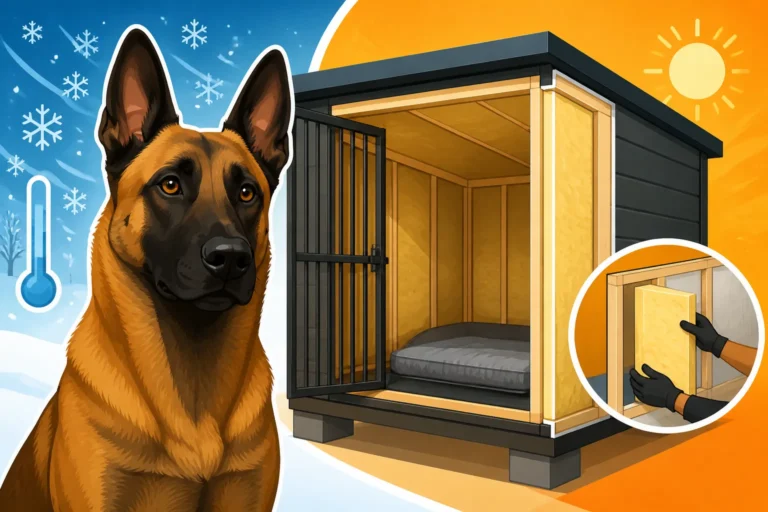
If your Malinois experiences incontinence, choose beds with washable covers or place waterproof pads underneath them for easy cleanup. Some dogs may also appreciate a cozy blanket to burrow into, especially if Whether an Old Belgian Malinois Feels the Cold more acutely than before due to thinning coats or reduced circulation. The goal is to create a soft, warm, and easily accessible resting place that promotes restful sleep and minimizes discomfort.
Navigating the Home Safely
As their mobility declines, simple tasks like walking across a slick floor or climbing a few stairs can become treacherous. Lay down non-slip rugs or runners on hardwood, tile, or laminate floors to provide traction and prevent slips and falls. If you have stairs, consider installing a baby gate to block access, or only allow them to use stairs under close supervision, offering support if needed. Ramps can be invaluable for helping them get onto furniture (if allowed) or into and out of vehicles.
Good lighting can also help, especially if your Malinois's vision is starting to dim. Keep pathways clear of clutter to reduce tripping hazards. If they are prone to disorientation, especially at night, a night light in their common areas can help them navigate. Simple modifications demonstrate your care and can significantly improve their confidence and safety within their own home.
Managing Temperature and Grooming Needs
Older dogs can have more difficulty regulating their body temperature. In colder weather, a warm dog coat can provide much-needed insulation, especially for short-coated Malinois who might feel the chill more readily. In warmer months, ensure they always have access to shade and fresh water, and avoid exercising them during the hottest parts of the day. They are more susceptible to heatstroke as their bodies become less efficient at cooling themselves.
Grooming might also become more challenging but remains essential. Regular brushing helps remove loose hair, stimulates circulation, and allows you to inspect their skin for any lumps, bumps, or sores. If they struggle to stand for long periods, consider breaking grooming sessions into shorter, more manageable chunks or grooming them while they are lying down. Their nails may need more frequent trimming if they are less active and not naturally wearing them down. If they develop Anal Gland Trouble in a Belgian Malinois, your vet can help. Being gentle and patient during these times is crucial.
Recognizing and Addressing Behavioral Changes
Behavioral changes in an older Belgian Malinois can be some of the most challenging aspects of senior care. What might seem like stubbornness or naughtiness could actually be a symptom of pain, cognitive decline, or anxiety. Understanding the root cause is the first step to providing effective support.
Increased Anxiety or Confusion
Many senior dogs experience increased anxiety or confusion. This can manifest as restlessness, pacing, whining, or even destructive behaviors, especially at night. If your Malinois paces around the house at night, seeming unable to settle, it could be a sign of Canine Cognitive Dysfunction (CCD). They might forget where they are, what they're supposed to be doing, or simply feel anxious in the dark or quiet. An Old Malinois That Paces the House at Night discusses this in detail.
Maintaining a consistent routine, providing a comfortable, secure sleeping area, and offering gentle reassurance can help. In some cases, your vet might suggest medications or supplements to help manage anxiety and improve sleep cycles. A Thundershirt or calming pheromone diffuser might also offer some comfort. The key is to approach these changes with empathy, remembering that your dog isn't acting out deliberately but is genuinely struggling.
Changes in Social Interactions
A once social and outgoing Malinois might become more withdrawn or, conversely, more clingy in their senior years. They might show less interest in playing with other dogs or even become irritable if approached too boisterously by a younger dog or child. This can often be pain-related; they might be guarding sore joints or simply lack the energy for playful roughhousing.
If they become more clingy, they might be experiencing increased separation anxiety or simply seeking comfort and reassurance as their world changes. Ensure they still receive plenty of positive, calm interactions with family members. Introduce new animals or people slowly and carefully, always observing their reactions and stepping in to protect them if they seem overwhelmed. Respect their boundaries and give them space when they need it.
Patience and Consistency in Senior Care
Above all, patience and consistency are your most powerful tools when caring for an aging Belgian Malinois. There will be days when they seem more confused, more restless, or more resistant to routine. It can be frustrating, especially when you remember the sharp, eager dog they once were. However, reacting with impatience or anger will only increase their stress and yours.
Maintain their routines as much as possible, be gentle in your interactions, and reinforce positive behaviors with praise and treats. If housetraining accidents occur, clean them up without scolding. Remember that your Malinois has given you years of unwavering loyalty and companionship; now it's your turn to provide them with understanding, comfort, and unconditional love as they navigate their twilight years. Making the Last Decision for a Malinois is a difficult topic, but it is one that arises in senior care, and focusing on quality of life now can help with that later.
| Sign of Aging (Normal) | Sign Warranting Vet Visit (Potential Issue) |
|---|---|
| Graying muzzle or around eyes | Sudden significant weight loss or gain |
| Slightly reduced energy/stamina | Persistent lethargy or disinterest |
| Mild stiffness after rest | Limping, lameness, or severe difficulty moving |
| Cloudiness in eyes (lenticular sclerosis) | Redness, discharge, pain, or significant vision loss |
| Reduced hearing in some situations | Complete deafness or disorientation due to hearing loss |
| Occasional confusion or staring | Frequent disorientation, pacing, vocalizing at night |
| More naps during the day | Inability to settle, constant restlessness |
| Thinner, duller coat | Excessive itching, sores, hair loss |
| Slightly increased thirst | Excessive thirst (polydipsia) or urination (polyuria) |
| Minor dental tartar | Foul breath, painful chewing, broken teeth |
| Reduced appetite occasionally | Persistent refusal to eat, vomiting, diarrhea |
| Less enthusiastic play | Aggression or fear when previously friendly |
| Increased sleeping | Changes in sleep/wake cycle (e.g., up all night) |
Disclaimer
This article is for general informational purposes only and does not constitute professional advice. Laws, prices and regulations vary by location and change over time. Consult a qualified professional for guidance on your specific situation.