Whether an Old Belgian Malinois Still Needs a Job
It’s a bittersweet moment for any Belgian Malinois owner when their incredibly driven, high-energy companion starts to show the first subtle hints of age. You’ve spent years channeling that relentless intensity, finding fulfilling jobs and outlets for their boundless energy, and then suddenly, you're looking at a dog whose muzzle is greying, whose springs aren't quite as springy, and you wonder: does my old Malinois still need a job? The short answer is yes, absolutely, but what that "job" looks like will inevitably change. This guide will help you understand how to keep your senior Malinois fulfilled and engaged in their golden years, validating that deep desire for purpose that never truly leaves them.
Understanding the Malinois Drive, Even in Senior Years
Let's be real, a Malinois isn't just a dog; it's a force of nature. From the moment they're puppies, they're hardwired for work, for purpose, for doing. This isn't something that just magically disappears when they hit a certain age, even if their bodies can't quite keep up with the mental drive. It's a fundamental part of who they are, woven into their very DNA. Ignoring this instinct in their later years can lead to frustration, anxiety, and even accelerated cognitive decline, which is the last thing any of us want for our loyal partners.
The Enduring Instinct of a Working Breed
That intense focus, the unwavering desire to please, the inherent drive to problem-solve – these traits are the hallmarks of the Belgian Malinois. They are precisely why we choose them for demanding roles in law enforcement, military service, and competitive dog sports. While a young Malinois might channel this into high-speed bite work or complex obedience routines, an older Malinois still possesses that mental acuity and a deep-seated need for structure and engagement. Their brains are still sharp, even if their joints are starting to creak. It's often the hardest thing for us to accept: their mind is willing, but the body sometimes isn't. The real challenge, then, isn't to take away their "job," but to redefine it. This is where we can really lean into understanding the age a Malinois starts working shorter sessions.
Why "Retirement" Looks Different for a Malinois
For many breeds, retirement might mean more naps on the couch and fewer walks. For a Malinois, however, a complete cessation of purpose can be detrimental. Imagine someone who has been a passionate, high-achieving professional their entire life suddenly being told they have absolutely nothing left to do. The boredom, the lack of mental stimulation, the feeling of uselessness can be devastating. Our Malinois feel something similar. Their sense of self, their happiness, and their overall well-being are intrinsically linked to having a role, no matter how small or modified. True retirement for a Malinois isn't about doing nothing; it's about transitioning to a different, more sustainable kind of "something."
Adapting the "Job" for an Aging Malinois
The key to keeping an older Belgian Malinois happy and healthy lies in thoughtful adaptation. We can't ask them to jump walls or chase decoys for hours if their body is protesting, but we can find ways to engage their brilliant minds and satisfy their drive in a gentler manner. It's about shifting the focus from physical exertion to mental exertion, and from high-impact activities to low-impact, purposeful tasks.
Shifting from High-Impact to Mental Engagement
When a Malinois is young and full of boundless energy, physical activity often takes center stage. Long runs, intense training sessions, and vigorous play are the norm. As they age, this needs to change. Instead of focusing solely on physical output, we need to lean heavily into mental engagement. This could mean more puzzle toys, intricate scent games, or even just teaching new, less physically demanding tricks. Their brains are still sponges, eager to learn and solve. Think of it as a mental workout that leaves them tired in a different, but equally fulfilling, way. Many wonderful enrichment toys can be found on online retailers like Chewy or Amazon, designed to challenge dogs intellectually. This helps with Keeping an Old Belgian Malinois Mentally Busy.
The Importance of Routine and Predictability
For a breed that thrives on structure and clear expectations, routine remains incredibly important, perhaps even more so as they age. A predictable schedule provides comfort and reduces anxiety, especially if their senses or physical capabilities are starting to wane. Even if their "job" is now simpler, having a clear sequence of events in their day – a morning stroll, a short training session, a puzzle toy, a quiet chew – provides that essential framework. It tells them what to expect, and that they still have a place and a purpose within the household. This structure can be a huge part of managing An Old Malinois That Paces the House at Night, as predictability often calms cognitive dysfunction symptoms.
Practical Ways to Keep a Senior Malinois Engaged
So, what does this adapted "job" actually look like in practice? It's about creativity and understanding your individual dog's capabilities and limitations. Every Malinois ages differently, and what works for one might not work for another. The goal is always engagement, not exhaustion or pain.
Gentle Physical Activity with Purpose
While the days of intense running might be over, gentle physical activity is still vital for maintaining muscle tone, joint health, and overall well-being. The key word here is "purpose." A meandering sniffy walk where they can truly engage their nose is far more fulfilling than a quick potty break.
- Leisurely Sniffing Walks: Let your Malinois dictate the pace. Allow them to explore scents thoroughly. This is not about covering distance but about mental enrichment through their primary sense. A good quality, comfortable harness will be essential for these walks.
- Swimming (if tolerated and safe): Water exercise can be fantastic for joint health, as it provides buoyancy and low impact. Ensure the water isn't too cold, and they have easy entry and exit points. Supervise them closely, and make sure they enjoy it!
- Short, Focused Obedience Sessions: Break down complex commands into simpler components. Reinforce the basics they know so well. Even a few minutes of "sit," "down," "stay," or a simple retrieve can light up their eyes and make them feel useful.
- Treadmill Work (if introduced gently and safely): For those days when outdoor walks aren't feasible, a low-speed treadmill session can provide controlled exercise without the uneven terrain or external distractions that might challenge an older dog. Always supervise closely.
Remember to watch for Signs a Belgian Malinois Is Slowing Down and adjust accordingly. Adding joint supplements, perhaps from a reputable brand available on Chewy, can also be beneficial in these years to support their comfort during activity.
Exploring Nose Work and Scent Games
Nose work is practically tailor-made for the aging Malinois. It taps directly into their innate scenting abilities, is incredibly mentally stimulating, and is entirely low-impact. It doesn't require speed or agility, just a keen nose and a focused mind.
- Scent Detection Games: Hide treats or favorite toys around the house or yard and encourage your Malinois to find them. Start easy and gradually increase the difficulty. This engages their problem-solving skills and provides immense satisfaction.
- "Find It" with Specific Odors: If you've done scent work before, you can continue with target odors, but perhaps in a simpler search pattern or smaller area. If new to it, you can purchase starter kits for nose work from Amazon, or simply use strong-smelling spices like cloves or birch oil on cotton swabs.
- Food Puzzles: Use Kongs, snuffle mats, or other puzzle feeders. These make mealtime into a mental game, slowing down eating and engaging their brain. Ollie, for instance, offers fresh food options that can be easily hidden in puzzle toys, making mealtime a truly enriching experience.
These activities are perfect for Keeping an Old Belgian Malinois Mentally Busy because they leverage the Malinois's natural talents without stressing their aging body.
Rethinking Obedience and Tricks
Just because your Malinois is older doesn't mean their learning days are over. In fact, continuing to learn can help keep their minds sharp and prevent cognitive decline.
- Refining Known Commands: Go back to basics and reward them heavily for perfect execution of commands they've known for years. The pride in a perfectly executed "stay" is still strong.
- Teaching New, Simple Tricks: Think about tricks that are easy on the body – "shake a paw," "high five," "bow," or "speak." These short, fun sessions strengthen your bond and provide mental stimulation.
- Shaping Behavior: Use positive reinforcement to shape desired behaviors, even simple ones like settling quietly on their bed. This builds their confidence and gives them a sense of accomplishment.
Making training fun and pressure-free is key. Short, frequent sessions are much better than long, exhausting ones.
Recognizing When a Malinois Truly Needs to Slow Down (and How to Help)
While the spirit of a working dog remains, the body eventually dictates limitations. It's crucial to be observant and honest about your Malinois's physical condition to prevent pain or injury. Learning to read their subtle cues becomes even more important.
Signs of Physical Decline and Pain
No one knows your Malinois better than you do. Pay close attention to changes in their gait, enthusiasm, and overall demeanor.
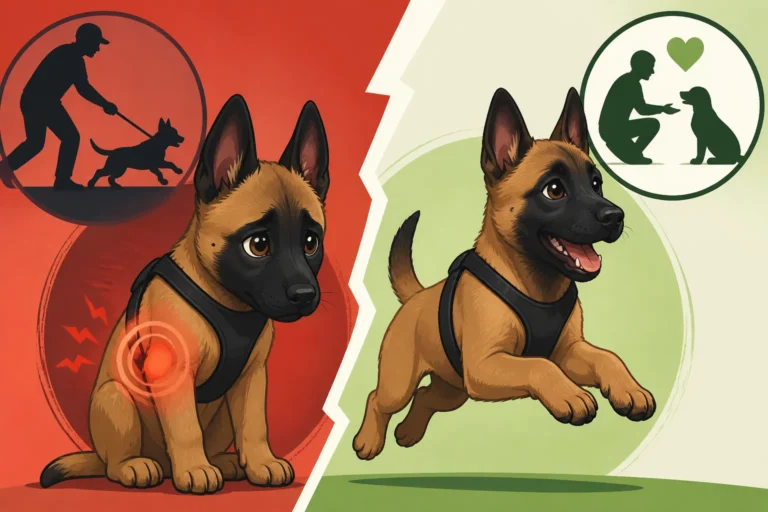
- Changes in Gait: Is there a subtle limp? Are they stiff after resting? Do they struggle with stairs or getting into the car? Arthritis in a Belgian Malinois at Nine is a common concern.
- Reduced Stamina: Do they tire quickly on walks they used to breeze through? Are they less eager to engage in play or training?
- Reluctance to Perform Certain Actions: Do they hesitate before jumping, or avoid specific movements they once did effortlessly?
- Behavioral Changes: Increased irritability, snapping, or withdrawal can sometimes be signs of chronic pain.
- Changes in Appetite or Hydration: Sometimes, pain or discomfort can lead to a decrease in interest in food or water. If you notice any of these signs, a veterinary check-up is paramount. They can help diagnose issues like arthritis or other age-related conditions and recommend appropriate management, including pain relief, joint supplements, or even physical therapy. You might want to ask about Joint Supplements for a Working Belgian Malinois.
Supporting Cognitive Function in Older Malinois
Just like humans, dogs can experience cognitive decline as they age. This manifests as canine cognitive dysfunction (CCD), often referred to as "doggy Alzheimer's."
- Recognizing CCD Symptoms: Look for disorientation (getting "lost" in familiar places), changes in sleep-wake cycles (pacing at night), decreased interaction, house-soiling, or changes in activity levels.
- Environmental Adjustments: Keep their environment consistent. Avoid rearranging furniture. Provide easy access to outdoor potty areas. Maintain a predictable daily routine, which we've already discussed.
- Brain-Boosting Diet and Supplements: Talk to your vet about diets formulated for senior dogs that contain antioxidants and omega-3 fatty acids, or specific supplements known to support brain health. Companies like Ollie often create nutritionally dense, easy-to-digest food that can be beneficial for older dogs.
- Continued Mental Stimulation: As mentioned earlier, nose work, puzzle toys, and gentle training are crucial for keeping their minds active and slowing the progression of cognitive decline.
Remember that any significant changes in your senior Malinois's behavior or physical condition warrant a visit to the vet. Regular check-ups, including The Bloodwork a Working Malinois Should Have Annually, become even more important as they age to catch potential issues early.
Here's a quick overview of engaging activities suitable for senior Malinois, depending on their physical ability:
| Activity Type | Low Physical Impact | Moderate Physical Impact | Benefits | Examples |
|---|---|---|---|---|
| Mental Games | Yes | No | Cognitive stimulation, problem-solving, reduced anxiety | Scent work (finding hidden treats), puzzle feeders, learning new simple tricks |
| Gentle Exercise | Yes | Yes (for less frail seniors) | Joint health, muscle tone, cardiovascular health | Leash walks with lots of sniffing, swimming (supervised), slow-paced treadmill |
| Obedience/Training | Yes | Yes (for less frail seniors) | Mental engagement, reinforces bond, sense of purpose | Refined basic commands, teaching new low-impact tricks (e.g., "shake"), rally obedience |
| Social Interaction | Yes | N/A | Emotional well-being, prevents isolation, gentle interaction | Calm interactions with familiar people/dogs, quiet cuddle time, "people watching" |
Your old Belgian Malinois absolutely still needs a "job," but that job evolves from high-octane physical work to a more thoughtful, mentally enriching form of engagement. By understanding their enduring drive, adapting their activities, and vigilantly monitoring their physical and cognitive health, you can ensure their golden years are as fulfilling and purposeful as their working prime. They've given you their all; now it's your turn to ensure their continued happiness, dignity, and sense of worth.
Disclaimer
This article is for general informational purposes only and does not constitute professional advice. Laws, prices and regulations vary by location and change over time. Consult a qualified professional for guidance on your specific situation.