Housing a Belgian Malinois in a Kennel or a Crate
Many Belgian Malinois owners find themselves in a constant battle with containment, whether it's keeping their intelligent, high-energy dogs from destroying the house or ensuring their safety when left unsupervised. This isn't just about finding a box; it's about providing a secure, comfortable, and psychologically sound space that respects their immense drive and athleticism. This guide dives deep into the nuances of housing a Belgian Malinois, exploring both crating and kenneling options to help you create a safe haven that works for both you and your remarkable dog.
Understanding the Malinois Need for Secure Containment
Let's be honest, living with a Belgian Malinois is an experience unlike any other. These dogs aren't content to simply snooze on the couch all day, and their incredible intelligence, strength, and drive mean that standard containment solutions often fall short. It's not a failure on your part if your Malinois has busted out of a "heavy-duty" crate or scaled a fence; it's just testament to what this breed is capable of. Recognizing this fundamental difference is the first step in successful housing.
Why Standard Containment Fails the Malinois
A typical dog might find a wire crate a perfectly acceptable den, but for a Malinois, it can often feel more like a challenge or a flimsy barrier to be overcome. Their problem-solving abilities are legendary, and they learn quickly how latches work, how to bend wire, or how to exploit any weakness. The sheer force they can exert when determined to escape is astonishing. We're talking about dogs capable of pulling a man to the ground, so a thin gauge wire cage is hardly a match. This isn't naughtiness; it's often a combination of boredom, pent-up energy, or simply a desire to be with their people or engage with the environment.
When a Malinois feels under-exercised, under-stimulated, or anxious, that drive can manifest as destructive escape attempts. A dog that is left in an inadequate crate for too long without proper physical and mental enrichment can develop serious behavioral issues, from self-mutilation to severe anxiety. This is why addressing the why behind their need for containment is just as important as the how. Providing a safe, escape-proof space prevents injury to the dog and damage to your home, but it must be part of a larger strategy of fulfillment.
The Psychological Aspect of a Malinois's "Den"
For many dogs, a crate or kennel can become a comfortable, safe "den." This is especially true if introduced properly from a young age. Malinois, with their intense focus and often singular attachment to their primary handler, can thrive with a secure personal space. This den offers them a sense of security and predictability in a sometimes overwhelming world. It's their quiet place to decompress after a hard training session or to chew a bone away from the hustle and bustle of the household.
However, a Malinois’s "den" cannot be a place of punishment or isolation. If your dog only goes into their crate when you're leaving for hours or when they've done something "wrong," it quickly becomes a negative space. Instead, integrate it into positive routines: feeding meals in the crate, offering high-value chews, and ensuring it's always associated with calm, positive experiences. A well-adjusted Malinois will often retreat to their crate voluntarily, viewing it as their personal sanctuary. This is particularly important for high-strung individuals who might struggle to relax otherwise.
The Role of Crating in a Malinois's Life
Crating a Belgian Malinois, when done correctly, is a cornerstone of responsible ownership. It provides safety, aids in house training, and teaches invaluable self-control. For a breed so prone to destructive behaviors when left unsupervised, a good crate isn't just a convenience; it's a necessity that can literally save your home and your dog's life.
Crate Training for Puppies and Adolescents
Introducing a Malinois puppy to a crate should begin the moment they come home. Start with short periods, making it a positive experience with treats and praise. Feed meals in the crate, toss in exciting toys, and never force them inside. A puppy's bladder control is limited, so frequent potty breaks are crucial. The crate helps them learn to hold it, as most dogs instinctively avoid soiling their sleeping area. Gradually increase the time spent in the crate, always ensuring they have been exercised and relieved beforehand. You'll find that for many Malinois, their crate becomes their happy place to settle down. Crate Work With a Malinois Puppy That Screams touches on initial challenges.
For adolescent Malinois, the crate becomes even more critical. This is the stage when their curiosity, physical strength, and independent thinking reach their peak. An unsupervised adolescent Malinois can chew through drywall, furniture, or electrical cords in minutes. The crate provides a safe space for them during times you cannot actively supervise, preventing destructive habits from forming and protecting them from ingesting dangerous items. It also reinforces the "off switch," teaching them to settle even when their minds are buzzing with energy.
Crating for Safety and Management
Beyond puppyhood, the crate remains a vital tool for safety and management throughout a Malinois's life. Consider situations like recovery from an injury or surgery, where strict rest is required. A crate provides the confined space necessary to prevent them from re-injuring themselves. During house guests or parties, a crate can offer a quiet retreat for your Malinois, preventing overstimulation or potential conflicts. It's also an invaluable tool for traveling, ensuring your dog is safely secured in the car or during hotel stays.
Furthermore, crating can be instrumental in managing multi-dog households or when introducing new pets. It allows for controlled interactions and prevents squabbles over resources. For a breed that can be particular about their space or possessions, having a designated "safe zone" in a crate can reduce stress for everyone involved. It's not about hiding your dog away; it's about setting them up for success in various challenging scenarios.
Choosing the Right Crate for Your Malinois
Selecting the appropriate crate is paramount for a Belgian Malinois. This isn't a "one size fits all" situation. Their incredible strength, determination, and potential for anxiety require a much more robust solution than what might suffice for many other breeds. Investing in the right crate from the start can save you a world of trouble and expense down the line.
Heavy-Duty Crates and Their Advantages
For a Belgian Malinois, especially one with a strong escape drive or separation anxiety, a heavy-duty crate is often the only viable option. These crates are typically constructed from thick steel or aluminum, with reinforced welds, strong latches, and solid panels or very thick bars. Standard wire crates are easily bent, broken, or unlatched by a determined Malinois, leading to injury or escape. Brands like Impact Dog Crates or Ruffland Kennels are often favored by working dog owners for their durability and security.
The advantages of these crates are numerous:
- Escape Prevention: Their robust construction makes them virtually escape-proof, giving you peace of mind.
- Injury Prevention: No more bent wires or sharp edges that can injure your dog during an escape attempt.
- Durability: They stand up to years of use and abuse, making them a long-term investment.
- Noise Reduction: Some models offer better sound insulation, which can be beneficial for anxious dogs.
- Security: For transport, especially in vehicles, a crash-tested heavy-duty crate offers superior protection.
When browsing options on Chewy or Amazon, pay close attention to the gauge of the wire or metal, the locking mechanisms, and reviews from other working dog owners. Don't be swayed by marketing terms like "indestructible" if the construction looks flimsy.
Material and Size Considerations
Beyond heavy-duty construction, the material and size of the crate are crucial.
- Material:
- Steel/Aluminum: Best for durability and security. Look for powder-coated finishes to prevent rust and make cleaning easier.
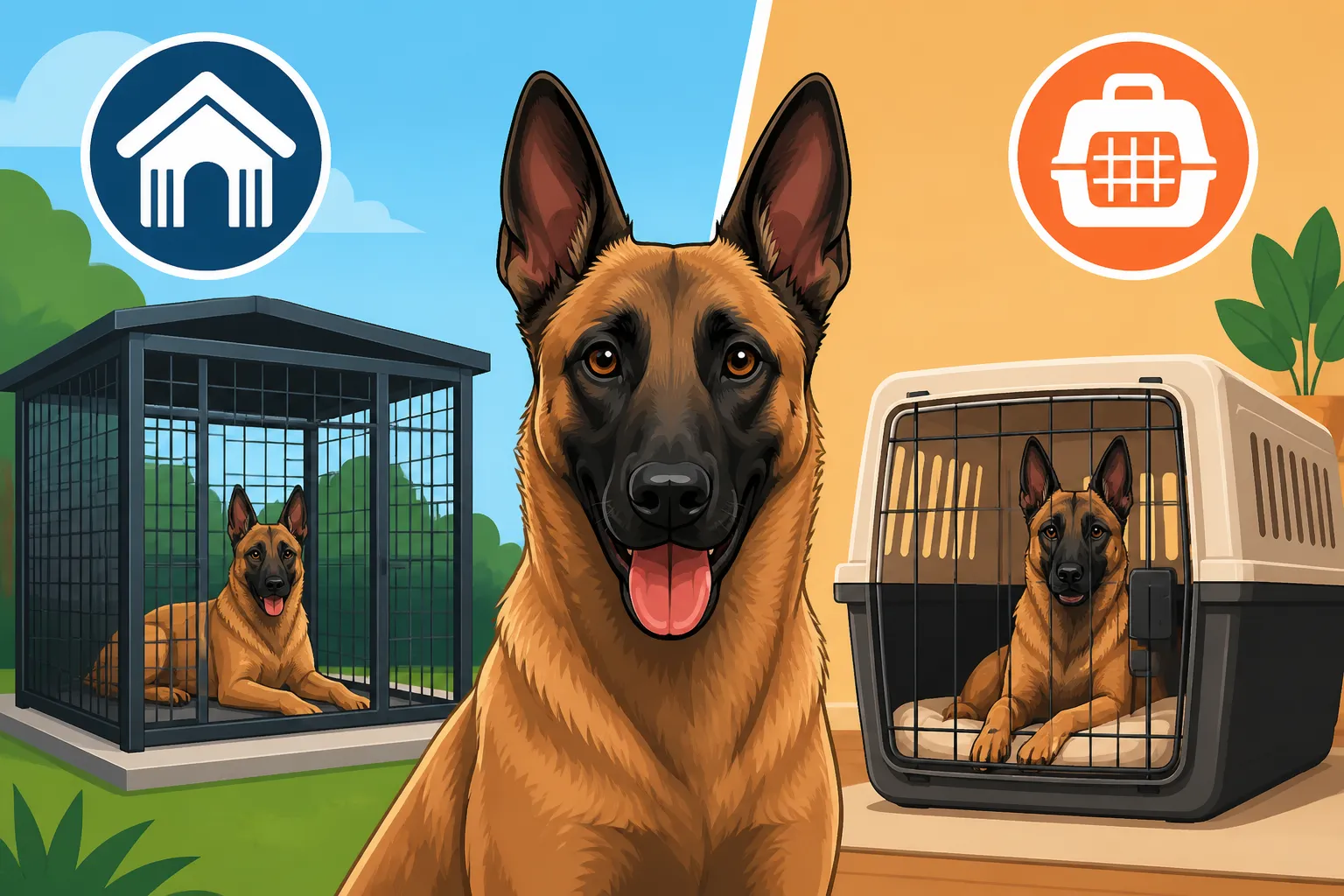
- Molded Plastic: Excellent for travel and providing a more "den-like" feel. They can be very secure if they have strong latches and are made of thick, impact-resistant plastic. They also tend to be quieter.
- Fabric/Soft-Sided: Absolutely not suitable for unsupervised Malinois. These are easily shredded and offer no real containment.
- Size: The crate should be large enough for your Malinois to stand up, turn around comfortably, and lie down stretched out. It shouldn't be excessively large, as too much space can encourage them to use one end as a potty area. A general rule of thumb is to measure your dog from nose to tail while standing, and from the top of the head to the floor. Add 4-6 inches to these measurements for the ideal crate dimensions. For puppies, a divider can be used to adjust the crate size as they grow, preventing accidents while still providing ample space. The Crate Dimensions a Grown Malinois Needs is a useful guide.
Remember, a crate is a tool, not a home. Even the best crate needs to be paired with adequate exercise, mental stimulation, and positive reinforcement to be effective and humane for a Belgian Malinois.
| Crate Type | Pros | Cons | Malinois Suitability |
|---|---|---|---|
| Standard Wire | Affordable, good ventilation, collapsible | Easily bent/broken, less secure latches | Low (Puppy, supervised) |
| Heavy-Duty Metal | Highly secure, durable, escape-proof | Expensive, heavy, less portable | High (Best Choice) |
| Molded Plastic | Den-like, good for travel, quieter | Can be bulky, less ventilation, still escapable if flimsy | Medium-High (Quality matters) |
| Fabric/Soft-Sided | Lightweight, portable, comfortable | Easily chewed/torn, no real containment | Very Low (Not recommended) |
Designing a Secure Outdoor Kennel for a Belgian Malinois
While many Malinois thrive as indoor companions, there are situations where an outdoor kennel provides a safe, secure space, perhaps for daytime housing while you're at work, during inclement weather, or simply as an additional secure area. However, designing an outdoor kennel for a Malinois isn't a casual affair; it requires serious planning and investment to ensure it's truly escape-proof and enriching.
Essential Features of an Escape-Proof Kennel
A standard chain-link dog run is almost certainly insufficient for a Belgian Malinois. Their strength, agility, and intelligence mean they can quickly scale fences, dig under them, or break through weak points. An escape-proof kennel for a Malinois needs specific features:
- Height: A minimum of 6-8 feet high is essential, and even then, some Malinois can find a way over. Consider adding an inward-facing "hot wire" or a top section that angles inwards to deter climbing.
- Dig Prevention: Malinois are adept diggers. The fencing needs to extend below ground, ideally with a concrete footer or heavy gauge wire buried at least 1-2 feet deep and angled inward to prevent tunneling. Another excellent option is to pour a full concrete slab for the kennel floor.
- Sturdy Construction: Forget light gauge chain link. Heavy-duty welded wire panels or solid metal panels are far more secure. The frame itself needs to be robust, bolted or cemented into the ground.
- Secure Latches: Multiple, strong, chew-proof latches are non-negotiable. Spring-loaded clips, double-bolt locks, or padlocks are necessary. A Malinois will often test every part of a gate.
- Roof: For ultimate security against climbing and protection from the elements, a solid roof is highly recommended. This also offers shade from the sun and shelter from rain or snow. Fencing That a Belgian Malinois Cannot Clear expands on these principles.
When sourcing materials, consider durable options available through retailers like Amazon, as well as specialized pet supply stores. Remember, skimping on material quality here could lead to a dangerous escape.
Enrichment and Comfort in an Outdoor Space
An outdoor kennel, no matter how secure, should never be a barren, boring prison. For a Malinois, mental and physical enrichment are vital. Neglecting this will only exacerbate escape attempts born of boredom or frustration.
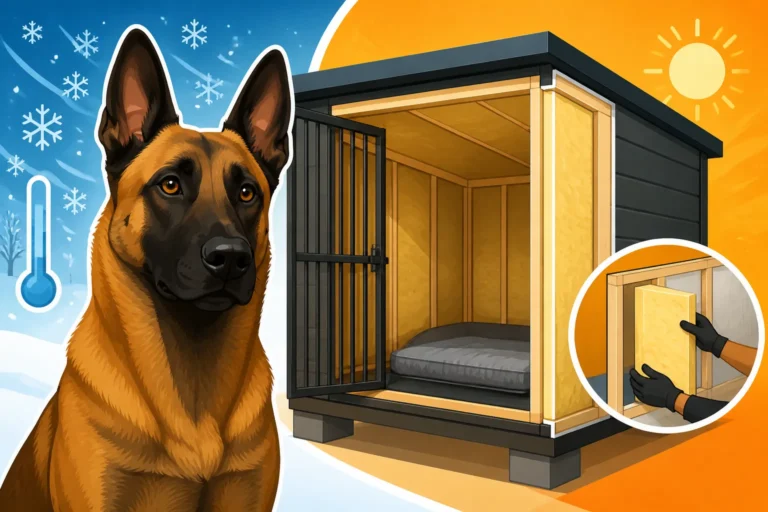
- Shelter: Provide a well-insulated dog house that is elevated off the ground to protect against cold and damp. It should be large enough for them to stand and turn, but snug enough to retain body heat. In warmer climates, ensure ample shade and access to fresh, cool water at all times.
- Chew Toys: Durable, stimulating chew toys are essential. Think KONGs filled with frozen peanut butter, Benebones, or large Nylabones. These provide an outlet for their chewing drive and help combat boredom. Regularly rotate toys to keep things interesting.
- Mental Stimulation: Puzzle feeders or slow feeders filled with their regular food (perhaps from brands like Ollie, known for their wholesome ingredients) can turn mealtime into a mental exercise. Even scattering kibble in safe substrate can engage their natural foraging instincts.
- Comfort: While a bed might seem counterintuitive in an outdoor kennel, a durable, chew-resistant cot or elevated bed can provide comfort and keep them off cold or hot concrete.
- Cleanliness: Regularly clean the kennel to prevent odors and parasites. A Malinois will appreciate a clean space, which also contributes to their overall health.
Remember, the goal is to create a secure, comfortable, and engaging outdoor "room" for your Malinois, not simply a holding pen. An enriched environment reduces stress and the likelihood of escape attempts. What a Malinois Kennel Run Costs to Build and Insulating a Belgian Malinois's Outdoor Kennel can provide more specific cost and construction details.
Portable Kennels and Vehicle Crates for the Working Malinois
For the active Belgian Malinois owner, whether you're heading to training, trials, hiking, or just a day out, portable kennels and vehicle crates are indispensable. They ensure your dog's safety and containment while on the move, protecting both them and the public. Just like stationary kennels, these need to be robust and chosen with the Malinois's unique characteristics in mind.
Safety in Transit: Crash-Tested Crates
Transporting a Malinois safely is critical. In the event of an accident, an unsecured dog can become a projectile, injuring themselves or human passengers. This is where crash-tested vehicle crates come in. Brands such as Gunner Kennels or Impact Dog Crates offer models that have undergone rigorous crash testing to ensure they can withstand impacts, providing maximum protection for your dog.
- Features to look for:
- Certified Crash Rating: Look for certifications that indicate the crate has been tested for frontal, side, and rear impacts.
- Strong Construction: Thick walls, reinforced doors, and secure latches are crucial.
- Ventilation: Adequate airflow is vital, especially in warmer weather.
- Tie-Down Points: Secure anchor points allow you to strap the crate firmly into your vehicle, preventing it from shifting.
- Drainage/Cleaning: Easy-to-clean interiors are a plus for accidents or muddy paws.
These crates are an investment, but the safety they provide for your Malinois and your family is priceless. Compare options on Chewy or other specialized sites, keeping your vehicle's dimensions in mind. Crash Tested Transport Crates for a Malinois is a valuable resource.
Portable Kennels for Events and Travel
Beyond vehicle safety, portable kennels are incredibly useful for events like dog trials, training seminars, or even camping trips. These provide a secure, familiar space for your Malinois when away from home.
- Pop-Up/Soft-Sided Crates: While generally not suitable for unsupervised Malinois containment, some handlers use heavy-duty versions (with steel frames, not just fabric) for supervised short-term containment at events where the dog is always in view and calm. However, a truly determined Malinois can still quickly destroy these.
- Heavy-Duty Folding Wire Crates: Some thicker gauge wire crates with multiple strong latches can work for calm, crate-trained Malinois at events, provided they are not left alone. The ability to fold flat makes them convenient for transport.
- Plastic Airline-Approved Crates: These are excellent for travel, offer a den-like feel, and are sturdy enough for many Malinois. They are often used for overnight stays in hotels or for temporary confinement at events.
When choosing a portable kennel, always prioritize security and durability, especially with a Malinois. Even if your dog is usually calm in a crate, new environments can sometimes trigger unexpected behaviors. It's always better to be over-prepared. Also, remember to factor in climate control. Vehicle Heat Alarms for a Belgian Malinois in a Car highlights the importance of temperature management.
Avoiding Common Pitfalls with Malinois Containment
Despite the best intentions, Malinois owners can sometimes fall into traps regarding containment. These pitfalls often stem from underestimating the breed's capabilities or misinterpreting their behavior. Recognizing and avoiding these common mistakes is crucial for both your dog's well-being and your own sanity.
The Dangers of Inadequate Crate Training or Equipment
One of the biggest mistakes is failing to properly crate train or using an inadequate crate. If a Malinois is simply thrown into a crate without positive association, it can lead to severe anxiety, fear, and destructive behavior within the crate itself. This isn't just unpleasant; a dog frantic to escape can seriously injure themselves, breaking teeth, tearing nails, or sustaining other wounds.
- Forcing the Crate: Never force your Malinois into a crate. This creates a negative association. Lure them in with treats, make it a comfortable spot, and always make it a choice (at first).
- Using a Crate for Punishment: The crate should be a safe haven, not a timeout spot for bad behavior. If used for punishment, your dog will learn to dread it.
- Cheap Crate, Expensive Problem: Trying to save money on a flimsy crate for a Malinois is a false economy. The cost of replacing damaged property, vet bills for injuries, or the behavioral fallout will far outweigh the initial investment in a proper heavy-duty crate. A Malinois can dismantle a cheap wire crate in a matter of minutes, turning it into a dangerous cage of bent metal.
Remember, a Malinois needs to want to be in its den, or at least accept it as a neutral, safe space. Rushing the process or using the wrong equipment almost guarantees a negative outcome.
Managing Boredom and Frustration in Confined Spaces
A Malinois that is left in a crate or kennel for extended periods without sufficient mental and physical enrichment will quickly become bored, frustrated, and destructive. Their high intelligence and drive demand an outlet, and if you don't provide it, they'll create their own, often at the expense of their surroundings (and your peace of mind).
- Pre-Crate Exercise: Always ensure your Malinois gets a vigorous workout and a potty break before being crated. A tired dog is a good crated dog. This doesn't mean just a walk; it means intense mental and physical work. Two Hours and a Job a Belgian Malinois Demands Daily and The Mental Work That Finally Tires a Malinois Out offer great insights.
- Mental Stimulation: Don't just rely on physical exercise. Engage their minds with puzzle toys, long-lasting chews, or even a radio playing soft music while you're away. Items sourced from Chewy or Amazon can provide a variety of safe, stimulating options.
- Time Limits: While Malinois can learn to tolerate longer periods, avoid routinely leaving them crated for more than 4-6 hours without a break. Puppies need much shorter durations. If you work long hours, consider a dog walker or doggy daycare (if they accept Malinois and you trust the facility).
- Positive Associations: Always provide something high-value when crating them – a special chew they only get in the crate, or a KONG stuffed with something delicious. This reinforces the idea that good things happen in the crate.
Ignoring these needs can turn a containment solution into a source of stress and behavioral problems, potentially ruining your Malinois's relationship with their crate.
Transitioning and Training for Successful Containment
Successful containment for a Belgian Malinois isn't just about the right equipment; it's about thoughtful training and positive transitions. Building a solid foundation of trust and positive association is key to ensuring your Malinois sees their crate or kennel as a secure haven, not a prison.
Positive Reinforcement and Gradual Exposure
The foundation of successful crate or kennel training for a Malinois lies in positive reinforcement. Every interaction with their containment space should be pleasant and rewarding.
- Start Small: Begin with very short periods, even just a few seconds, with the door open, rewarding them for simply stepping inside. Gradually close the door for increasing durations, always staying nearby at first.
- High-Value Rewards: Use treats your Malinois absolutely loves, not just their everyday kibble. Cheese, cooked chicken, or training treats from Chewy can be highly motivating.
- Mealtime Magic: Feed all meals inside the crate. This builds a strong positive association and helps them view the crate as a source of good things.
- "Crate Games": Make it fun! Play games where they run in and out of the crate for rewards. This builds enthusiasm for the space.
- Never Punish: As mentioned earlier, the crate must never be associated with punishment. If you're frustrated, step away, take a deep breath, and revisit training when you're calm.
Gradual exposure means slowly increasing the time and distance you are from the crate. Start by leaving the room for a minute, then five, then ten, always returning before they get stressed. This teaches them that you always come back. Consistency is paramount; a few short, positive sessions each day are far more effective than one long, stressful one.
Establishing a Routine and Crate Protocol
Malinois thrive on routine and predictability. Establishing a clear crate protocol helps them understand expectations and reduces anxiety.
- Pre-Crate Routine: Always ensure your Malinois has relieved themselves and received adequate exercise before going into the crate. A full bladder and pent-up energy are recipes for failure.
- Cue Word: Use a consistent cue word like "Crate!" or "Kennel up!" paired with a hand signal. Always reward them for responding to the cue.
- Special Treats: Reserve specific, long-lasting chews or stuffed KONGs for crate time. This makes the crate a highly anticipated place.
- Ignore Whining (After Needs Are Met): Once you are certain your Malinois's needs (potty, exercise) have been met, it's important to ignore attention-seeking whining in the crate. If you give in, you teach them that whining gets them out. Only release them when they are calm and quiet, even if it's just for a second.
- Calm Departures and Arrivals: Make your departures and arrivals low-key. Don't make a big fuss when you leave or return. This helps prevent building up anxiety around your absence. Wait until they are calm before letting them out, and then immediately take them out to potty.
A well-established routine provides a sense of security for your Malinois, making containment a natural and accepted part of their daily life. Building a Malinois's Place Command can complement crate training by teaching them to settle in a designated spot outside the crate as well.
Long-Term Considerations for Malinois Housing
Housing a Belgian Malinois is not a static endeavor; it evolves over their lifetime. What works for a puppy may not be suitable for an adolescent, and the needs of a senior Malinois are vastly different from a working adult. Thinking ahead about these long-term considerations ensures your Malinois always has a safe, comfortable, and appropriate living environment.
Adjusting Containment Needs with Age and Lifestyle
As your Malinois matures, their containment needs will naturally shift.
- Puppyhood (0-12 months): Intense crate training for housebreaking, safety, and preventing destruction. Short durations, high supervision.
- Adolescence (1-3 years): This is often the peak challenge period. Their physical strength is fully developed, but their impulse control might still be a work in progress. Heavy-duty crating is critical during unsupervised times to prevent major destruction and injury. Outdoor kennels need to be escape-proof. Many Malinois are surrendered during this stage because owners are unprepared for the intensity. Surviving a Belgian Malinois's Second Year offers relevant insights.
- Adulthood (3-7 years): A well-trained adult Malinois might be trusted with more freedom indoors, perhaps transitioning from a crate to a secure room, or even being left uncrated for short periods if truly bombproof. However, many still benefit from a secure crate for certain situations or longer absences. Their need for a structured job or activities (like those mentioned in What Bite Sport Actually Asks of a Belgian Malinois) remains high, reducing the likelihood of destructive boredom.
- Seniority (8+ years): As a Malinois ages, physical limitations might make jumping or climbing less likely, but new concerns arise. Arthritis or cognitive decline might mean they need easier access to their den, perhaps a crate with a lower entry. They might also become less tolerant of being left alone, or need more frequent potty breaks, requiring adjustments to crating schedules. Caring for a Belgian Malinois After Ten elaborates on senior care.
Regularly assess your Malinois's behavior and physical condition to determine if their current housing arrangements are still appropriate. Don't be afraid to adjust as their needs change.
Health and Environmental Factors
A Malinois's health can significantly impact their housing requirements. Dogs recovering from surgery or injury may require stricter confinement than usual. Rehabbing a Belgian Malinois After Knee Surgery discusses recovery, which almost always involves crating. Similarly, a Malinois with certain health conditions might need specialized bedding for comfort in their crate, or climate control in an outdoor kennel.
- Temperature Extremes: Malinois, with their single coat, can be susceptible to both extreme heat and cold. An outdoor kennel must provide adequate insulation and protection from the elements. Heat, Cold and a Belgian Malinois on the Job emphasizes these considerations.
- Allergies: If your Malinois has environmental allergies or skin sensitivities, the materials in their bedding and the cleanliness of their kennel become even more important. Easily washable bedding and regular cleaning are essential.
- Noise and Stimulation: Some Malinois are highly sensitive to noise. If their kennel is in a high-traffic area, consider ways to buffer sound or provide calming background noise. A Malinois that alerts to every sound outside might benefit from a more enclosed, den-like crate, perhaps covered with a blanket (ensure good ventilation).
Ultimately, successful long-term housing for a Belgian Malinois is a dynamic process. It requires continuous observation, adaptation, and a deep understanding of the breed's incredible intelligence, drive, and physical capabilities. By consistently providing secure, comfortable, and enriching containment, you're not just protecting your home; you're contributing to a happy, healthy, and well-adjusted Malinois.
Disclaimer
This article is for general informational purposes only and does not constitute professional advice. Laws, prices and regulations vary by location and change over time. Consult a qualified professional for guidance on your specific situation.