The Crate Dimensions a Grown Malinois Needs
One of the most common mistakes new Belgian Malinois owners make is underestimating just how much space these athletic, driven dogs truly need, even in their designated "safe" place. A crate that's too small can turn a necessary tool into a source of stress and even physical discomfort, leading to behavioral issues that might have been avoided. This guide will walk you through everything you need to know about selecting the appropriate crate dimensions for your adult Malinois, ensuring it's a comfortable and secure den for them.
Why Crate Size Matters for a Belgian Malinois
It's easy to think a crate is just a box, a temporary holding pen, but for a Belgian Malinois, it's so much more. It's their personal space, their den, a place they should feel safe and calm. The size of this den directly impacts their physical well-being and their mental state. You wouldn't want to live in a closet, and neither does your Malinois.
Comfort and Safety Beyond Just Standing Up
When people first get a crate, they often think, "Oh, as long as they can stand up and turn around, it's fine." But for a dog as active and powerful as a Malinois, "fine" isn't good enough. Imagine spending hours in a space where you can barely stretch out, where your hips and elbows are constantly pressed against hard bars, or where you can't shift positions without bumping into something. This isn't just uncomfortable; it can be detrimental to their joint health over time, especially if they're spending significant periods in the crate. A Malinois needs enough room to fully extend their body when lying on their side, to comfortably stand up without hunching, and to turn around in a wide arc. Cramped conditions can lead to stiffness, muscle soreness, and even exacerbate underlying orthopedic issues that are unfortunately sometimes seen in active breeds. Think about how much a working dog relies on its body; restricting its movement even when resting can have long-term consequences. Proper space allows them to relax deeply, which is crucial for their overall recovery and well-being.
Behavioral Implications of an Improperly Sized Crate
Beyond physical comfort, the size of the crate profoundly affects your Malinois's behavior and their perception of this important tool. A crate that's too small can become a source of anxiety and frustration. Instead of viewing it as a safe haven, they might see it as a prison. This can lead to undesirable behaviors like excessive barking, destructive chewing inside the crate, trying to break out, or frantic pacing. These are not signs of a dog that enjoys its space. For a breed known for its intense drive and intelligence, channeling that frustration can manifest in surprising and destructive ways. If your Malinois constantly seems agitated or stressed when crated, the first thing to check, after ensuring they've had adequate exercise and mental stimulation, is if their crate is truly big enough. Conversely, a correctly sized crate, introduced positively, can become a valuable tool for teaching an "off switch" and promoting calm independence. It gives them a boundary they respect and a place where they can genuinely settle. A Malinois That Screams Rather Than Settles often isn't misbehaving; they might simply be uncomfortable or stressed by their confined quarters.
Calculating the Right Crate Dimensions for Your Malinois
Getting the perfect fit means taking accurate measurements of your specific dog, because while Malinois have a general size range, individuals can vary. Once you have those numbers, you can compare them to available crate sizes.
Measuring Your Grown Malinois Accurately
Forget the guesswork; grab a measuring tape and take these key measurements:
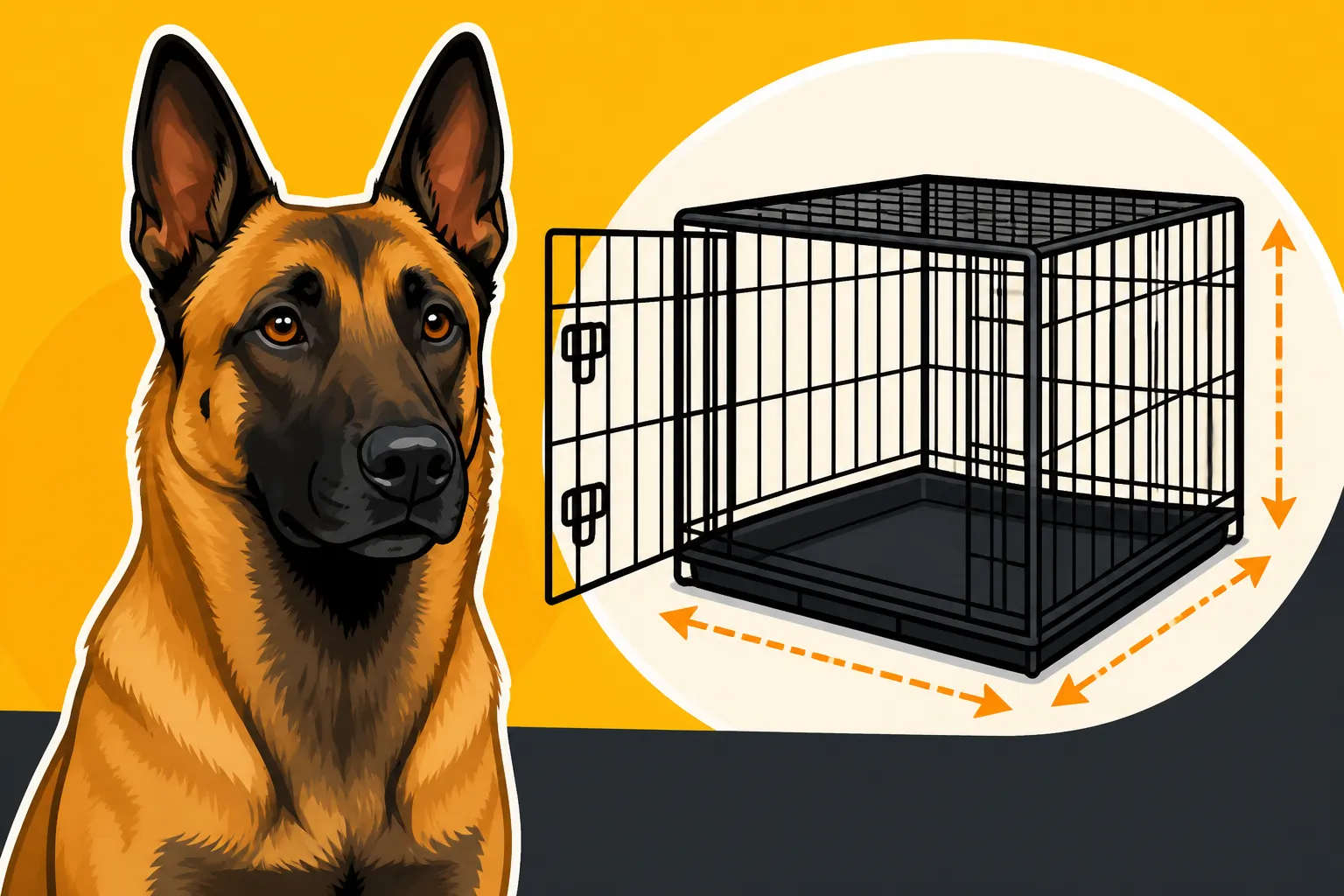
- Height: Have your Malinois stand tall. Measure from the floor to the very top of their head, or the tip of their ears if they stand erect and are taller than their skull. Then, add at least 2-4 inches to this measurement. This ensures they can stand fully upright without their head or ears touching the top of the crate. You don't want them to feel squished.
- Length: Measure your Malinois from the tip of their nose to the base of their tail (where it meets their body), not the tip of the tail. Then, add 4-6 inches to this measurement. This extra length allows them to stretch out comfortably when lying down on their side and to turn around easily without having to contort their body.
- Width: While not always listed as a primary crate dimension, considering width is important for turning. Most crates are designed with a length-to-width ratio that allows a dog to turn if the length is appropriate. However, if your Malinois is particularly broad-chested, or you're considering a more custom solution, ensure they have enough room to pivot completely.
Once you have these numbers, remember that bigger is often better, within reason. You don't want a crate so large that they can comfortably relieve themselves in one corner and sleep in another (unless you're actively house-training a puppy, where a divider is used for this specific purpose). For an adult Malinois, the goal is spacious comfort without encouraging bathroom accidents inside the den. For example, a male Malinois might typically carry The Sixty to Eighty Pounds a Male Malinois Carries, while a female might be The Forty to Sixty Pounds a Female Malinois Carries, but these are weight ranges, and height/length are what truly dictate crate size.
Standard Crate Sizes and How They Compare
Most adult Belgian Malinois will fall into the larger end of standard dog crate sizes. You'll typically be looking at 42-inch or 48-inch crates.
- 42-inch Crates: These often measure approximately 42"L x 28"W x 30"H. This size can be adequate for smaller female Malinois, or those on the absolute lower end of the height and length spectrum. If your female Malinois is 22-23 inches tall at the shoulder and around 30-32 inches long (nose to tail base), a 42-inch might just barely work. However, many owners find it to be a bit snug for optimal comfort.
- 48-inch Crates: These typically measure around 48"L x 30"W x 33"H or sometimes even 48"L x 32"W x 35"H. This is generally the recommended minimum size for a male Belgian Malinois and often provides much better comfort for most females as well. This extra length and height give them ample room to stretch, stand, and turn without feeling confined. For a dog that needs to recharge after intense training sessions or a long day of "work," this space is invaluable. Housing a Belgian Malinois in a Kennel or a Crate effectively means providing a space that truly serves their needs, and size is paramount.
Here's a general guide:
| Malinois Size (Approx.) | Recommended Crate Length (Minimum) | Example Crate Size | Dimensions (Approx. L x W x H) | Notes |
|---|---|---|---|---|
| Smaller Female Malinois | 38-40 inches | 42-inch | 42" x 28" x 30" | Can be snug; measure carefully. |
| Average Male/Larger Female Malinois | 44-46 inches | 48-inch | 48" x 30" x 33" | Generally good for most adult Malinois. |
| Very Large Male Malinois | 48+ inches | 54-inch (less common) | 54" x 36" x 40" | Provides maximum room, but larger footprint. |
When shopping, pay close attention to the interior dimensions listed by the manufacturer, as exterior measurements can be misleading due to framing. Websites like Chewy often provide detailed internal specifications, which is incredibly helpful when you're trying to match your dog's measurements precisely.
Features to Look for in a Malinois Crate (Beyond Size)
While size is the first hurdle, not all crates are created equal, especially when dealing with a strong, intelligent, and often determined Belgian Malinois. The construction, material, and additional features can make a world of difference.
Durability and Construction for a Powerful Dog
Let's be realistic: a Malinois can be a force of nature. A flimsy wire crate that might suffice for a smaller, calmer breed simply won't cut it. You need a crate built to withstand their intelligence, strength, and occasional attempts at escape or modification. Look for:
- Heavy-Duty Wire or Strong Plastic: Traditional wire crates are common, but ensure the gauge of the wire is thick and the welding points are robust. For Malinois known for their " Houdini " tendencies or those with separation anxiety, a heavy-duty option like an impact-resistant plastic crate (often used for airline travel) or even a specialized metal crate designed for escape artists might be necessary. Some brands offer crates with thicker bars and reinforced doors specifically for powerful breeds. What a Malinois Destroys in One Unsupervised Hour can be a surprising list if the crate isn't up to par.
- Secure Latches and Doors: This is non-negotiable. A Malinois is smart. Give them a flimsy latch, and they'll figure it out. Look for multiple slide-bolt latches, spring-loaded closures, or even double-latch systems. The door should fit snugly without large gaps they can use to pry open. Some crates feature a "garage door" style mechanism or even a top-loading option, which can add security and versatility.
- Chew-Proof Design: While no crate is 100% chew-proof if a dog is truly determined, better designs minimize opportunities. Look for smooth edges, flush-mounted components, and avoid crates with easily accessible plastic trays or parts that can be gnawed on. A Malinois bored and confined in a space too small can turn their attention to destroying their environment.
Remember that Crash Tested Transport Crates for a Malinois are available and offer an incredible level of durability and safety, not just for travel but also for everyday use in the home. These are often made of robust materials, designed to absorb impact and prevent escapes, which speaks volumes about their construction quality.
Ventilation, Portability, and Ease of Cleaning
Practicality plays a huge role in daily crate use. Even the perfect size won't matter if the crate is a hassle to maintain or makes your dog uncomfortable in other ways.
- Ventilation: Good airflow is critical, especially if your Malinois spends significant time in their crate. Wire crates naturally excel here, but if you opt for a plastic or composite crate, ensure it has ample ventilation holes or grated sections on all sides. Overheating can be a serious concern, particularly in warmer climates or if the crate is in a less-than-ideal location. Consider the climate you live in and where the crate will be placed.
- Portability (if needed): Do you plan to move the crate frequently, or take it to trials or training sessions? Many wire crates are foldable, which is a huge bonus for transport and storage. However, some heavy-duty or specialized crates are not designed for easy breakdown. Assess your lifestyle and whether portability is a key factor. If you're using it primarily as a stationary den at home, this might be less of a concern.
- Ease of Cleaning: Accidents happen, and even without them, crates need to be cleaned regularly. Removable, washable trays are standard for most crates and a must-have. Look for designs where surfaces are easy to wipe down and don't have too many nooks and crannies where dirt, hair, or odors can accumulate. Keeping the crate clean contributes to a more pleasant environment for your dog and helps prevent skin issues or unpleasant smells in your home. Companies like Amazon offer a wide array of options, making it easy to compare features and read reviews on cleaning ease. Bedding for a Belgian Malinois in a Kennel Run is another consideration; ensure it's also washable and durable.
Choosing the right crate is an investment in your Malinois's comfort, safety, and behavioral development. By considering both size and construction, you can provide a den that truly serves your high-drive companion.
Disclaimer
This article is for general informational purposes only and does not constitute professional advice. Laws, prices and regulations vary by location and change over time. Consult a qualified professional for guidance on your specific situation.