Nails, Pads and Feet on a Working Belgian Malinois
For Belgian Malinois owners, few things are as frustrating as a dog hobbled by a foot injury when they're otherwise ready to work, run, or train. Our Mals are athletes, built for speed, agility, and endurance, and their feet are the very foundation of their incredible performance. This comprehensive guide will walk you through everything you need to know about keeping your working Belgian Malinois's nails, pads, and feet in pristine condition, addressing common challenges and offering practical solutions to keep them on all four paws.
The Unsung Heroes: Why Your Malinois's Feet Matter So Much
It’s easy to overlook the importance of your Malinois’s feet until a problem arises. But these aren’t just paws; they’re complex structures of bone, ligament, tendon, muscle, and nerve, all designed to absorb impact, provide traction, and withstand incredible forces. For a working Belgian Malinois, their feet are the equivalent of a human athlete’s perfectly fitted shoes and well-conditioned ankles and knees – absolutely critical for peak performance and injury prevention.
The Intense Demands of a Working Malinois's Paws
Think about what a Malinois does in a typical week: sprinting across varied terrains during tracking, launching over obstacles in obedience or protection work, landing from significant heights, or navigating rough ground during search and rescue. Each of these activities places immense stress on their paws. They're constantly pushing off, landing, turning, and braking. This isn't just a leisurely stroll in the park; this is high-intensity, high-impact movement.
The ground they work on can be unforgiving. Hot asphalt in summer, icy pavements in winter, abrasive concrete, sharp gravel, dense brush, or rocky trails – all can take a toll. Without proper care, this constant wear and tear can lead to a myriad of issues, from minor abrasions to debilitating injuries that sideline your working partner. A compromised paw means a compromised dog, unable to perform its duties or enjoy its life to the fullest. We owe it to these dedicated dogs to maintain their most vital tools.
Understanding the Anatomy of a Malinois Foot
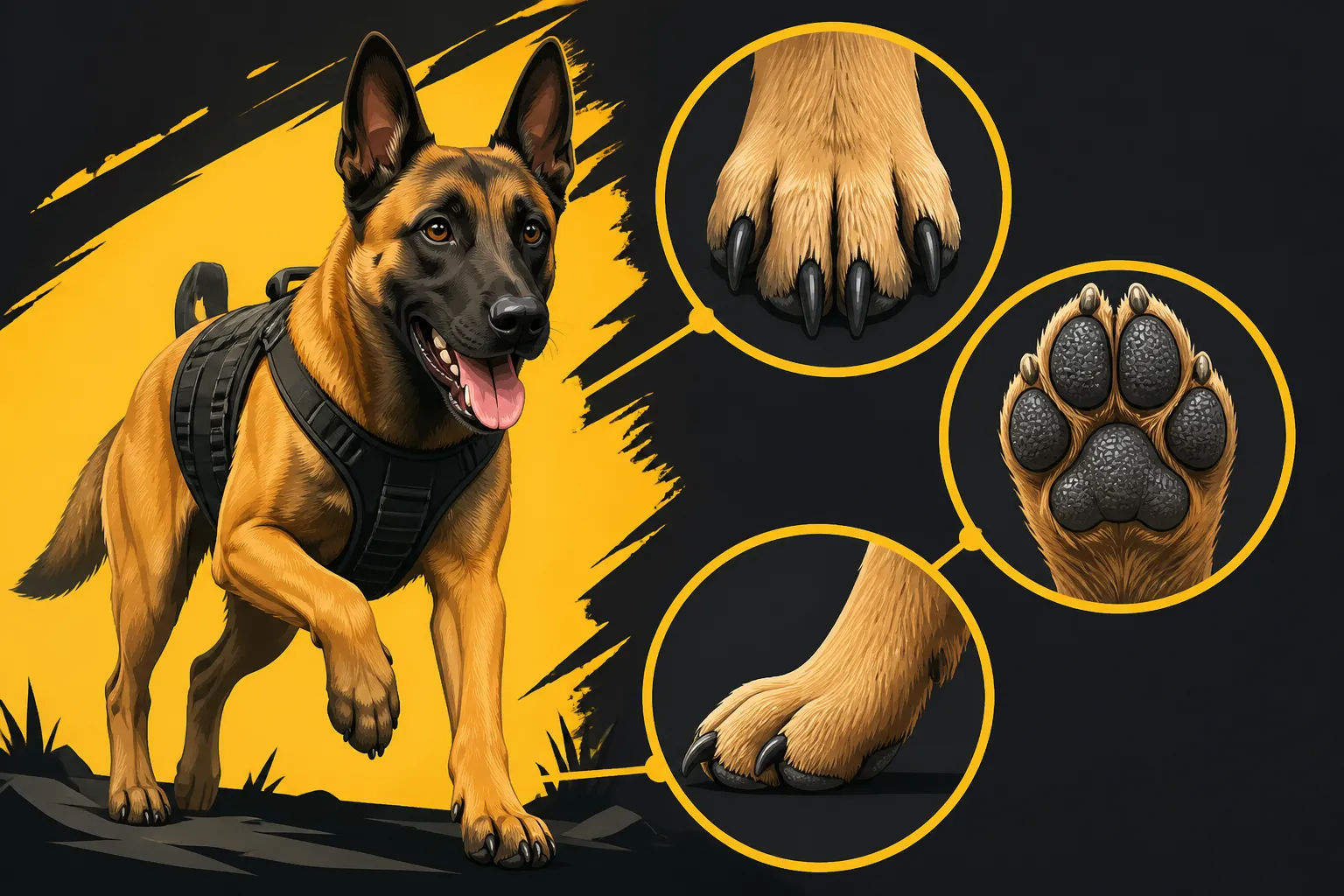
A Malinois's foot is a marvel of engineering. It consists of multiple bones (phalanges, metatarsals, tarsals), ligaments, tendons, and muscles, all working in concert. The central components we often focus on are the nails and the paw pads. The nails are crucial for traction, especially on uneven or loose surfaces, and also offer some protection to the sensitive toes. However, overly long nails can actually hinder traction and lead to splayed toes, impacting gait and putting stress on joints further up the leg.
The paw pads are thick, fatty cushions designed to absorb shock, insulate against temperature extremes, and provide grip. They are incredibly tough but not indestructible. The texture of the pads can vary, with some Malinois having naturally tougher, more calloused pads, while others might have softer, more sensitive ones. Understanding this individual variation is key to tailoring your foot care routine. Knowing the structure helps us understand why certain care practices are so vital.
Mastering the Manicure: Essential Nail Care for Malinois
Regular nail care isn't just for aesthetics; it's a fundamental aspect of maintaining your Malinois's structural integrity and preventing injuries. Long nails force the toes back, altering the natural angle of the foot and placing undue stress on the toe joints, pasterns, and even the shoulder and hip joints over time. Imagine walking in shoes that are too small and curled up at the toes – that’s similar to how a dog feels with excessively long nails.
The Art of Regular Nail Trimming and Grinding
For a working Malinois, short, tight nails are paramount. This usually means trimming or grinding them every 1-2 weeks, sometimes even more frequently if your dog is particularly active or has fast-growing nails. The goal is to get the nails short enough that they don't touch the ground when your dog is standing naturally. A common mistake is only trimming the tips, which still leaves the nail too long and allows the quick (the blood vessel and nerve within the nail) to grow out further.
Using a Dremel-style rotary tool is often preferred by Malinois owners over traditional clippers. Grinding allows for more gradual removal of the nail, helps to "quick" the quick back over time, and provides a smoother finish, reducing the risk of snags or chips. Start slowly, conditioning your Malinois to the sound and sensation from a young age. Reward heavily with high-value treats and praise. Consistency is key; a few minutes every week is far less stressful than a major overhaul every few months. Many find that ordering a decent nail grinder from a retailer like Amazon or Chewy makes this task much more manageable from home.
Dealing with the Quick: Avoiding Pain and Bleeding
The quick is a living tissue inside the nail containing blood vessels and nerves. If cut, it's painful and bleeds profusely. This often leads to a negative association with nail trimming for the dog, making future sessions a battle. With dark-nailed Malinois, the quick is almost impossible to see. This is where grinding shines, as it allows you to remove small amounts of nail at a time, watching for a small dark circle (the start of the quick) in the center of the cut surface. When you see this, stop.
If you do accidentally nick the quick, don't panic. Apply styptic powder (available at most pet stores) or cornstarch to the bleeding nail with firm pressure until it stops. Offer reassurance and treats, and don't make a big deal out of it, as your calm demeanor will help your dog recover faster. Consistent, frequent trimming or grinding will encourage the quick to recede, allowing you to get the nails shorter over time without causing discomfort. It’s a process that requires patience and consistency, but the health benefits for your Malinois are immense.
The Importance of Dewclaws
Dewclaws are those small, thumb-like claws located higher up on the inside of a dog's leg, typically on the front limbs. While some Malinois have them removed as puppies, many retain them. Unlike other nails, dewclaws often don't wear down naturally because they don't make contact with the ground during normal locomotion. This means they are particularly prone to growing too long, curling around, and potentially snagging or growing into the pad.
A torn dewclaw can be incredibly painful and often requires veterinary attention. Therefore, it's crucial to include dewclaws in your regular nail trimming routine. If your Malinois has rear dewclaws, these are often less attached and can be even more susceptible to injury during vigorous activity. Ensure they are kept meticulously short. While sometimes overlooked, addressing Whether a Belgian Malinois Needs Its Dewclaws Trimmed proactively is a simple step that can prevent significant pain and veterinary bills down the line for your active Malinois.
Protecting Those Tough Pads: Care and Prevention
Your Malinois's paw pads are their natural shock absorbers and traction control system. They’re designed to be robust, but even the toughest pads can suffer damage from the extreme conditions a working dog encounters. Just like a runner's shoes, these pads need attention to stay healthy and resilient.
Recognizing Common Pad Injuries and Wear
During intense training or work, Malinois paws are constantly exposed to friction, impact, and varying surfaces. It's not uncommon to see signs of wear and tear, such as abrasions, cuts, cracks, or even punctures. An abrasion might look like raw, scraped skin, while a cut can range from a superficial slice to a deep laceration. Cracks often appear around the edges of the pads or in the deeper crevices, especially in dry weather or after exposure to harsh chemicals or extreme temperatures.
Pads can also develop blisters from excessive friction or heat, similar to what a human might get on their feet after a long hike in ill-fitting shoes. Always keep an eye out for limping, excessive licking of the paws, reluctance to put weight on a particular foot, or visible signs of injury. Regularly inspecting your Malinois's pads, especially after a training session or a long walk on challenging terrain, is your first line of defense against these common problems. Catching an issue early can prevent it from escalating into a more serious infection or debilitating injury.
Toughening Pads for Demanding Work
While Malinois naturally have tough pads, you can help enhance their resilience, especially if your dog is transitioning to a more demanding work schedule or a new, harsher environment. One of the best ways to toughen pads is through gradual exposure to different surfaces. Don't go from soft grass to an all-day hike on sharp gravel overnight. Slowly increase the intensity and duration of activity on varied terrains. This natural conditioning helps the pads build thicker, more durable calluses.
Certain paw waxes or balms can also aid in conditioning by creating a protective barrier and keeping the pads moisturized, preventing cracking. Look for products specifically designed for working dogs. Some handlers swear by applying rubbing alcohol (diluted or undiluted, depending on sensitivity) to the pads daily for a few weeks to promote hardening, though this approach needs to be used cautiously and might not be suitable for all dogs, especially those with sensitive skin or existing cracks. For more specific strategies on how to build up resilience, you might find valuable insights in articles like Pad Toughening for a Belgian Malinois.
The Role of Paw Balms and Waxes
Paw balms and waxes are valuable tools in your Malinois paw care arsenal. They serve multiple purposes: protection, moisturization, and healing. Applied before activity, a good paw wax creates a semi-permeable barrier that helps protect the pads from extreme temperatures (hot pavement or ice), abrasive surfaces, and irritating chemicals like de-icing salts. This can significantly reduce the risk of burns, frostbite, and cuts.
After a strenuous session or simply as part of a regular grooming routine, paw balms can help moisturize dry, cracked pads, promoting healing and maintaining flexibility. Dry, cracked pads are more prone to further injury and can be quite painful. Products containing natural ingredients like shea butter, beeswax, or vitamin E are often effective. You can find a wide array of options on platforms like Chewy or Amazon, allowing you to choose one that best suits your dog's needs and your budget. Regularly applying these products can make a noticeable difference in your Malinois's paw health and comfort.
Addressing Common Foot Ailments and Injuries
Despite your best efforts, injuries happen. Knowing how to recognize and initially manage common foot ailments is crucial for any Malinois owner, especially if your dog is involved in demanding activities. Quick action can prevent minor issues from becoming major problems.
Torn Nails, Split Pads, and Abrasions
These are probably the most frequent paw injuries for an active Malinois. A torn nail, especially if it's torn close to the quick or ripped off completely, is incredibly painful and often bleeds a lot. If the nail is partially torn, it might need to be trimmed or removed by a vet to prevent further snagging. Keep the area clean and bandaged to prevent infection while it heals.
Split pads can be painful, especially if they are deep. Clean the wound gently with an antiseptic solution (like dilute Betadine or chlorhexidine), apply a thin layer of antibiotic ointment, and bandage it securely. Abrasions are essentially scrapes; clean them well and keep them protected. For all these injuries, monitoring for signs of infection (redness, swelling, pus, heat, increased pain) is vital. Even seemingly minor injuries can become infected quickly given the ground Malinois often cover.
Fungal Infections and Interdigital Cysts
Beyond acute injuries, Malinois can also be susceptible to fungal infections, often manifesting as redness, itching, hair loss, and sometimes a yeasty odor between the toes or on the pads. These require veterinary diagnosis and specific antifungal treatments. Interdigital cysts, which are painful lumps between the toes, are another common problem. They can be caused by foreign bodies, ingrown hairs, or bacterial infections, and they often recur.
Treatment for interdigital cysts usually involves warm compresses, antiseptic soaks, antibiotics, and sometimes surgical removal or laser therapy in severe or recurrent cases. The key with both fungal infections and cysts is to get a proper diagnosis from your vet, as home remedies may not be effective and can sometimes make the problem worse. Persistent licking of the paws is a big red flag for these kinds of underlying issues, so pay attention to changes in your dog's self-grooming habits.
Foreign Objects and Puncture Wounds
Working Malinois frequently encounter environments where sharp objects are present. Thorns, splinters, glass shards, sharp stones, or even grass seeds can become embedded in their paw pads or between their toes, leading to pain, limping, and potential infection. A puncture wound from something like a nail or a piece of wire might appear small on the surface but can be quite deep, carrying bacteria into the tissue.
If you suspect a foreign object, carefully examine the paw. If you can see and easily remove the object with tweezers, do so, then clean the wound thoroughly. For deeper objects, or if the dog is in significant pain or the wound is bleeding heavily, it's always best to consult your veterinarian. Puncture wounds, in particular, should always be checked by a vet due to the high risk of infection and the potential for deep tissue damage. These can also be excruciating, and your Malinois might need pain medication or antibiotics.
Environmental Factors: Hot, Cold, and Rough Terrain
The environment a working Malinois operates in plays a huge role in the health of their paws. Owners must be vigilant about protecting their dog's feet from the elements, as extreme temperatures and challenging surfaces can lead to rapid and severe damage.
Safeguarding Paws from Extreme Temperatures
Hot pavement, asphalt, sand, or even metal surfaces in summer can reach scorching temperatures, causing severe burns to a Malinois's paw pads. If it's too hot for your bare hand, it's too hot for their paws. Aim to exercise during cooler parts of the day, early mornings or late evenings. If training on hot surfaces is unavoidable, paw boots can offer critical protection. Similarly, in winter, ice, snow, and especially de-icing salts and chemicals can be damaging. Salts can be abrasive and irritating, leading to cracks and chemical burns. Ice can cause frostbite or accumulate between the pads, forming painful ice balls.
After walking in snowy or salted areas, always rinse your Malinois's paws thoroughly with lukewarm water and dry them completely to remove any irritating substances. Applying a paw balm before heading out can create a barrier against the elements. The severity of paw issues related to temperature often hinges on prevention, and understanding the risks is the first step. You'll find a wealth of information regarding specific preventative measures in posts like Ice and Salt on a Belgian Malinois's Feet.
Navigating Harsh Surfaces and Debris
A Malinois's job often involves moving over surfaces that are anything but smooth. Rocks, gravel, thorny bushes, broken concrete, or uneven ground can all contribute to cuts, scrapes, and bruises on the paw pads. While their pads are naturally tough, continuous exposure without proper conditioning or protection will eventually lead to injury. Even during seemingly innocent activities like playing fetch in a field, thorns or sharp twigs can become embedded.
It’s essential to be aware of the terrain your Malinois is working on. Where possible, choose safer surfaces for high-impact activities. After any session on harsh ground, make it a habit to thoroughly inspect each paw, including between the toes, for any embedded debris. This proactive approach allows you to address minor irritations before they escalate into painful injuries or infections. Early detection and removal of small foreign objects can save your dog a lot of discomfort and prevent a trip to the vet.
The Debate Over Paw Boots
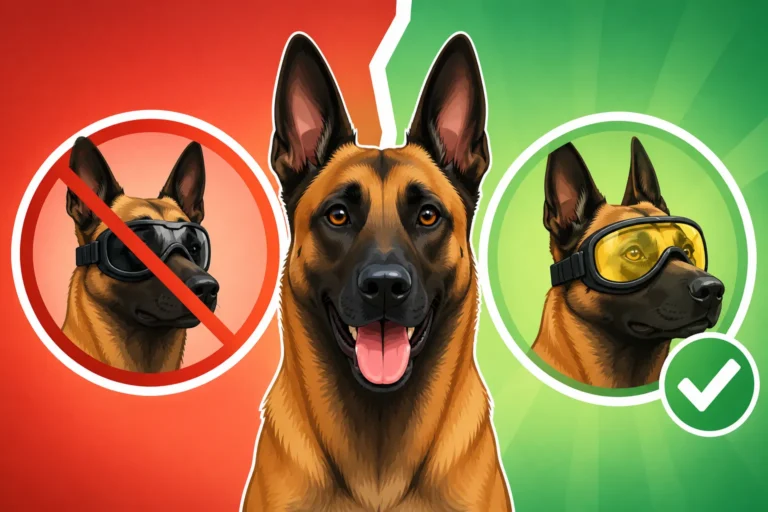
Paw boots are a contentious topic among working dog handlers. Some swear by them, viewing them as essential protective gear, while others find them cumbersome and believe they interfere with natural paw function. The truth likely lies somewhere in the middle, depending on the specific dog, the activity, and the environment. For extreme conditions – think very hot asphalt, sharp rocky terrain, deep snow, or abrasive surfaces during long endurance work – boots can provide an invaluable layer of protection, preventing burns, cuts, and frostbite.
However, boots must fit well. Ill-fitting boots can rub, cause blisters, or restrict movement, potentially leading to other issues. Malinois also need to be conditioned to wear them comfortably; introducing them gradually with positive reinforcement is key. They might look a bit awkward at first, but a well-adjusted Malinois will often tolerate them for necessary protection. When considering their use, especially for hot conditions, articles such as Whether a Belgian Malinois Needs Boots on Hot Ground can provide further guidance on making the right choice for your specific situation.
Nutritional Support and Overall Health for Healthy Feet
Just like every other part of your Malinois's body, their paws rely on good nutrition and overall health to stay strong and resilient. It's not just about topical treatments; what goes into their body matters significantly.
Diet's Role in Paw Health
A high-quality, balanced diet provides the essential building blocks for healthy skin, coat, and paw pads. Protein is crucial for tissue repair and growth, while healthy fats (like Omega-3 and Omega-6 fatty acids) are vital for maintaining skin barrier function and reducing inflammation. A diet deficient in these nutrients can lead to dry, cracked pads, brittle nails, and a compromised immune system, making your Malinois more susceptible to infections and slower to heal.
For a working Malinois, a performance-grade kibble or a well-balanced raw diet, such as those formulated by companies like Ollie, ensures they receive the dense nutrition needed to fuel their activity and support their body's constant regeneration. Avoid low-quality foods with excessive fillers or artificial ingredients, as these can sometimes contribute to skin issues or inflammation that might manifest in paw problems. Always ensure your Malinois has access to fresh, clean water, as dehydration can also impact skin and pad health.
Supplements for Joint and Skin Integrity
Beyond a solid base diet, certain supplements can provide an extra boost for paw health, particularly for a working Malinois. Omega fatty acid supplements (fish oil being a popular choice) are excellent for skin and coat health, which directly translates to healthier, more pliable paw pads. They help reduce inflammation and keep skin hydrated from the inside out. Glucosamine and chondroitin, often found in joint supplements, primarily support cartilage and joint health, but strong, healthy joints contribute to a correct gait, reducing uneven wear on the paws.
Biotin and zinc are also sometimes recommended for dogs with brittle nails or persistent skin issues, as they play roles in keratin production and wound healing. Before adding any supplements to your Malinois's diet, it's always wise to consult your veterinarian to ensure they are appropriate for your dog's specific needs and won't interact negatively with any existing conditions or medications. You might also want to read up on Joint Supplements for a Working Belgian Malinois for a more in-depth look at overall musculoskeletal support.
When to Call the Vet: Recognizing Serious Issues
While many minor paw issues can be handled at home, it's critical to know when a problem warrants professional veterinary attention. Delaying treatment can turn a simple issue into a complicated, painful, and potentially expensive one.
Signs of Infection or Severe Injury
Anytime you see signs of infection – such as excessive redness, swelling, warmth to the touch, pus discharge, or a foul odor coming from a paw wound – it's time to call the vet. Infections can spread rapidly and lead to systemic illness if left untreated. Severe injuries, like deep lacerations, extensive degloving injuries (where the skin and pads are torn away from the underlying tissue), or fractures (which can occur in the small bones of the toes), require immediate veterinary care.
If your Malinois is non-weight-bearing, constantly licking the paw, crying out in pain, or seems feverish or lethargic in conjunction with a paw injury, these are all strong indicators that a trip to the emergency vet or your regular clinic is necessary. Don't try to "wait it out" with these serious signs. Early veterinary intervention can significantly improve the outcome and reduce your dog's suffering.
Chronic or Recurring Foot Problems
If your Malinois is repeatedly experiencing the same paw problem – chronic cracking, recurrent interdigital cysts, frequent infections, or persistent lameness that you can't attribute to a specific injury – it's time for a thorough veterinary investigation. Recurring issues often point to an underlying cause that needs to be identified and addressed. This could be anything from allergies or an autoimmune disease manifesting in the paws, to a conformational issue that's causing uneven weight distribution, or even an undiagnosed fungal infection.
Your vet might recommend diagnostic tests such as skin scrapes, biopsies, blood work (which your Malinois should be getting annually anyway, see The Bloodwork a Working Malinois Should Have Annually), or even X-rays to get to the root of the problem. Treating only the symptoms without addressing the underlying cause will lead to endless cycles of frustration for both you and your Malinois. A comprehensive diagnostic approach is key to breaking this cycle and restoring your dog's long-term paw health.
Proactive Routines for Peak Paw Performance
Consistency is the cornerstone of effective paw care for a working Belgian Malinois. Establishing a routine that integrates daily checks with regular maintenance will significantly reduce the likelihood of serious issues and keep your dog comfortable and ready for anything.
Daily Inspections and Post-Work Checks
Make a quick daily paw inspection a part of your routine. This can be as simple as a few seconds spent visually checking for limping, excessive licking, or obvious injuries. After any training session, strenuous activity, or walk on challenging terrain, perform a more thorough post-work check. Gently lift each paw, examine the pads for cuts, abrasions, embedded debris, or blisters. Spread the toes to look for foreign objects like grass seeds, thorns, or irritations between the pads.
Feel for any swelling, tenderness, or heat. This is also a good time to check Corneal Scratches on a Malinois Working Brush or other general well-being markers, as injuries often don't occur in isolation. Getting your Malinois accustomed to having their paws handled from a young age will make these checks much easier and less stressful for both of you. Many working dog handlers find that this quick routine is one of the most effective preventative measures they can implement.
Building a Consistent Foot Care Schedule
Beyond daily checks, establish a consistent schedule for nail trimming/grinding, paw balm application, and deeper cleaning as needed. For most working Malinois, this means nail care every 1-2 weeks. Paw balm application might be daily during periods of intense work or harsh weather, or a few times a week as general maintenance. Consider adding a weekly paw soak in warm water for a few minutes, which can help soften pads and make them easier to inspect, clean, and treat if necessary.
Think of it as a holistic approach. It’s not just about fixing problems when they arise, but actively preventing them. This consistent investment in paw care not only keeps your Malinois healthier and happier, but it also strengthens your bond as you provide comfort and attend to their needs. A well-cared-for Malinois foot is a foot ready to conquer the world, and that makes all the difference for these incredible working partners.
| Paw Care Component | Frequency | Purpose | Key Considerations |
|---|---|---|---|
| Nail Trimming/Grinding | 1-2 weeks | Prevent splayed toes, maintain proper gait, prevent injuries | Dark nails require caution, grind rather than clip if possible, include dewclaws. Pay attention to How Fast a Kenneled Malinois's Nails Grow and adjust schedule. |
| Paw Pad Inspection | Daily (especially after activity) | Detect cuts, abrasions, foreign objects, swelling, redness | Spread toes, check between pads. Look for limping or excessive licking. |
| Paw Balm/Wax Application | Daily (as needed) | Protect from extreme temps/surfaces, moisturize, prevent cracking | Choose working-dog specific products. Apply before exposure, after cleaning. |
| Deep Cleaning/Soaking | Weekly or as needed | Remove dirt/debris, soften pads, aid healing | Use warm water and mild antiseptic if necessary. Dry thoroughly afterward. |
| Overall Diet/Supplements | Daily | Support tissue health, skin integrity, inflammation reduction | High-quality protein, Omega-3s, Biotin, Zinc. Consult vet before supplementing. |
| Veterinary Check-ups | Annually or as needed | Address chronic issues, diagnose serious injuries, preventative care | Crucial for recurring problems, severe injuries, or signs of infection. |
Disclaimer
This article is for general informational purposes only and does not constitute professional advice. Laws, prices and regulations vary by location and change over time. Consult a qualified professional for guidance on your specific situation.