Pad Toughening for a Belgian Malinois
If you've ever had a Belgian Malinois, or even just spent five minutes observing one, you know their feet are rarely still. Whether they're pounding the pavement during a training session, tearing through rough terrain on a track, or simply doing zoomies in the backyard, their paw pads take a tremendous beating. This guide will walk you through the essential steps and practical tips for ensuring your Malinois's paw pads are as tough and resilient as the rest of them, preventing painful injuries and keeping them ready for action.
Why Tough Paw Pads Are Non-Negotiable for a Belgian Malinois
A Belgian Malinois isn't just a dog; they're a finely tuned athlete, a working partner, and often a blur of motion. Their paws are their primary interface with the world during all that activity. Soft, tender paw pads are not merely an inconvenience; they are a major liability that can sideline your dog, cause immense pain, and even lead to more serious issues down the road. This is especially true for working lines or sport dogs, whose feet are under constant stress.
The Demands of a Malinois's Active Lifestyle
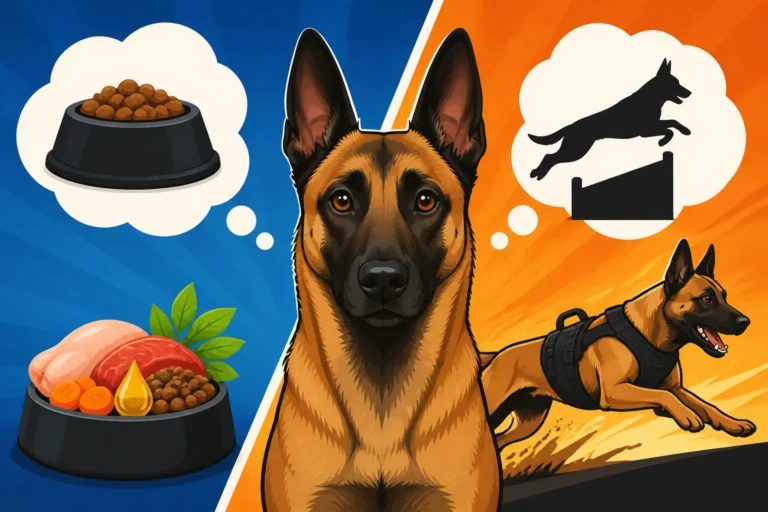
Think about what we ask these dogs to do. They might be sprinting on concrete, climbing walls, crossing varied surfaces from gravel to asphalt, or even working in extreme temperatures. A Malinois involved in Schutzhund, IGP, or Belgian Ring sports will spend countless hours training on various terrains, building explosive power through their legs and feet. Police K9s are deployed into unpredictable environments, from shattered glass in a building search to hot asphalt during a pursuit. Even a well-exercised pet Malinois, with their intense drive, will often cover many miles a week, whether it's hiking, running next to a bike, or playing vigorous fetch. All of this activity puts immense pressure on their paw pads.
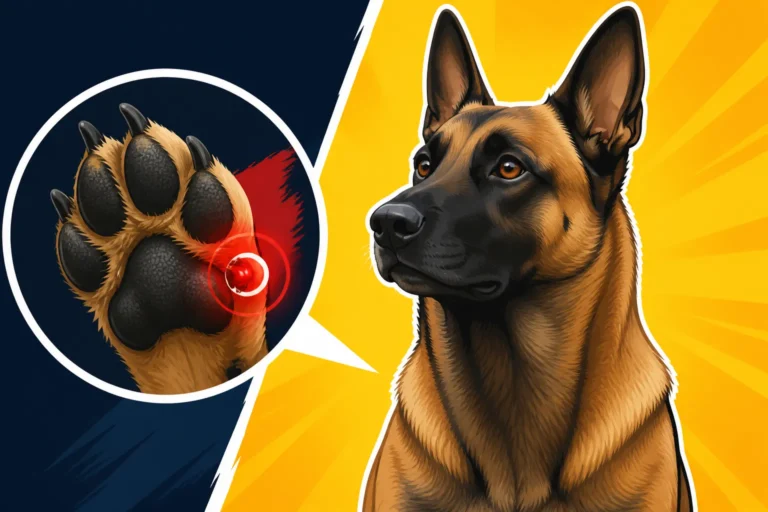
Without proper conditioning, those pads can crack, tear, blister, or suffer abrasions. These aren't just minor cuts; they can be incredibly painful, making every step agony for your dog. A compromised paw pad can get infected, leading to swelling, lameness, and a forced break from all activity. Imagine trying to run a marathon in bare feet, and you start to get a sense of what your Malinois might experience with unprepared paw pads. This isn't about cosmetic care; it's about functional integrity for a dog whose entire life revolves around movement and performance. When you consider Injuries a Bite Sport Belgian Malinois Collects, paw pad issues are often among the most common, if underestimated, concerns.
The Consequences of Neglected Paw Health
Neglecting your Malinois's paw pads can have a cascading effect. A dog with sore paws will change its gait to compensate, shifting weight and putting undue stress on other joints and muscles. This compensatory movement can lead to secondary issues like Muscle Strains in a Belgian Malinois or even exacerbate underlying orthopedic conditions. If your dog is in pain, their performance will suffer, their enthusiasm for work will wane, and their overall quality of life diminishes.
Beyond the physical, there's a psychological impact. A Malinois thrives on having a job and burning off energy. Being benched due to paw injuries can lead to frustration, destructive behaviors, and a general decline in mental well-being because they can't fulfill their innate drive. It's not just about preventing a blister; it's about maintaining their entire physical and mental ecosystem. Prevention through proper pad toughening is always less painful and less costly than treatment and recovery.
Understanding Your Malinois's Paw Pads
Before we dive into toughening, let's appreciate the marvel that is a dog's paw pad. These thick, cushioned structures are designed to absorb shock, provide traction, and protect the delicate underlying tissues. However, they aren't indestructible, and the level of protection they offer is directly related to their condition.
The Anatomy of Resilience
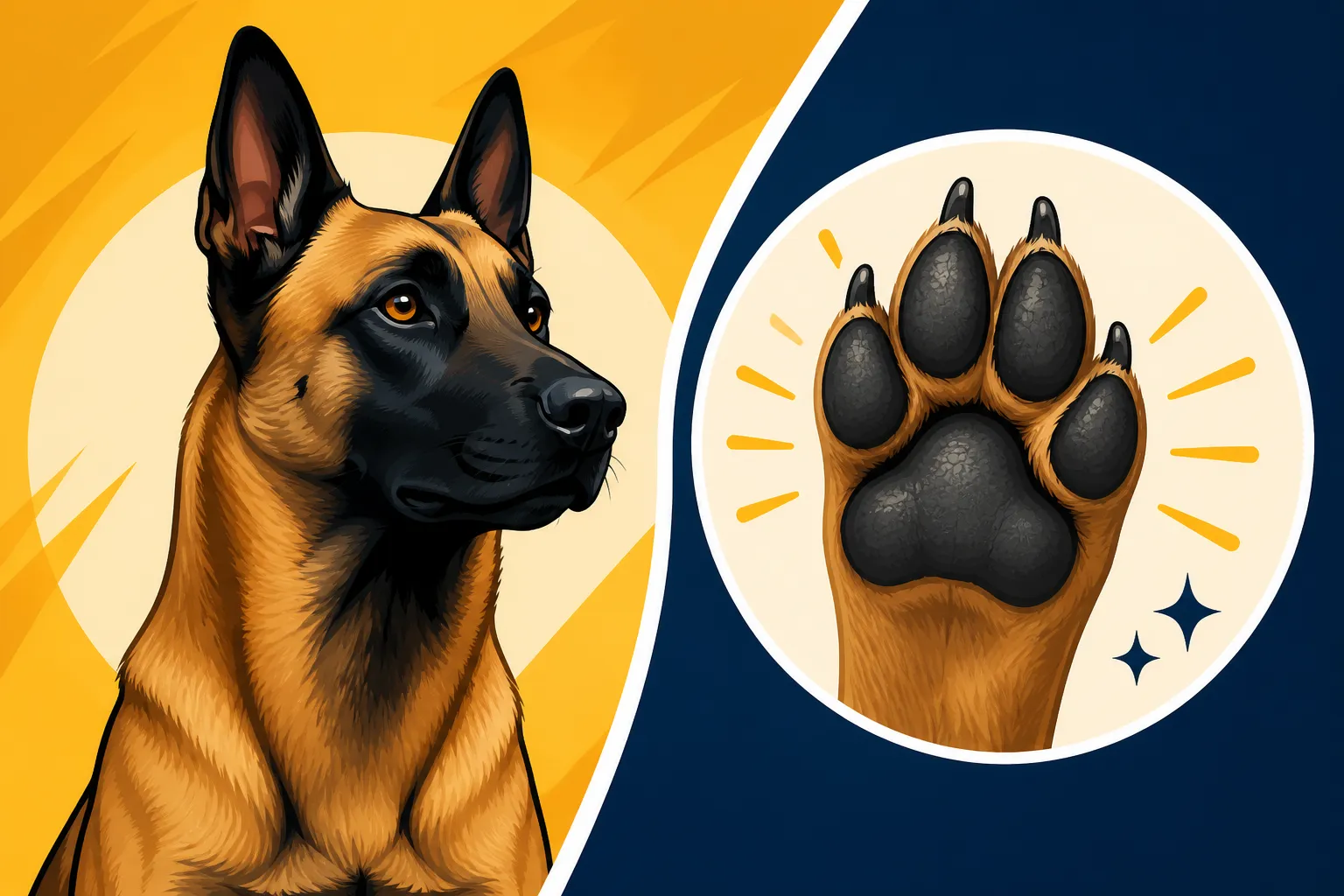
A Malinois's paw pads are composed of tough, keratinized skin, much like the calluses on a human hand. This specialized tissue is rich in fatty deposits and elastic fibers, acting as natural shock absorbers. They contain sweat glands (unlike the rest of their body, which regulates temperature through panting), which help with traction and minor cooling. The pads are vascular, meaning they have a blood supply, and are also highly innervated, making them sensitive to pain, temperature, and pressure.
While naturally robust, these pads need to adapt to the specific stresses placed upon them. A Malinois that lives primarily on soft carpet or grass will have softer, less resilient pads than one that regularly works on gravel or concrete. The goal of pad toughening isn't to make them invincible, but to encourage the natural keratinization process, making them thicker and more resistant to damage from friction, heat, and rough surfaces.
Factors That Make Pads Vulnerable
Several factors can make your Malinois's paw pads more susceptible to injury. Environmental conditions are a huge one. Extremely hot surfaces like asphalt in summer can cause severe burns, as can icy, salt-treated pavements in winter. Ice and Salt on a Belgian Malinois's Feet can be particularly corrosive and damaging. Chemical irritants, sharp objects, or prolonged exposure to moisture can also soften and weaken the pads, making them prone to tears and infections.
Lack of consistent exposure to varied surfaces is another common culprit. If a Malinois is primarily walked on grass and then suddenly asked to perform intense work on abrasive surfaces, their pads won't have the necessary conditioning. Age can also play a role; puppies have more delicate pads, and older dogs might have reduced regeneration capacity. Nutritional deficiencies, though less common with a quality diet, can also impact skin and paw health. For instance, ensuring your Malinois is getting The Daily Ration a Working Belgian Malinois Eats and balanced nutrients contributes to overall skin and paw health.
Practical Strategies for Toughening Paw Pads
Toughening your Malinois's paw pads is a gradual process that requires consistency and common sense. It's about building resilience naturally, not forcing it overnight.
Gradual Exposure to Varied Terrain
The most fundamental way to toughen paw pads is through controlled, progressive exposure to different surfaces. Start slowly, and increase the duration and intensity over time.
- Pavement and Concrete: Begin with short walks on sidewalks or asphalt. Gradually increase the distance. This friction helps build thicker keratin layers.
- Gravel and Rough Trails: Once comfortable on pavement, introduce uneven surfaces like gravel paths or dirt trails with small rocks. These challenge the pads in different ways, improving their overall toughness and proprioception.
- Avoid Extremes Initially: Don't throw your Malinois onto scorching asphalt or freezing ice right away. Build up their tolerance in moderate conditions. Be mindful of The Temperature a Belgian Malinois Should Not Train In and always check the surface temperature with your own hand before asking your dog to walk on it.
A good approach might be to incorporate varied terrain into your daily routine. Instead of always walking the same grassy park loop, alternate with routes that include pavement, packed dirt, and even some small rocky sections. Consistency is key here. Think of it like building calluses on your own hands – it doesn't happen after one day of work, but rather from repeated, measured exposure.
Topical Paw Conditioners and Balms
While environmental exposure is paramount, topical products can offer additional support, especially during the conditioning phase or for maintenance. These aren't meant to "harden" the pads but rather to keep them supple, moisturized, and protected, which prevents cracking and drying.
- Moisturizing Balms: Products specifically designed for dog paw pads can help prevent dryness and cracking. Cracked pads are vulnerable to infection and more likely to tear. Ingredients like beeswax, shea butter, and various oils can be beneficial. You can find a wide selection of these on platforms like Chewy or Amazon. Apply them at night so they have time to soak in without being immediately licked off or worn away.
- Toughening Sprays/Waxes: Some products are marketed specifically for "paw toughening." These often contain ingredients designed to create a protective barrier or to aid in the natural hardening process. Always read reviews and choose reputable brands.
- Preventative Measures for Harsh Conditions: Before a long hike on rough terrain or exposure to hot surfaces, a protective wax can create a barrier. This is particularly useful in situations where Whether a Belgian Malinois Needs Boots on Hot Ground is debatable, or if your dog simply won't tolerate boots.
Remember, these products are supplements, not substitutes, for natural conditioning. They won't magically toughen soft pads overnight but can significantly aid in maintaining healthy, resilient paws when used consistently. Whether Paw Balm Helps a Malinois on Hot Decks is a common question, and the answer is generally yes, but only as a protective layer, not a shield against extreme heat.
Nutritional Support for Skin and Paw Health
While often overlooked, a balanced diet plays a crucial role in overall skin and paw health. Healthy skin, including paw pads, relies on a steady supply of essential nutrients.
- Omega-3 Fatty Acids: These are vital for skin health, reducing inflammation and promoting a strong skin barrier. Many quality dog foods include them, but you can also supplement with fish oil.
- Vitamins and Minerals: Biotin, zinc, and B vitamins are all important for healthy skin and coat. Ensure your Malinois's diet is complete and balanced. High-quality kibbles or fresh food diets, like those from Ollie, often prioritize these nutrient profiles.
- Hydration: Just like us, dogs need adequate water intake for overall health, including skin elasticity. Ensure your Malinois has constant access to fresh water, especially during and after intense training. Hydrating a Belgian Malinois During Training is critical not just for preventing heat stroke, but also for maintaining supple skin.
If your Malinois is on a performance diet, it’s likely already optimized, but it’s always worth reviewing with your vet or a canine nutritionist if you’re seeing persistent paw issues.
Training Practices to Promote Paw Health
How you train and manage your Malinois can significantly impact the long-term health of their paws. It’s not just about what you put on their paws, but how you use them.
Smart Training Scheduling and Surface Selection
Avoiding extreme conditions is paramount. Training on hot pavement in the midday sun is a recipe for disaster. Plan your sessions for cooler parts of the day, like early morning or late evening, especially in warmer climates. If you have to work during hotter periods, prioritize grassy areas or indoor facilities. Reading Heat Stress on a Malinois Mid Session is vital, and paw pad discomfort is an early indicator.
Vary your training surfaces. Don't always train on concrete, even if that's where your trial might be held. Incorporate grass, dirt, sand, and even specialized rubber mats. This helps build a diverse range of pad resilience. If your Malinois is doing intense bite work, remember that quick stops, turns, and explosive movements put immense torque on their feet. Ensure the surface provides adequate grip without being overly abrasive.
Conditioning and Rest
Just like any other part of an athlete's body, paw pads need conditioning and rest to recover and grow stronger. Don't overdo it. If you're introducing a new, abrasive surface, start with very short sessions and gradually increase the duration over days or weeks.
Monitor your dog's paws regularly. After every training session, especially those on tough surfaces, visually inspect each paw. Look for any redness, cuts, abrasions, or tenderness. Feel the pads. Are they unusually hot? Are there any small tears or embedded debris? Early detection of an issue can prevent it from escalating into a serious injury, like Split Pads on a Malinois After Concrete Work. If you spot a problem, provide immediate care and adjust your training schedule to allow for healing. Rest is just as important as the work itself.
The Role of Boots and Protective Gear
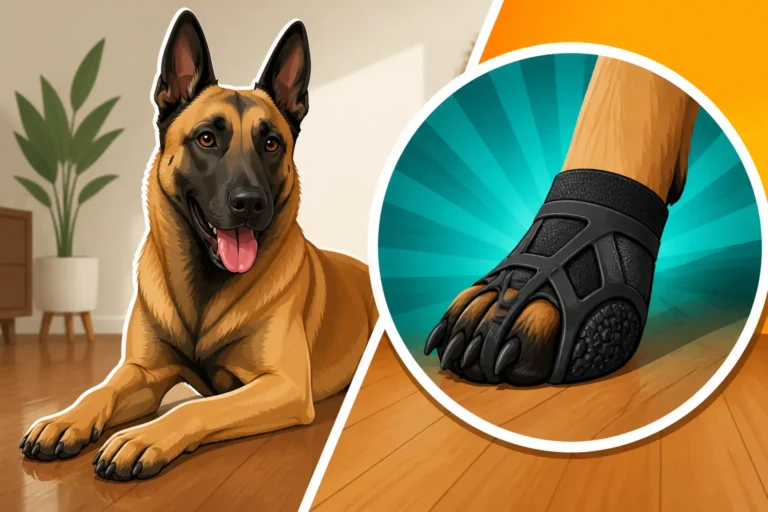
While the goal is to toughen the pads naturally, there are times when boots are a necessary form of protection, not a sign of failure.
- Extreme Conditions: In very hot summer conditions or freezing, salty winters, boots provide an essential barrier against burns, frostbite, and chemical irritation. Even with toughened pads, prolonged exposure to these extremes can cause damage.
- Injury Protection: If your Malinois has a minor paw injury that needs to heal, a boot can protect it during short potty breaks or controlled, low-impact activity.
- Hazardous Terrain: When working in areas with sharp debris, broken glass, or exceptionally rough terrain (e.g., collapsed buildings for search and rescue), boots offer superior protection compared to any topical balm.
Introducing boots to a Malinois requires patience. Many dogs initially resist them. Start with short durations in a positive environment, rewarding heavily. Gradually increase the time they wear them. Make sure the boots fit properly – too loose and they'll chafe; too tight and they'll restrict blood flow. Brands like Ruffwear or Muttluks offer durable options designed for active dogs, which can be purchased from pet retailers such as Chewy or Amazon. It's an investment that can prevent much larger vet bills and downtime.
| Strategy | Description | Best Use Case | Frequency |
|---|---|---|---|
| Gradual Exposure | Controlled increase in time/intensity on varied surfaces | Primary method for natural pad thickening | Daily, integrated into walks/training |
| Paw Balms/Waxes | Topical application for moisture, flexibility, and protection | Maintenance, dryness prevention, pre-event protection | Daily (balms), as needed (waxes) |
| Nutritional Support | Balanced diet rich in Omega-3s, vitamins, and minerals | Overall skin and paw health, long-term resilience | Daily (via food/supplements) |
| Smart Scheduling | Training during cooler hours, varying surfaces | Preventing acute injuries from environmental factors | Every training session |
| Regular Inspections | Visually checking and feeling paws after activity | Early detection of issues, preventative care | After every rigorous activity |
| Protective Boots | Physical barrier for extreme weather or hazardous terrain | Temporary use in harsh conditions, injury recovery | As needed for specific situations |
Common Pitfalls and What to Avoid
Even with the best intentions, it's easy to make mistakes when it comes to paw care. Understanding these common pitfalls can help you navigate the process more effectively.
Overdoing It Too Soon
One of the biggest mistakes is pushing too hard, too fast. You can’t rush the natural toughening process. If your Malinois has spent months on soft surfaces, suddenly subjecting them to an hour-long run on concrete will likely result in blisters, abrasions, or Pad Injuries on a Belgian Malinois in Training. These injuries then require downtime for healing, setting back your progress even further.
Think of it like building up your own running mileage. You wouldn't go from the couch to a marathon overnight. Similarly, gradually increase the duration and intensity of work on abrasive surfaces. Pay close attention to your dog’s cues. Are they limping slightly? Licking their paws excessively after a session? These are all signs you’ve pushed too far. A little discomfort is part of conditioning, but outright pain or injury means you need to scale back.
Ignoring Environmental Factors
It's easy to forget just how vulnerable paws are to temperature. The ground can be significantly hotter or colder than the ambient air temperature. That sizzling asphalt that makes you wince when you touch it? Your Malinois's pads feel it too. Whether a Malinois runs itself into heat exhaustion is a very real concern, and paw pad burns are a severe aspect of that.
Similarly, freezing temperatures, ice, and especially de-icing chemicals are extremely damaging. These chemicals are corrosive and can cause chemical burns, drying, and cracking. Always rinse your dog's paws thoroughly with lukewarm water after walking on treated surfaces, and consider a protective balm or boots in these conditions. Never assume your Malinois, with their tough reputation, is immune to these environmental hazards.
Neglecting Regular Maintenance
Toughening isn't a one-and-done deal. It's an ongoing process. Once your Malinois's pads are in good condition, you need to maintain them. This includes regular inspections, occasional balm application, and continued exposure to varied, appropriate surfaces. If you let them go soft again for an extended period (e.g., a winter where they only walk on snow and carpet), you’ll have to restart the conditioning process.
Also, don't forget the other aspects of paw health: keeping nails trimmed to a proper length prevents splaying of the toes, which can put unnatural stress on the pads. Long nails can also get caught and torn, causing pain and impacting gait. While seemingly minor, these details contribute to the overall resilience and function of your Malinois's hardworking paws. Investing the time in this holistic approach will pay dividends over The Fourteen to Sixteen Years a Belgian Malinois Lives. After all, a fully trained Belgian Malinois, who might represent The Twenty Five Thousand Dollar Trained Belgian Malinois, is only as effective as their foundation—and that starts with healthy, conditioned paws.
Disclaimer
This article is for general informational purposes only and does not constitute professional advice. Laws, prices and regulations vary by location and change over time. Consult a qualified professional for guidance on your specific situation.