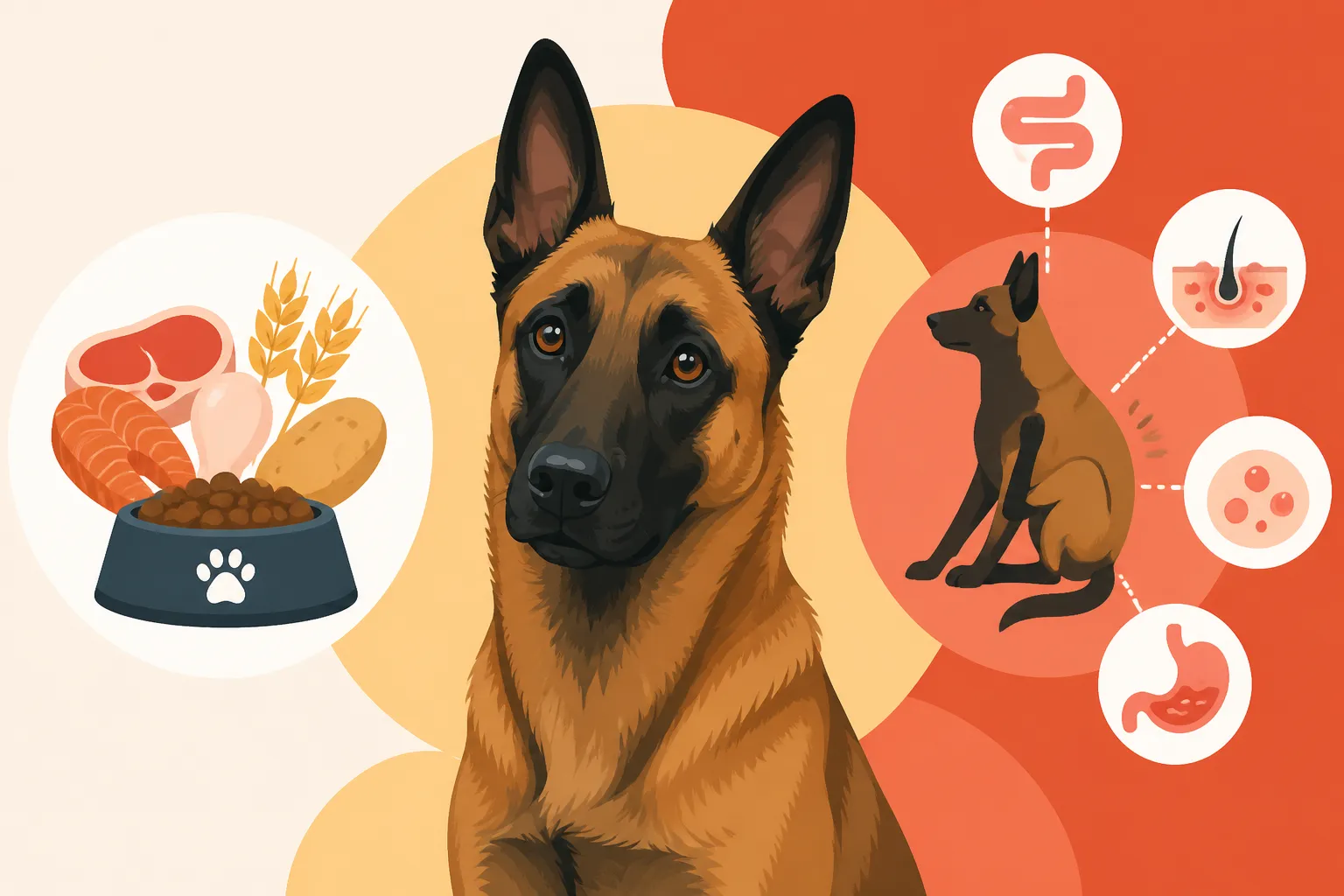
Food Sensitivities in a Belgian Malinois
It’s incredibly frustrating, isn't it? You’re doing everything you think is right for your driven, energetic Belgian Malinois – providing top-tier training, plenty of exercise, and a good quality diet – yet your dog is still itching constantly, or having bouts of soft stool, or just generally not thriving. Sometimes, these seemingly unrelated issues can actually point back to something in their food. This guide is here to walk you through understanding, identifying, and managing food sensitivities in your Belgian Malinois, helping you pinpoint the hidden dietary culprits that might be making your loyal companion uncomfortable.
Unpacking the Difference: Food Allergies Versus Food Sensitivities
When your Malinois isn't feeling their best and you suspect diet is the cause, it’s easy to throw around terms like "food allergy" and "food sensitivity" interchangeably. However, there's a pretty important distinction that can guide how you approach the problem and what you expect as a solution. Understanding this difference is key to getting to the bottom of your Malinois's discomfort.
What is a True Food Allergy?
A true food allergy in dogs, just like in humans, involves an immune system response. This is when your Malinois's body mistakenly identifies a specific protein in their food as a threat. The immune system then launches a defensive attack, releasing histamine and other chemicals that cause immediate and often dramatic symptoms. Think of it like a rapid-fire alarm system. These reactions can be quite severe and typically involve specific, classic allergic signs.
For instance, you might see intense, generalized itching, particularly around the face, ears, feet, and hind end. Their skin might become red, inflamed, or develop hives. Gastrointestinal upset can also be part of the picture, leading to vomiting or profuse diarrhea that seems to come on suddenly after consuming the problematic ingredient. In very rare, severe cases, an anaphylactic reaction could occur, though this is far less common with food allergies than with, say, an insect sting. The crucial thing about a true allergy is that even a tiny amount of the offending protein can trigger a reaction, and the symptoms usually appear quite quickly after ingestion. It's often a lifelong condition, meaning strict avoidance of that ingredient is necessary.
How a Food Sensitivity Differs
On the other hand, a food sensitivity or intolerance doesn't involve the immune system in the same way. Instead, it’s a digestive issue. Your Malinois’s body simply struggles to process a particular ingredient, leading to a slower, less dramatic, but still very irritating set of symptoms. It's more like a grumpy stomach that just can't handle certain things, rather than an all-out immune attack. The symptoms might take hours or even days to appear after your dog eats the problematic food, and they can be cumulative, meaning repeated exposure makes things worse.
Common signs of a food sensitivity often include chronic, mild to moderate gastrointestinal distress such as intermittent Soft Stools in a Malinois Under Training Stress, gas, bloating, stomach rumbling, or even mild vomiting that isn't as urgent or severe as an allergic reaction. Skin issues are also very prevalent with sensitivities, manifesting as persistent itching, dull coat, recurrent ear infections, or hot spots. The severity of these symptoms can sometimes depend on the amount of the offending ingredient consumed. For a Malinois owner, these lingering issues can be incredibly frustrating because they're often vague, inconsistent, and hard to tie directly back to a specific meal. It can leave you feeling like you're constantly chasing shadows with their health.
Common Culprits in a Belgian Malinois's Diet
Identifying what might be causing issues in your Malinois often starts with looking at the most common dietary triggers. While any ingredient can theoretically cause a sensitivity, some are far more frequent offenders than others, especially considering the typical formulations of commercial dog foods.
Proteins: The Usual Suspects
In the world of canine food sensitivities, proteins are overwhelmingly the most common culprits. This is because the immune system (in the case of allergies) and the digestive system (in the case of sensitivities) are designed to interact with and break down proteins. After prolonged exposure, a dog's system can sometimes develop an adverse reaction to a protein it once tolerated perfectly well.
Here are some of the protein sources most frequently linked to sensitivities in dogs:
- Chicken: Despite being a staple in many dog foods, chicken is a very common trigger. It's ubiquitous, meaning dogs are exposed to it constantly from puppyhood, which can increase the likelihood of developing a sensitivity over time.
- Beef: Another popular protein, beef can also be problematic for many dogs. Like chicken, its widespread use in kibble and treats makes it a frequent suspect.
- Dairy: While not a "meat" protein, dairy products contain proteins (like casein) that many dogs, especially adults, struggle to digest due to a lack of the enzyme lactase. This often leads to digestive upset.
- Eggs: Even though eggs are a fantastic source of nutrition, the protein in them can sometimes trigger reactions in sensitive individuals.
- Lamb: Often touted as a "novel" protein years ago, lamb has become so common that it's now also recognized as a potential trigger for some dogs who have been exposed to it extensively.
It's important to remember that it's not the quality of the protein that's usually the issue, but simply the exposure and how an individual dog's body reacts to it. Even high-quality, The Protein a Working Malinois Actually Needs can become a problem if your Malinois's system decides it doesn't agree with it.
Grains, Fillers, and Other Ingredients
While proteins are the primary focus, other ingredients can certainly contribute to sensitivities. These often involve a dog's inability to properly digest certain carbohydrates or an intolerance to certain additives.
- Wheat, Corn, and Soy: These grains and legumes are very common fillers in many commercial dog foods due to their cost-effectiveness. While not inherently "bad" for all dogs, they can be difficult for some to digest, leading to sensitivities. Wheat, in particular, contains gluten, which can be an issue for a small percentage of dogs, though true canine celiac disease is rare. These can contribute to gas, bloating, and changes in stool quality.
- Yeast: Some dogs can be sensitive to yeast, which is often found in dog food as a palatability enhancer or a source of B vitamins. A yeast sensitivity can manifest as itchy skin, ear infections, or paw licking.
- Artificial Colors, Flavors, and Preservatives: While less common than protein sensitivities, some dogs can react to the synthetic chemicals used to make food more appealing or to extend its shelf life. These reactions are often more subtle and harder to pinpoint, but can contribute to chronic itching or hyperactivity in sensitive individuals.
It’s easy to get caught up in the "grain-free" trend, but it's crucial to understand that grains themselves are not inherently evil. For some dogs, rice or oats are perfectly digestible and provide valuable energy. The issue often lies with specific types of grains or the sheer volume of them in a diet. If you are considering changes to the diet, especially something drastic like Whether Raw Feeding Suits a Malinois in Training, always consult with your vet or a veterinary nutritionist to ensure your Malinois is still getting all the nutrients they need.
The Elimination Diet: Your Best Diagnostic Tool
When you suspect your Malinois has a food sensitivity, the most reliable way to figure out the culprit is by performing a veterinary-supervised elimination diet. This isn't a quick fix, and it requires dedication and patience, but it's often the only definitive path to an answer. Think of it as detective work for your dog's gut and skin.
How to Conduct an Elimination Diet
An elimination diet involves completely removing all potential allergens and problematic ingredients from your Malinois's diet for a set period, typically 8 to 12 weeks, and then reintroducing them one by one. The goal is to feed a diet that contains a "novel" protein (one your dog has never eaten before) and a "novel" carbohydrate.
- Select a Novel Diet: This is the most critical step. Your vet will help you choose a commercial "limited ingredient" or "hydrolyzed protein" diet.
- Limited Ingredient Diets (LID): These diets feature a single, novel protein source (e.g., venison, duck, rabbit, kangaroo) and a single, novel carbohydrate source (e.g., sweet potato, peas, tapioca). The key is that your Malinois must not have eaten these ingredients before. This can be tricky if your dog has had a varied diet. Brands available on sites like Chewy or Amazon often carry these specialized formulas, but ensure they are truly novel for your dog.
- Hydrolyzed Protein Diets: In these diets, the protein has been broken down into such tiny molecules that the immune system doesn't recognize it as an allergen. These are often prescription diets and are highly effective because they remove the allergenic component almost entirely.
- Strict Adherence: For 8-12 weeks, your Malinois eats nothing else. This means no treats, no table scraps, no flavored medications, no flavored toys, and absolutely no sneaking bites of anything else. If your Malinois is a counter surfer or a scavenger, this period can be particularly challenging. Every single morsel that goes into their mouth must be part of the novel diet. Even a tiny piece of an old food can derail the entire process. This is where the owner's commitment is tested the most!
- Monitor and Document: Keep a detailed journal of your dog's symptoms. Note daily itching, bowel movements (consistency, frequency), ear scratching, paw licking, and overall demeanor. You should start to see a significant improvement in symptoms (reduction in itching, better stools) within 4-6 weeks if food is the cause.
- The Challenge Phase: Once symptoms have completely resolved, or significantly improved, you begin reintroducing single ingredients from their old diet, one at a time, for about 7-14 days. If, for example, you suspect chicken, you would feed small amounts of cooked chicken (and nothing else new) in addition to their novel diet. Watch intently for a return of symptoms. If symptoms reappear, you’ve likely found your culprit! Once a reaction occurs, you remove that ingredient and let your dog clear again before testing the next. This is where you might find you have to do a Running a Food Trial on an Itchy Malinois for several weeks just to confirm.
Navigating the Challenges of an Elimination Diet
Let's be real, putting a high-drive Malinois on a strict elimination diet is not for the faint of heart. These dogs are intelligent, opportunistic, and often highly food-motivated, which can make sticking to the rules a constant battle.
- Scavenging and Counter Surfing: Your Malinois's keen nose and athletic ability mean that no crumb is safe. You’ll need to be incredibly vigilant about keeping counters clear, trash cans secured, and supervising them outdoors to prevent them from eating anything questionable.
- Treats and Training: If your Malinois lives for treats during training sessions, you'll need to use pieces of their novel kibble or approved cooked ingredients (e.g., boiled novel protein) as rewards. This can sometimes affect their drive if they’re not as enthusiastic about the bland options.
- Multi-Dog Households: If you have other dogs, you’ll need to feed them separately and ensure no food bowls are accessible to the Malinois on the diet. This might mean crating dogs for meals or supervising intently.
- Patience is Key: This isn't a race. It takes time for old allergens to clear the system and for new ones to show themselves during the challenge phase. Rushing it will only lead to inconclusive results and more frustration. Don't be surprised if your dog has A Belgian Malinois That Refuses Food at a Trial because they just aren't interested in the novel protein initially.
Working closely with your veterinarian is crucial throughout this process. They can provide guidance on diet selection, troubleshoot issues, and help interpret results.
Managing and Preventing Future Issues
Once you've successfully identified your Malinois's food sensitivities, the goal shifts to maintaining their health and comfort through careful dietary management. This is where long-term strategy comes into play.
Crafting a Sustainable Diet
The primary approach to managing food sensitivities is strict avoidance of the identified trigger ingredients. This sounds simple, but it requires vigilance and careful label reading.
- Ingredient Lists are Your Friend: You'll become an expert at scrutinizing ingredient labels on dog food, treats, and even supplements. Look for "hidden" sources of the problematic protein – for example, chicken fat in a salmon kibble, or beef derivatives in a chew. Sites like Chewy and Amazon allow you to filter products by ingredients, which can be a huge time-saver.
- Choosing the Right Food: Many commercial diets cater to sensitivities. You might opt for a truly novel protein diet, or continue with a hydrolyzed protein diet if it worked well. Some owners find success with fresh food options, like those from Ollie, where ingredients are transparent and easier to control. The key is to find a complete and balanced diet that avoids the triggers.
- Homemade Diets (with Caution): If commercial options prove difficult, a homemade diet might be considered, but only under the strict guidance of a board-certified veterinary nutritionist. Creating a nutritionally balanced homemade diet is complex, and errors can lead to serious deficiencies. It's not just about avoiding certain ingredients; it's about providing everything else they need in the right proportions.
Supplements and Supportive Care
Beyond avoiding triggers, certain supplements can support your Malinois's gut health and skin barrier, helping them stay more comfortable and resilient.
- Probiotics and Prebiotics: A healthy gut microbiome is crucial for digestion and overall immune function. Whether a Probiotic Settles a Malinois's Gut can be a game-changer for many dogs with digestive sensitivities. Probiotics introduce beneficial bacteria, while prebiotics feed those good bacteria.
- Omega Fatty Acids: Omega-3 fatty acids, particularly EPA and DHA, are well-known for their anti-inflammatory properties and their role in skin and coat health. They can help soothe irritated skin and improve the skin barrier function, which is often compromised in dogs with allergies and sensitivities. Read up on Whether Omega Oils Calm a Malinois's Skin for more detailed information.
- Digestive Enzymes: For some dogs with sensitivities related to poor digestion, adding digestive enzymes to their food can aid in breaking down nutrients, potentially reducing gastrointestinal upset.
- Skin Support: If skin issues are a major symptom, your vet might also recommend topical treatments like medicated shampoos or sprays, or even oral medications for severe Atopy in a Belgian Malinois to provide relief while you work on the dietary aspect.
Lifestyle Adjustments for a Sensitive Malinois
Managing a Malinois with food sensitivities isn't just about what's in their bowl; it's also about their environment and routines.
- Environmental Control: Be mindful of other potential irritants that could exacerbate symptoms, especially skin issues. Dust mites, pollen, and even certain cleaning products can trigger reactions. While an elimination diet is for food, remember that your Malinois can react to things beyond their bowl.
- Stress Reduction: A Malinois thrives on routine and clear expectations. Stress can impact gut health and immune function. Maintaining a consistent schedule for feeding, training, and exercise can help keep their system calm. The Structure a Belgian Malinois Needs Every Day goes a long way in managing overall well-being.
- Regular Vet Check-ups: Even after identifying and managing sensitivities, regular veterinary check-ups are essential to monitor your Malinois's overall health, address any new symptoms, and ensure their diet remains appropriate as they age or their needs change.
By combining strict dietary management, appropriate supplementation, and a supportive environment, you can significantly improve your Belgian Malinois's quality of life, transforming them from a constantly uncomfortable dog into the thriving, energetic companion they're meant to be. It's a journey, not a destination, but a healthier, happier Malinois is well worth the effort.
| Symptom Category | Common Food Sensitivity Signs | Other Potential Causes (for differentiation) |
|---|---|---|
| Skin Issues | Persistent itching (paws, ears, face, groin), recurrent ear infections, hot spots, dull coat, dry flaky skin | Environmental allergies (pollen, dust mites), flea allergy dermatitis, underlying hormonal issues, external parasites, yeast/bacterial infections |
| Digestive Issues | Chronic soft stools, intermittent diarrhea, gas, bloating, stomach rumbling, mild vomiting, increased frequency of defecation | Intestinal parasites, bacterial infections, viral infections, inflammatory bowel disease, sudden diet change, pancreatitis, stress |
| Other | Paw licking/chewing, anal gland issues, sometimes hyperactivity or lethargy (less common but reported) | Behavioral issues, boredom, pain, thyroid problems, other systemic illnesses |
Disclaimer
This article is for general informational purposes only and does not constitute professional advice. Laws, prices and regulations vary by location and change over time. Consult a qualified professional for guidance on your specific situation.