Whether a Belgian Malinois Can Be Too Lean
It’s incredibly common for Belgian Malinois owners to gaze at their sleek, muscular dogs and wonder if they’re too thin. Their naturally athletic build, often appearing quite "ribby" compared to other breeds, can lead to genuine concern. This guide aims to clear up the confusion, helping you understand the difference between a healthy, performance-ready lean and a concerning level of leanness that might signal underlying issues, so you can keep your Malinois in peak condition.
Understanding the Malinois Physique
The Belgian Malinois is an athlete, pure and simple. They are not built for bulk or excessive body fat. Their physique is designed for speed, agility, endurance, and power, all of which require a lean, efficient body. This breed's metabolism is often incredibly high, burning through calories at an impressive rate, especially those engaged in consistent work or sport.
The Athletic Ideal
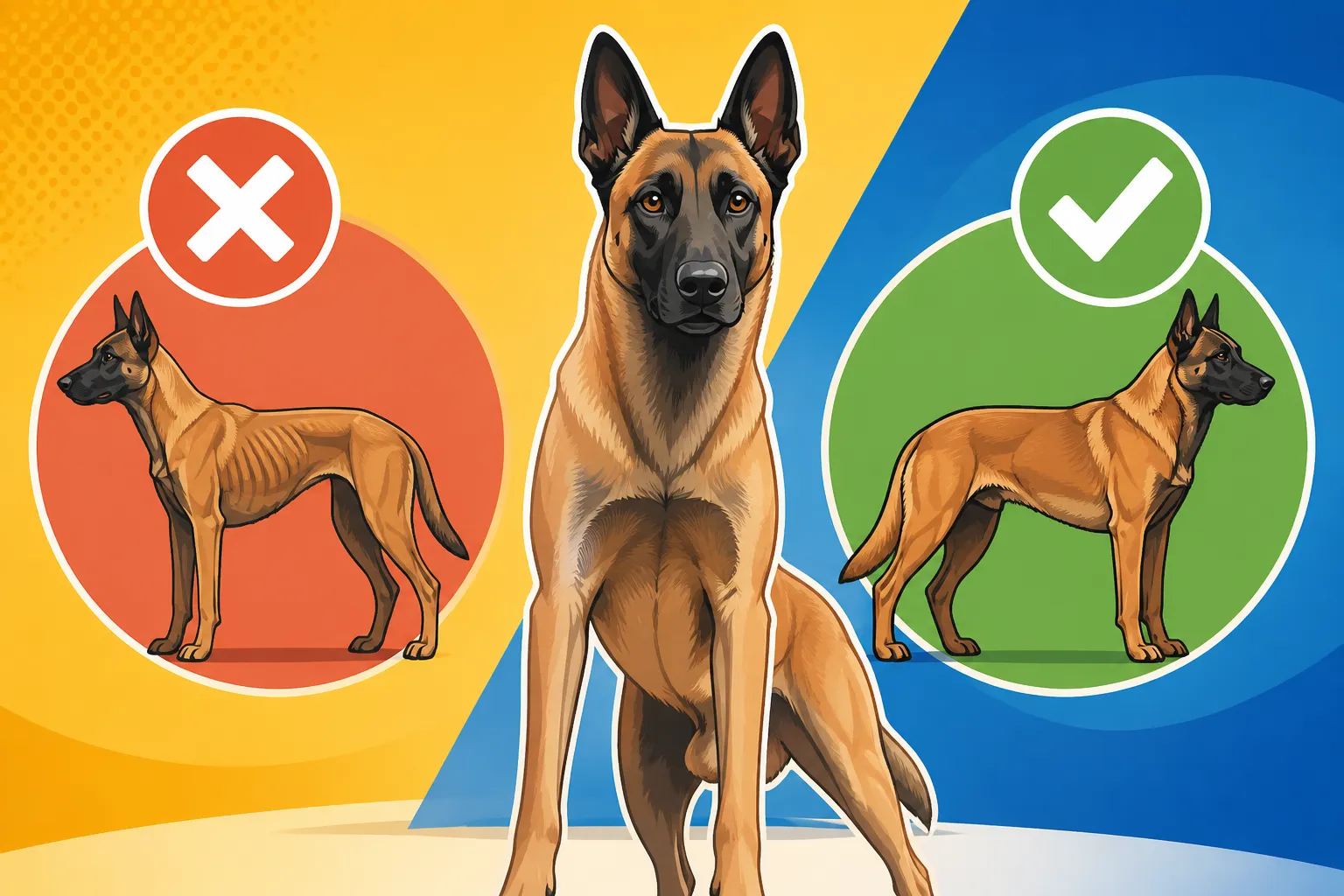
When you look at a well-conditioned Malinois, what you should see is a picture of lean power. Their muscles should be defined, visible, and taut, not hidden under a layer of fat. Think of a long-distance runner or a highly trained gymnast – functional strength is prioritized over mass. This means you should be able to easily feel their ribs without pressing, and often, you might even see the last few ribs when they move or turn. This isn't a sign of starvation; it's a hallmark of proper conditioning for a Malinois.
Many owners who are used to breeds with more substance or a thicker coat can find this appearance alarming. But for a Malinois, that visible rib cage and defined waistline are often exactly what you want to see. It indicates that they are carrying minimal excess weight, allowing them to perform at their best and reducing strain on their joints. It’s about being fit, not fat.
Breed-Specific Energy Demands
A Malinois isn't just a dog; it's a high-octane energy machine. Their daily energy demands are astronomical compared to many other breeds. Whether they're engaged in protection sports like IGP, detection work, agility, or just intense play sessions in the yard, they're burning a significant number of calories. This high metabolism means that maintaining a healthy weight for a Malinois often requires a substantial amount of high-quality food. You simply cannot feed them like you would a more sedentary dog of similar size.
Neglecting these intense energy needs can quickly lead to weight loss, even if you feel like you're feeding them a lot. It’s a constant calculation of output versus intake. If your Malinois is burning several hundred calories in a vigorous training session, those calories need to be replenished, and then some, just to maintain their current condition, let alone build muscle. Understanding this fundamental aspect of the breed is the first step in managing their weight effectively. The Daily Ration a Working Belgian Malinois Eats will give you a good starting point for how much food this energetic breed truly needs.
Distinguishing Working Line vs. Pet Home Build
There can be a noticeable difference in physique between Malinois from dedicated working lines and those bred more for pet homes or conformation. Working line Malinois are typically even leaner, often with a finer bone structure and more extreme tuck-up, built purely for athletic performance. They might appear almost "wiry" or "racehorse-like." This is functional and desirable for their demanding jobs.
Pet Malinois, while still active, might not have the same level of intensity in their daily routine, and some lines might have a slightly heavier build. However, even a pet Malinois should still carry a very lean condition. If they're showing any roundness or if their waistline isn't clearly defined, they are likely carrying too much weight, even if they don't look "fat" by typical dog standards. The goal remains a lean, athletic body, regardless of whether they're competing in the world championships or just being an active family companion. For more on what their ideal look is, read The Lean Condition a Belgian Malinois Should Carry.
When "Lean" Becomes "Underweight"
While a lean physique is desirable for a Belgian Malinois, there is a critical point where "lean" crosses the line into "underweight" or "emaciated." This distinction is crucial for your dog's health and performance. An underweight Malinois isn't just lacking in aesthetics; they are often at risk for numerous health complications and will struggle to maintain their energy levels and muscle mass.
Signs of Insufficient Body Fat
The visible ribs we discussed earlier are one thing, but if you can see all their ribs distinctly, along with prominent hip bones, shoulder blades, and spinal vertebrae without much effort, your Malinois is likely too thin. When you run your hands over their body, there should still be a very thin layer of fat and skin over the bones. If their bones feel sharp and protruding with no cushioning whatsoever, that’s a red flag. Their muscles might also appear wasted or significantly reduced in size, rather than just defined.
Another sign is a deeply exaggerated abdominal tuck, where their belly seems to almost disappear upwards into their flanks. While a tuck is normal, an extreme one indicates a lack of abdominal contents and body fat. Their coat might also lose some of its luster and become dull, or they might seem unusually sensitive to cold, as body fat helps with insulation. Don't confuse normal definition with unhealthy protrusion.
Impact on Health and Performance
An underweight Malinois faces several health risks. They may have a weakened immune system, making them more susceptible to illnesses and taking longer to recover from injuries or infections. Their body reserves are depleted, meaning they lack the fuel to heal or fight off disease. They might also suffer from a chronic lack of energy, impacting their drive and ability to perform their job or simply enjoy daily life. This can manifest as lethargy, reduced enthusiasm for training, or an inability to sustain activity for long periods.
From a performance perspective, being underweight compromises muscle strength and endurance. A Malinois relies on powerful muscles for jumping, biting, running, and all the demanding tasks they undertake. Without adequate body fat and muscle, they cannot generate or sustain the necessary power. Their overall stamina will decrease, and they may be at a higher risk of muscle strains or other injuries because their body isn't adequately supported or fueled. It’s a delicate balance, and tipping too far into leanness can seriously hinder their capabilities.
The Danger of Rapid Weight Loss
Any sudden or unexplained weight loss in a Belgian Malinois is a serious cause for concern and warrants immediate veterinary attention. Unlike a gradual change that might be due to increased activity or a slight diet adjustment, rapid weight loss often points to an underlying medical issue. This could range from parasitic infections, dental problems making eating painful, or dietary intolerances, to more serious conditions like organ disease, metabolic disorders, or even certain types of cancer.
Even if your Malinois has a high metabolism, a sudden drop in weight almost always signals that something is amiss internally. Don't wait to see if they "bounce back." Document the weight loss, note any other accompanying symptoms like changes in appetite, thirst, energy levels, vomiting, or diarrhea, and consult your veterinarian without delay. Early diagnosis and intervention can make a significant difference in the outcome. The Bloodwork a Working Malinois Should Have Annually can provide important insights into your dog's internal health.
Assessing Your Malinois's Body Condition
Knowing what to look for and how to properly assess your Malinois's body condition is a skill every owner needs. It's not just about looking at them; it's about feeling their body and using objective criteria to determine if they are in optimal shape. This helps you identify when that lean look is healthy and when it might be veering into unhealthy territory.
The Rib Test and Hip Bones
One of the easiest ways to gauge your Malinois's condition is through the "rib test." Gently run your hands along their sides, over their rib cage. For an ideally conditioned Malinois, you should be able to easily feel the ribs, almost as if they're just under the skin, without having to press hard. You might even see the last two or three ribs when they're standing or moving, especially after exercise. If you can't feel the ribs without significant pressure, your Malinois is likely carrying too much weight. Conversely, if the ribs are extremely prominent, feel sharp, and have no discernable tissue over them, they might be underweight.
Similarly, check their hip bones. In a healthy Malinois, the hip bones should be palpable but not jutting out sharply. There should be a smooth transition from their back to their hips. If the hip bones are highly angular and very visible, looking almost like hooks, this suggests a lack of muscle and fat coverage, indicating they are likely too thin. It's a fine line to walk, but with practice, you'll learn to distinguish the healthy, athletic definition from concerning skeletal protrusion. You can learn more about how to do this correctly in Judging a Malinois's Condition by Hand.
The Tummy Tuck and Waistline
Another key indicator is the abdominal tuck and waistline. A healthy Malinois should have a very distinct waist when viewed from above, tapering in behind the rib cage. From the side, their abdomen should tuck up noticeably, rising from the bottom of their rib cage towards their hind legs, never hanging low or appearing round. This "tuck-up" is a hallmark of their athletic build.
If your Malinois lacks a defined waist, appearing more like a straight line from ribs to hips, or if their abdomen sags, they are probably overweight. On the other hand, an extremely severe tuck-up, where the abdomen appears hollowed out, might signal that they are underweight. The goal is a clear, graceful curve, not a dramatic scooped-out appearance or a rounded belly. It really boils down to having that athletic silhouette that allows for maximum agility and minimal strain.
Body Condition Scoring Charts
Veterinarians and dog nutritionists often use a Body Condition Score (BCS) chart, typically on a scale of 1 to 9 (with 1 being emaciated and 9 being obese), or sometimes 1 to 5. A score of 4 or 5 out of 9, or 2 or 3 out of 5, is generally considered ideal for a Belgian Malinois. This scale provides a more objective way to assess your dog's condition than just guessing.
| BCS Score (out of 9) | General Description | Malinois Specifics |
|---|---|---|
| 1-2 (Emaciated/Very Thin) | Ribs, vertebrae, pelvic bones easily visible from a distance. No discernible fat. Severe abdominal tuck. Muscle loss evident. | Bones extremely prominent, no fat or muscle covering. Hollow flanks. Weakness, dull coat. Seek vet care immediately. |
| 3 (Thin) | Ribs easily palpable and visible. Top of vertebrae visible. Marked abdominal tuck. Minimal fat. | All ribs easily seen, hip bones and shoulder blades very prominent. Waist very pronounced. Might appear "starved." |
| 4-5 (Ideal) | Ribs easily palpable but not sharply visible. Waist easily noted. Abdominal tuck apparent. | Ribs easily felt, last 2-3 ribs may be visible. Clear waist and good abdominal tuck. Musculature defined. This is the target! |
| 6 (Overweight) | Ribs palpable with slight difficulty. Waist discernible but not prominent. Slight abdominal tuck. | Ribs require more pressure to feel. Waist still present but less defined. Tuck-up reduced. |
| 7-9 (Obese) | Ribs difficult to feel. No waist. Abdomen rounded or sagging. Fat deposits over loin and tail base. | Ribs very hard to feel. No waist or tuck. Looks "blocky." Significant fat over spine and hips. |
Using a chart like this, combined with regular physical checks, can help you maintain your Malinois at their optimal weight. Remember, many Malinois in working condition will fall on the leaner end of the "ideal" range, around a 4.
Potential Causes for Unhealthy Leanness
If you've assessed your Malinois and genuinely believe they are too lean – not just athletically fit – it's crucial to identify the root cause. Unhealthy leanness is rarely arbitrary; it typically stems from a specific issue that needs addressing. Pinpointing the problem will guide you toward the correct solution.
Inadequate Caloric Intake
The most straightforward reason for a Malinois to be underweight is simply not eating enough calories for their activity level. These dogs are metabolic powerhouses. If they are engaged in intense training, working, or even just high-energy play for several hours a day, their caloric needs can be astronomical. Owners, perhaps accustomed to other breeds or misjudging the intensity of their dog's exercise, might inadvertently be underfeeding them. A cup or two of kibble might seem like a lot for a dog, but for a working Malinois, it might just be a snack.
It's not just the quantity but also the quality of food. A low-quality kibble with fillers won't provide the dense nutrition and energy a Malinois requires, even if you feed a large volume. Performance formulas, often higher in protein and fat, are usually necessary for active Malinois. Consider how many meals you're providing, too. Some high-drive Malinois might benefit from smaller, more frequent meals throughout the day to ensure they're consistently fueled without risking bloat. For specific dietary recommendations, see Whether a Sport Malinois Needs a Performance Formula and Feeding a Belgian Malinois Around Training Sessions. High-quality food can be found from brands like Chewy or Amazon often have a good selection.
Underlying Medical Conditions
Sometimes, even with adequate food intake, a Malinois can fail to gain or maintain weight. In these cases, an underlying medical condition is often the culprit. Various health issues can interfere with nutrient absorption, increase metabolic demands, or decrease appetite.
- Parasites: Intestinal worms can steal nutrients from your dog, leading to weight loss despite a good appetite. Regular deworming and fecal checks are essential.
- Dental Pain: A broken tooth, gum disease, or other oral issues can make eating painful, causing your Malinois to reduce their food intake.
- Gastrointestinal Issues: Conditions like inflammatory bowel disease (IBD), exocrine pancreatic insufficiency (EPI), or food sensitivities can prevent the proper digestion and absorption of nutrients.
- Thyroid Problems: While hypothyroidism often leads to weight gain, hyperthyroidism (though less common in dogs) can cause weight loss due to an overactive metabolism.
- Organ Disease: Kidney, liver, or heart disease can all lead to weight loss, often accompanied by other symptoms like increased thirst, lethargy, or changes in urination.
- Cancer: Unfortunately, various forms of cancer can cause cachexia (wasting syndrome) as the body's resources are diverted to fighting the disease.
- Chronic Stress: While not a "medical condition" in the traditional sense, prolonged stress can suppress appetite and increase metabolism, making it difficult for a dog to maintain weight. Diarrhea in a Stressed Belgian Malinois is a good example of how stress can impact their physical well-being.
If you suspect any medical issue, a trip to the vet for a thorough examination, including blood tests and possibly imaging, is crucial.
Stress and Environmental Factors
Belgian Malinois are highly sensitive and can be significantly impacted by stress or changes in their environment. A Malinois under chronic stress might burn more calories due to constant vigilance, anxiety, or hyperactivity, even if it's not physical exercise. Stress can also suppress appetite, leading to reduced food intake. This can be seen in situations like moving to a new home, changes in routine, separation anxiety, or living in an overstimulating or undersocialized environment. A Malinois needs routine and a sense of purpose to thrive.
Environmental factors also play a role. If your Malinois is housed outdoors in cold weather without adequate shelter and bedding, they will burn extra calories just to stay warm. Conversely, extreme heat can sometimes suppress appetite. Competition or trial stress can also lead to temporary weight loss as dogs might refuse food or burn extra energy from anxiety. Recognizing and mitigating these stressors is as important as adjusting their diet. Providing a stable, predictable, and enriching environment is key to their overall well-being and helps them maintain a healthy weight.
Strategies for Healthy Weight Management
Once you've determined that your Malinois is indeed too lean or needs to gain healthy mass, implementing a strategic weight management plan is essential. This isn't just about feeding more food; it's about feeding the right food, at the right times, and ensuring overall well-being.
Optimizing Diet and Feeding Regimen
The foundation of healthy weight gain for a Malinois lies in their diet. You need to ensure they are receiving a high-quality, calorie-dense food formulated for active or working dogs. Look for formulas with higher protein and fat content, as these provide the concentrated energy necessary for muscle building and sustained activity. Brands that focus on performance often offer kibble designed for these needs.
Consider increasing the frequency of meals rather than just the portion size of existing meals. Instead of two large meals, try three or even four smaller meals throughout the day. This can aid digestion and ensure a more consistent supply of energy, especially for dogs with high metabolisms. If you're considering a fresh food diet, services like Ollie provide pre-portioned meals that can be a great way to precisely control caloric intake and offer highly palatable, nutrient-dense options. Always make dietary changes gradually to avoid upsetting their digestive system.
Enhancing Caloric Density Safely
If your Malinois is still struggling to maintain weight on a performance kibble, you can safely enhance the caloric density of their meals. This involves adding nutrient-rich supplements or toppers that boost calories without adding excessive bulk.
- Healthy Fats: Add a tablespoon or two of a good quality oil, like fish oil (for Omega-3s) or coconut oil, to their meals. These are calorie-dense and beneficial for skin and coat health. Just be mindful not to overdo it, as too much can cause loose stools.
- Cooked Lean Meats: Small additions of cooked chicken, beef, or even sardines (packed in water, no salt) can boost protein and fat content, as well as palatability.
- Eggs: Cooked eggs are a fantastic source of protein and fat.
- Cottage Cheese/Plain Yogurt: These can add protein and probiotics, beneficial for gut health, though some dogs may be sensitive to dairy.
- High-Calorie Supplements: There are specific high-calorie veterinary supplements designed for dogs needing to gain weight. Consult your vet before adding these.
The key is to add quality calories, not just empty ones. Avoid processed human foods or excessive treats that can cause digestive upset or provide little nutritional value.
Monitoring and Adjusting Routines
Weight management is an ongoing process, not a one-time fix. Regular monitoring is crucial. Weigh your Malinois weekly or bi-weekly to track progress. Keep a journal of their food intake, exercise levels, and any changes in body condition. This data will help you make informed adjustments.
Remember that a Malinois's caloric needs can fluctuate based on their activity level, environmental temperature, and even stress. During periods of intense training or colder weather, they might need more food. In less active periods, you might need to slightly reduce their intake to prevent them from becoming overweight. It's a continuous dance between input and output. Ensure they are still getting adequate, but appropriate, exercise. Over-exercising an underweight dog can be counterproductive, burning more calories than they can consume and hindering muscle growth. How Much Exercise a Belgian Malinois Puppy Should Get discusses the careful balance for growing dogs, which can also apply to underweight adults needing to build reserves.
When to Seek Veterinary Guidance
While home management strategies are often effective for healthy weight gain, there are clear instances where professional veterinary guidance is not just recommended, but absolutely necessary. Ignoring these signs could lead to worsening health issues for your Malinois.
Persistent Weight Issues
If you've consistently tried to increase your Malinois's caloric intake, improved the quality of their food, and addressed any obvious environmental stressors, but they continue to lose weight or fail to gain, it's time to involve your veterinarian. This persistence in being underweight despite your best efforts strongly suggests an underlying problem that requires professional diagnosis. It could be a subtle malabsorption issue, a chronic infection, or something more serious that isn't evident from the outside.
Your vet can conduct a thorough physical examination, review their history, and recommend diagnostic tests such as blood work, fecal tests, urinalysis, or even imaging (like X-rays or ultrasound) to pinpoint the cause. Don't feel like you've failed if you can't fix it on your own; some issues are simply beyond the scope of home care. A professional medical opinion is invaluable in these situations to ensure your Malinois gets the specific treatment they need to thrive.
Accompanying Symptoms
Beyond just being thin, pay close attention to any other symptoms your Malinois might be exhibiting. These accompanying signs are often critical clues for your vet in diagnosing the underlying issue.
- Changes in Appetite: Is your dog refusing food entirely, or is their appetite inconsistent?
- Changes in Thirst or Urination: Increased drinking or more frequent urination can point to kidney disease or diabetes.
- Vomiting or Diarrhea: Persistent digestive upset indicates gastrointestinal issues that prevent nutrient absorption.
- Lethargy or Weakness: A significant drop in energy levels, reluctance to exercise, or noticeable weakness suggests a more systemic problem.
- Coughing or Difficulty Breathing: These could indicate cardiac or respiratory issues impacting overall health and metabolism.
- Skin or Coat Changes: Dull coat, excessive shedding, or skin lesions could be related to nutritional deficiencies or hormonal imbalances.
- Behavioral Changes: Increased anxiety, restlessness, or unusual vocalization can sometimes be linked to discomfort or underlying medical conditions.
Any combination of unexplained weight loss with these symptoms should prompt an immediate vet visit. They provide a more complete picture of your dog's health status.
Preventative Check-ups
Even if your Malinois appears healthy and is maintaining an ideal weight, regular preventative check-ups with your veterinarian are crucial. These annual or bi-annual visits allow your vet to catch potential issues early, often before they become apparent to you as an owner. This includes routine bloodwork, which can flag subtle changes in organ function, detect inflammation, or reveal early signs of disease that might eventually lead to weight loss.
For a high-drive, working breed like the Belgian Malinois, preventative care is even more vital. Their stoic nature means they often hide signs of illness or discomfort until a condition is quite advanced. A proactive approach to their health, including regular vet visits and appropriate screenings, ensures that their lean, athletic physique remains a sign of health, not a mask for underlying problems. Knowing The Checkup Schedule a Sport Malinois Should Keep is an excellent way to stay ahead of potential health challenges.
Disclaimer
This article is for general informational purposes only and does not constitute professional advice. Laws, prices and regulations vary by location and change over time. Consult a qualified professional for guidance on your specific situation.