Whether a Sport Malinois Needs a Performance Formula
As a Belgian Malinois owner, you know the struggle: your dog is a furry dynamo, an athlete that never seems to run out of steam, and finding the right fuel for their incredible drive can feel like a never-ending quest. Many of us wonder if a standard kibble truly cuts it when our Malinois is flying over jumps, tearing into a bite sleeve, or spending hours on a tracking line. This guide is here to help you navigate the world of performance dog food and decide if a specialized formula is truly what your sport Malinois needs to thrive.
Understanding the Demands of a Sport Malinois
Let's be honest, a Belgian Malinois isn't your average couch potato. These dogs are built for work, for movement, for intense focus and explosive power. Whether they're involved in IGP, ring sports, agility, detection work, or just being an exceptionally active family companion, their bodies are constantly under a unique kind of stress. This incredible output means their nutritional needs go far beyond what a typical dog might require, and understanding these demands is the first step in fueling them correctly.
The Energy Expenditure in High-Intensity Work
Think about a typical training session for a sport Malinois. It's not just a leisurely walk around the block. We're talking about bursts of speed, sustained concentration, powerful bites, intricate scent work, and rapid changes in direction. Each of these activities burns through energy at an astonishing rate. A dog performing protection work, for instance, engages massive muscle groups, requiring quick glycogenolysis and fat utilization. During a long tracking exercise, their brain is working overtime, and their endurance muscles are steadily consuming fuel. Even in agility, where the sessions might be shorter, the explosive power and mental engagement are incredibly taxing. This isn't just about covering distance; it's about dynamic, high-output effort that depletes energy stores rapidly and consistently. It's a bit like comparing a marathon runner's diet to someone who jogs occasionally – the requirements are just on a different scale entirely.
Beyond Calories: Nutrient Requirements for Recovery and Performance
While calories are crucial for energy, simply packing in more food isn't the whole answer for a sport Malinois. Their bodies are constantly breaking down and rebuilding, and they need specific macronutrients and micronutrients to facilitate optimal recovery and maintain peak performance. High-quality protein, for example, is essential for repairing muscle tissue damaged during strenuous exercise and for building new muscle. Fats provide a sustained, dense energy source, sparing protein for its structural roles. But it doesn't stop there. Antioxidants are vital for combating oxidative stress caused by intense activity, helping to reduce inflammation and speed up cellular recovery. Joint-supporting nutrients, like glucosamine and chondroitin, become increasingly important to help maintain the integrity of cartilage under constant impact. We also can't forget about electrolytes, which are lost through sweat and panting, and need replenishing to maintain proper hydration and nerve function. It’s a complex physiological puzzle, and every piece of the nutritional intake contributes to the bigger picture of your Malinois's overall health and ability to continue performing at a high level.
What Defines a "Performance Formula"?
So, if a sport Malinois has such unique needs, how does a "performance formula" cater to them? It's more than just a marketing buzzword; these specialized diets are formulated with the working dog's physiology and energy demands specifically in mind. They often deviate significantly from standard adult dog foods, reflecting a deeper understanding of metabolic processes during intense activity.
Higher Protein and Fat Content
One of the most immediate differences you'll notice in a performance formula is its elevated levels of protein and fat. For a working Belgian Malinois, protein isn't just about muscle bulk; it's about quick repair, maintenance, and providing a backup energy source if carbohydrate stores run low. Performance diets typically boast protein percentages upwards of 28-30%, sometimes even higher, sourced from highly digestible animal proteins like chicken, lamb, or beef. This ensures that the essential amino acids are readily available for muscle synthesis and recovery.
Similarly, fat content is significantly boosted, often reaching 18-20% or more, compared to the 12-15% found in many maintenance formulas. Fat is a powerhouse for working dogs. It provides a dense, slow-burning fuel source that is crucial for endurance work, and it's less likely to cause sudden blood sugar spikes and crashes. Healthy fats also play a critical role in nutrient absorption, skin and coat health, and overall cellular function. The combination of high-quality proteins and fats in these formulas means your Malinois gets sustained energy and the building blocks necessary for robust recovery, preventing them from "burning out" or depleting their reserves too quickly. The Protein a Working Malinois Actually Needs is often much higher than what most people assume.
Enhanced Digestibility and Nutrient Absorption
Another hallmark of a quality performance formula is its focus on enhanced digestibility. What good are high-quality ingredients if your dog's body can't efficiently absorb the nutrients? These formulas often feature ingredients that are less likely to cause digestive upset, such as specific fiber blends and often include prebiotics and probiotics. These additions help maintain a healthy gut microbiome, which is crucial for efficient nutrient absorption and a strong immune system.
For a sport Malinois, digestive efficiency is paramount. Stress from training, travel, or competition can often lead to sensitive stomachs or loose stools, making nutrient absorption even more challenging. A highly digestible formula minimizes the workload on their digestive system, ensuring that more of those precious calories and nutrients are actually utilized by the body, rather than simply passing through. This helps prevent energy dips, maintains a healthy body condition, and contributes to overall resilience, allowing your Malinois to perform consistently without gastrointestinal issues holding them back.
Added Joint Support and Antioxidants
The rigorous physical demands placed on a sport Malinois inevitably lead to wear and tear on their joints and an increase in cellular oxidative stress. Performance formulas often address these concerns proactively by incorporating supplemental ingredients aimed at supporting joint health and providing antioxidant benefits. You'll frequently see ingredients like glucosamine, chondroitin, and sometimes MSM or green-lipped mussel, which are thought to help maintain cartilage integrity and reduce inflammation in the joints. For dogs that are constantly jumping, turning, and engaging in high-impact activities, this proactive support can be invaluable in maintaining long-term mobility and comfort.
Beyond joint support, many performance diets are fortified with higher levels of antioxidants such as Vitamin E, Vitamin C, and selenium. Intense exercise produces free radicals, which can cause cellular damage. Antioxidants work to neutralize these free radicals, reducing oxidative stress and supporting faster recovery from exertion. This comprehensive approach to nutrition, looking beyond just energy and protein, helps to protect your Malinois's body from the cumulative effects of their demanding lifestyle, contributing to their longevity and ability to stay sound in their sport. Joint Supplements for a Working Belgian Malinois are often a consideration, but a good performance food can provide a baseline.
Assessing Your Malinois's Individual Needs
While the general principles of performance nutrition apply, every Belgian Malinois is an individual. What works perfectly for one dog might not be ideal for another, even if they're in the same sport. Taking a personalized approach to your Malinois's diet is key to optimizing their health and ensuring they're getting exactly what they need.
Activity Level and Type of Work
Consider the exact nature and intensity of your Malinois's daily routine. Is your dog an active family companion who enjoys long hikes and regular training sessions, but doesn't compete in high-level sports? Or are they a top-tier IGP dog, training multiple times a week, performing intense bite work, tracking, and obedience, and traveling to trials? The energy expenditure and recovery needs of these two scenarios are vastly different. A Malinois primarily engaged in advanced obedience and agility might thrive on a moderately higher-calorie diet, whereas a dog routinely performing high-impact, explosive protection work will likely require the higher fat and protein levels found in true performance formulas.
It's crucial to differentiate between an active pet and a true working athlete. An active pet might do well on a premium adult formula, possibly with a slightly higher feeding amount. However, a sport Malinois that's consistently pushing its physical limits needs the specific ratios and types of nutrients that performance formulas provide to prevent muscle loss, ensure quick recovery, and maintain optimal body condition. Observe your dog's energy levels, endurance during work, and how quickly they recover. This will give you vital clues about whether their current diet is truly meeting their specific demands. The Checkup Schedule a Sport Malinois Should Keep should include a discussion of diet with your vet.
Age, Metabolism, and Body Condition
Your Malinois's age and individual metabolism also play a significant role in determining their nutritional needs. A young, growing Malinois puppy needs a diet formulated for large breed growth to support healthy bone and joint development, but once they reach adulthood, their metabolic rate and caloric needs may shift. An adult sport Malinois typically has a very high metabolism, burning calories at an impressive rate, and they need a dense, calorie-rich diet to maintain their The Lean Condition a Belgian Malinois Should Carry. A Malinois that's too thin might not have sufficient energy reserves or muscle mass, impacting their performance and overall health. On the other hand, an overweight Malinois will struggle with agility, speed, and put undue stress on their joints.
Regularly assess your dog's body condition by feeling their ribs – you should be able to feel them easily without seeing them prominently, and they should have a discernible waist. Some Malinois also have naturally faster metabolisms than others, meaning they might require even more calories to maintain condition despite the same workload. As they age, an older sport Malinois might experience a slight slowdown in metabolism, or require different ratios of nutrients to support aging joints and organs. It’s a dynamic process, and what worked last year might need tweaking this year. Judging a Malinois's Condition by Hand is a skill every owner should master.
Stress Factors and Environmental Conditions
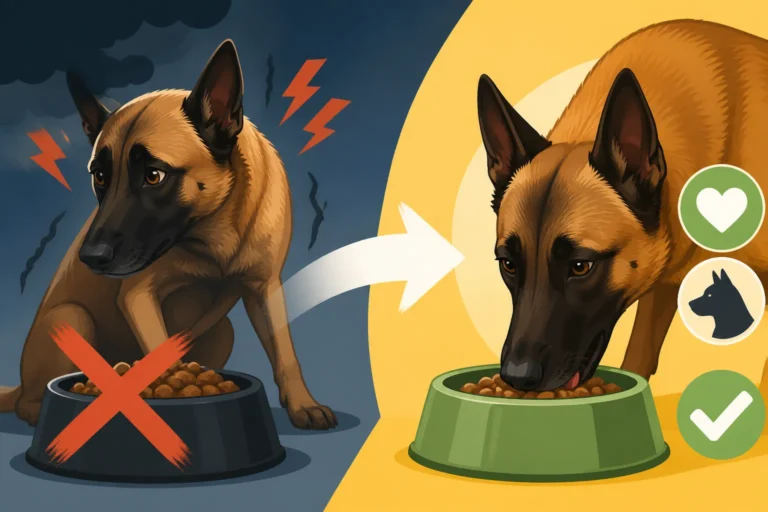
Beyond the physical demands of training, various external factors can significantly impact your Malinois's nutritional needs and how well they utilize their food. Stress from travel, competition environments, changes in routine, or even the excitement of a new training partner can affect their appetite and digestive system. Some Malinois become so focused in a trial setting that they might refuse food altogether, making it critical that the food they do consume is highly nutrient-dense. Feeding a Belgian Malinois That Will Not Eat Under Stress is a common challenge for sport dog owners.
Environmental conditions also play a huge role. Training in hot, humid weather increases the risk of dehydration and electrolyte loss, necessitating careful attention to hydration and potentially electrolyte-fortified diets. Conversely, working in cold climates requires more calories to maintain body temperature. A Malinois kept primarily outdoors in a cold environment will burn significantly more calories than one living indoors. It's not just about the food itself, but how these external stressors interact with your dog's body, influencing their digestion, absorption, and overall caloric needs. Adjustments may be needed seasonally or during peak competition periods to ensure your Malinois remains in top form.
Navigating the World of Dog Food Options
The sheer number of dog food brands and formulas available can be overwhelming. From boutique brands to well-established names, each promises optimal nutrition. For a sport Malinois, making an informed choice means looking beyond clever marketing and focusing on what truly fuels performance.
Deciphering Ingredient Labels
Learning to read a dog food ingredient label is one of the most powerful tools you have as a Malinois owner. Don't just glance at the front of the bag; turn it over and scrutinize the ingredient list. The first few ingredients are the most abundant in the formula. For a performance diet, you want to see named meat sources (e.g., "chicken meal," "lamb," "beef") at the top, not vague terms like "meat by-products" or "animal digest." These provide the high-quality, digestible protein your Malinois needs. Avoid foods where corn, wheat, or soy are among the first ingredients, as these are often fillers that offer less nutritional value for a carnivorous athlete.
Look for a healthy balance of fats, with named fat sources like "chicken fat" or "salmon oil," which provide essential fatty acids. Carbohydrates are also important for energy, but prioritize complex carbohydrates like sweet potatoes, peas, or whole grains rather than highly processed options. Finally, check for the inclusion of vitamins, minerals, and any specific joint-supportive ingredients. A transparent ingredient list, free from artificial colors, flavors, and excessive preservatives, indicates a manufacturer committed to quality. Many reputable brands will also clearly list guaranteed analysis percentages for protein, fat, fiber, and moisture, giving you a clear picture of the macronutrient profile.
Comparing Performance Formulas to Standard Adult Formulas
When standing in the pet store aisle or browsing online, the differences between a "performance" or "sport" formula and a "standard adult maintenance" formula might not always be immediately obvious without a closer look. However, the nutritional profiles are typically quite distinct, reflecting their intended purposes.
Here's a general comparison:
| Feature | Standard Adult Maintenance Formula | Performance/Sport Formula |
|---|---|---|
| Protein % | 22-26% (moderate) | 28-35%+ (high) |
| Fat % | 12-15% (moderate) | 18-25%+ (high, dense energy) |
| Carbohydrates | Higher proportion, often primary energy source | Moderate proportion, focus on complex carbs |
| Calorie Density | Moderate calories per cup | High calories per cup |
| Digestibility | Good for average activity | Enhanced, optimized for nutrient absorption |
| Additives | Basic vitamins/minerals | Joint support (glucosamine, chondroitin), antioxidants, L-Carnitine, Omega-3s |
| Intended Use | Average activity, pet dogs | High-energy, working, sporting dogs |
A standard adult formula is designed to meet the basic nutritional needs of a healthy, moderately active dog. It provides sufficient energy and protein for everyday life but isn't formulated for the extreme demands of intense training or competition. Trying to feed enough of a standard formula to a sport Malinois to meet their caloric needs might mean overfeeding other nutrients or simply not providing the concentrated energy density required, leading to large meal volumes that can be hard on their stomach.
Performance formulas, on the other hand, are specifically crafted to provide a higher caloric density with greater proportions of highly digestible protein and fat. This means your Malinois can get the energy and building blocks they need in a more concentrated form, often leading to smaller meal sizes while still receiving adequate fuel. When browsing options, consider checking reputable online retailers like Chewy, which often allow you to compare nutritional breakdowns side-by-side and read reviews from other working dog owners, giving you a good starting point for your research.
Incorporating Fresh Food and Supplements
While kibble-based performance formulas are convenient and effective for many, some Malinois owners explore fresh food diets or strategic supplementation. Fresh food, whether commercially prepared and balanced (like options from Ollie), or carefully home-prepared raw or cooked diets, offers an alternative approach to nutrition. These diets often boast high digestibility and can be very palatable, which is a huge plus for those stressed Malinois who might turn up their nose at kibble during a trial. The perceived benefits include better hydration, improved coat condition, and sometimes fewer digestive issues. However, creating a balanced fresh food diet requires significant research and often consultation with a veterinary nutritionist to ensure all nutrient requirements are met, especially for a high-performance dog. Whether Raw Feeding Suits a Malinois in Training is a complex question with many considerations.
Beyond the base diet, strategic supplementation can bridge specific nutritional gaps or provide targeted support. This isn't about throwing a bunch of pills at your dog, but rather addressing known vulnerabilities or enhancing recovery. Omega-3 fatty acids, for instance, are widely used for their anti-inflammatory properties and to support skin, coat, and cognitive health. Joint supplements can be added if your dog shows early signs of stiffness or if their sport puts extreme pressure on their joints. Probiotics can support gut health during stressful periods. Always discuss any planned supplements with your veterinarian to ensure they are appropriate for your individual Malinois and won't interact negatively with their existing diet or any medications. It's about being proactive and targeted in your approach. Supplements a Working Belgian Malinois Owner Buys are often an additional consideration for the serious owner.
Practical Considerations for Sport Malinois Owners
Choosing the right food is one thing; successfully integrating it into your Malinois's demanding routine is another. There are practical steps and ongoing observations necessary to ensure that your nutritional strategy is effective and supporting your dog's peak performance and long-term health.
Transitioning Food Safely
One of the biggest mistakes owners make, especially with high-drive dogs who might be prone to digestive upset, is switching foods too quickly. A sudden change can lead to gastrointestinal distress, including vomiting, diarrhea, and a general feeling of malaise, which is the last thing you want for a working dog. The key is a slow, gradual transition over at least 7-10 days, sometimes even longer for particularly sensitive Malinois.
Start by mixing about 25% of the new food with 75% of the old food for a few days. If your Malinois tolerates this well, increase the ratio to 50/50 for another few days. Then move to 75% new food and 25% old food, and finally, transition to 100% new food. During this period, carefully monitor your dog's stool consistency, appetite, and overall energy levels. If you notice any signs of upset, slow down the transition and maintain the current ratio until their system adjusts. This patient approach allows their digestive enzymes to adapt to the new ingredients, minimizing discomfort and ensuring a smooth dietary change. Transitioning a Malinois to a Different Kibble is an art form.
Monitoring Health and Performance
Once you've settled on a performance formula, your work isn't done. Ongoing monitoring is crucial to ensure the diet is indeed meeting your Malinois's needs. Pay close attention to their body condition – are they maintaining a healthy weight and muscle mass? Remember, a lean, athletic build is ideal, but they shouldn't look emaciated. Their coat should be shiny and healthy, not dull or brittle. Stool quality is a direct indicator of digestive health: firm, well-formed stools are a good sign, while chronic diarrhea or excessive gas could indicate a dietary issue.
Beyond physical signs, observe their performance and recovery. Do they have sustained energy throughout their training sessions? Are they recovering quickly, or do they seem excessively fatigued? Changes in energy, enthusiasm for work, or prolonged recovery times could signal that their diet needs adjustment. Regular veterinary check-ups are also vital. Your vet can perform routine blood work to check organ function and overall health, providing an objective view of how your Malinois is thriving on their diet. Don't underestimate the importance of consistent observation in ensuring your sport Malinois is getting the most out of their food. The Bloodwork a Working Malinois Should Have Annually can help catch issues before they become serious.
Budgeting for Premium Nutrition
Let's face it: feeding a high-performance Belgian Malinois isn't cheap. Quality ingredients, specialized formulations, and often higher calorie densities typically come with a higher price tag. This can be a significant concern for owners, especially those with multiple dogs or on a tight budget. However, it's important to view premium nutrition as an investment in your dog's health, longevity, and performance potential. Cutting corners on food quality can lead to higher veterinary bills down the line for issues like poor coat condition, digestive problems, or lack of sustained energy that can impact training and trials.
When budgeting, consider the long-term benefits. A well-nourished Malinois is often healthier, performs better, and may have a longer, more active working life. Look for ways to make premium food more affordable, such as buying in bulk when sales are available or signing up for subscription services offered by retailers like Amazon or Chewy, which often provide discounts. While the initial cost per bag might be higher, remember that performance formulas are often more calorie-dense, meaning you might feed slightly less per day than you would with a cheaper, less nutrient-rich kibble. Calculate the cost per day, not just per bag, to get a clearer picture of the true expense. Your Malinois is an athlete; fueling them like one is simply part of the commitment. What Feeding a Working Malinois Costs Each Month can add up quickly.
Disclaimer
This article is for general informational purposes only and does not constitute professional advice. Laws, prices and regulations vary by location and change over time. Consult a qualified professional for guidance on your specific situation.